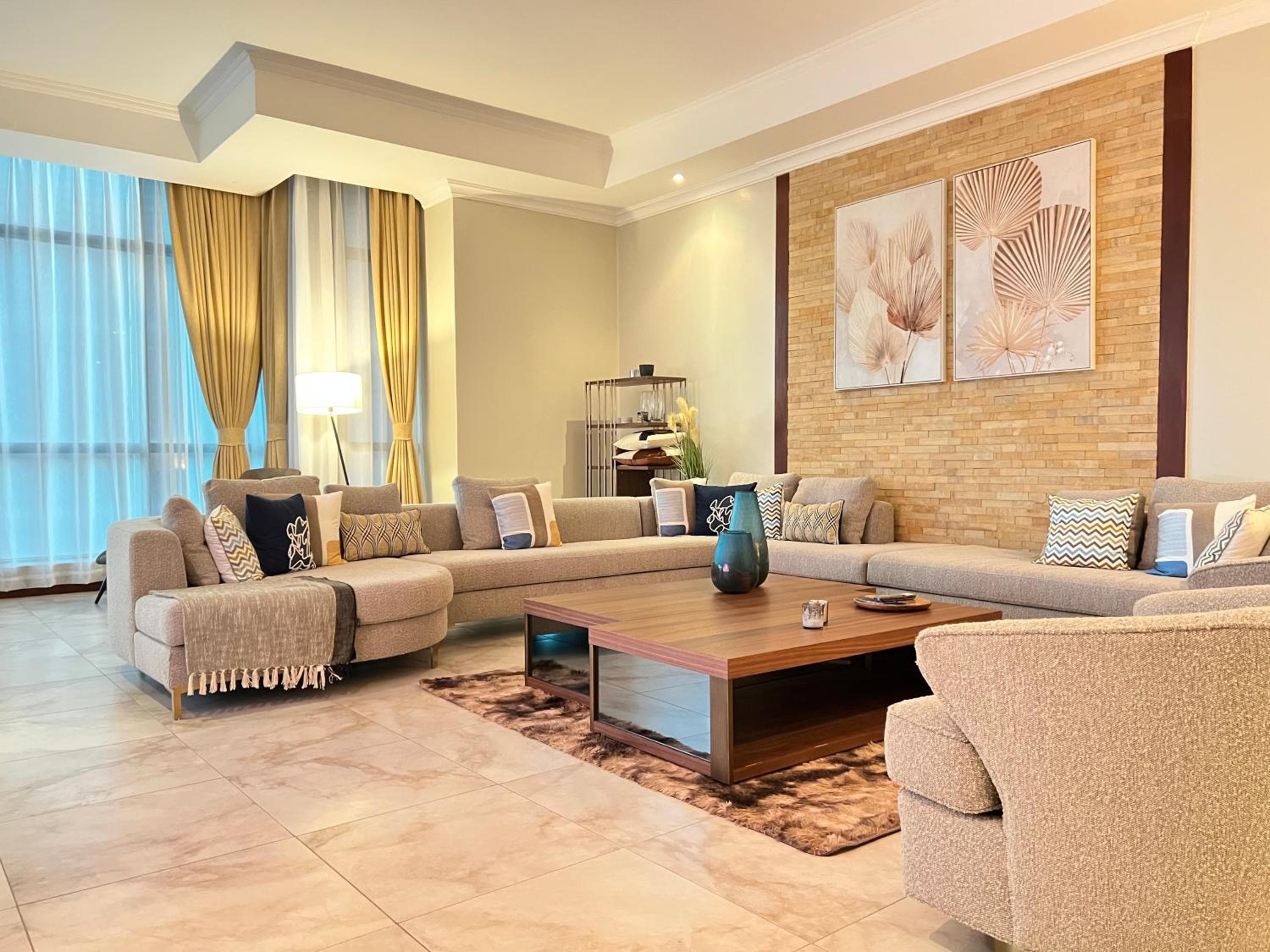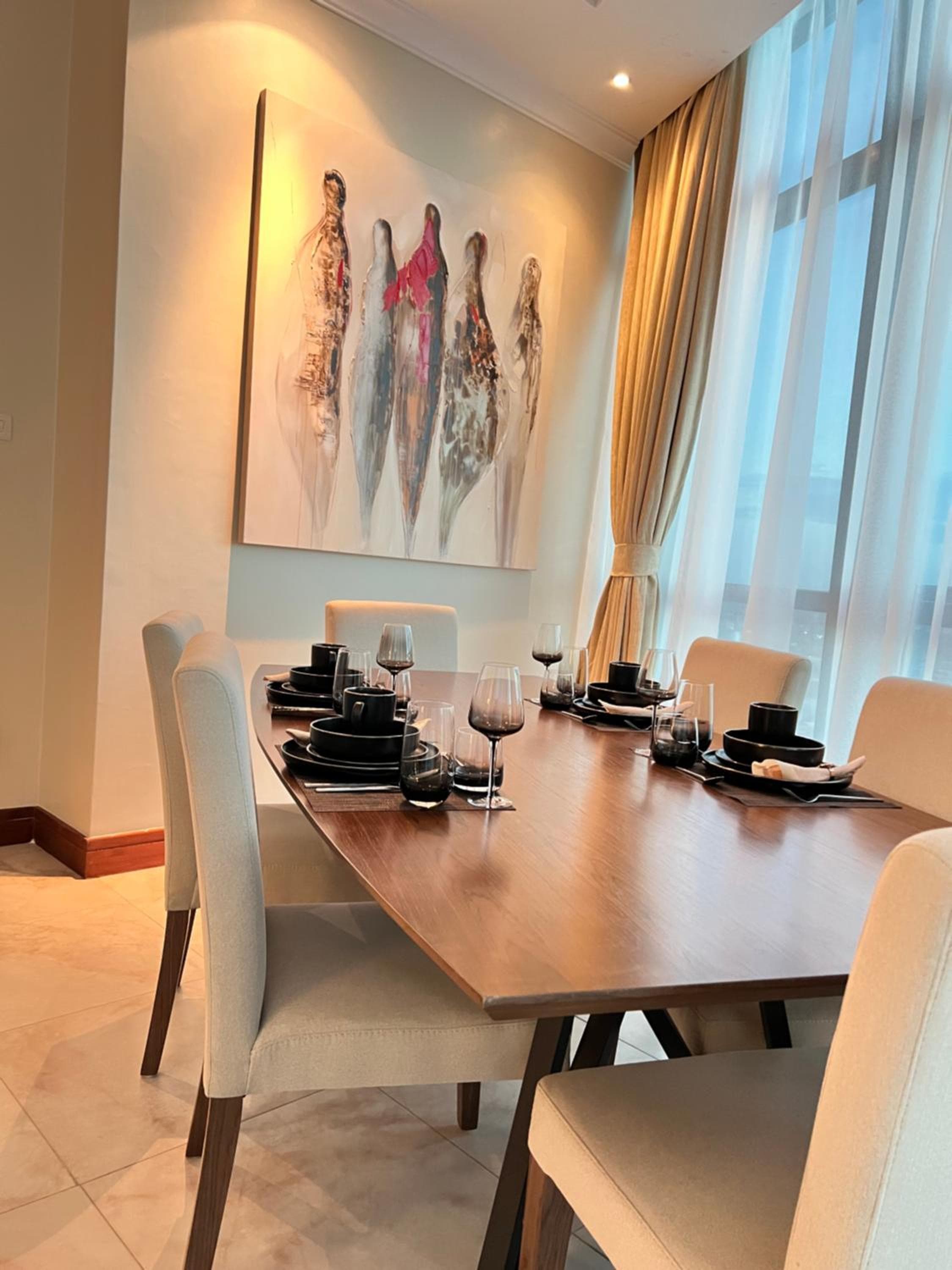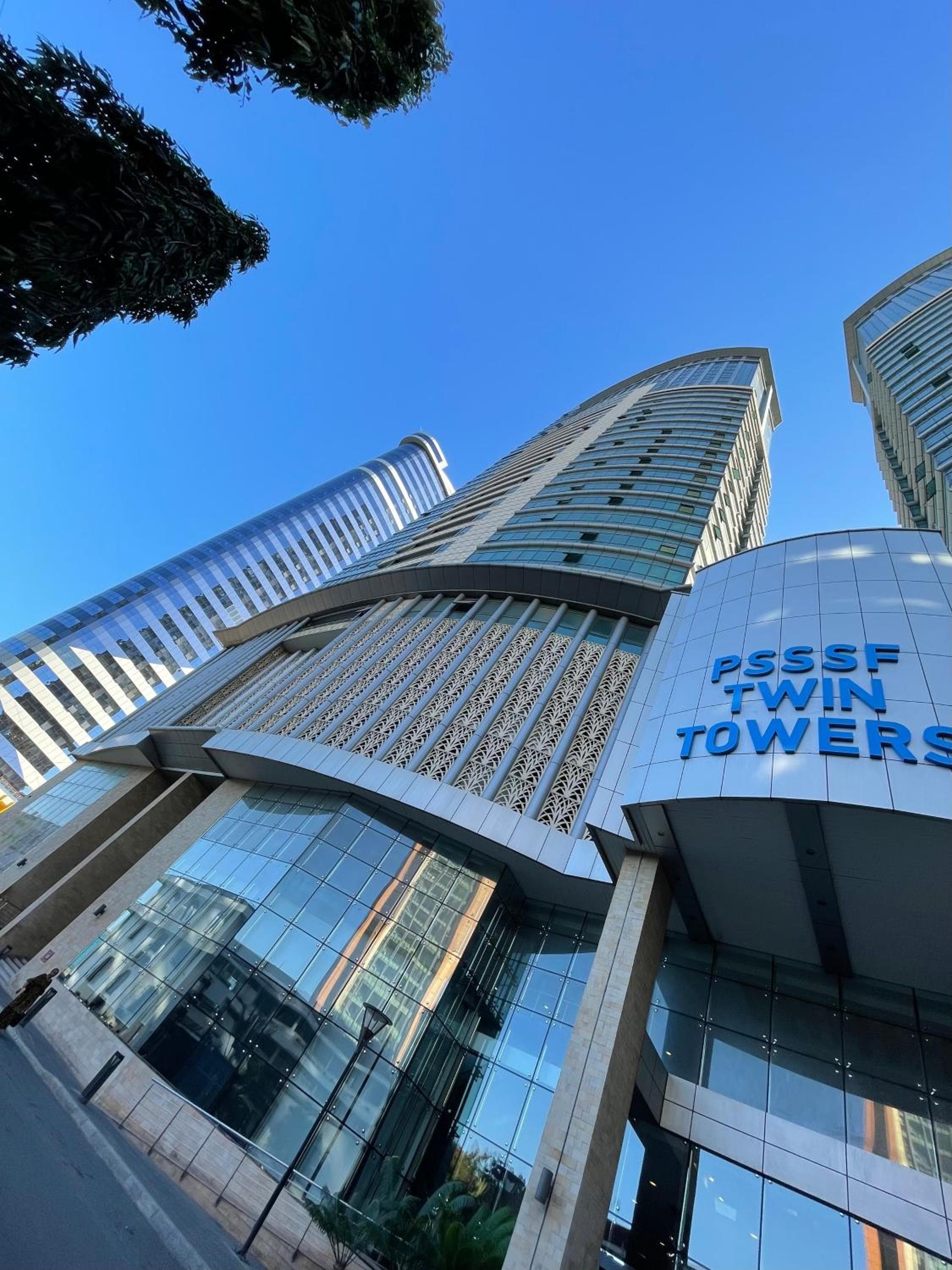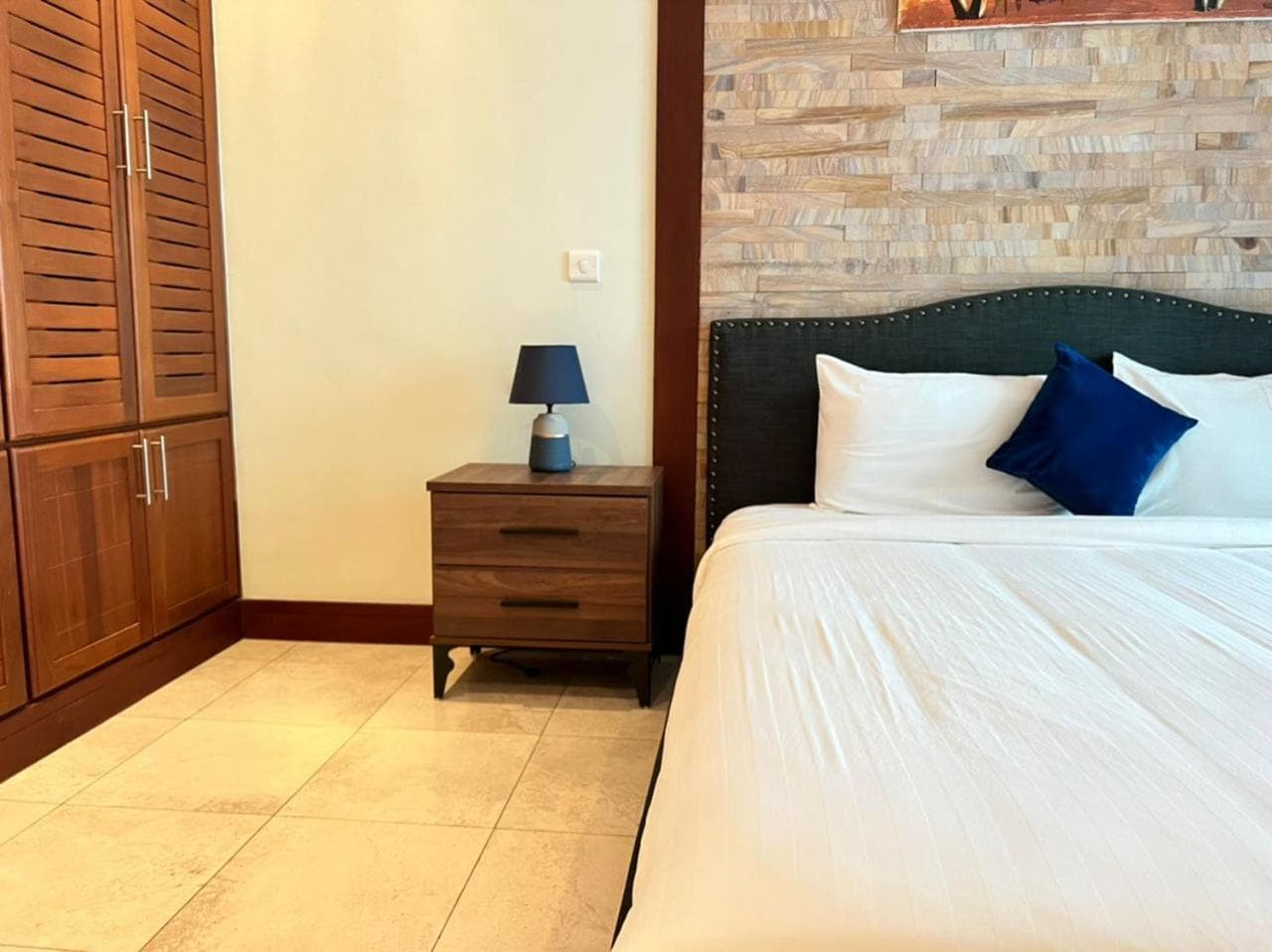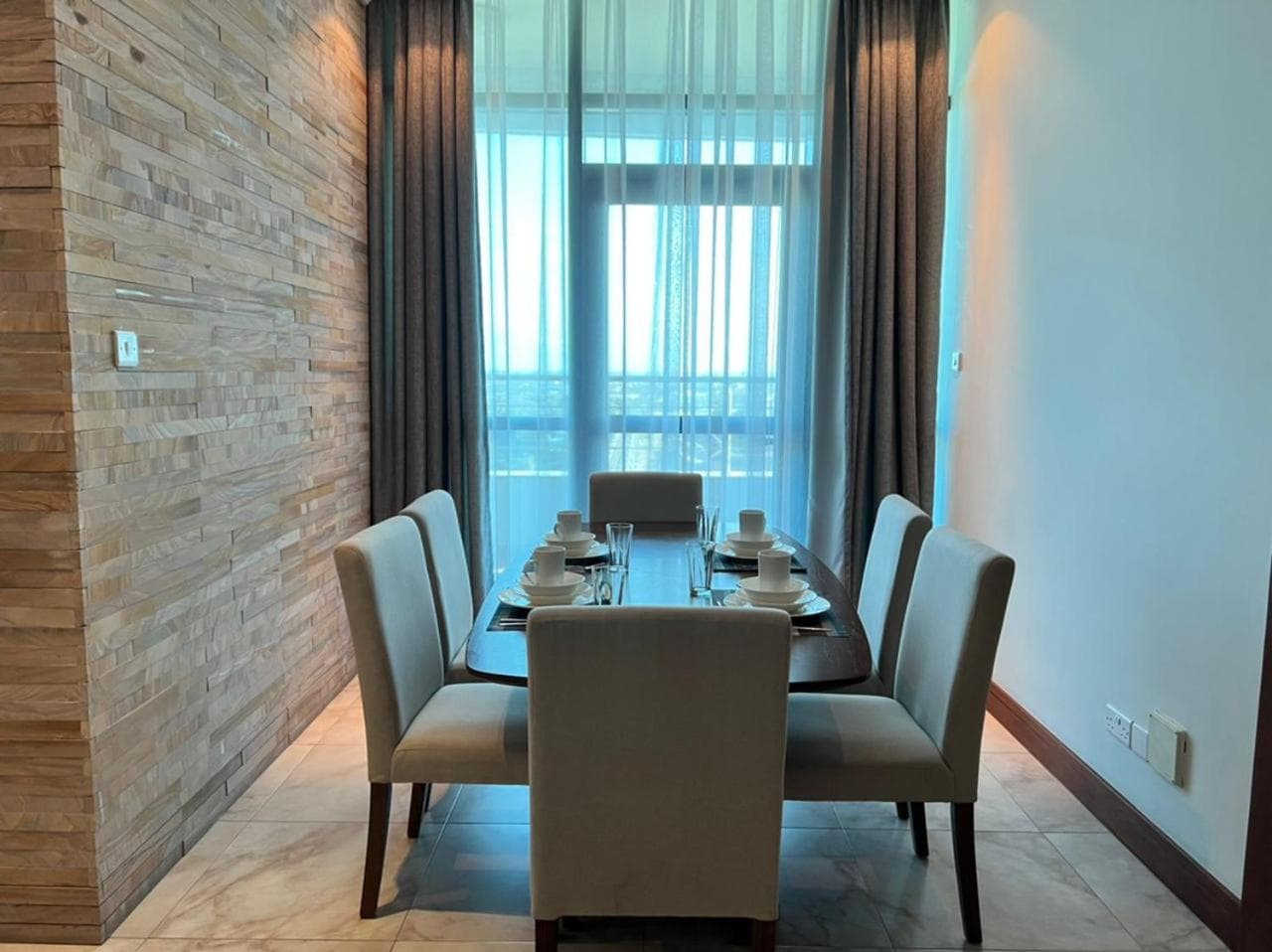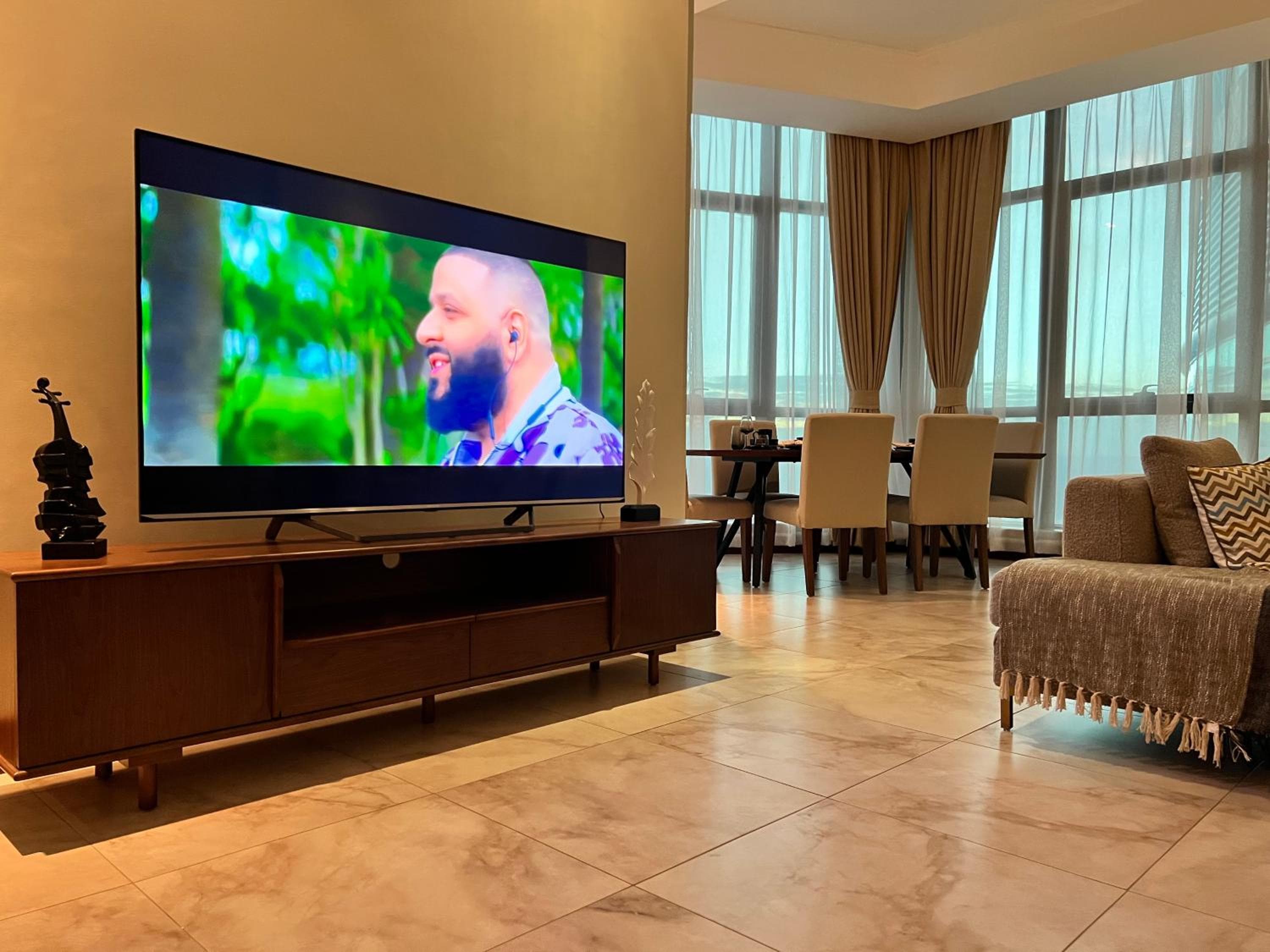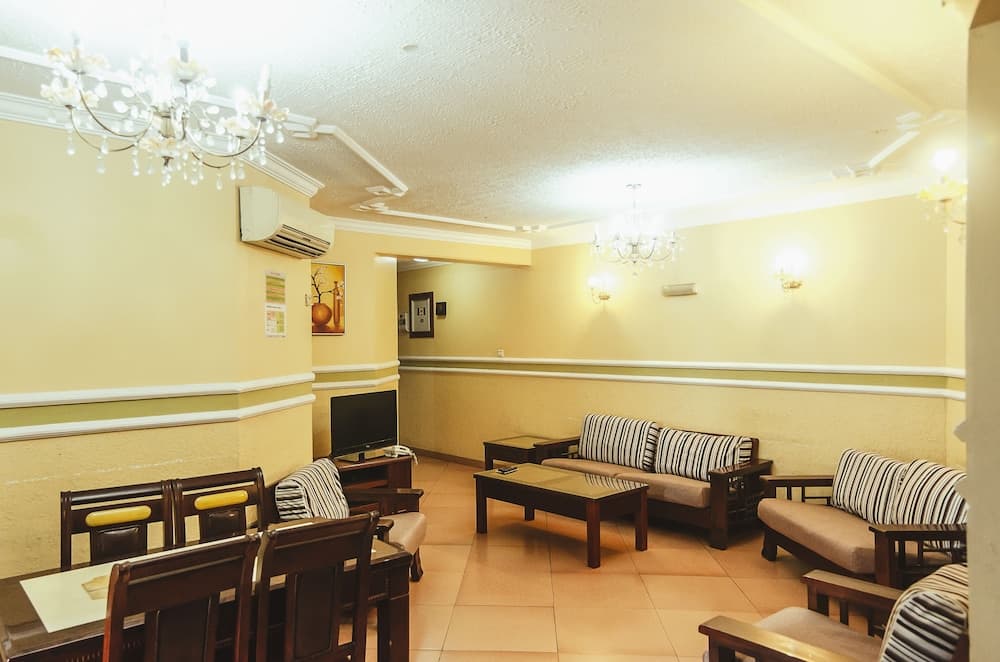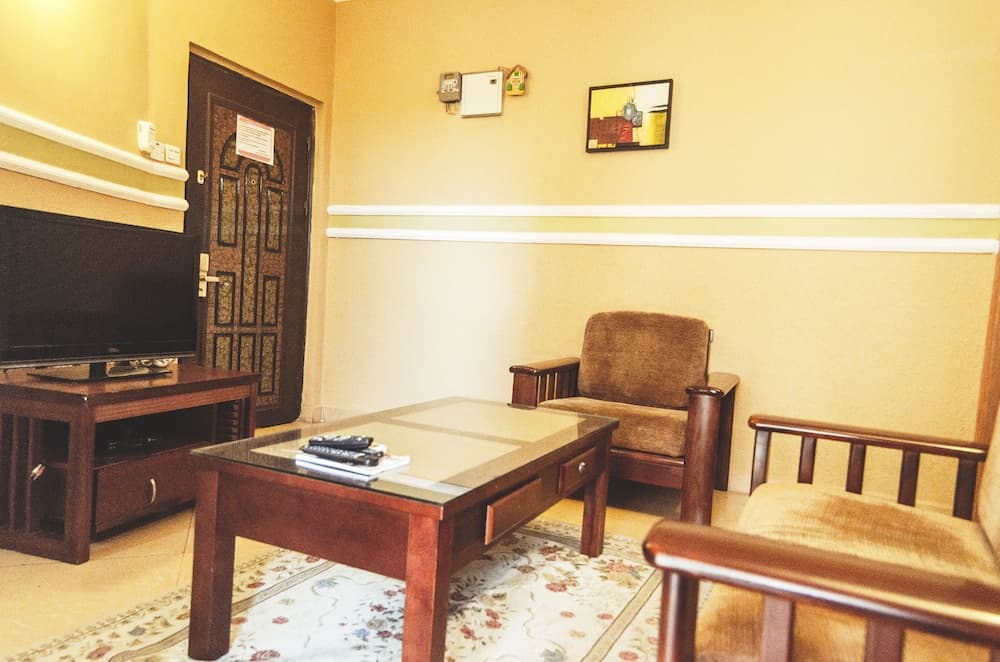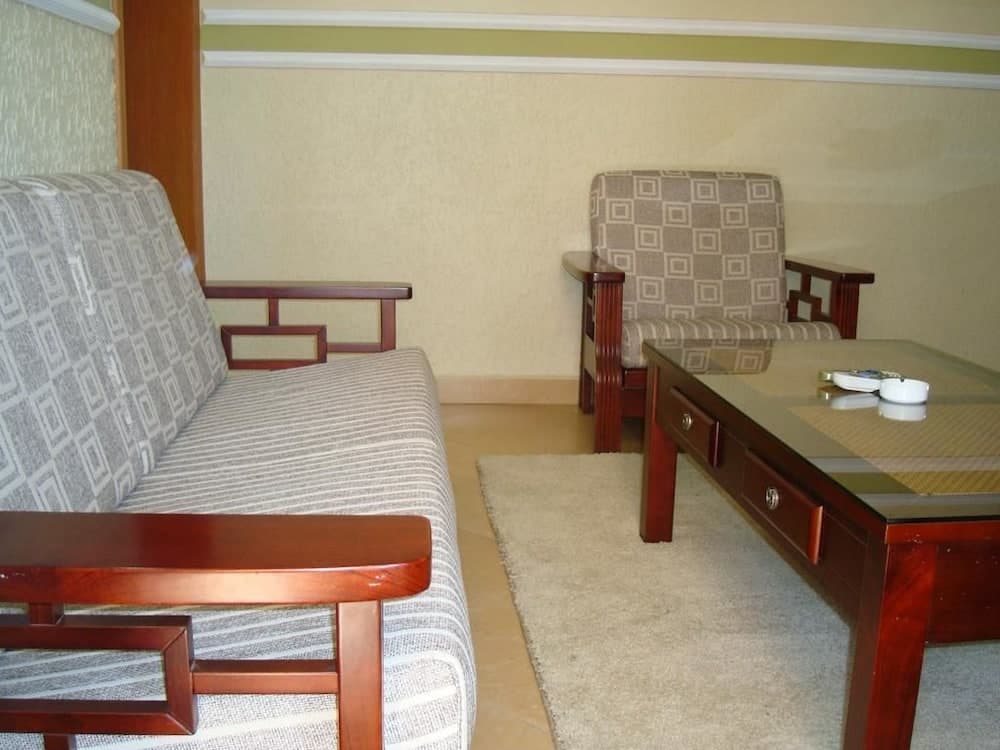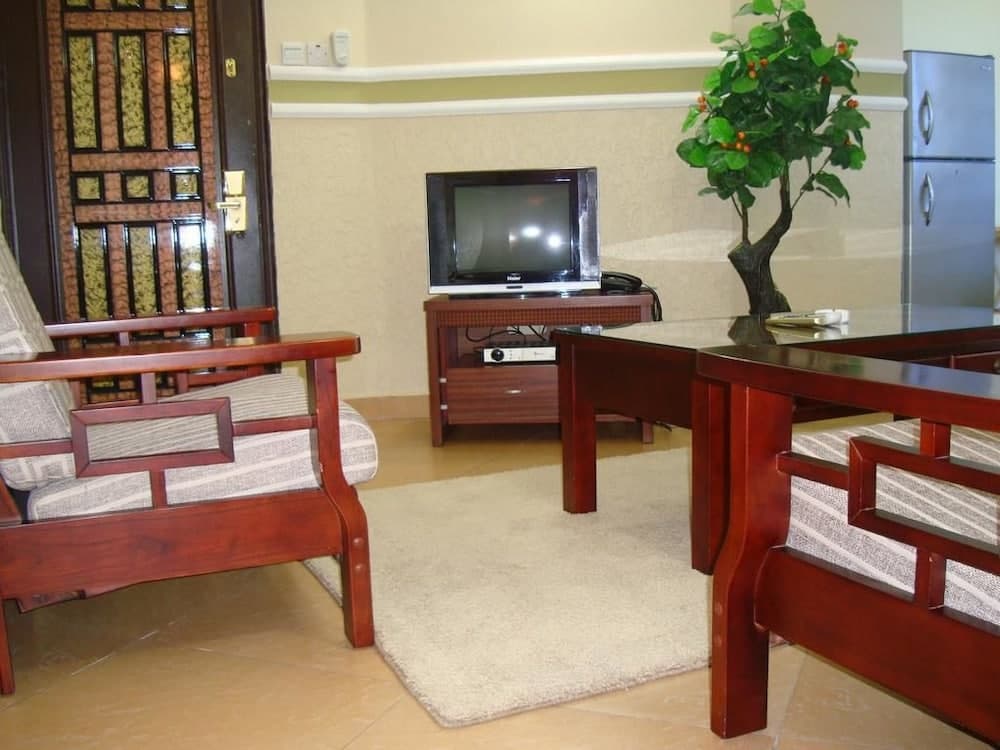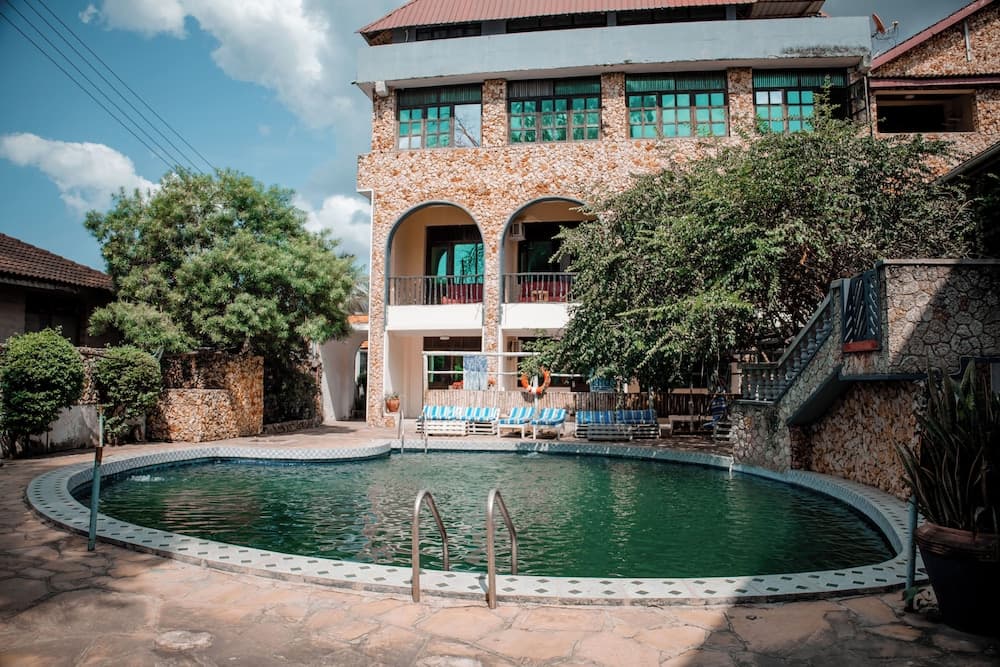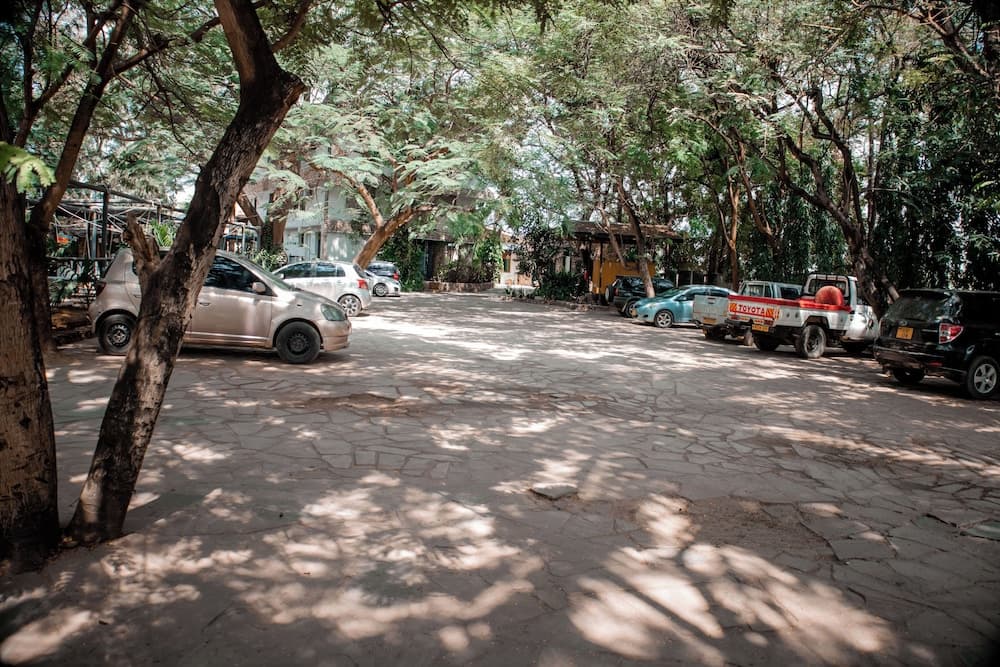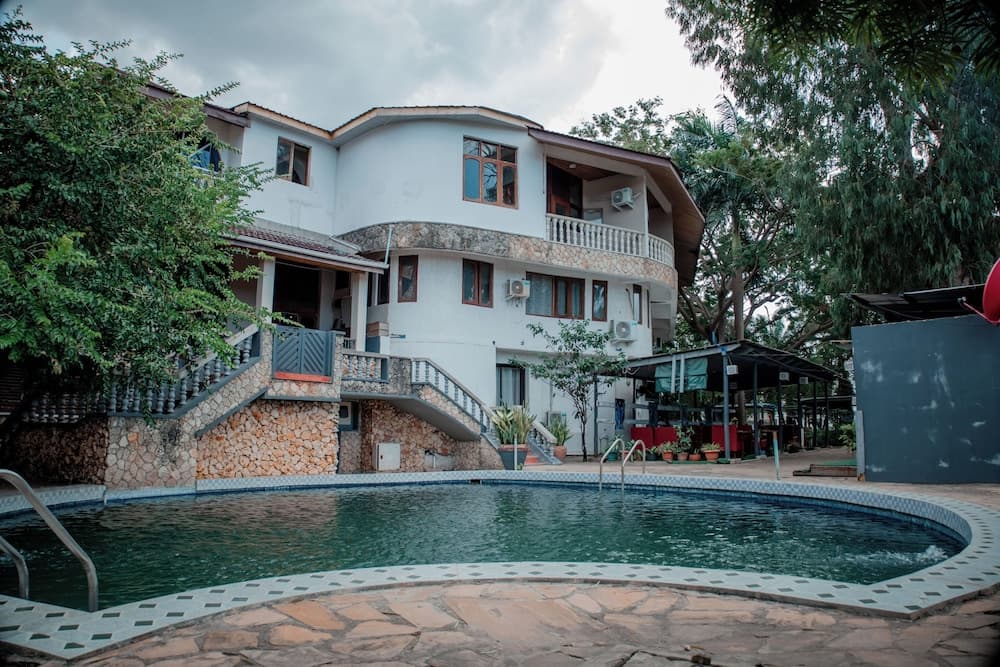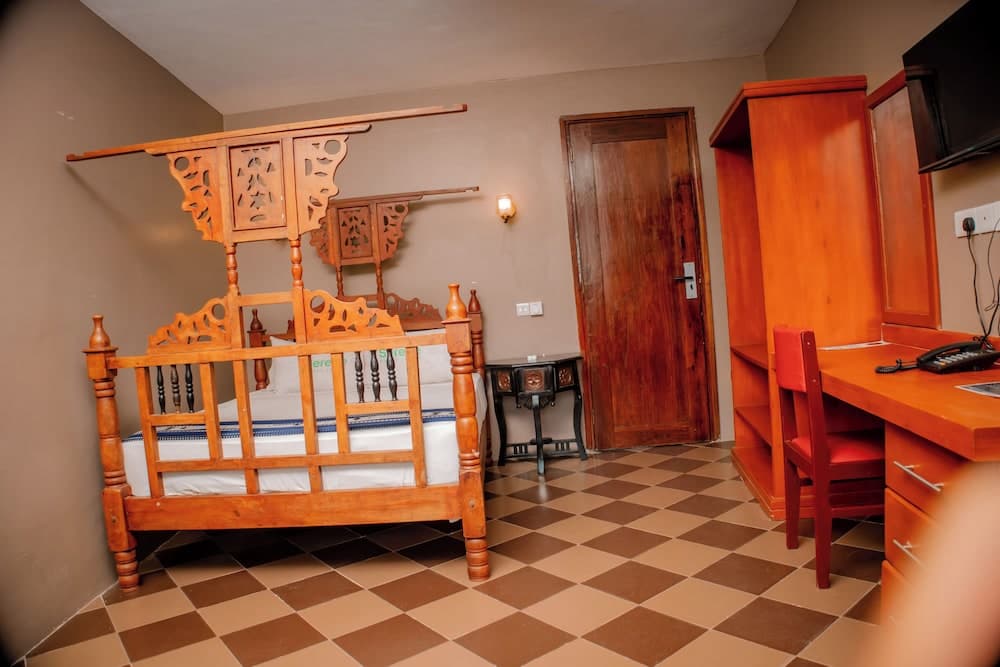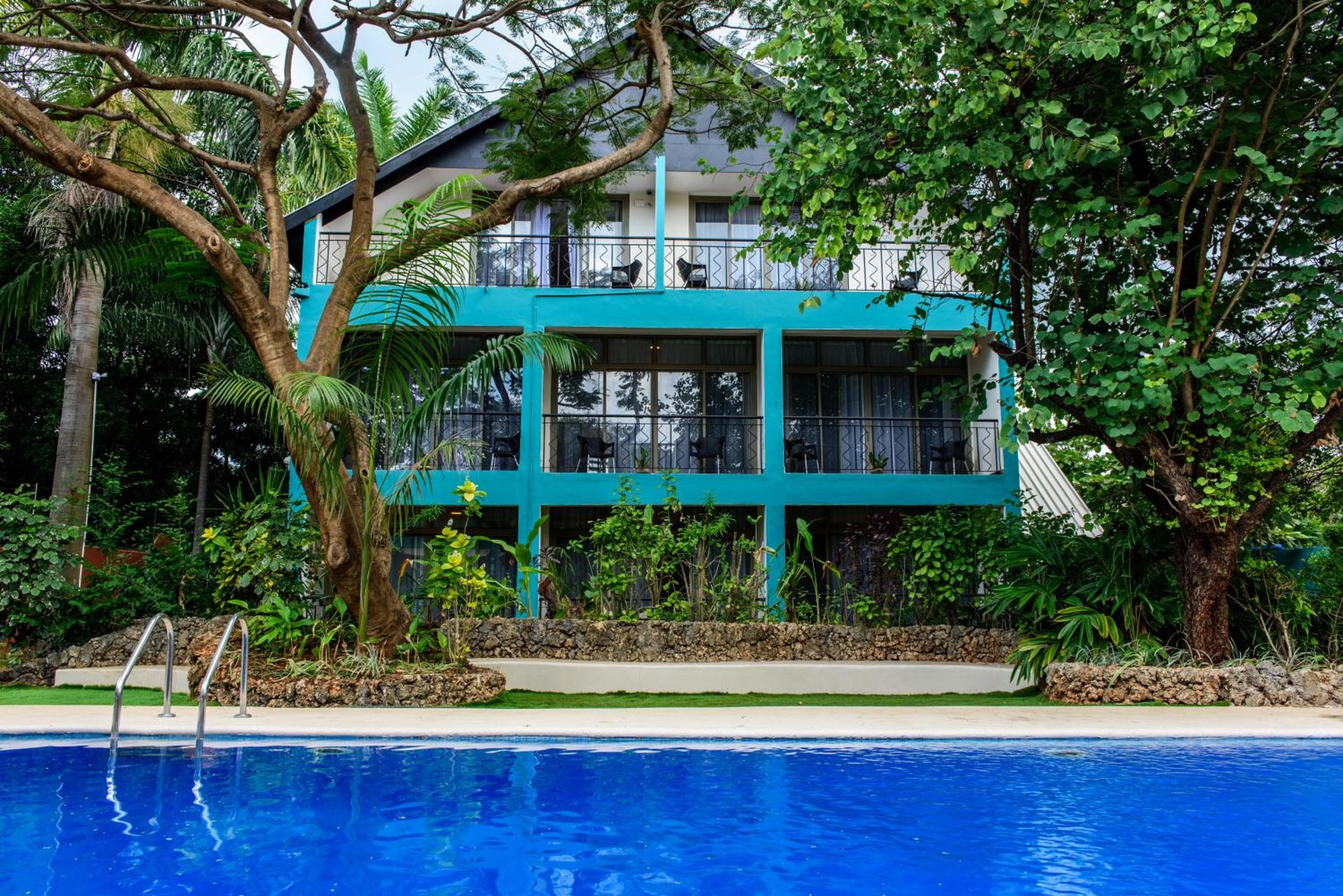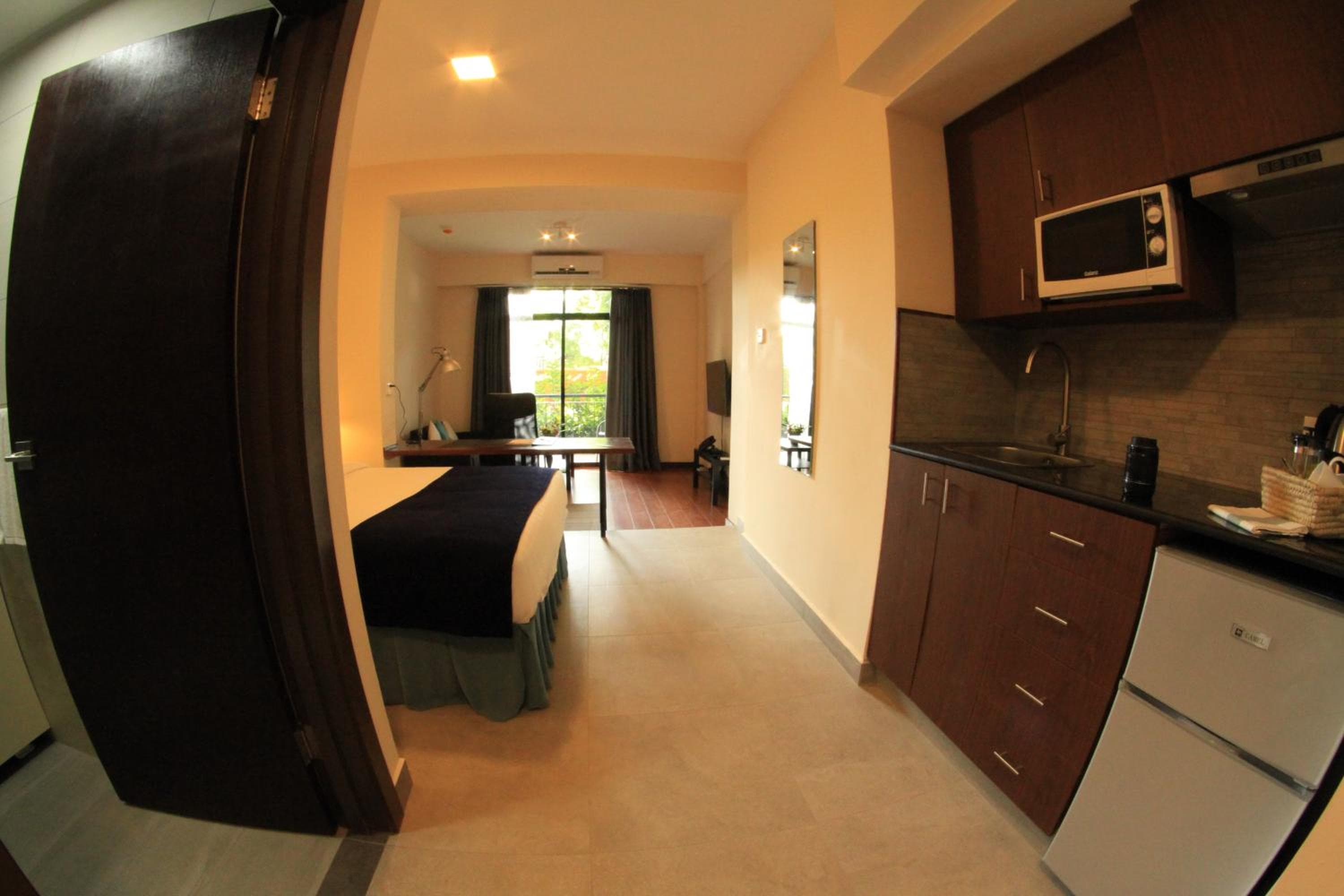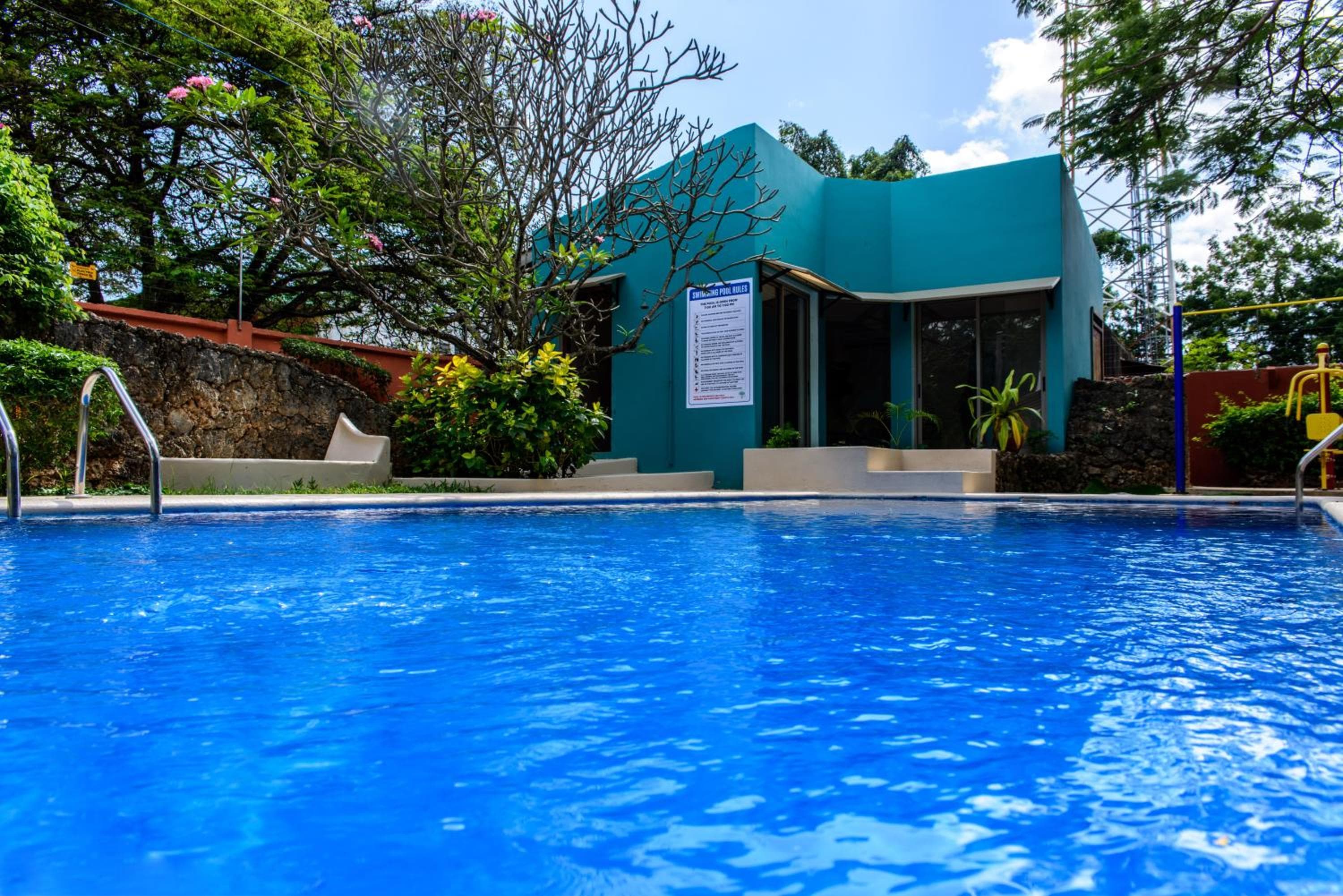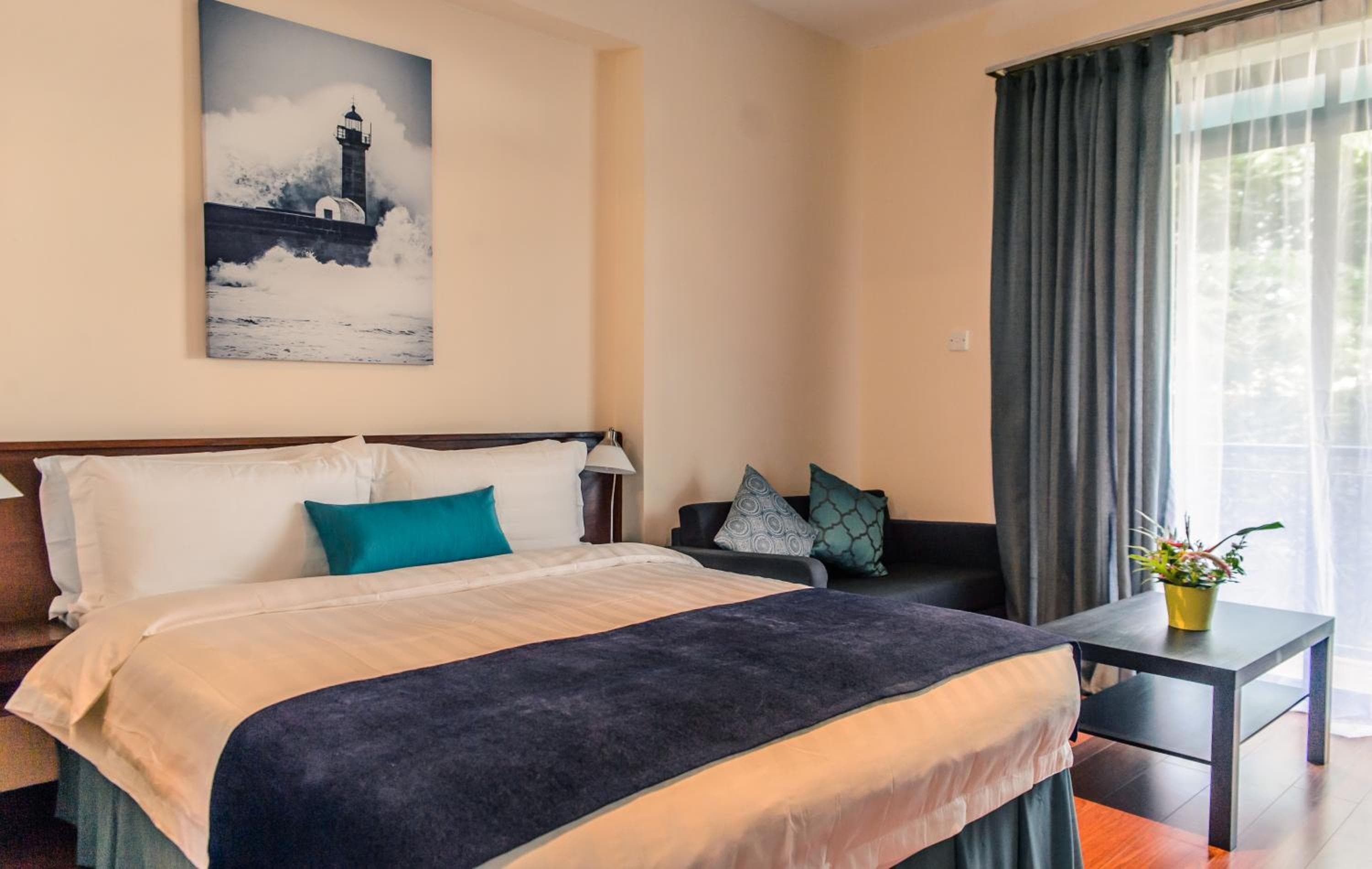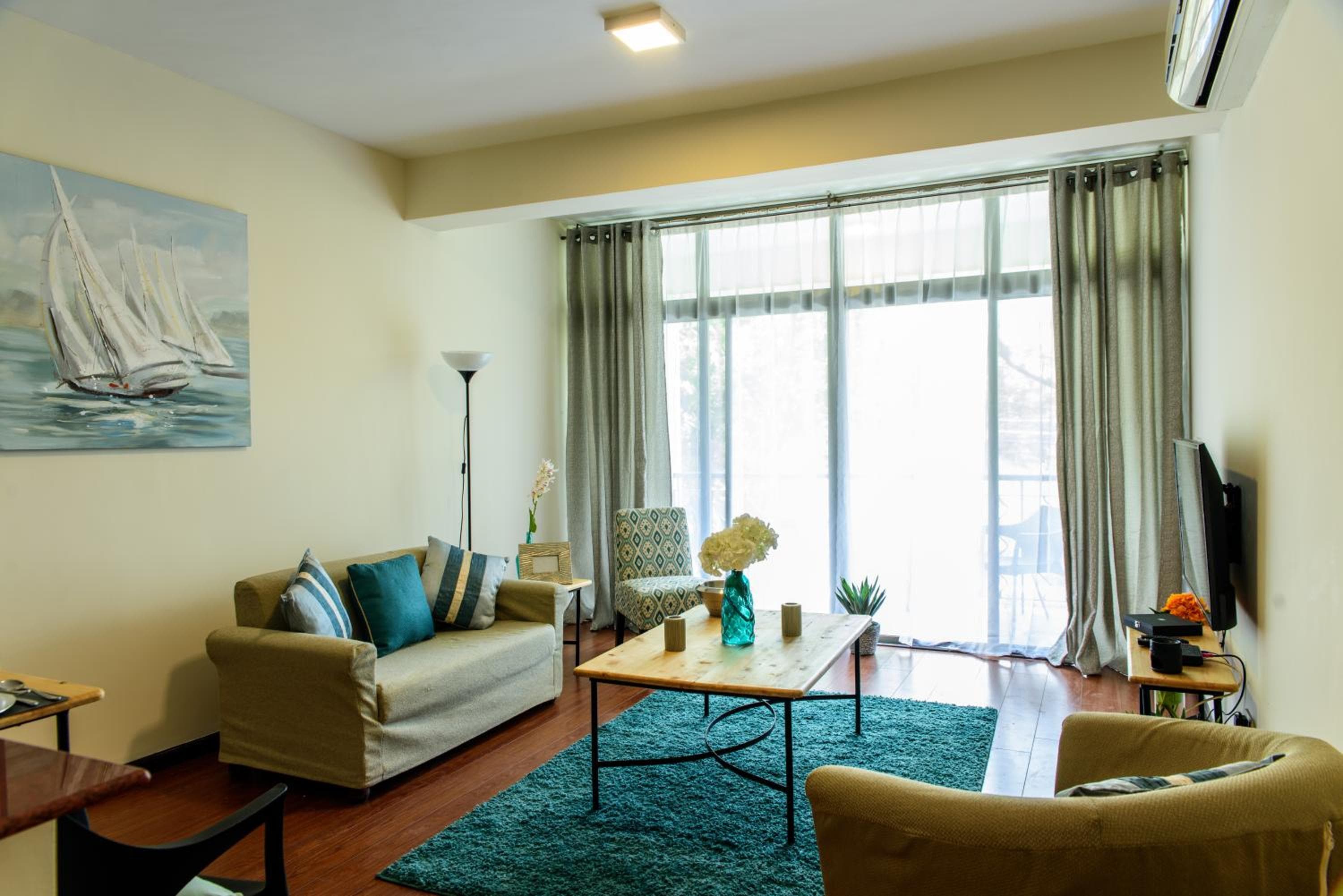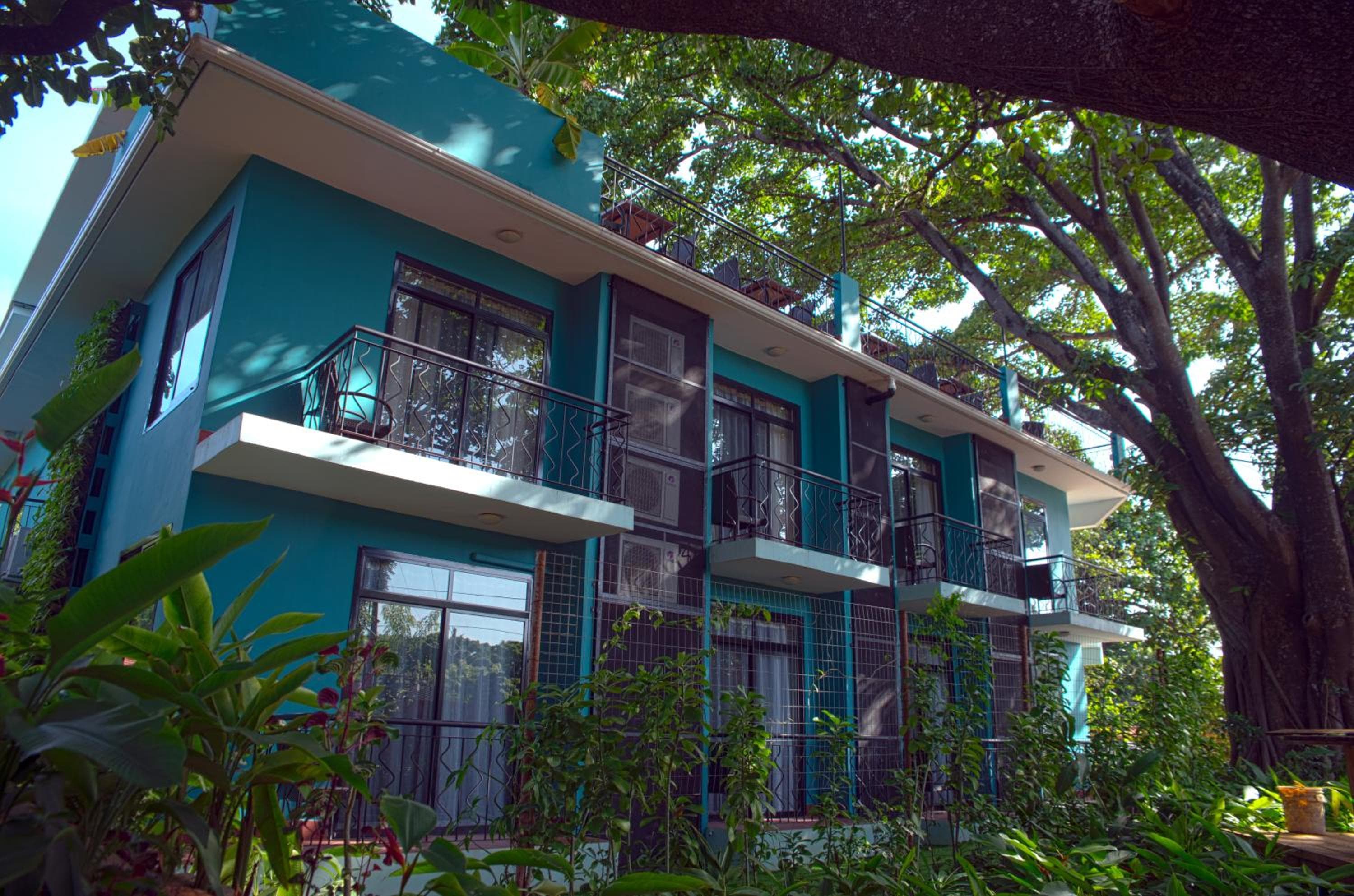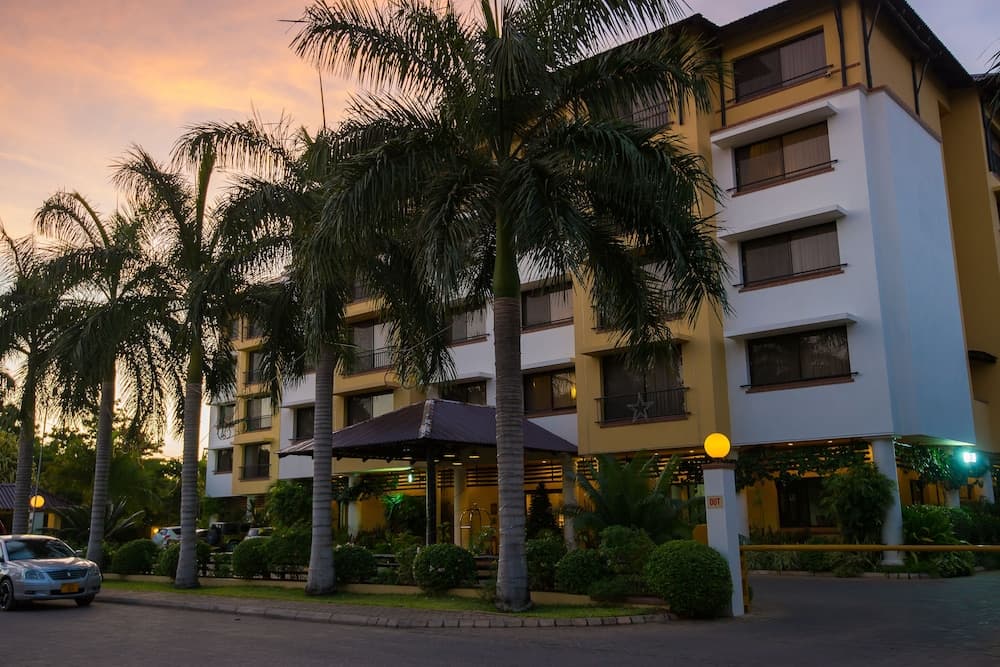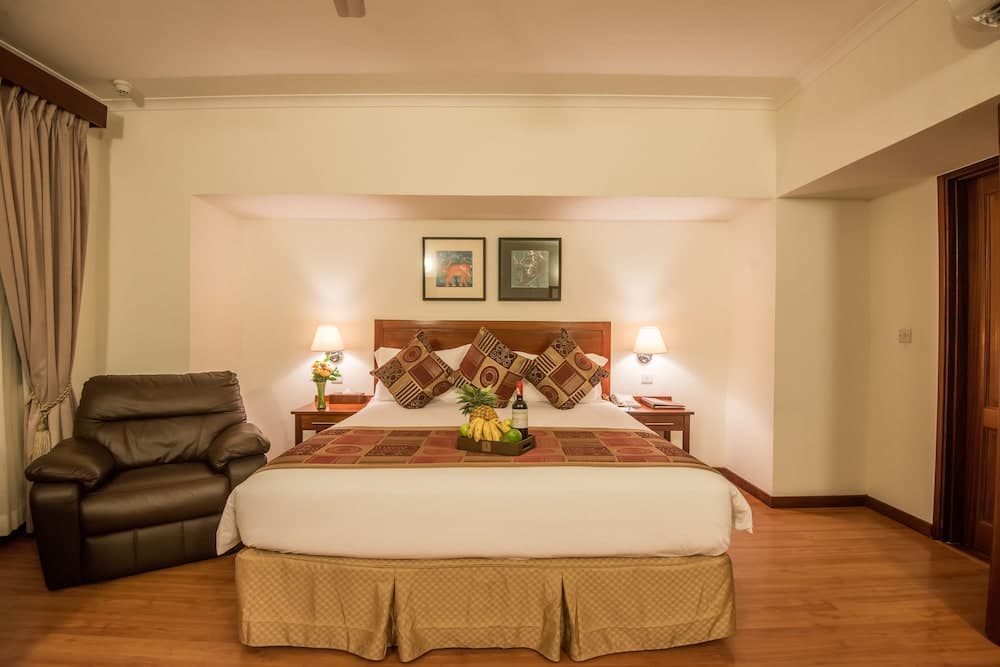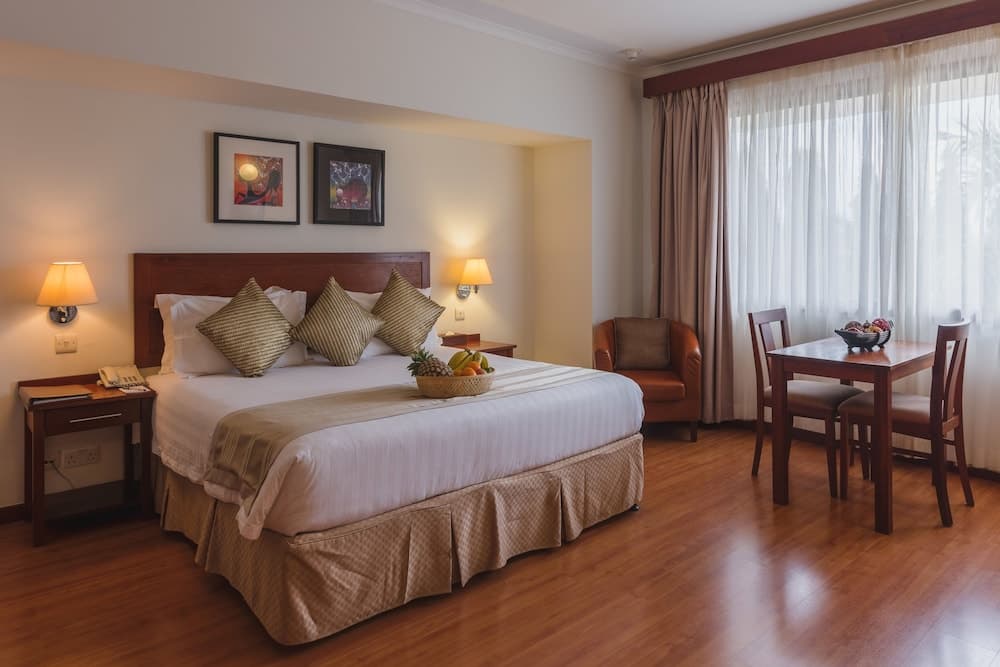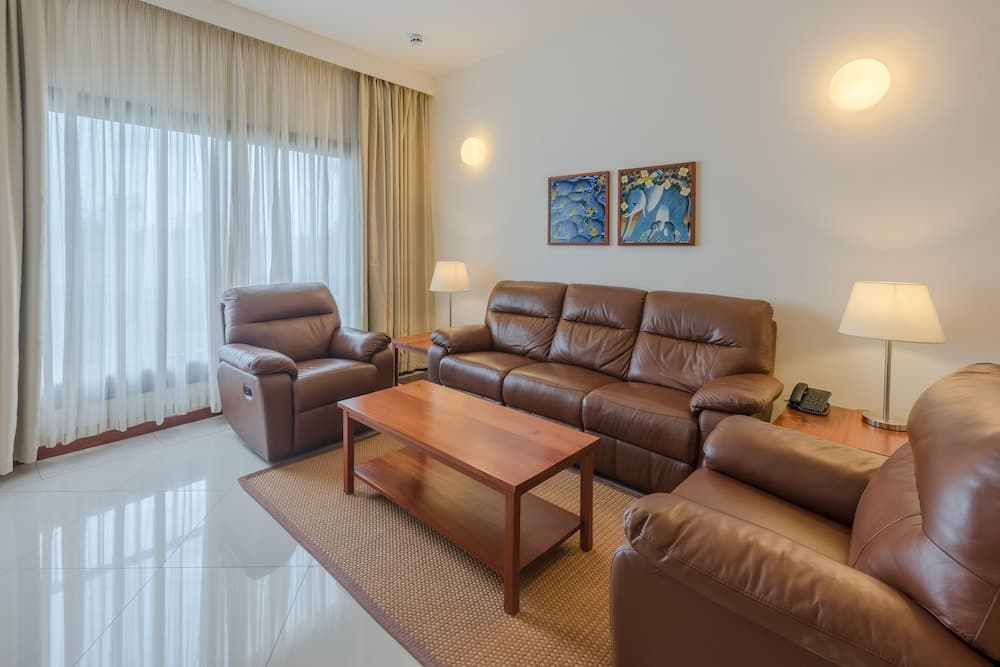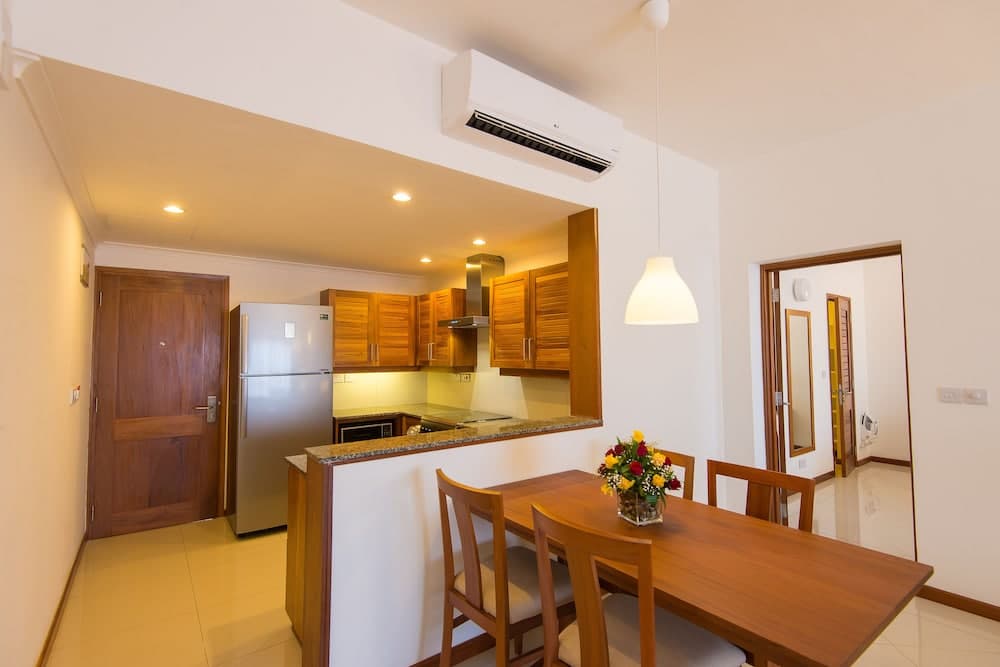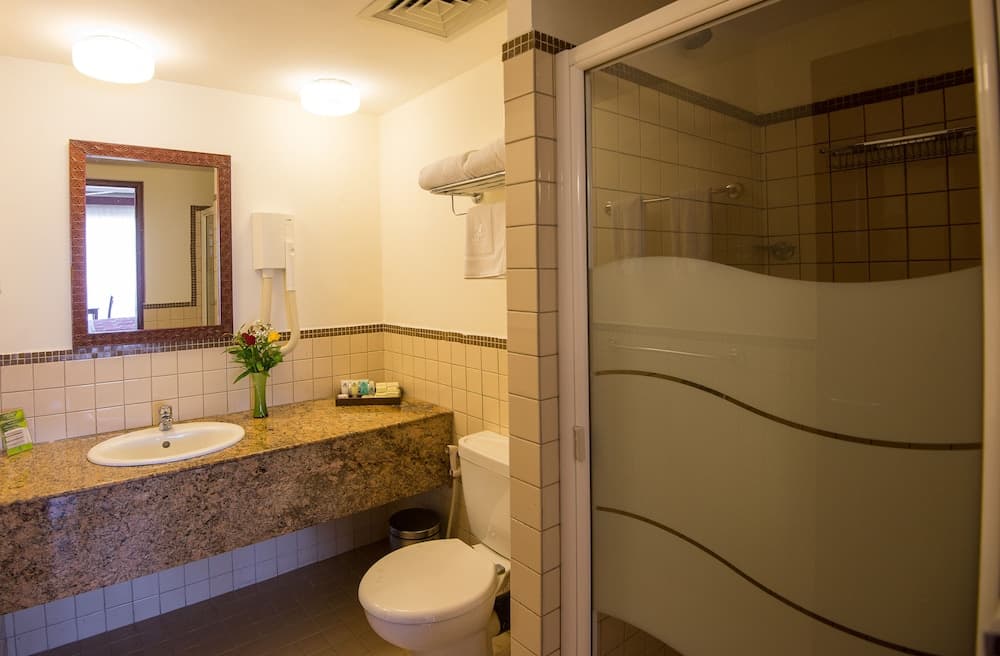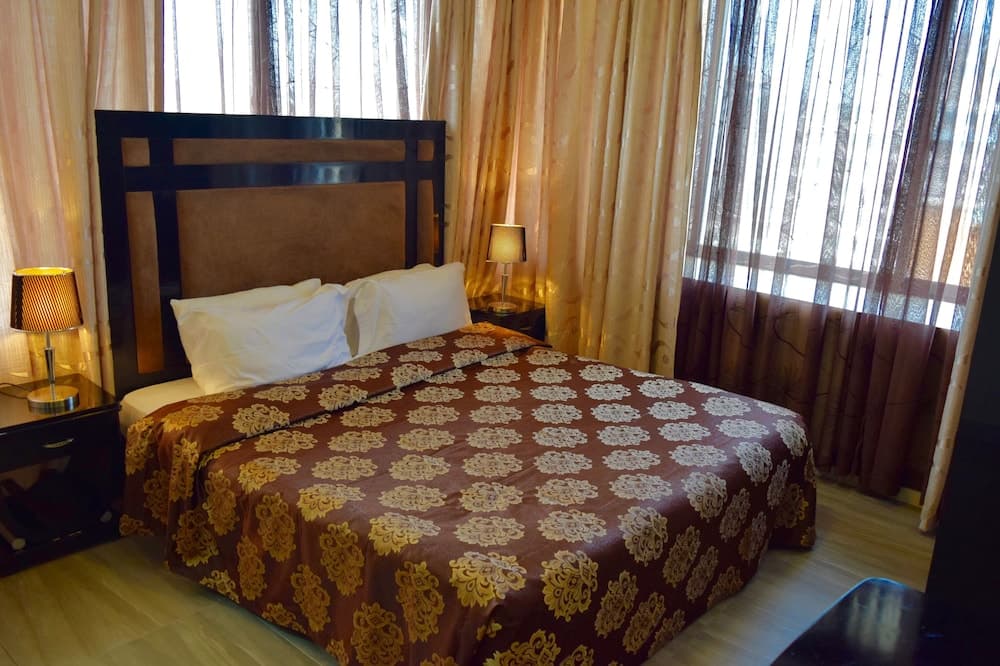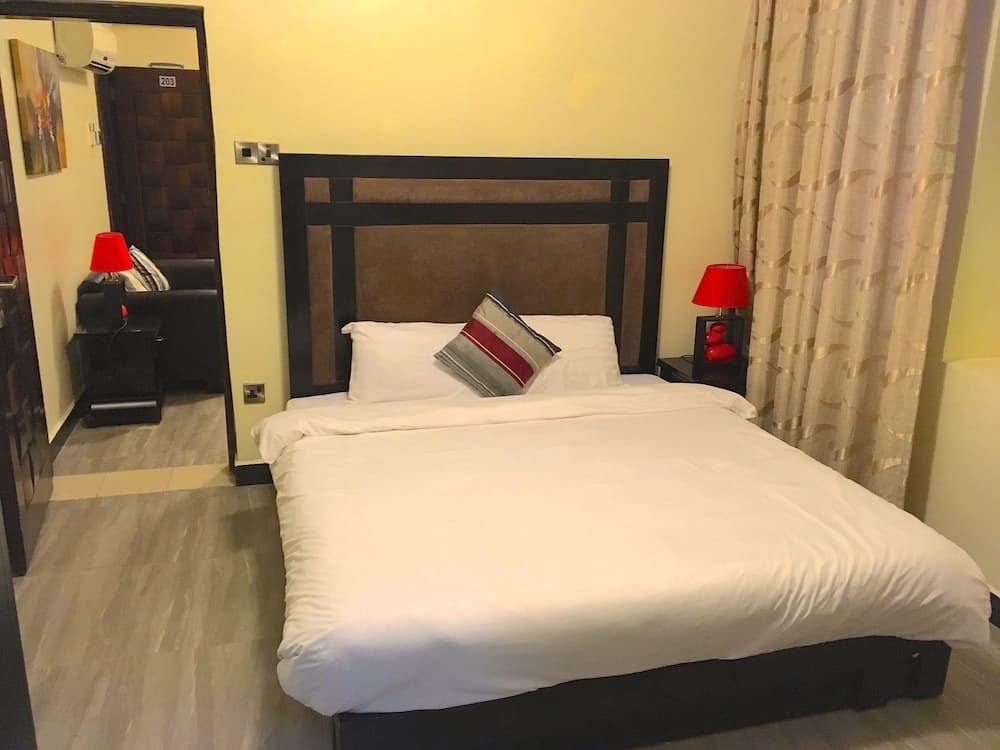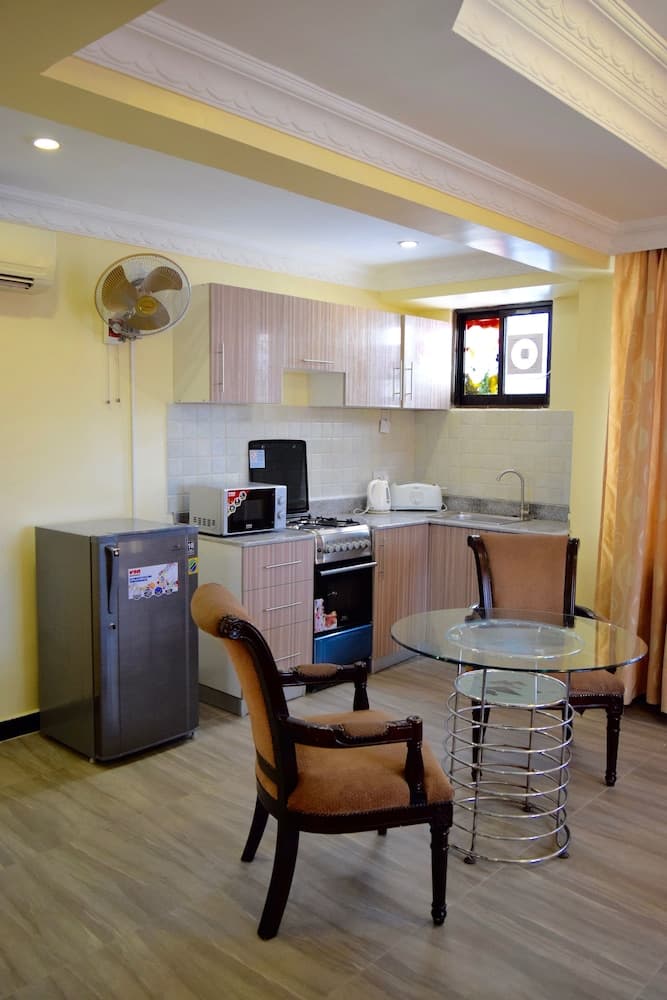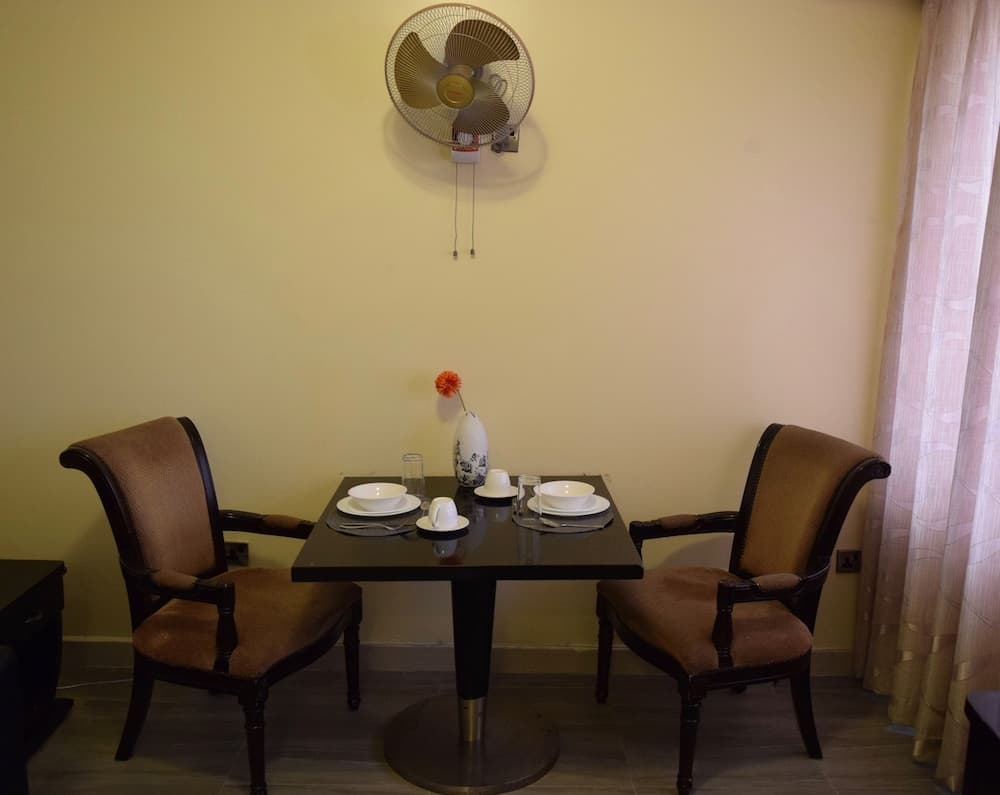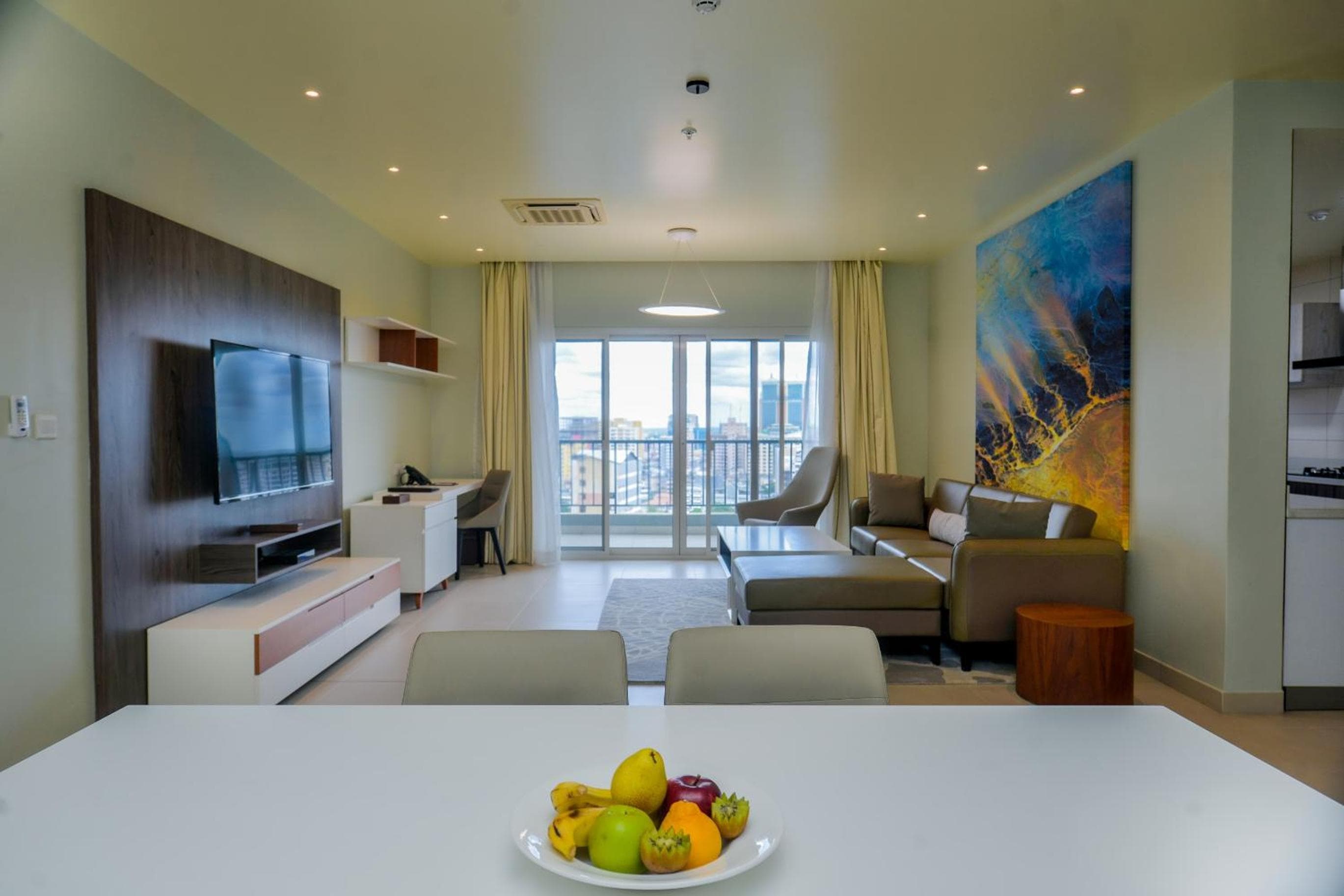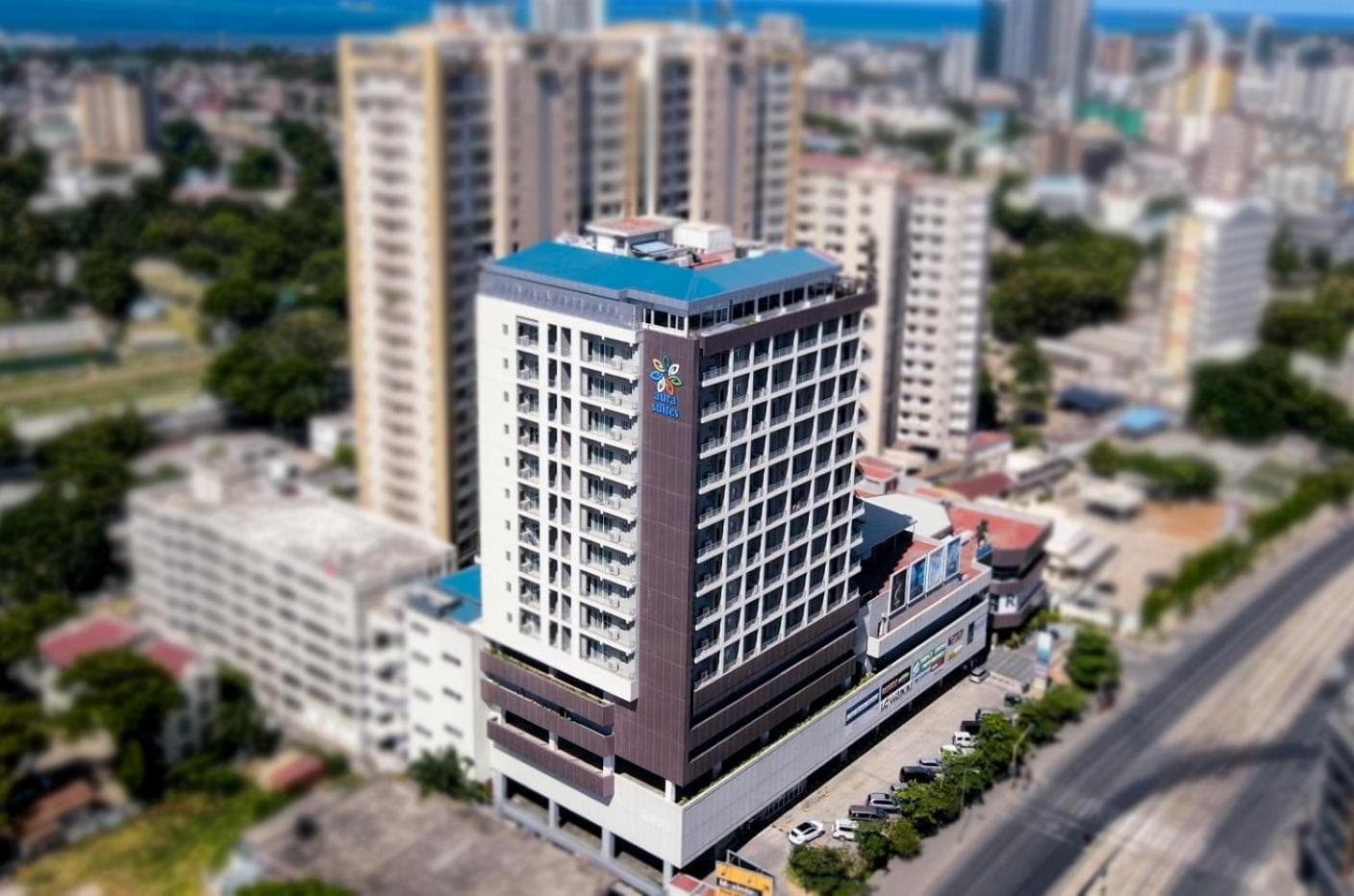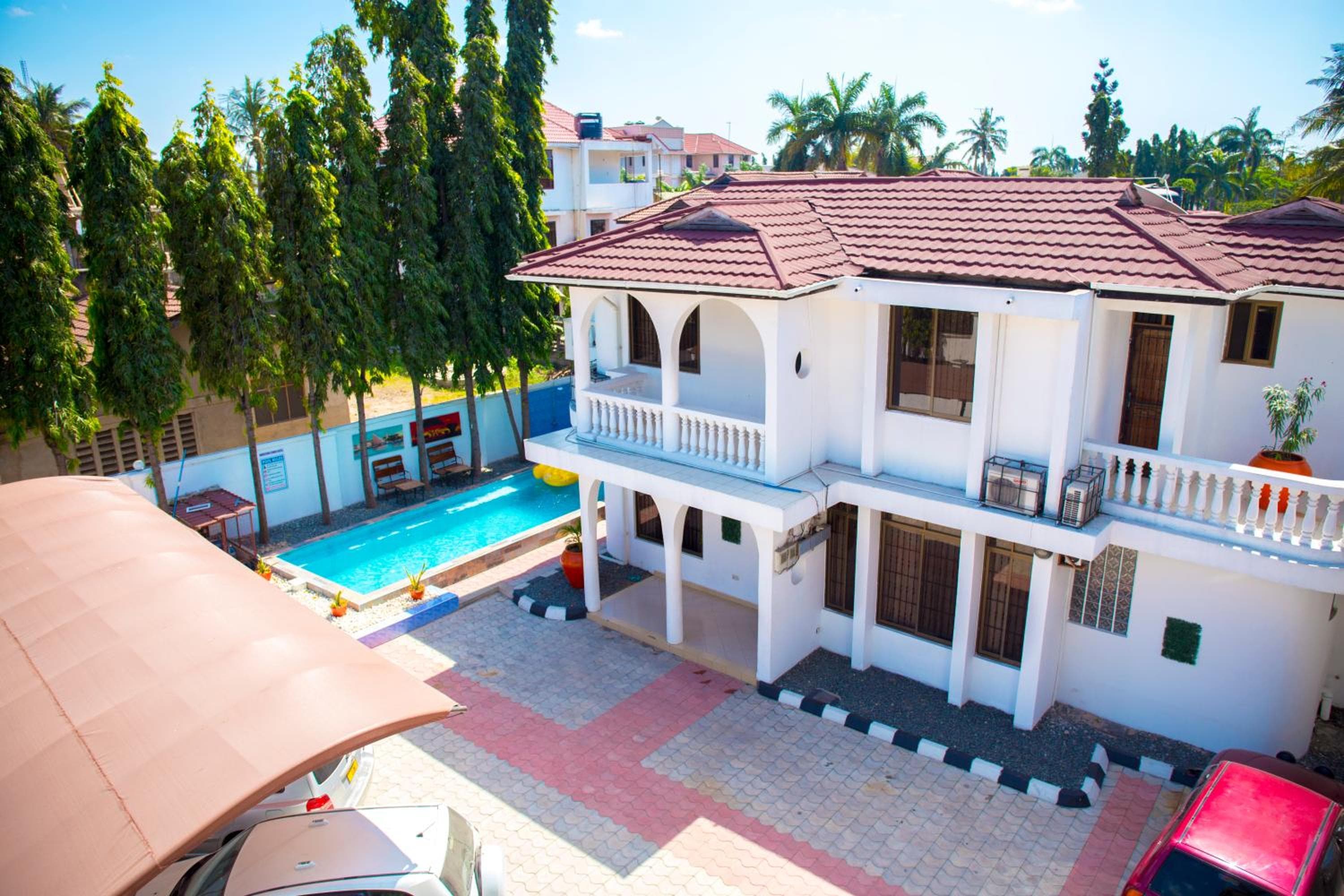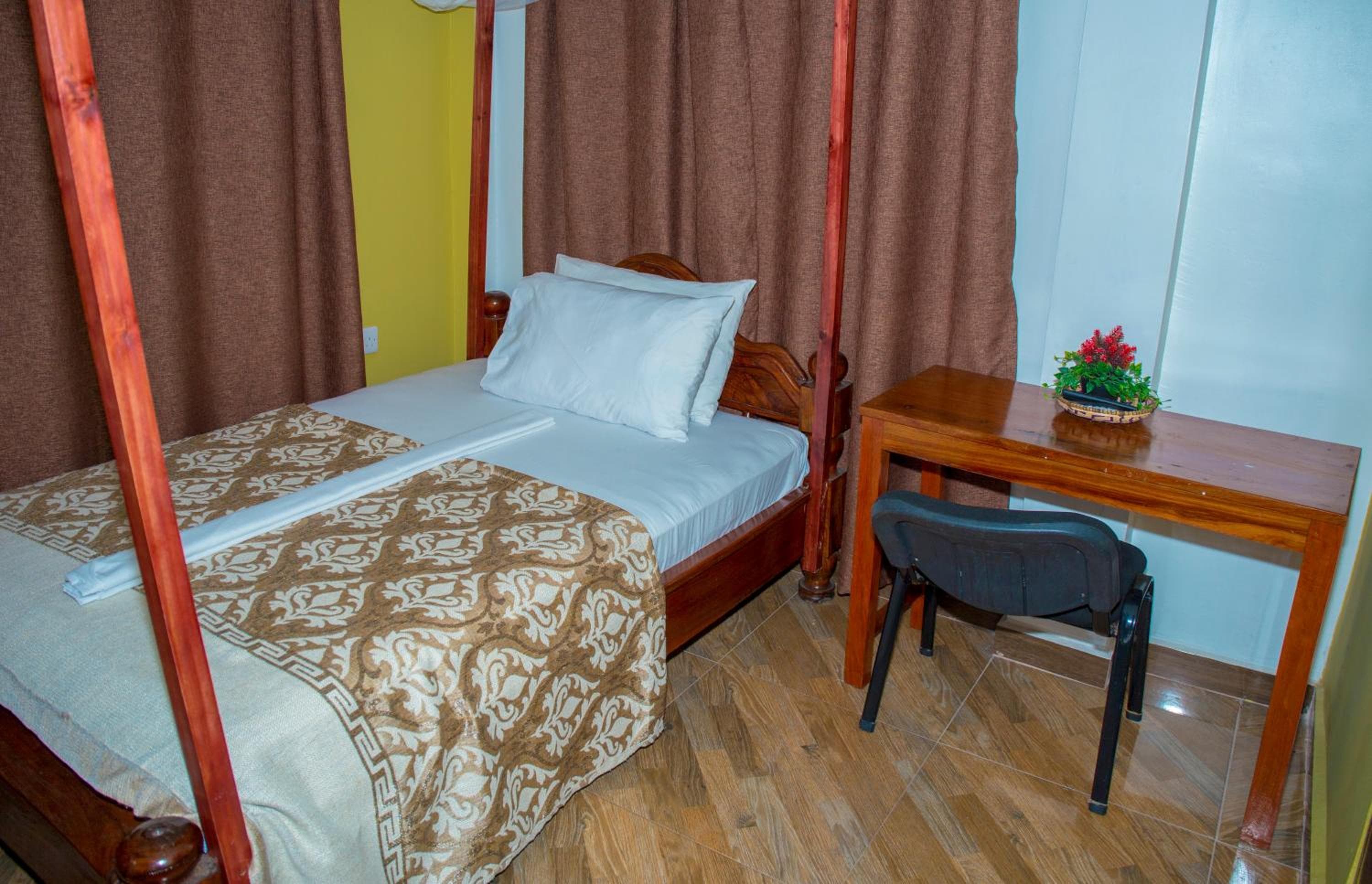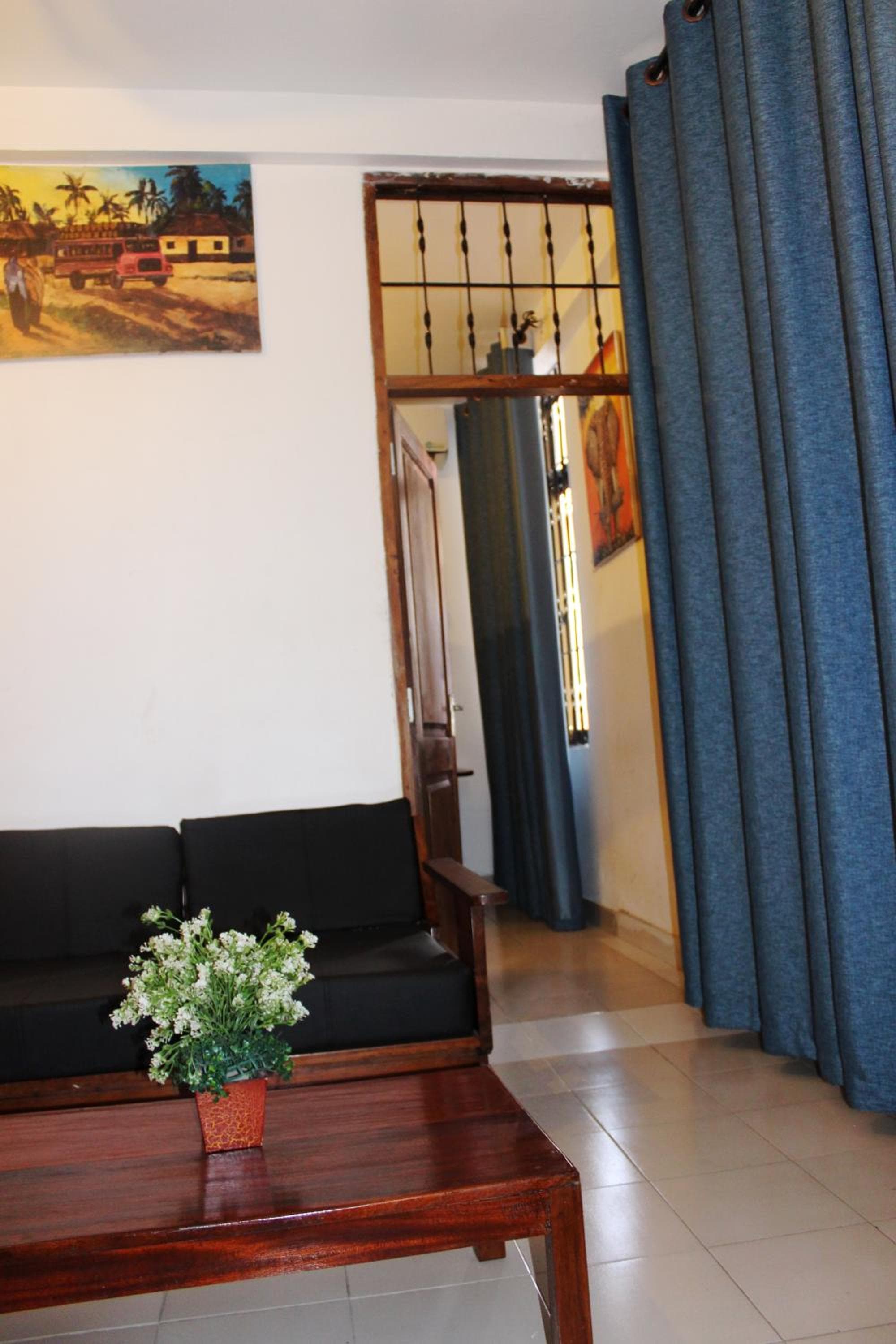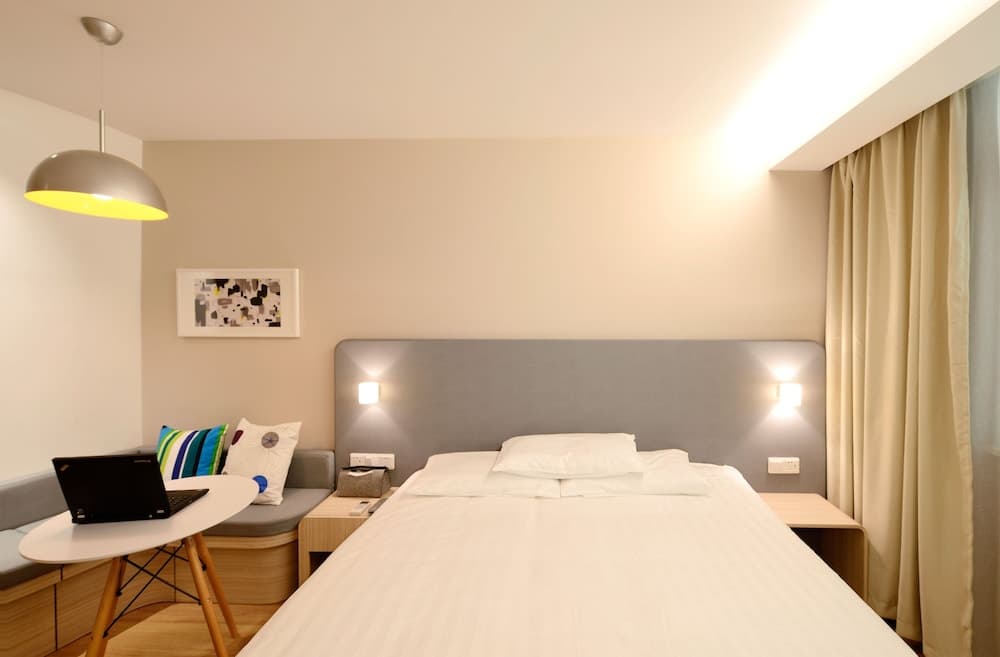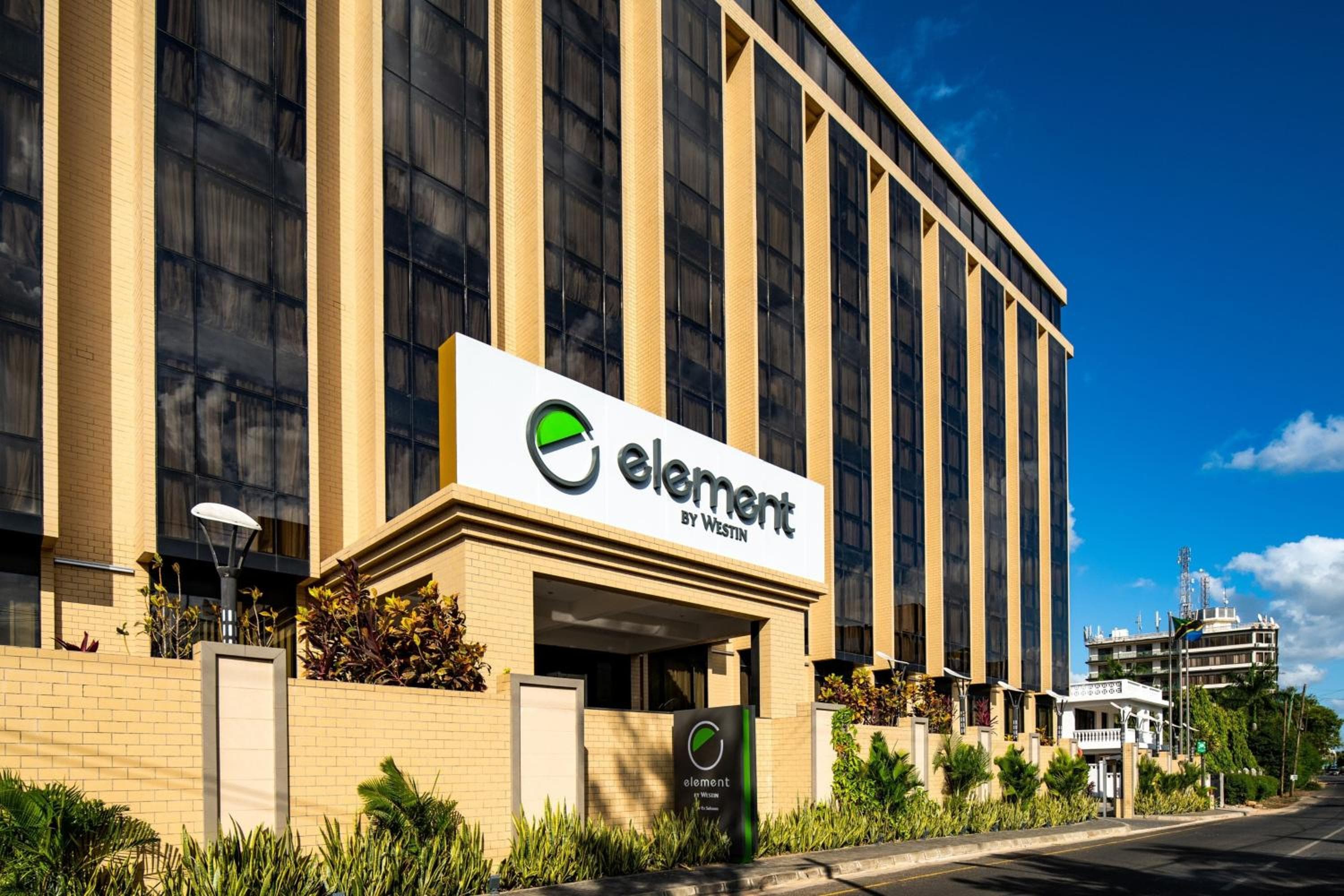
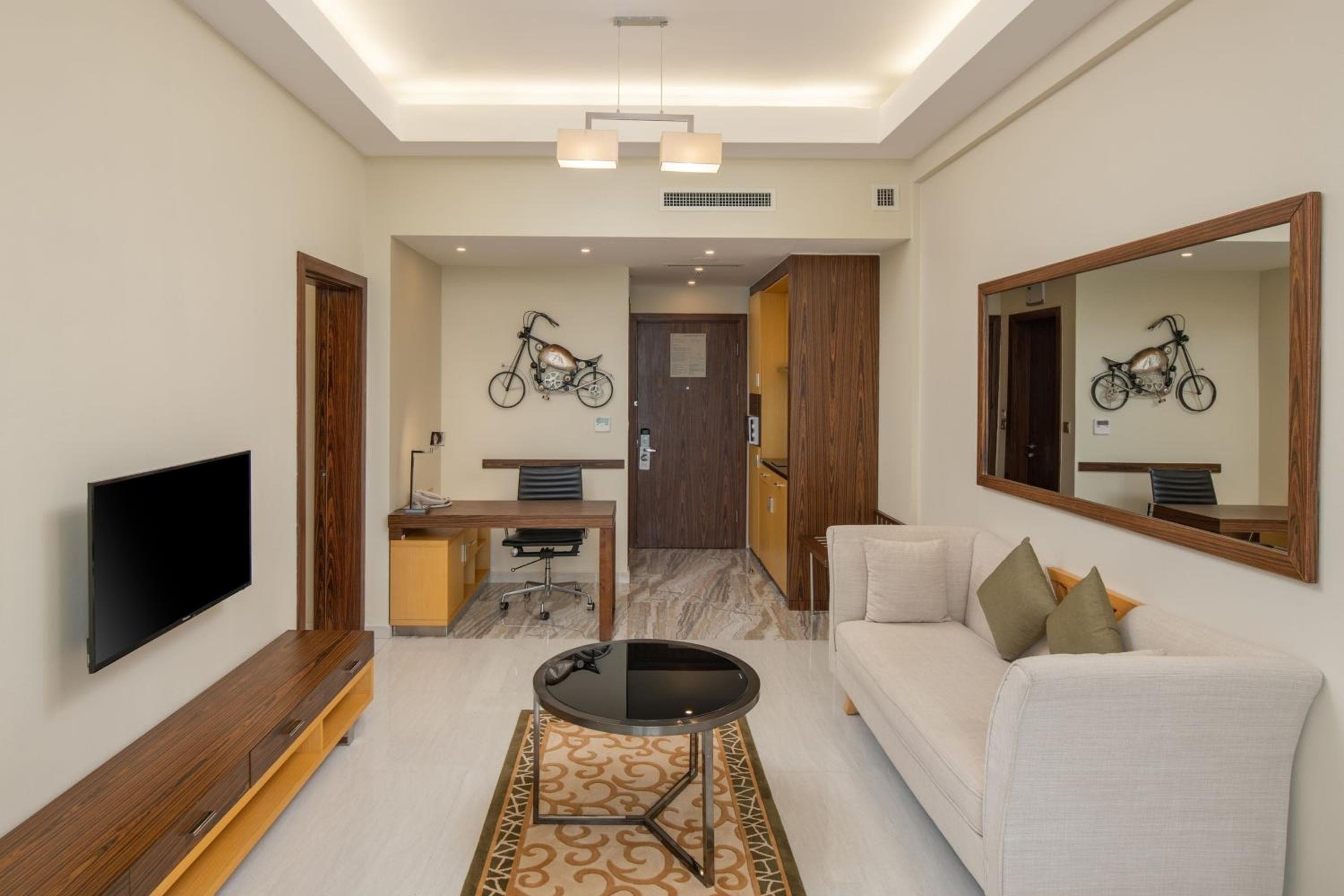
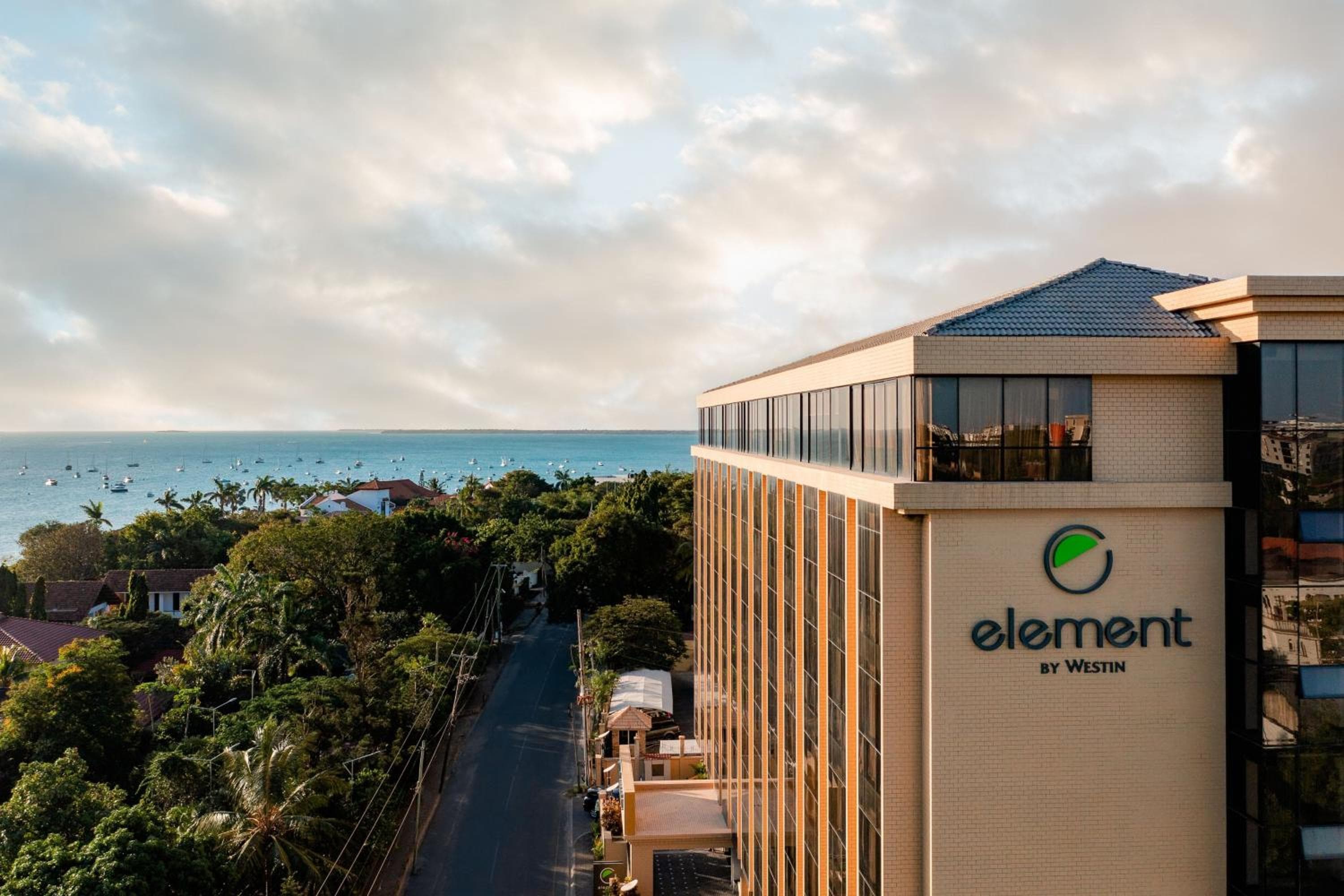
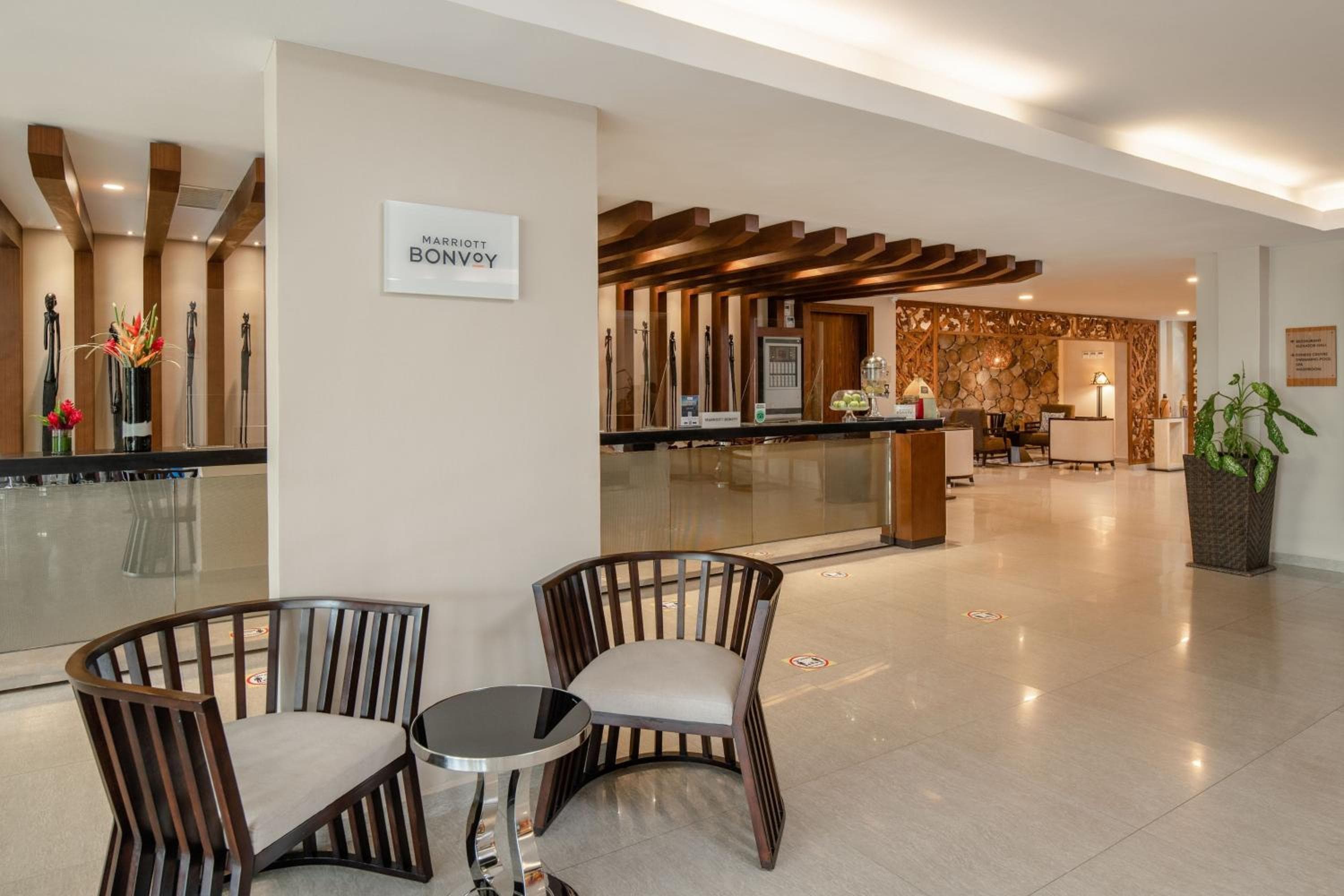
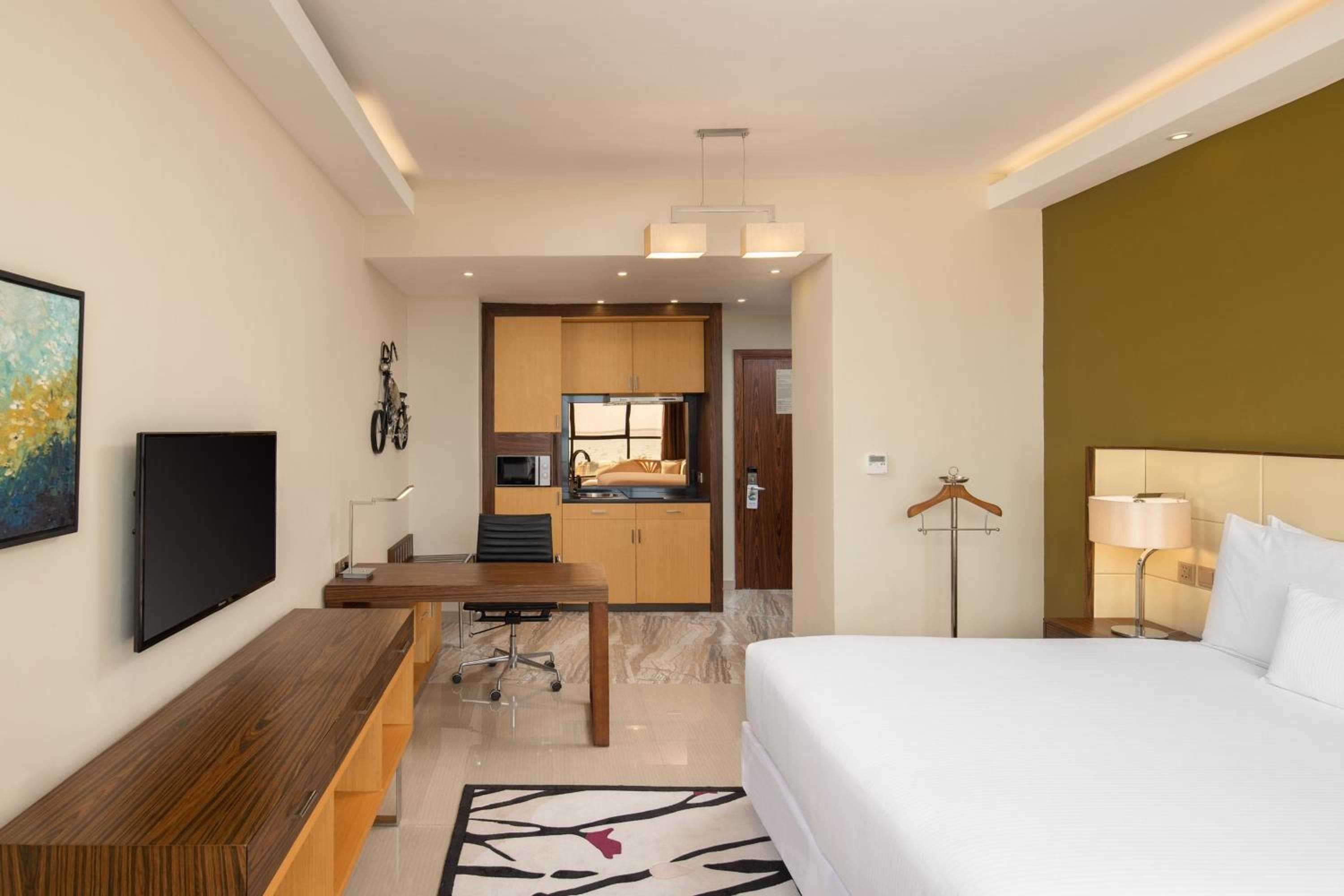
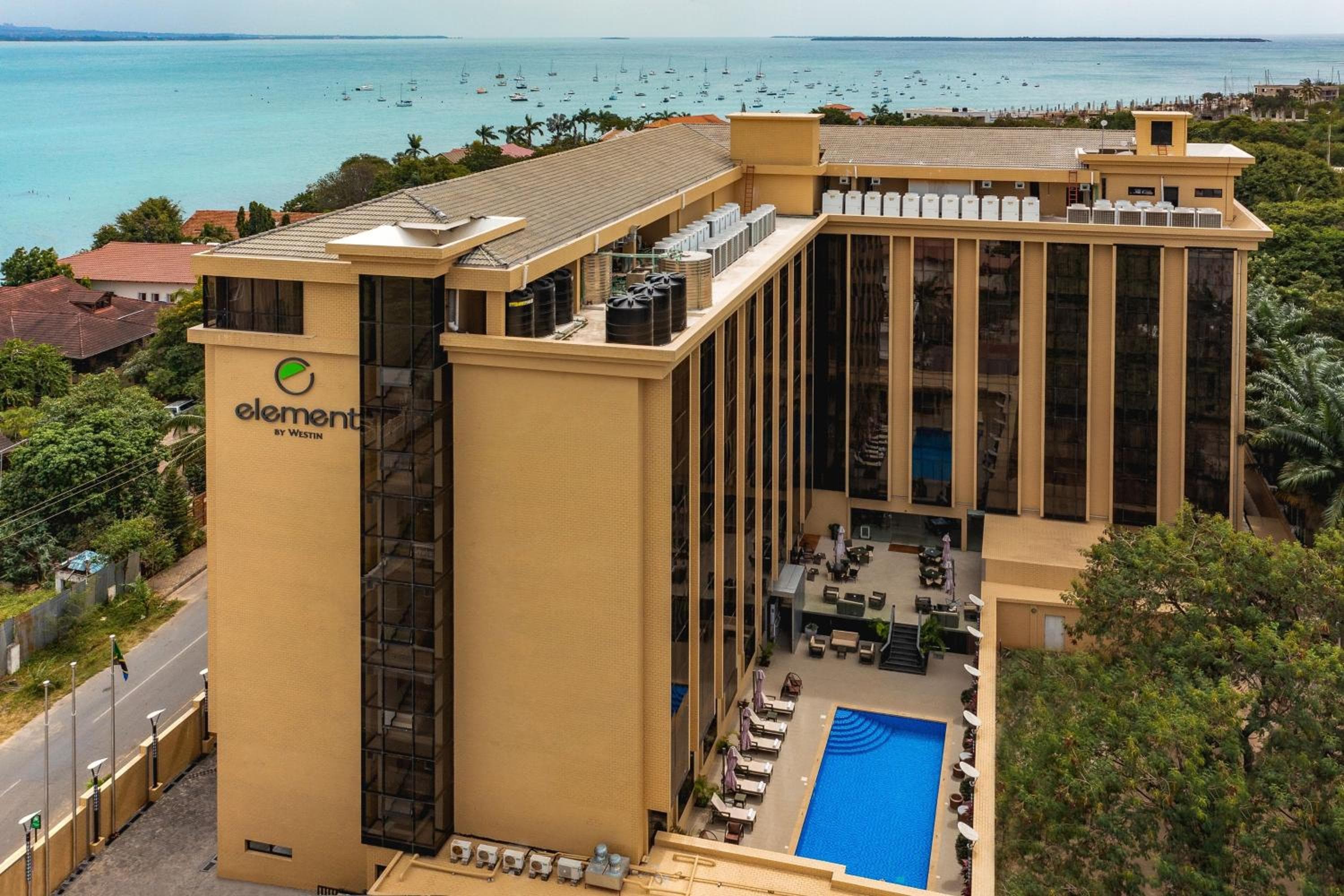
Element by Marriott Dar es Salaam
8.7 out of 10 from 592 reviewsDar es Salaam
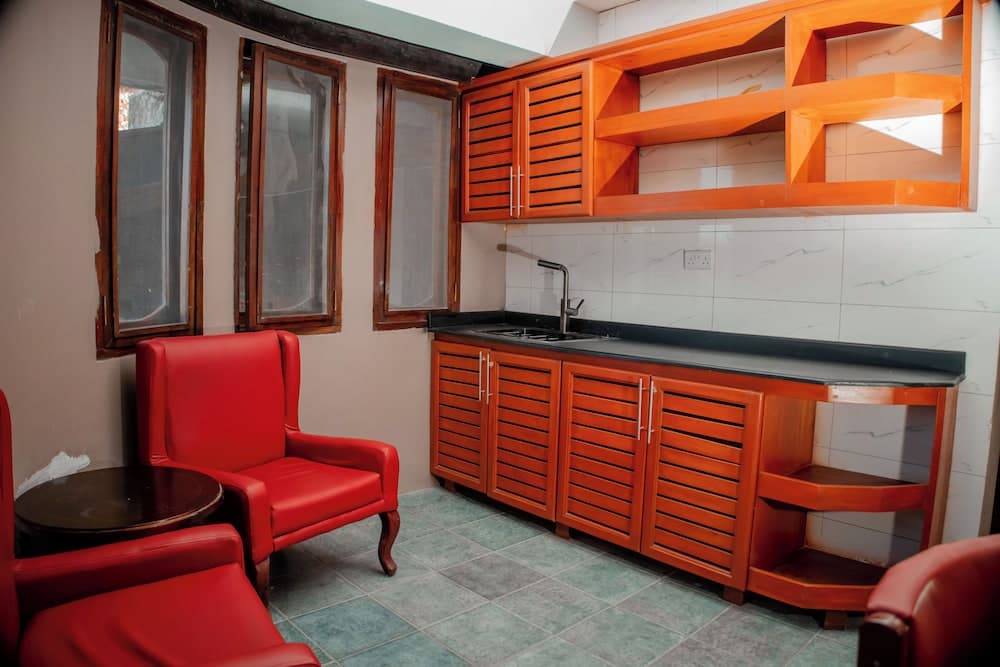
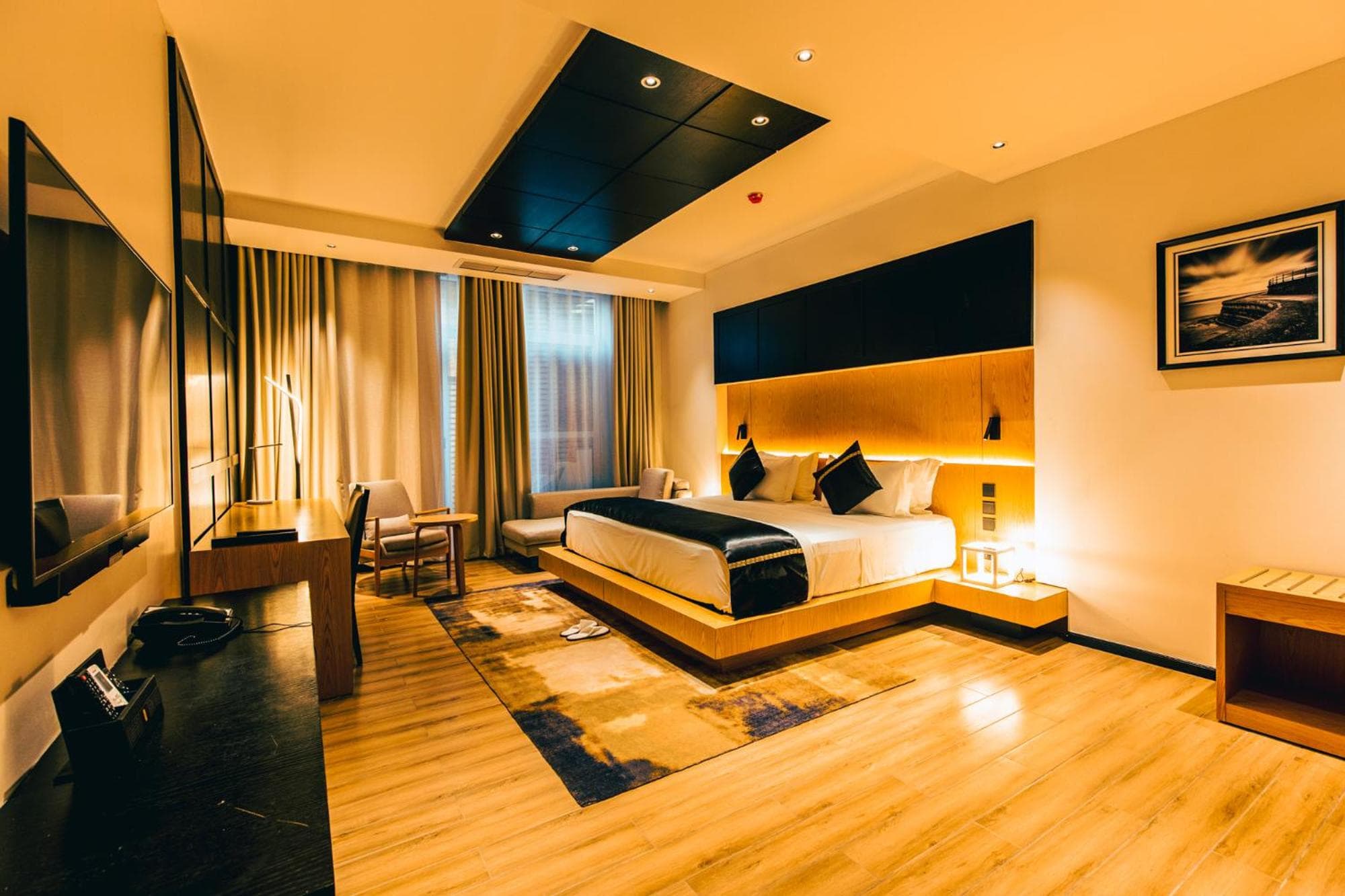
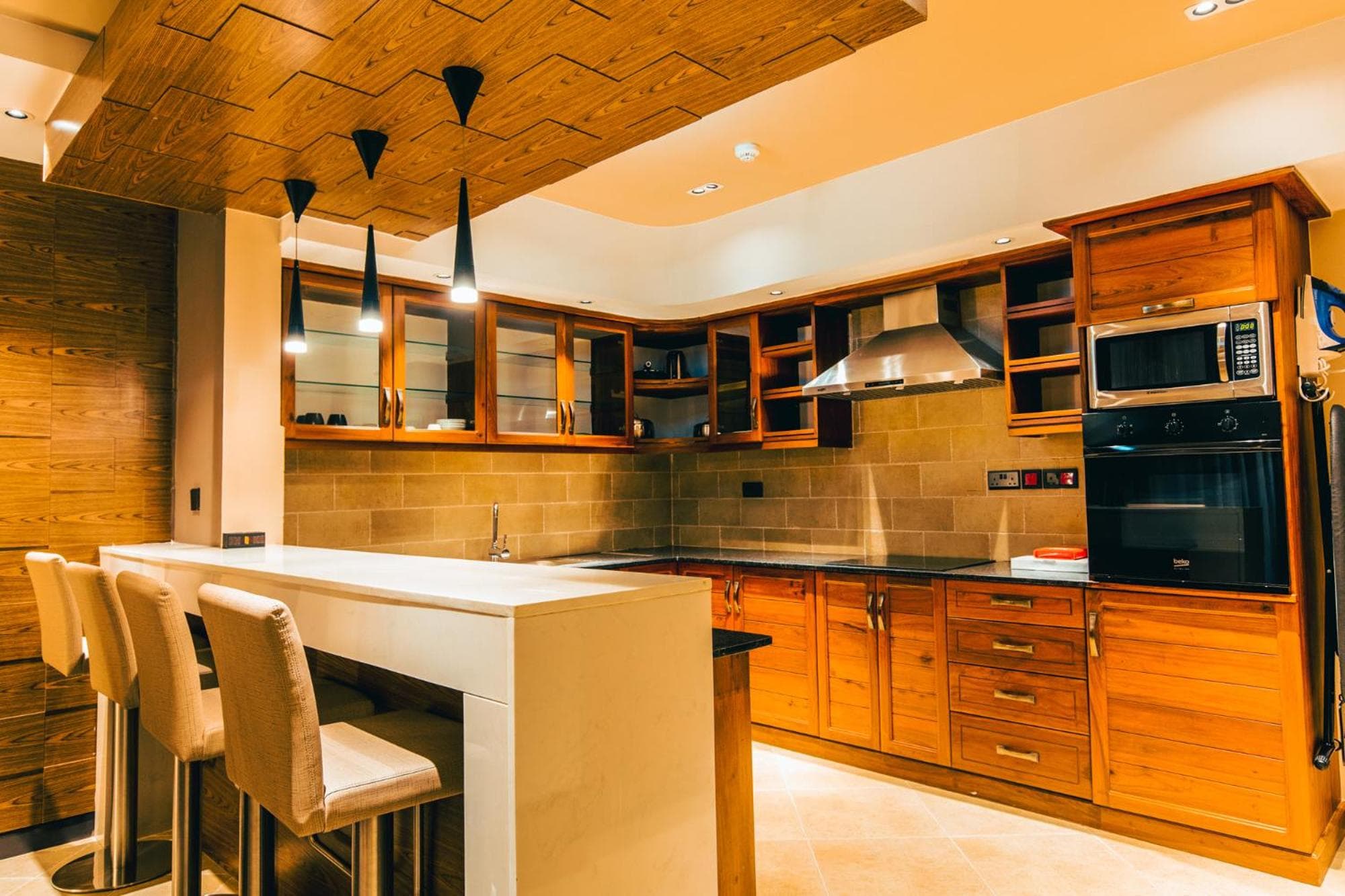
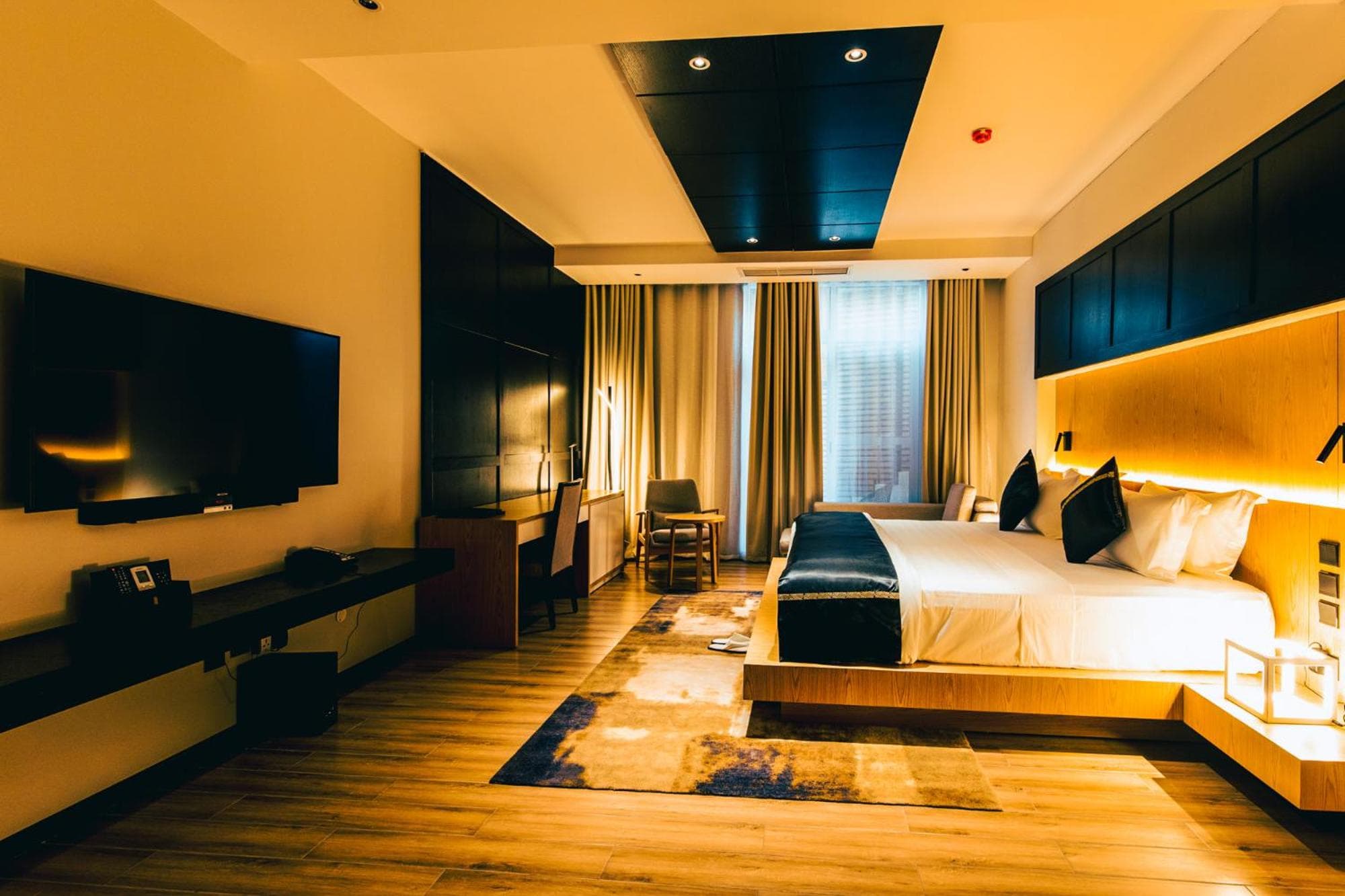
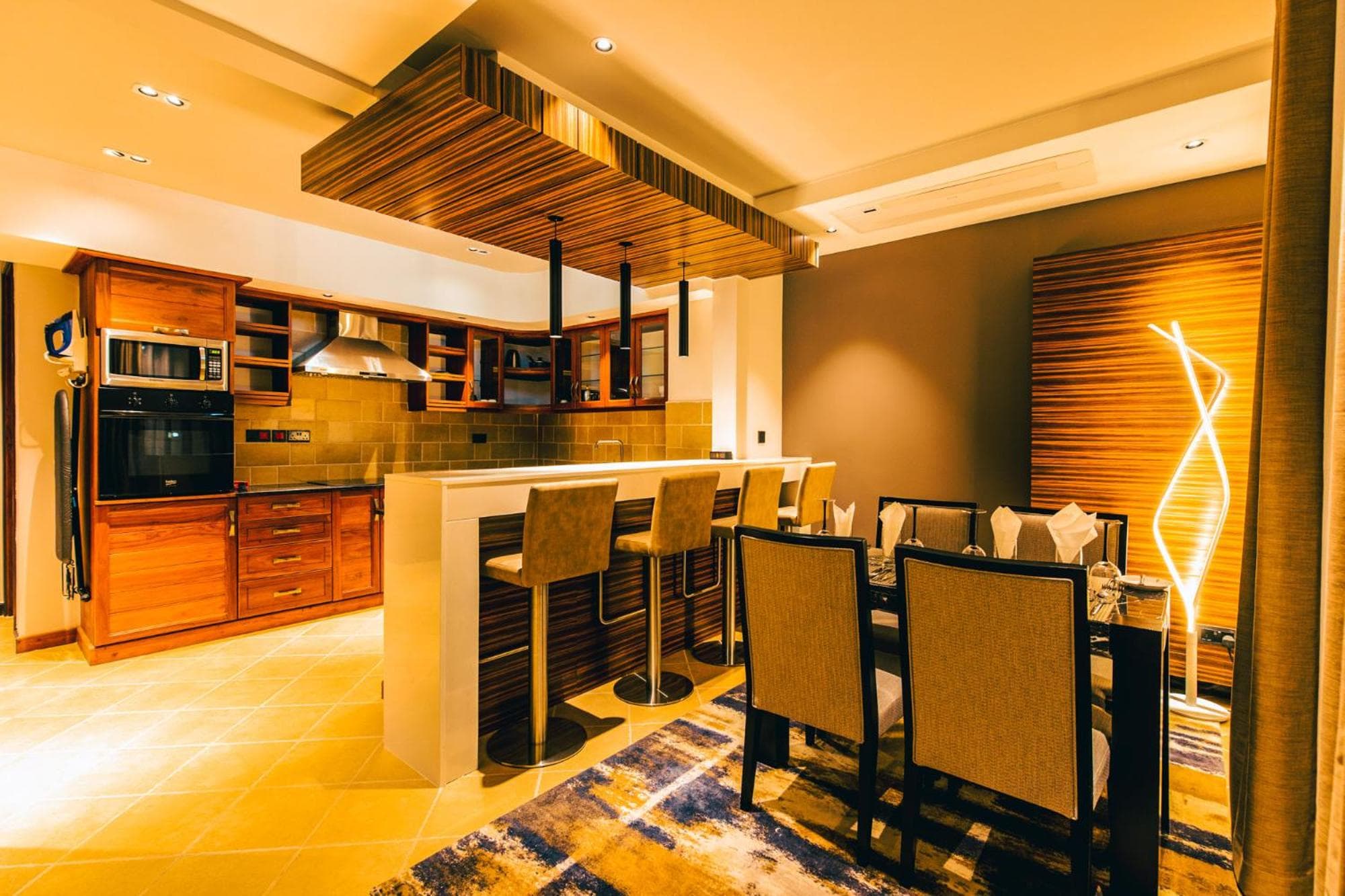
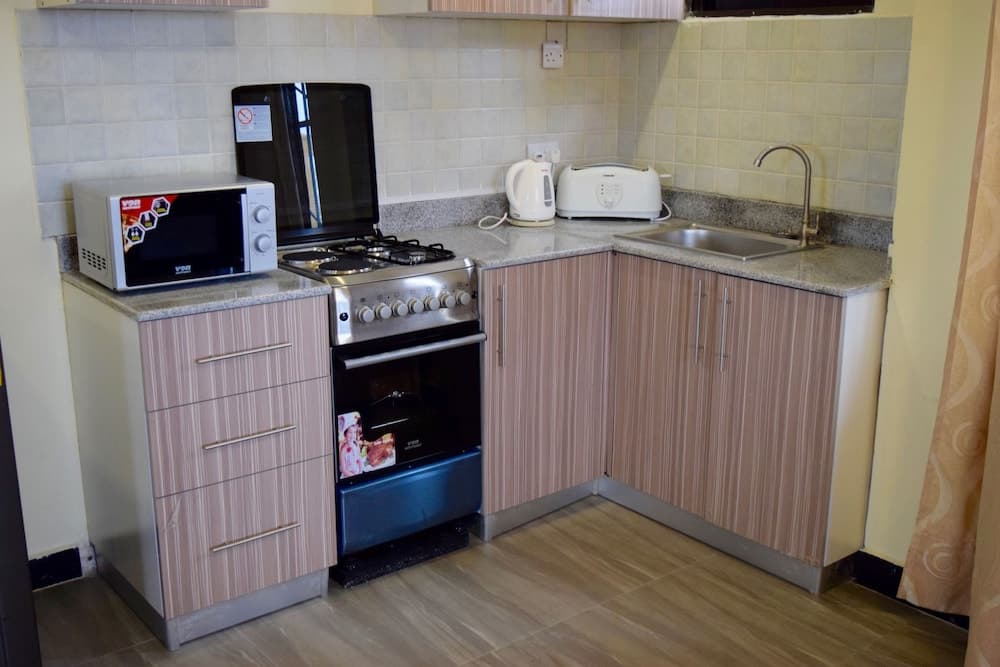
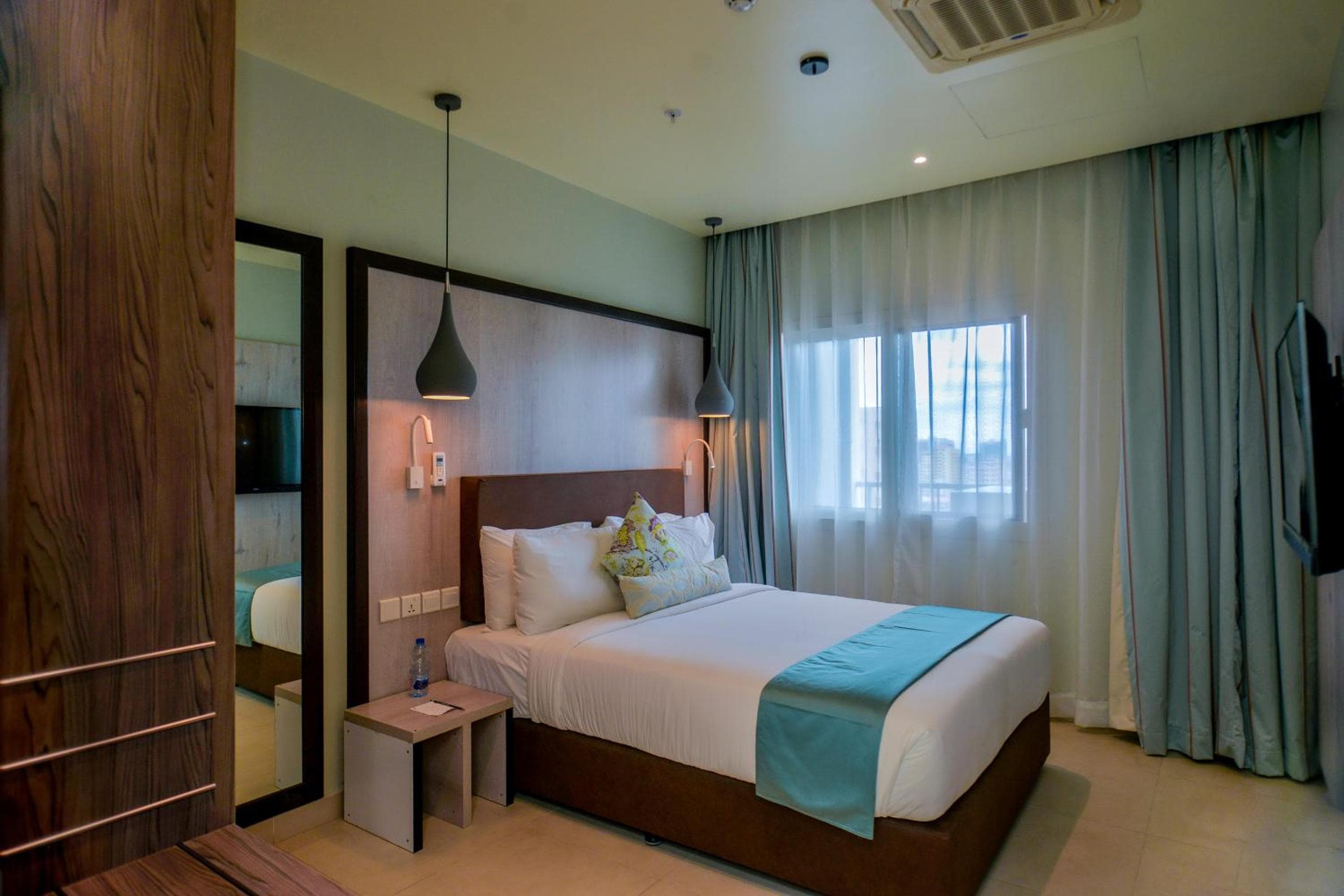
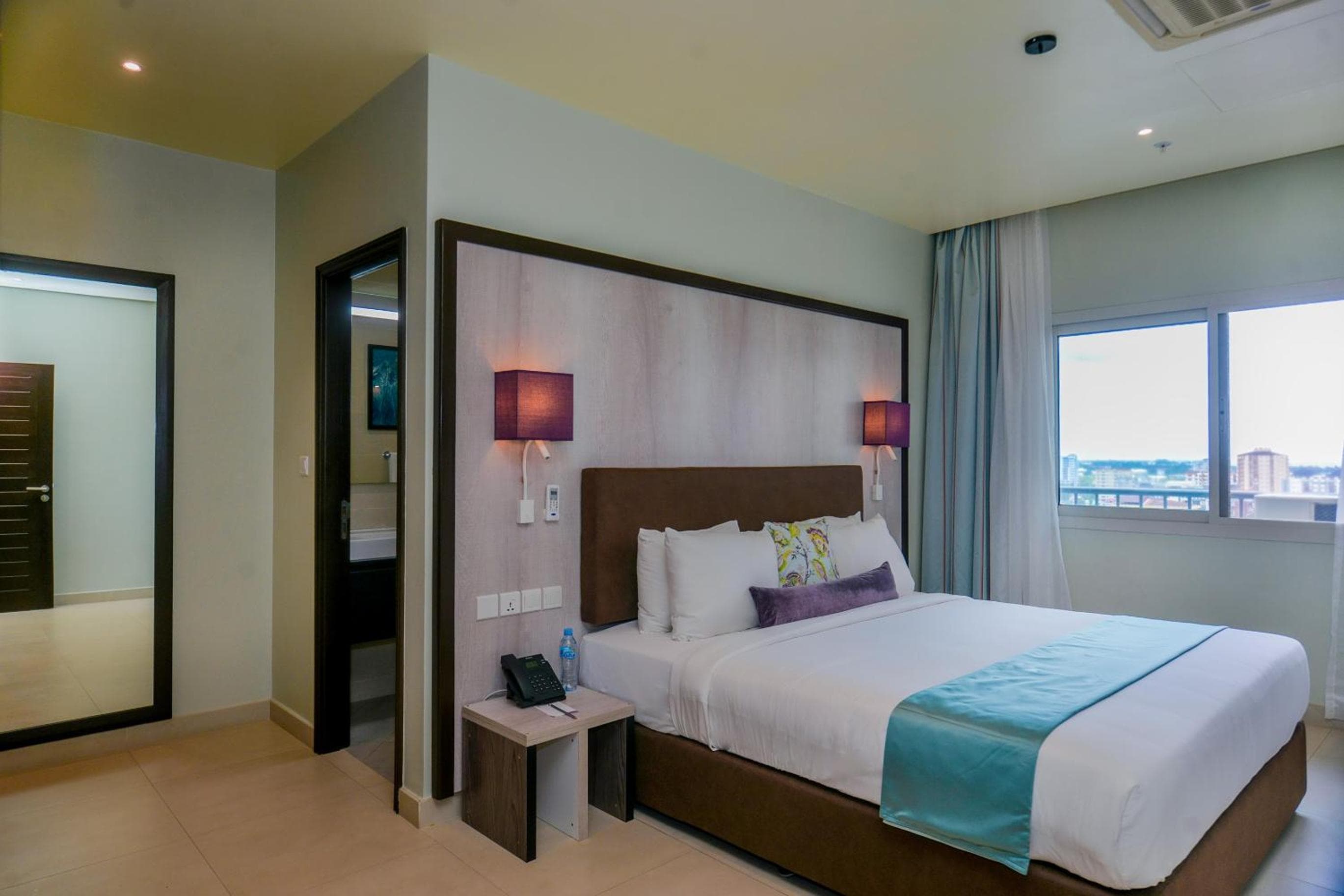
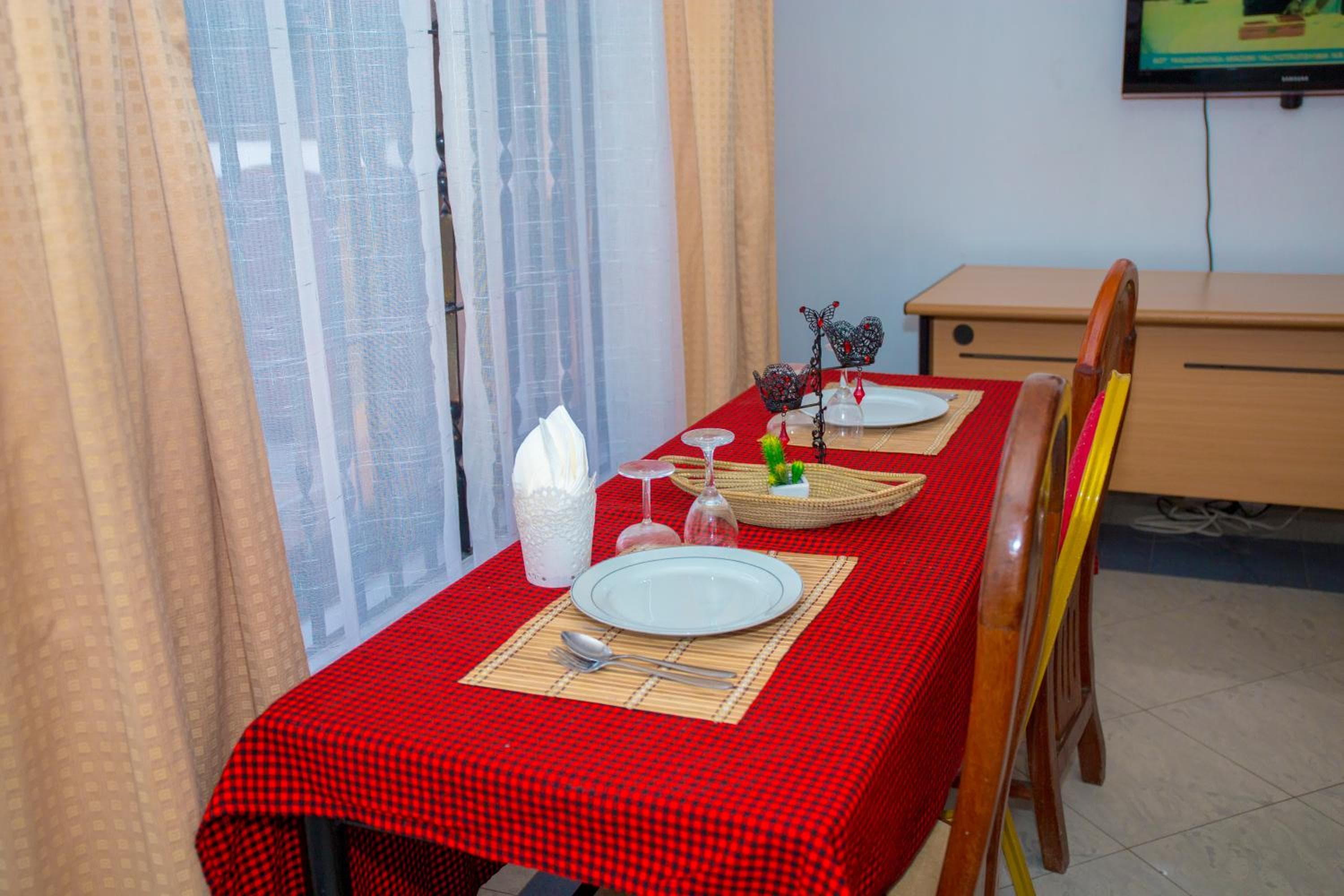
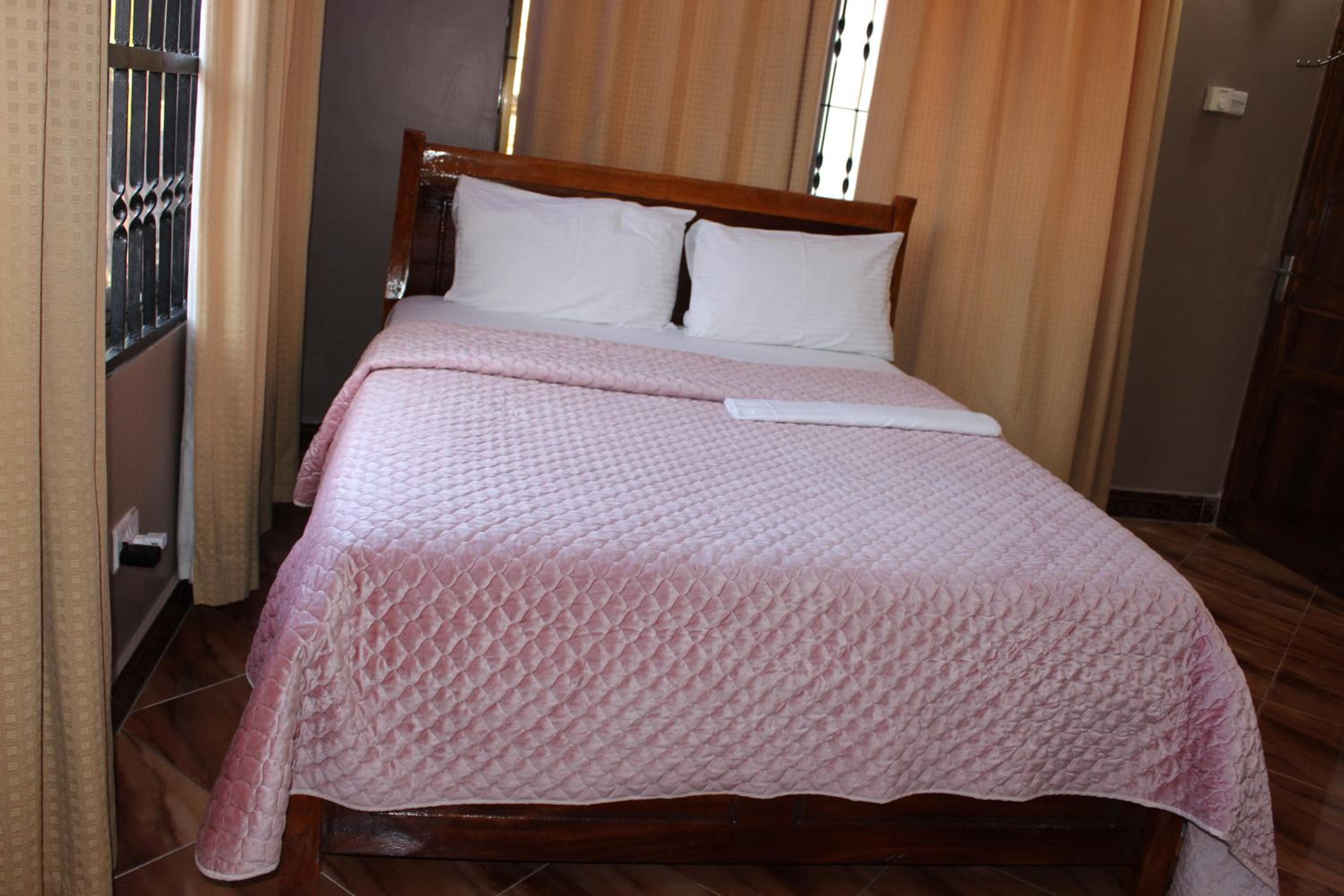
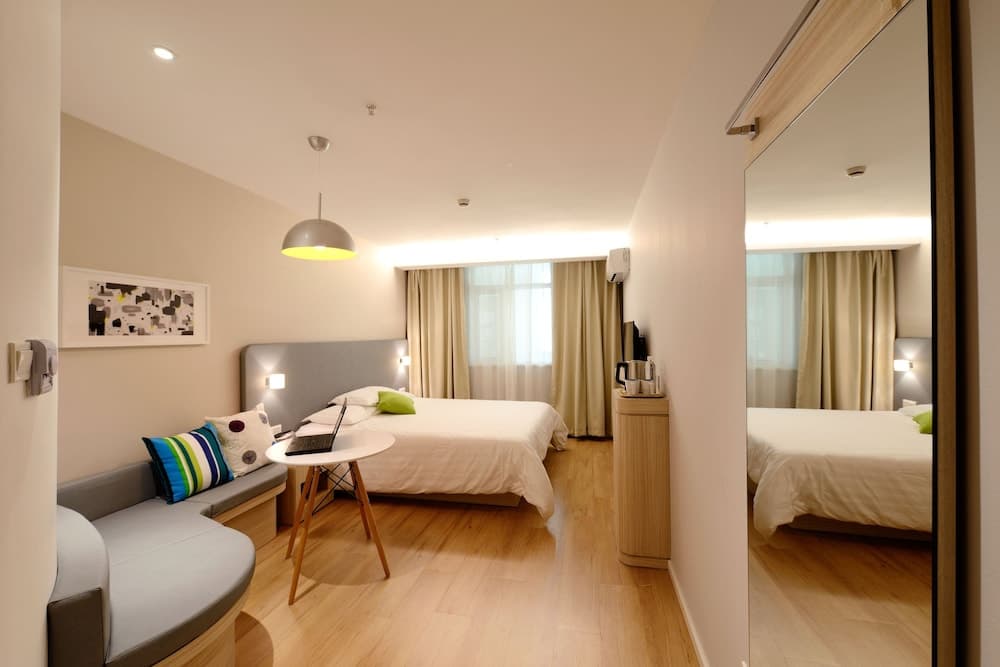
Kitchenette · 29–45 m² · Sleeps 2
from €187 night
11 stays · 11 aparthotels and 0 serviced apartments
Dar es Salaam is Tanzania's largest city and its financial hub, home to well over 7 million people on a natural harbour on the Indian Ocean. Aparthotels and serviced apartments suit a city where visits often mean business meetings, project work or a few days either side of a trip to Zanzibar or the northern safari circuit: a kitchen, a work table and a separate living area are practical when you are based here for a week or more.
11 stays
The central business district sits in Ilala district and is the largest in Tanzania, taking in Kisutu, Kivukoni, Upanga and Kariakoo. Kivukoni has the Bank of Tanzania and the Dar es Salaam Stock Exchange, Kisutu has the central railway station, and the ferry to Kigamboni leaves from the Kivukoni waterfront. Phase 1 of the bus rapid transit line ends at Kivukoni.
Stays in or near City Centre (Kisutu and Kivukoni)
A residential area within the central business district, which Wikipedia says has one of the highest concentrations of Asian communities in the city, with colonial houses and mansions built in Indian, Arabic and European styles.
Stays in or near Upanga
High-income suburbs along the central beach, home to many diplomats and expatriates. Oyster Bay Beach, also known as Coco Beach, is a white sandy beach on this stretch of coast. Wikivoyage puts the airport about 20 km from the Msasani Peninsula next door, so allow generous journey times in traffic.
Stays in or near Masaki and Oyster Bay
A peninsula north-east of the city centre with a mix of traditional shops and western-oriented stores and restaurants, including the redevelopment of the former Msasani Slipway shipyard. Boats to Bongoyo Island leave from the Slipway, and the Slipway complex also houses a supermarket.
Stays in or near Msasani Peninsula
High- and middle-income residential suburbs in Kinondoni district, to the north-west of the Masaki and Msasani coast. Mikocheni is split into Mikocheni A and Mikocheni B, and the area sits between the beach suburbs and the Old Bagamoyo Road corridor.
A beachfront suburb on a peninsula across the Kurasini estuary, also known as South Beach, with beaches to the south of the city. Access is mainly by the MV Kigamboni ferry from the Kivukoni side, with the Kigamboni Bridge as the alternative by road.
Julius Nyerere International Airport is in Kipawa ward, in Ilala district, with three terminals; Terminal 3 began operating in August 2019. Wikivoyage places it about 10 km from the city centre and warns that evening rush hour can make the transfer slow, so leave more time than the distance suggests. Taxis, ride-hailing and minibuses (daladala) serve the airport. DART lists Phase 3 as started, but Wikivoyage reported no BRT station inside the airport as of 2025.
Within the city, DART runs bus rapid transit on dedicated lanes, branded Mwendokasi. Phase 1 has run between Kimara and Kivukoni since 2016, and DART lists Phase 2, from Mbagala Rangi Tatu to the city centre, as a further corridor. DART sells tickets through the Mwendokasi app and a contactless Mwendokasi card, with QR-code paper tickets at terminals. Daladala minibuses are the most common public transport, and bajaj three-wheelers and motorcycle taxis (bodaboda) fill the gaps.
Central Dar es Salaam can be walked, although Wikivoyage notes there are few pavements along busy roads. For longer journeys by rail, Tanzania Railways trains and the TAZARA line to Zambia use separate stations, and Wikivoyage lists a standard gauge railway station on Pugu Road, so check which station your ticket names.
Supermarkets are easy to find in the main commercial areas. Wikivoyage lists Mlimani City as the largest mall, with City Mall on Bibi Titi and Morogoro roads and Aura Mall on Morogoro Road both housing supermarkets, and the Slipway on the Msasani Peninsula has a supermarket. For fresh food and household goods at market rates, Kariakoo is the city's main shopping district and, according to Wikipedia, the major supply point for the food eaten across Dar es Salaam.
Think about the daily commute before you choose. The central business district, Masaki and Oyster Bay, and Mikocheni are different journeys from each other. If you are moving for a posting or a project, our guide to serviced apartments for relocation covers what to ask for. Because heavy rain can flood low-lying roads, it is worth asking how a building is reached during the wet months.
Dar es Salaam has a tropical savanna climate: hot and humid for much of the year, with about 1,150 millimetres of rain annually. In a normal year there are two rainy seasons, the long rains in April and May and the short rains in November and December. Wikivoyage describes December to February as the hot dry spell, with temperatures rising to the mid-30s Celsius and high humidity, and recommends June to September for milder temperatures and lower humidity.
Wikipedia notes that the city has had heavy, frequent flooding since the 1990s because of intense rainfall on low-lying coastal land, which can disrupt roads and transport. If you are travelling during the rainy months, allow extra time for journeys and keep plans flexible.
Distances are long and traffic is heavy, so location matters more here than in a compact old town. Pick the district closest to where you will spend most of your days, then use the notes below on the airport, the bus rapid transit corridors and the ferries. For the wider country see the Tanzania hub, for the islands Zanzibar, and for the basics our guide to what an aparthotel is.
Of the 11 properties here, 4 offer an in-apartment washing machine, 4 list a laptop-friendly workspace, 6 include some form of housekeeping and 9 have a 24-hour front desk. If you are staying more than a few nights, compare the facts box on each property page first.
7 properties list a full kitchen and 4 only a kitchenette, so check the room type if you plan to cook more than simple meals.
Where room sizes are published, the median apartment here is 45 m².
Moving for work? Our guide to serviced apartments for relocation explains what to look for.
Brands with properties here include Element (1).
Planning a longer trip? See aparthotels in Zanzibar, Arusha, Marangu and Mtwara.
For meetings in the business district choose the City Centre or Upanga. For beaches, restaurants and a calmer residential feel, Masaki, Oyster Bay and the Msasani Peninsula are the usual choices, while Kigamboni suits a beach-focused stay across the water.
Wikivoyage puts Julius Nyerere International Airport about 10 km from the city centre and about 20 km from the Msasani Peninsula. Evening traffic can make the journey much slower than the distance suggests.
Yes. DART runs bus rapid transit with the Mwendokasi app and card, daladala minibuses cover most routes, and the MV Kigamboni ferry links Kivukoni with the Kigamboni peninsula.
Wikivoyage recommends June to September for milder temperatures and lower humidity. The long rains fall in April and May and the short rains in November and December.
We currently list 11 aparthotel and serviced apartment properties in Dar es Salaam.
11 of the 11 properties we list have a kitchen or kitchenette in at least one apartment type.
4 properties list an in-apartment washing machine. Use the facts box on each property page to check.
Element.
Last updated