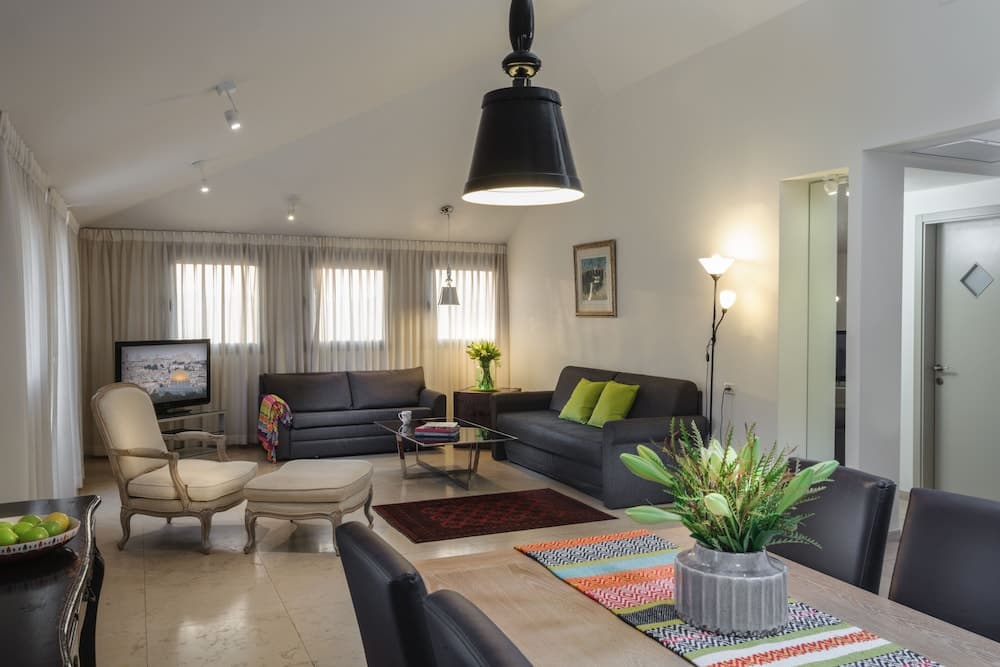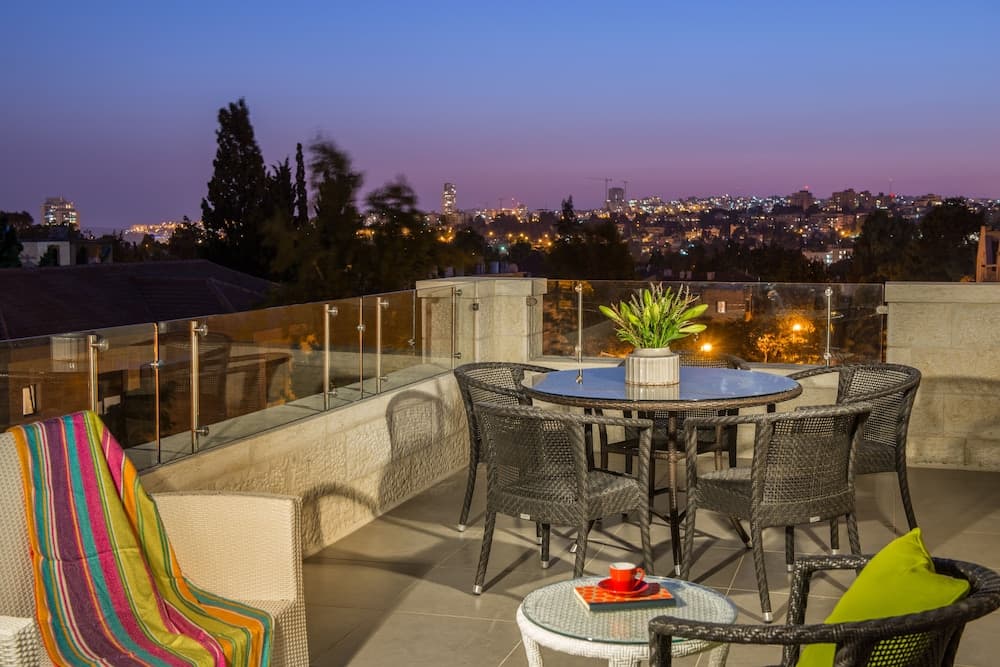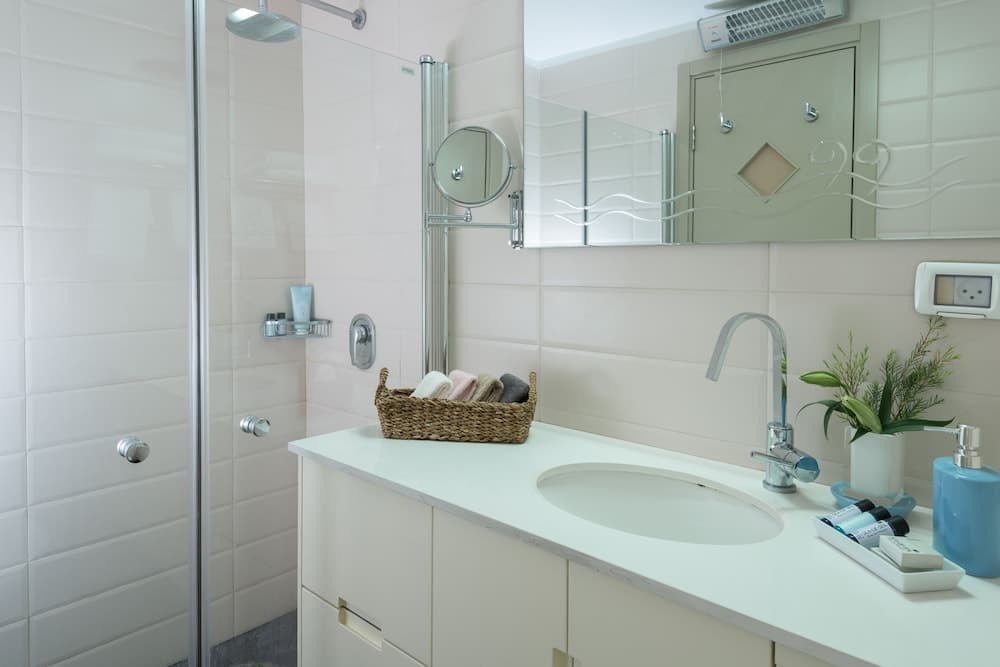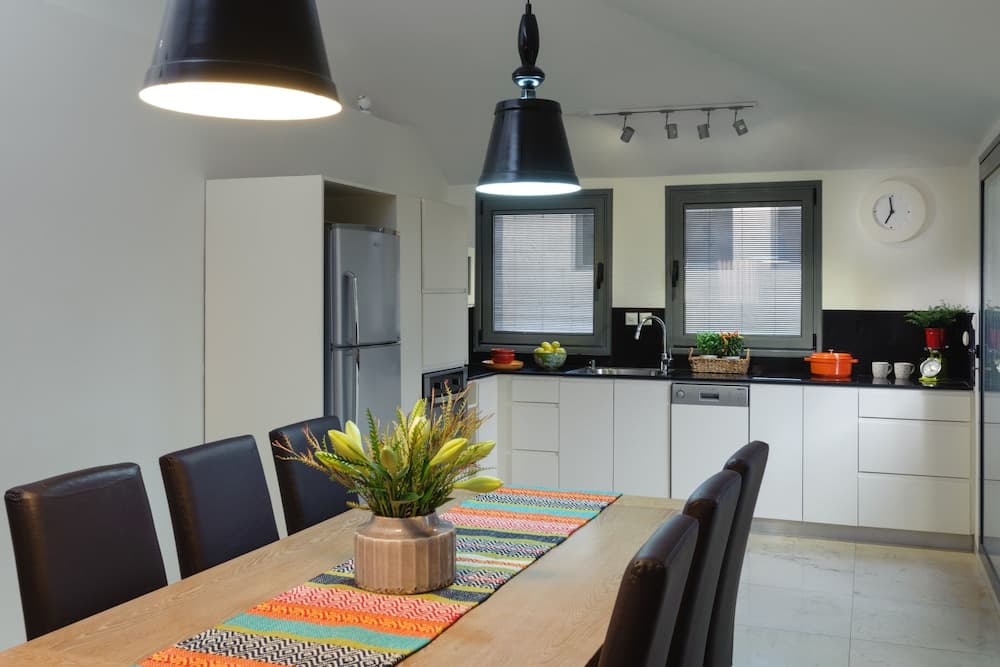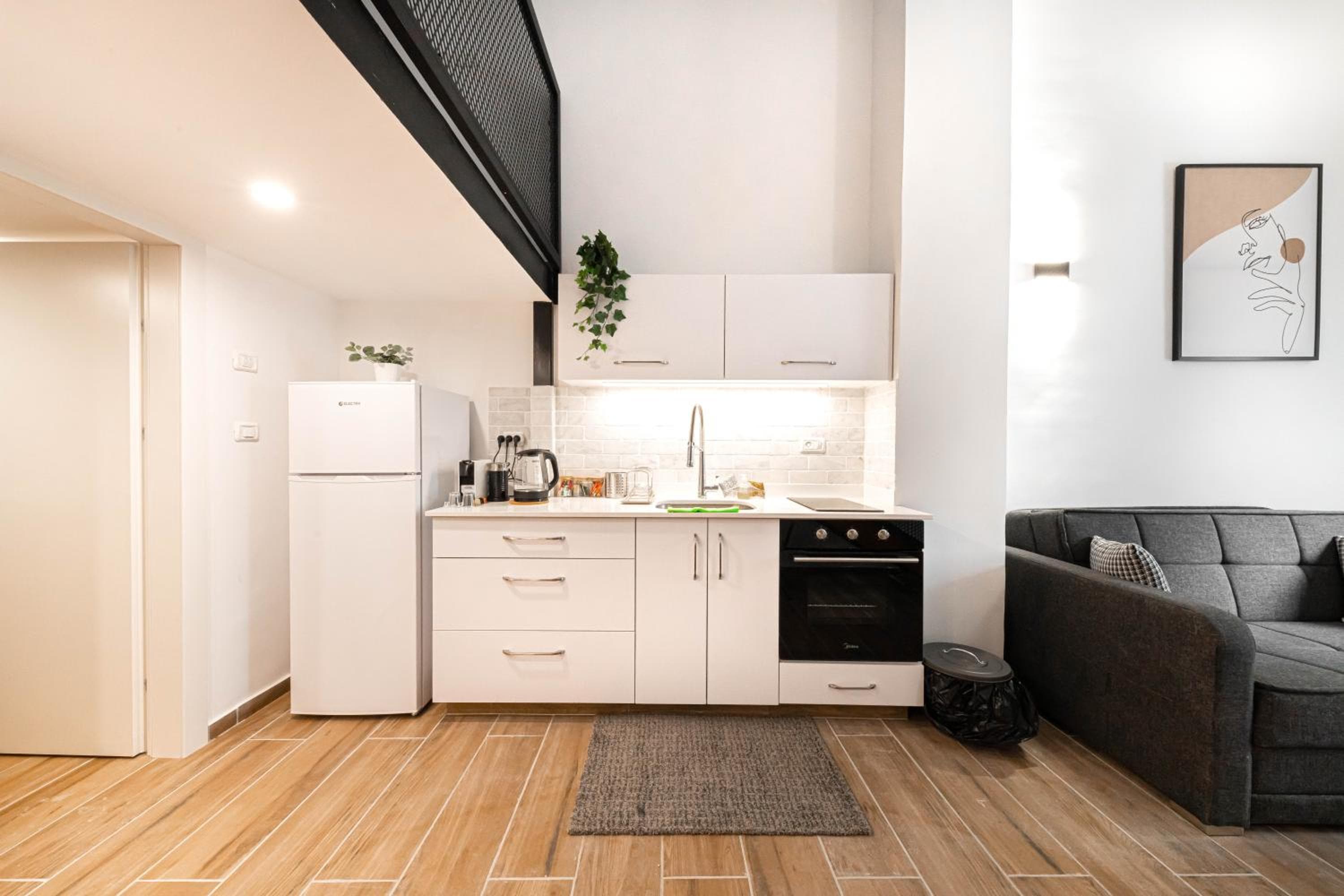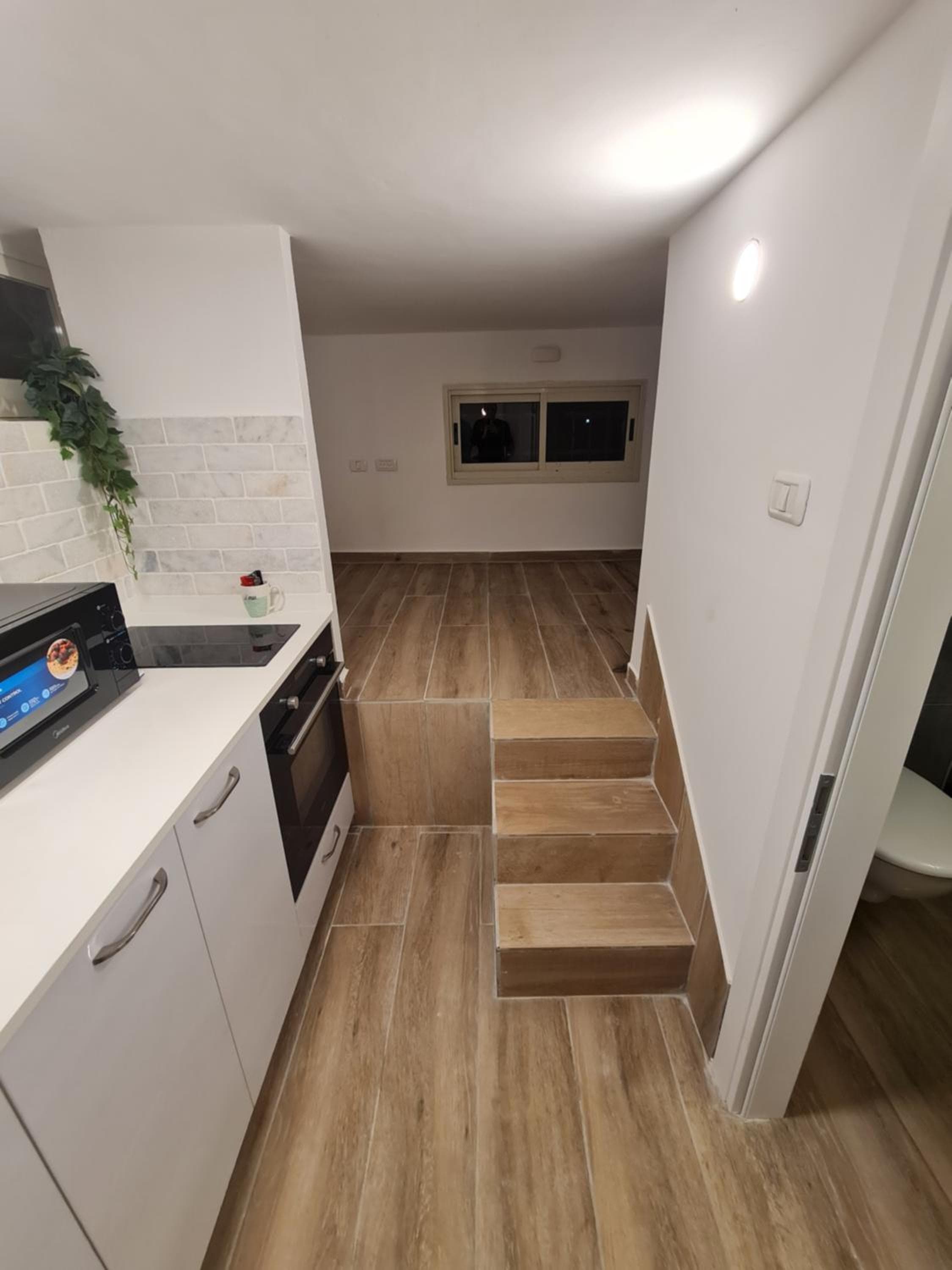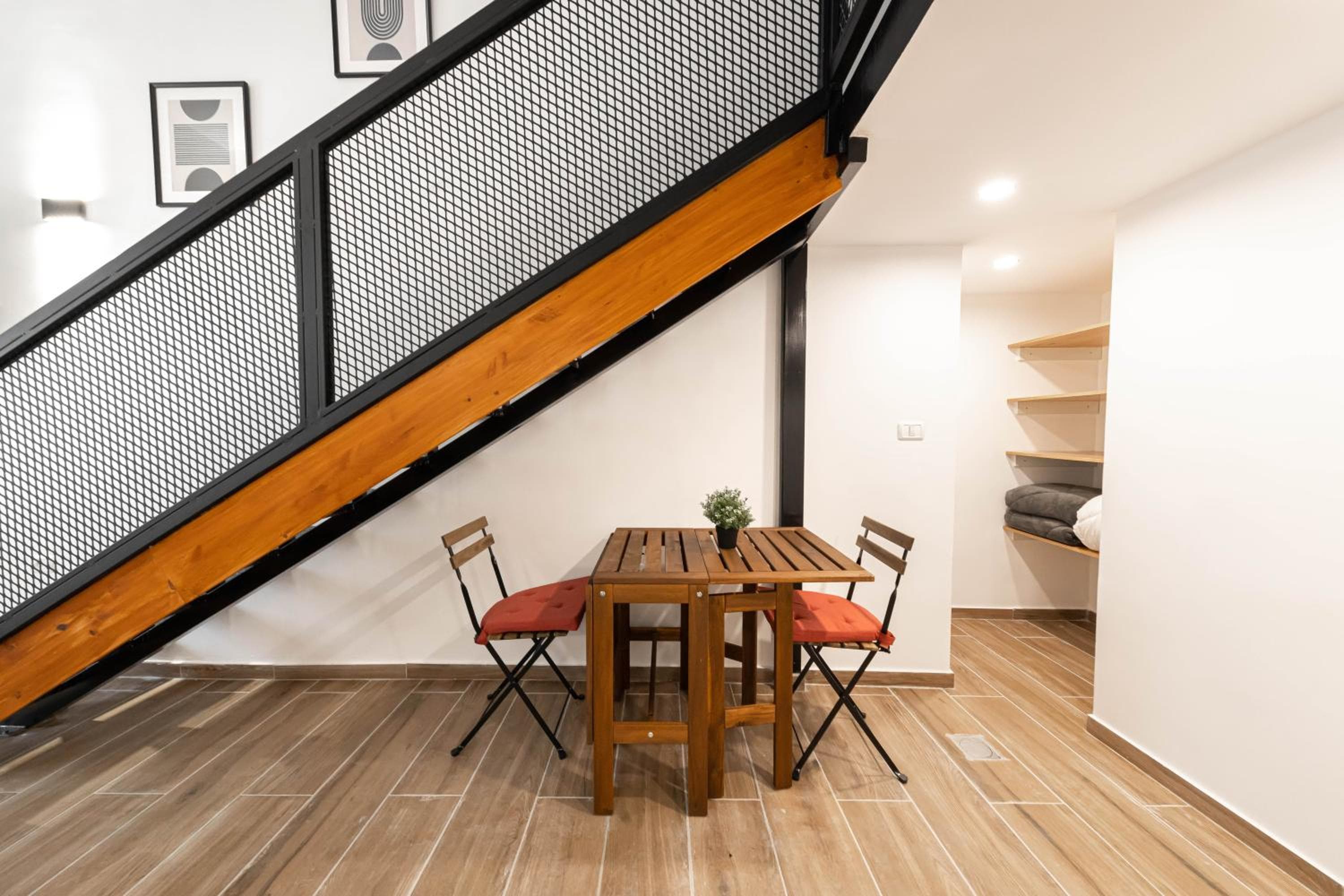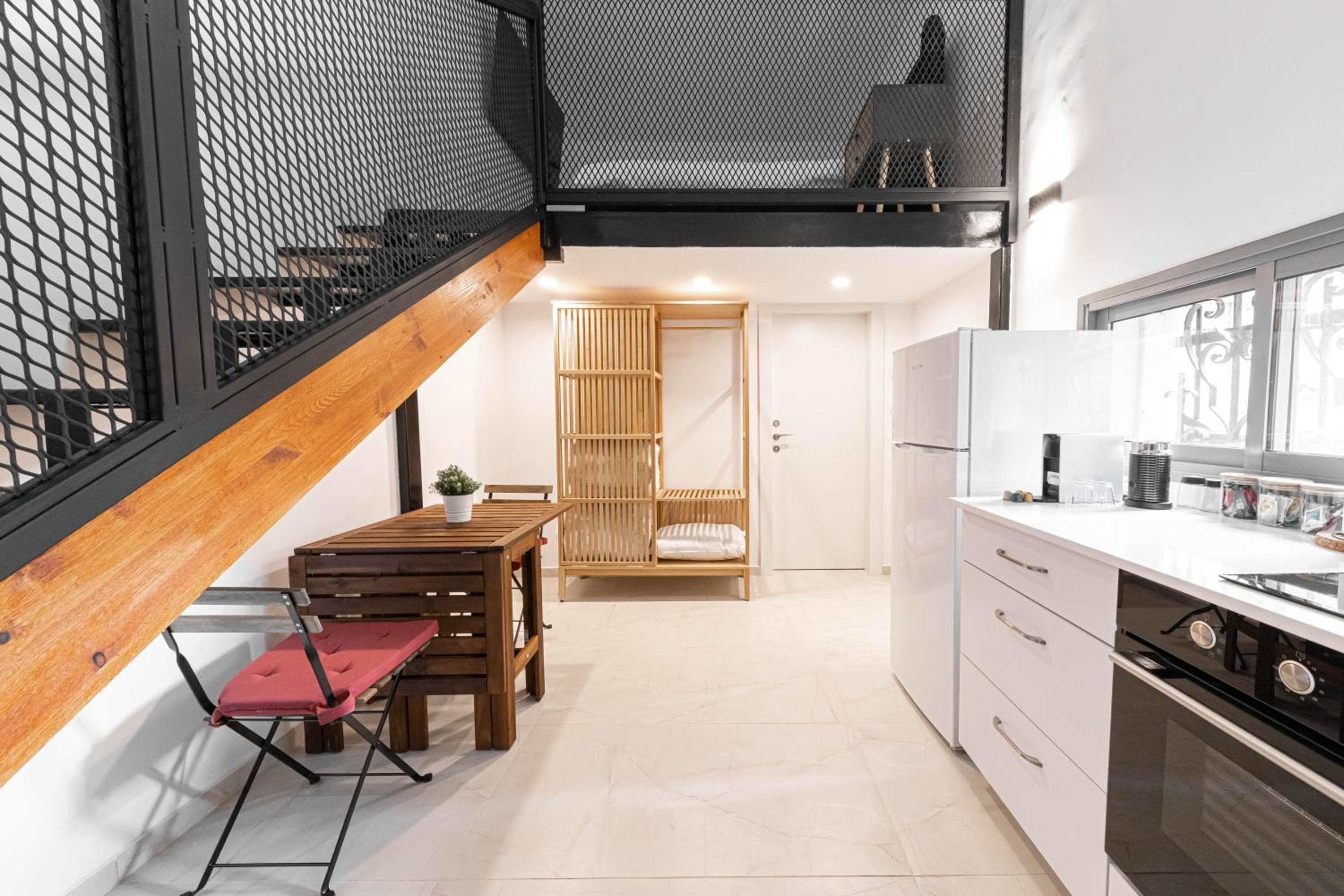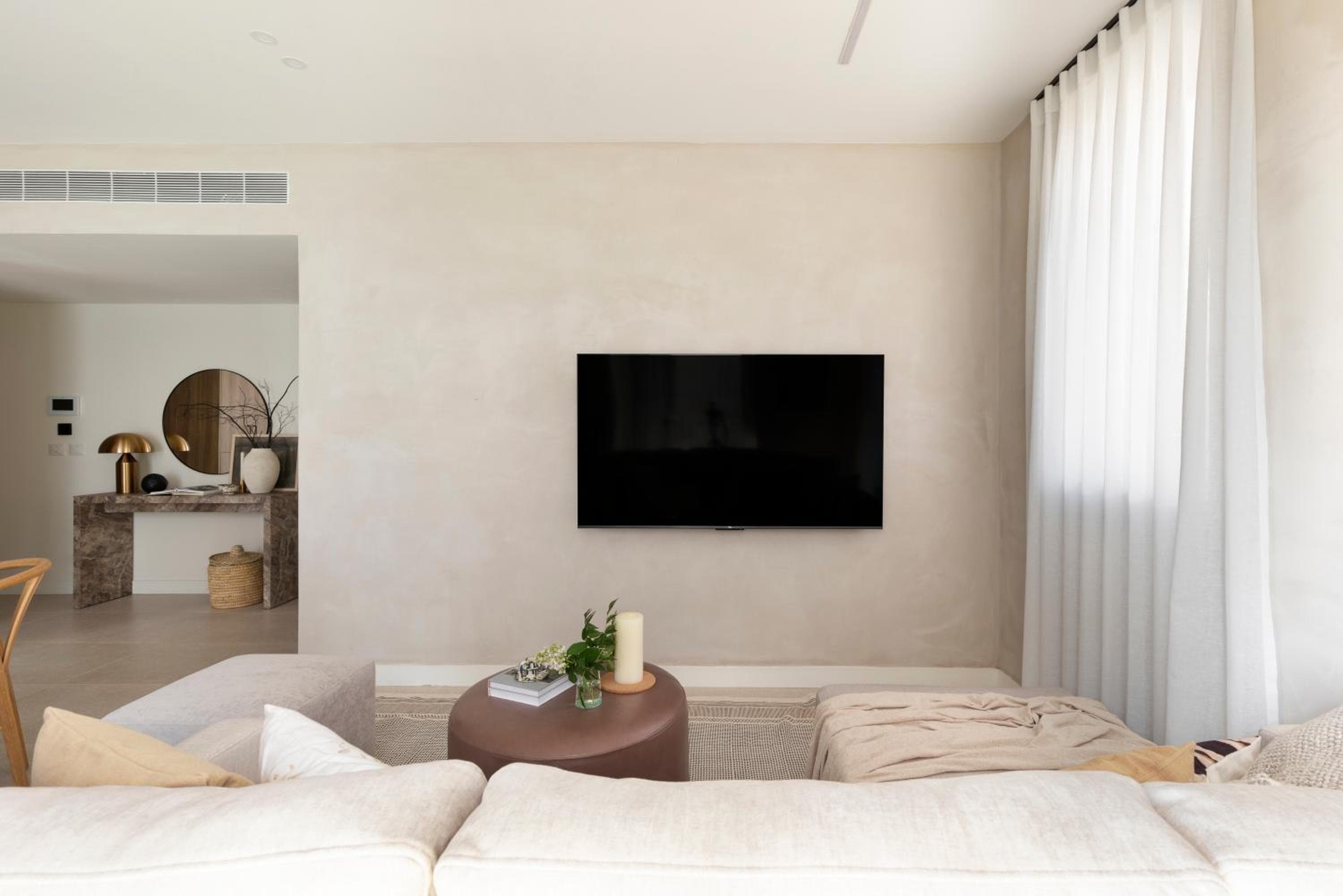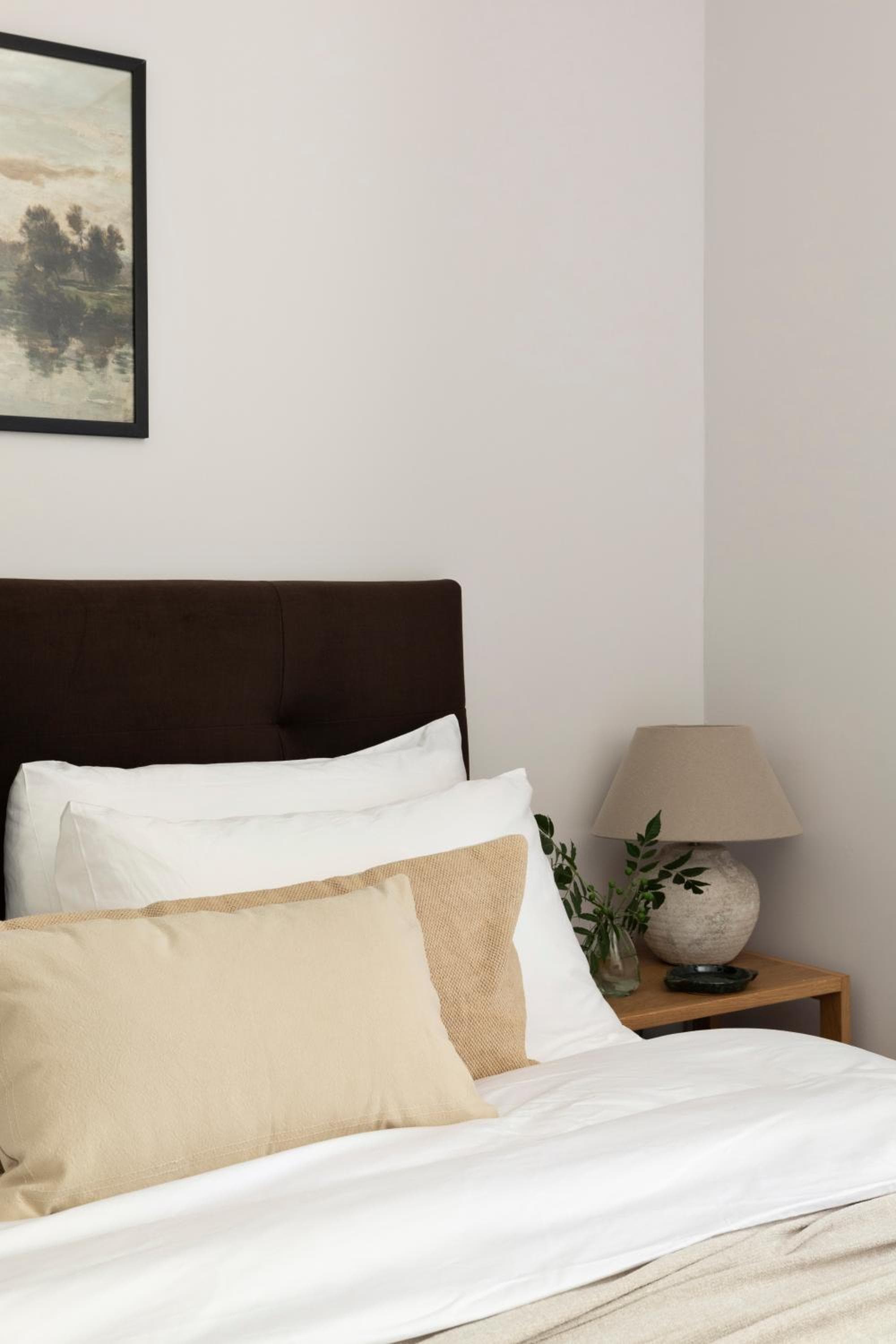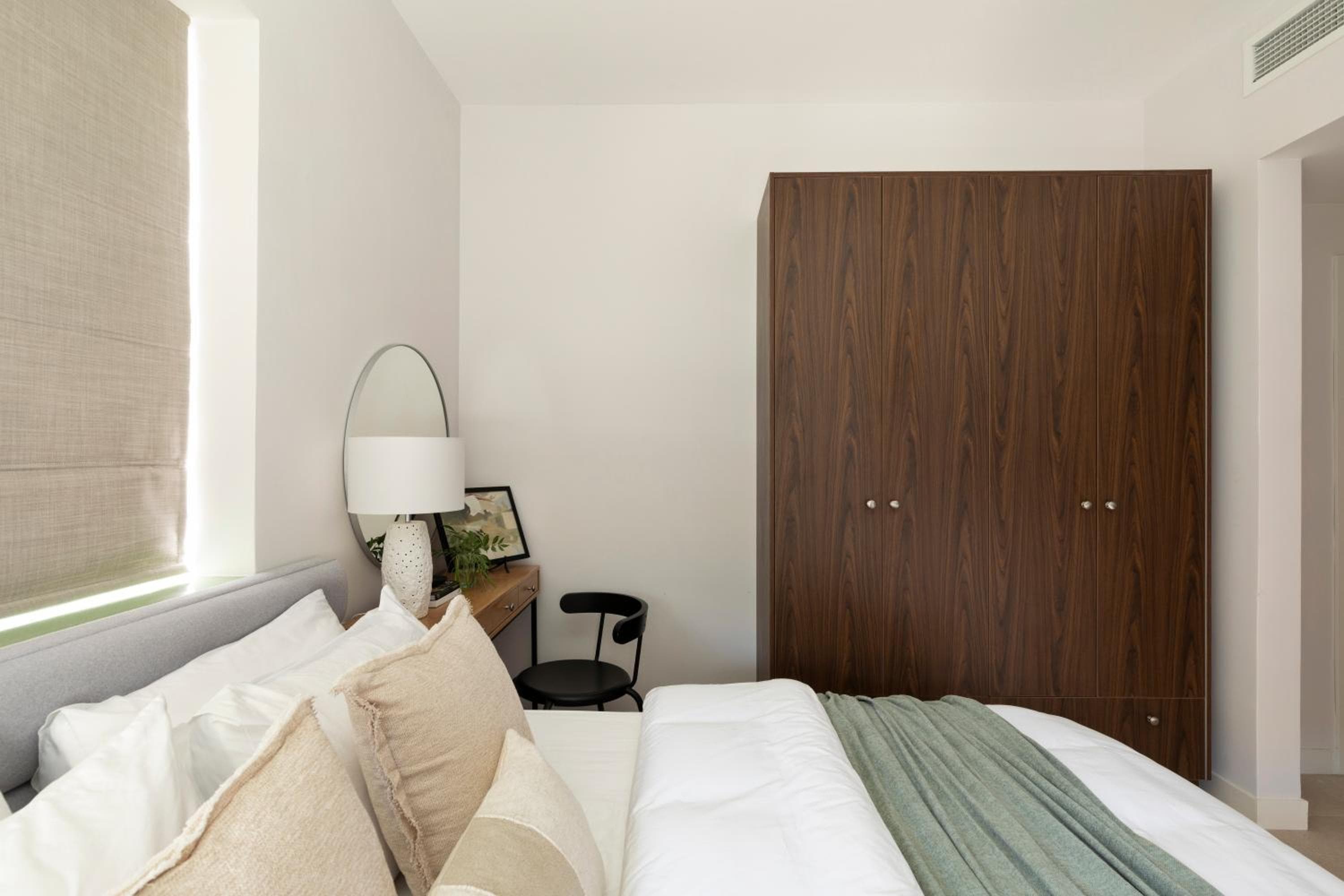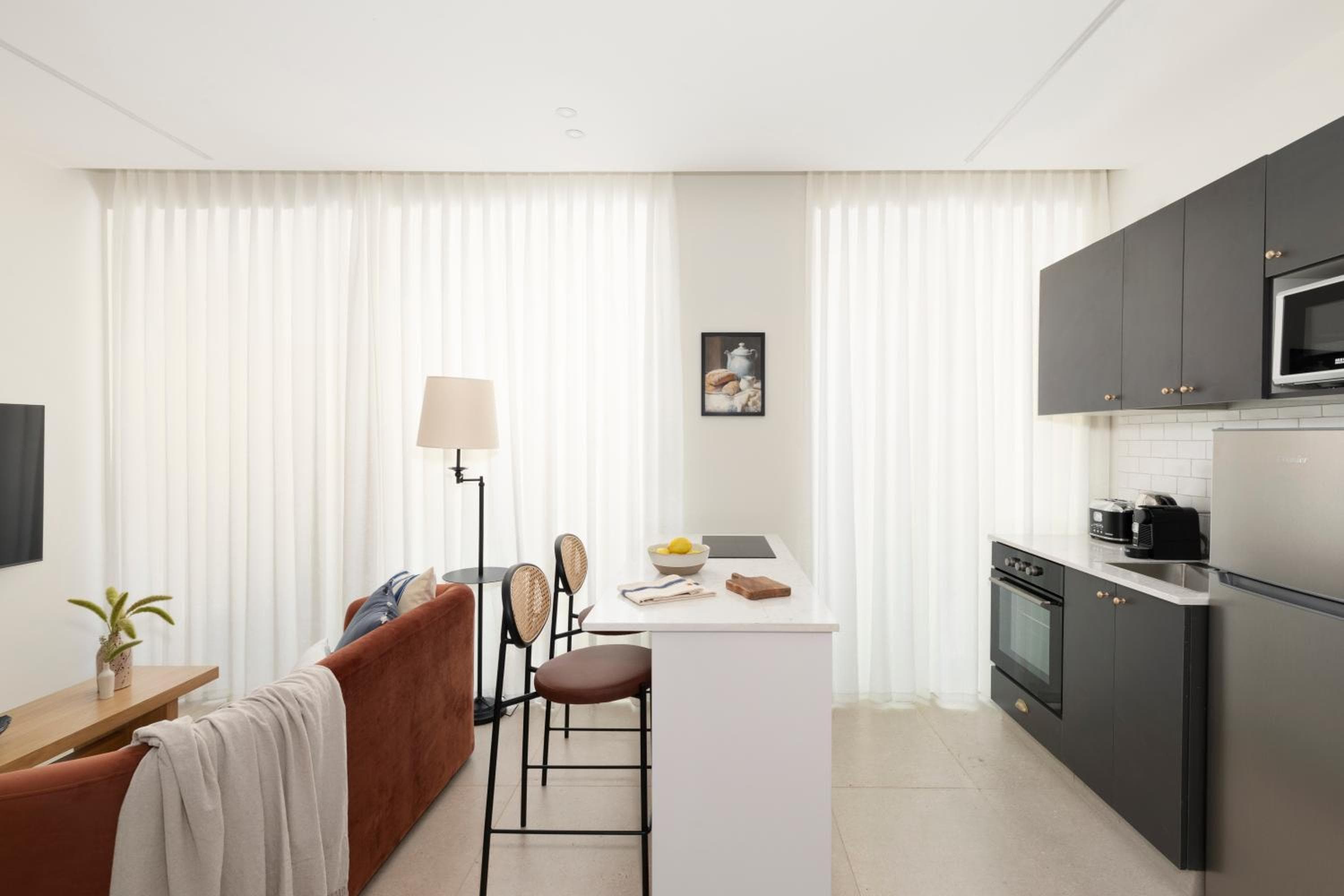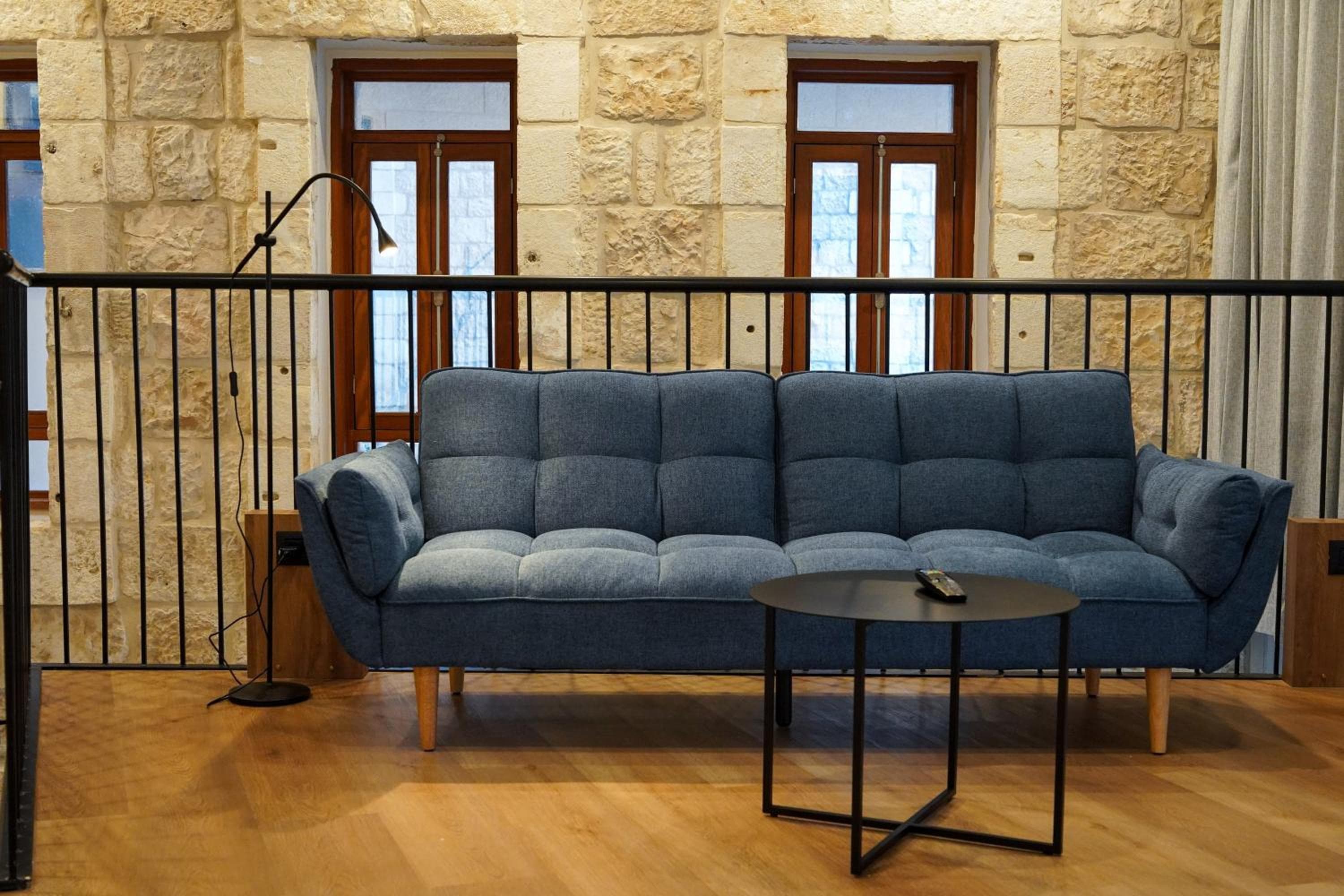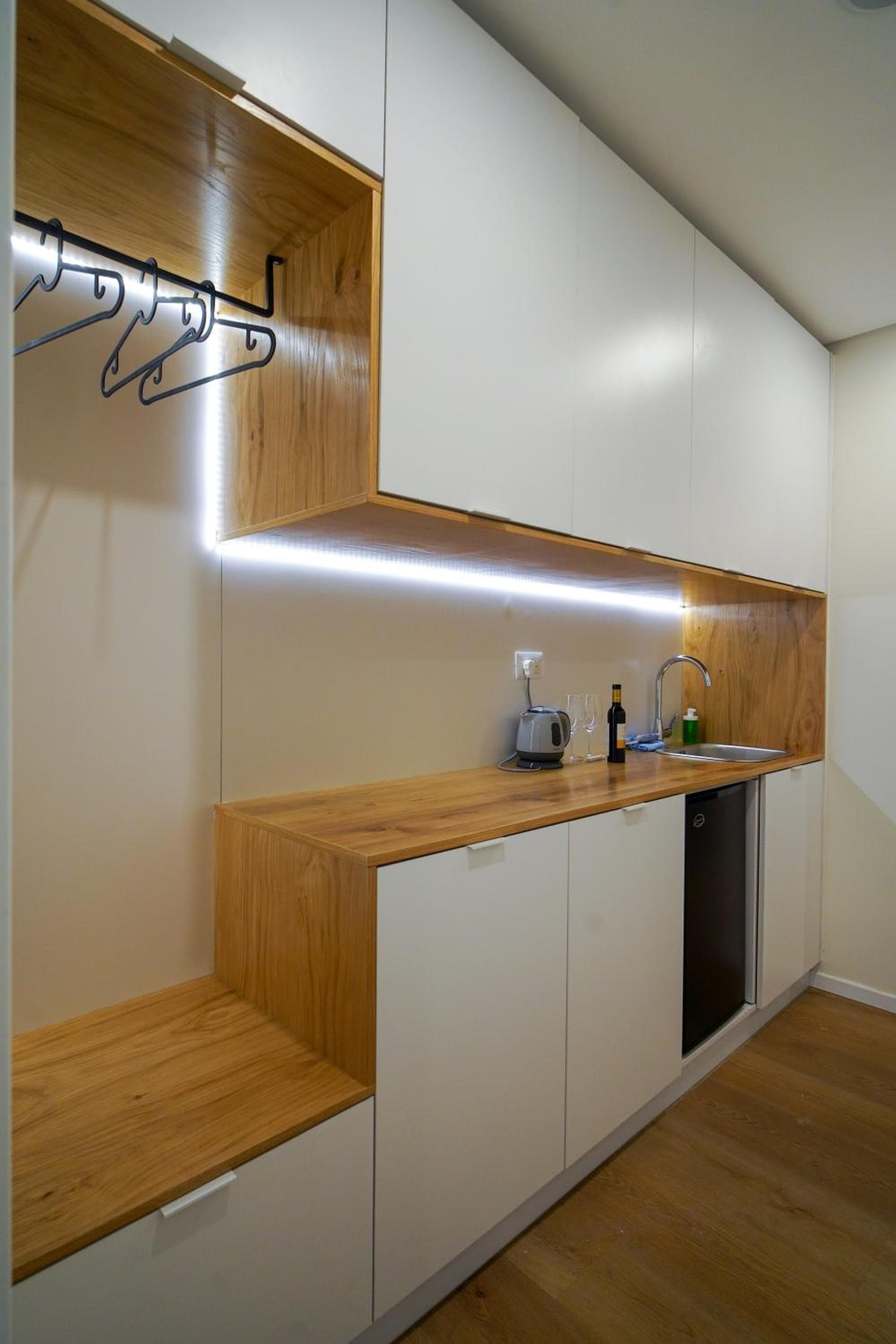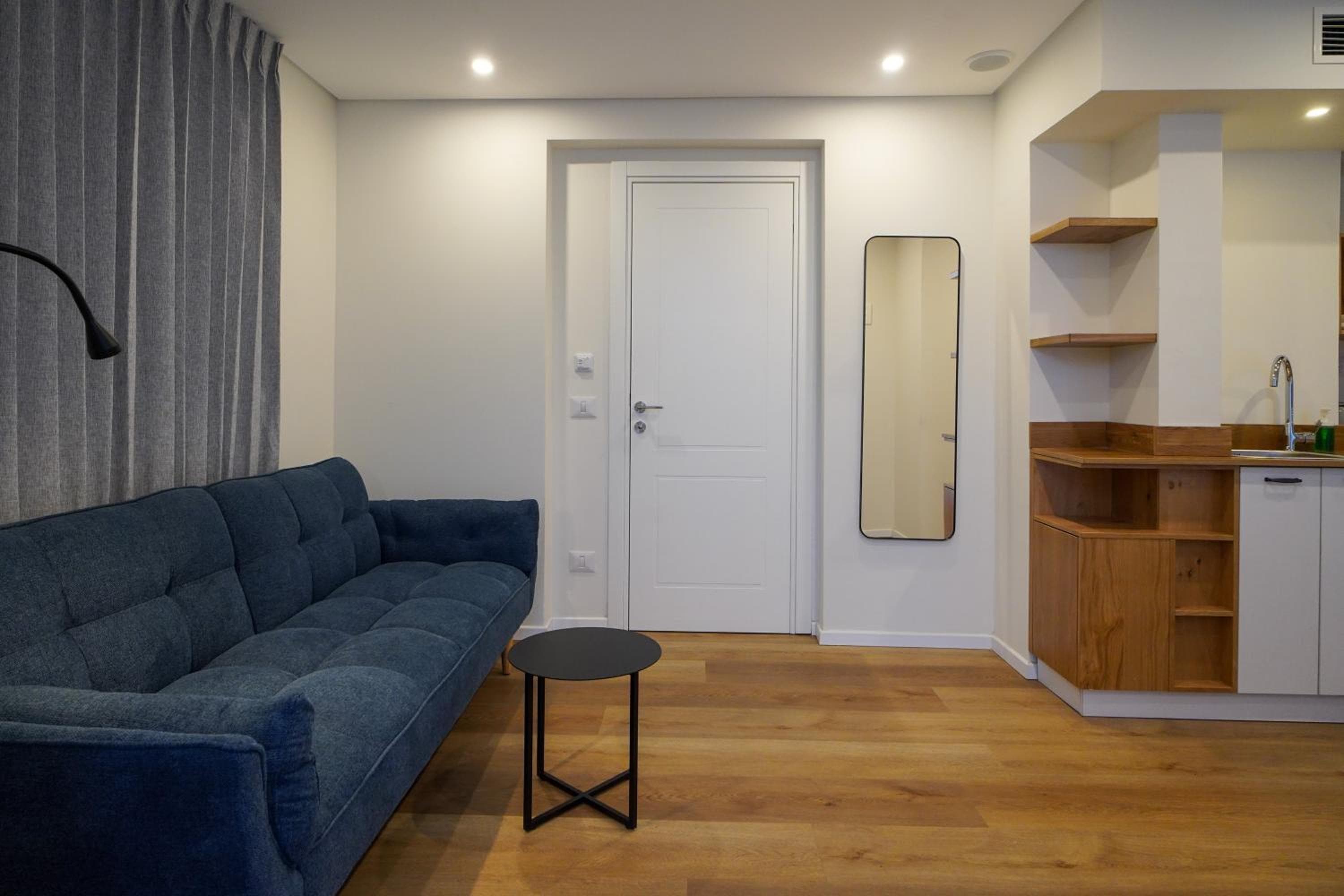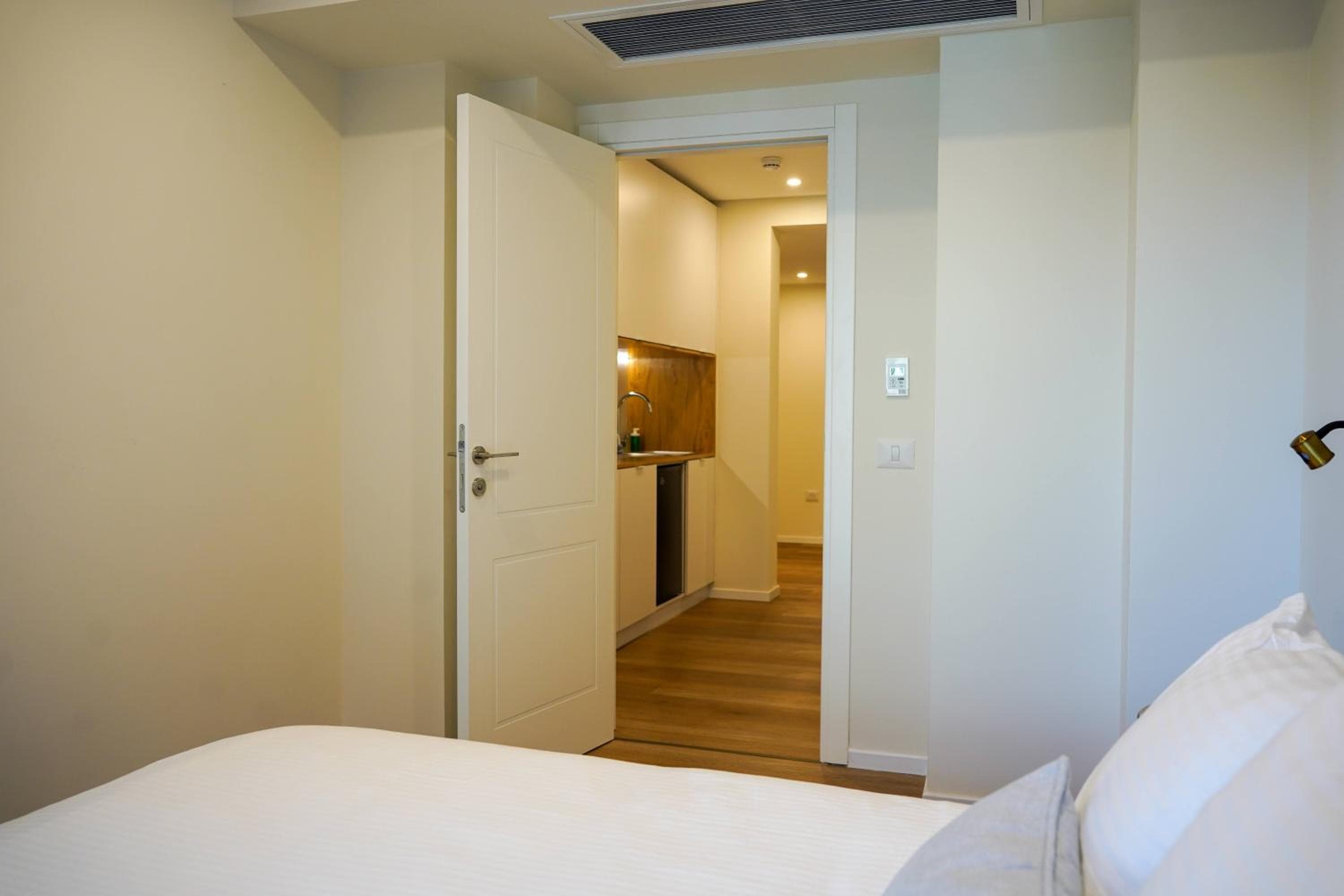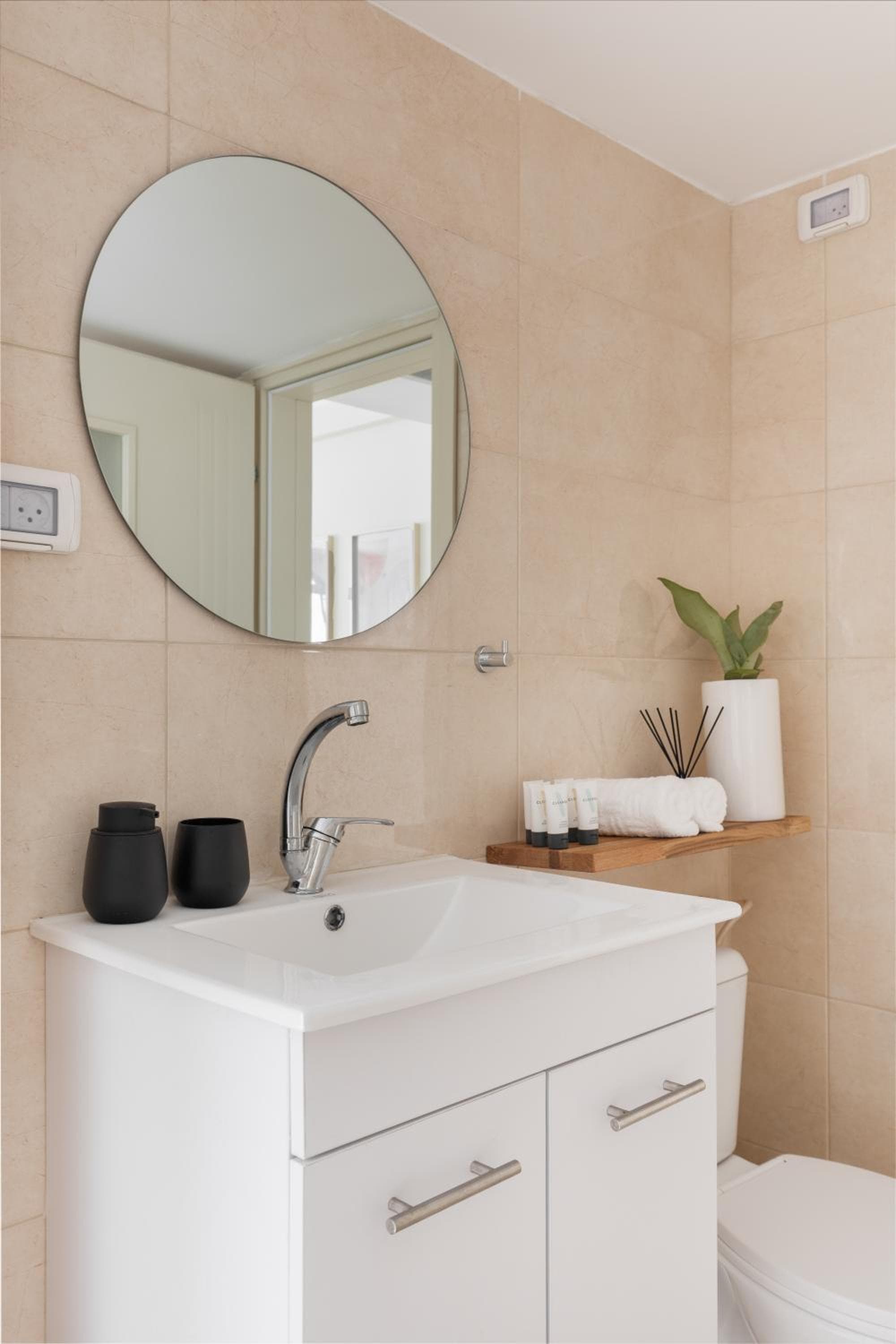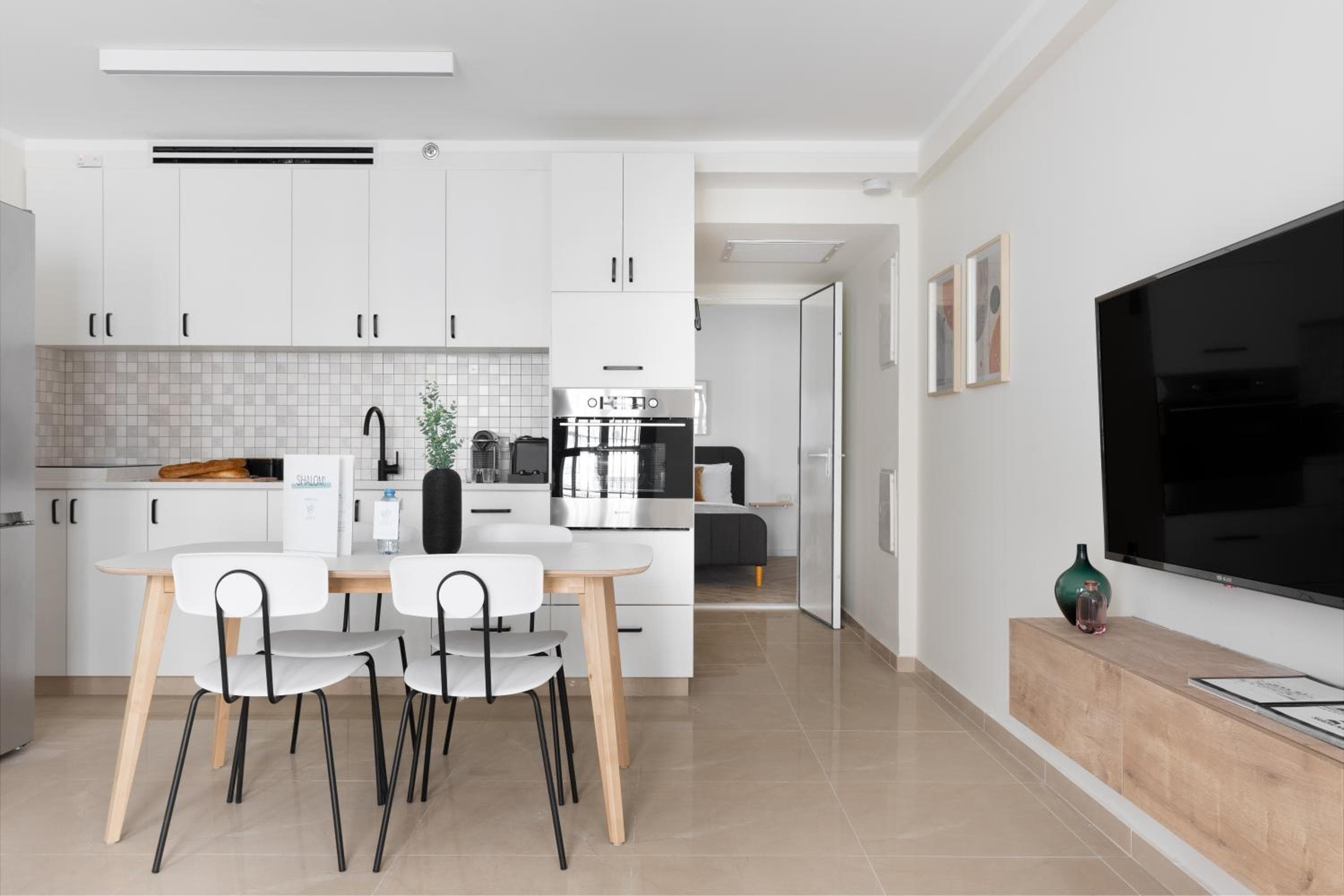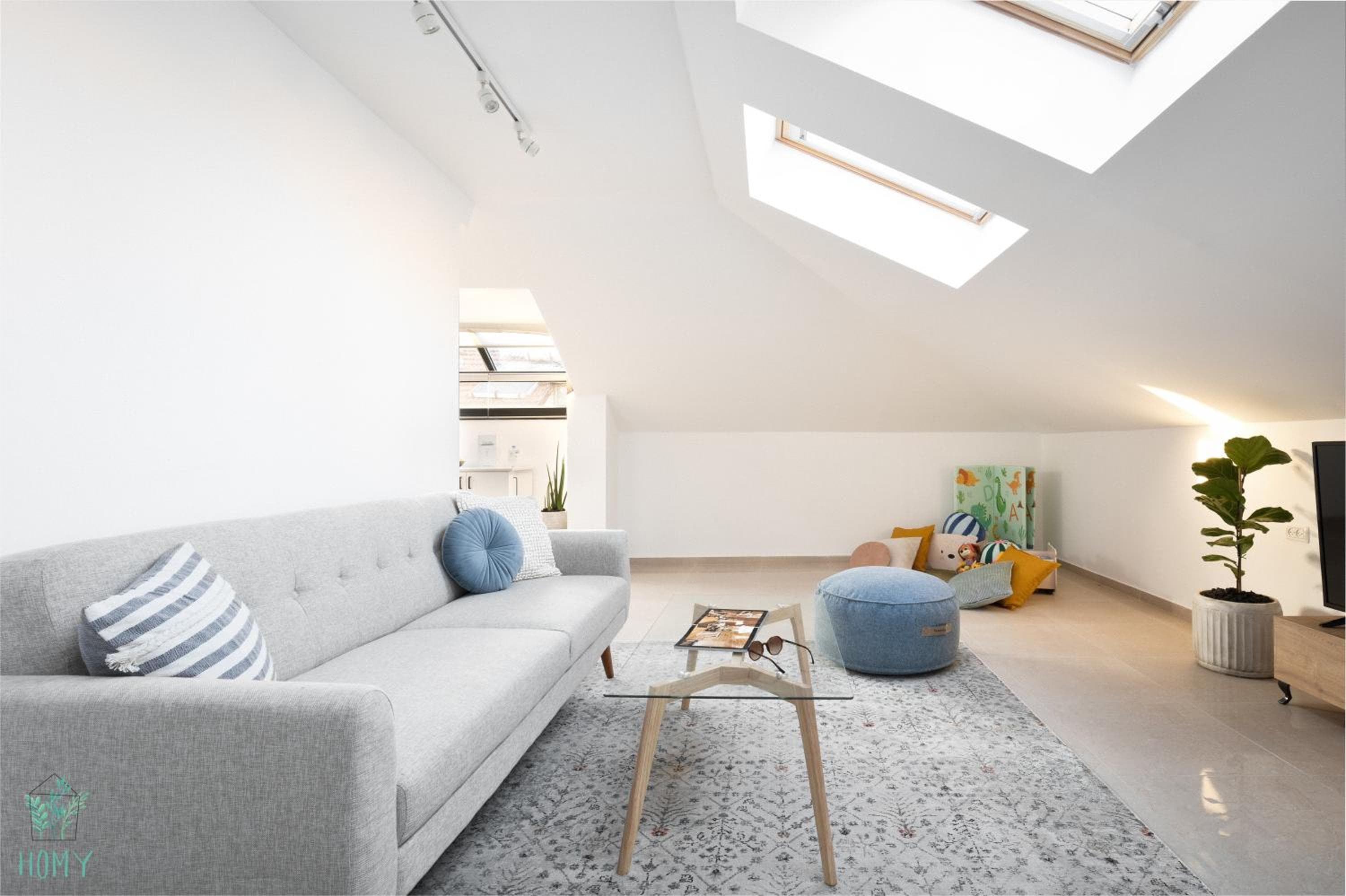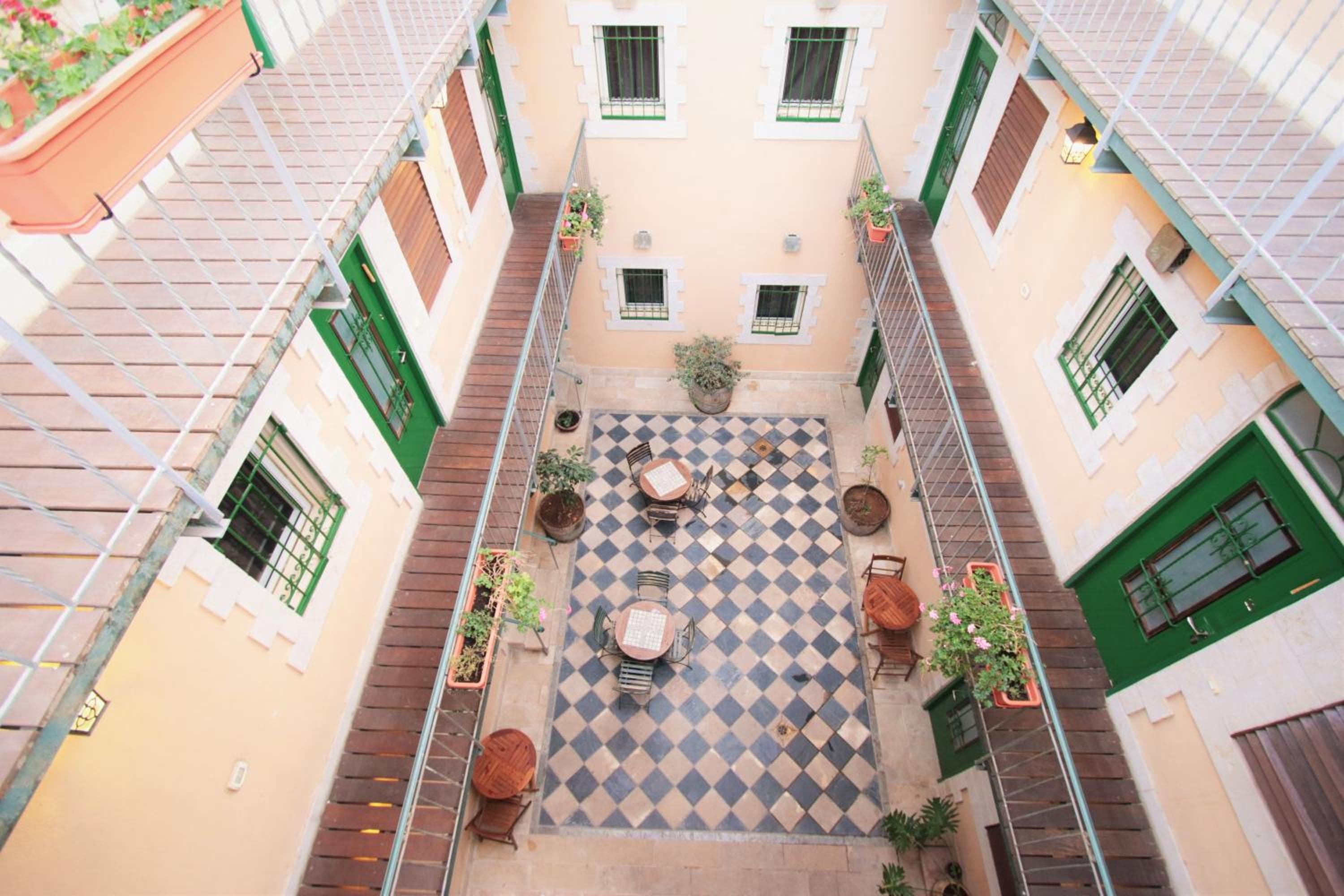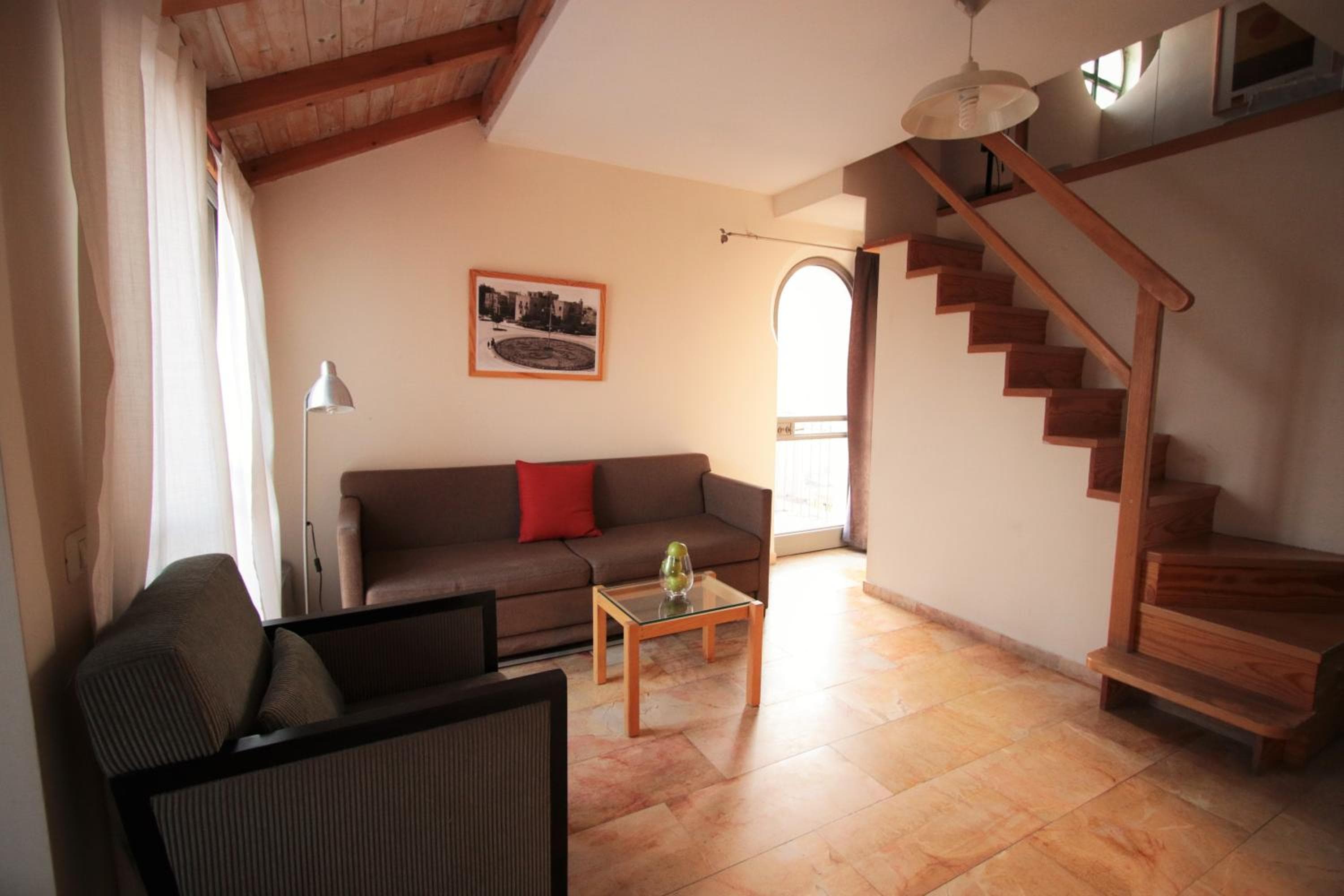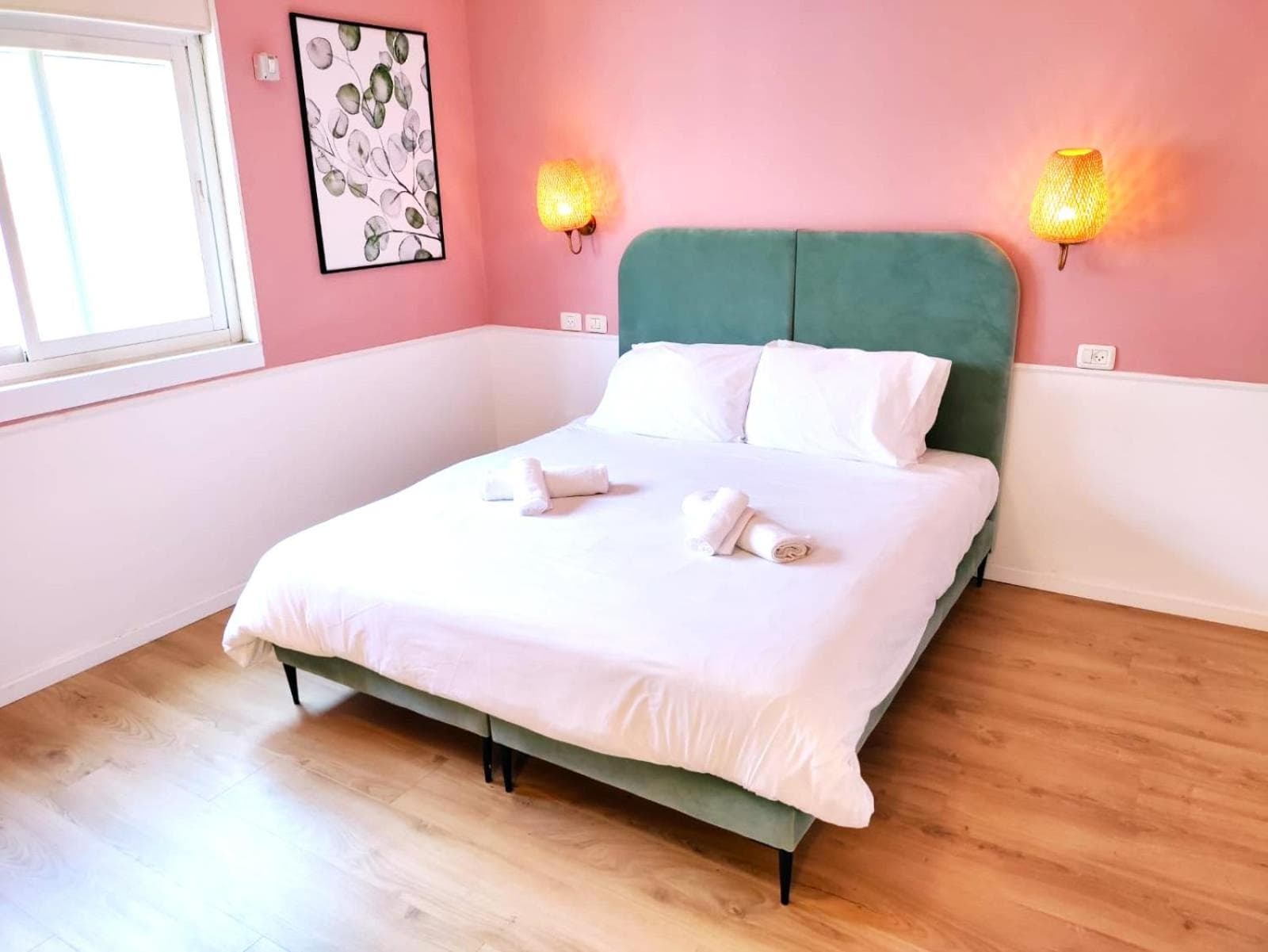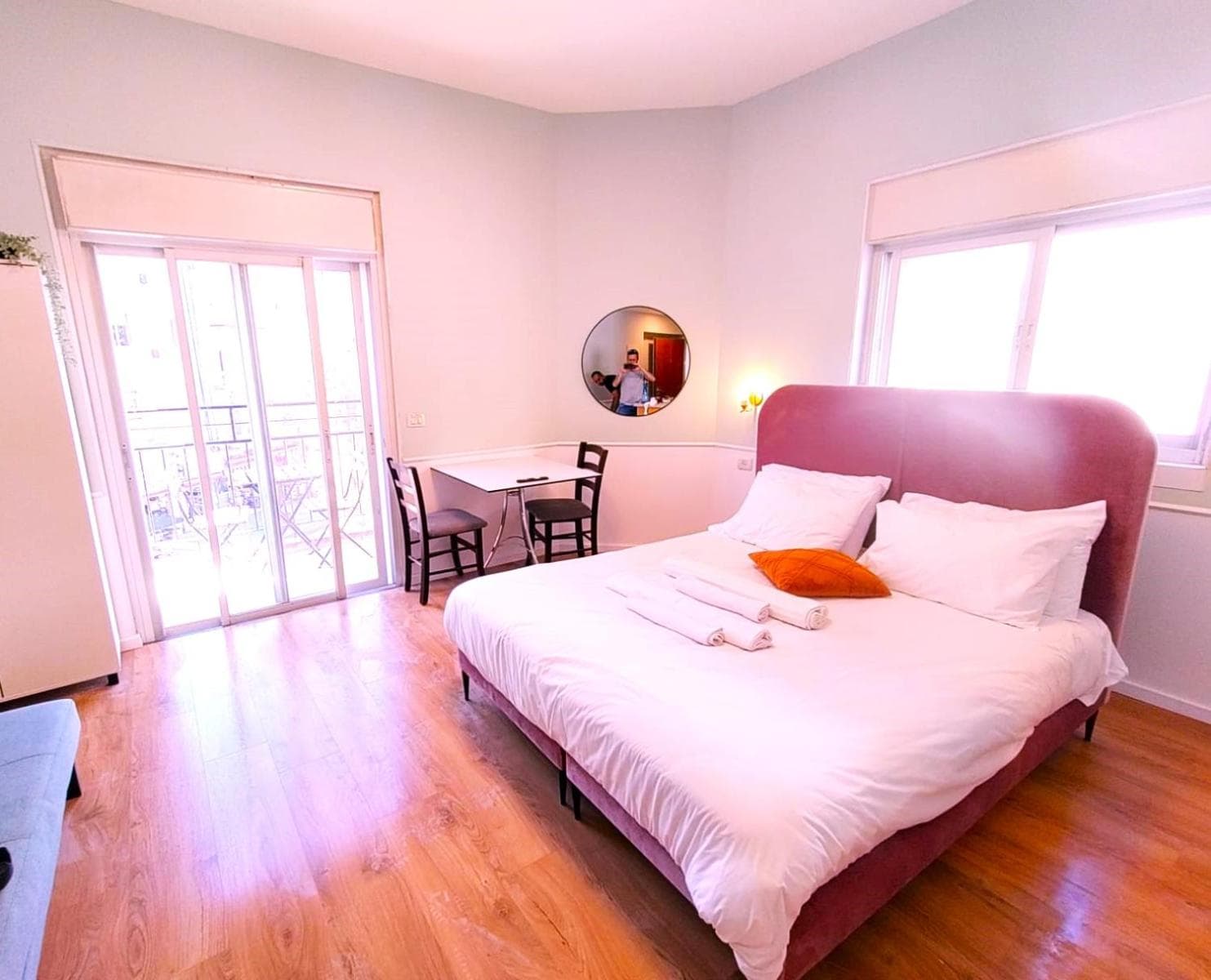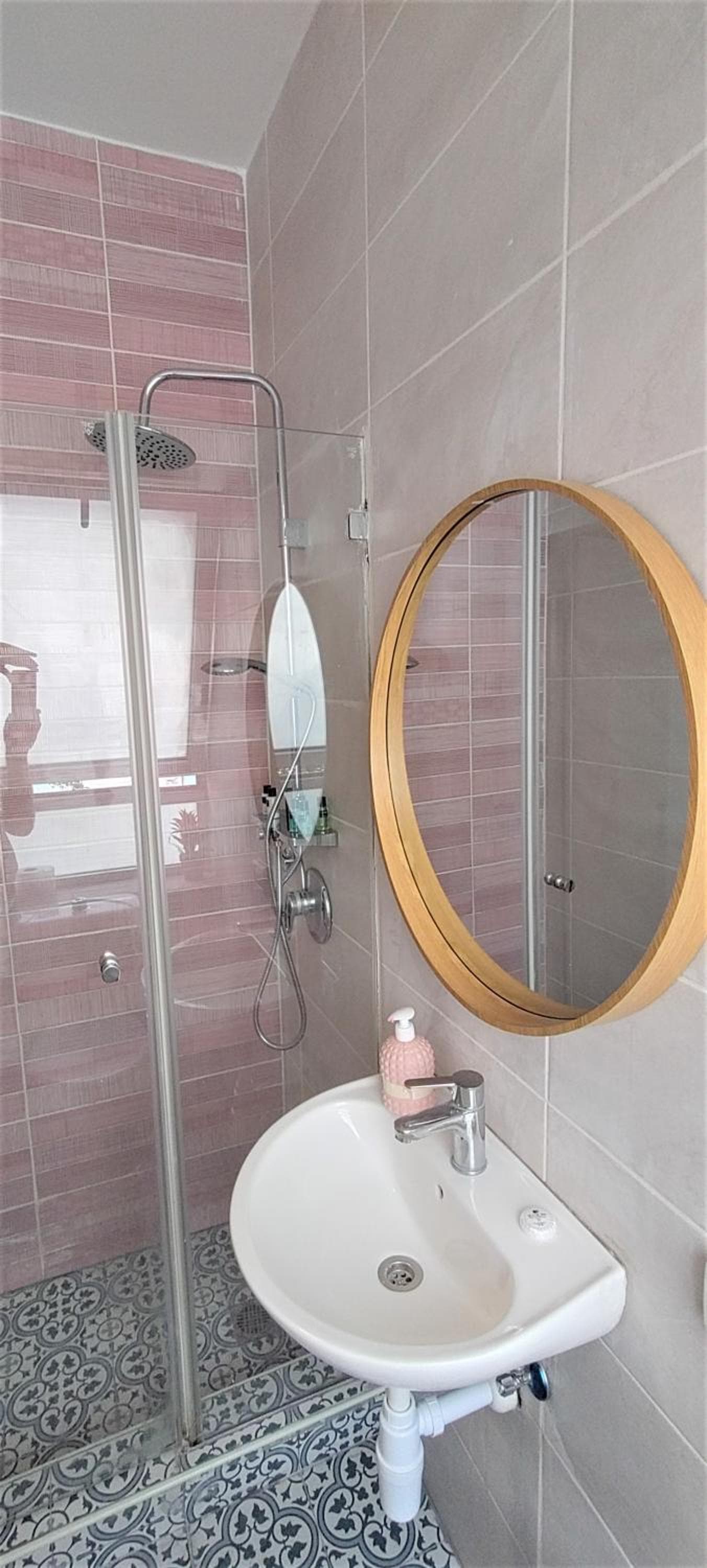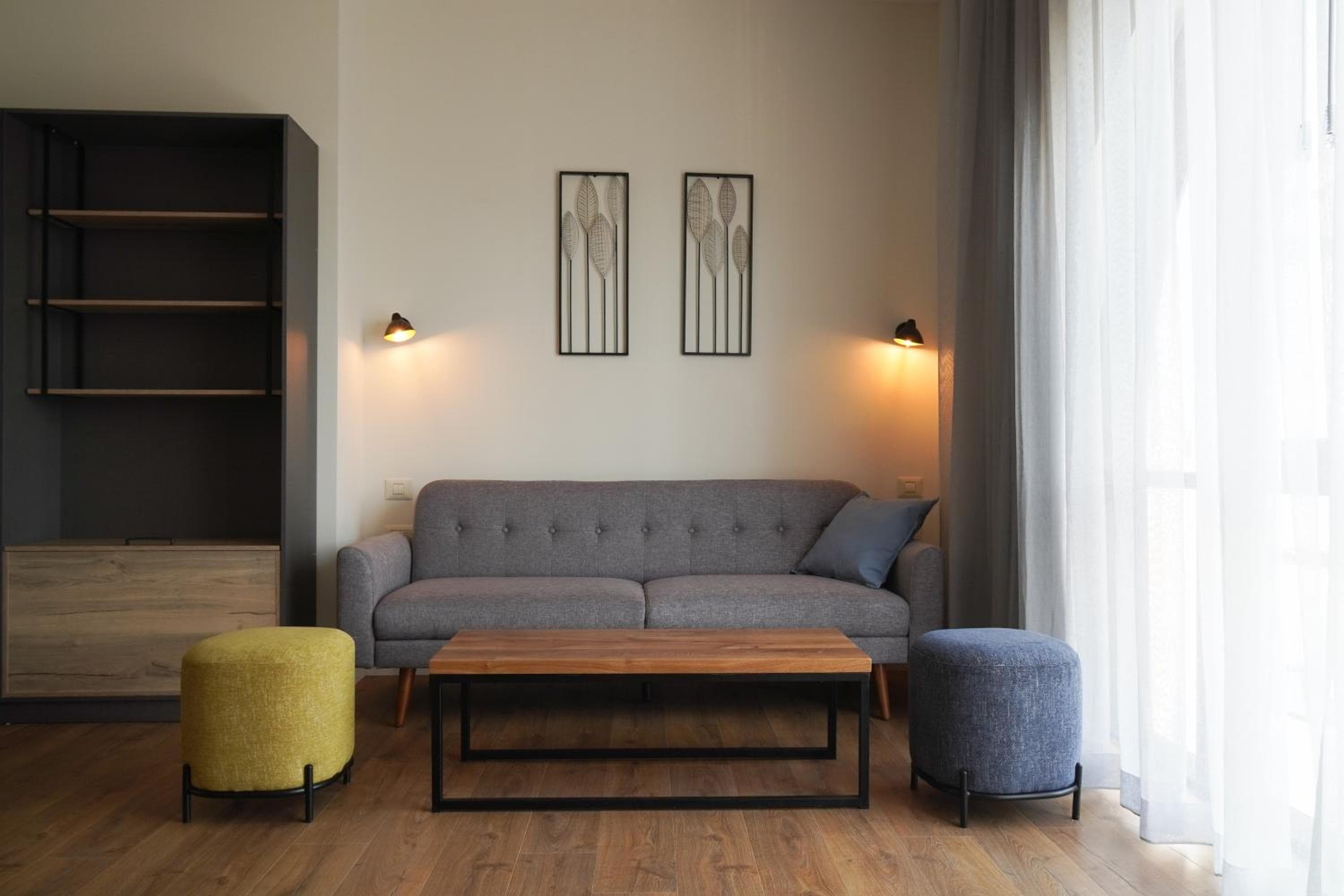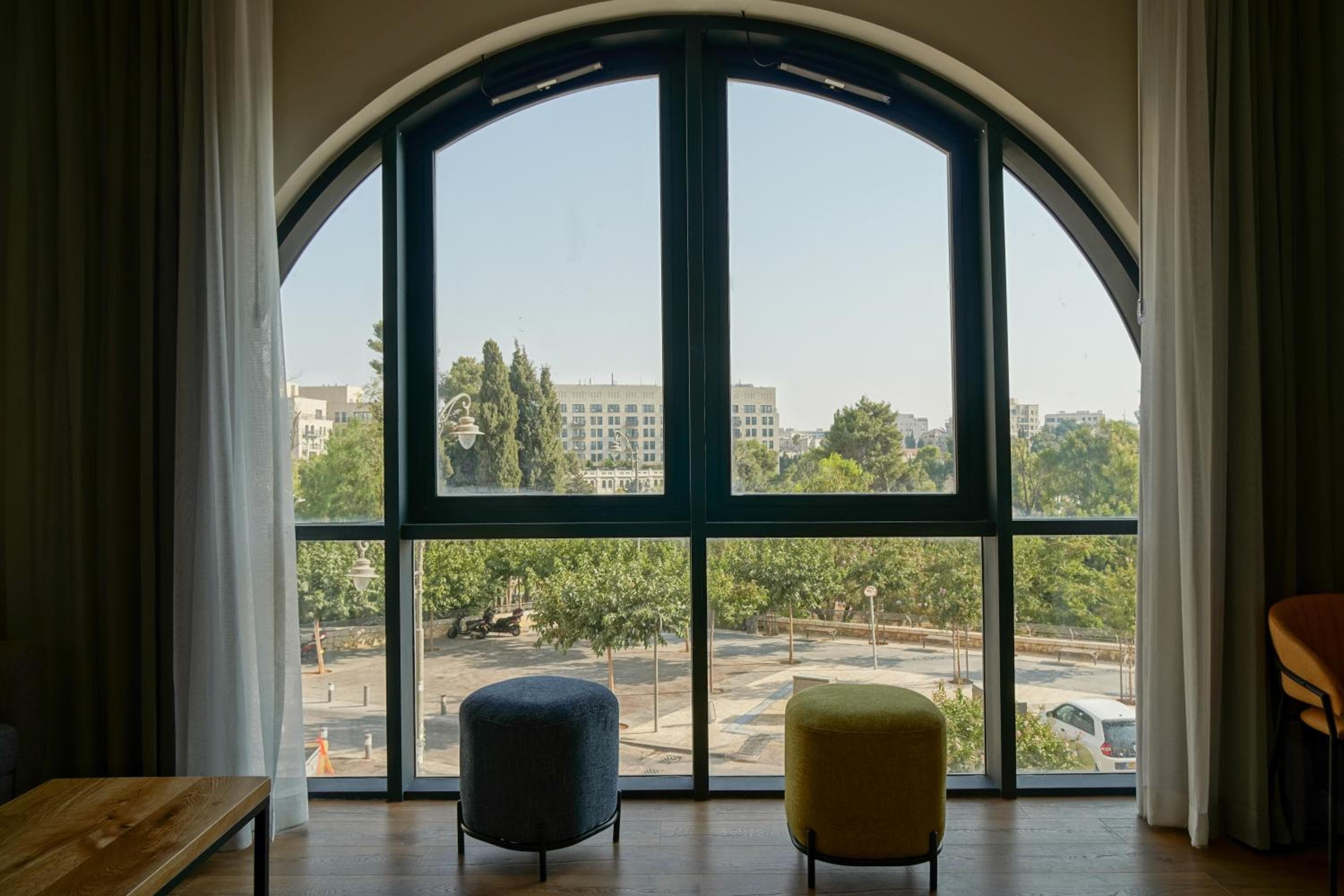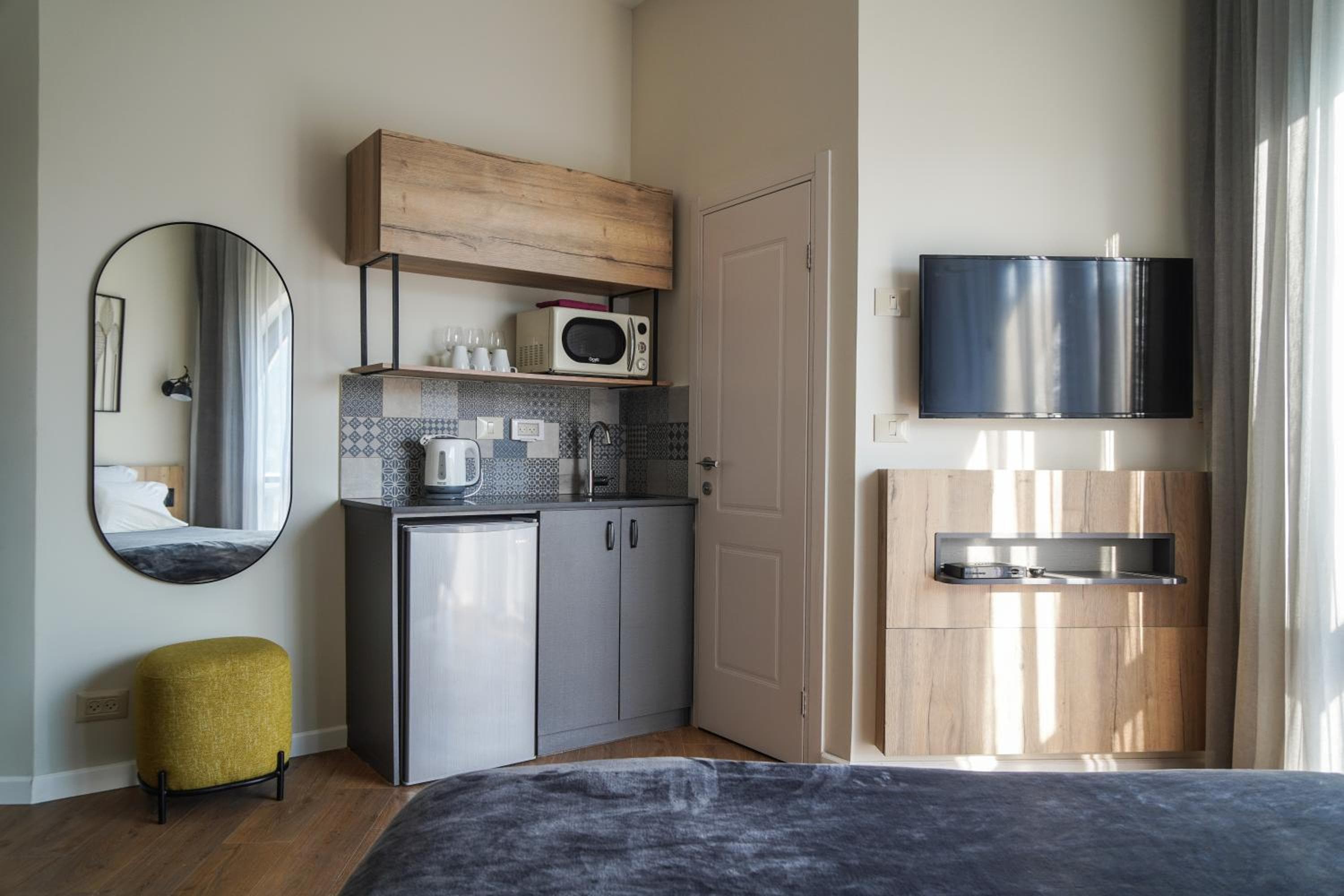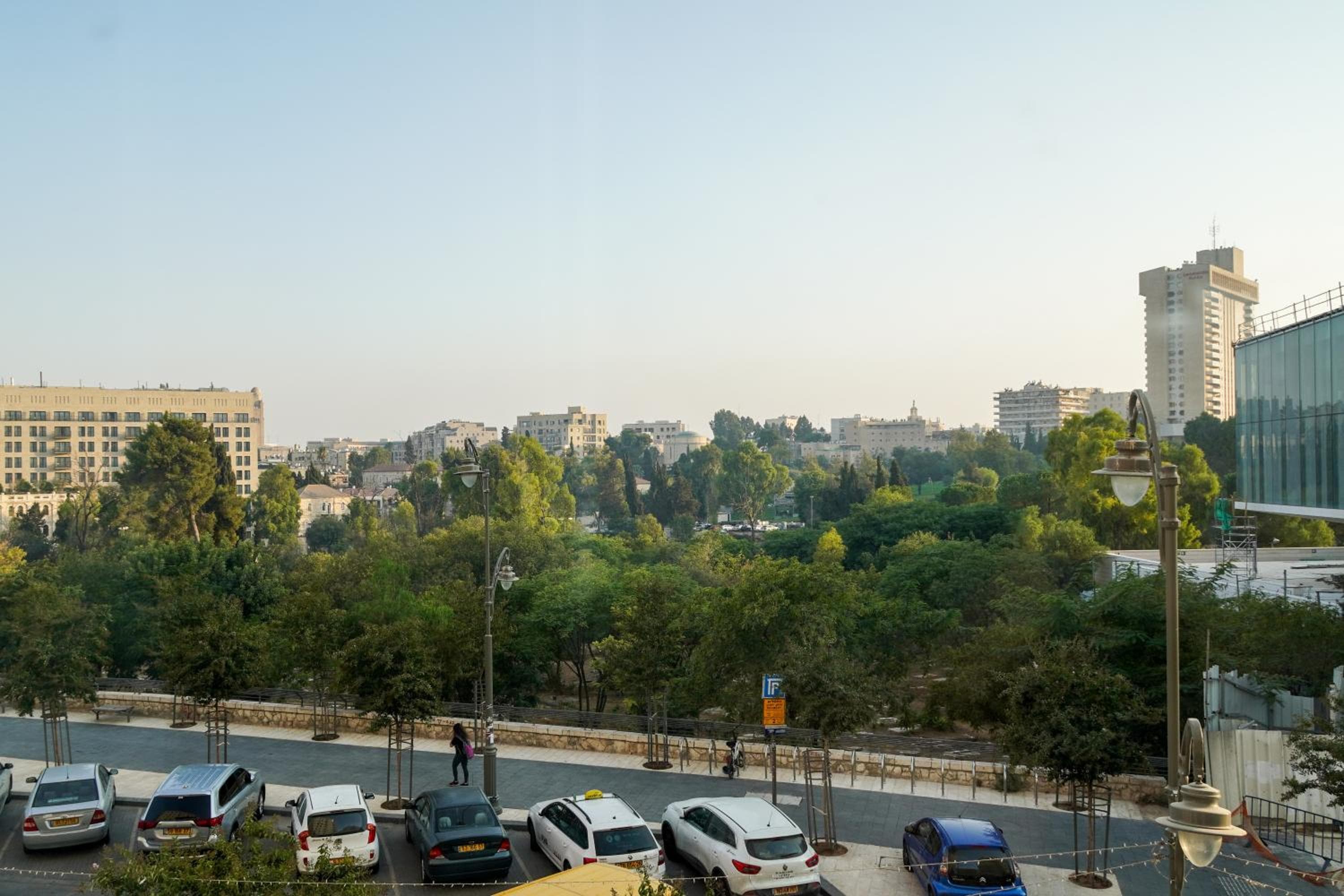
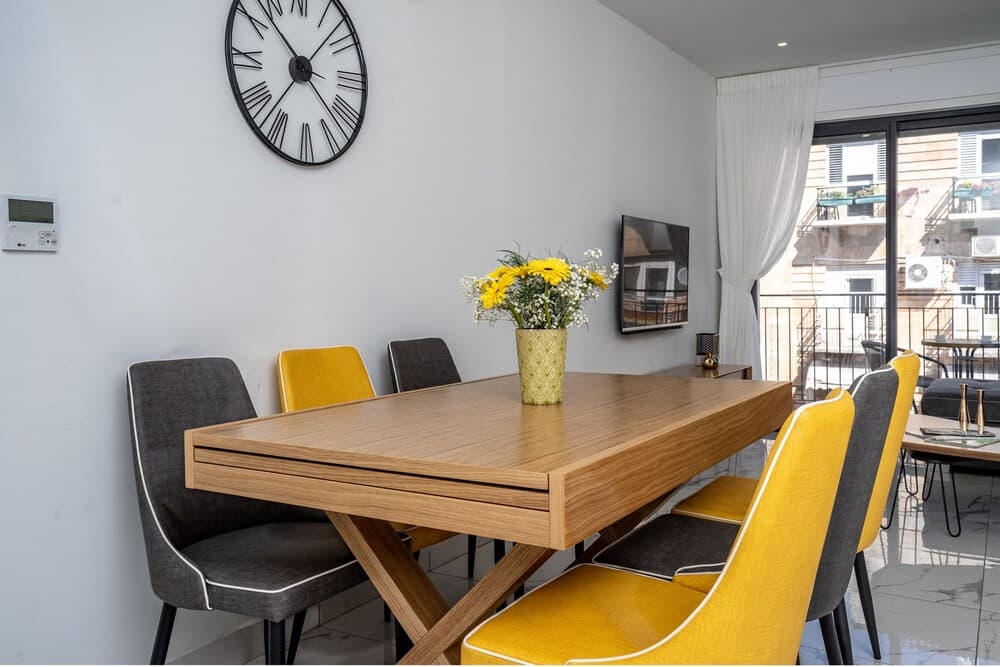

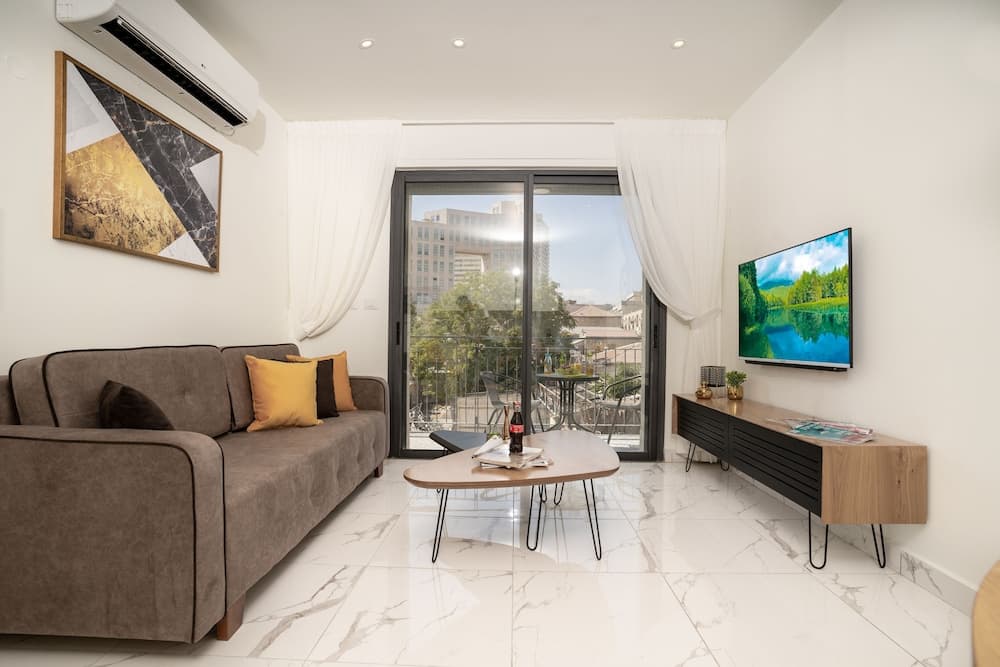
Eshel Suites
8.4 out of 10 from 5 reviewsJerusalem
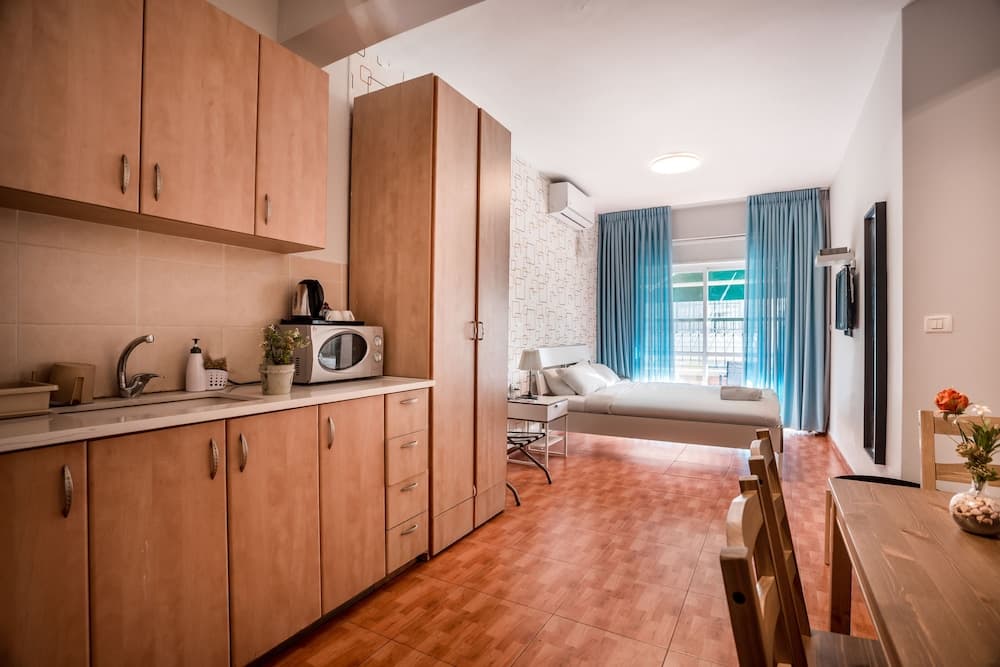
Full kitchen · 65–83 m² · Sleeps 7
Add dates for prices
16 stays · 10 aparthotels and 6 serviced apartments
Jerusalem sits on the southern spur of a plateau in the Judaean Mountains, according to Wikipedia, and its mix of dense central streets and quieter residential districts is a good match for aparthotels and serviced apartments in Jerusalem. A kitchen helps if you are buying produce at the market, a separate living area suits families and groups spending several days at the city's sights, and longer stays suit visitors who work or study during their trip. If the format is new to you, our guide explains what an aparthotel is.
16 stays
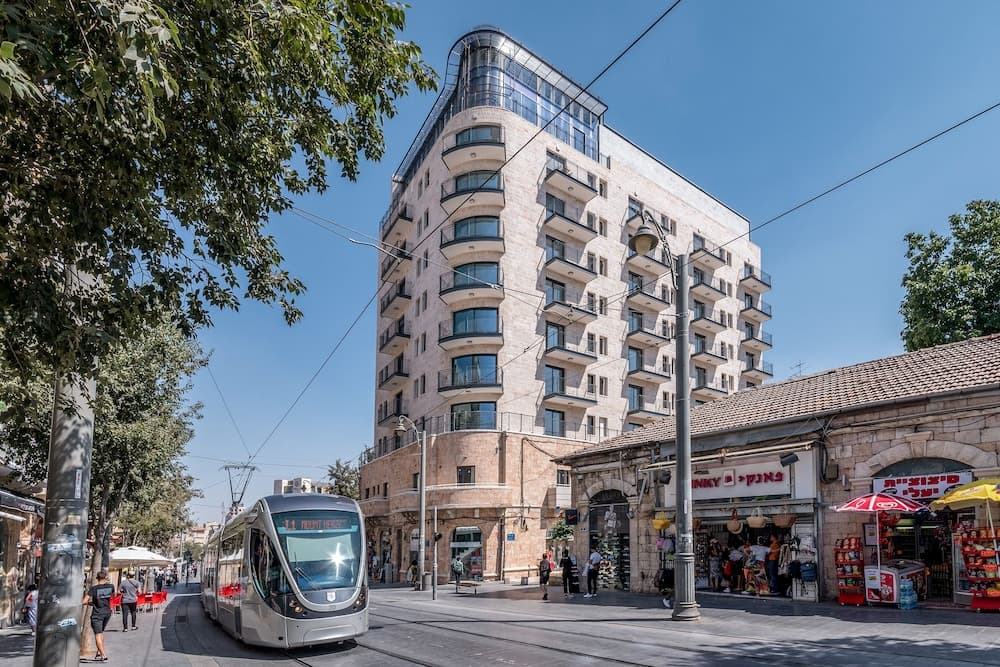
Wikivoyage calls Mahane Yehuda the main outdoor market of West Jerusalem, large, loud and labyrinthine, with bars and restaurants opening when the stalls close in the evening. It lists a Mahane Yehuda light rail stop on Jaffa Road, and describes the city centre as the triangle of Ben Yehuda Street, Jaffa Road and King George Street. Staying here puts markets, restaurants and the tram within a short walk.
Stays in or near Mahane Yehuda and the centre
Wikipedia says the Jerusalem-Yitzhak Navon railway station, run by Israel Railways, is the eastern terminus of the Tel Aviv-Jerusalem railway, next to the Central Bus Station and a light rail stop. Wikivoyage says the train has been the most convenient way to reach the city from Tel Aviv and the airport since 2018. The area suits arrivals by train and visitors who want quick onward connections.
Stays in or near Central Bus Station and railway
Wikivoyage describes the German Colony as a neighbourhood south-east of the city centre, founded in 1873 by German Protestants of the Temple Society and now an upscale residential area of restored 19th-century homes. Its main street, Emek Refa'im, is lined with cafes and restaurants. It has a calmer pace than the market streets while staying within reach of the centre.
Stays in or near German Colony
Wikivoyage describes Ein Kerem as a secluded village suburb on the outskirts of West Jerusalem, about a 20-minute bus ride south-west of the centre, with art galleries, small cafes and many religious sites. It says to take city bus 28 from the Mount Herzl light rail station. It suits travellers who want a village setting without leaving the city.
Wikipedia gives the distance from Ben Gurion Airport as 45 km north-west of Jerusalem. Wikivoyage lists the airport connections as train, a shared-taxi shuttle and taxi, and says the train takes about 20 minutes from the airport, running every 30 minutes Sunday to Thursday, with a reduced service on Friday and Saturday evening. Israel Railways operates the underground Jerusalem-Yitzhak Navon station, the terminus of the Tel Aviv-Jerusalem line, which per Wikipedia sits next to the Central Bus Station and a light rail stop. Check current timetables and any disruption before travelling.
The light rail Red Line is the main modern transport inside the city. Wikipedia says it is 22.5 km long with 35 stops, runs along Jaffa Road and does not operate during Shabbat or Jewish holidays. Wikivoyage says buses and trains do not run from Friday afternoon until Saturday evening, that taxis operate, and that shared taxis (sherut) run to and from the airport and Tel Aviv, so plan arrivals and departures around that gap. Wikivoyage describes the central areas as flat and very walkable, and the Old City as best toured on foot.
Wikivoyage points to the Mahane Yehuda market for fresh produce, pastries and spices, so a stay with a kitchen can be built around buying ingredients there and cooking at home. It gives the stalls' opening as generally Sunday to Thursday and until mid-afternoon on Friday, and says the market is closed for Shabbat, so buying supplies before Friday afternoon is a sensible habit on a longer stay.
Choose a district for how you will move. The centre and Mahane Yehuda suit people who want to walk and use the light rail; the German Colony offers a calmer residential setting south-east of the centre; Ein Kerem is further out and reached by bus 28 from the Mount Herzl light rail station. Wikivoyage advises against driving in Jerusalem because the central streets are narrow and parking is scarce, so most visitors rely on the light rail, buses, taxis and walking.
Wikivoyage describes a Mediterranean climate in Jerusalem, with hot, dry summers when daytime temperatures approach 30 degrees Celsius and cool, wet winters, the coldest month being January with an average high of 12 degrees. It gives annual precipitation as about 590 mm, nearly all of it between October and April. For sightseeing on foot, the cooler months outside the height of summer are generally more comfortable.
The weekly Shabbat shapes the calendar: Wikivoyage says buses and trains stop from Friday afternoon to Saturday evening, and Wikipedia says the light rail does not run during Shabbat or Jewish holidays. Wikivoyage lists the Lights in Jerusalem festival, held for a week each June, and the Hutzot HaYotzer arts and crafts fair, held for two weeks each August, and Wikipedia says the Jerusalem Marathon is held each March. Check official calendars for holiday dates, as they move from year to year.
Wikipedia describes the Old City as divided into four quarters, Armenian, Christian, Jewish and Muslim, and notes that it is a World Heritage Site. Wikivoyage describes it as a walled square kilometre of holy sites for Jews, Christians and Muslims. This site files Jerusalem under Israel for navigation, and Wikipedia notes that both Israel and Palestine claim the city as their capital. Visitors who want a coastal city as well can compare Tel Aviv. Conditions in the region can change at short notice, so check your own government's current official travel advice, such as the UK Foreign Office page that covers Israel and Palestine, before you book.
Of the 16 properties here, 4 offer an in-apartment washing machine, 5 list a laptop-friendly workspace, 5 include some form of housekeeping and 1 have a 24-hour front desk. Each property page has a facts box, so you can compare apartments before you book.
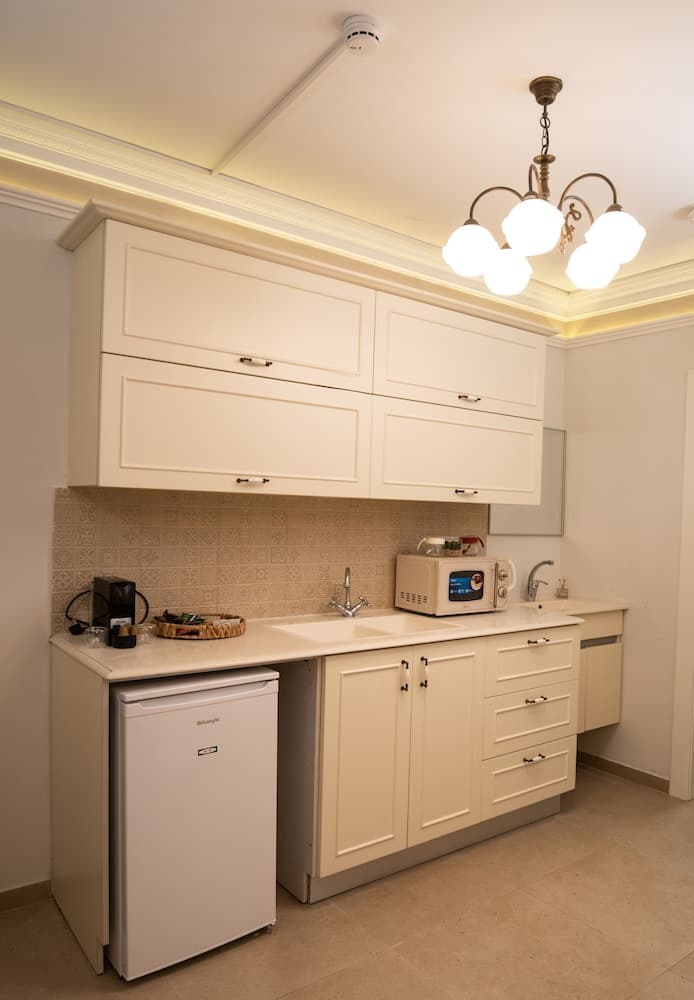
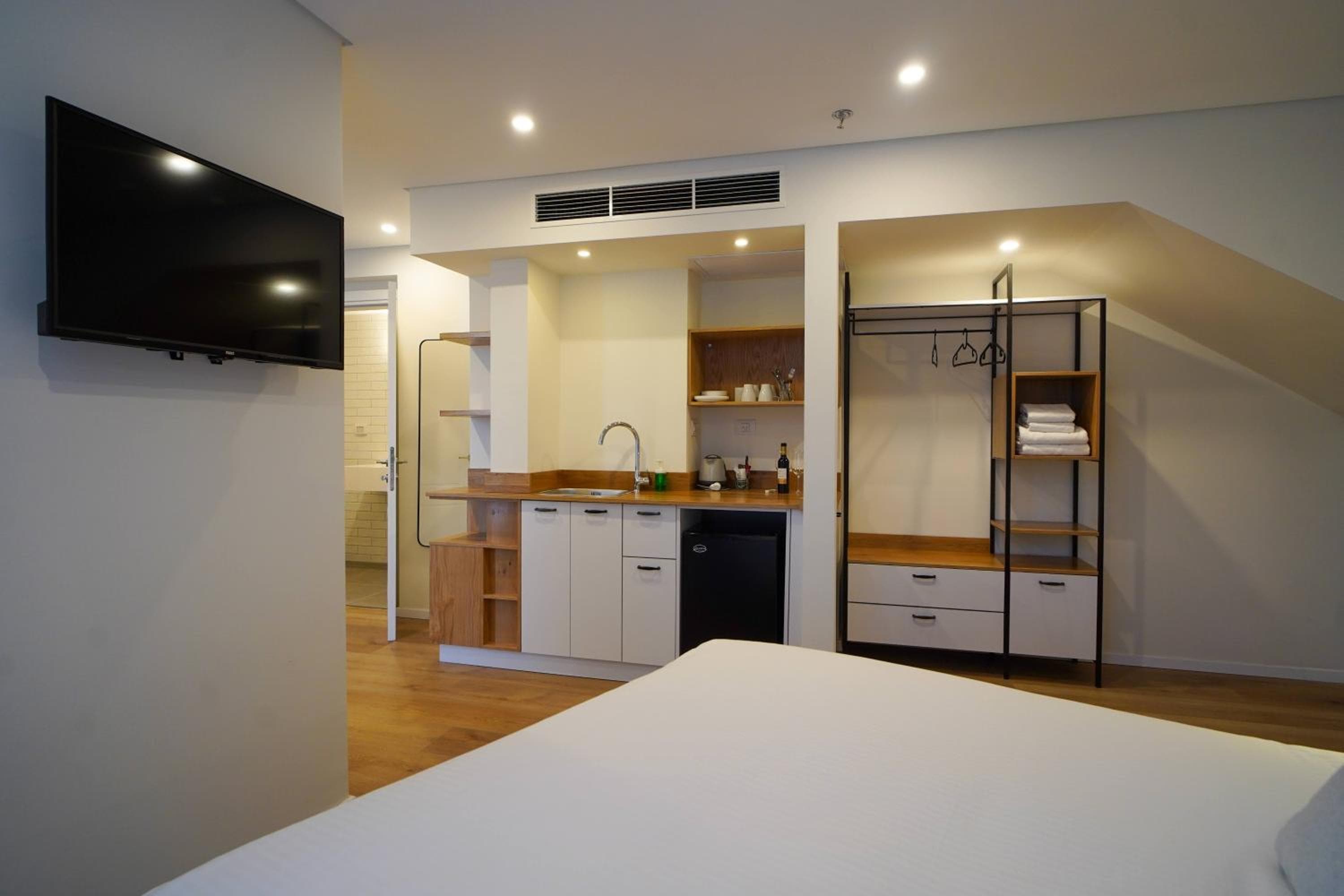
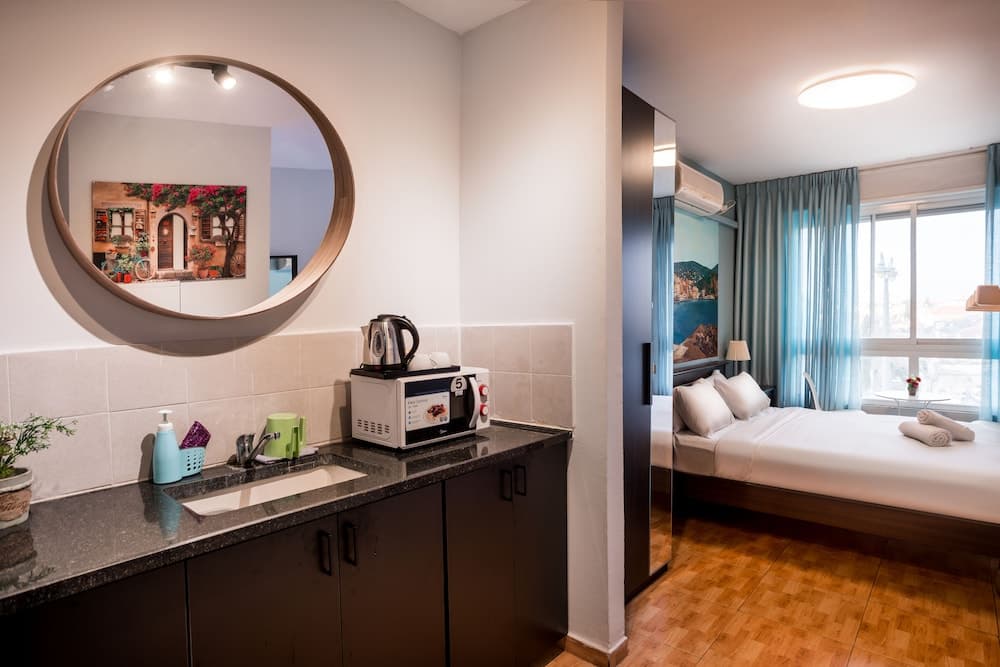
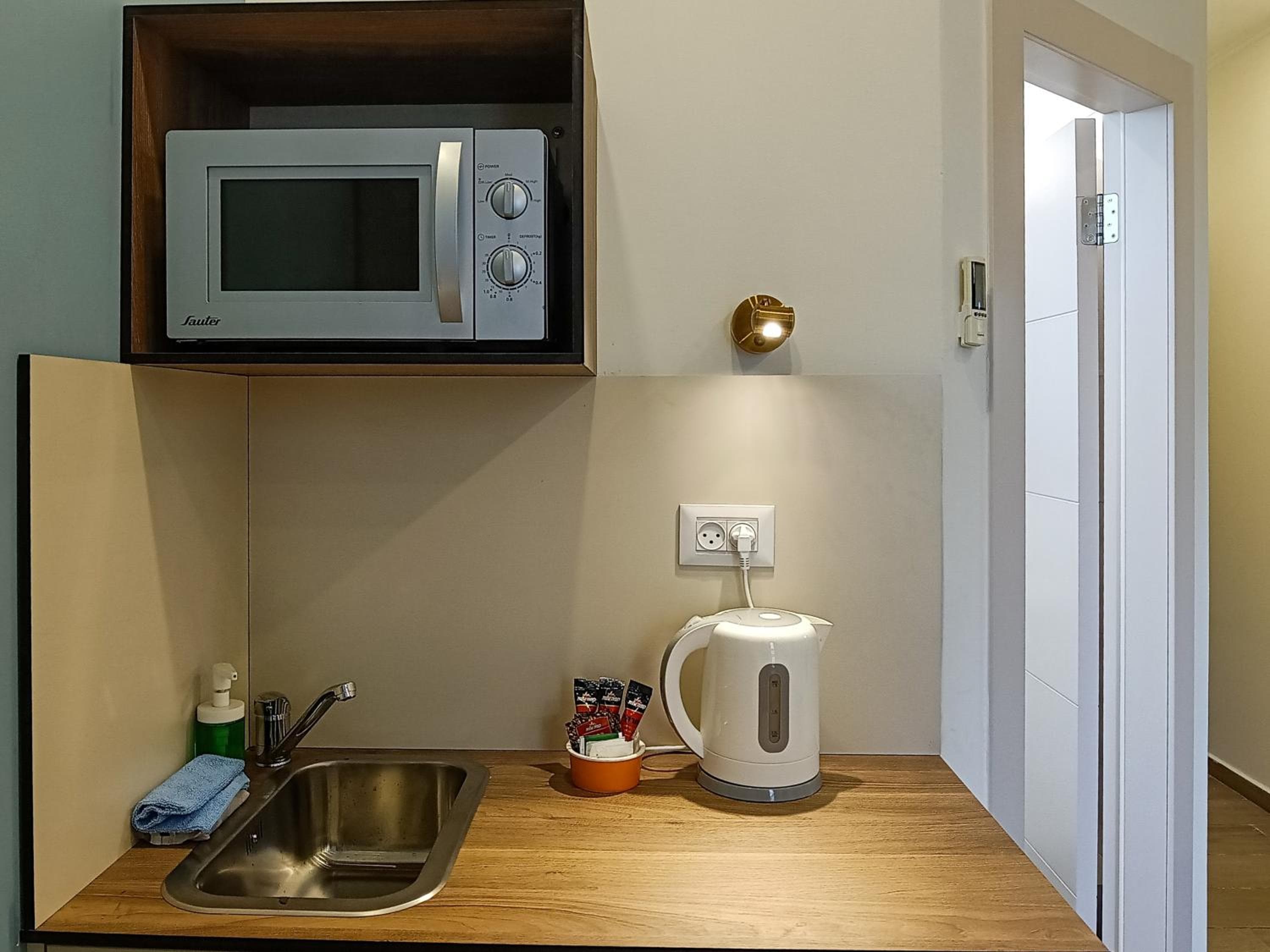
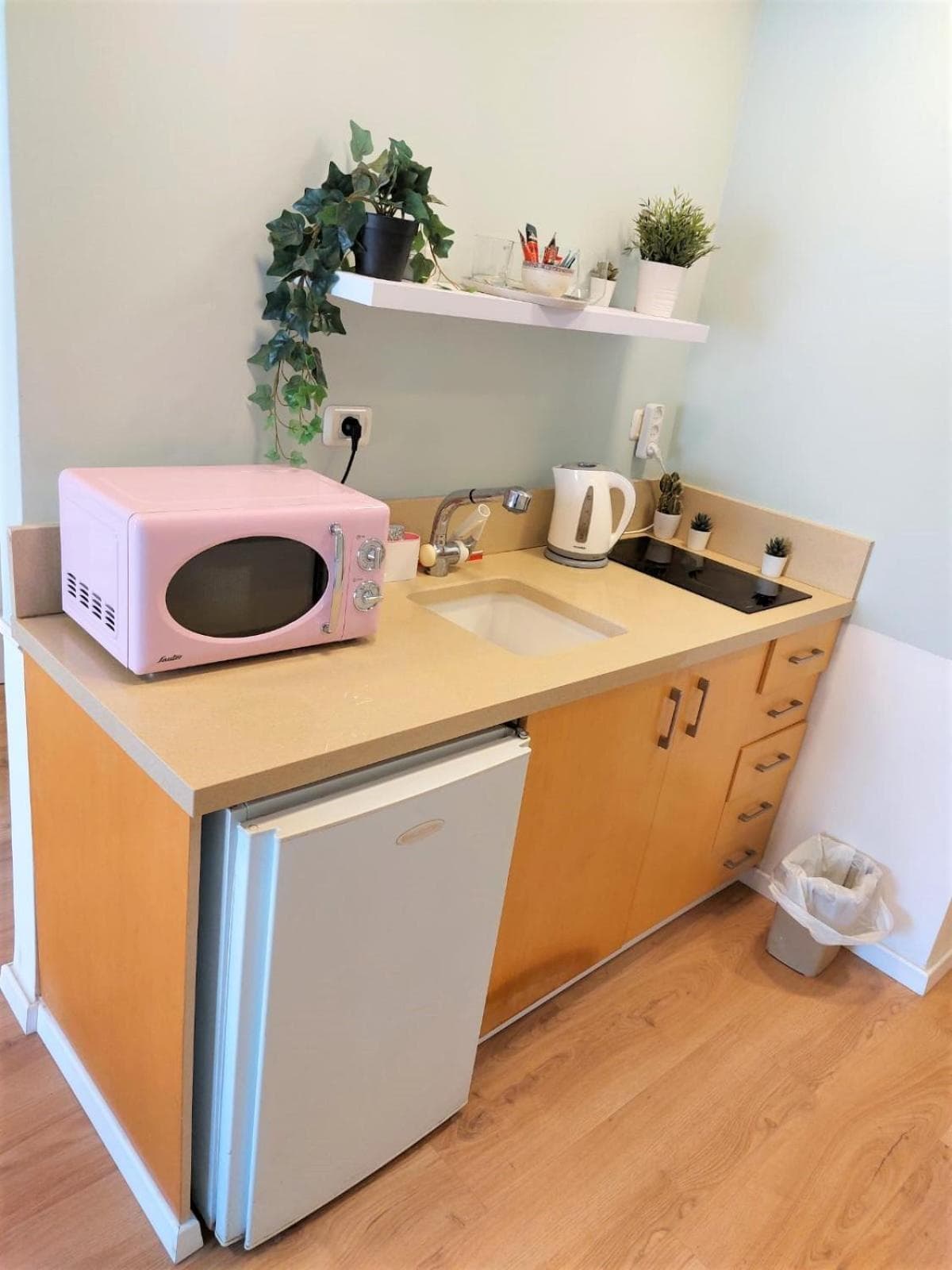
10 properties list a full kitchen and 6 only a kitchenette, so check the room type if you plan to cook more than simple meals.
Where room sizes are published, the median apartment here is 47 m².
Moving for work? Our guide to serviced apartments for relocation explains what to look for.
Comparing destinations? See aparthotels in Tel Aviv, Eilat, Haifa, Caesarea, Herzelia, Bat Yam, Tiberias and Amirim.
The centre around Mahane Yehuda suits first-time visitors, with the market, restaurants and the light rail close by. The German Colony and Ein Kerem are quieter, residential-feeling options.
Wikivoyage lists train, a shared-taxi shuttle and taxi, and gives the train time as about 20 minutes. Wikipedia places the airport 45 km north-west of Jerusalem.
The Red Line runs along Jaffa Road through the centre and is 22.5 km long with 35 stops, per Wikipedia. It does not run during Shabbat or Jewish holidays, so check the operator's current timetable.
Wikivoyage says buses and trains stop from Friday afternoon until Saturday evening, while taxis operate and shared taxis (sherut) serve the airport and Tel Aviv. Wikipedia says the light rail does not run during Shabbat.
Wikivoyage describes hot, dry summers around 30 degrees Celsius and cool, wet winters, with a January average high of about 12 degrees and nearly all of the roughly 590 mm of annual rain falling from October to April.
We currently list 16 aparthotel and serviced apartment properties in Jerusalem.
16 of the 16 properties we list have a kitchen or kitchenette in at least one apartment type.
4 properties list an in-apartment washing machine. Use the facts box on each property page to check.
Last updated