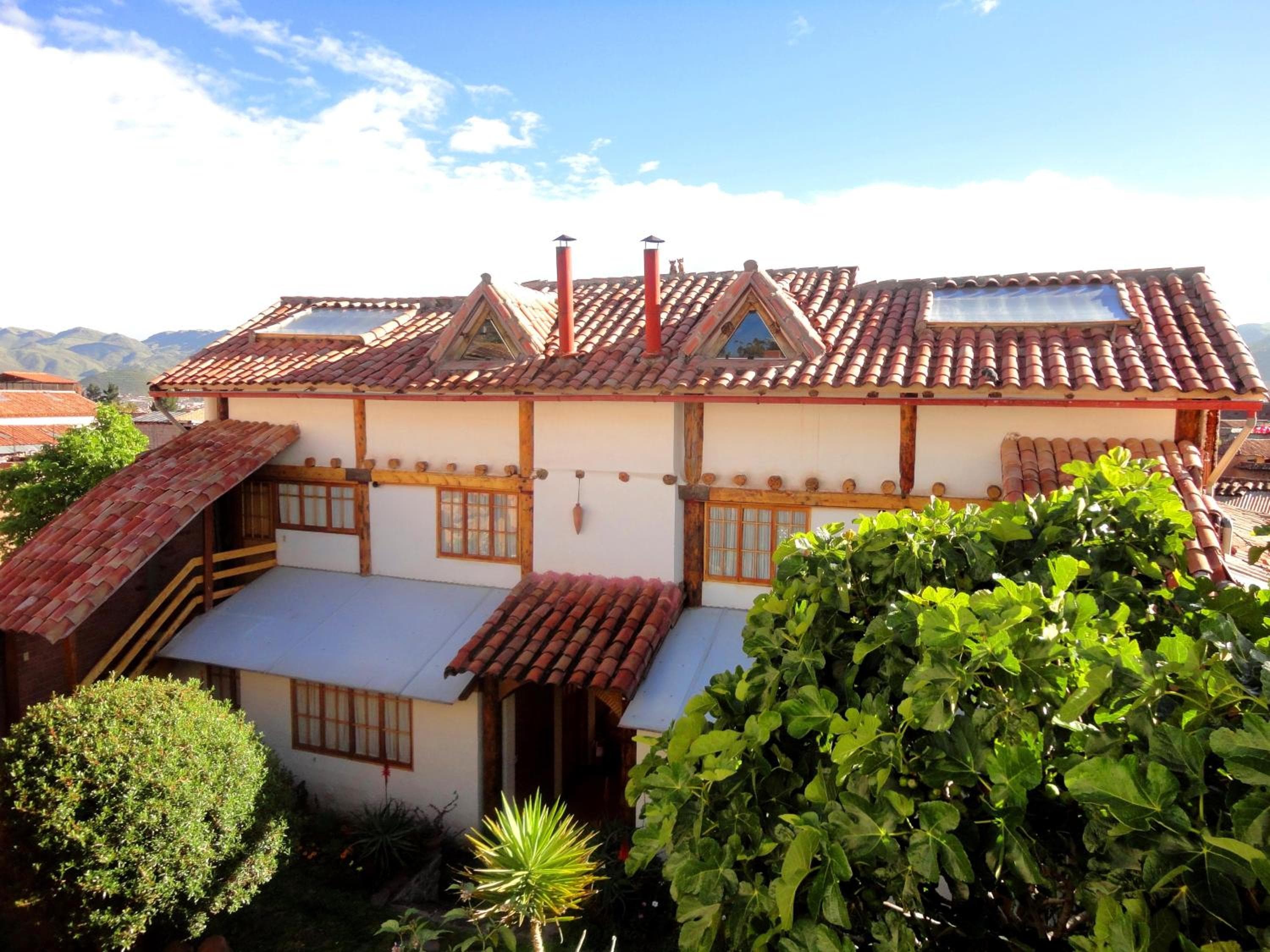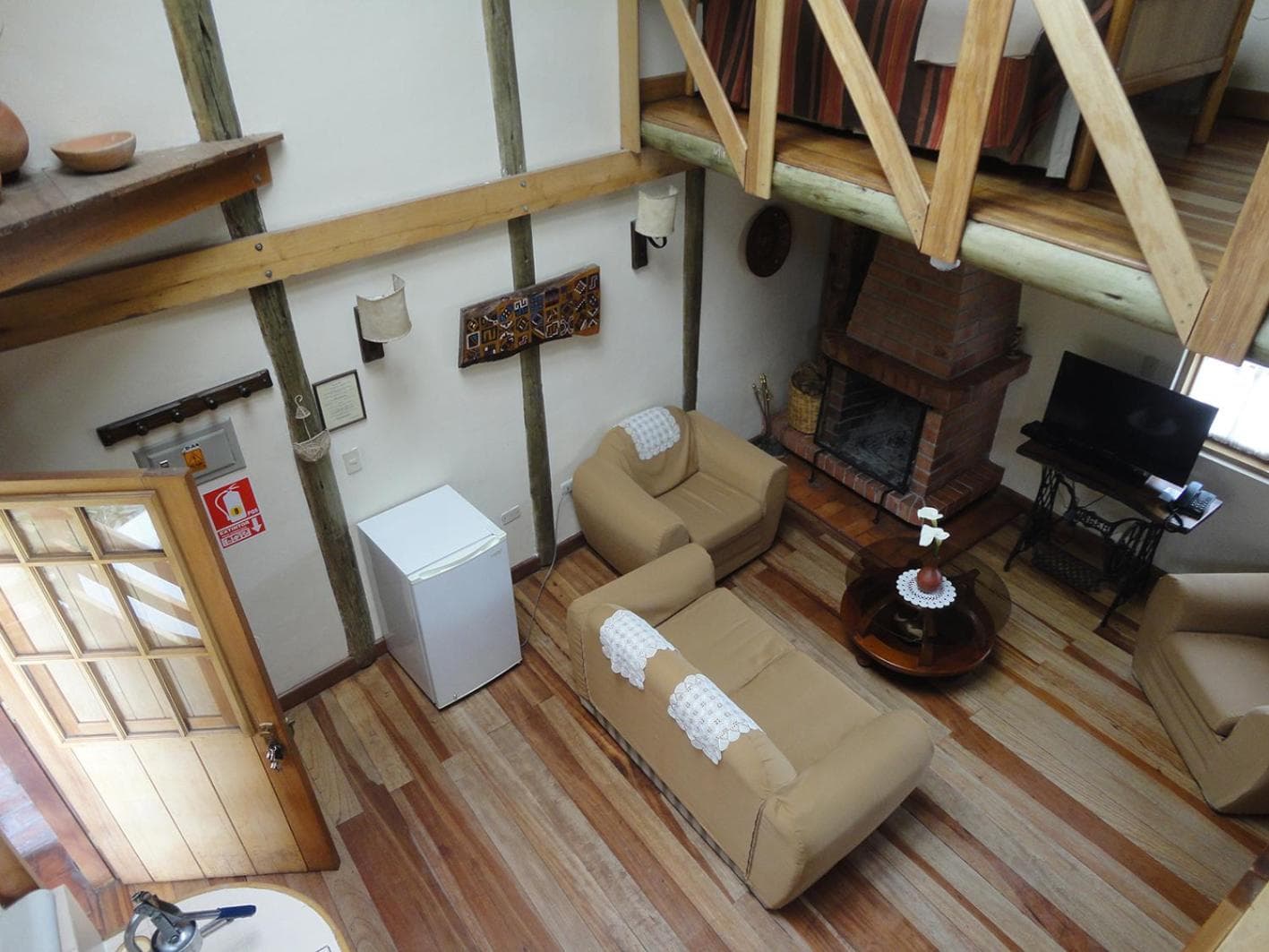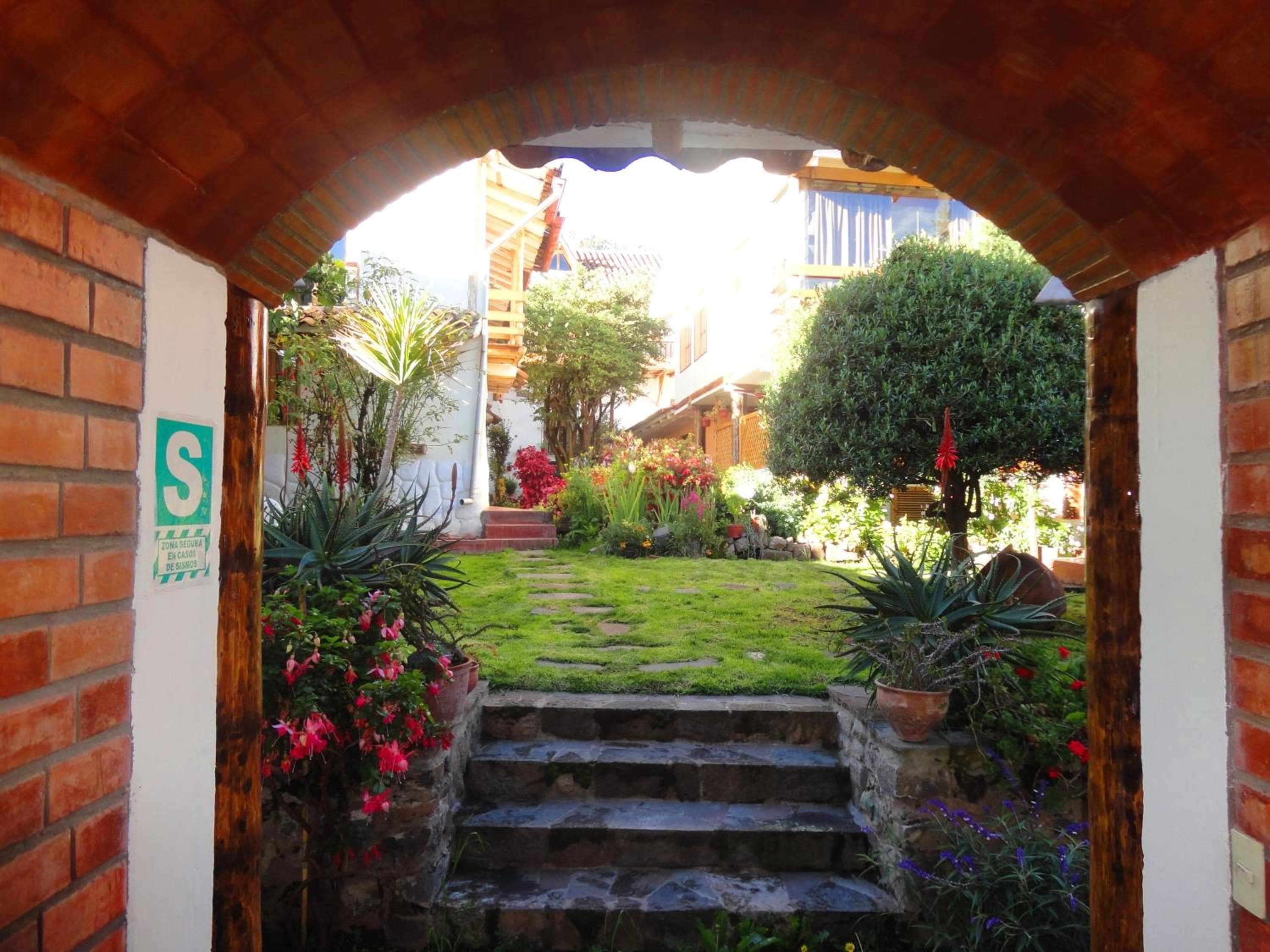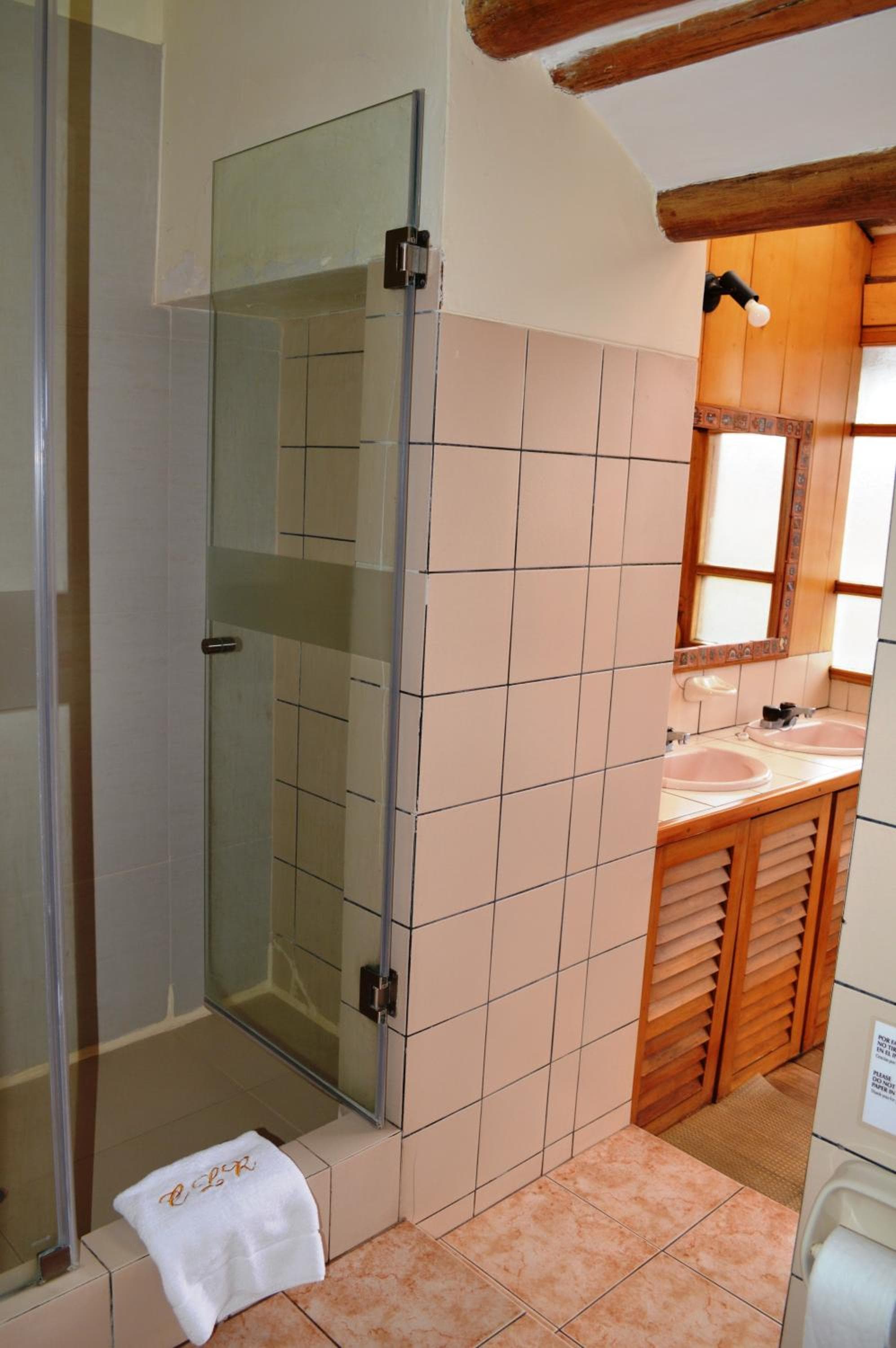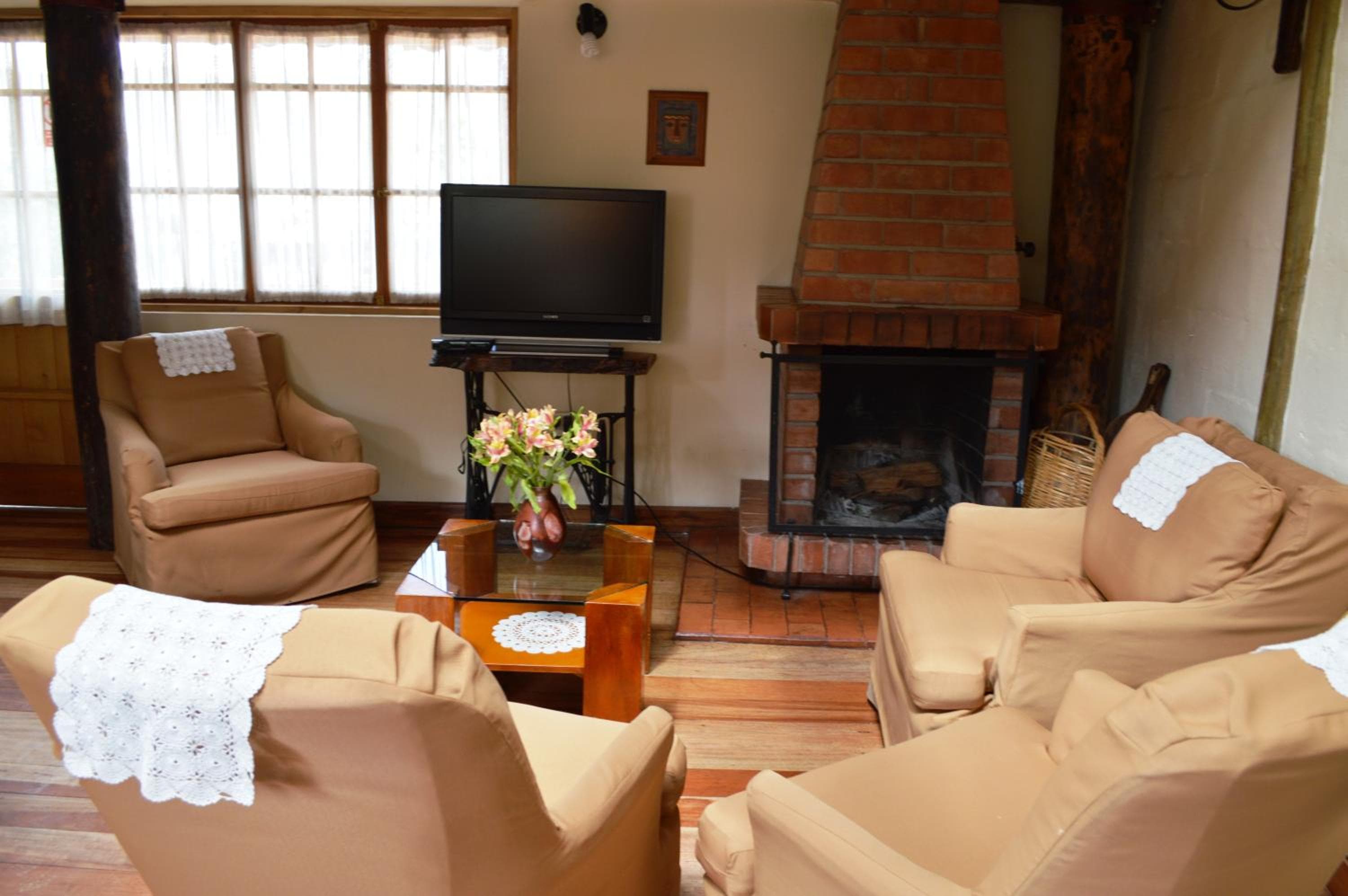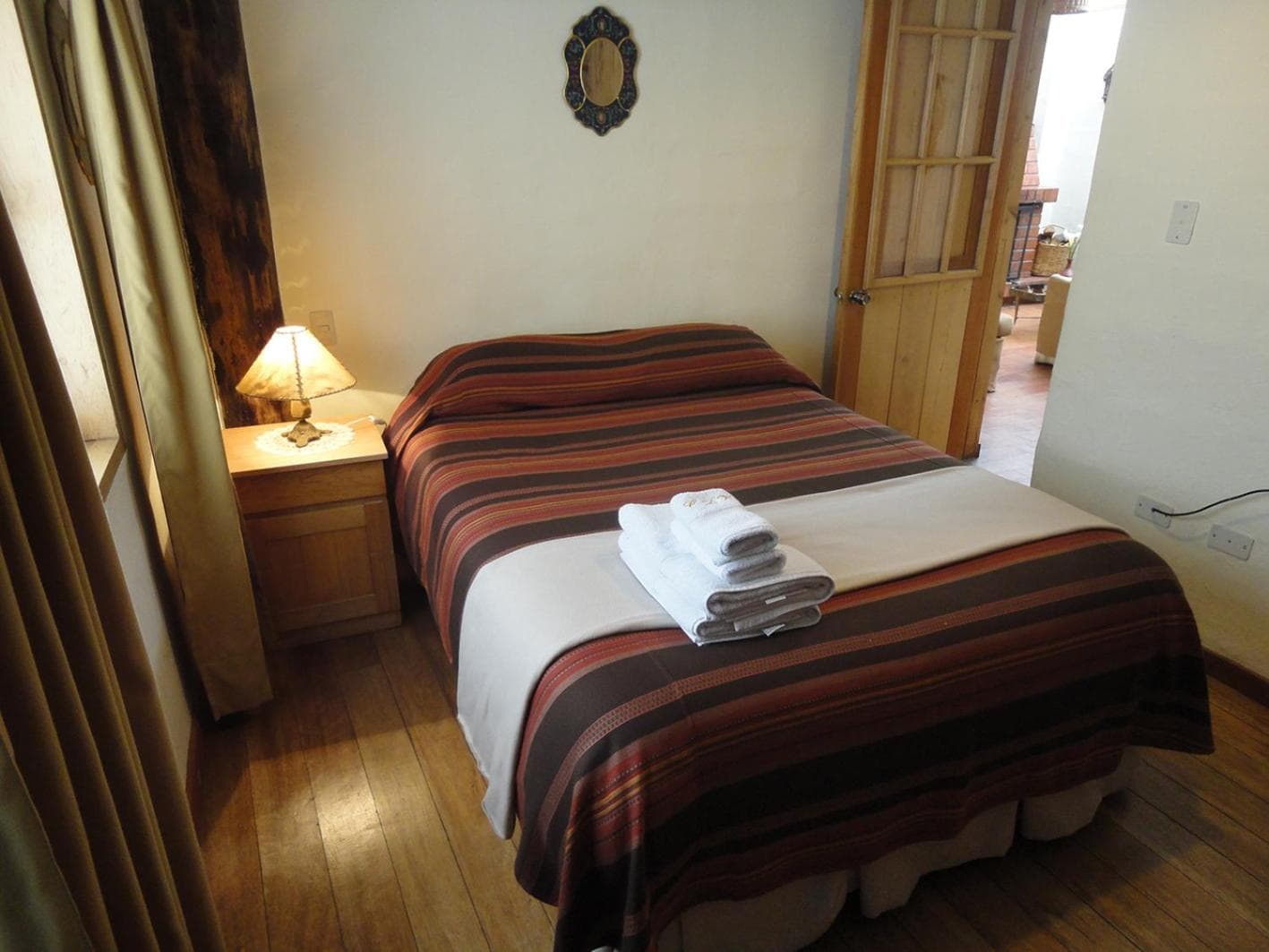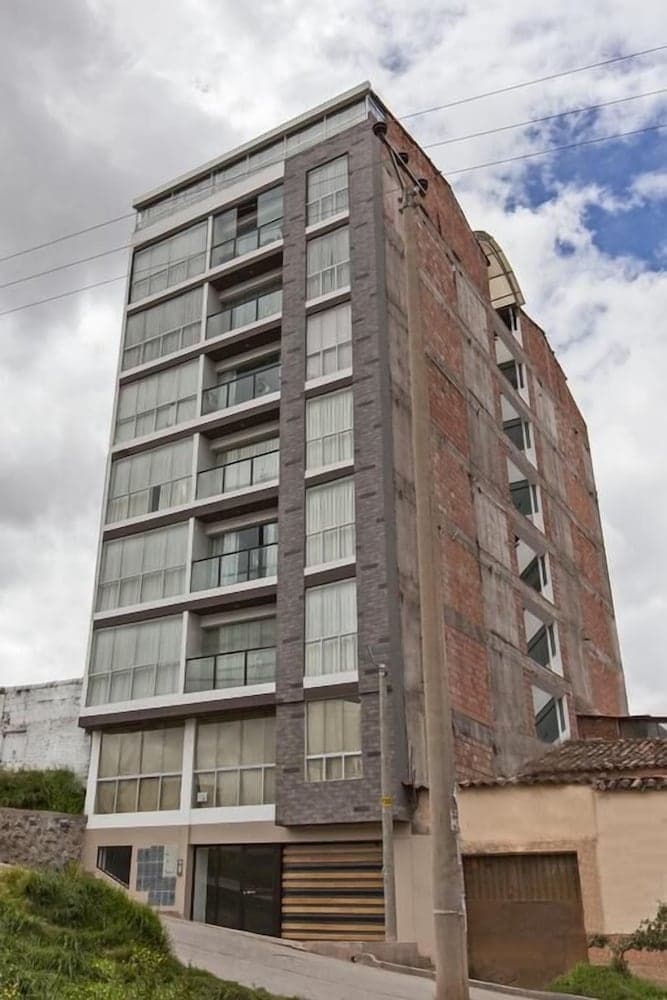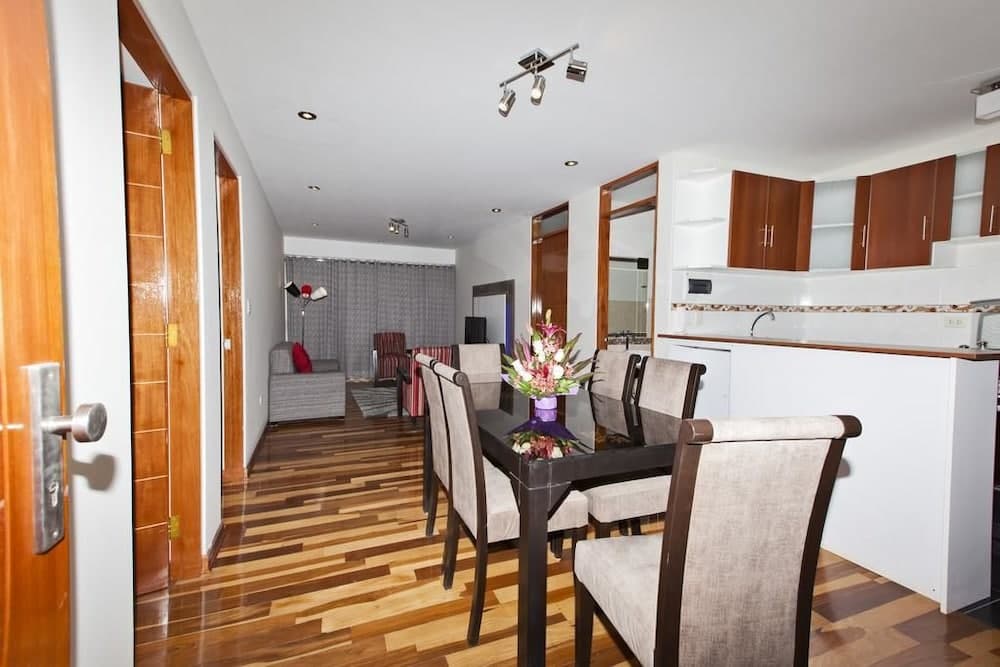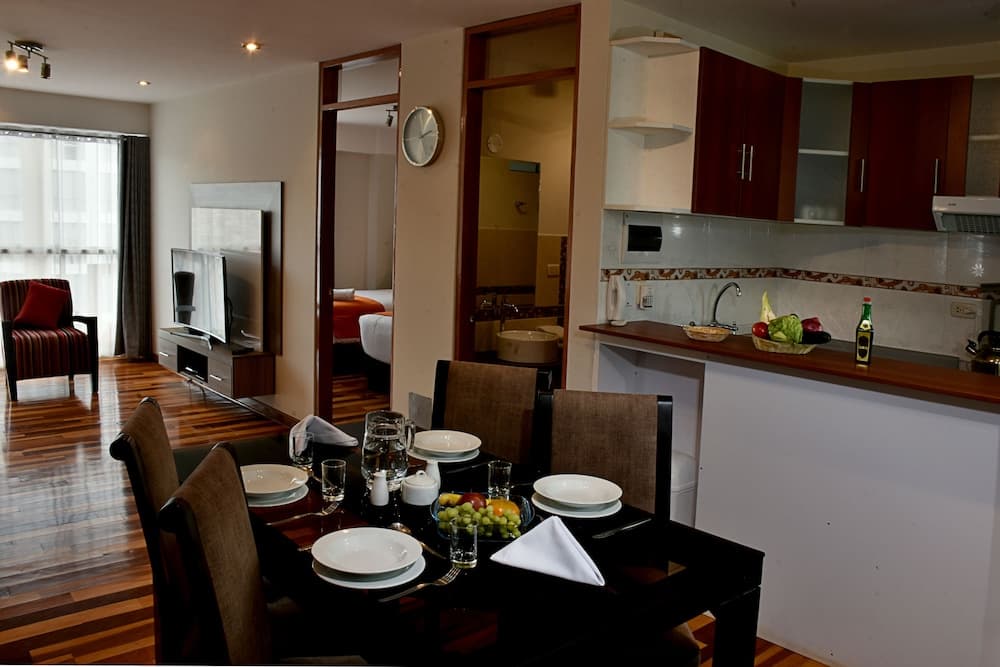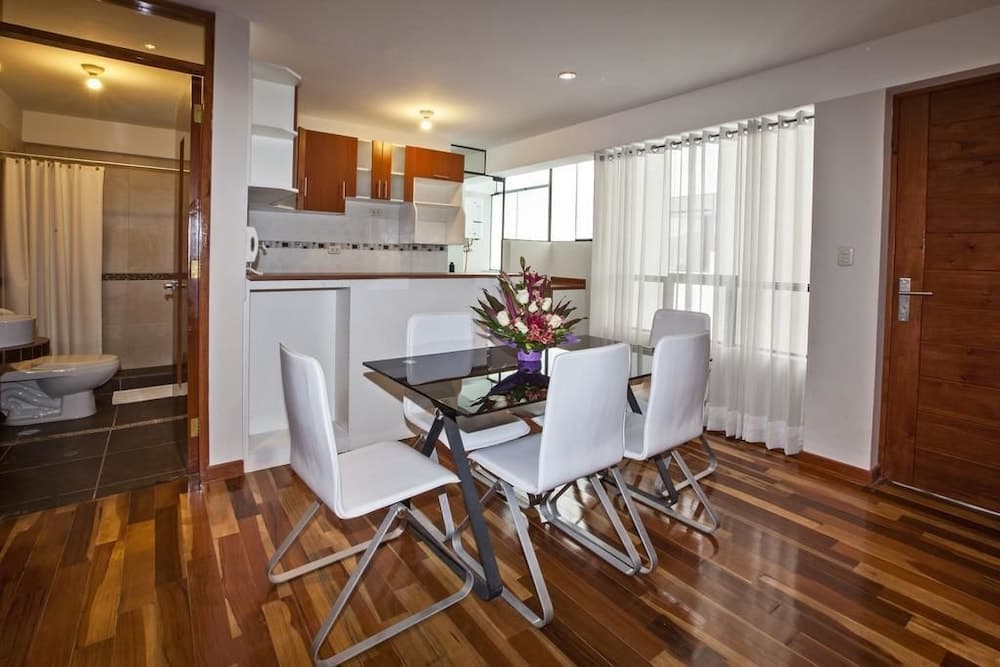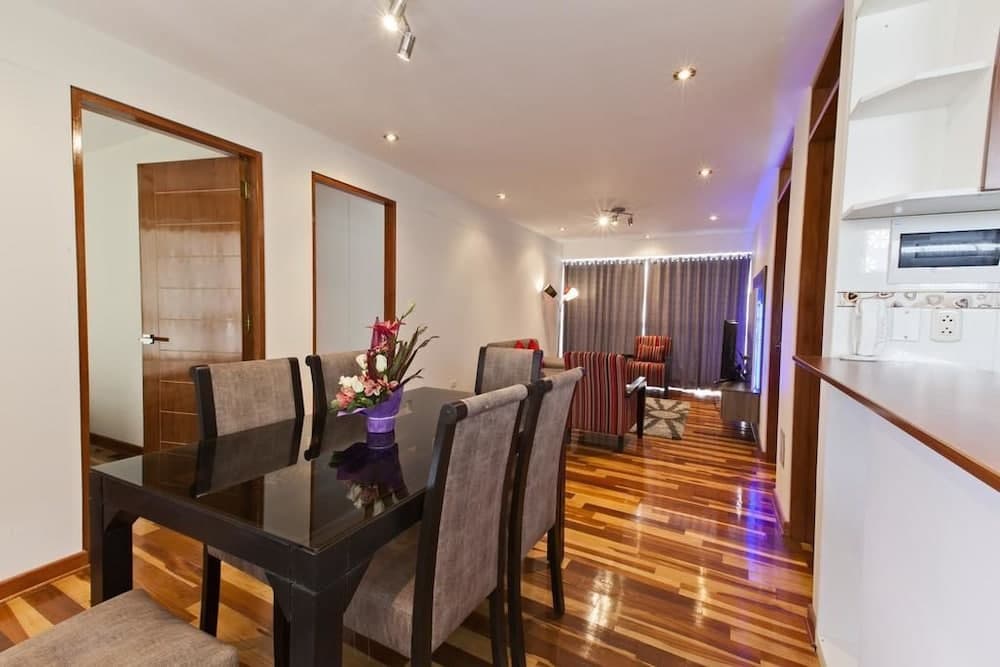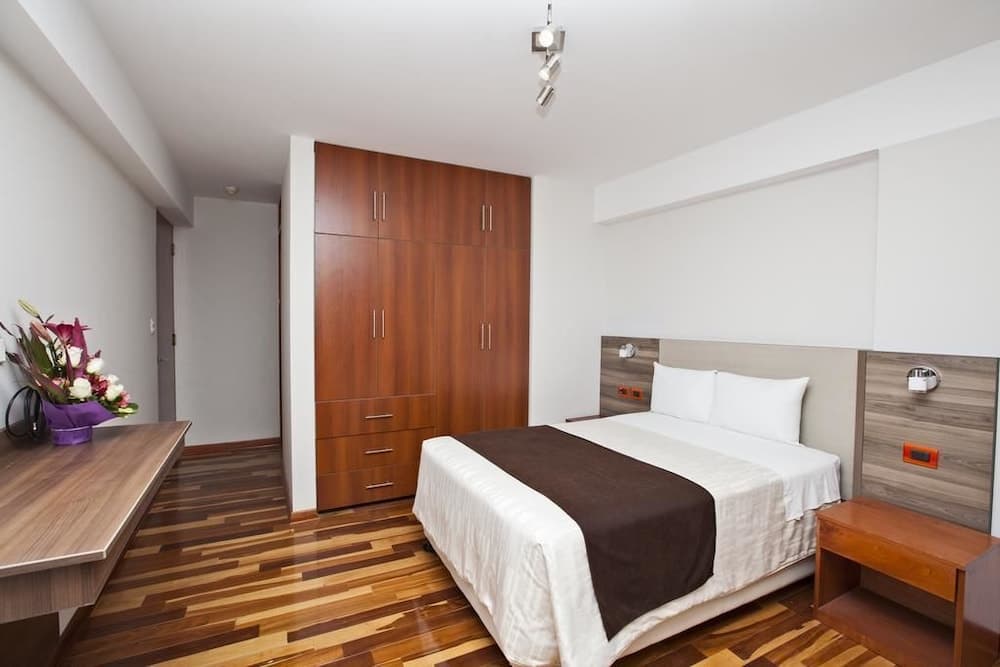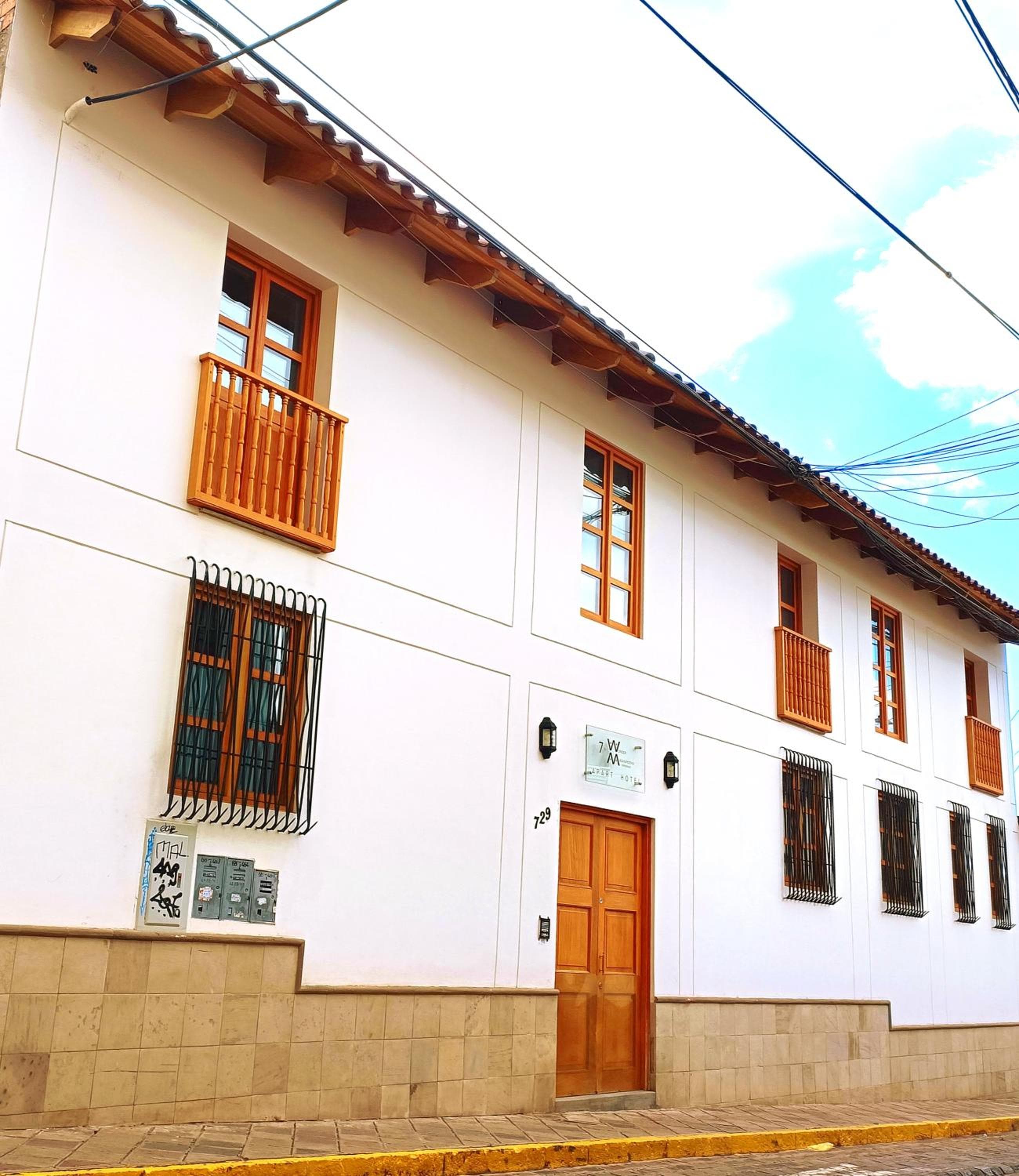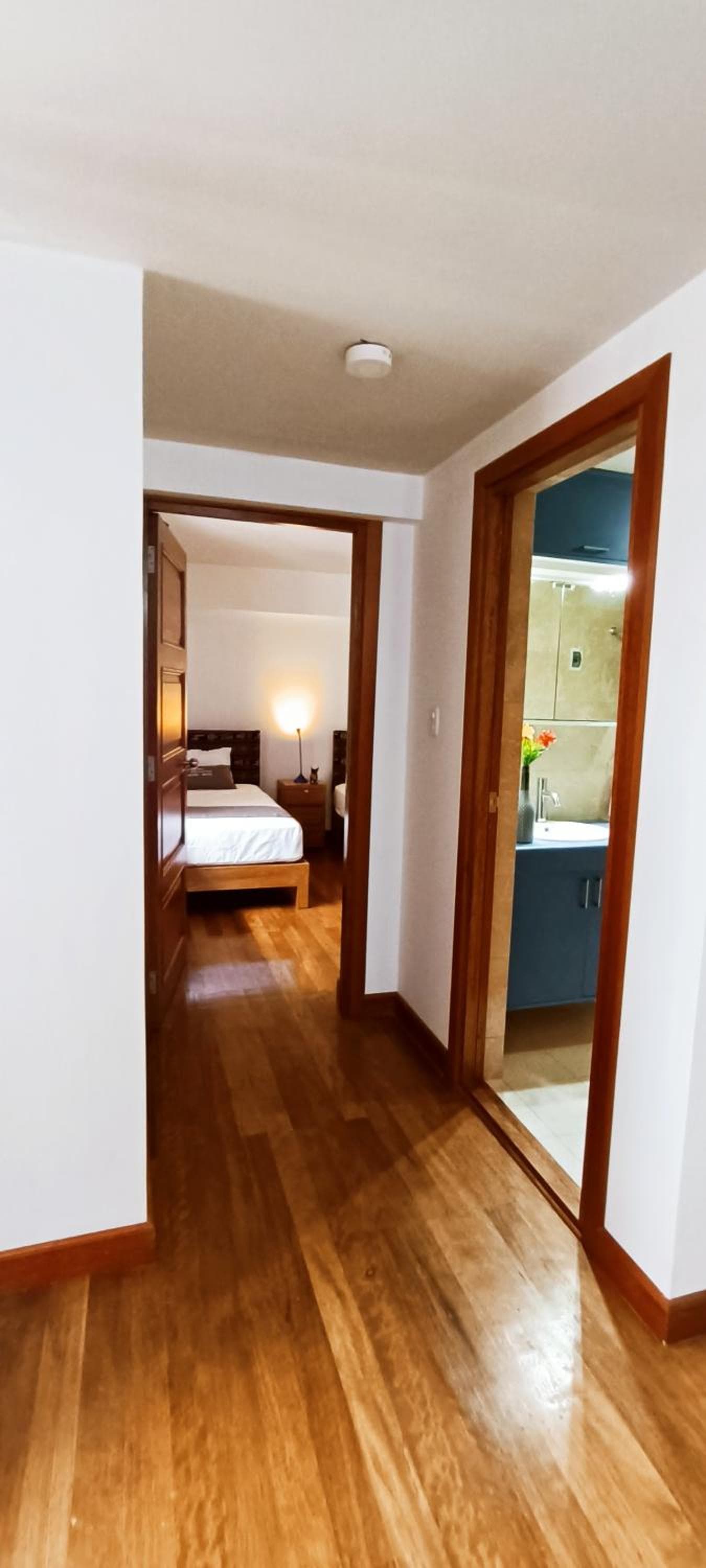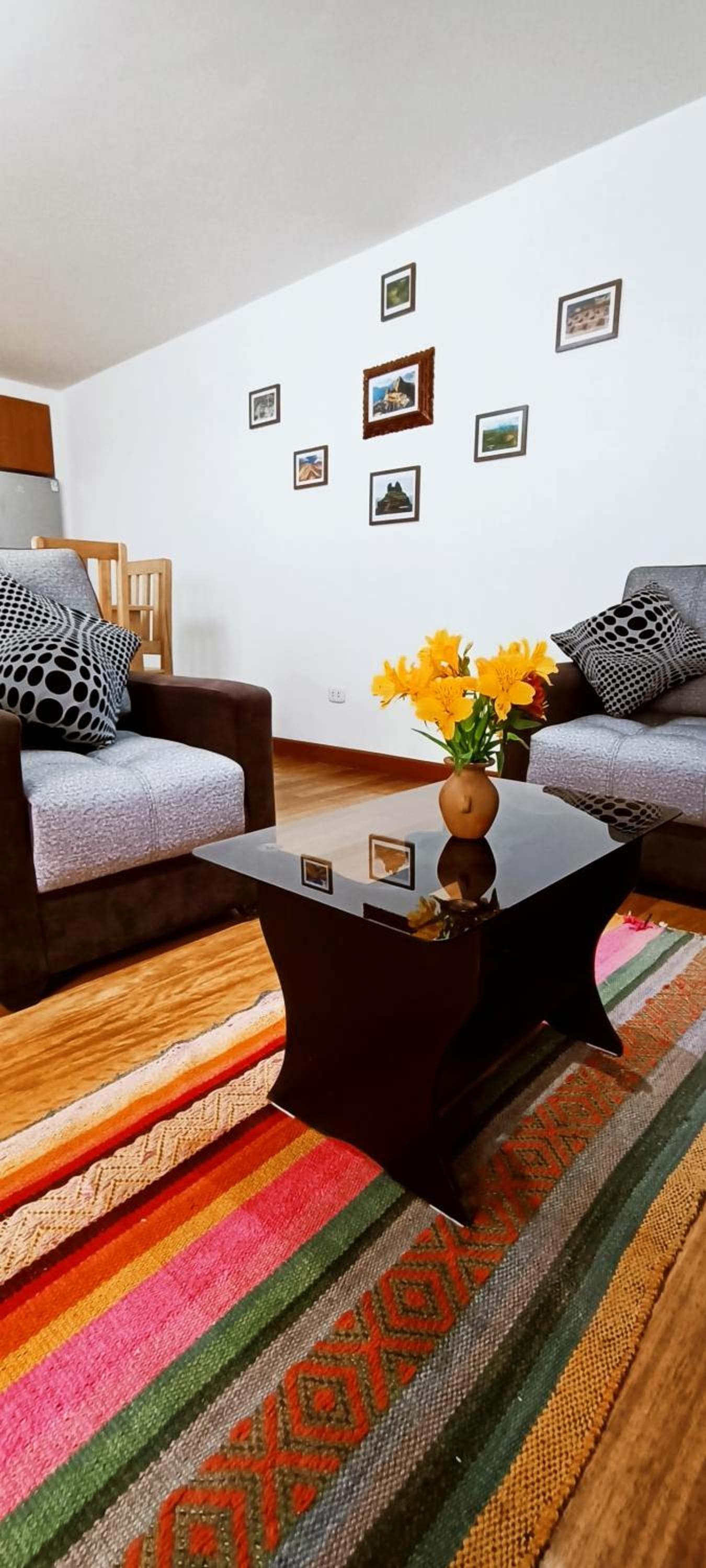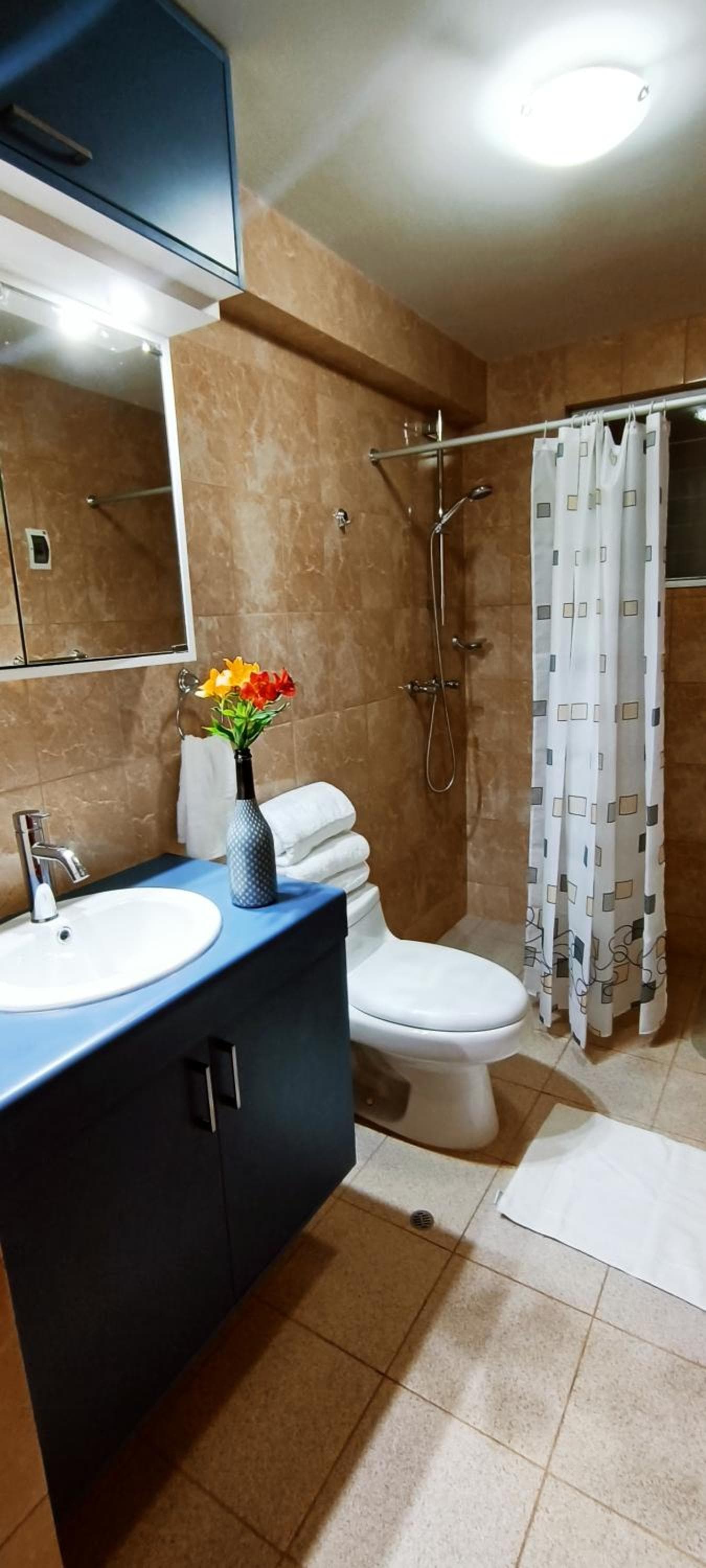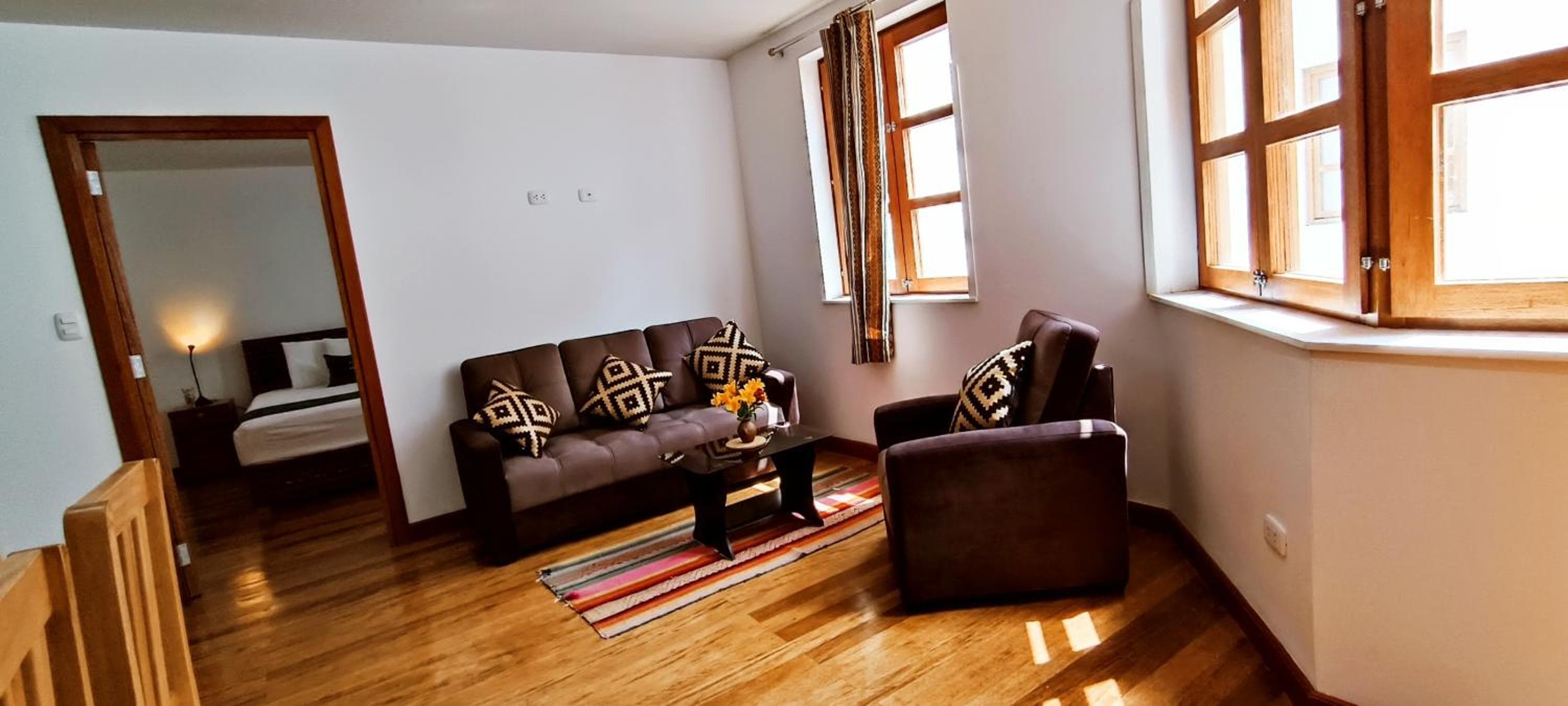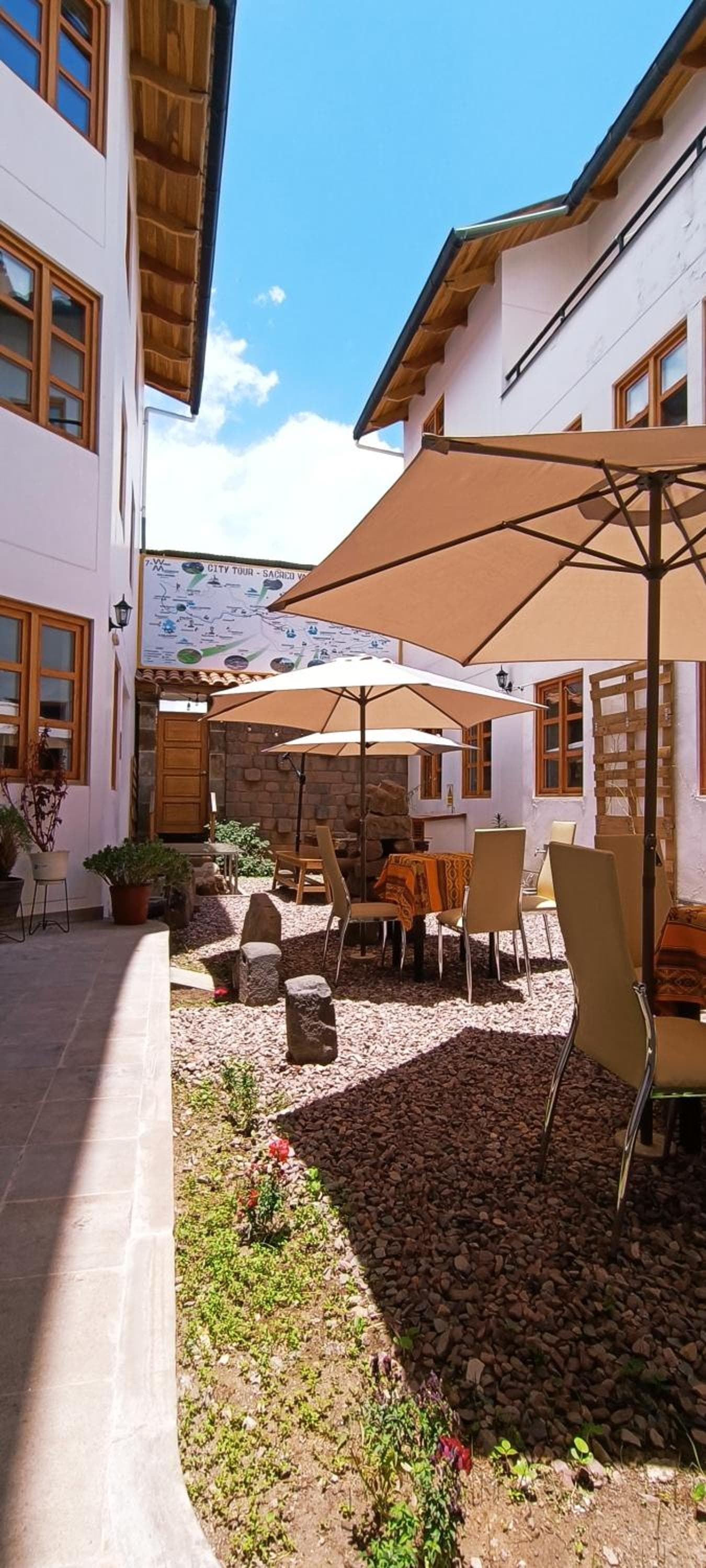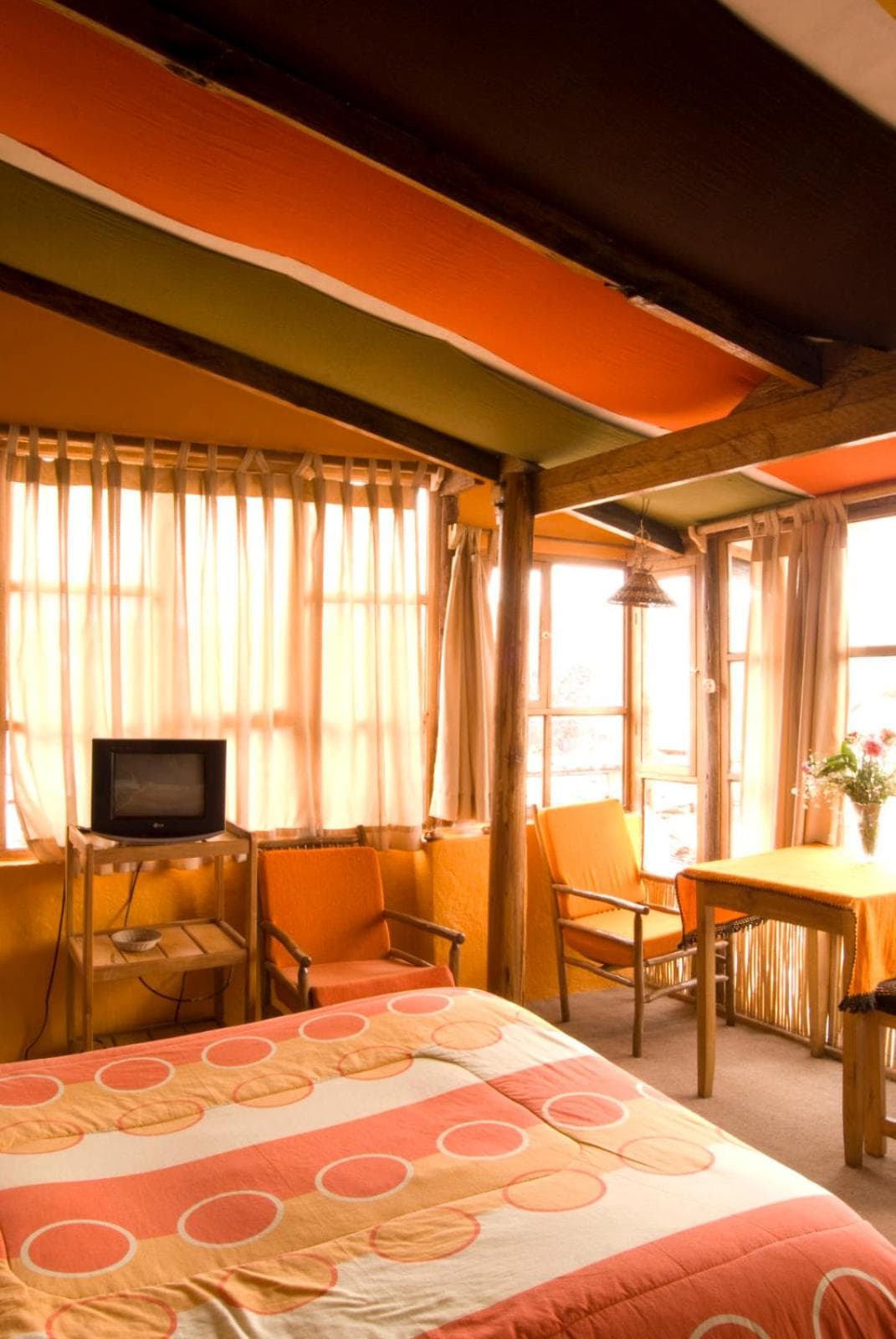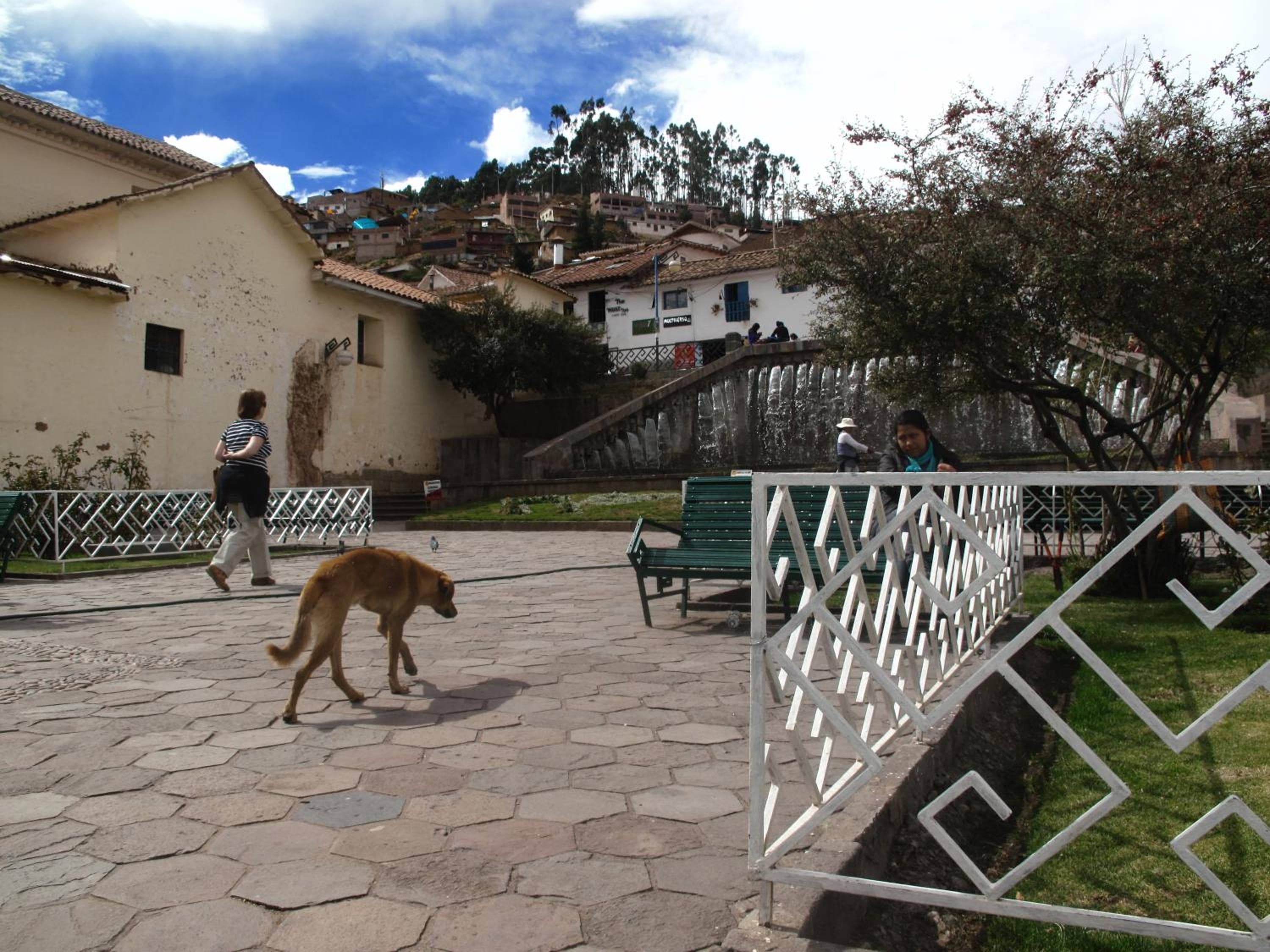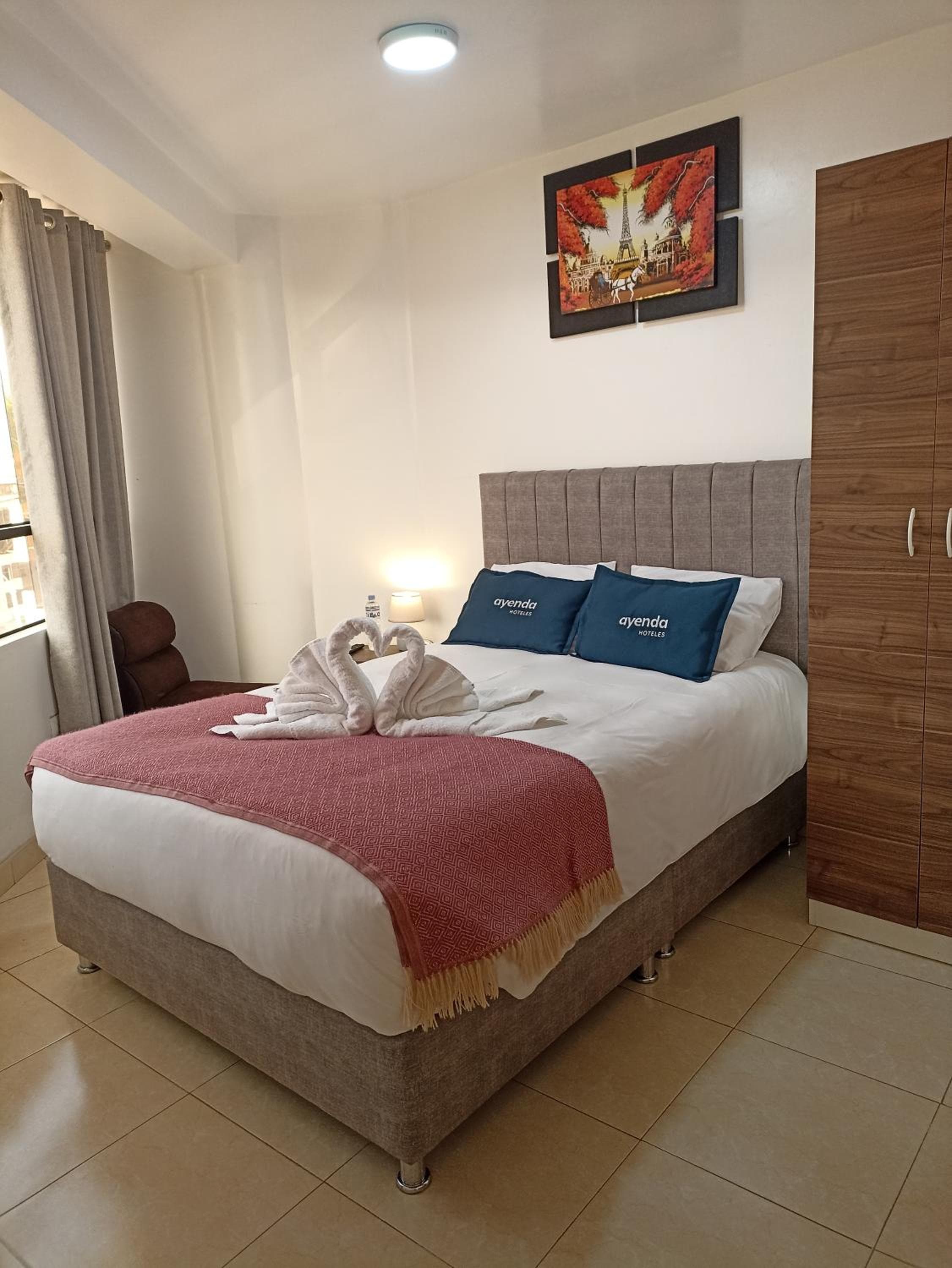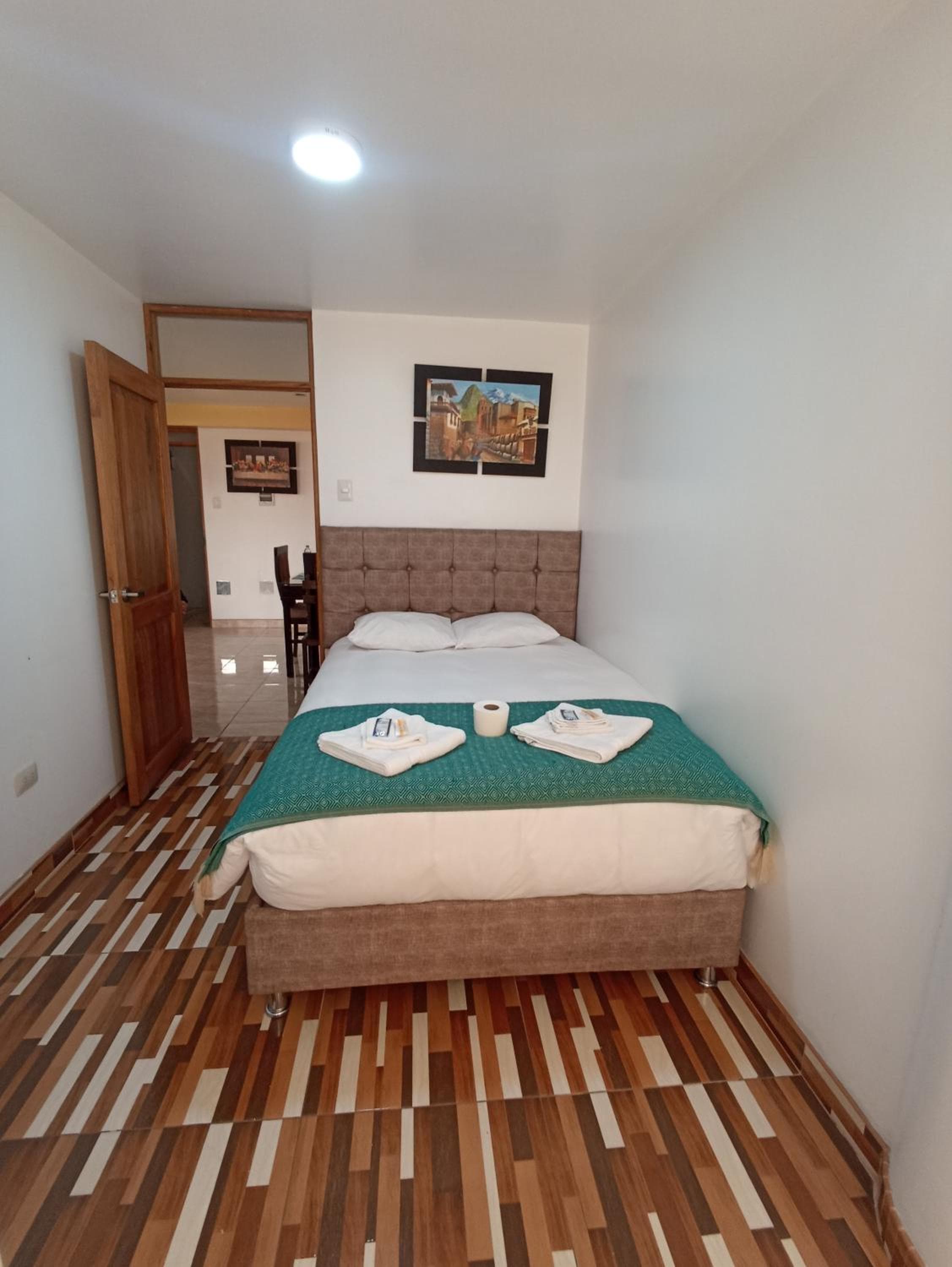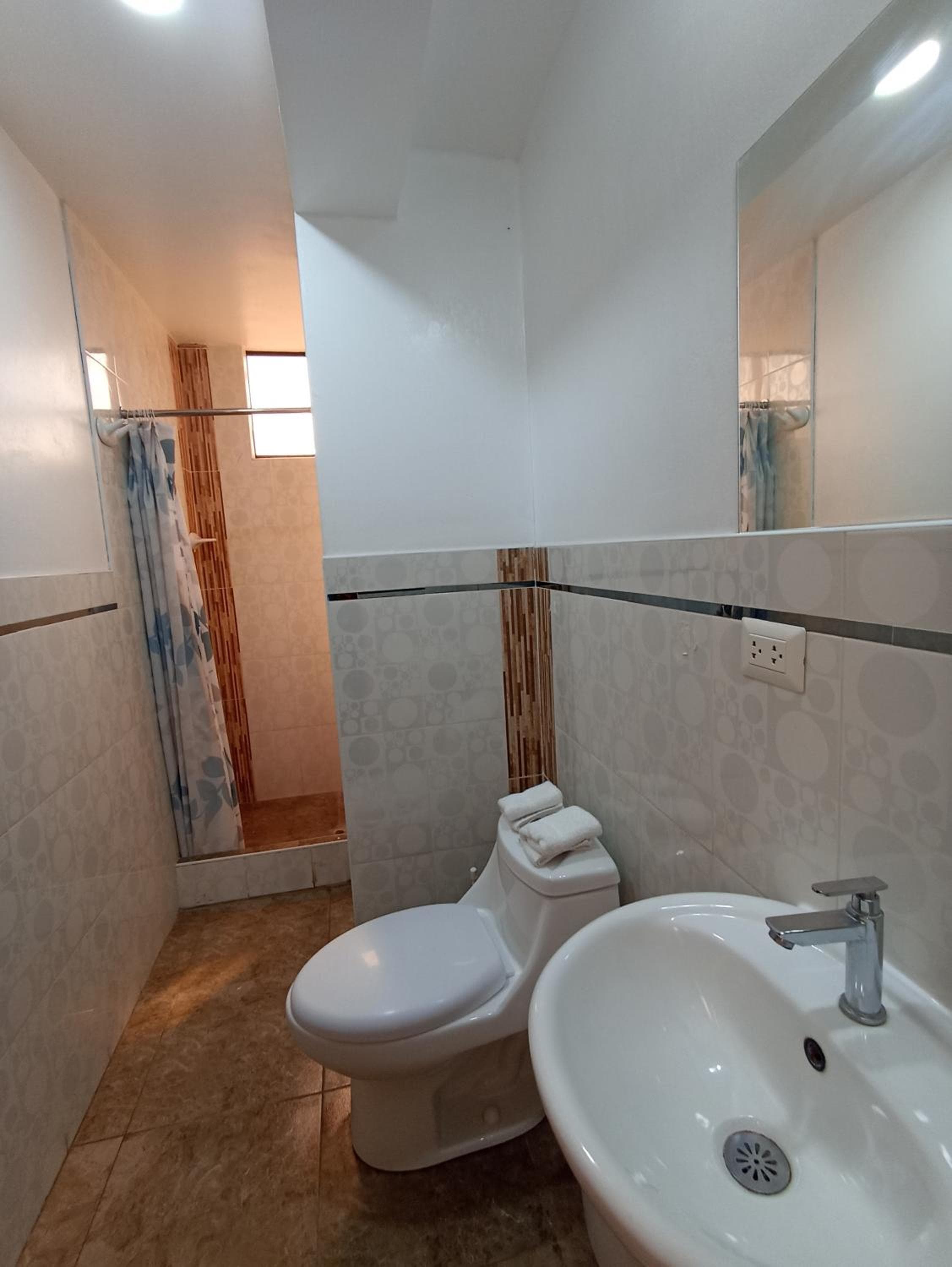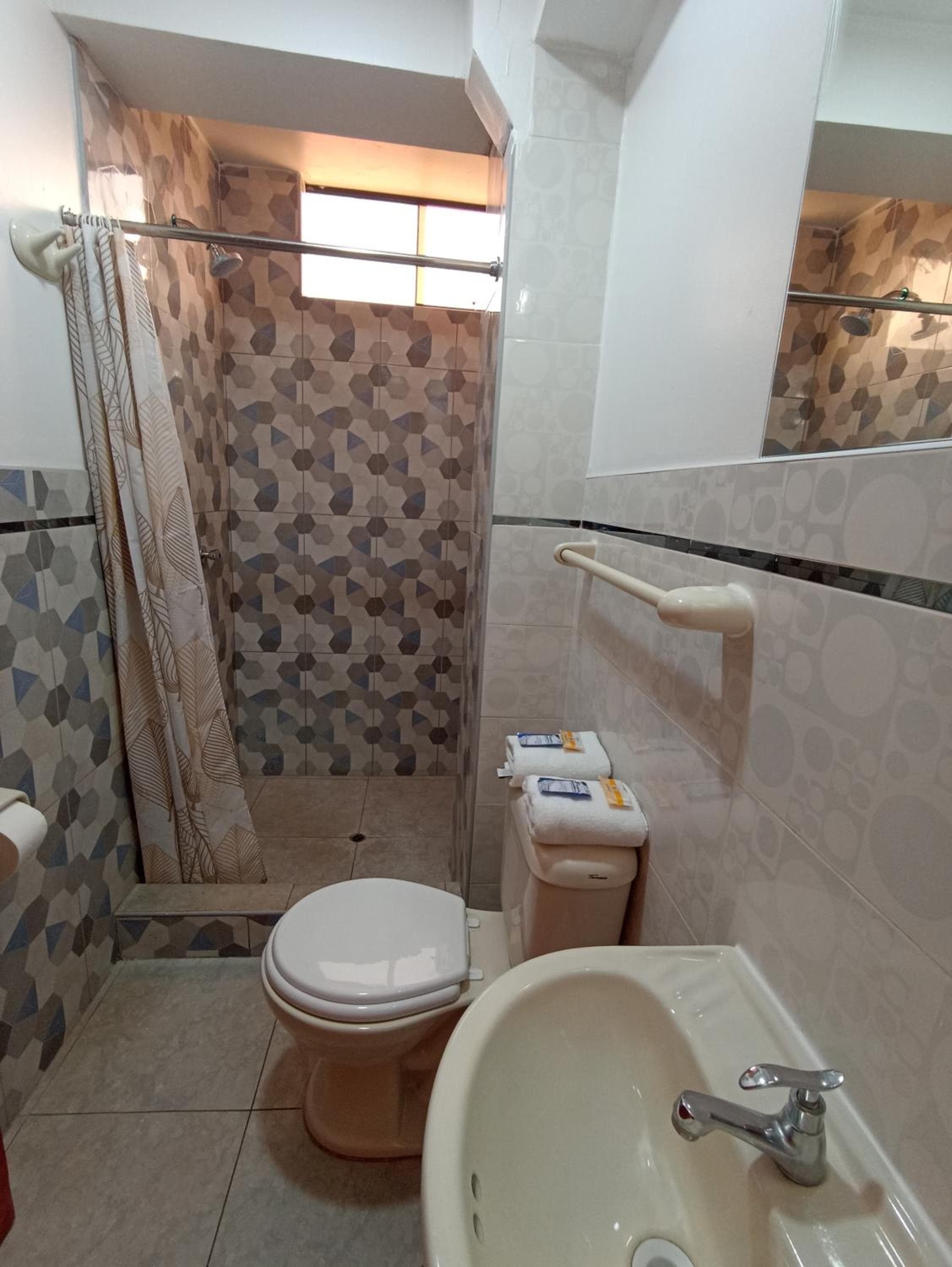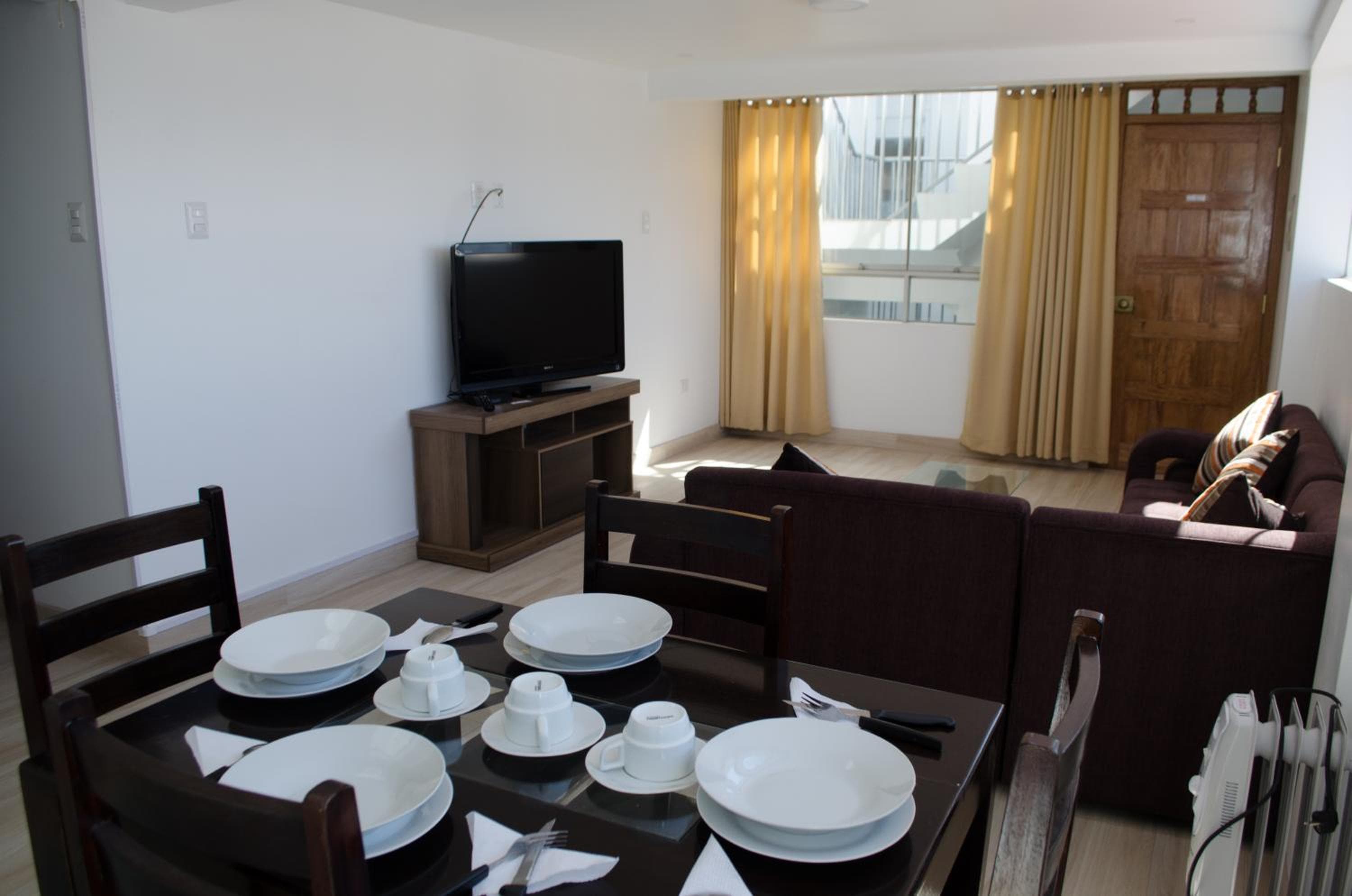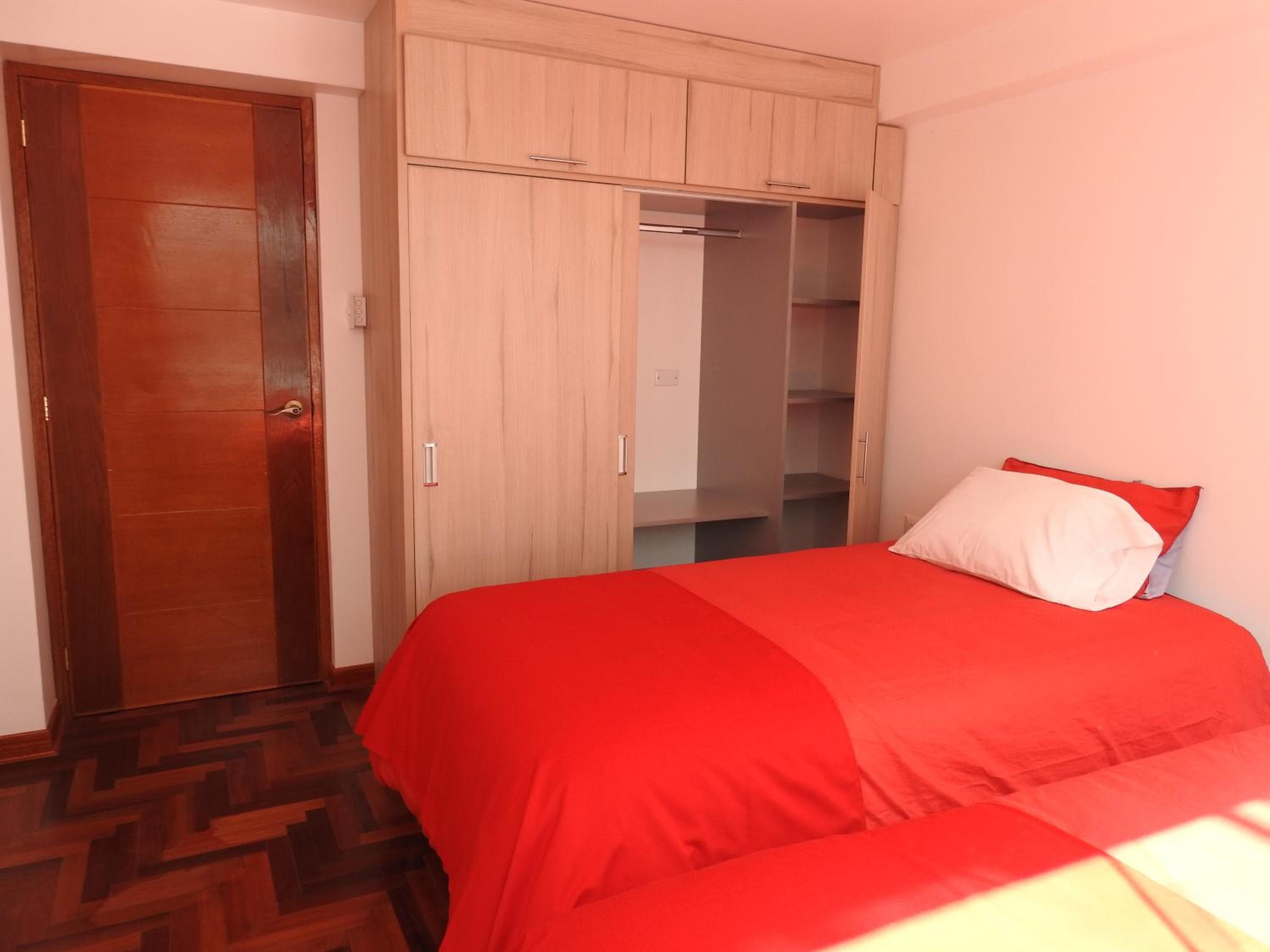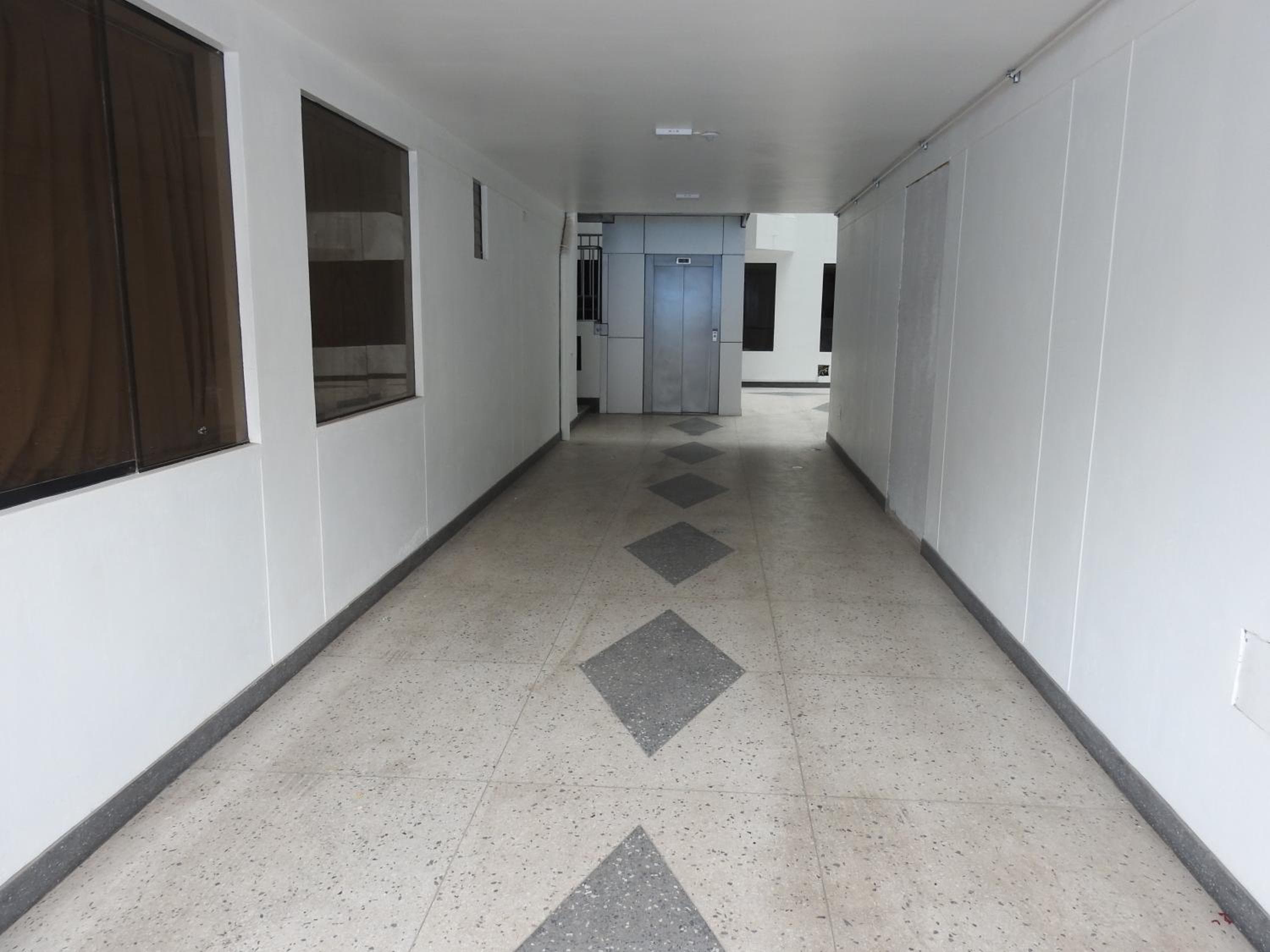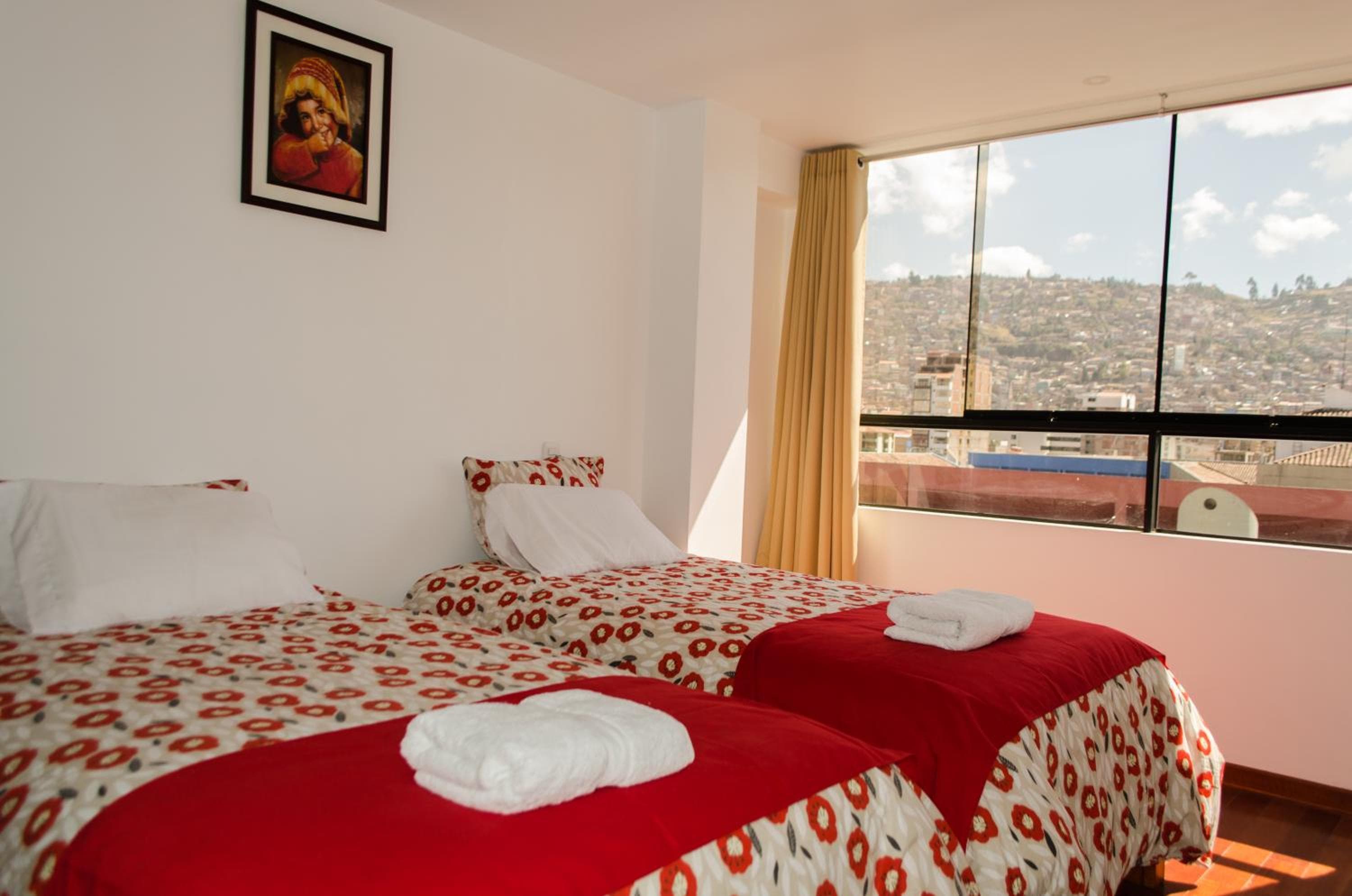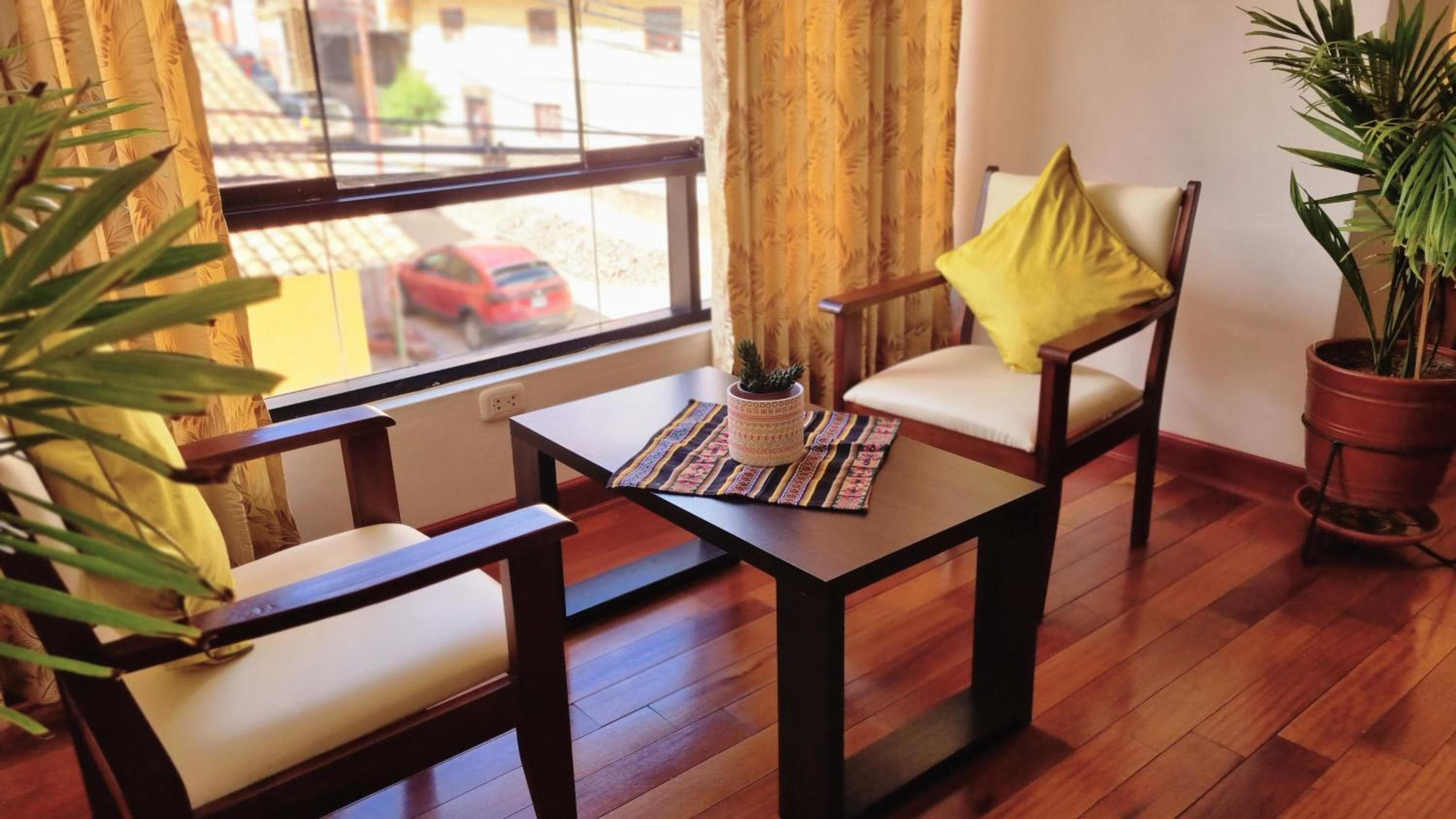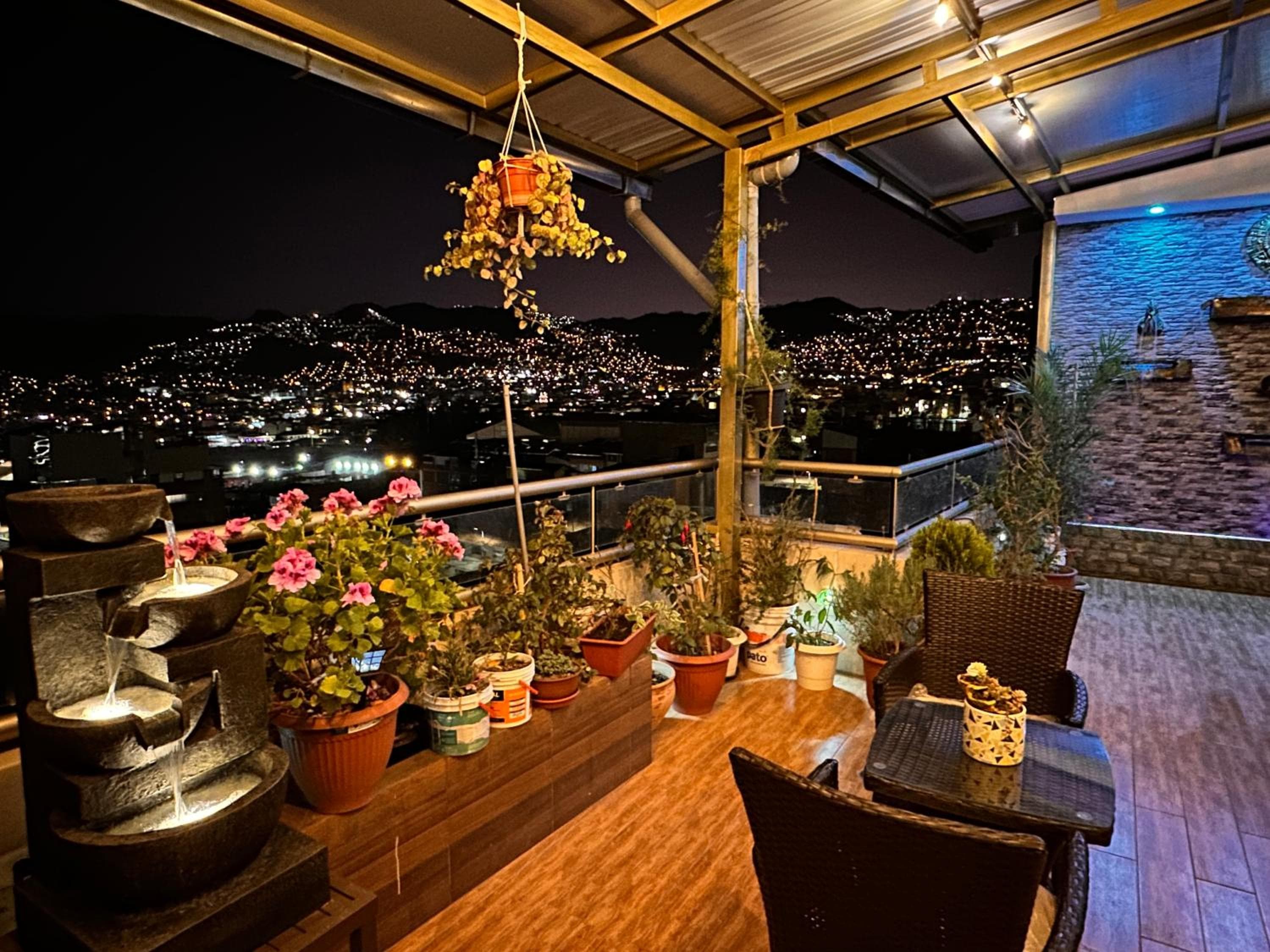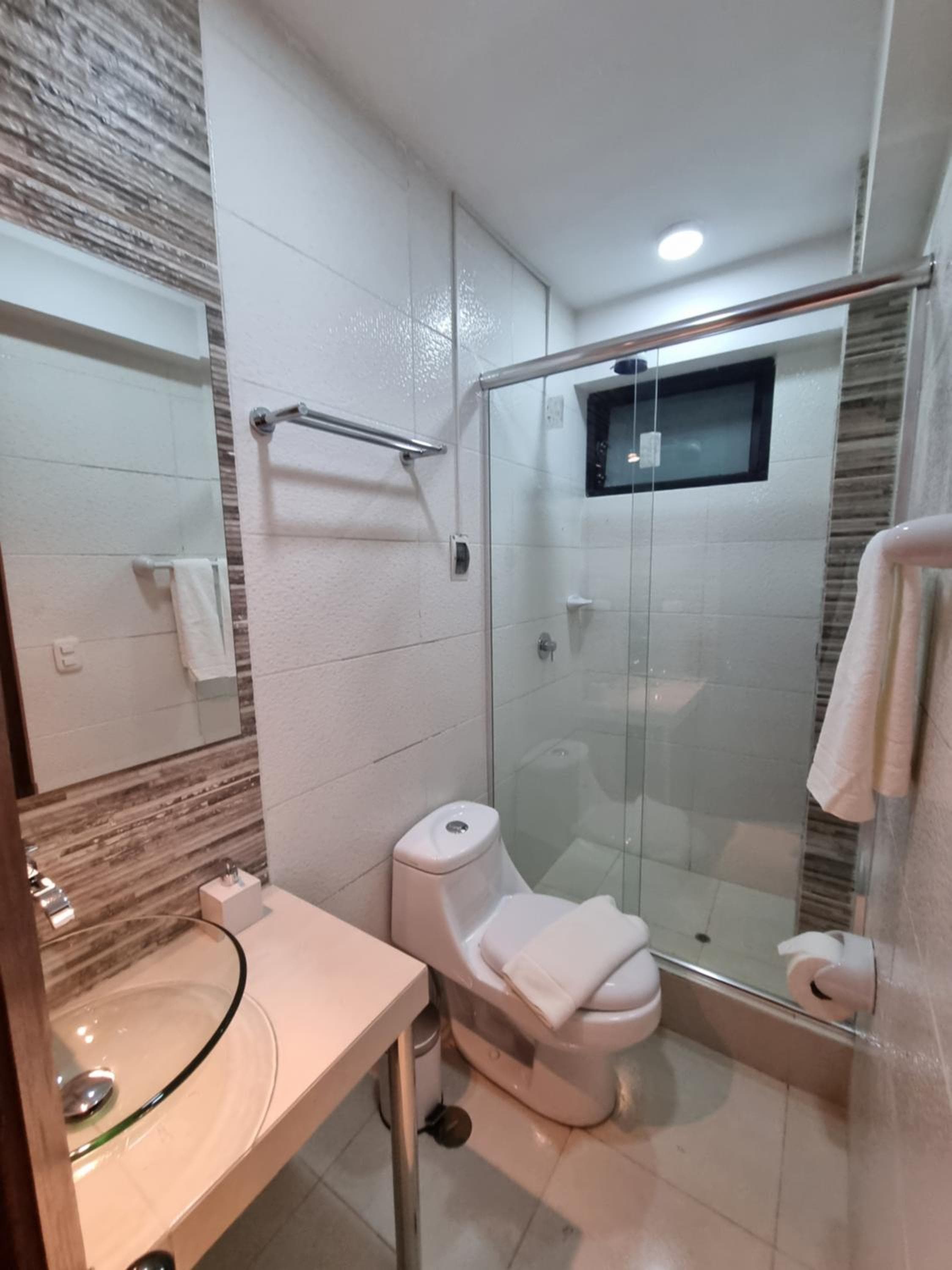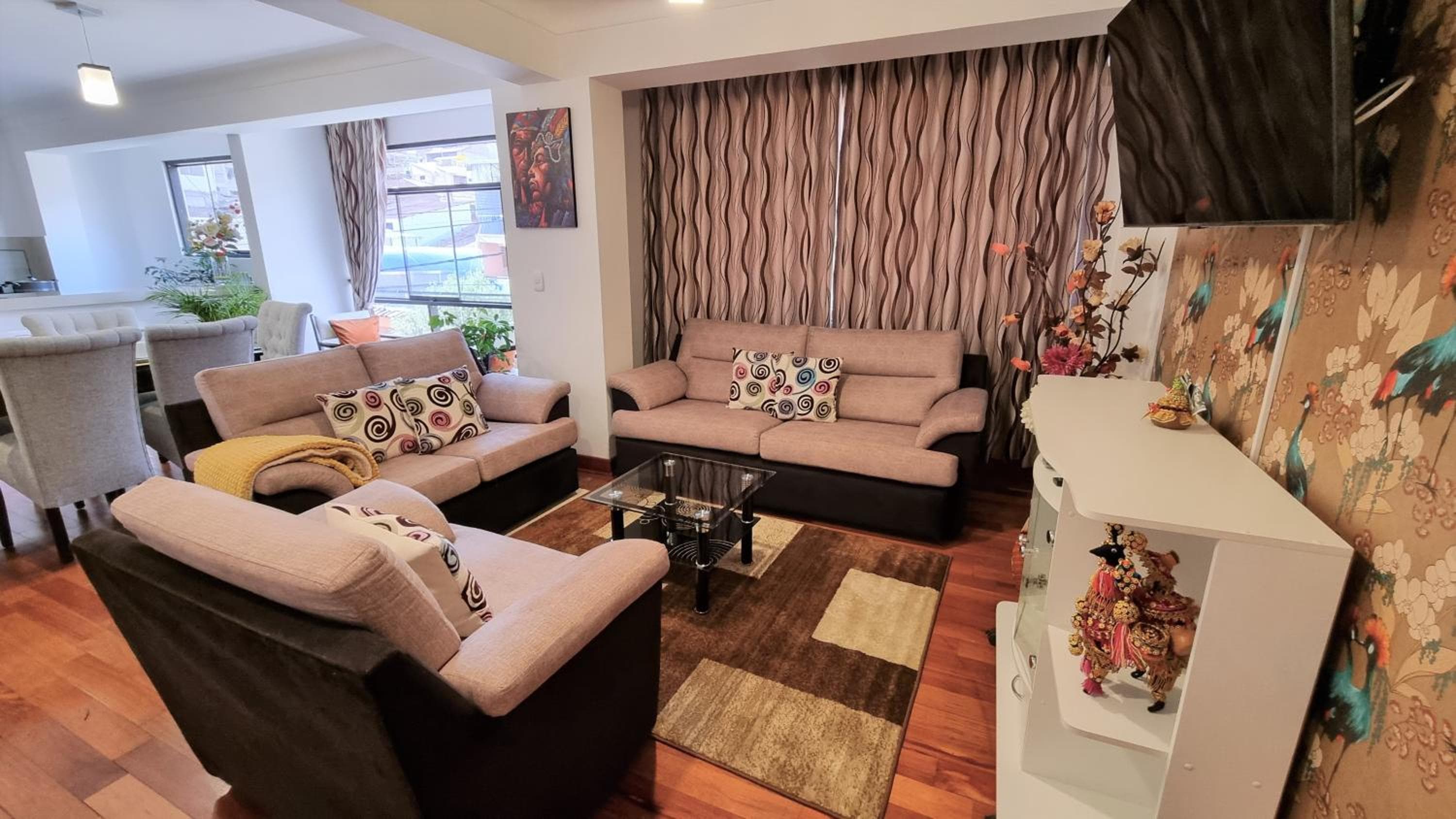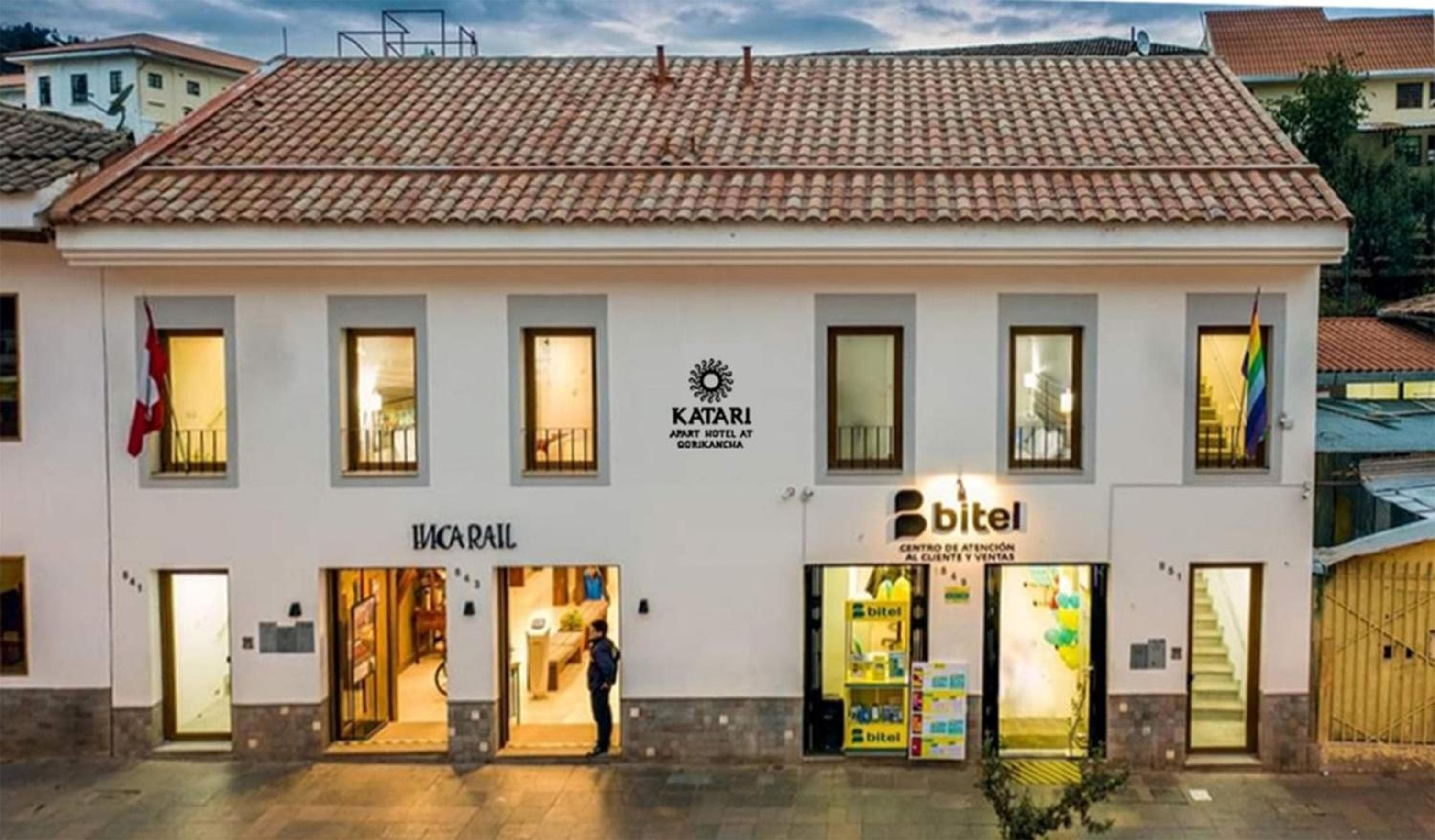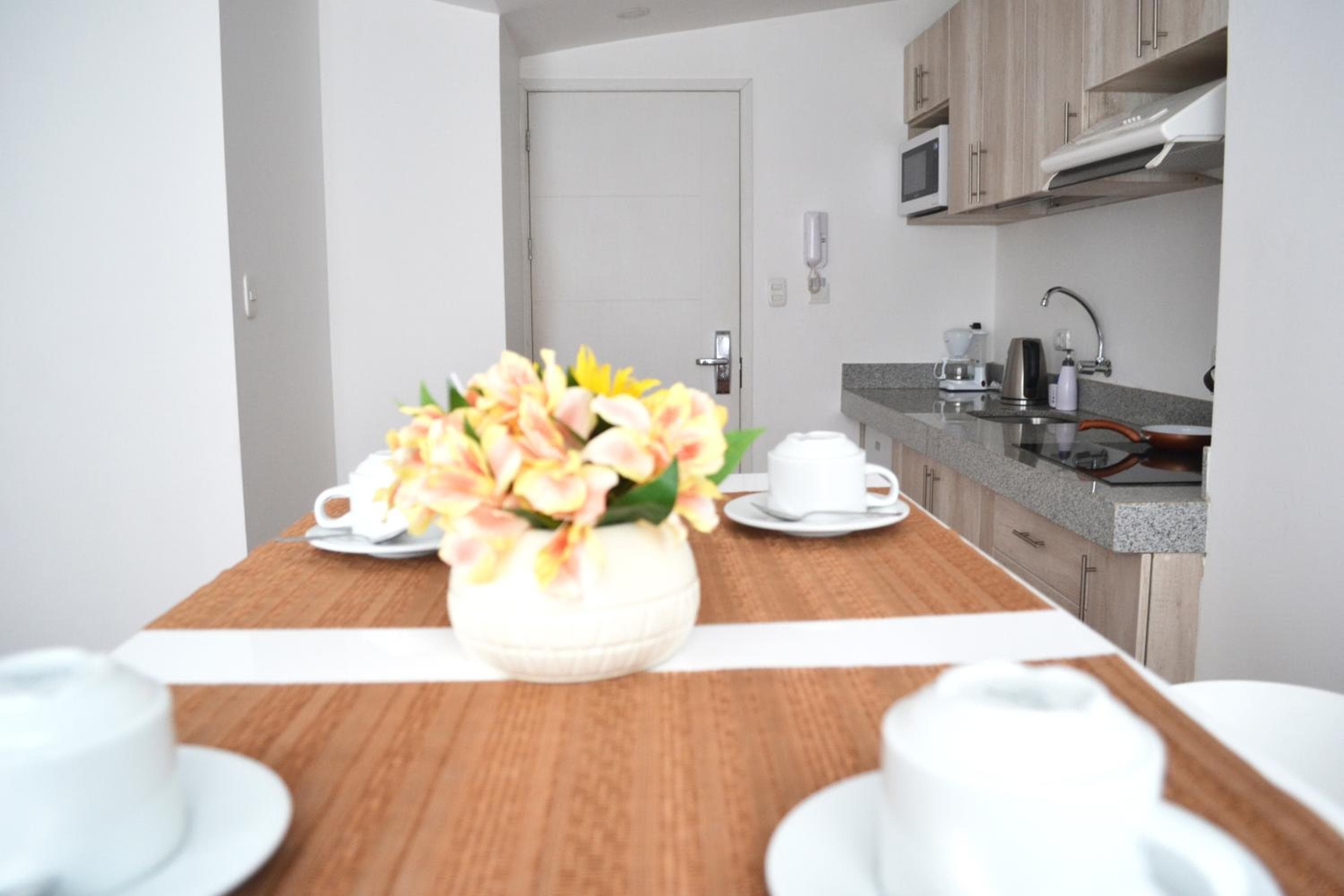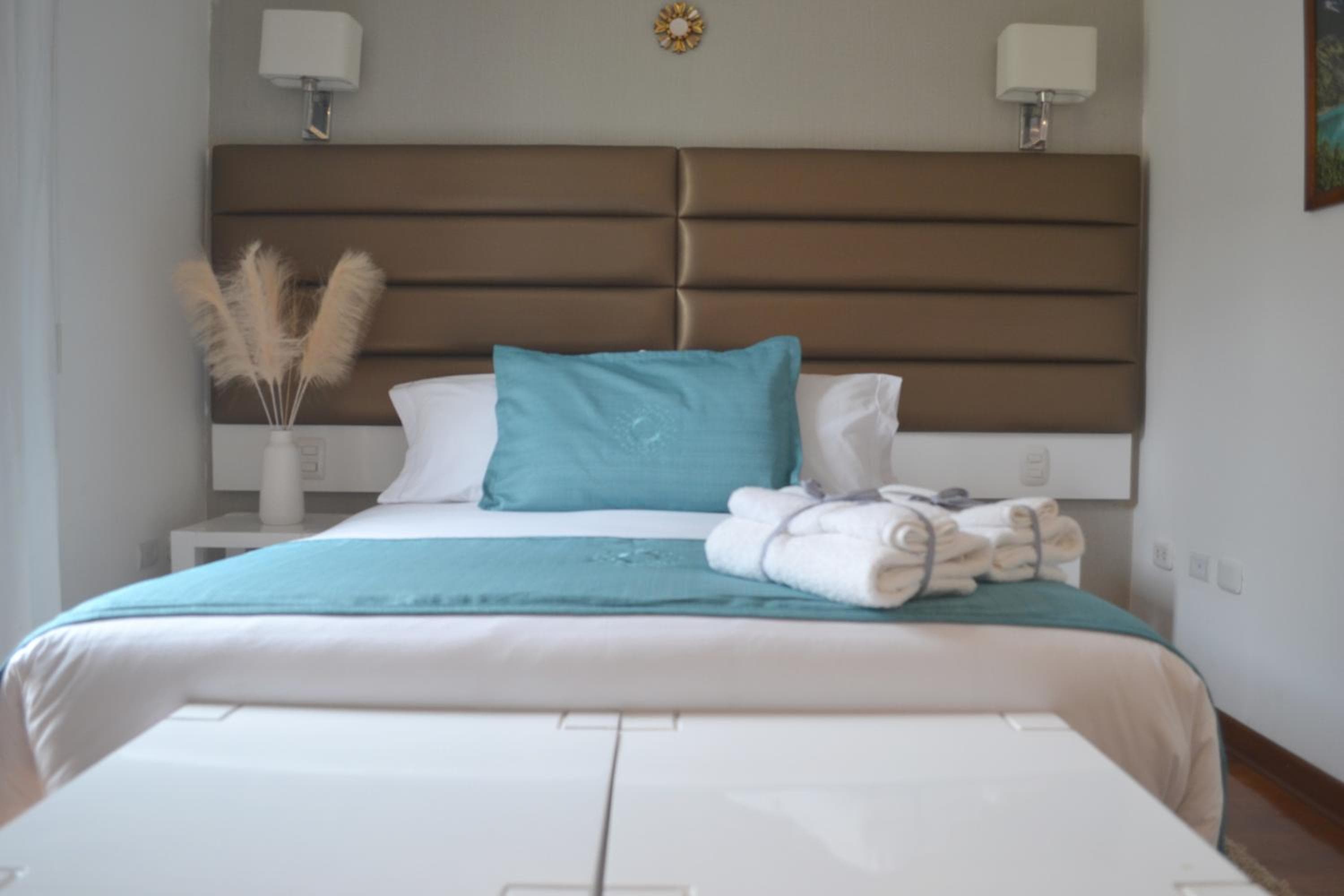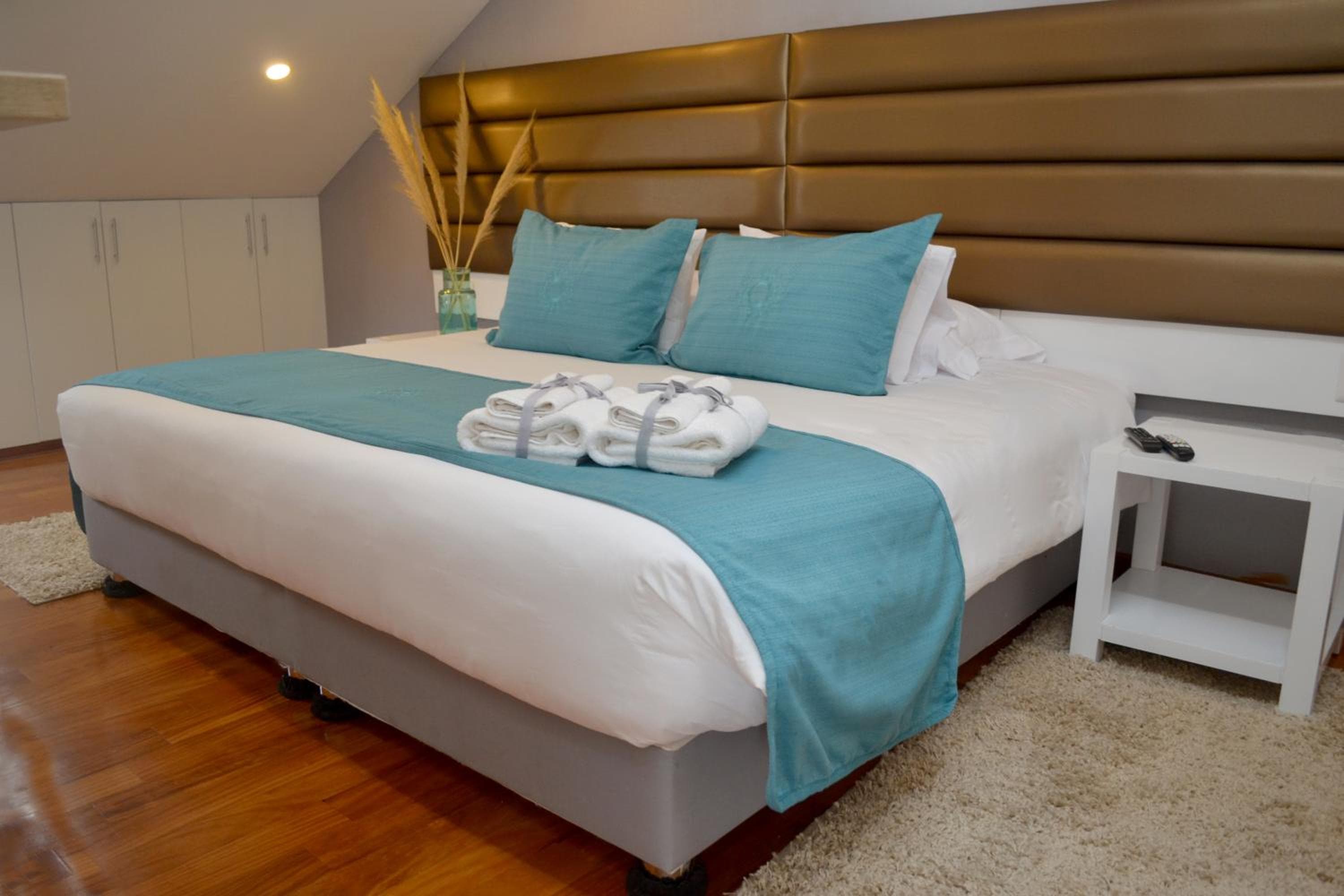
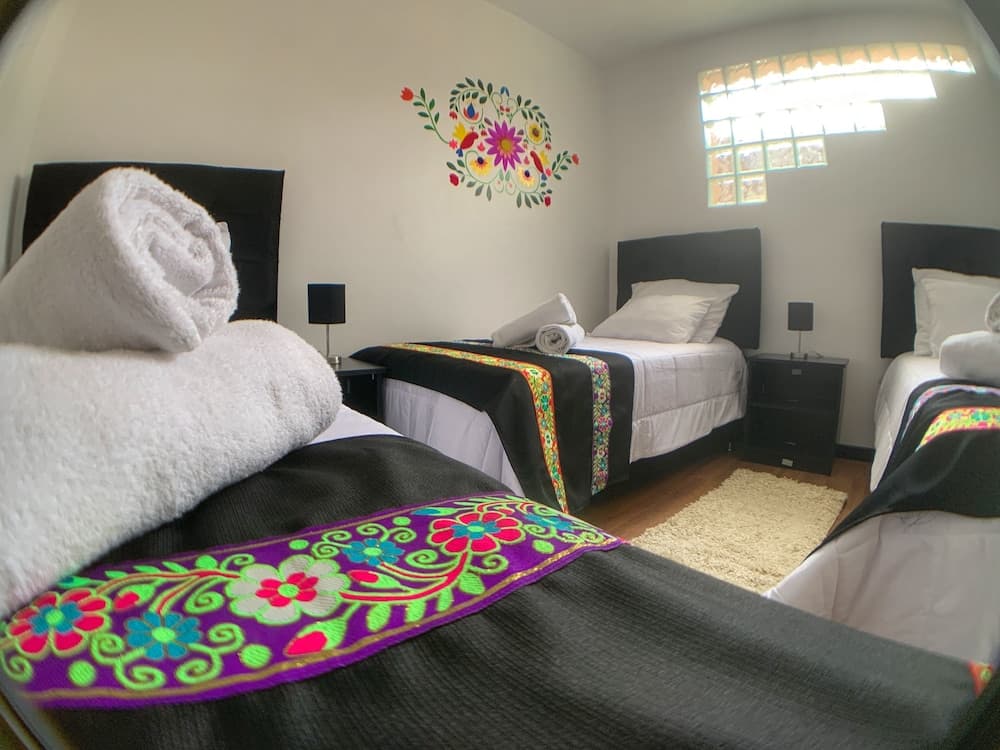
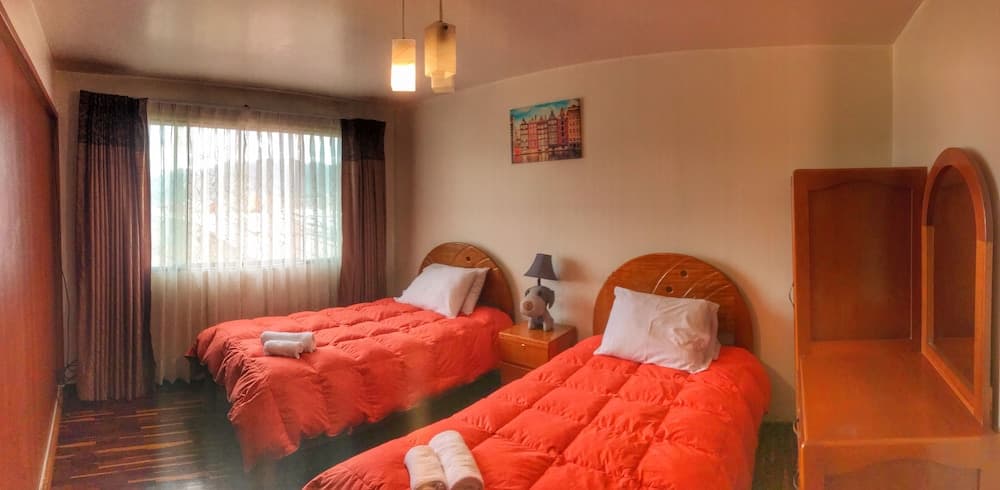
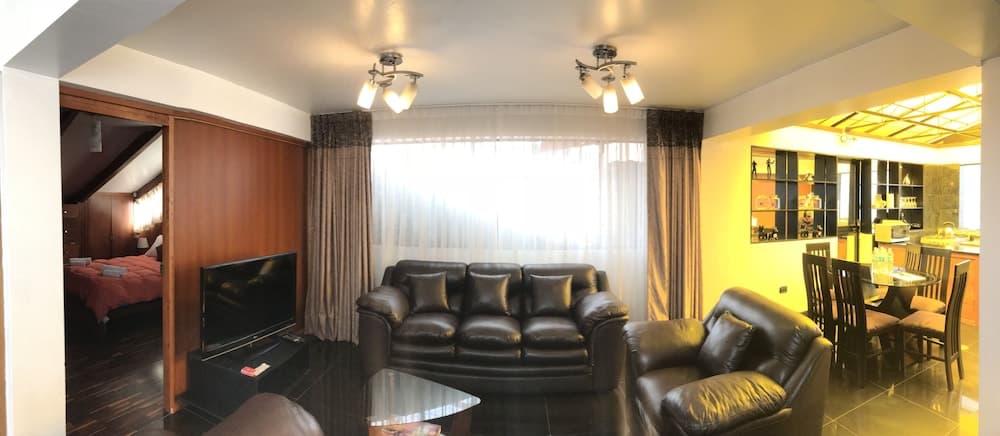
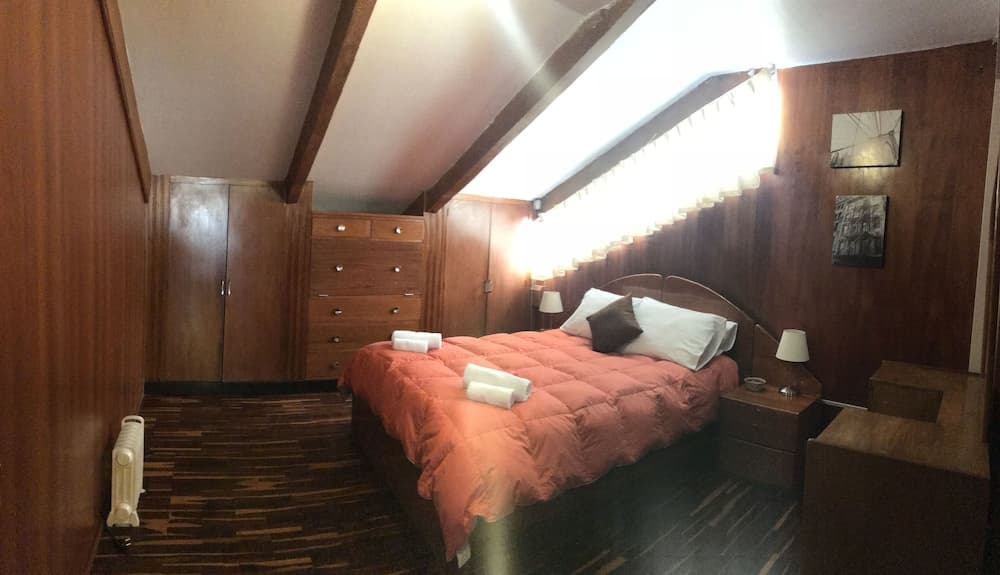
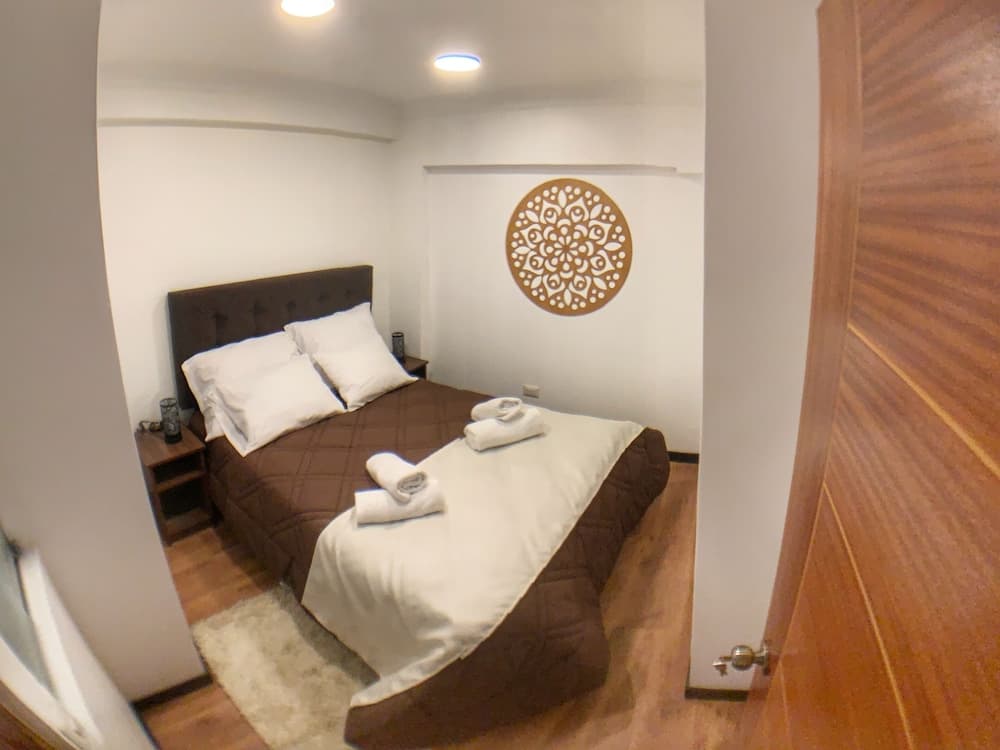
Del Niño Apartments
9.6 out of 10 from 5 reviewsCusco
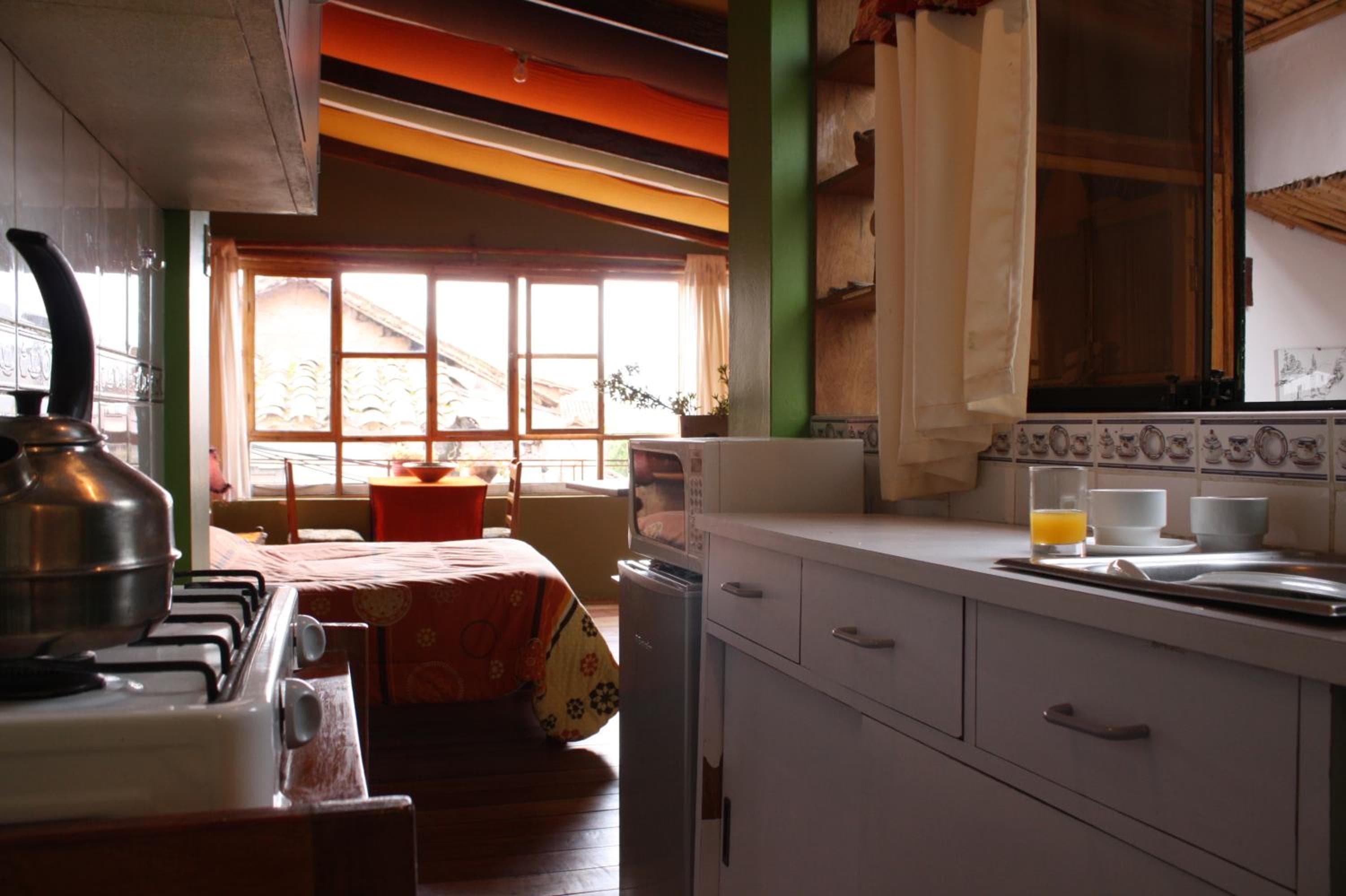
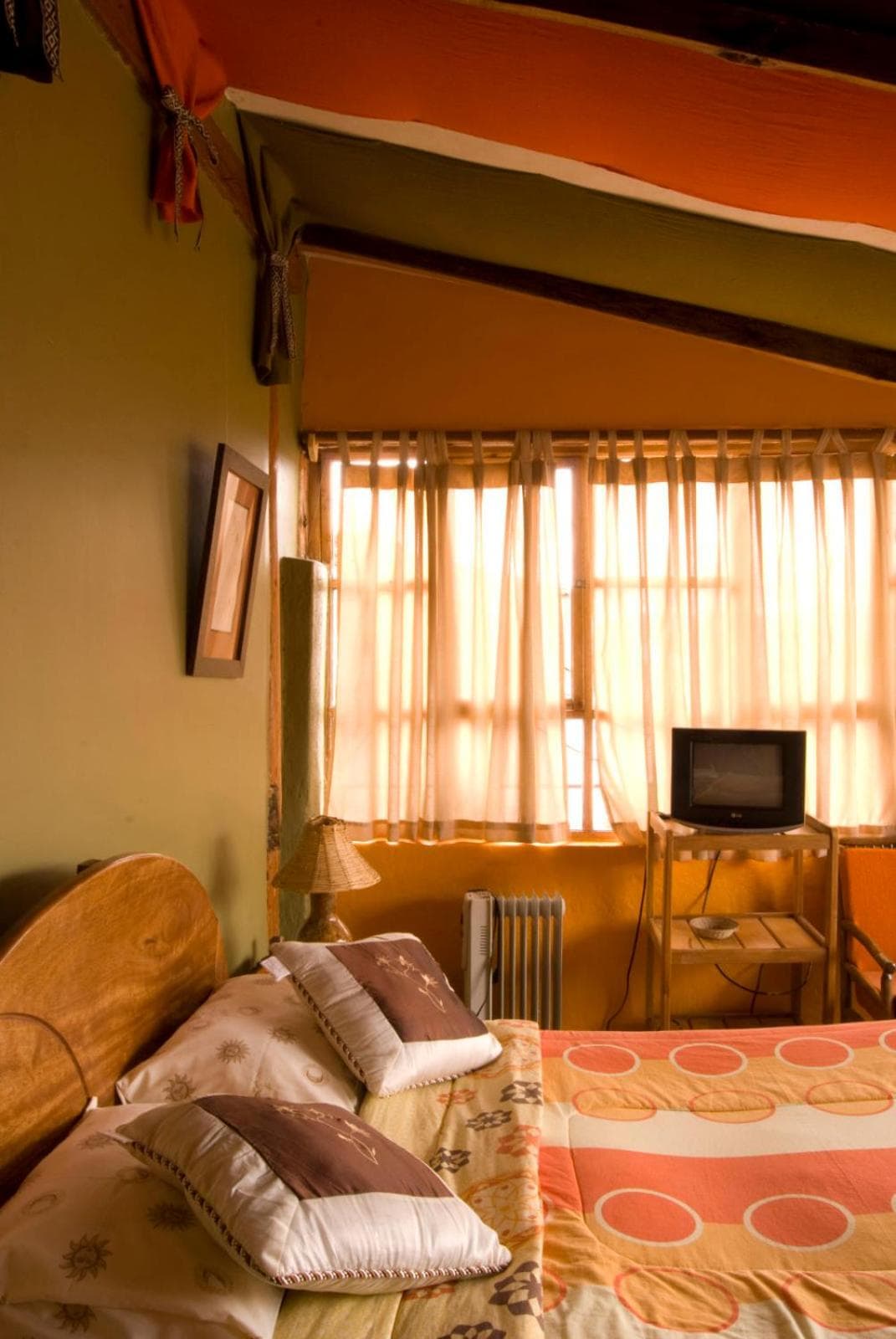
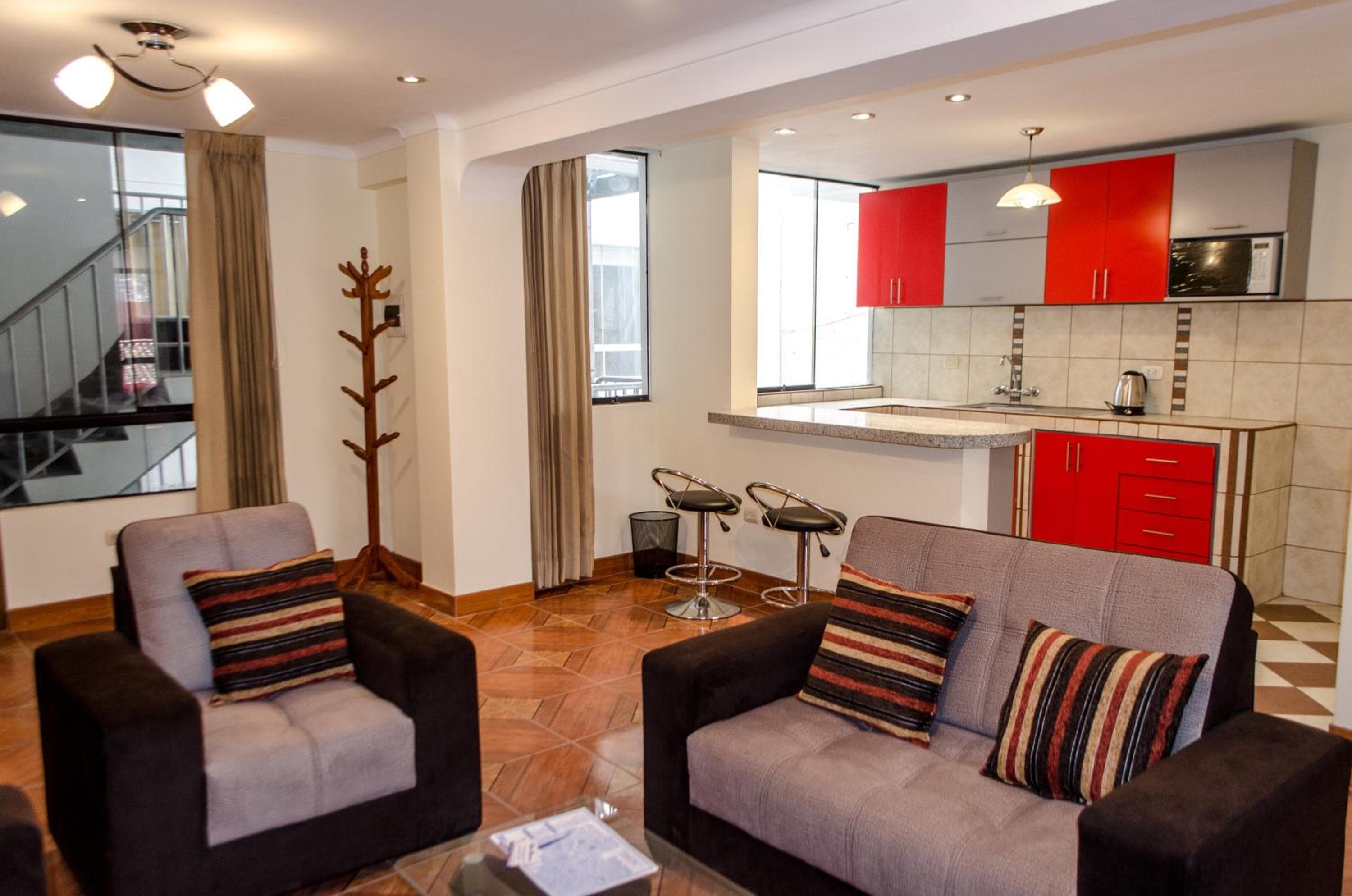
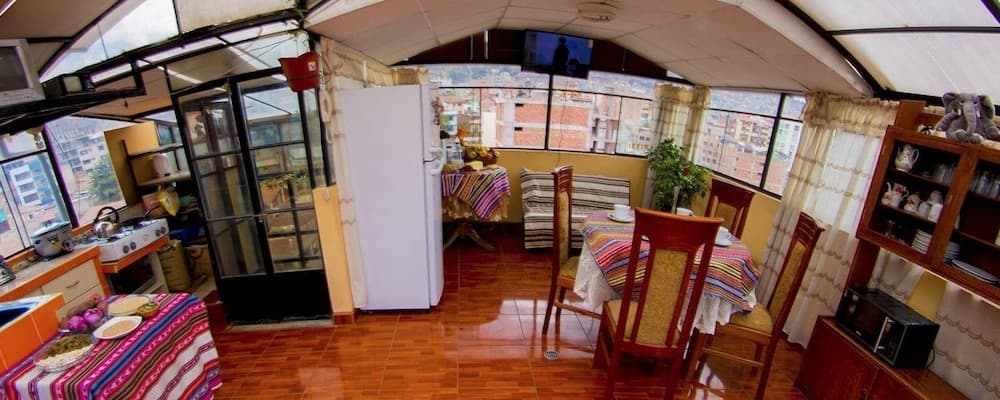
Full kitchen · 47–85 m² · Sleeps 7
Add dates for prices
13 stays · 13 aparthotels and 0 serviced apartments
Cusco is a city where aparthotels and serviced apartments make practical sense. Most visitors spend several days here before heading to Machu Picchu or the Sacred Valley, and many return between trips. A kitchen, a living area and space to unpack let you settle in, rest and cook light meals while you adjust to the altitude, which is something the national tourism board and Wikivoyage both say to take seriously. Our guide explains what an aparthotel is.
13 stays
The Plaza de Armas is the central square and the natural starting point, with the Historic Centre around it. Peru Travel lists the Historic Center and the Temple and Convent of Santo Domingo among the sights within the city. Wikivoyage says walking works well in the compact centre, so staying here keeps most things within reach on foot.
Stays in or near Historic Centre and Plaza de Armas
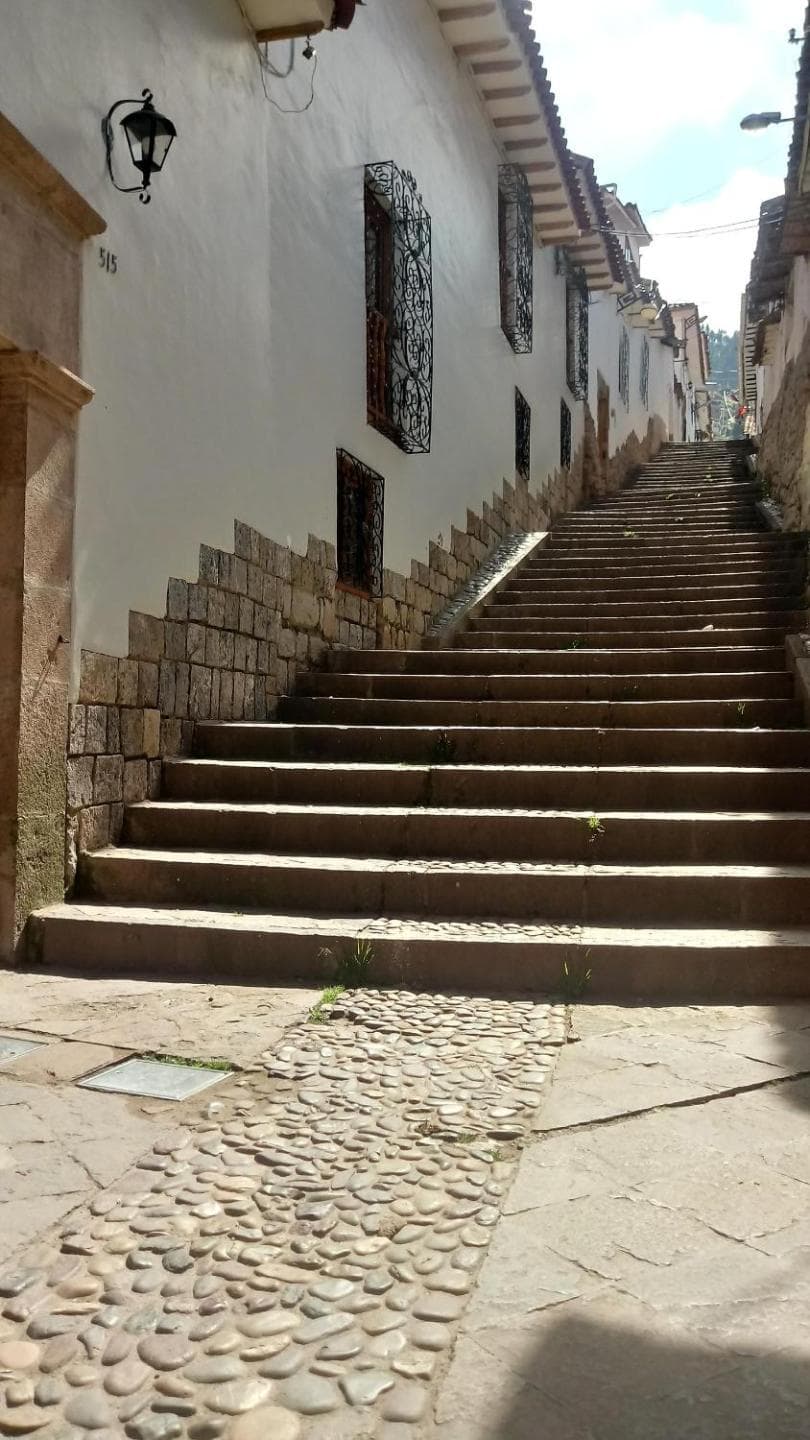
Wikipedia describes San Blas as a neighbourhood of artisans, workshops and craft shops, with steep, narrow streets and the oldest parish church in Cusco, and Peru Travel points visitors to its craftspeople. It is a good choice if you like a village-like feel while staying close to the Plaza de Armas, though the streets climb steeply, so expect some steps.
Stays in or near San Blas
Wikivoyage calls San Pedro Market the largest market close to the centre, with plenty of local colour, and says it stands just east of the train station for Machu Picchu. Wikipedia names San Pedro as the station for the Machu Picchu route. Staying near San Pedro makes sense if you want everyday shops close by and an easy start to a rail journey.
Stays in or near San Pedro market and station
Alejandro Velasco Astete International Airport (CUZ) is 5 km from the city centre, according to Wikivoyage, while Wikipedia gives approximately 3.7 km from the historic centre of Cusco. Wikipedia lists authorised taxi companies at the arrivals area and shuttle services offering door-to-door transfers. Peru Travel gives the flight time from Lima as roughly one hour 15 minutes, while the overland journey by bus or car takes around 21 hours via Abancay. Wikivoyage says buses are plentiful to cities such as Lima, Puno and Arequipa, and puts the Terminal Terrestre 2.5 km south-east of the Centro Histórico.
Wikivoyage describes the centre as walkable, with combis (shared vans), taxis and buses for longer distances and for trips to nearby ruins and markets. PeruRail and Inca Rail operate the trains. Wikivoyage says Machu Picchu services generally leave from Poroy station, and Wikipedia lists the Wánchaq station as the terminus of the southern line towards Juliaca and Arequipa, with San Pedro station on the Machu Picchu route. Wikivoyage also lists a Four Archaeological Sites tour covering Qenko, Pukapukara and Tambomachay, and Sacred Valley day trips.
Altitude is the first practical point. Peru Travel says Cusco lies at over 3,399 m, which can cause headaches, fatigue and dizziness, and advises taking it easy on arrival day, staying hydrated, eating light meals and having traditional coca leaf infusions. Wikivoyage says altitude sickness (soroche) can be a problem and suggests allowing acclimatisation time before strenuous activity. Check official health guidance before you travel.
San Pedro Market is the market named by Wikivoyage for local goods, and the compact centre means most daily errands can be done on foot. A flexible base also helps when you want to leave bags in Cusco for a few days of Sacred Valley or Machu Picchu travel and return afterwards. If you are staying for weeks rather than days, our aparthotel versus hotel comparison covers the practical differences.
Wikipedia describes two seasons. Winter, from April to September, brings abundant sunshine and occasional night-time frosts. Summer, from October to March, brings warm temperatures and abundant rainfall. Wikivoyage gives the dry season as April to October and notes that the Inca Trail closes in February during the wet season.
Inti Raymi, the Festival of the Sun, takes place every 24 June at the winter solstice on the esplanade of Sacsayhuamán, according to Wikipedia. Cusco received more than 2.7 million tourists in 2019, which was the highest in Peru's regions, so the dry months and festival dates can be busy.
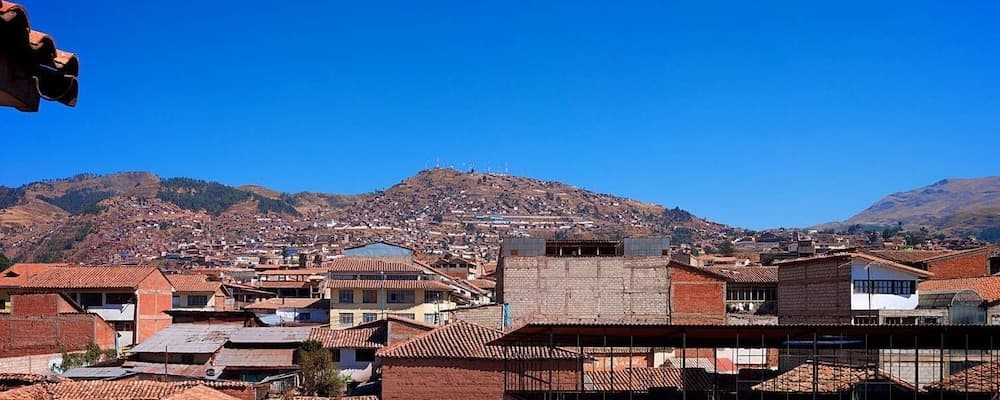
The city sits in the central Andes of south-eastern Peru at around 3,400 m. It was declared a UNESCO World Heritage Site in 1983 and had 428,450 residents in 2017, according to Wikipedia. The historic centre is compact enough to walk, and the districts around it each have their own character. Below you will find where to base yourself, how to arrive, practical notes for longer stays and what the seasons are like. You can also browse other stays across Peru.
Of the 13 properties here, 2 list a laptop-friendly workspace, 7 include some form of housekeeping and 8 have a 24-hour front desk. Each property page has a facts box, so you can compare apartments before you book.
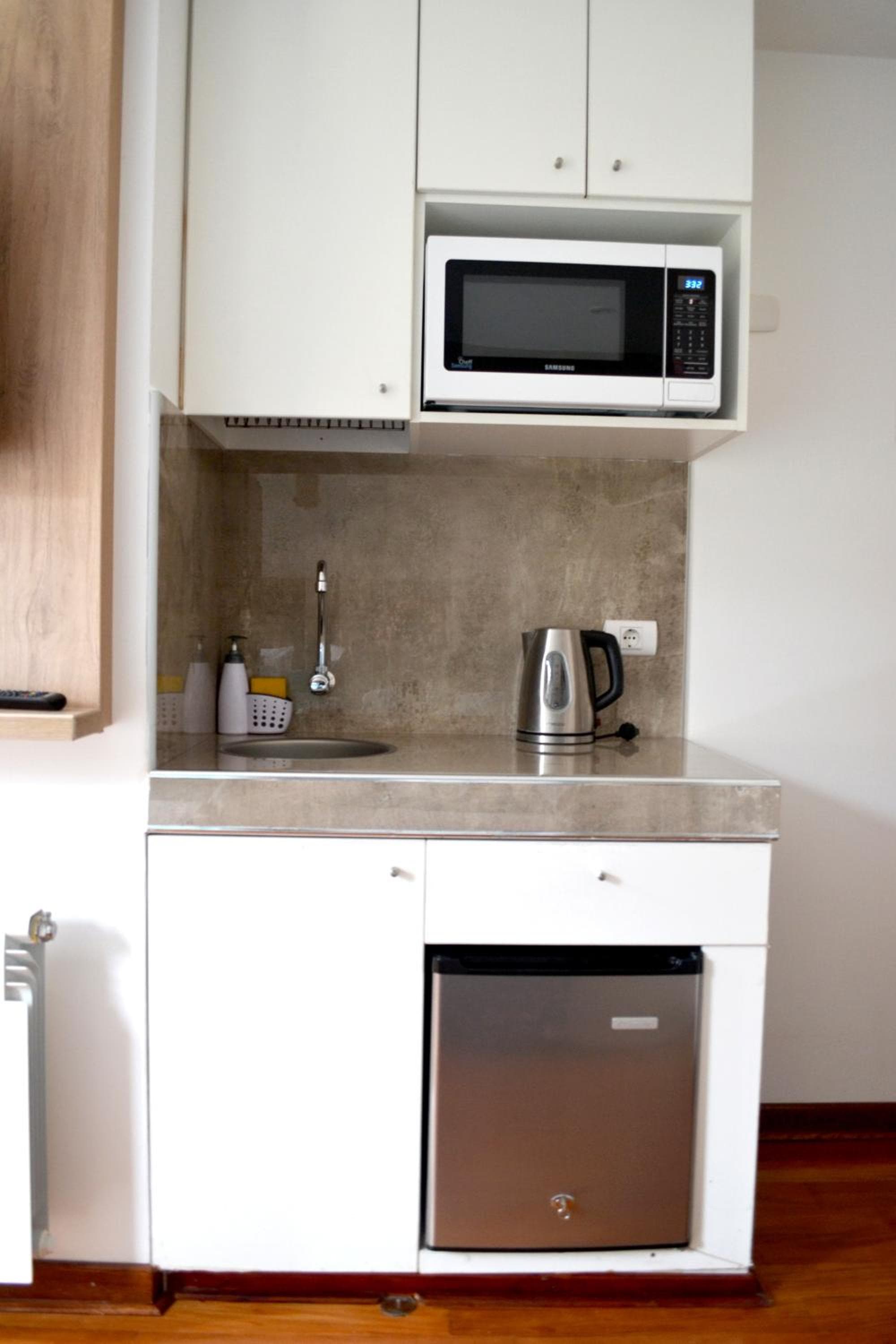
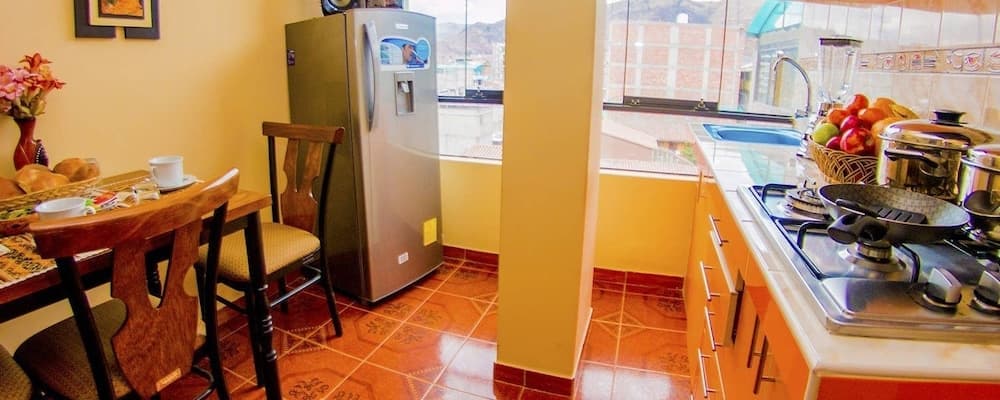
10 properties list a full kitchen and 3 only a kitchenette, so check the room type if you plan to cook more than simple meals.
Where room sizes are published, the median apartment here is 37 m².
Moving for work? Our guide to serviced apartments for relocation explains what to look for.
Planning a longer trip? See aparthotels in Lima, Iquitos, Tacna, Los Órganos, Abancay, Trujillo, Arequipa and Huancayo.
The Historic Centre around the Plaza de Armas is best for first-time visitors, and San Blas suits those who prefer an artisan-quarter feel. San Pedro is convenient for the market and the San Pedro rail station.
The airport is about 5 km from the city centre according to Wikivoyage, and Wikipedia lists authorised taxis and shuttle services at the arrivals area. Check with your accommodation about arranging a pick-up.
Cusco is at about 3,400 m. Peru Travel says it can cause headaches, fatigue and dizziness and advises taking it easy on arrival day and drinking plenty of fluids.
Wikipedia describes April to September as sunny with occasional frosts, and October to March as the warmer, rainier summer. Inti Raymi falls on 24 June.
Wikivoyage says Machu Picchu trains generally run from Poroy station, and Wikipedia lists San Pedro station on the Machu Picchu route. Peru Travel describes the Historic Sanctuary of Machupicchu as the main attraction of the region.
We currently list 13 aparthotel and serviced apartment properties in Cusco.
13 of the 13 properties we list have a kitchen or kitchenette in at least one apartment type.
Last updated