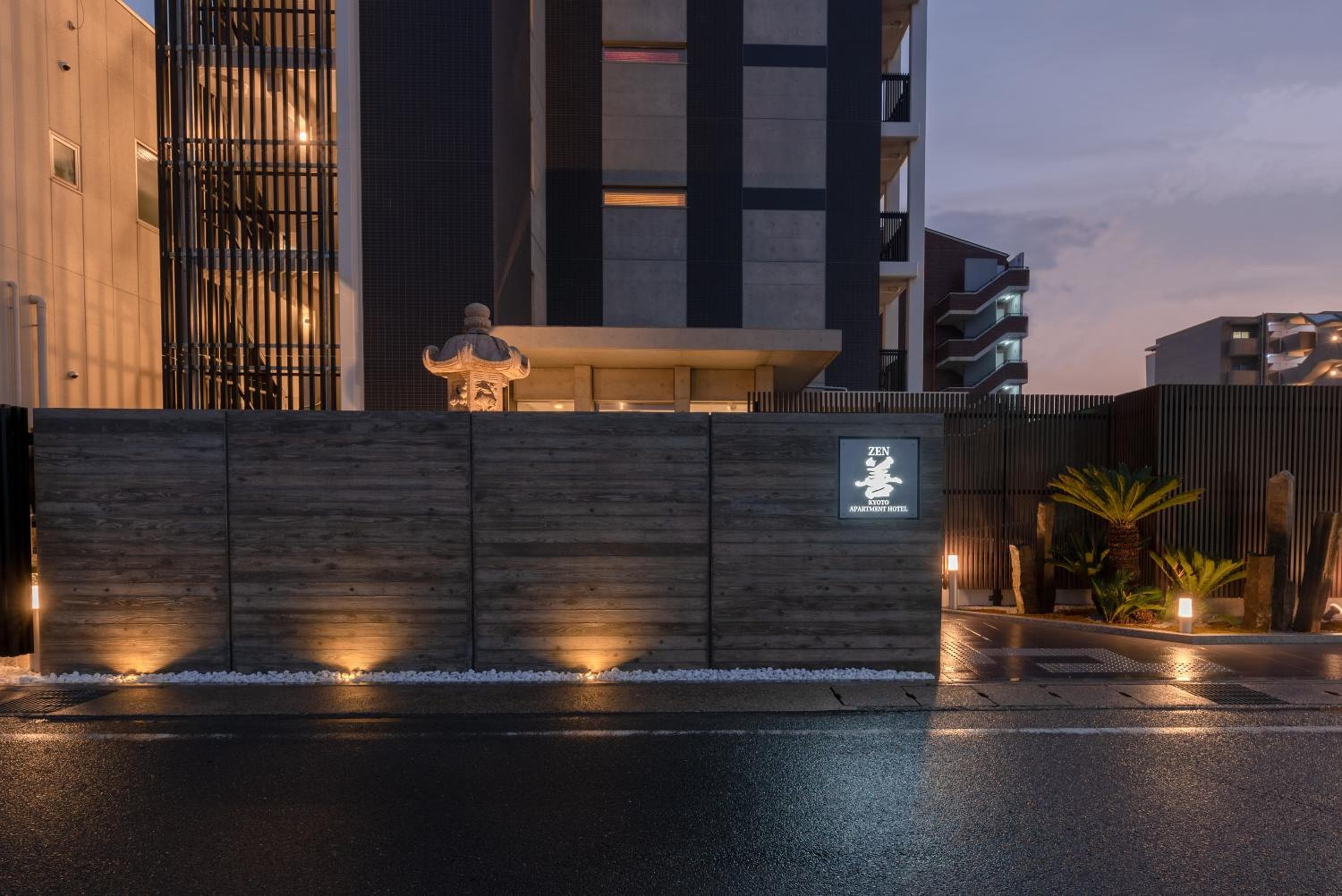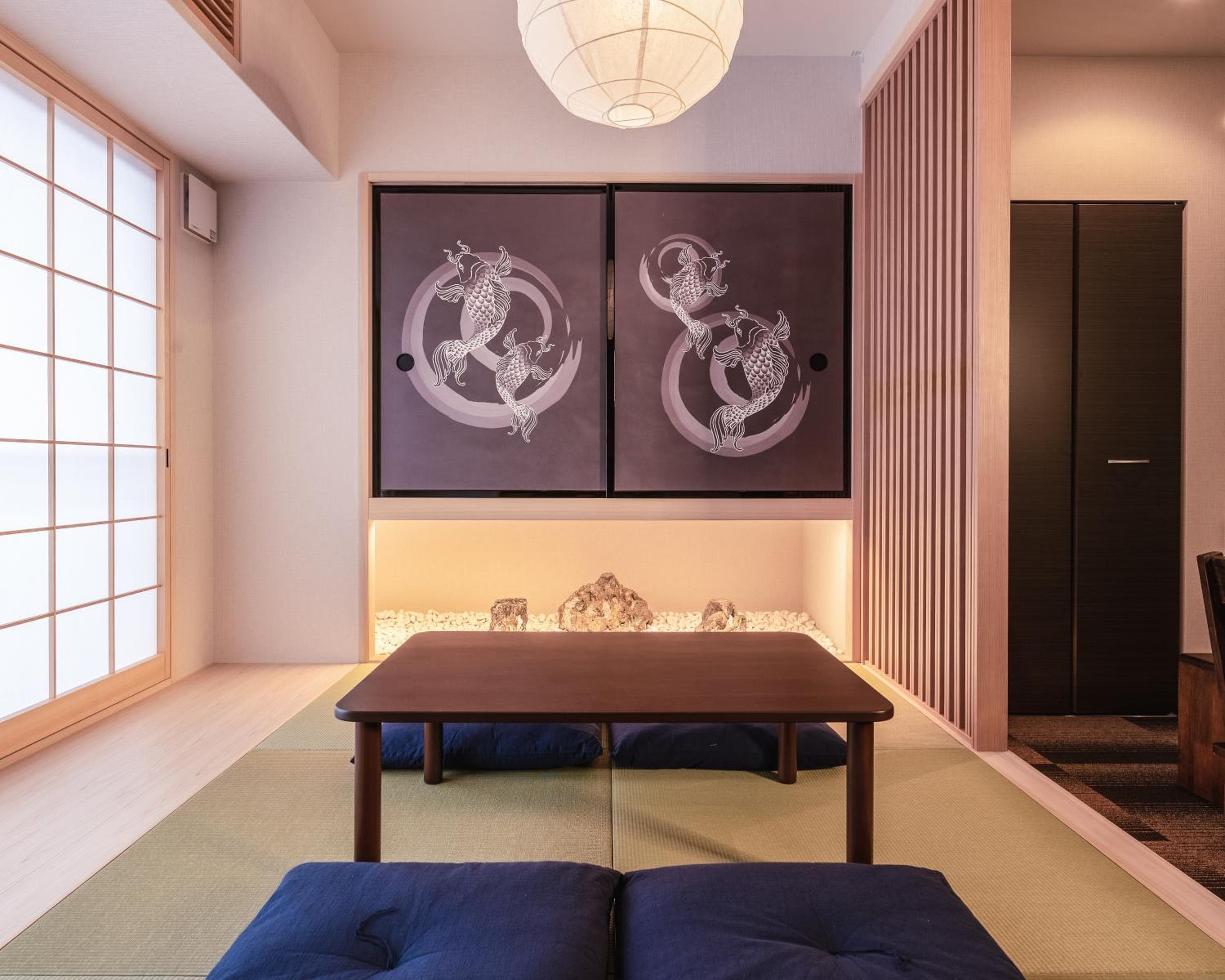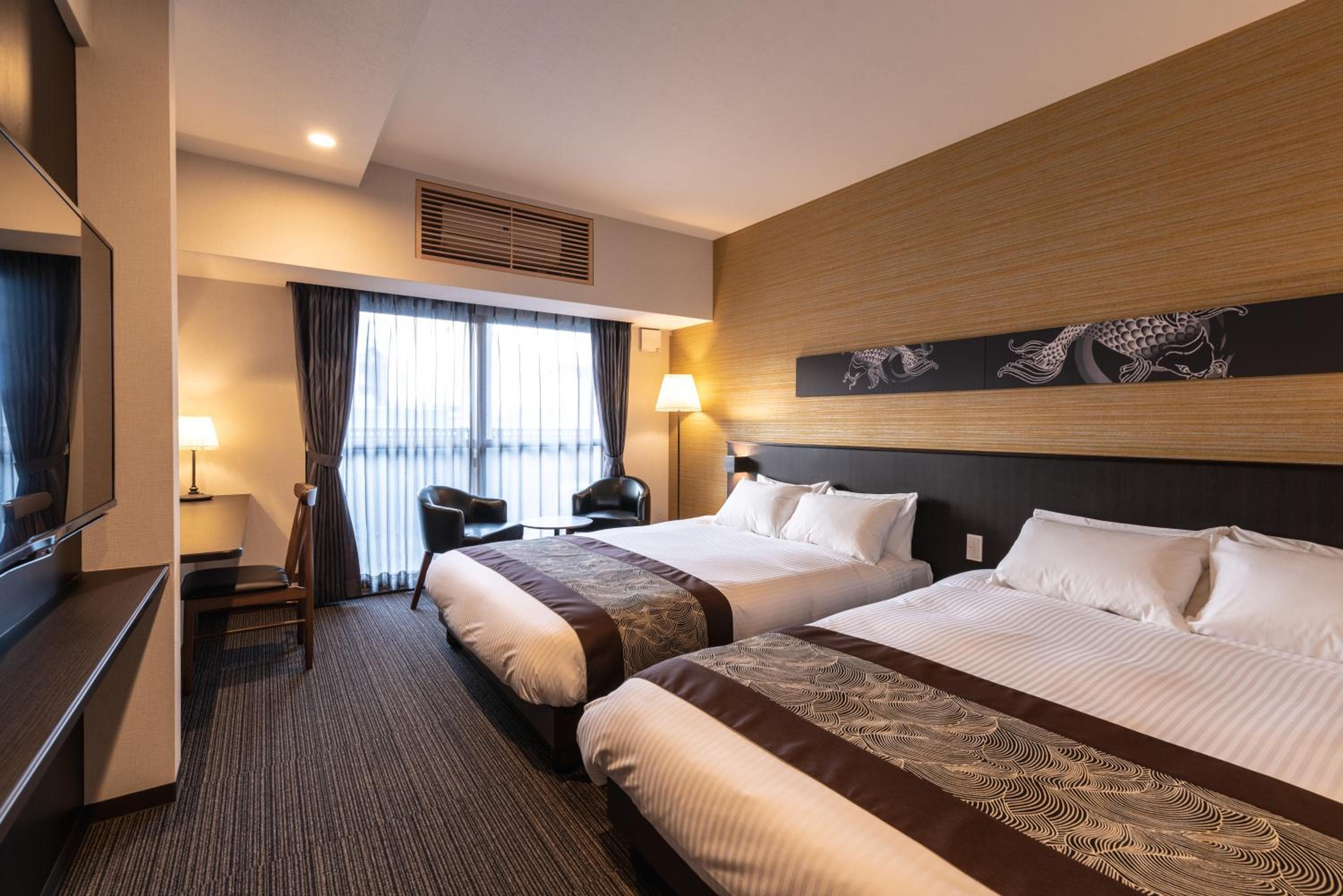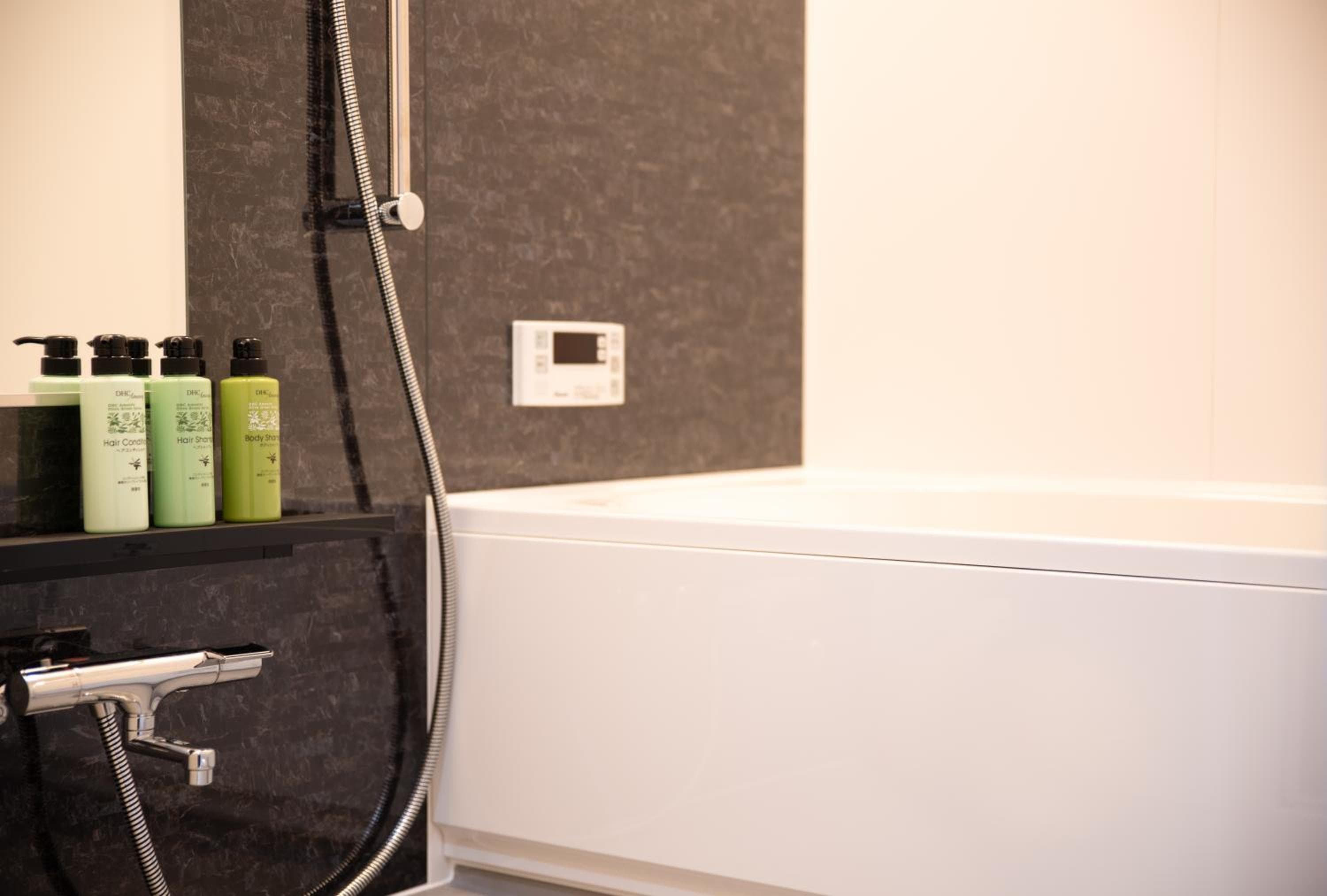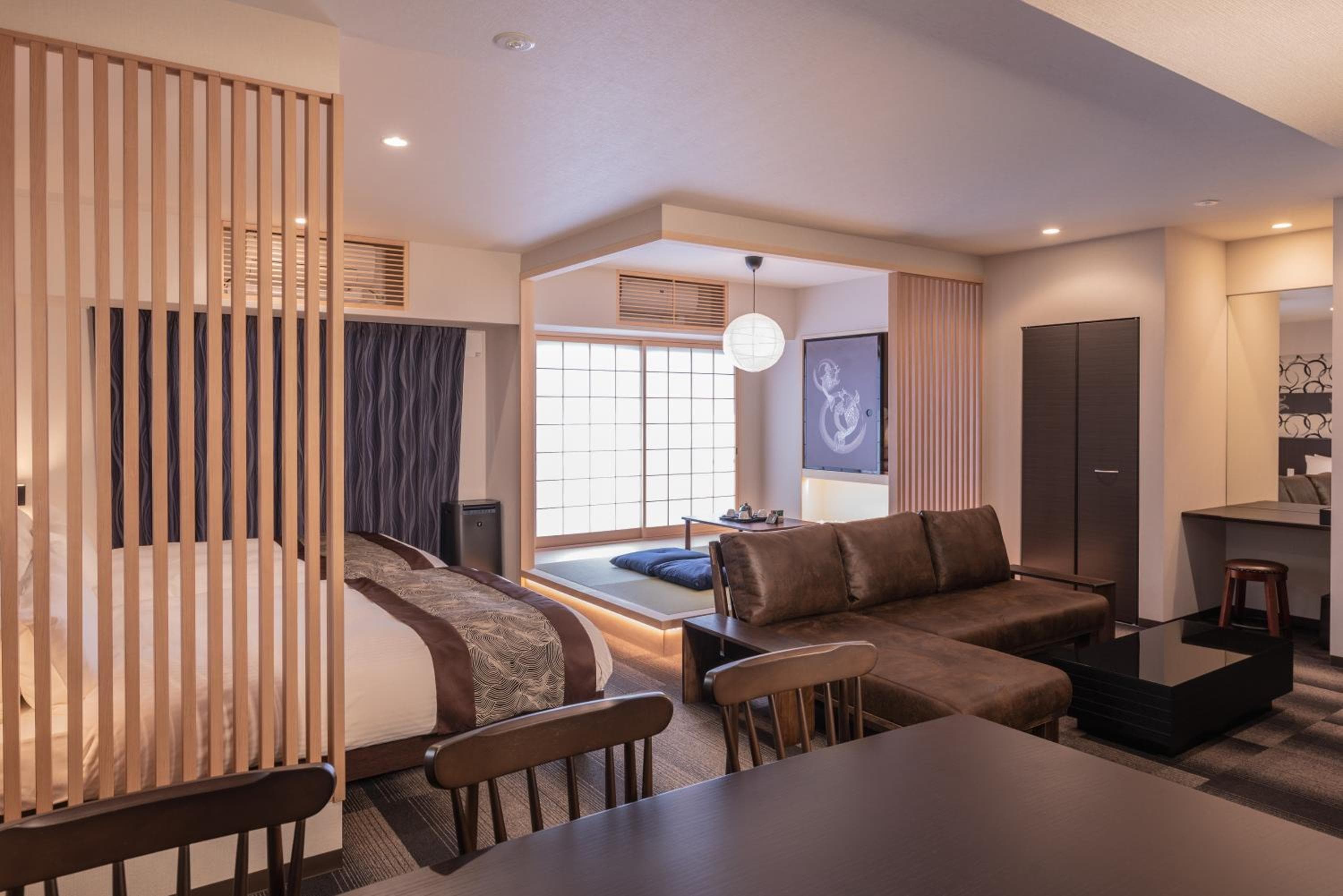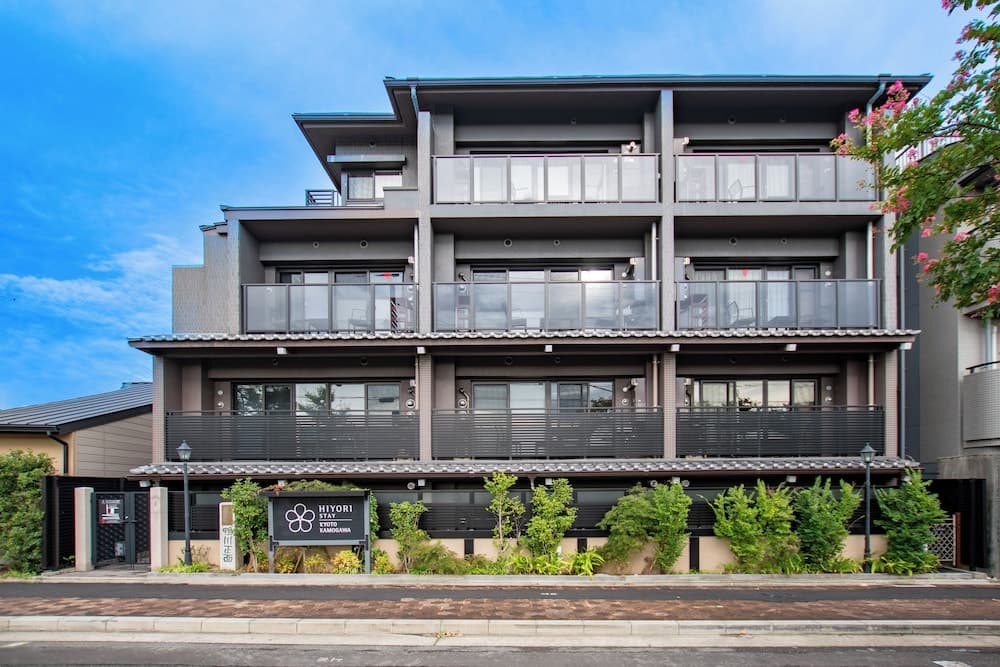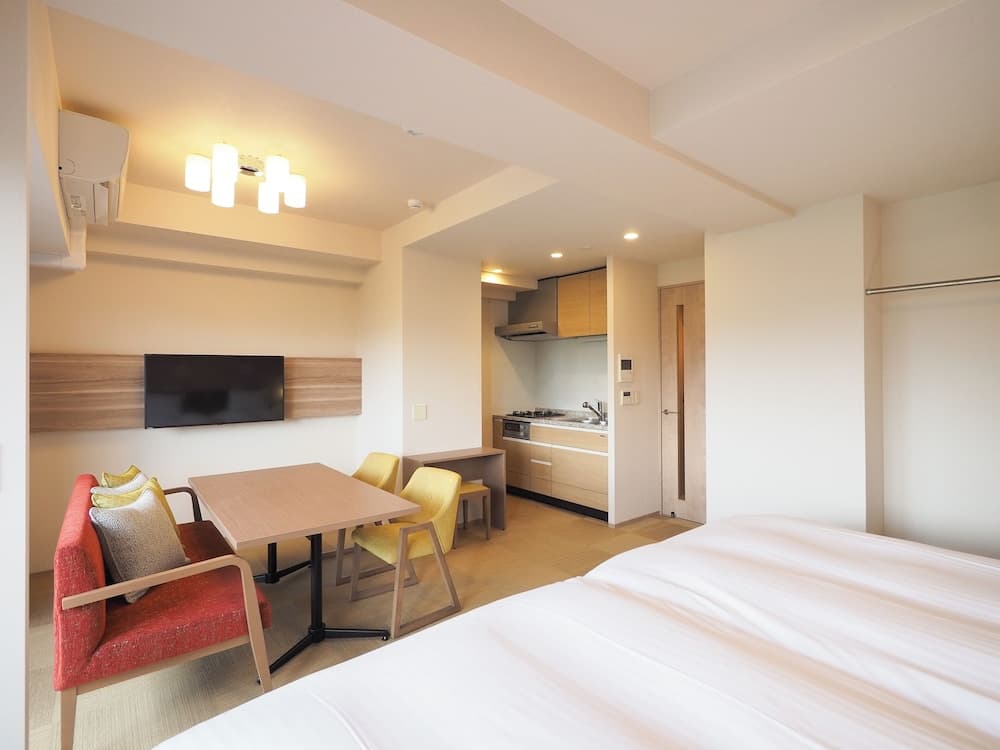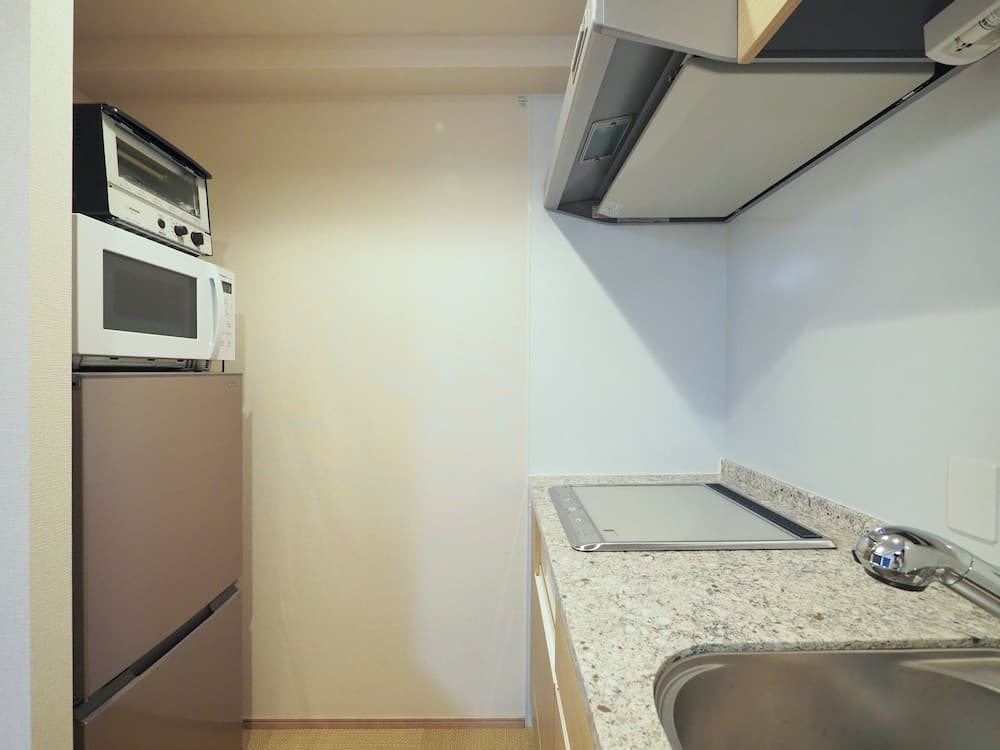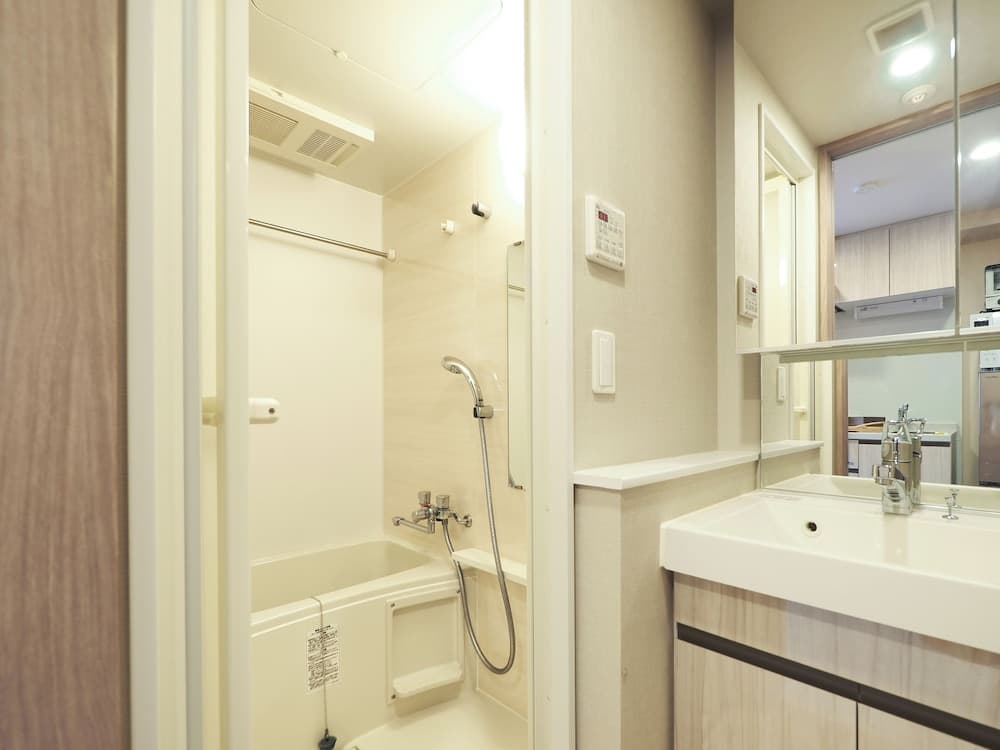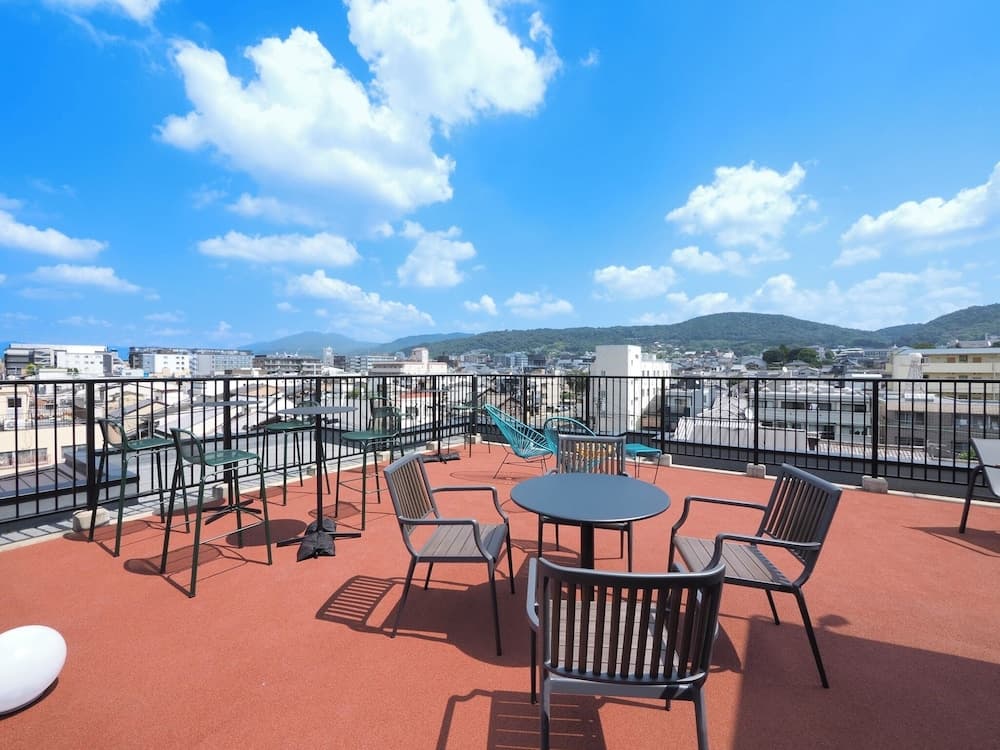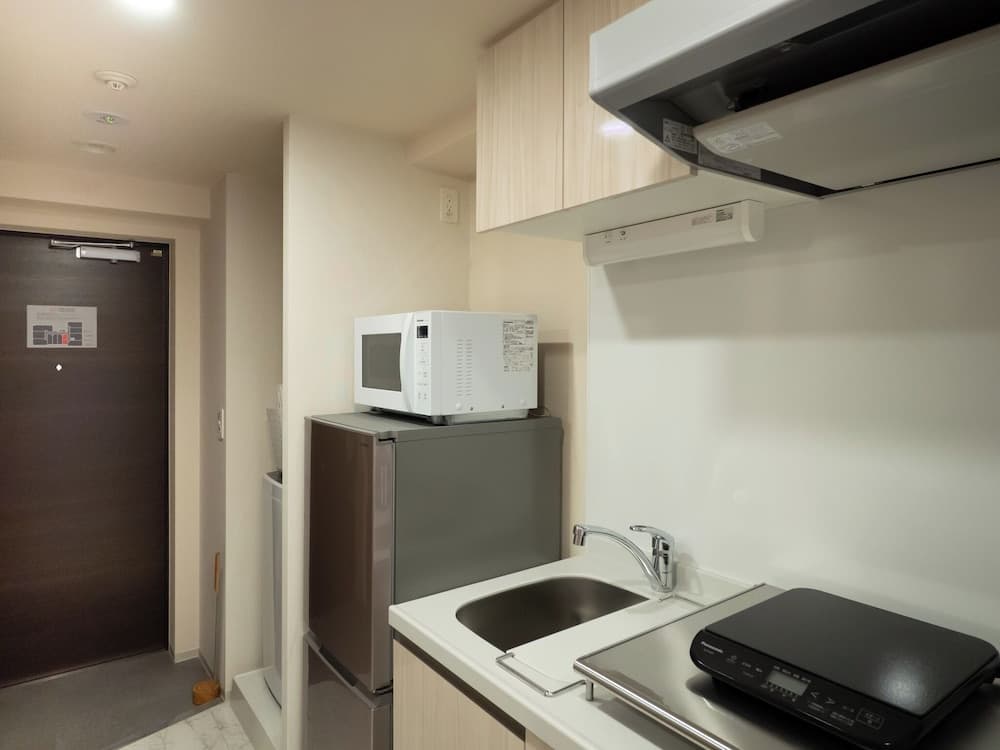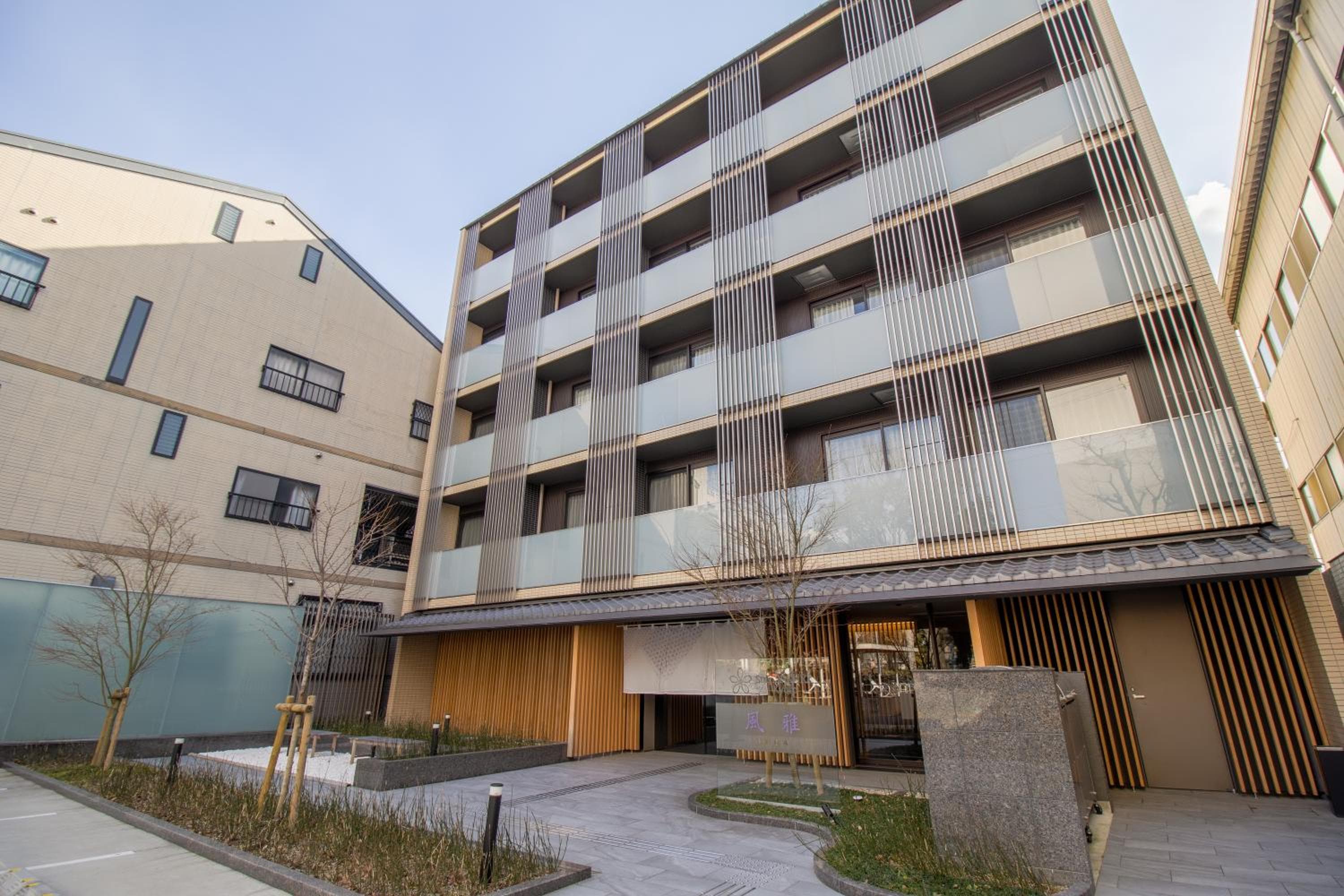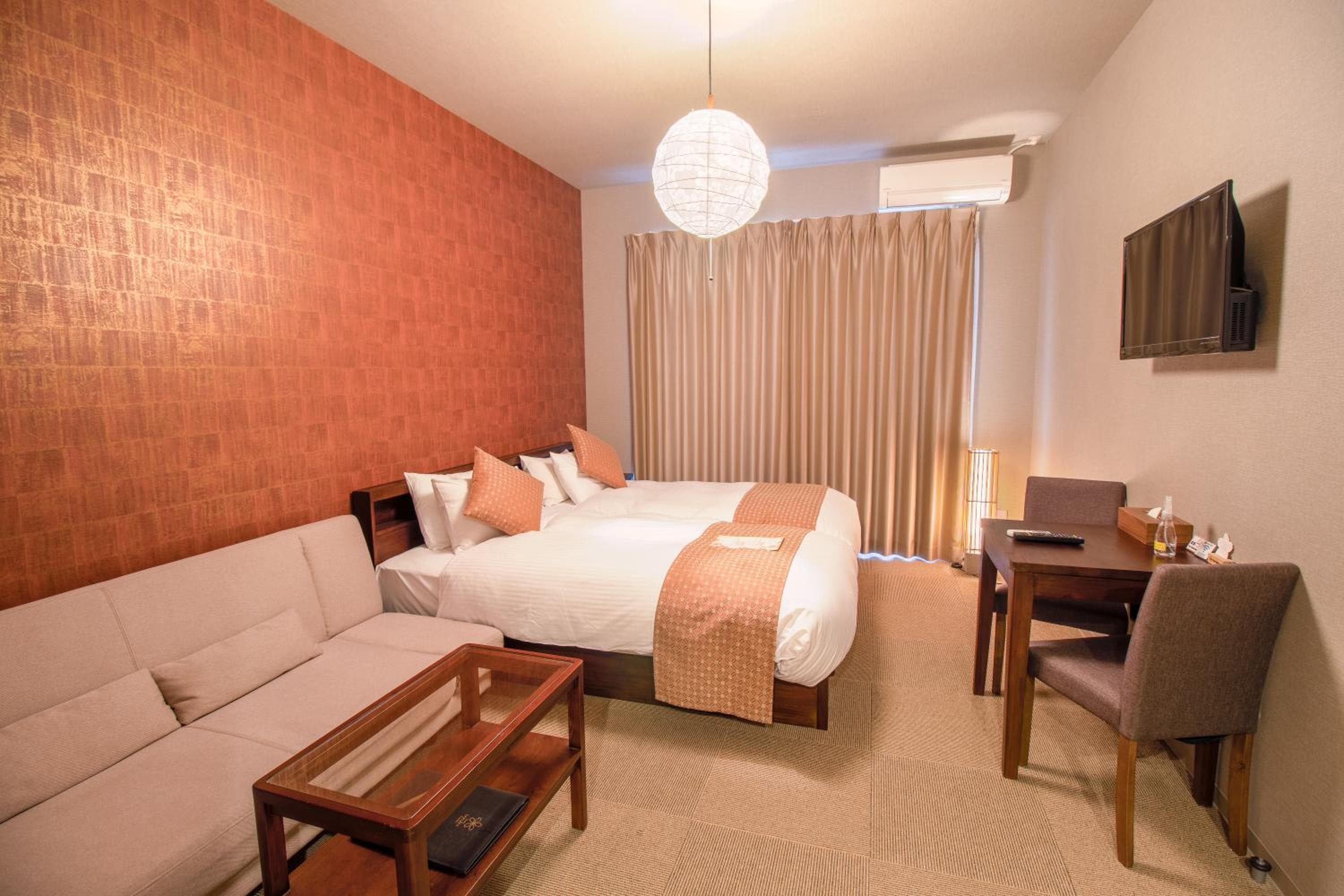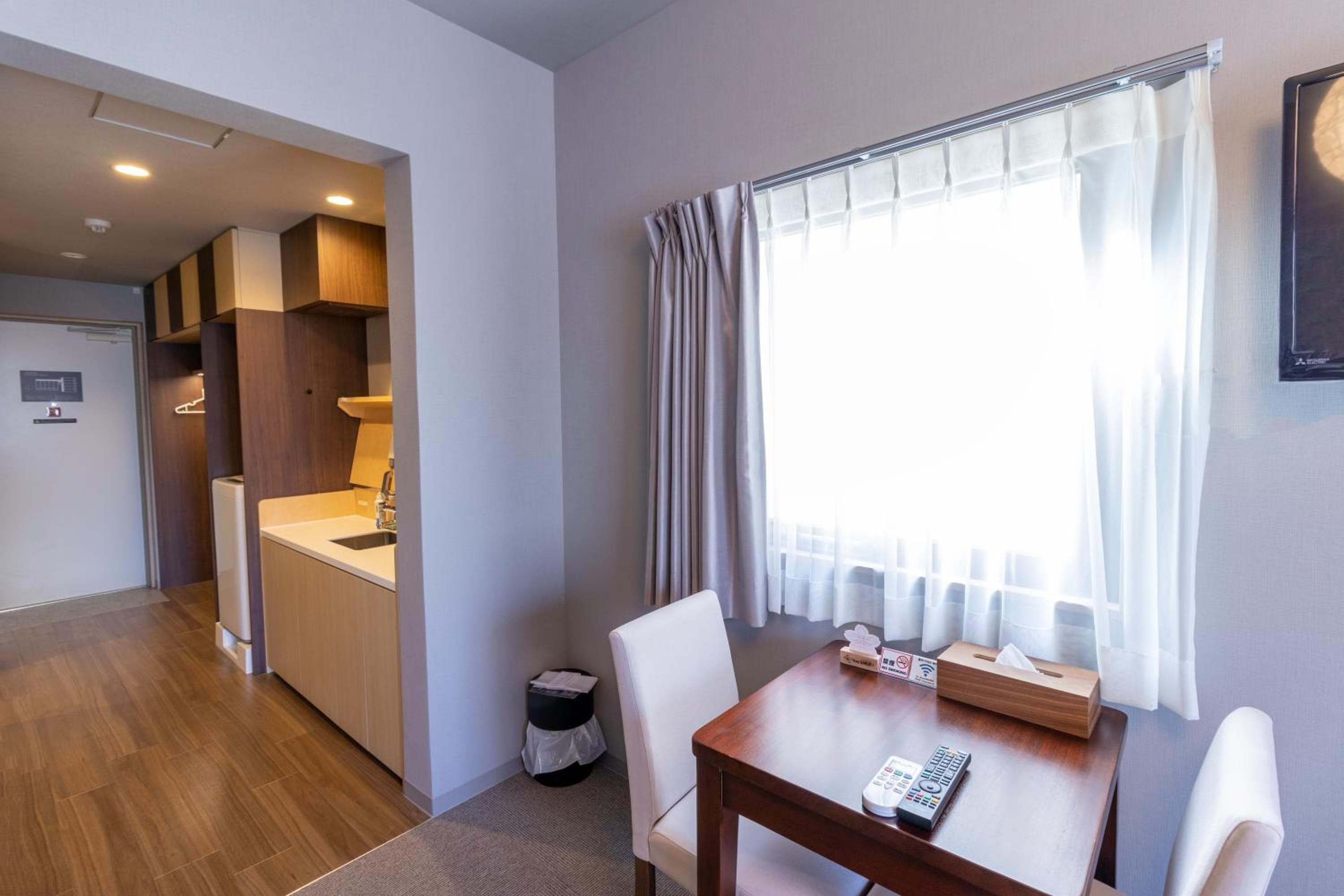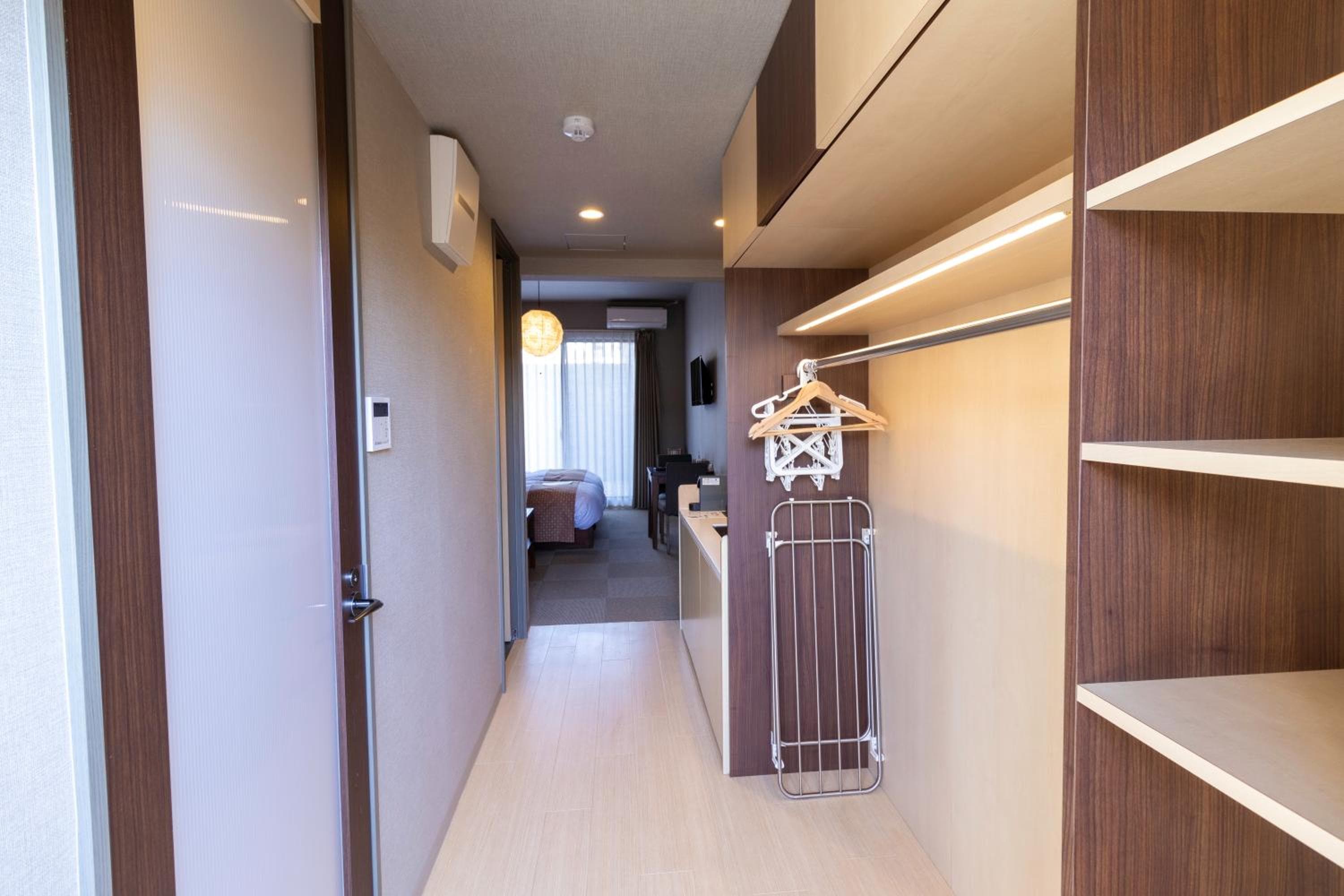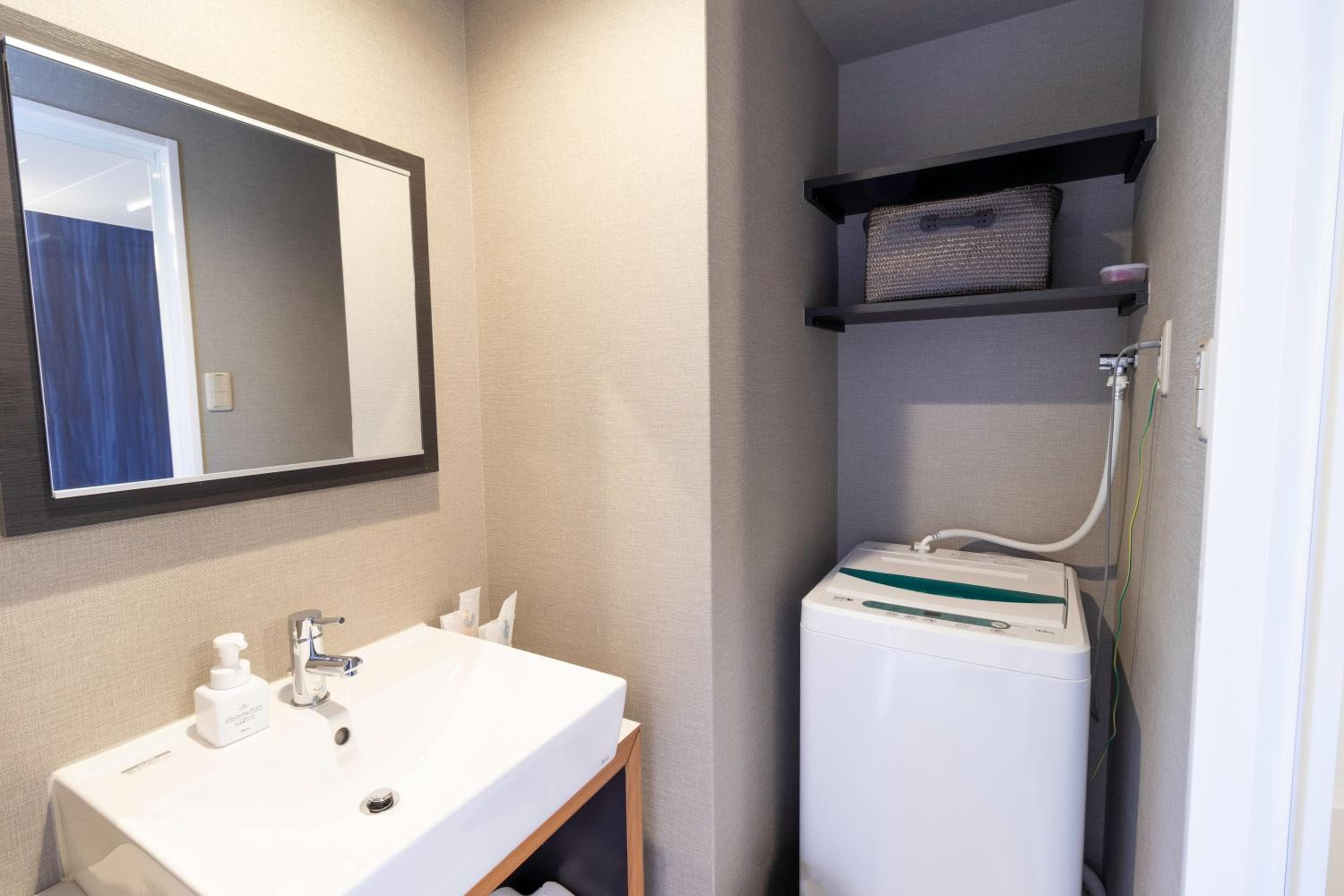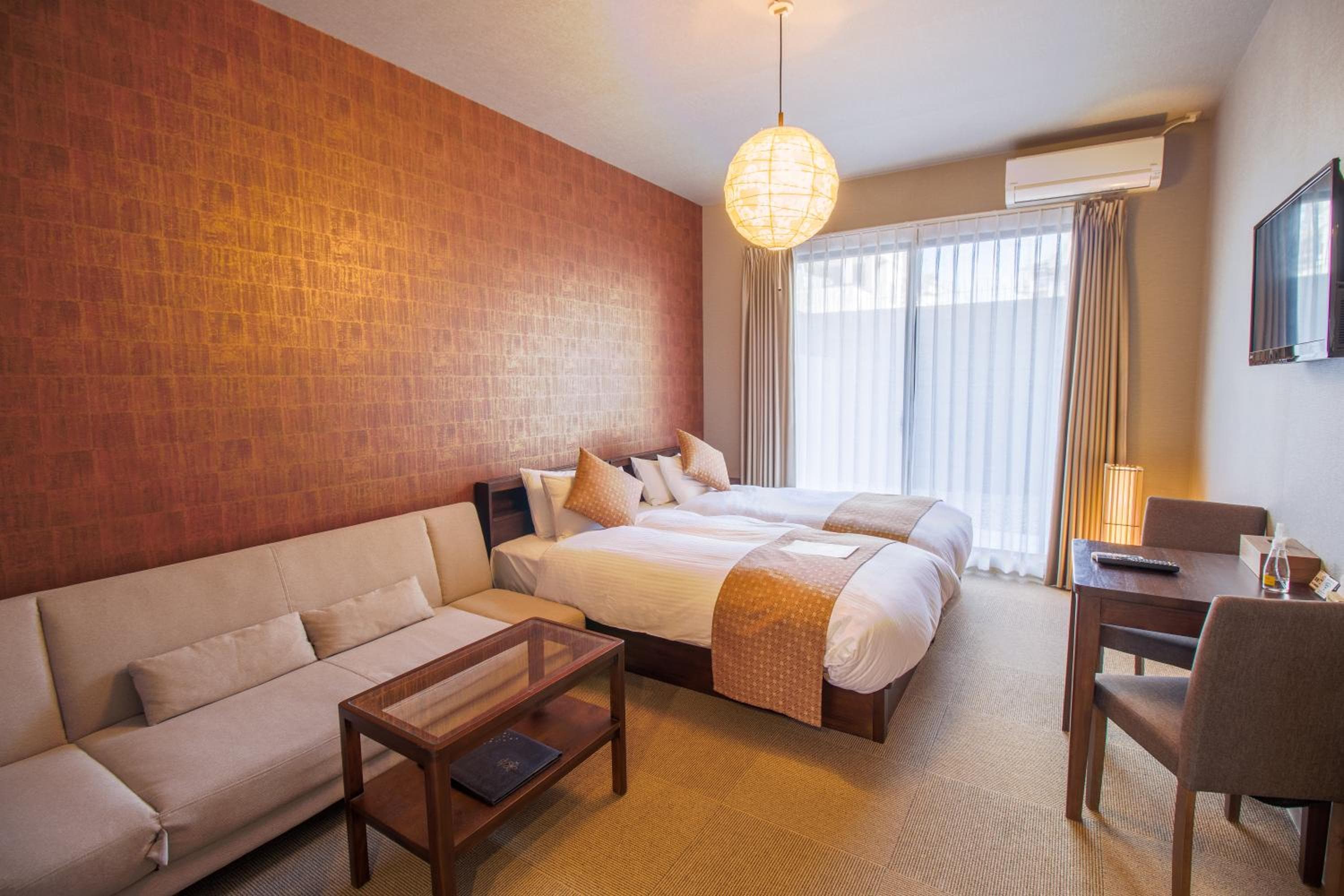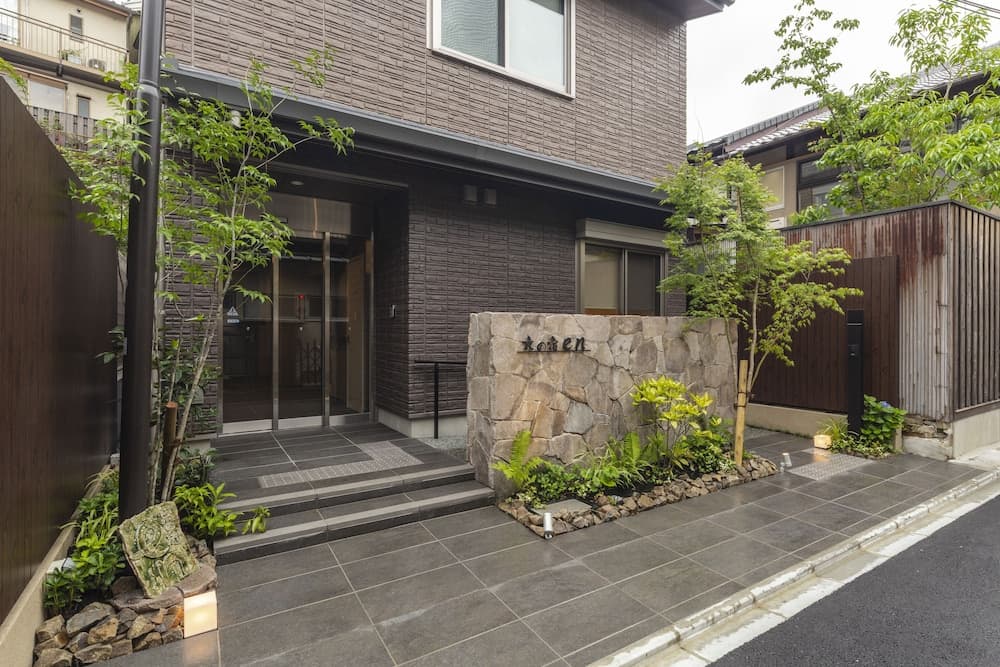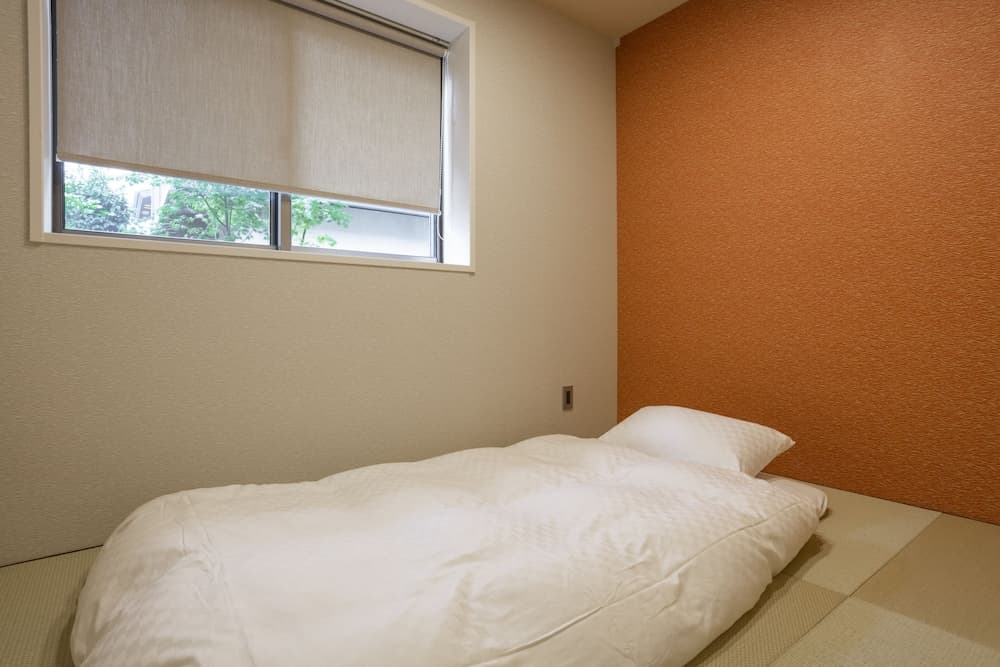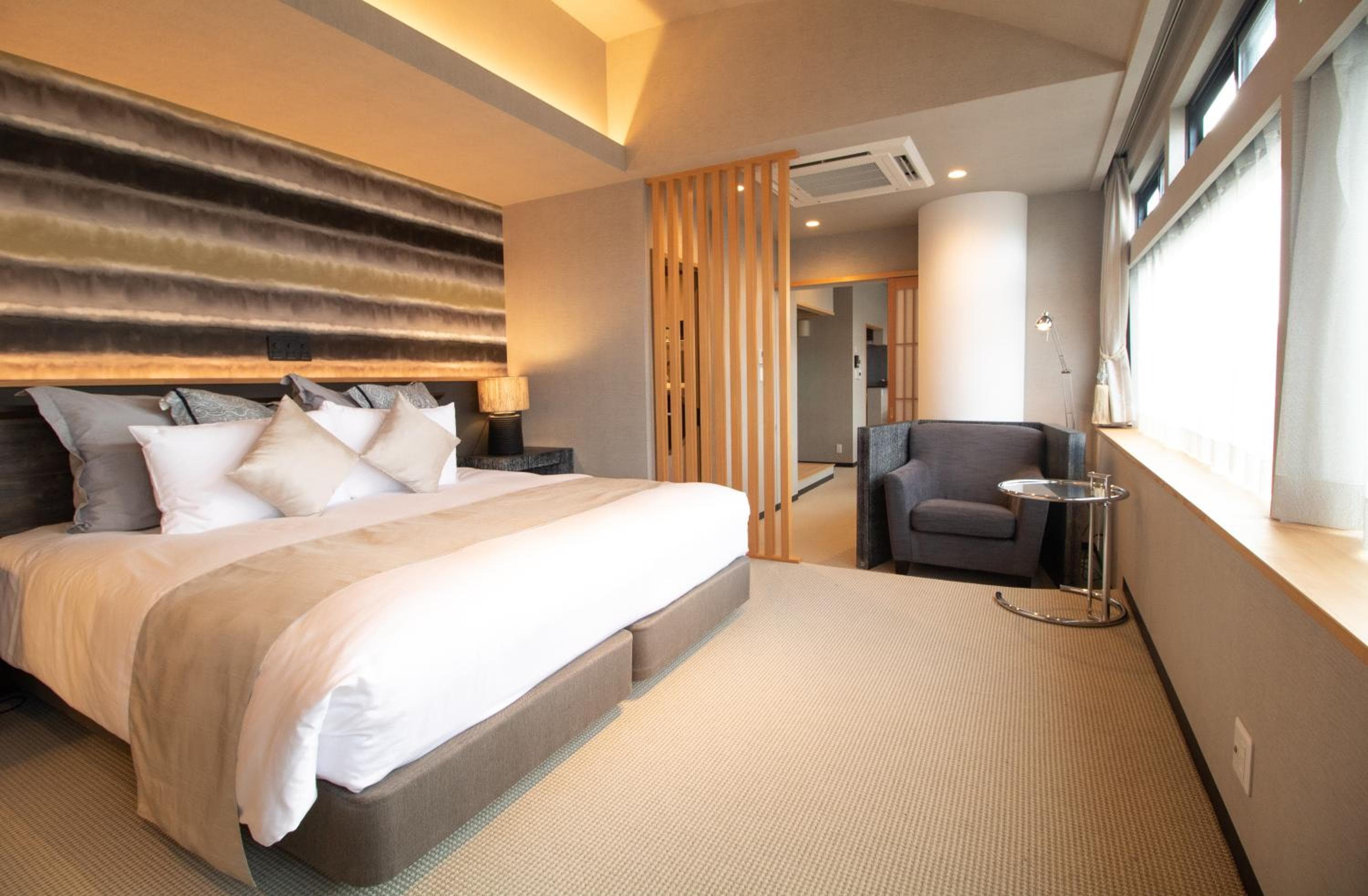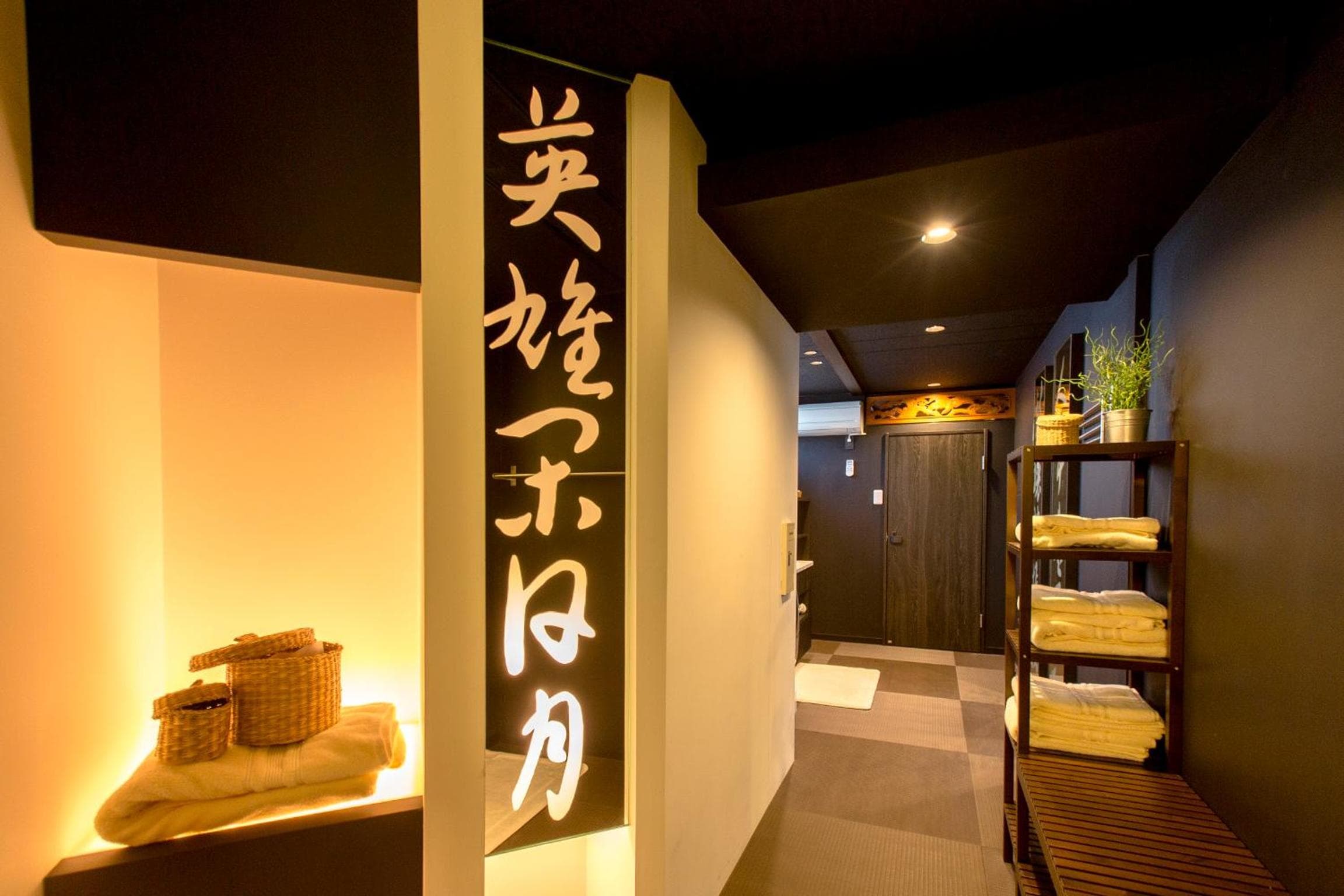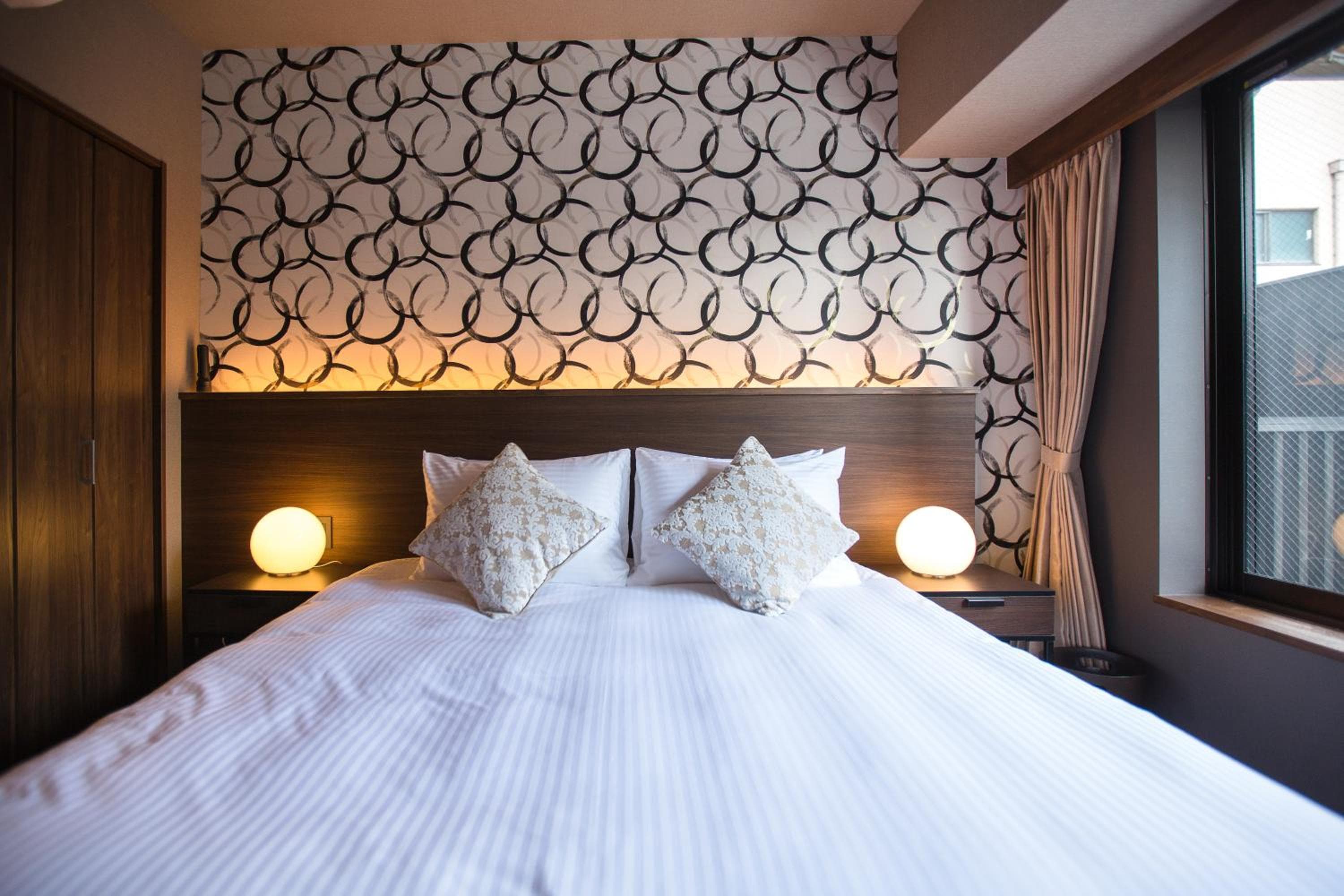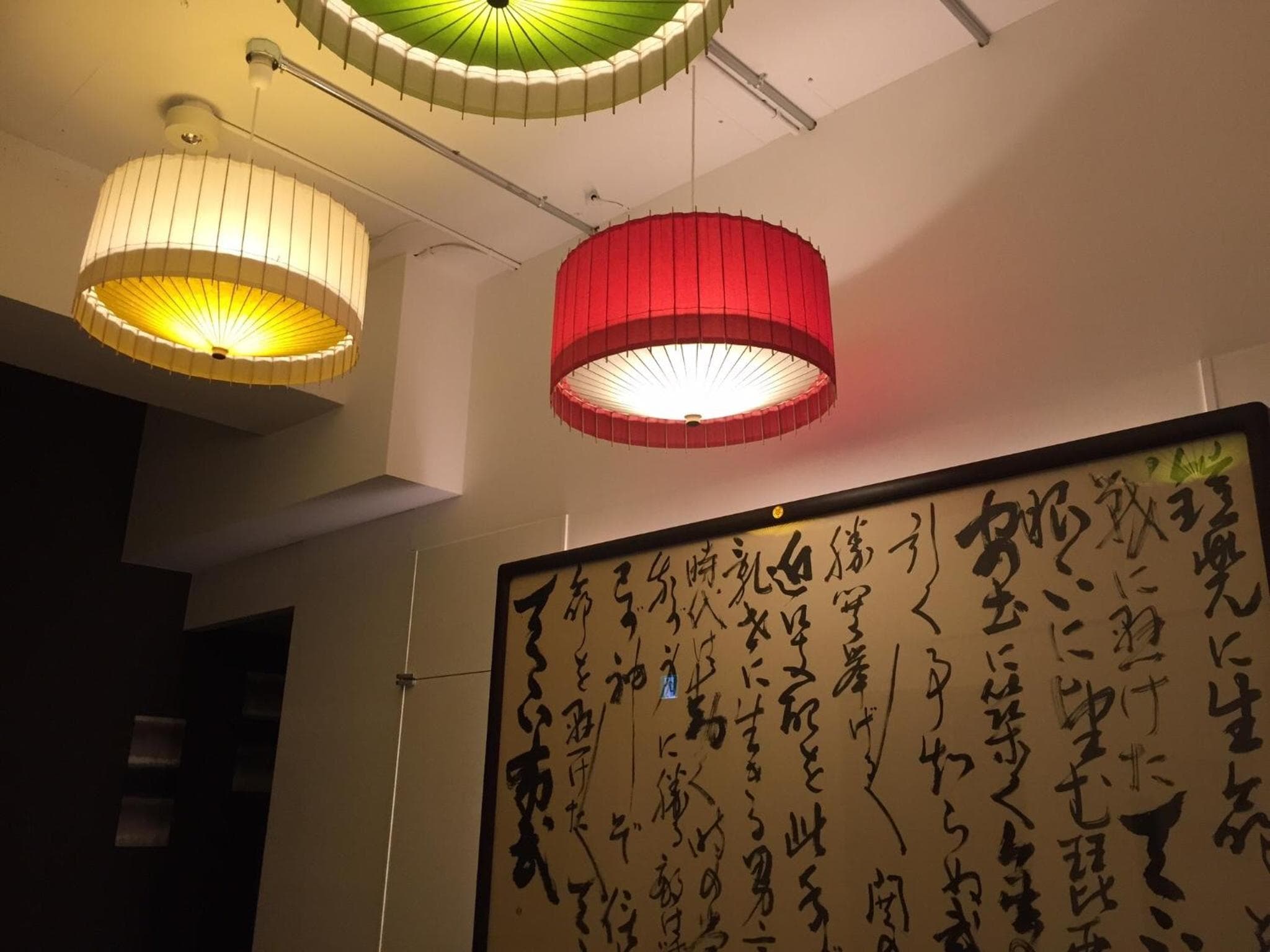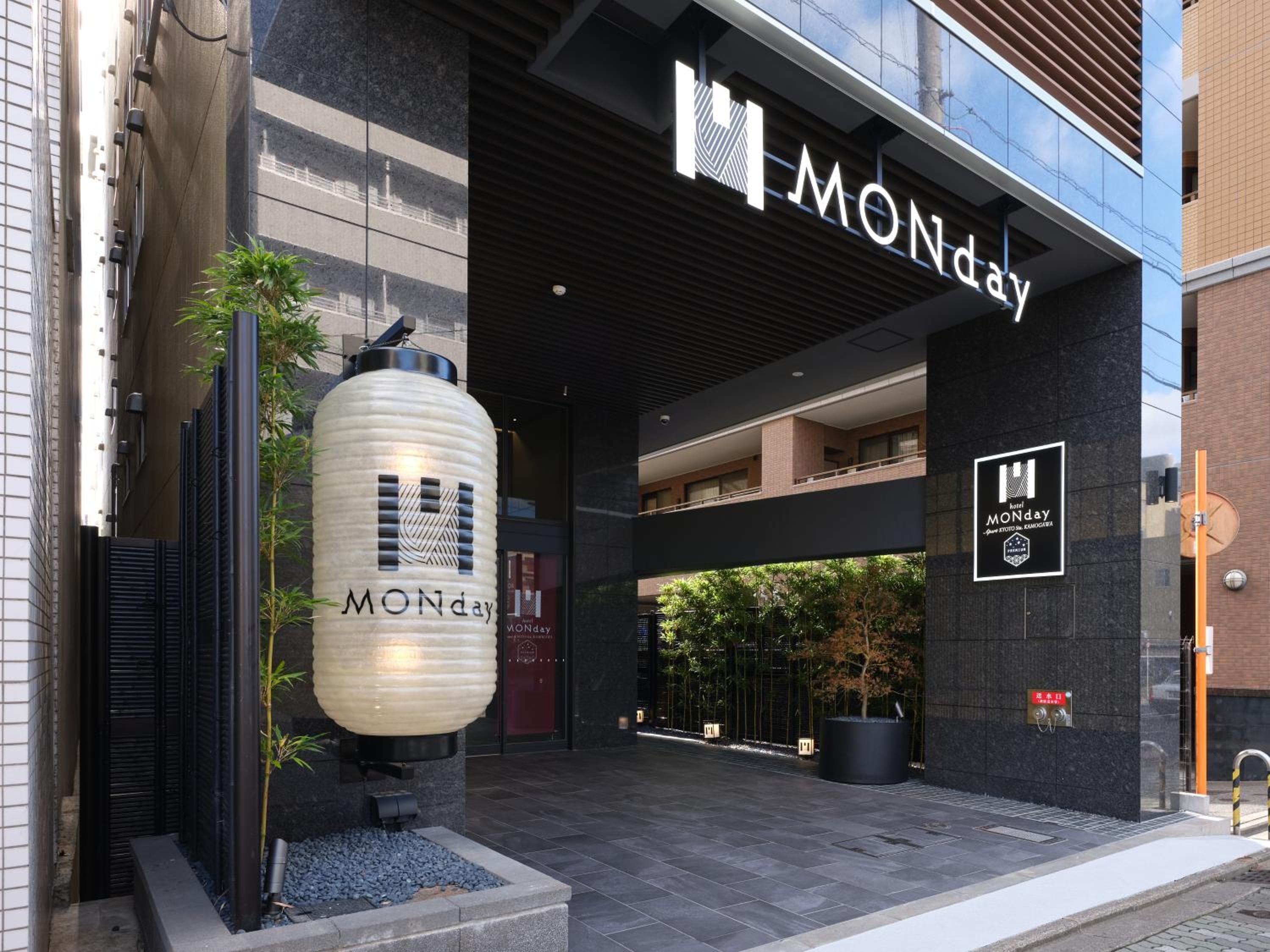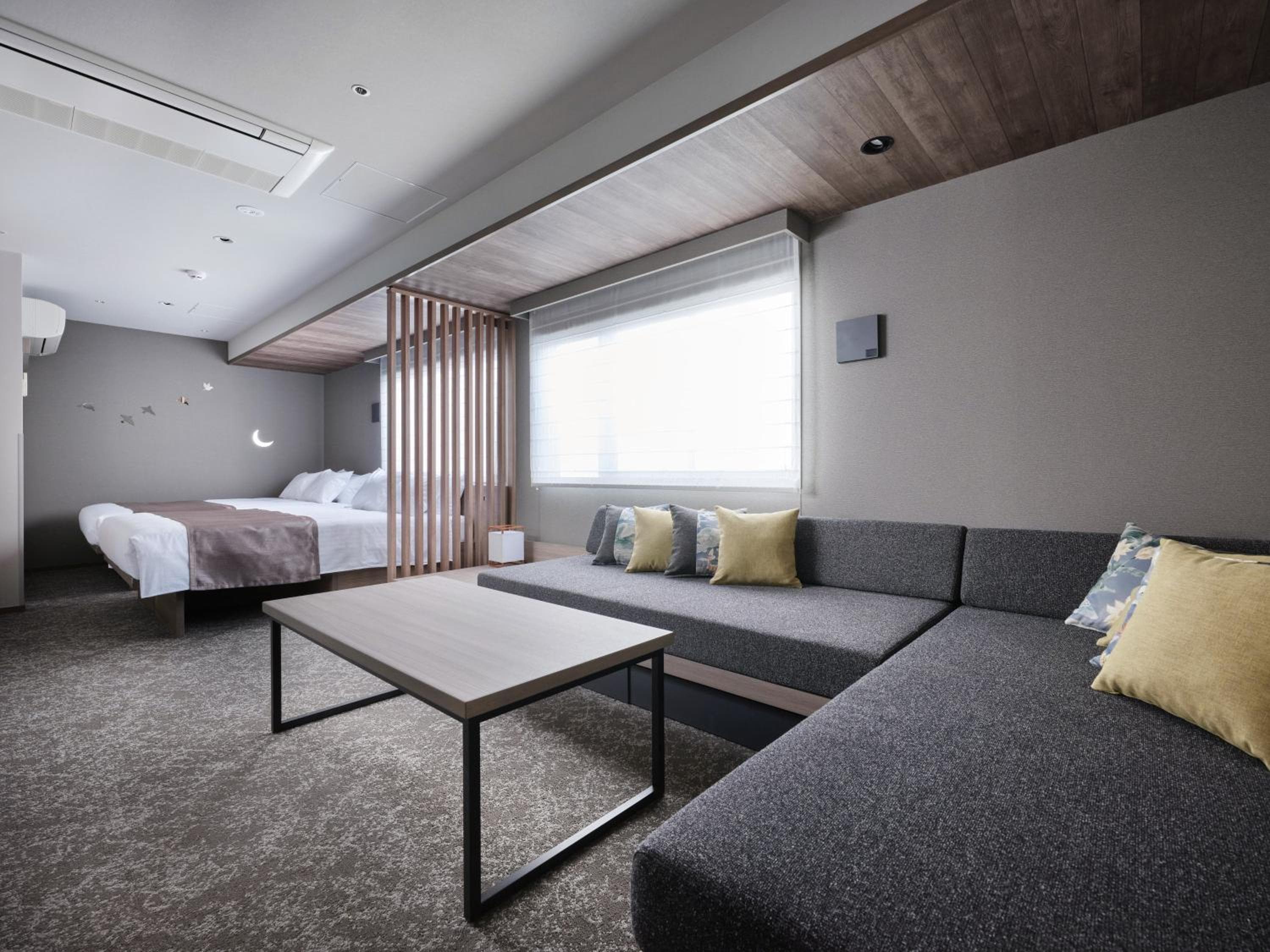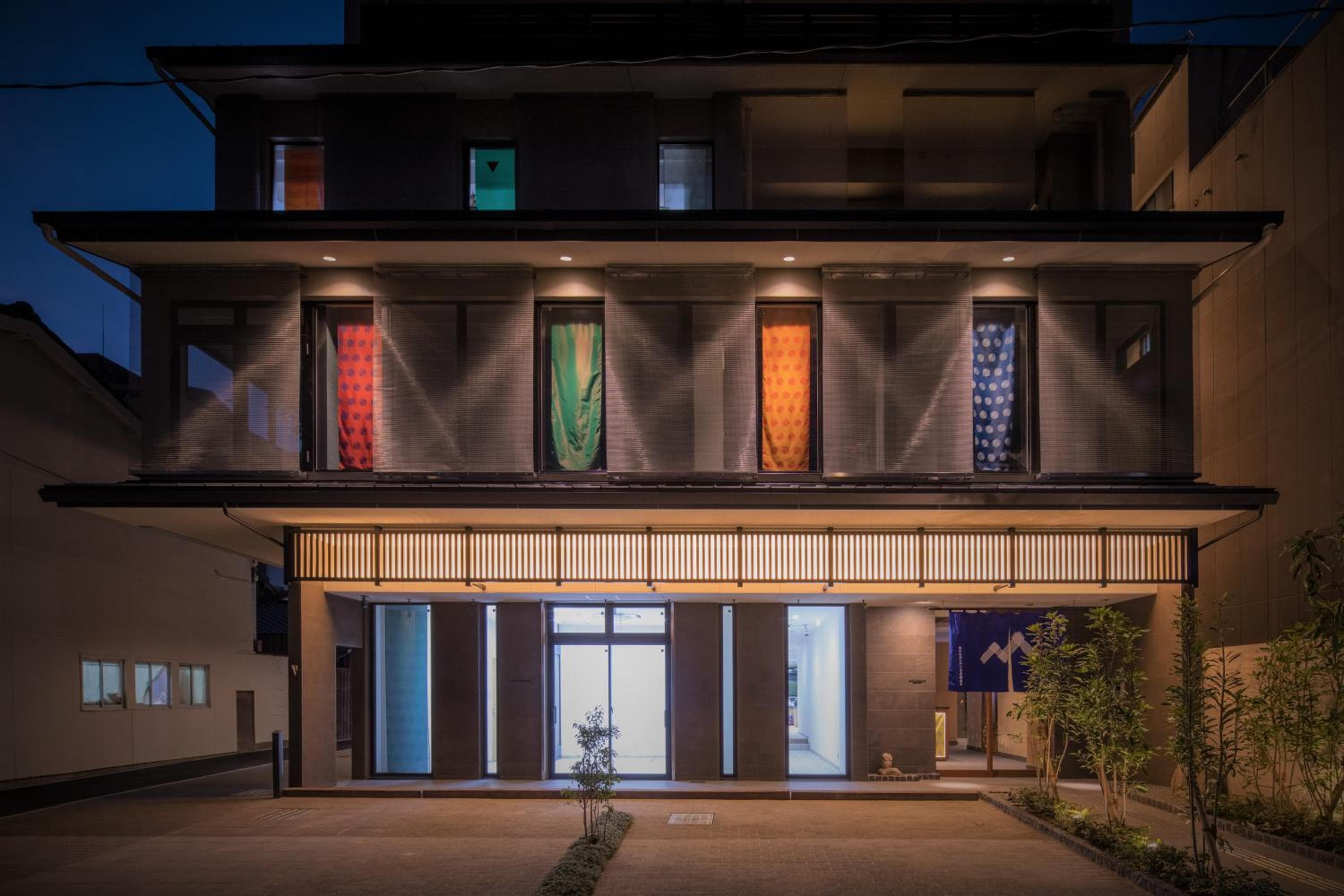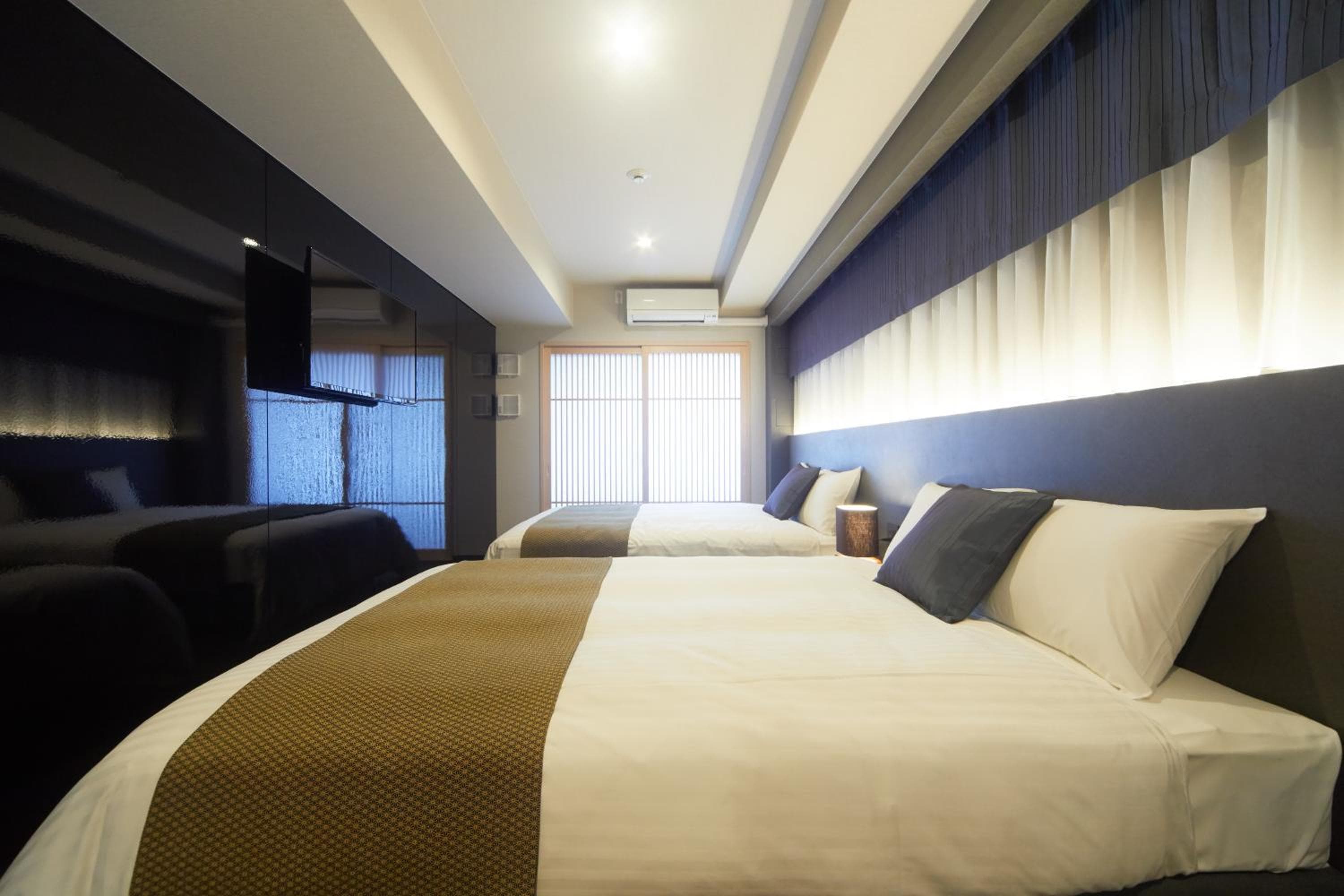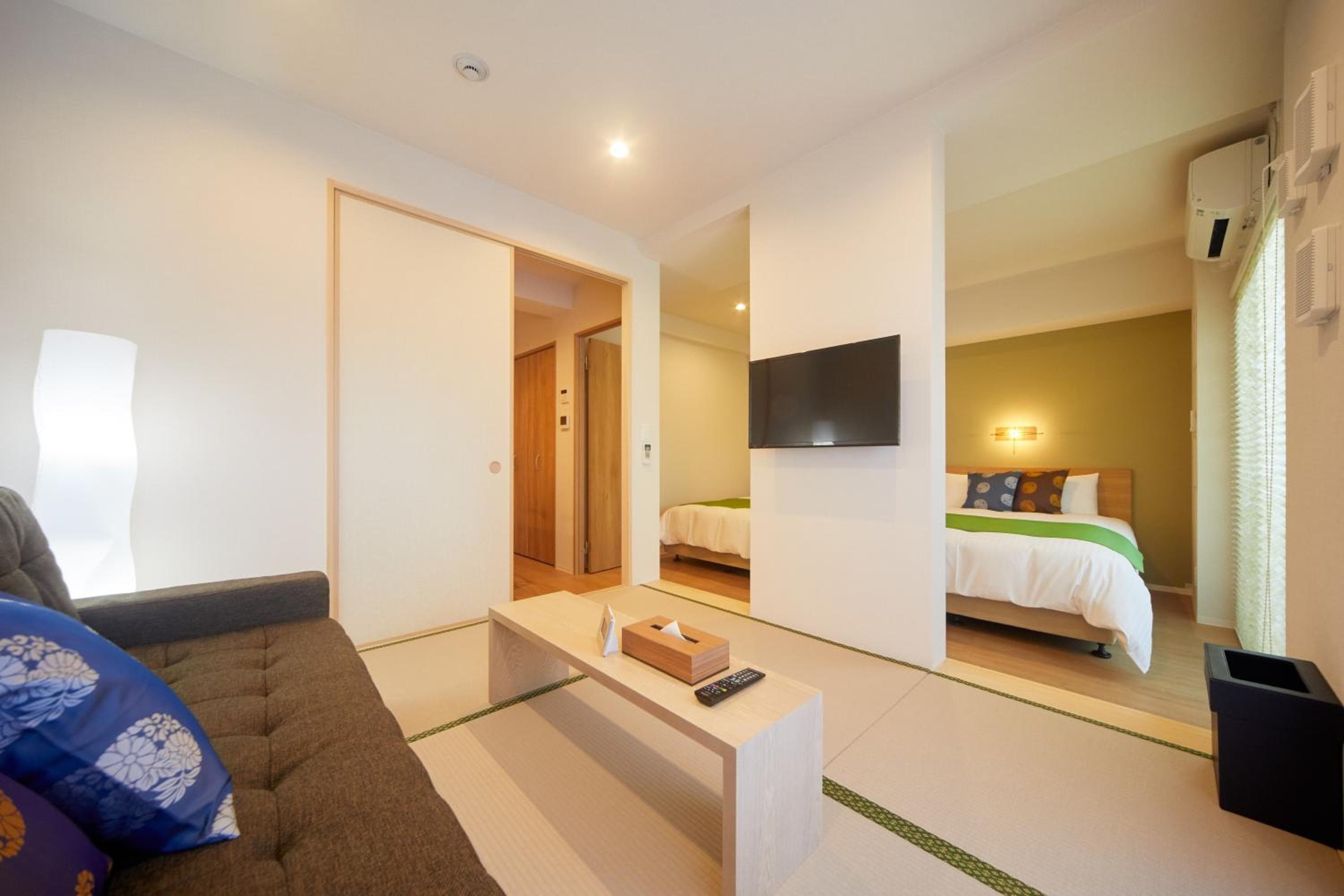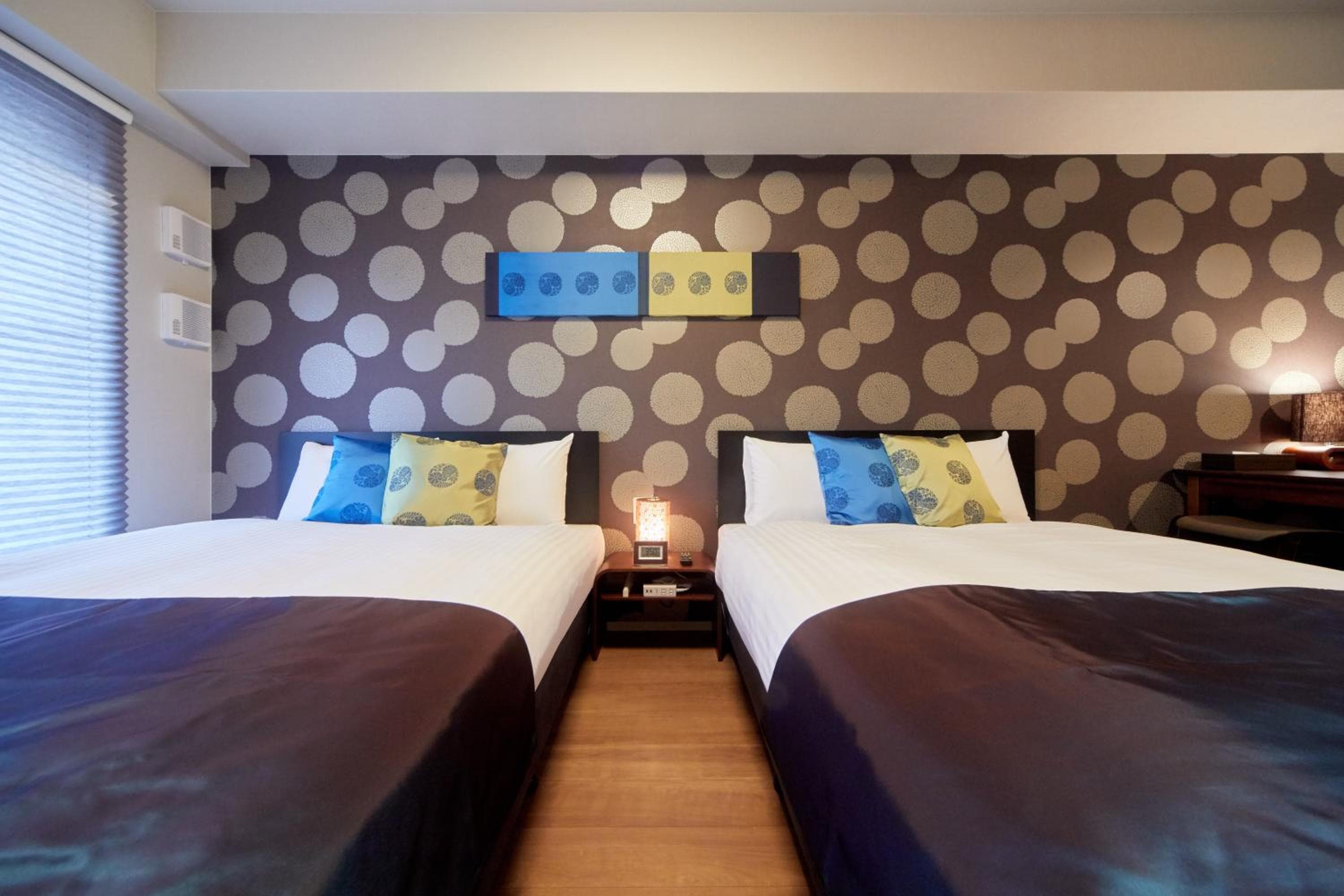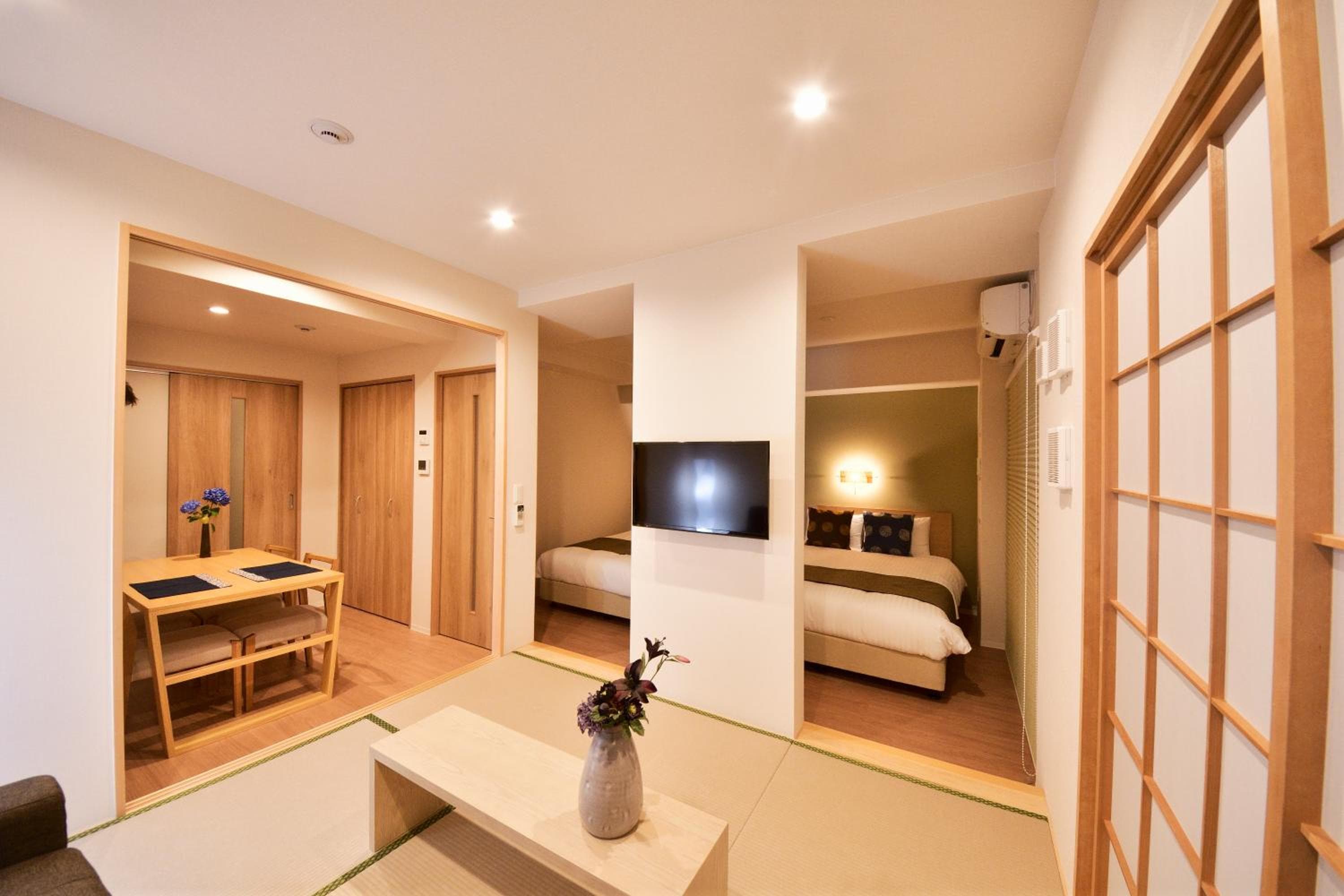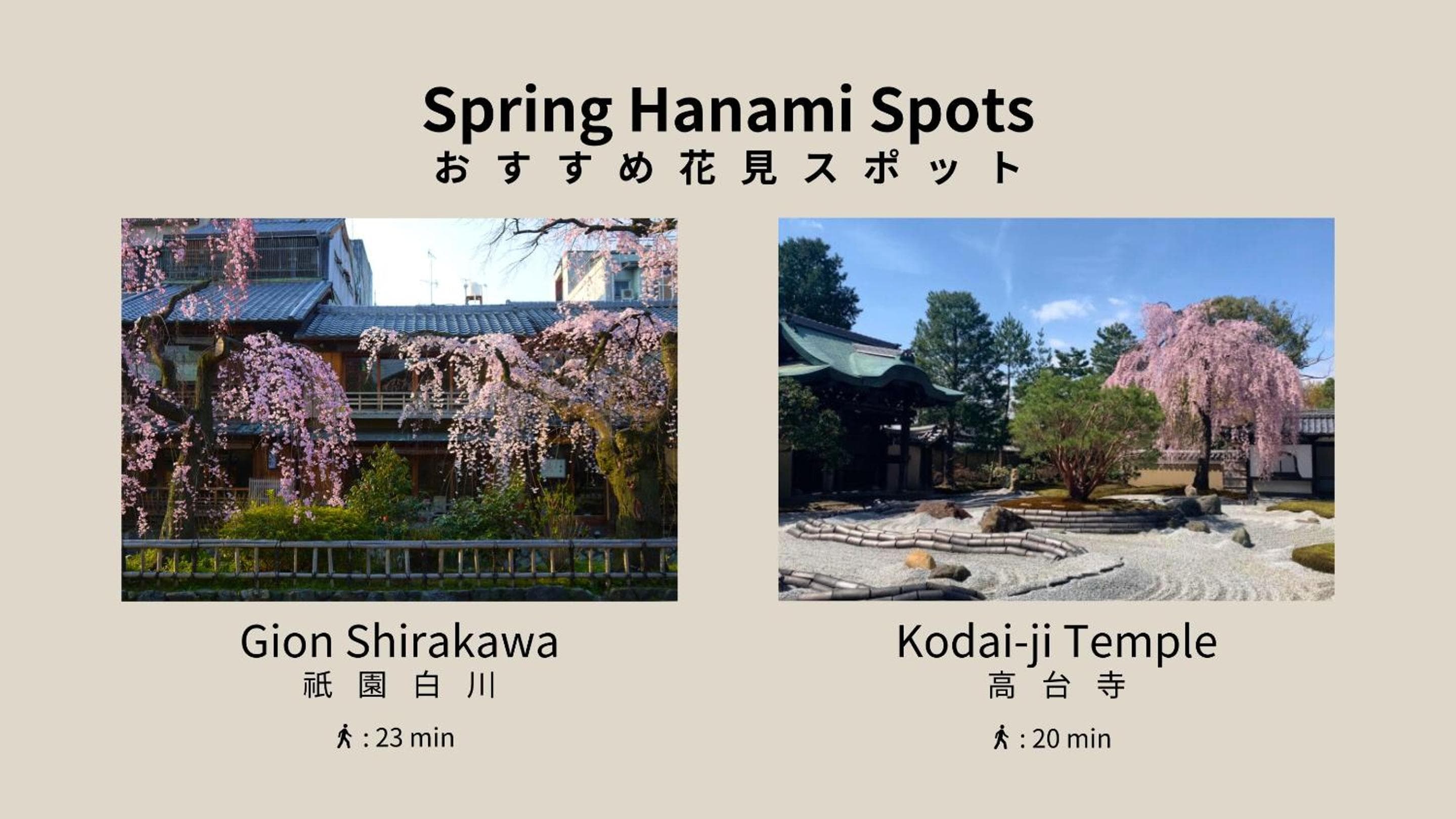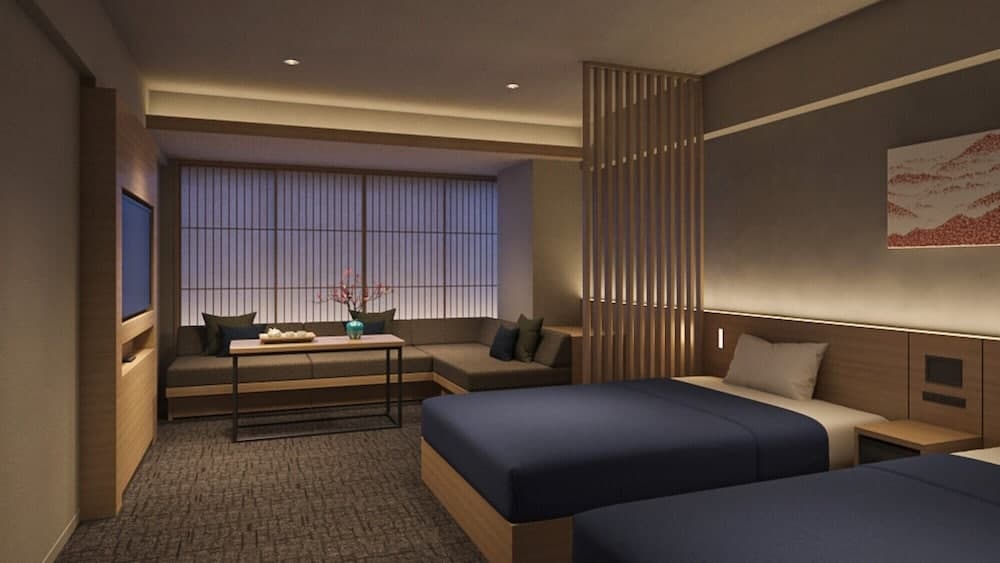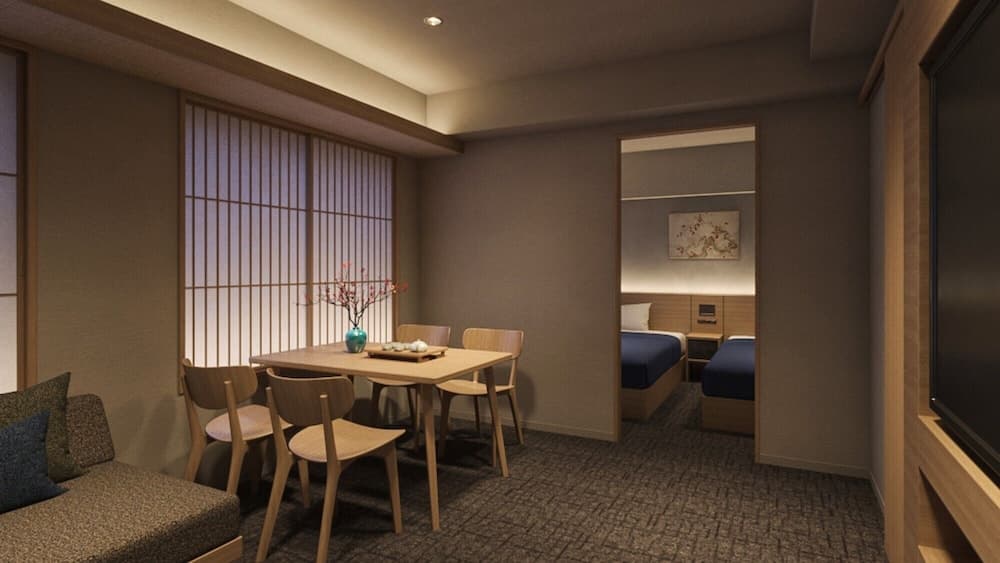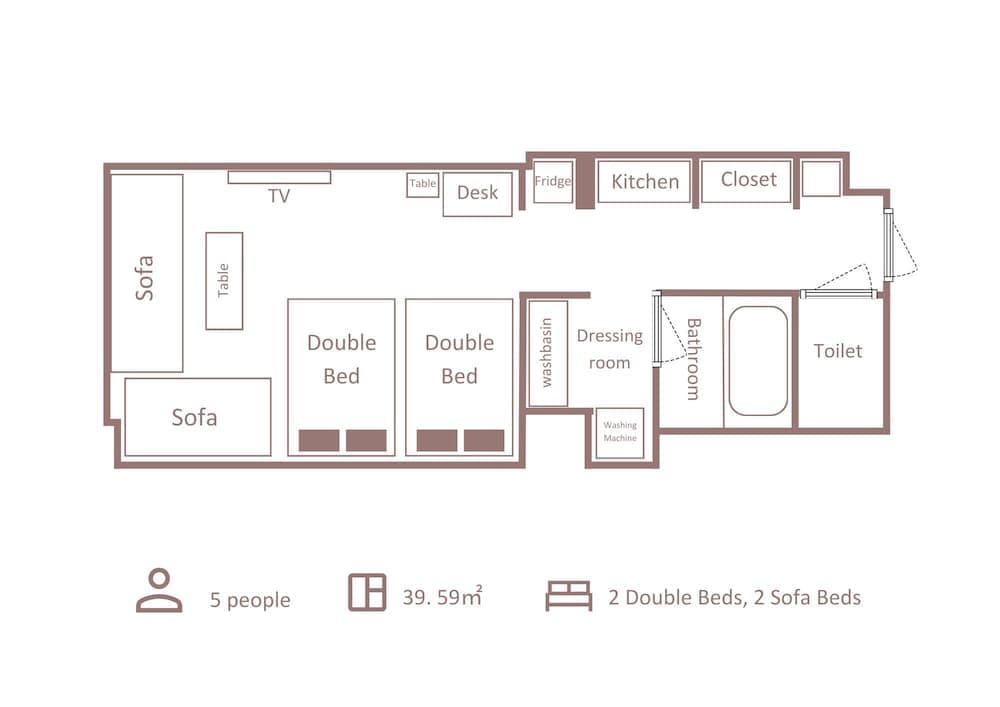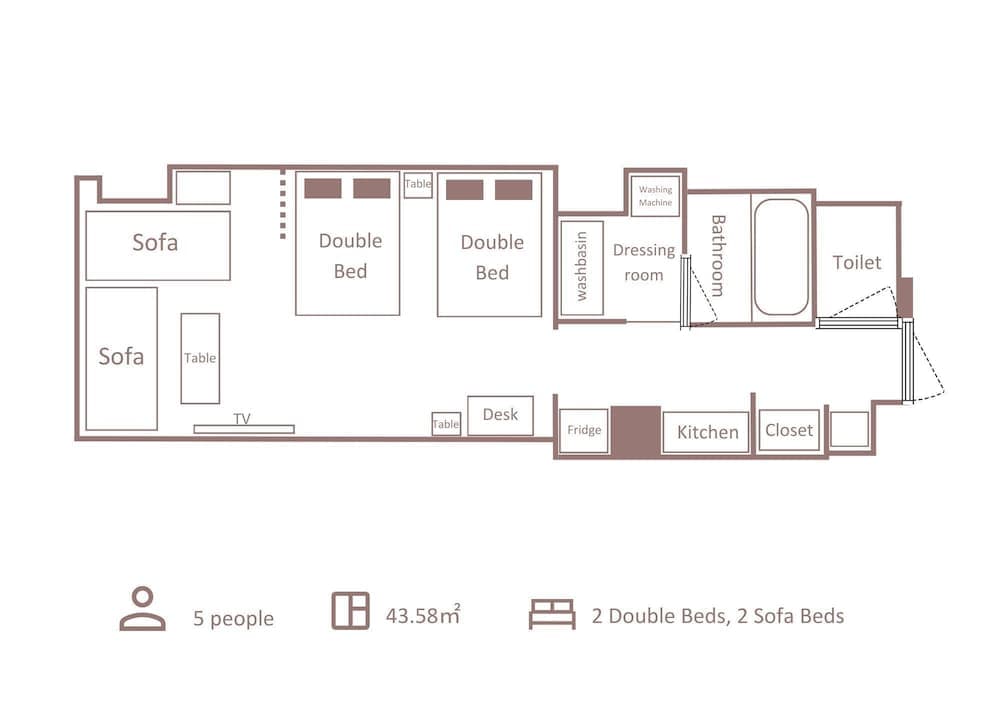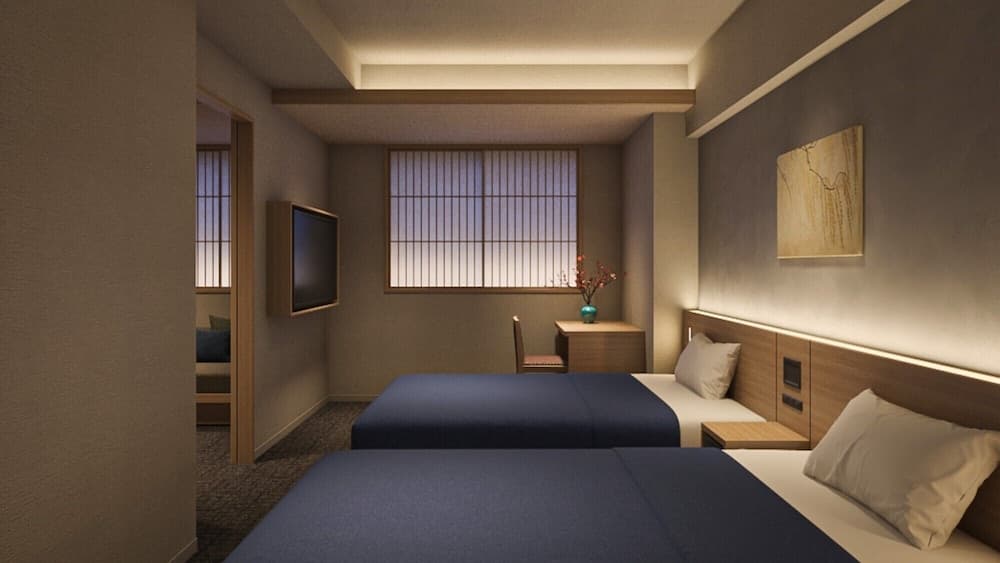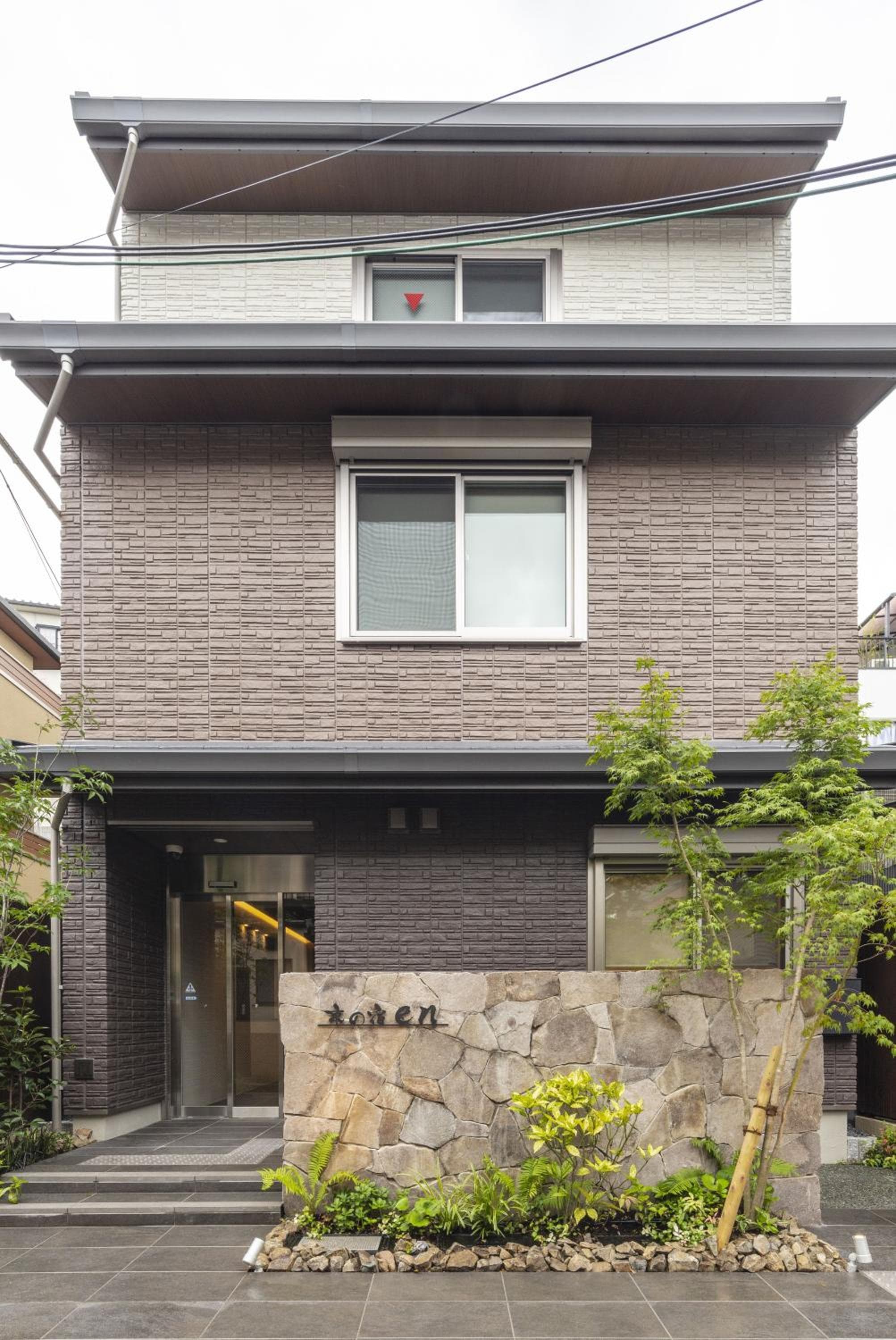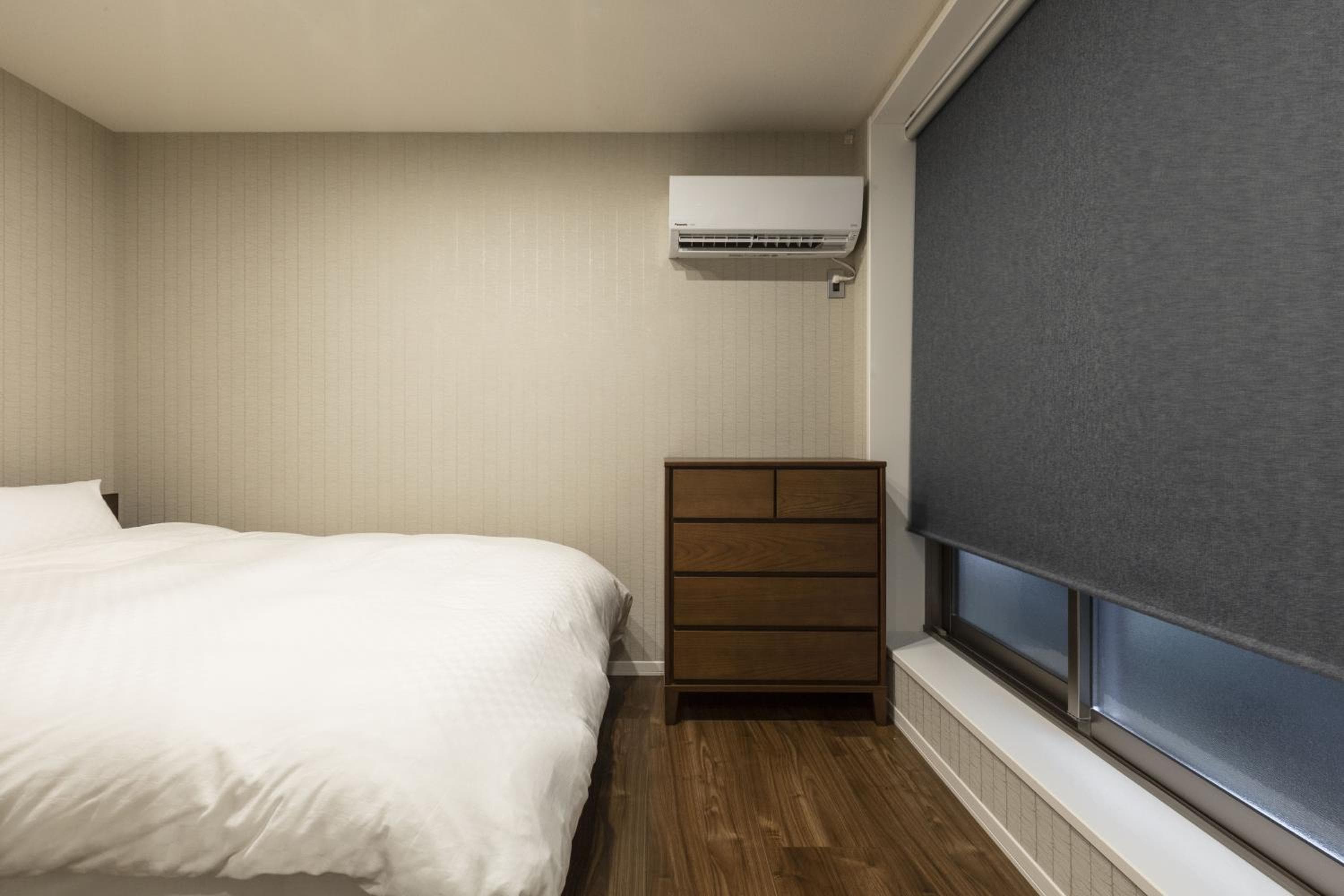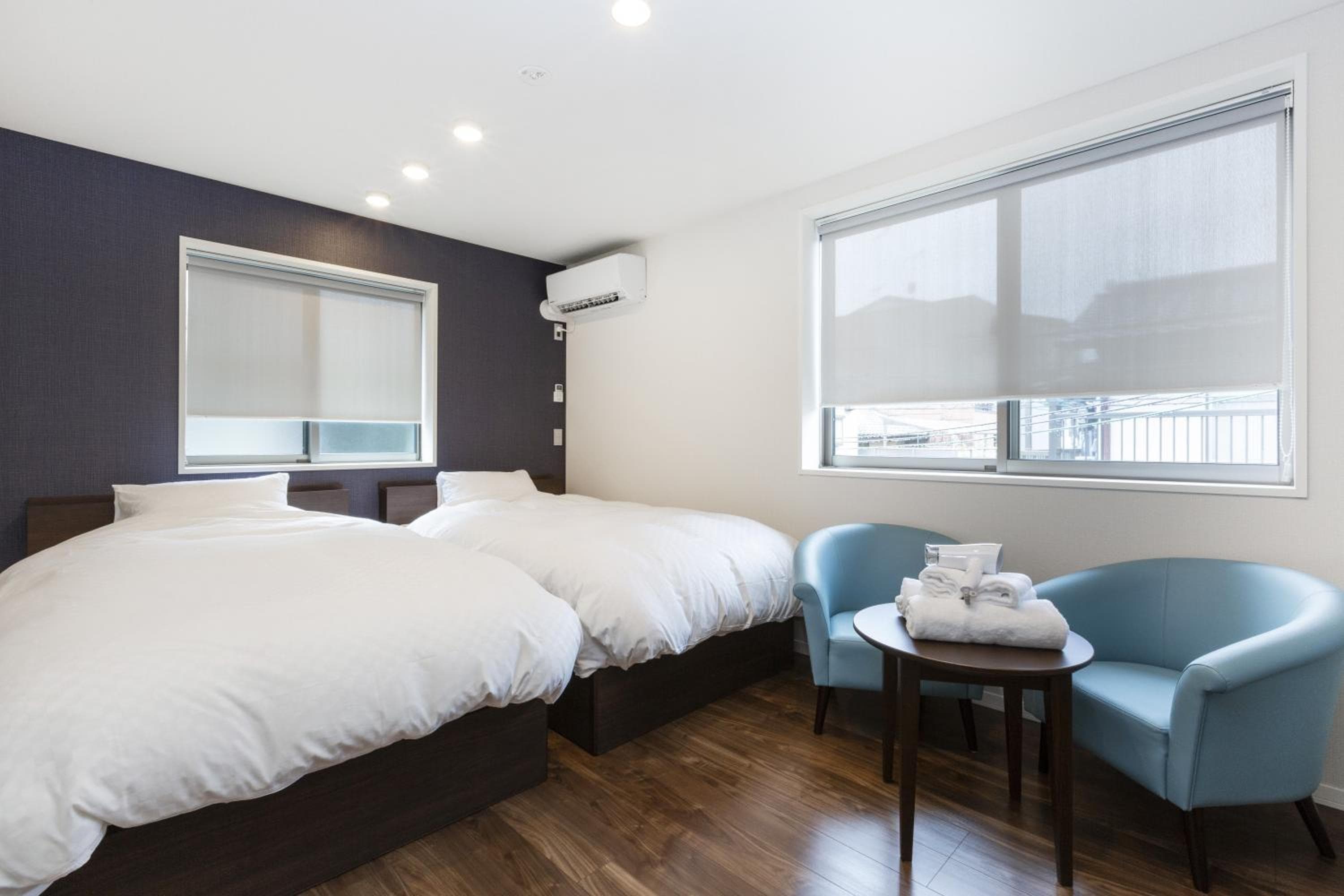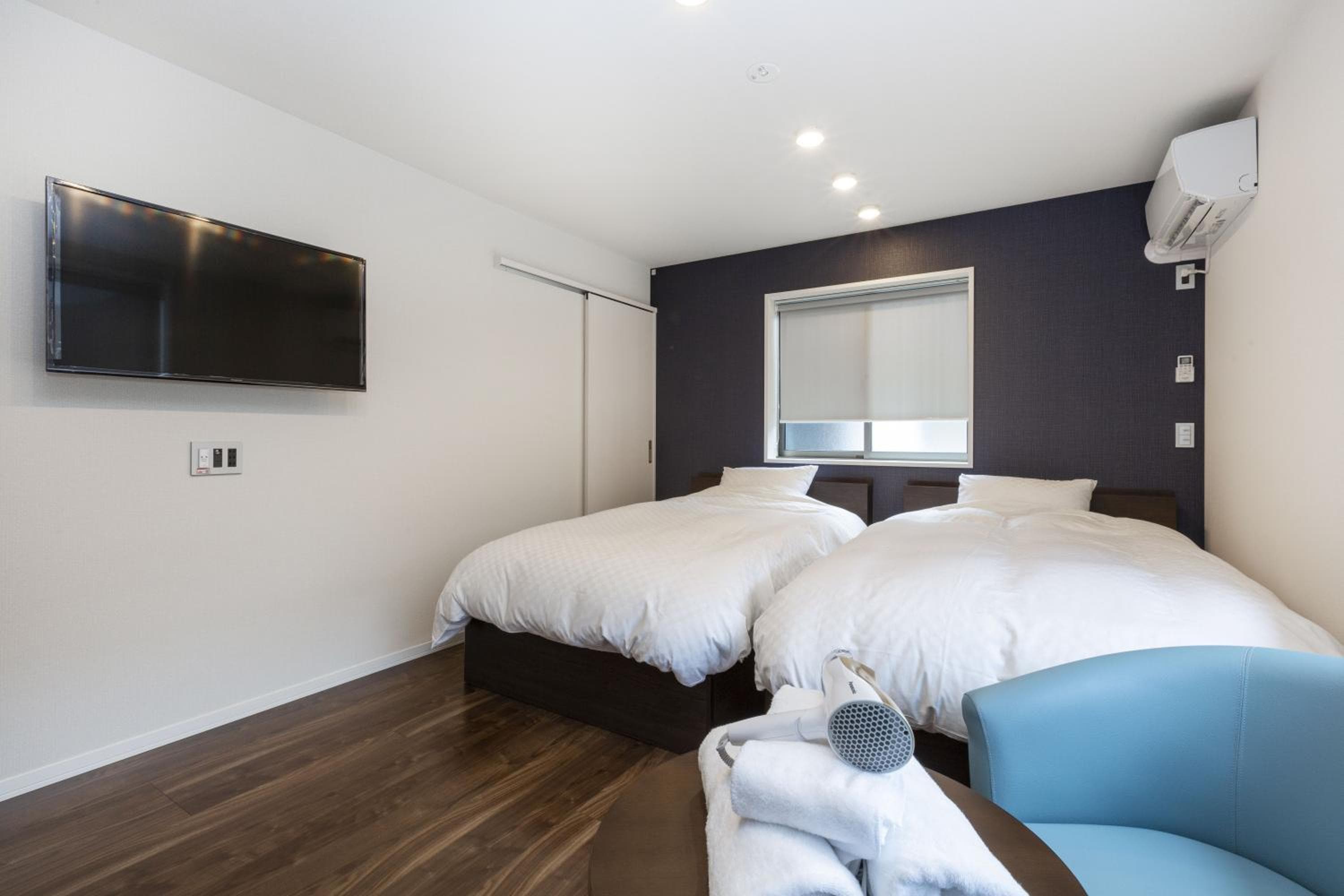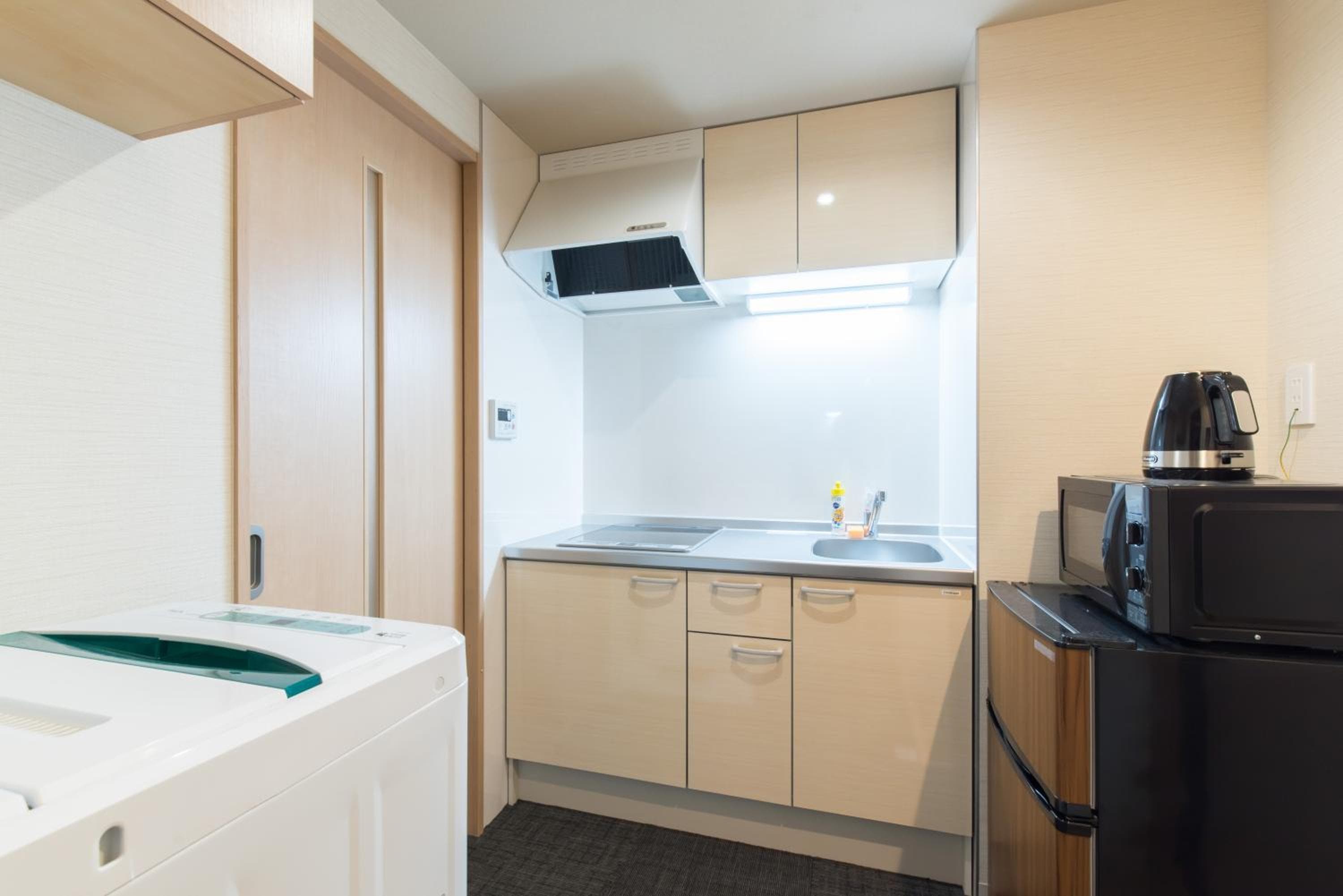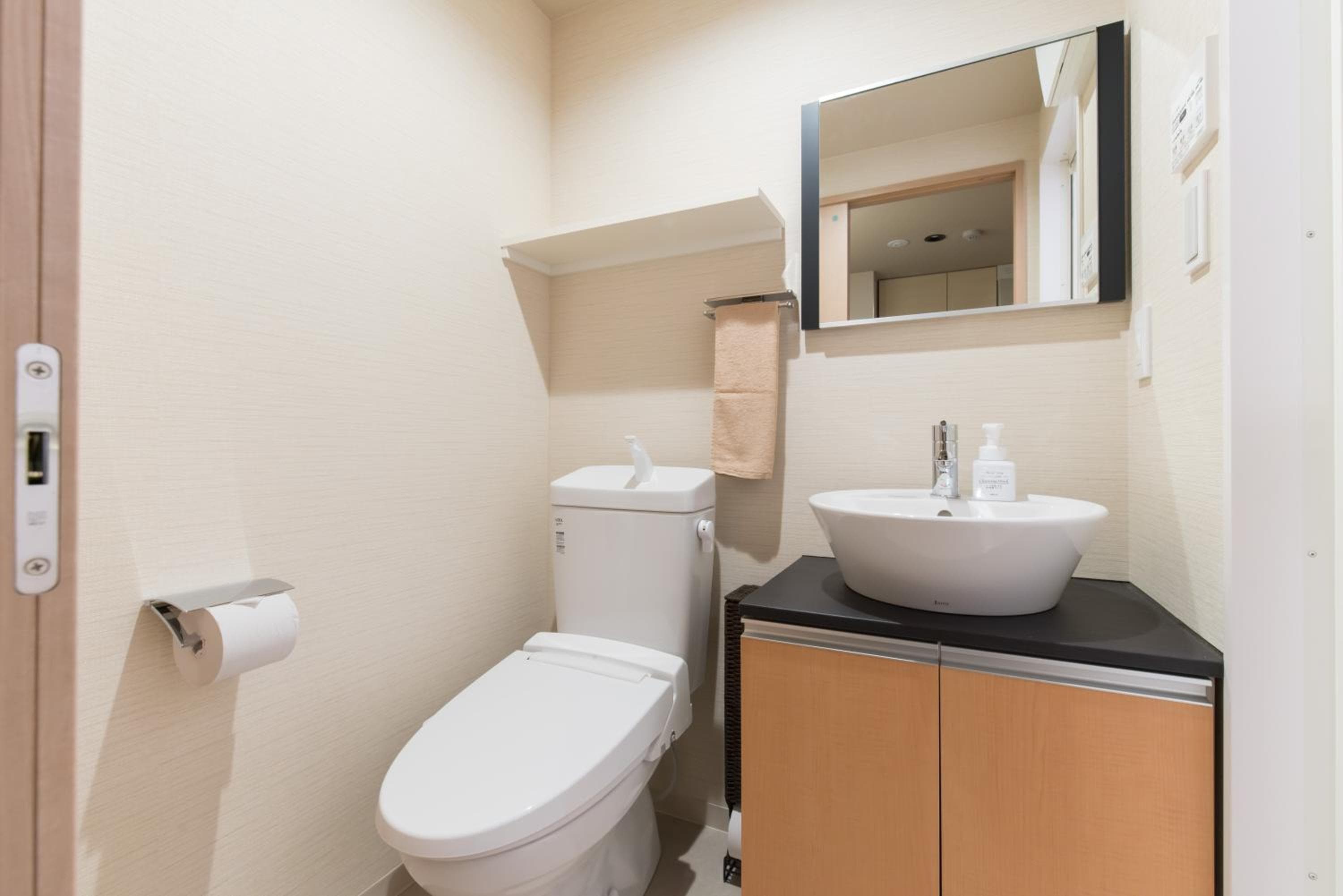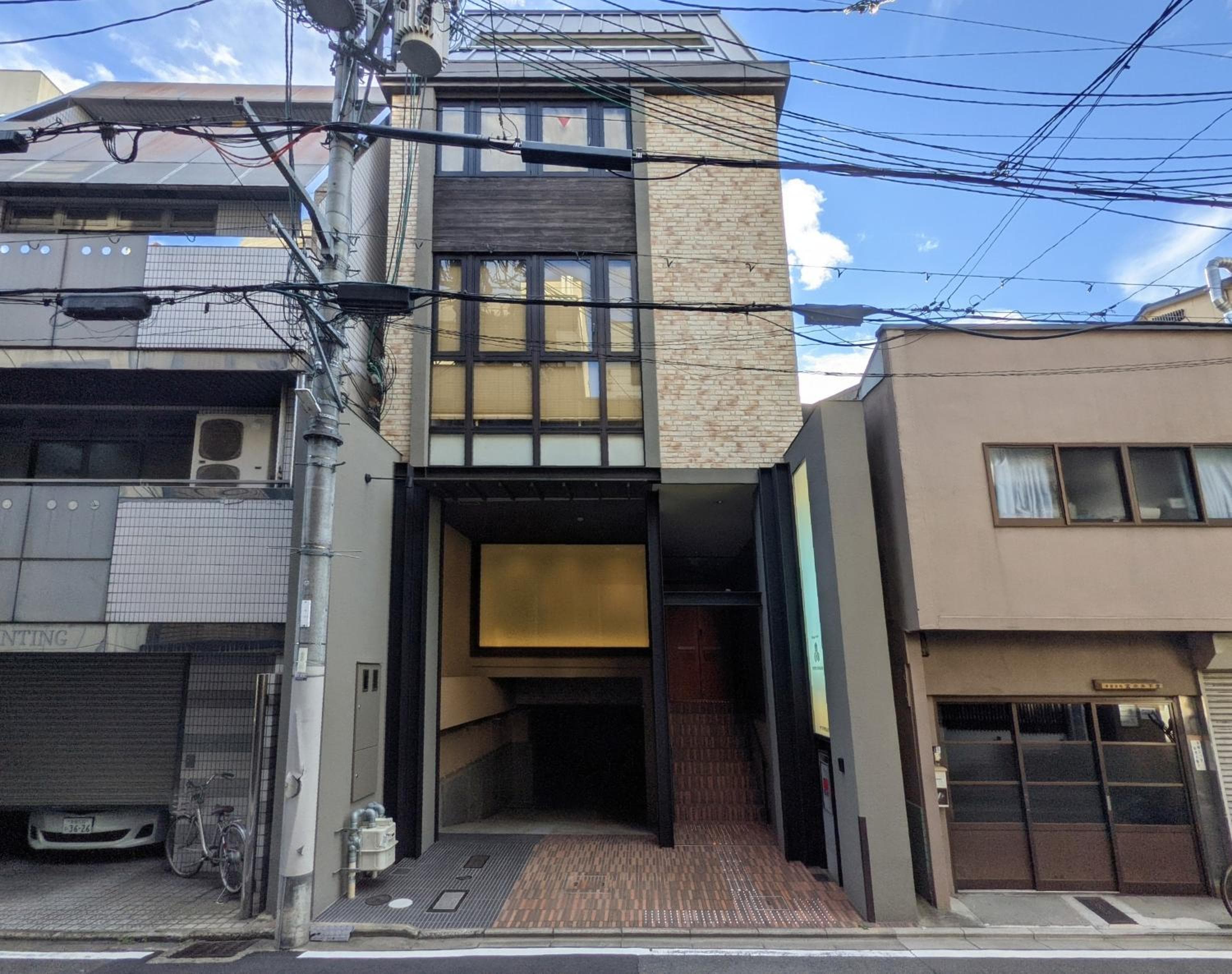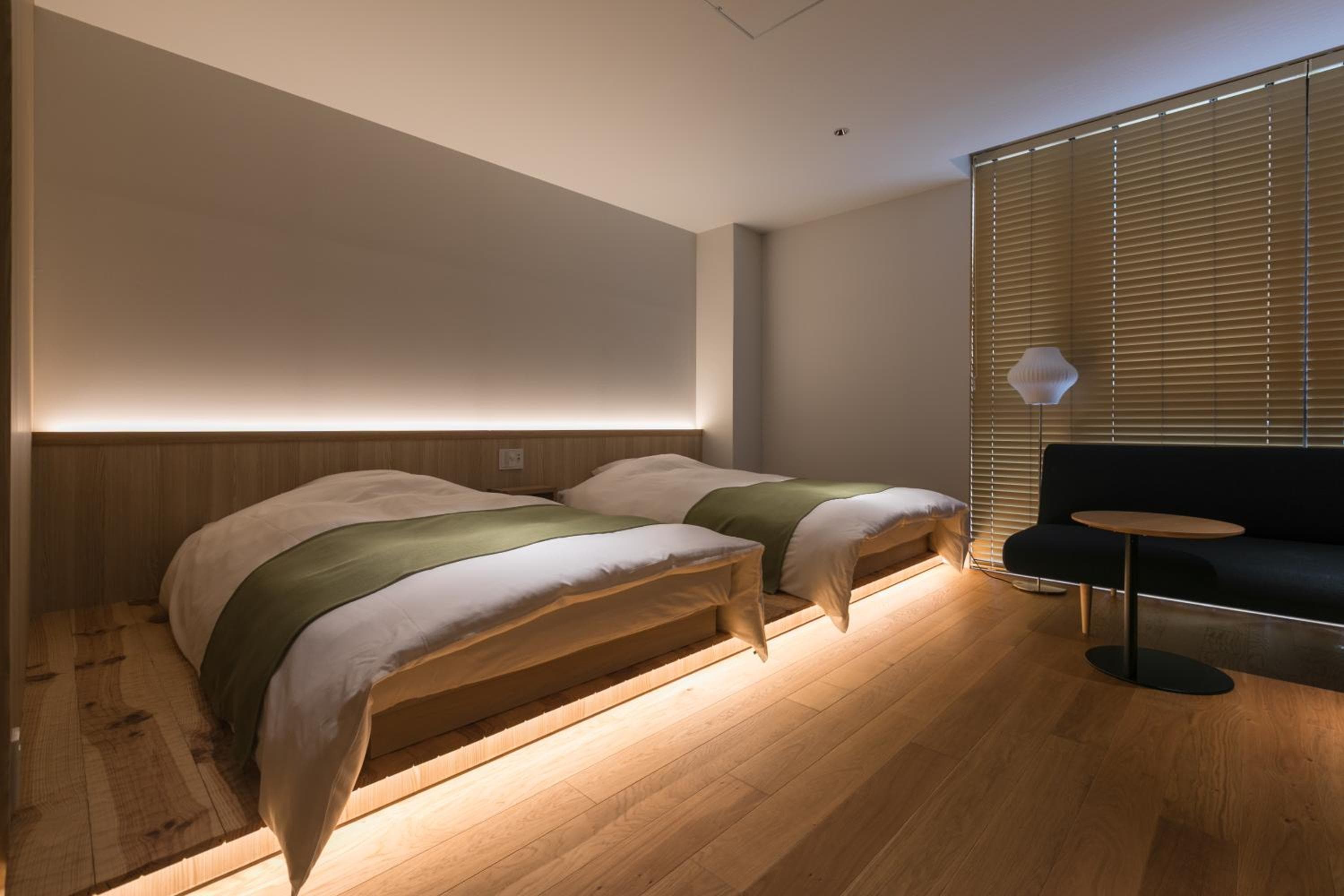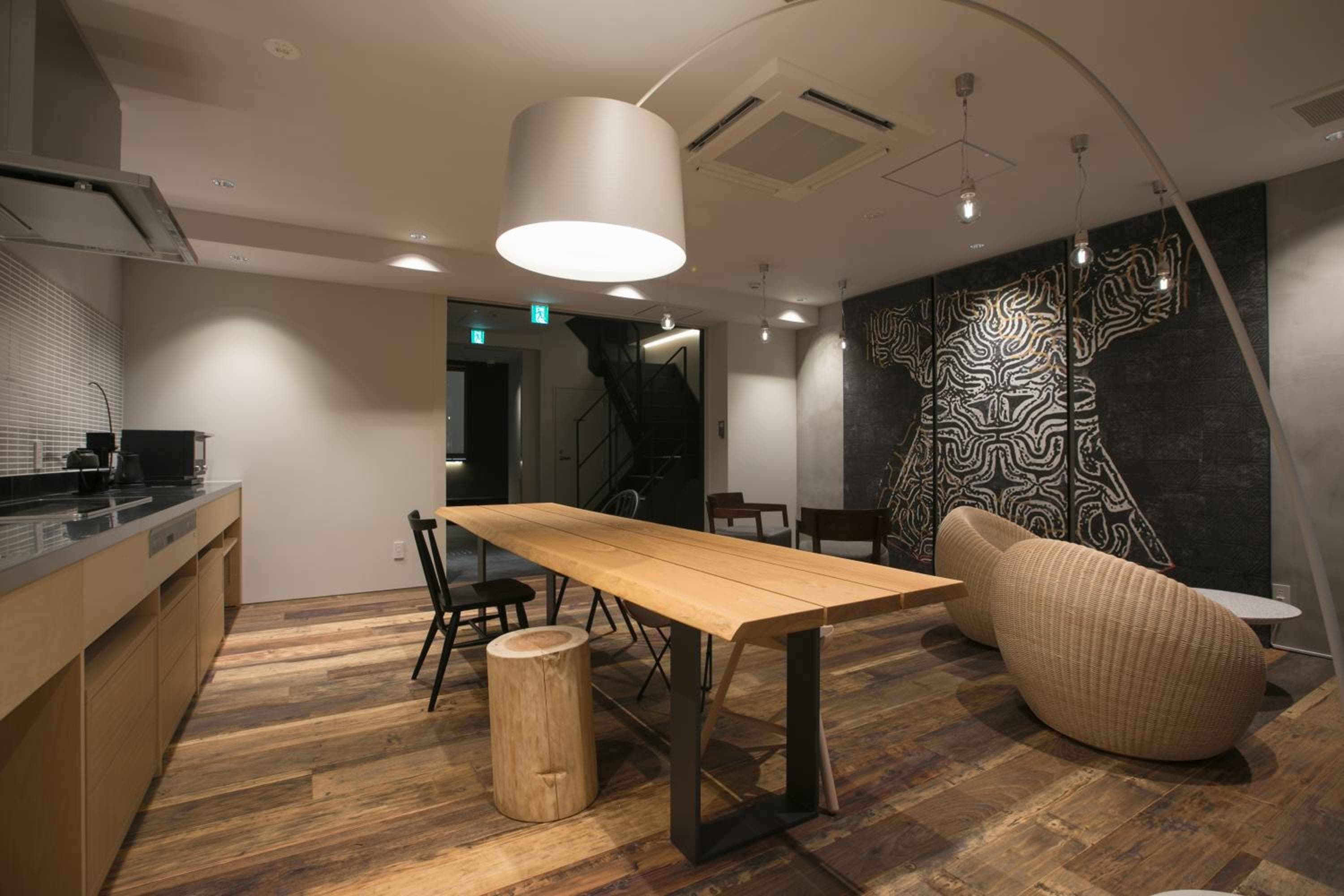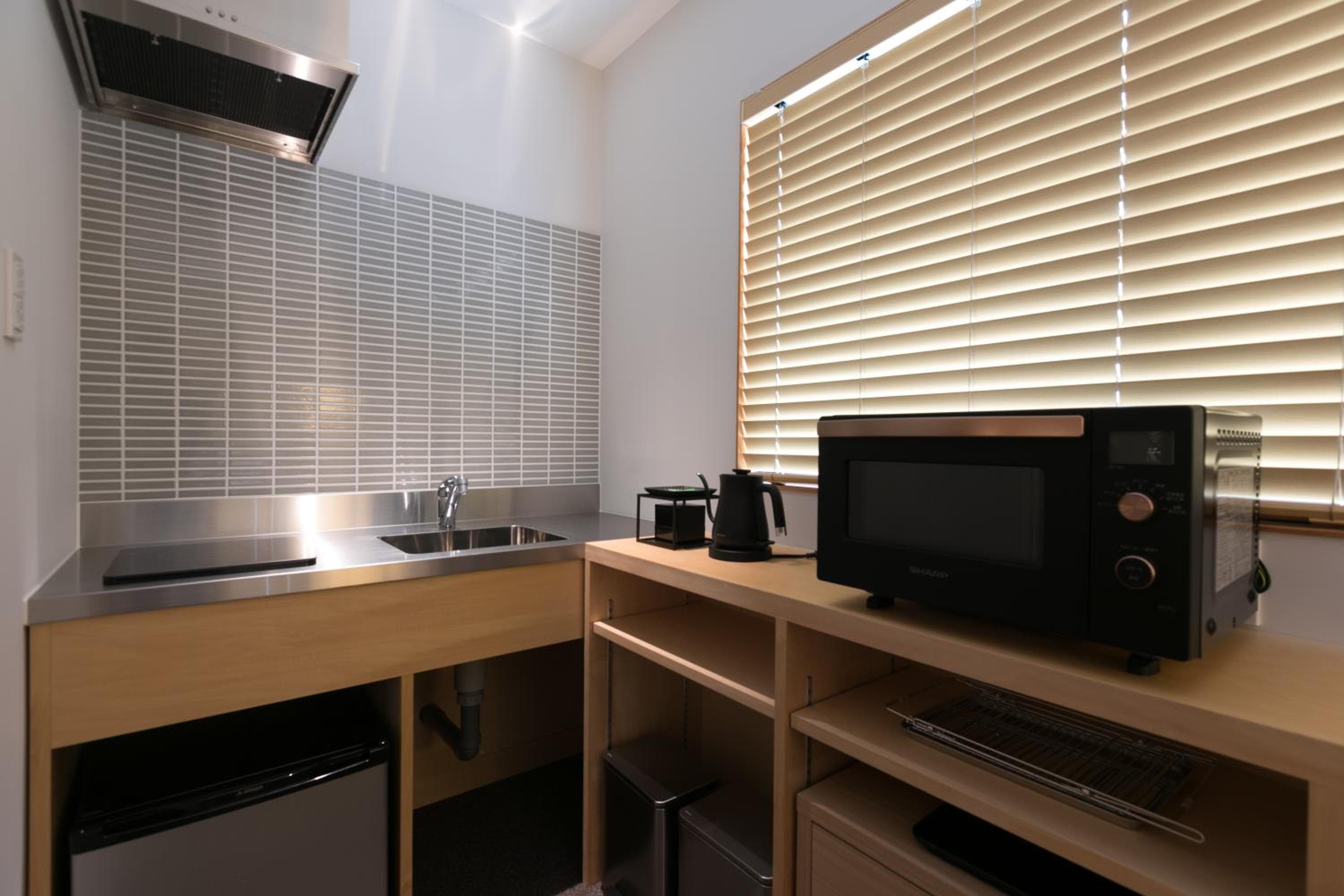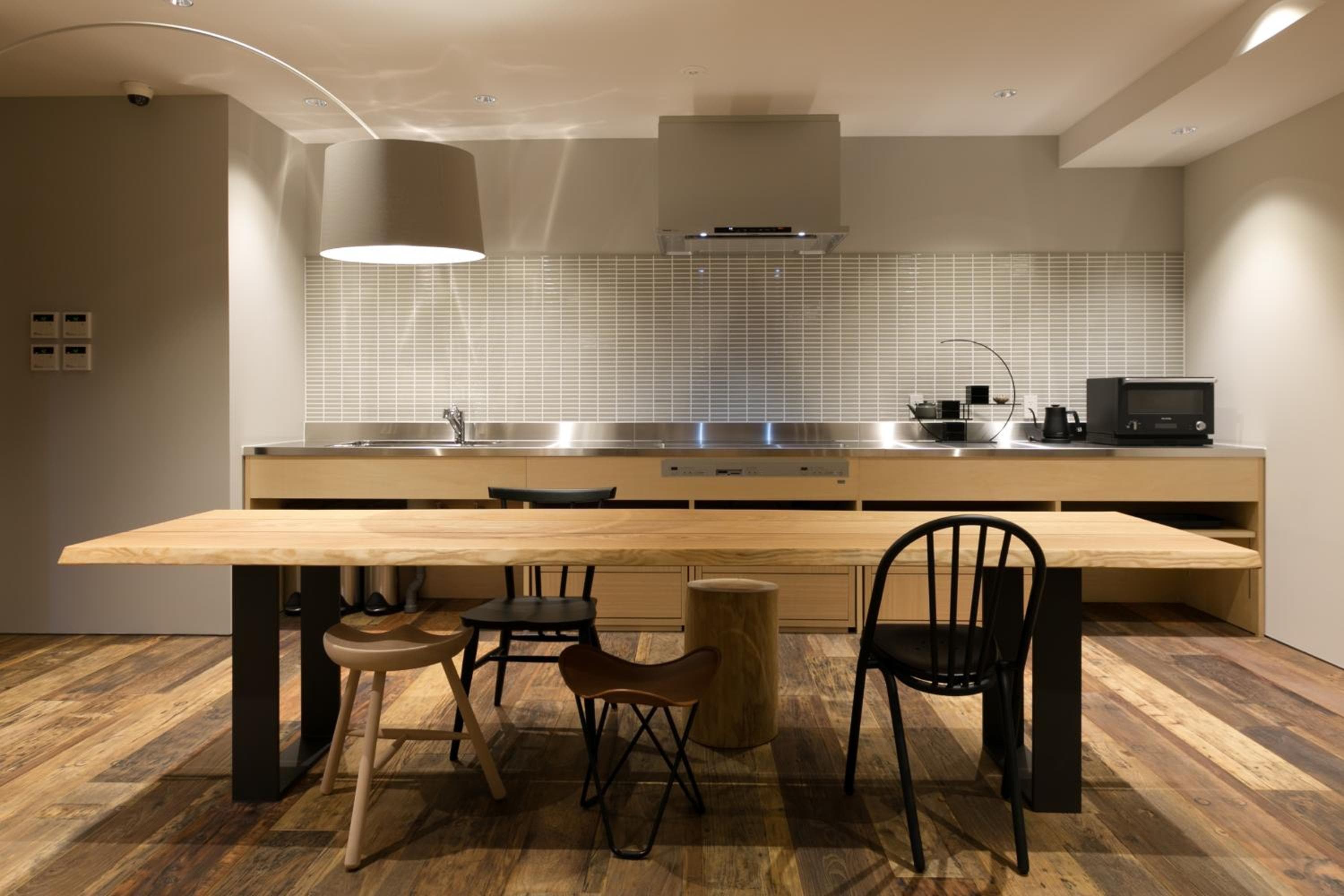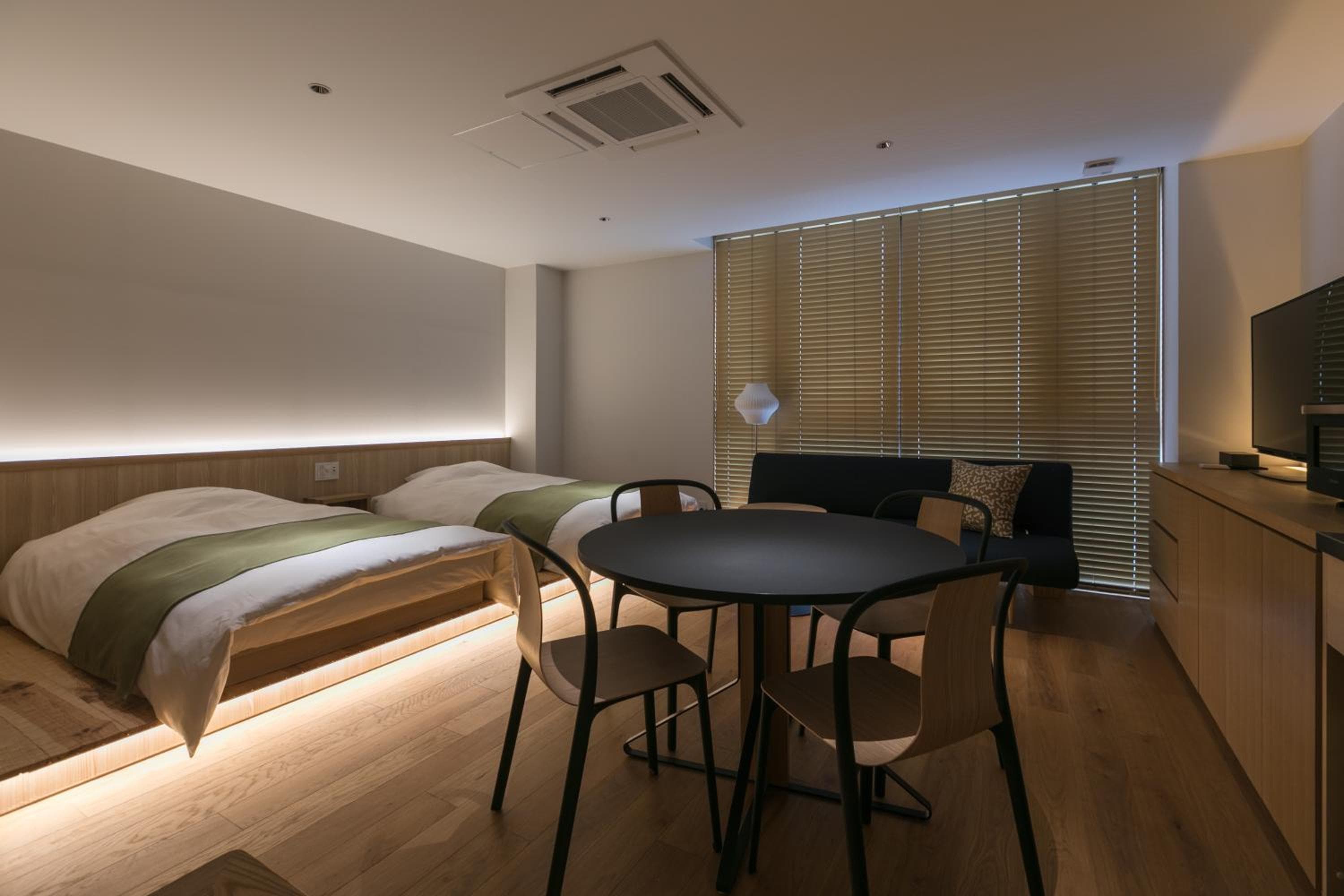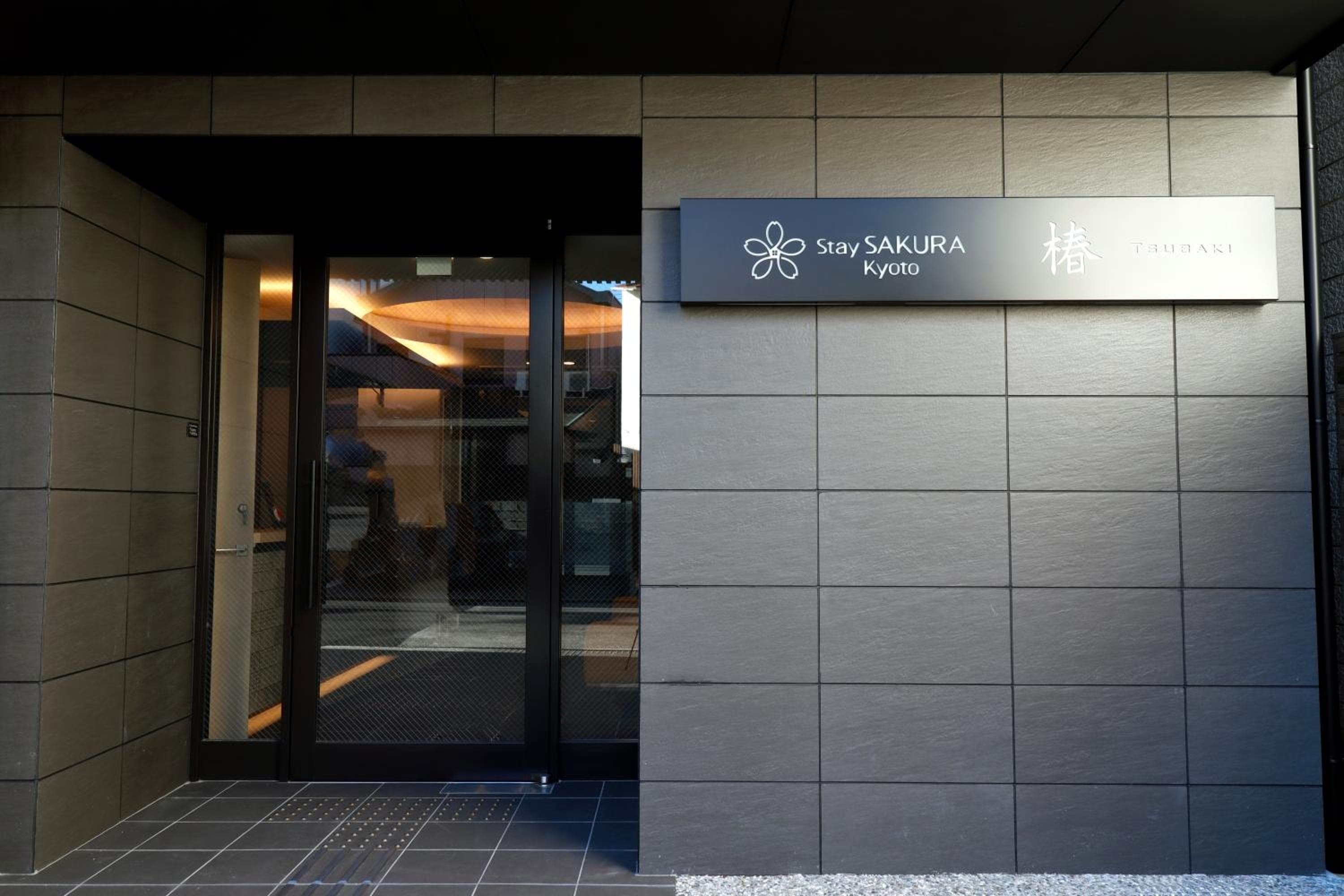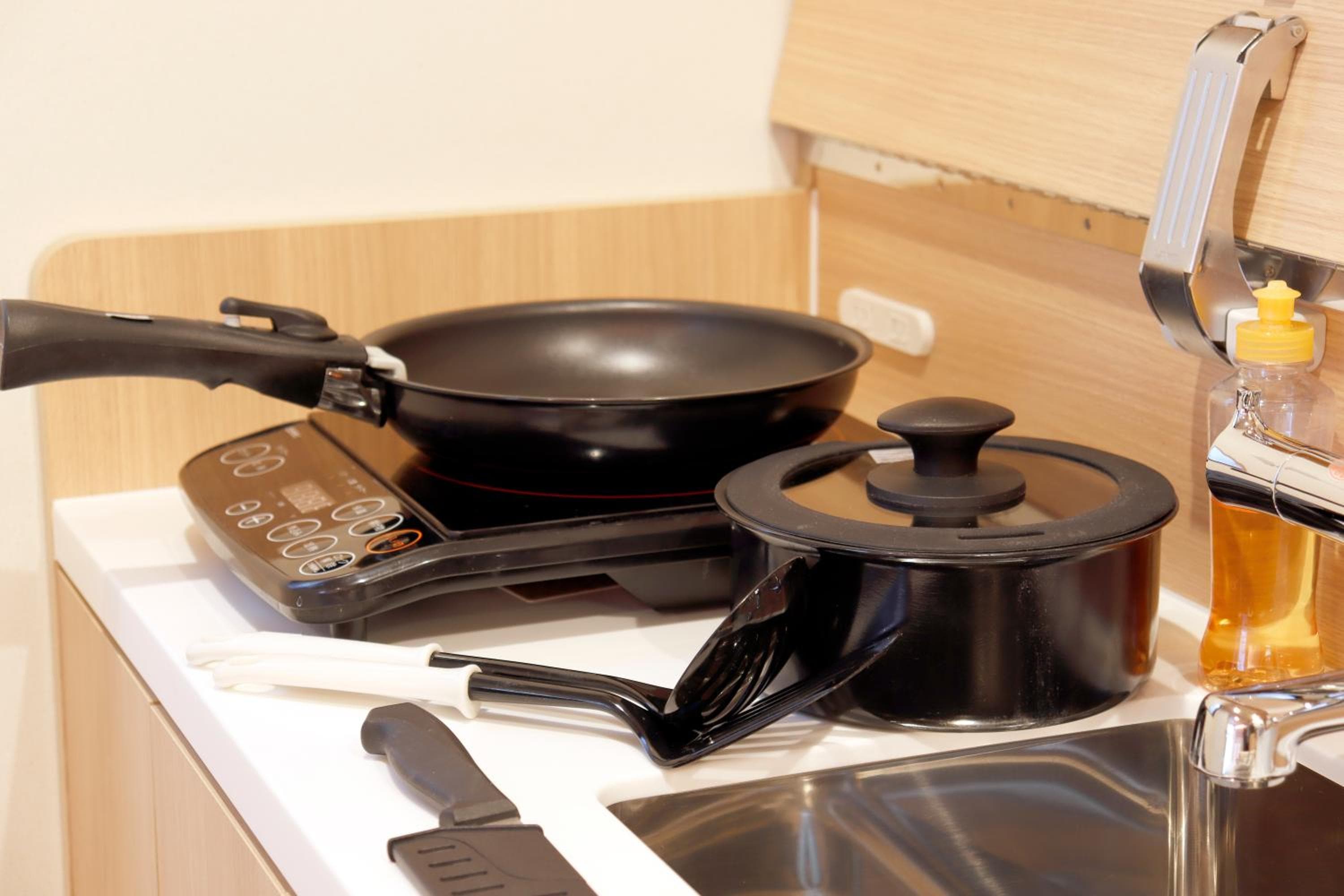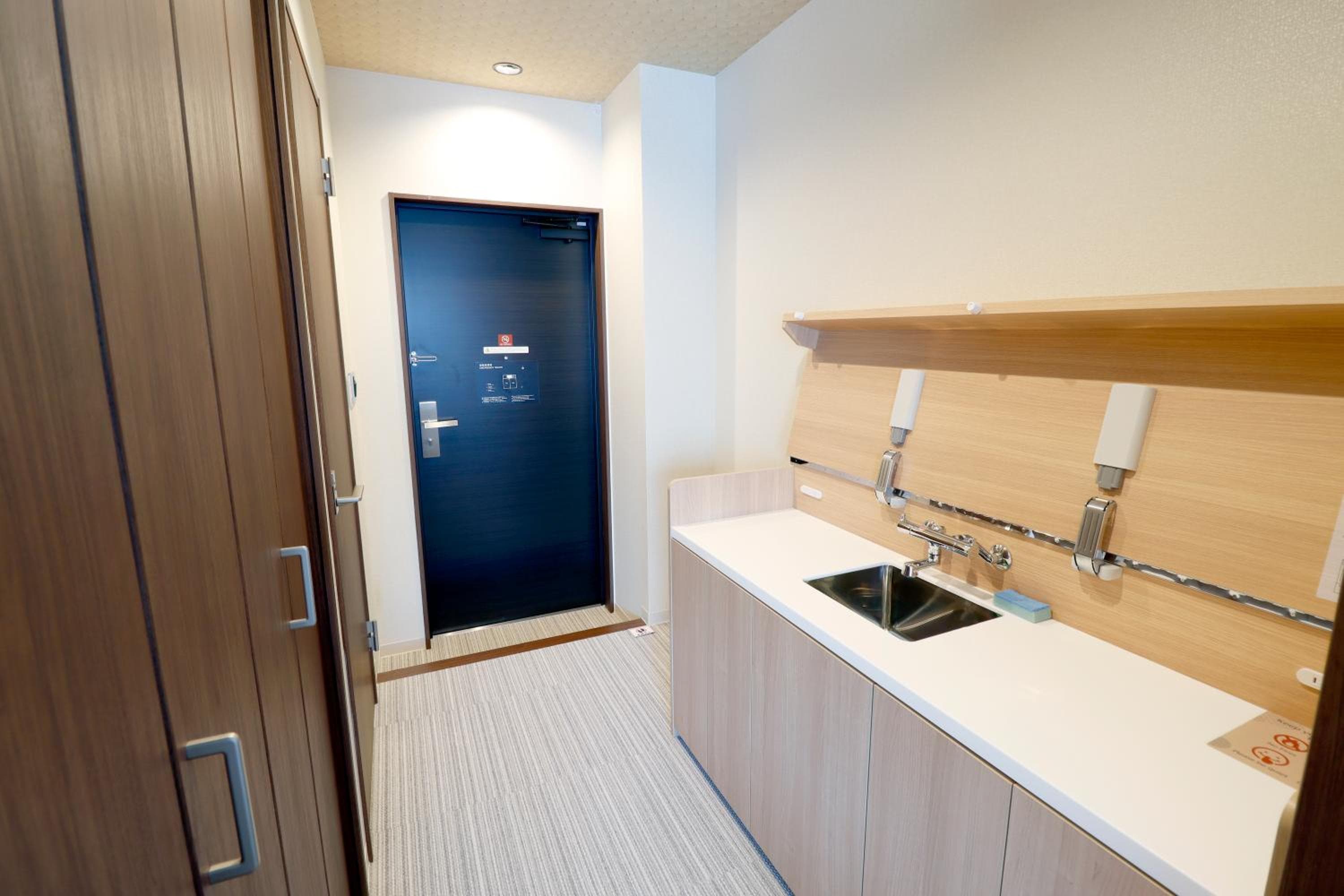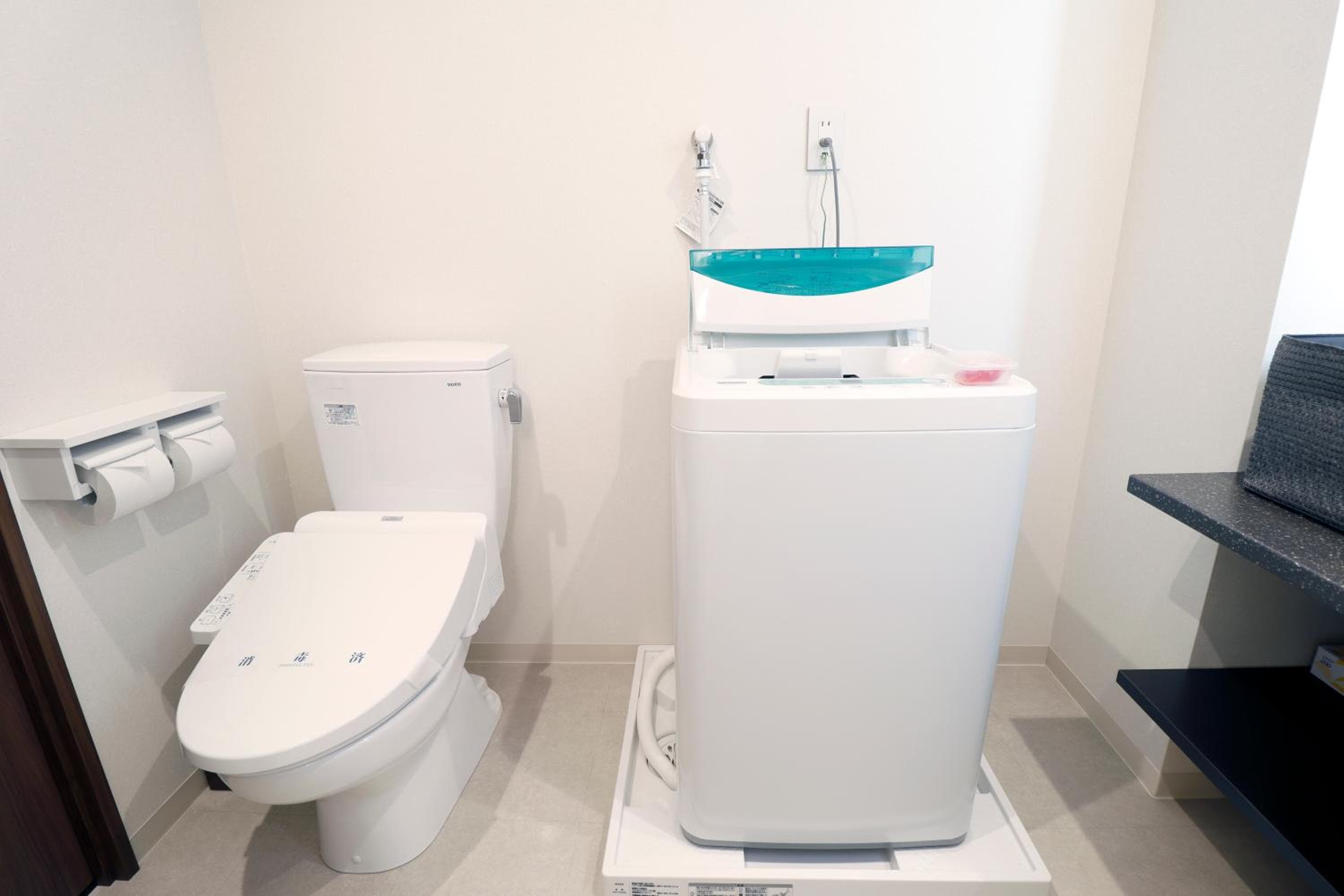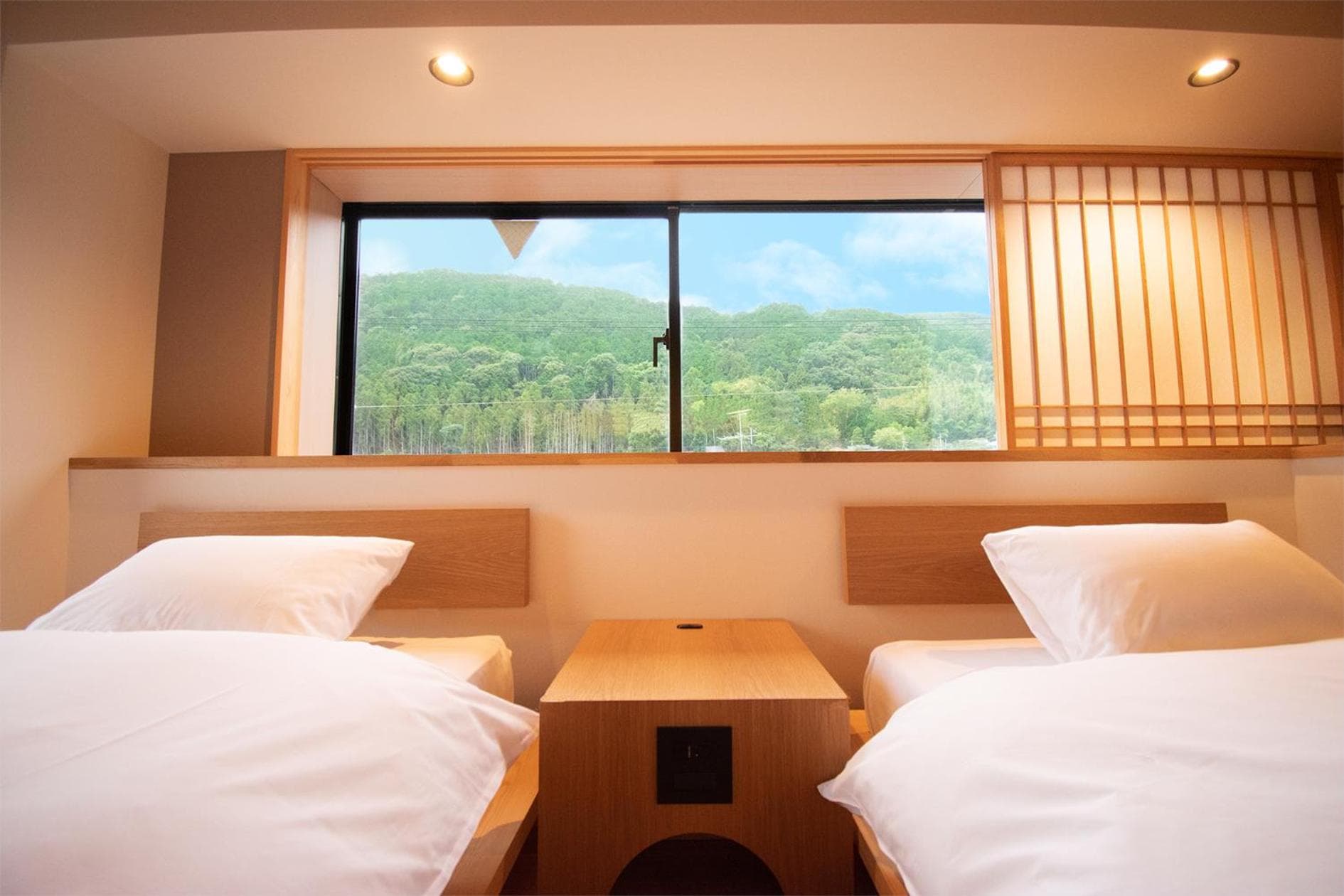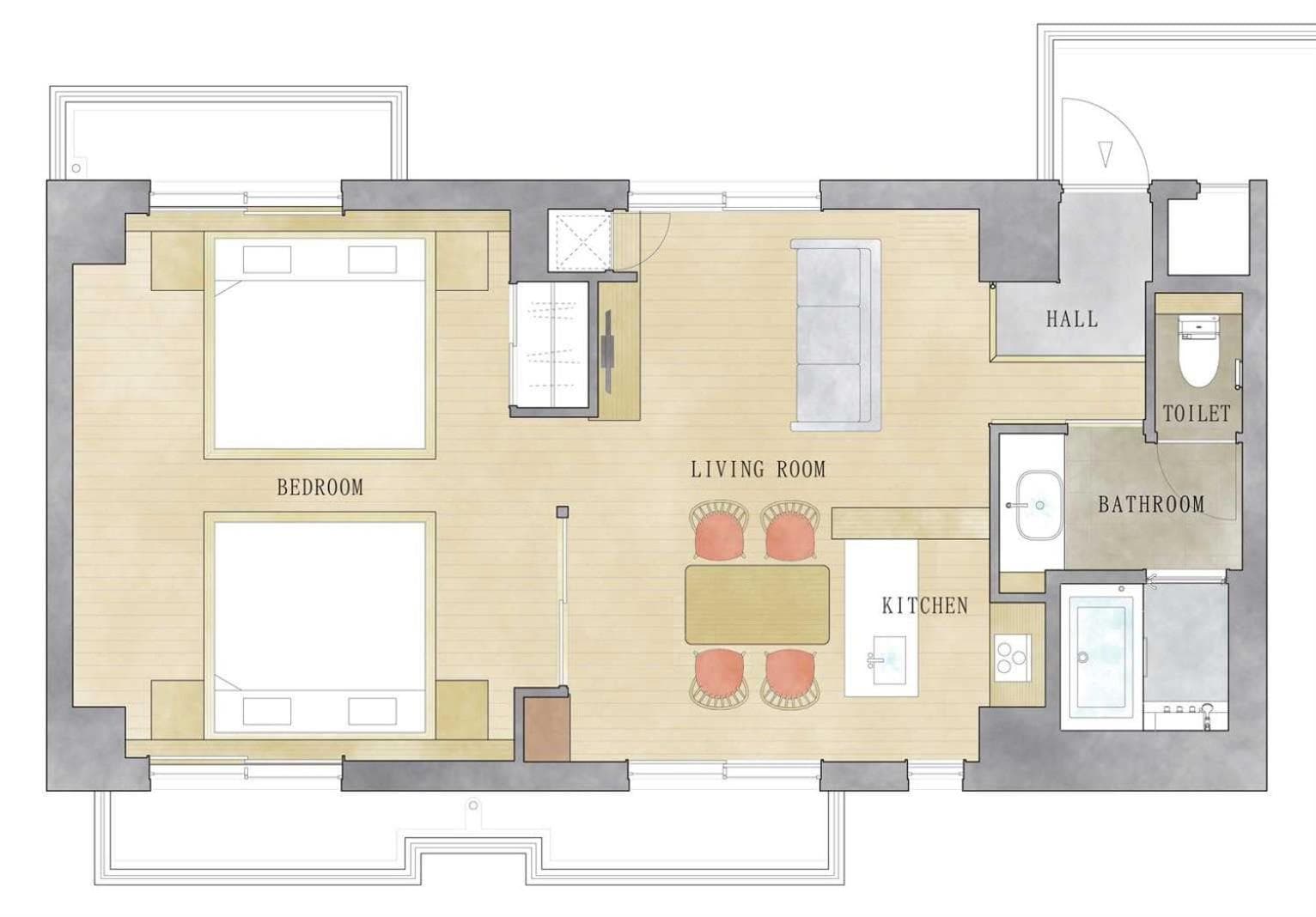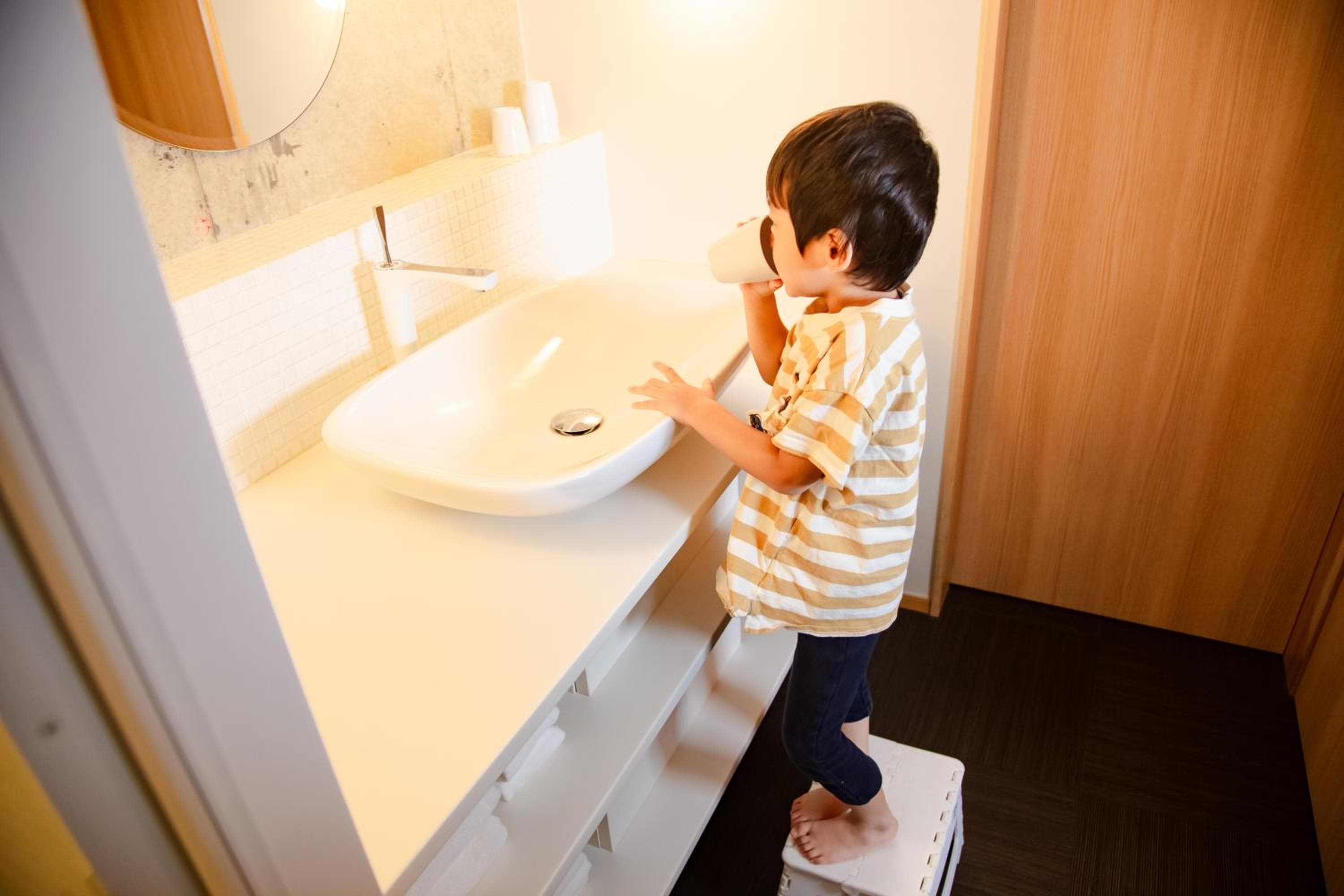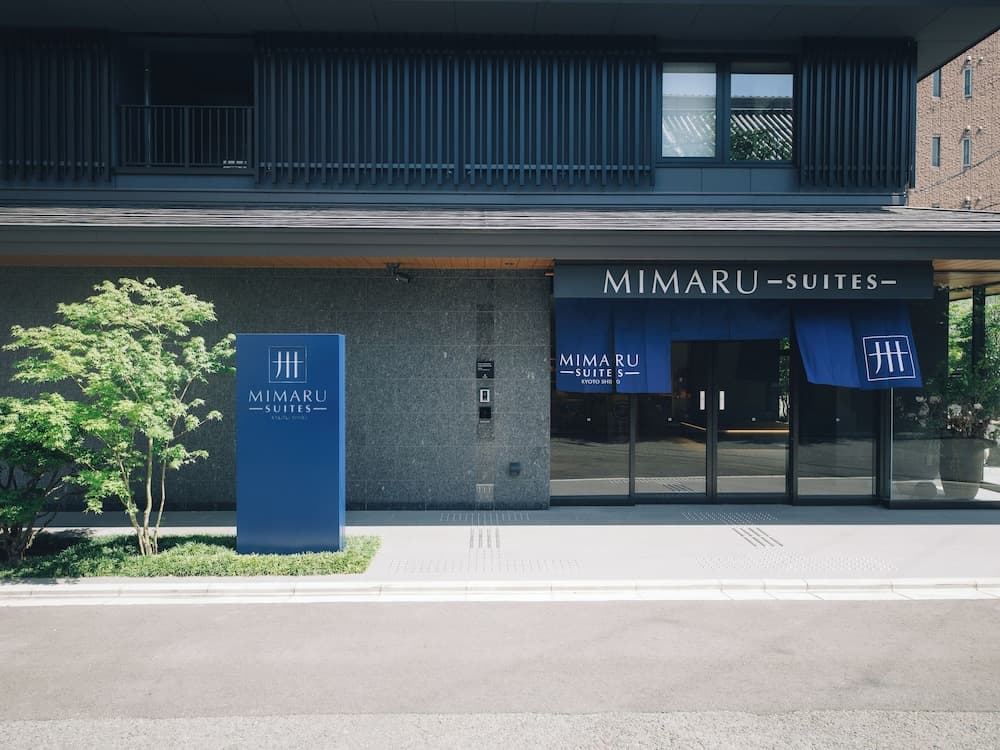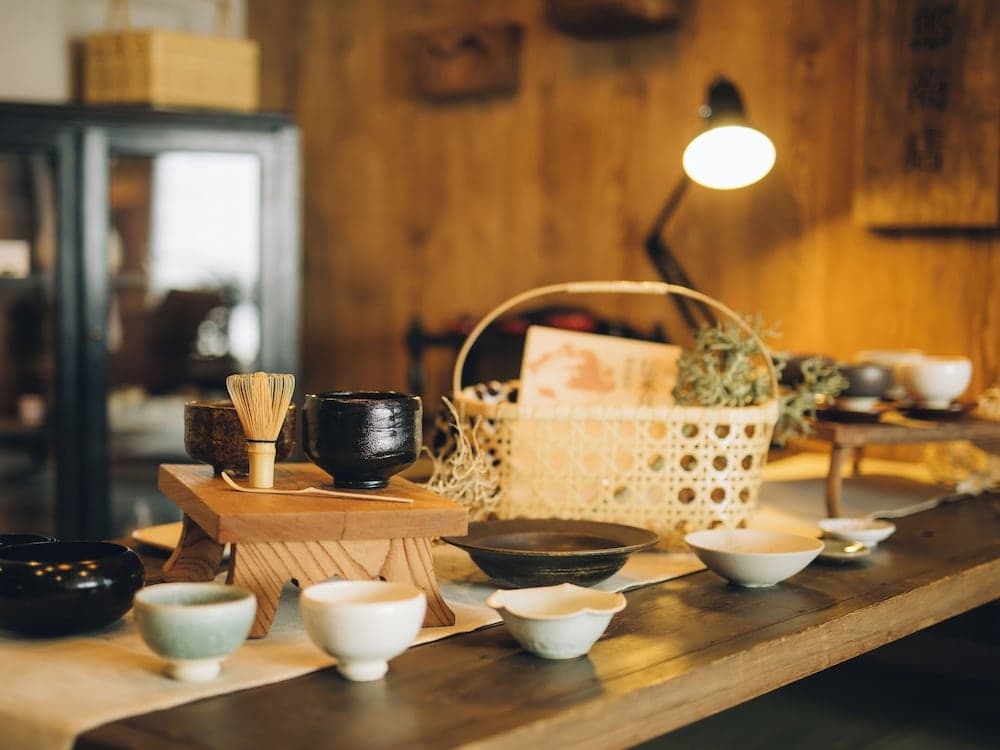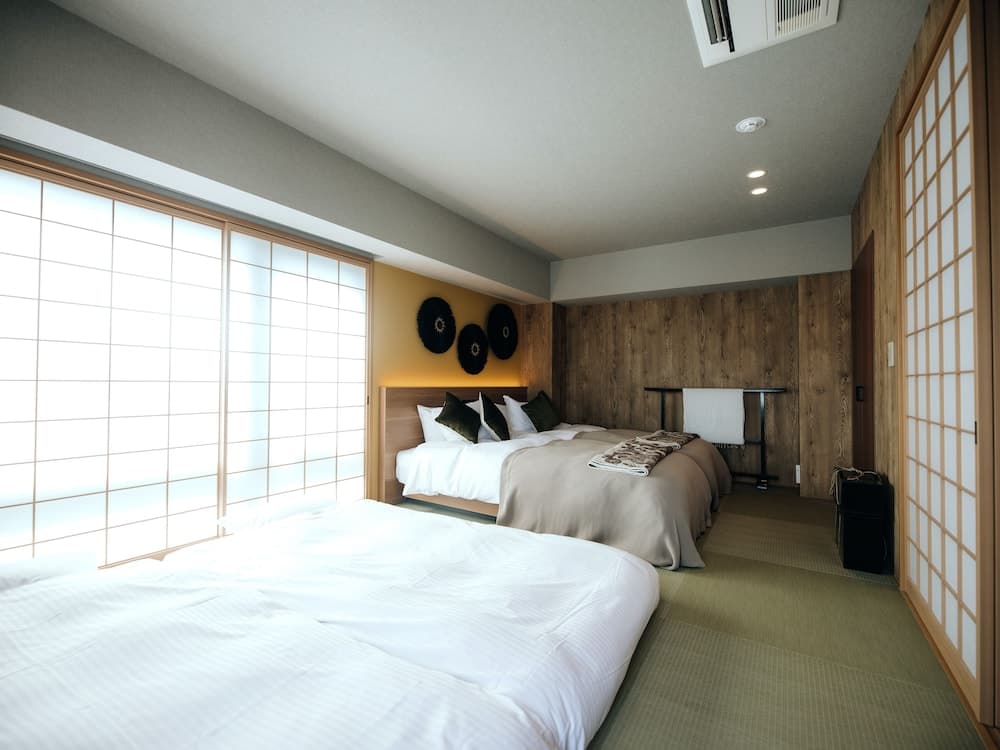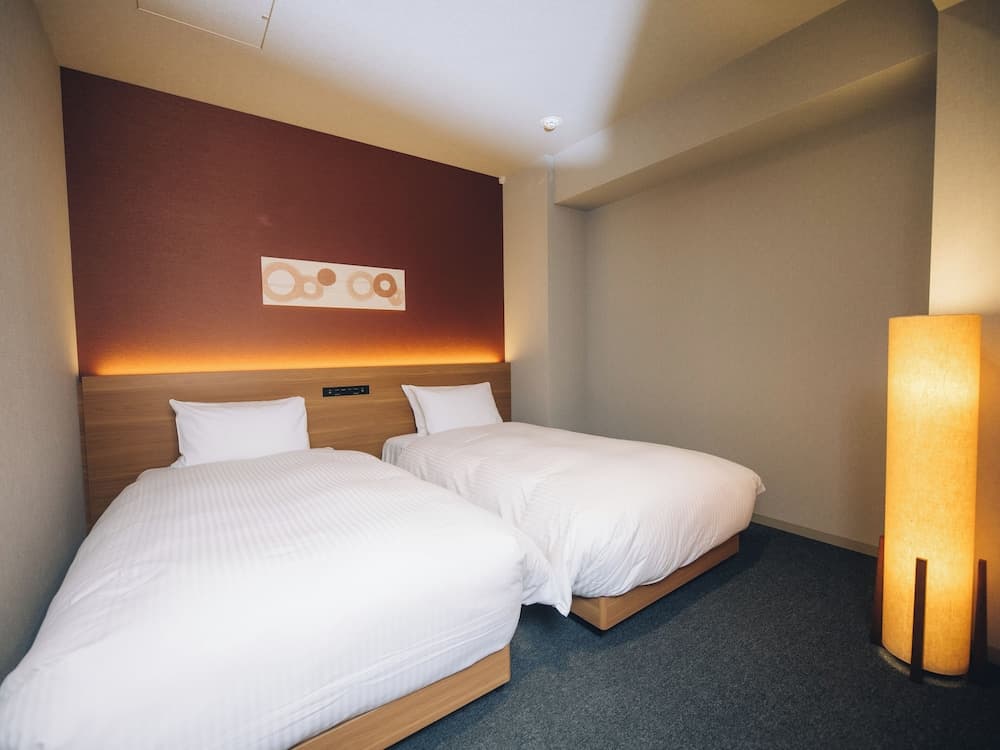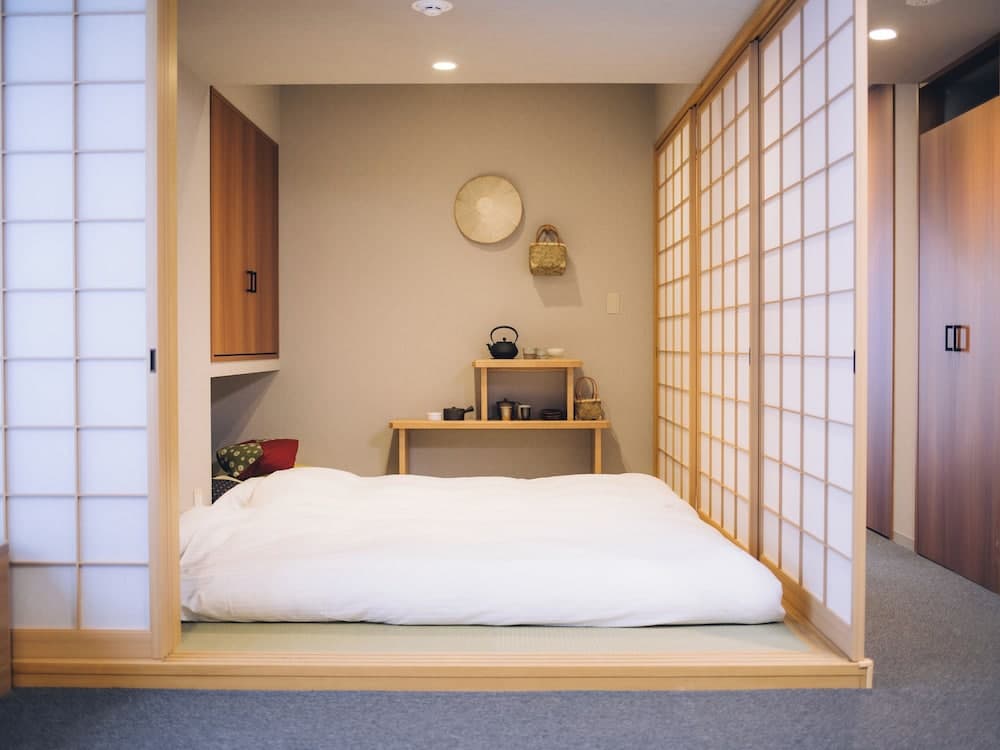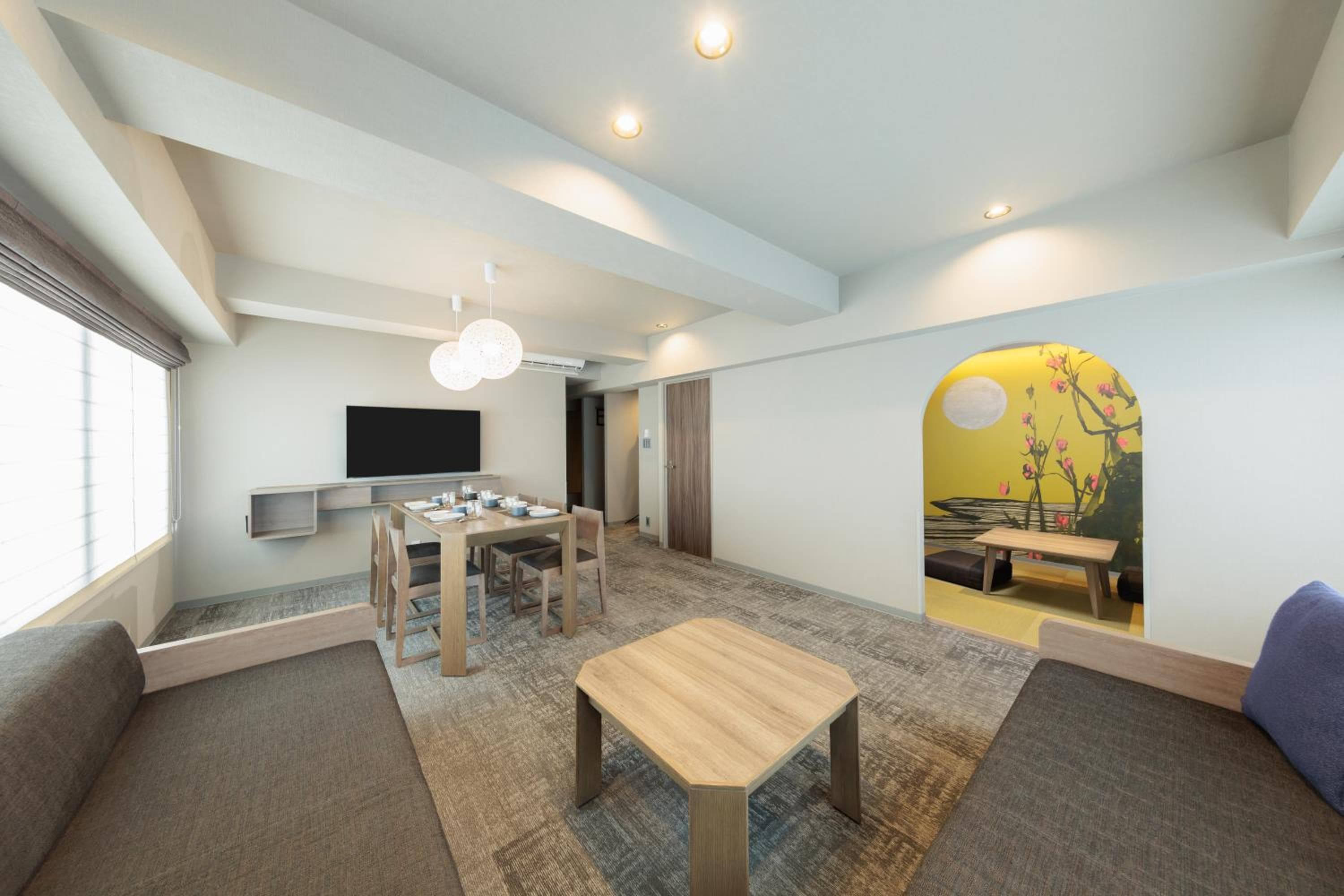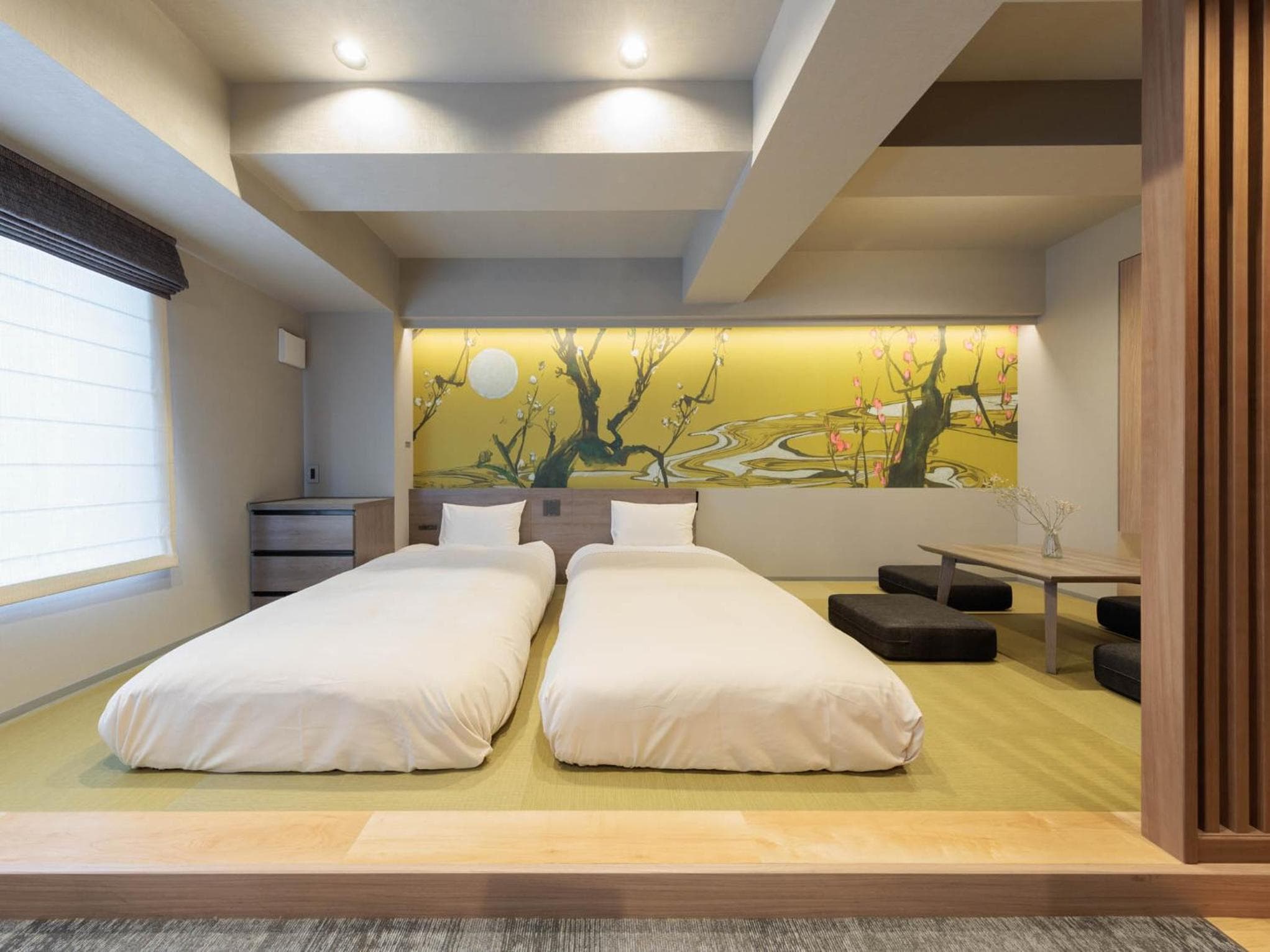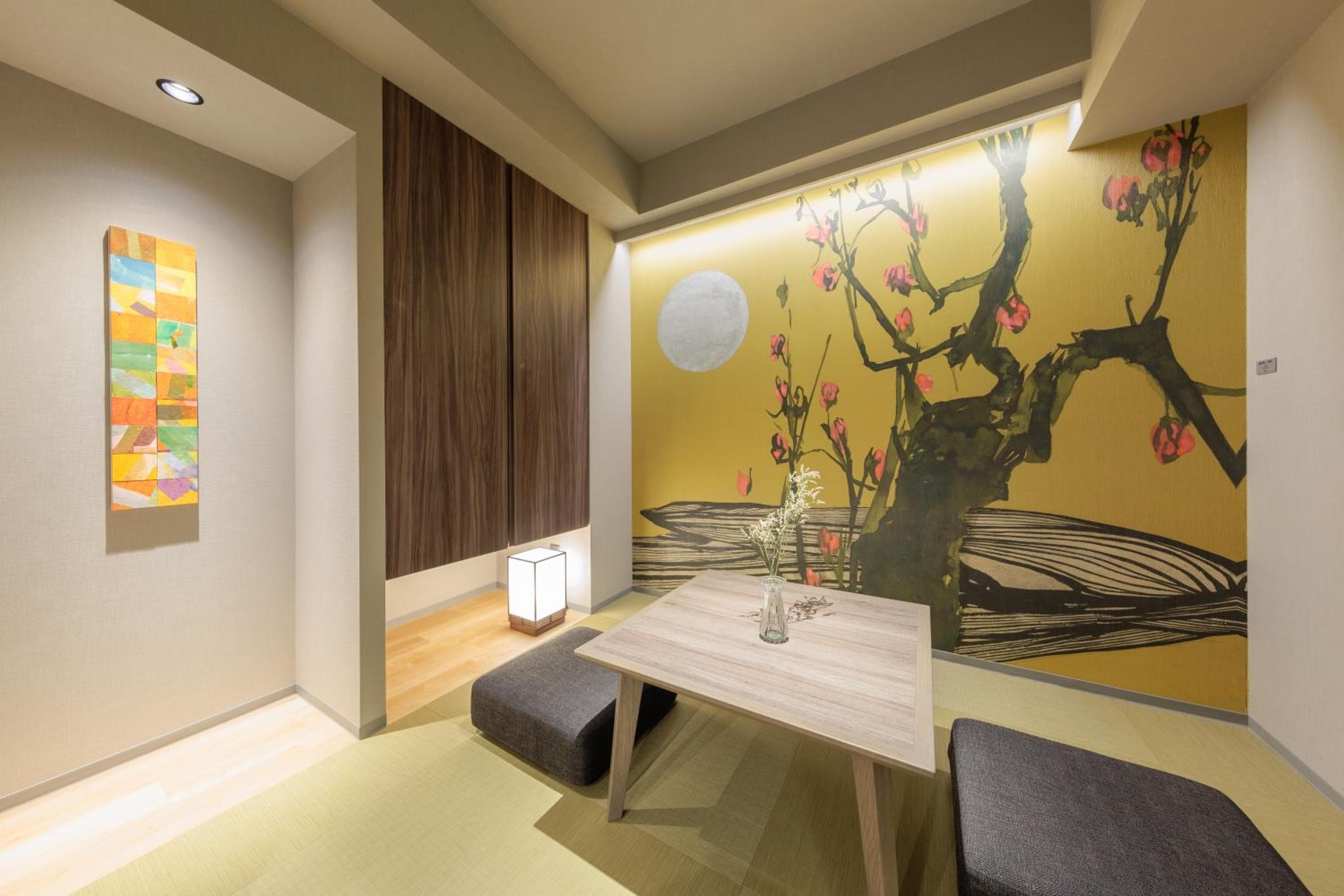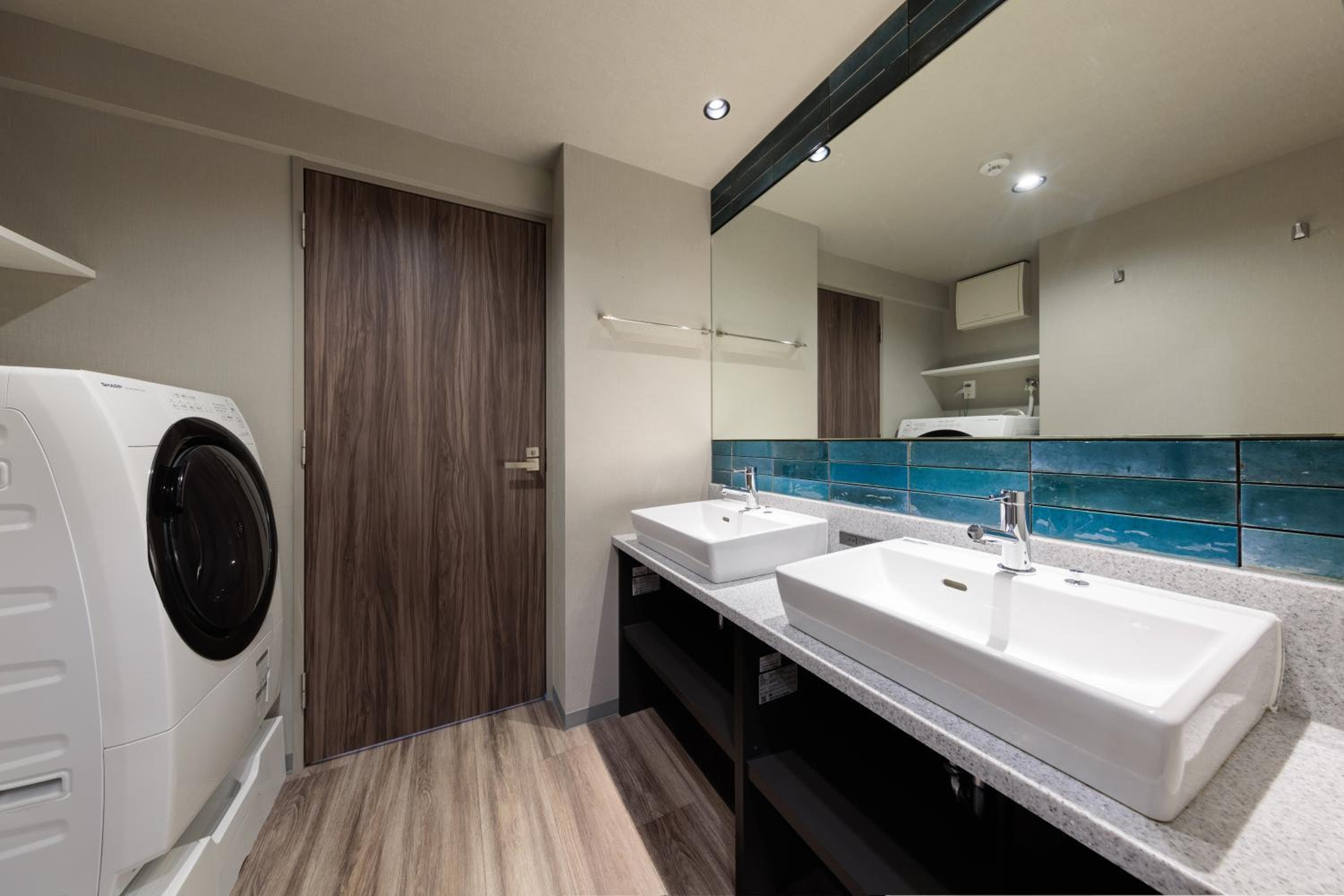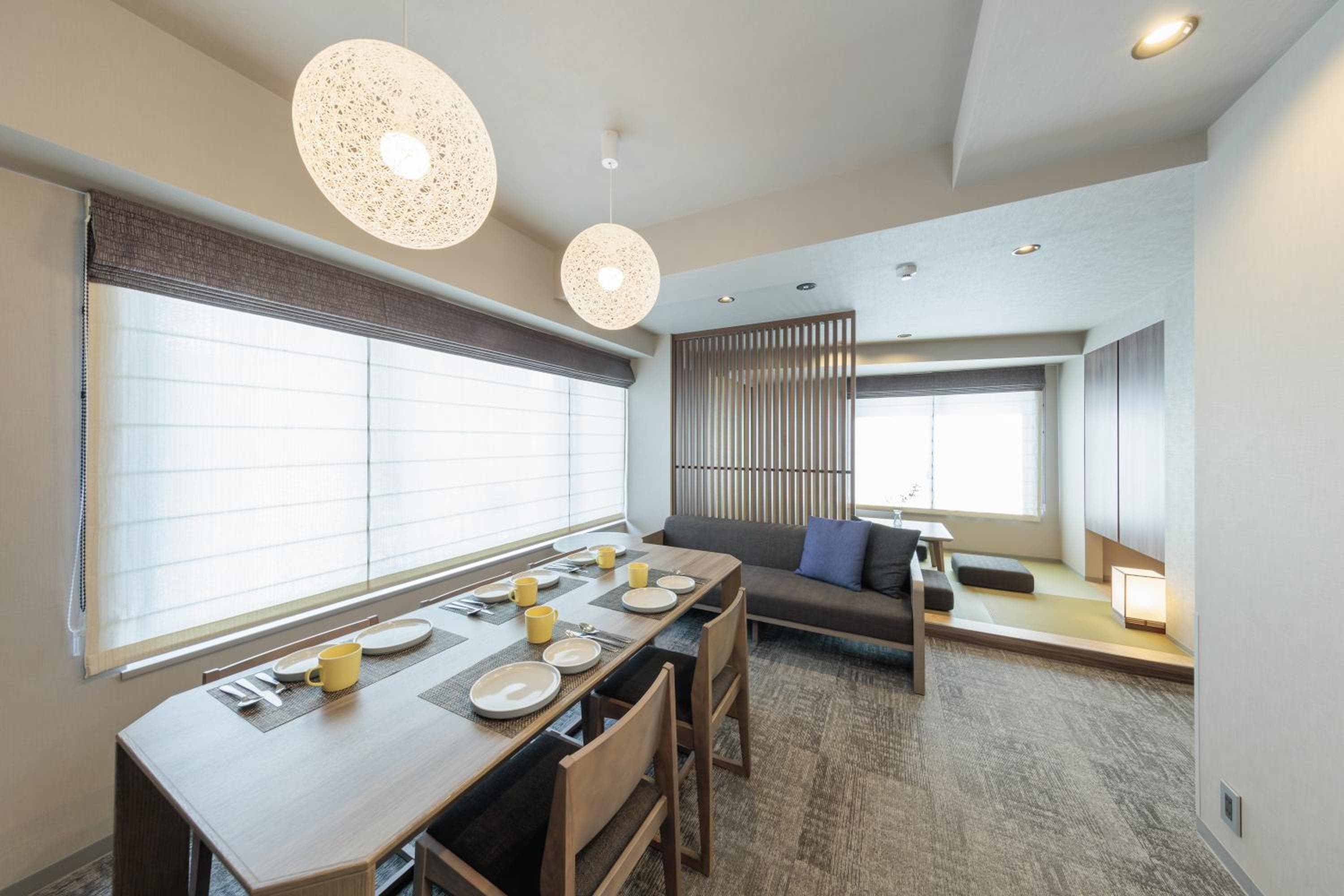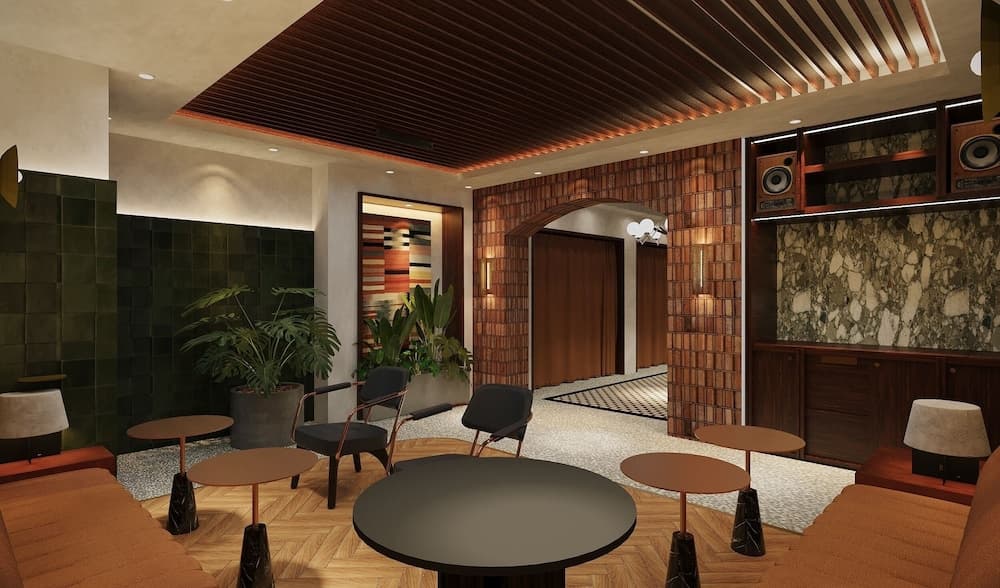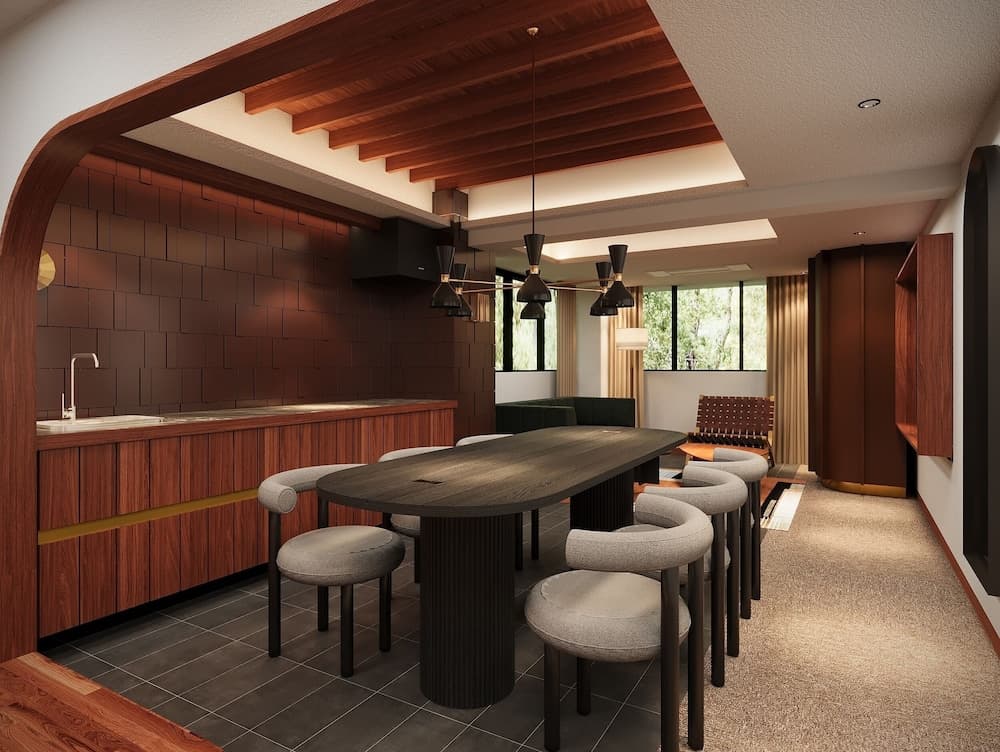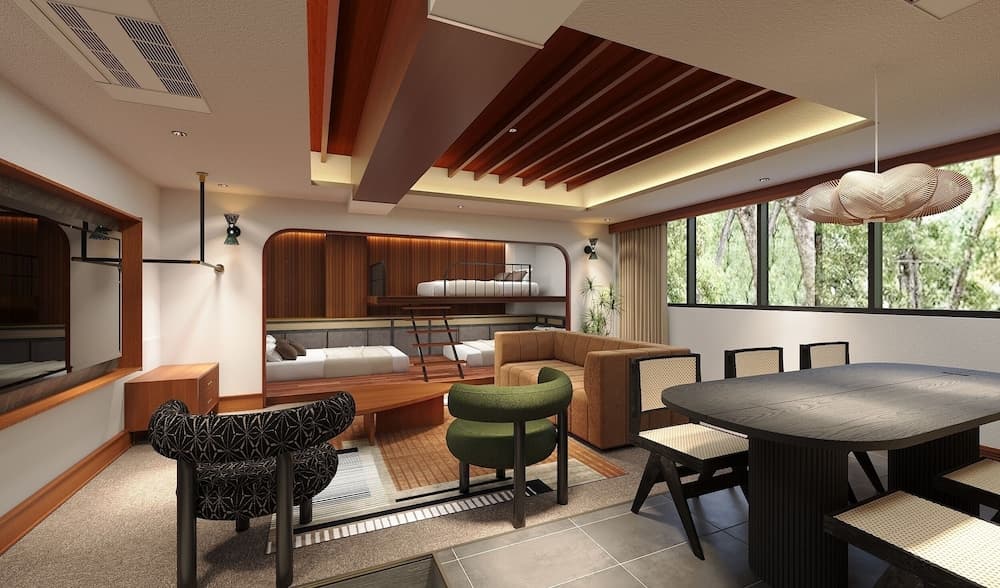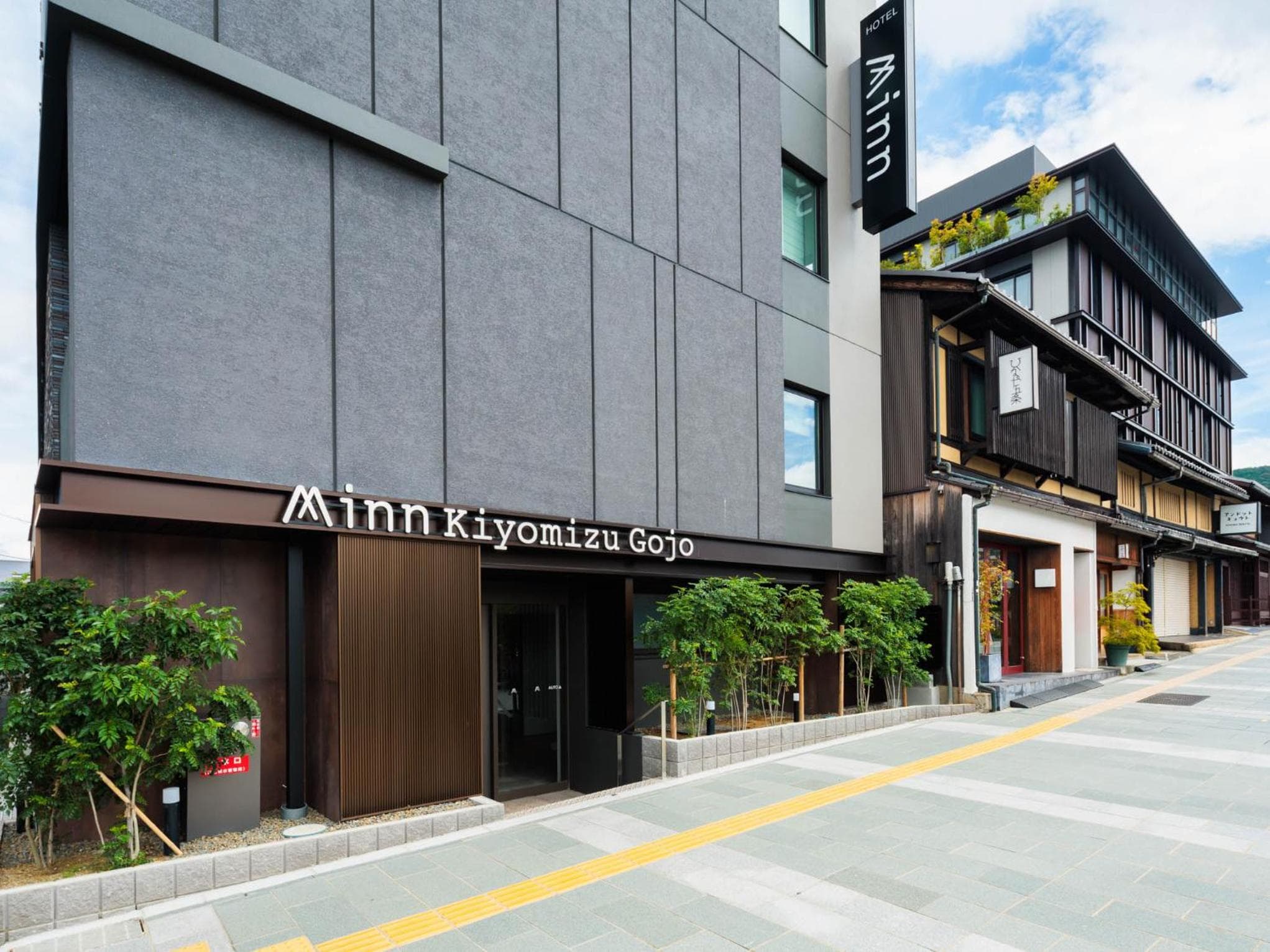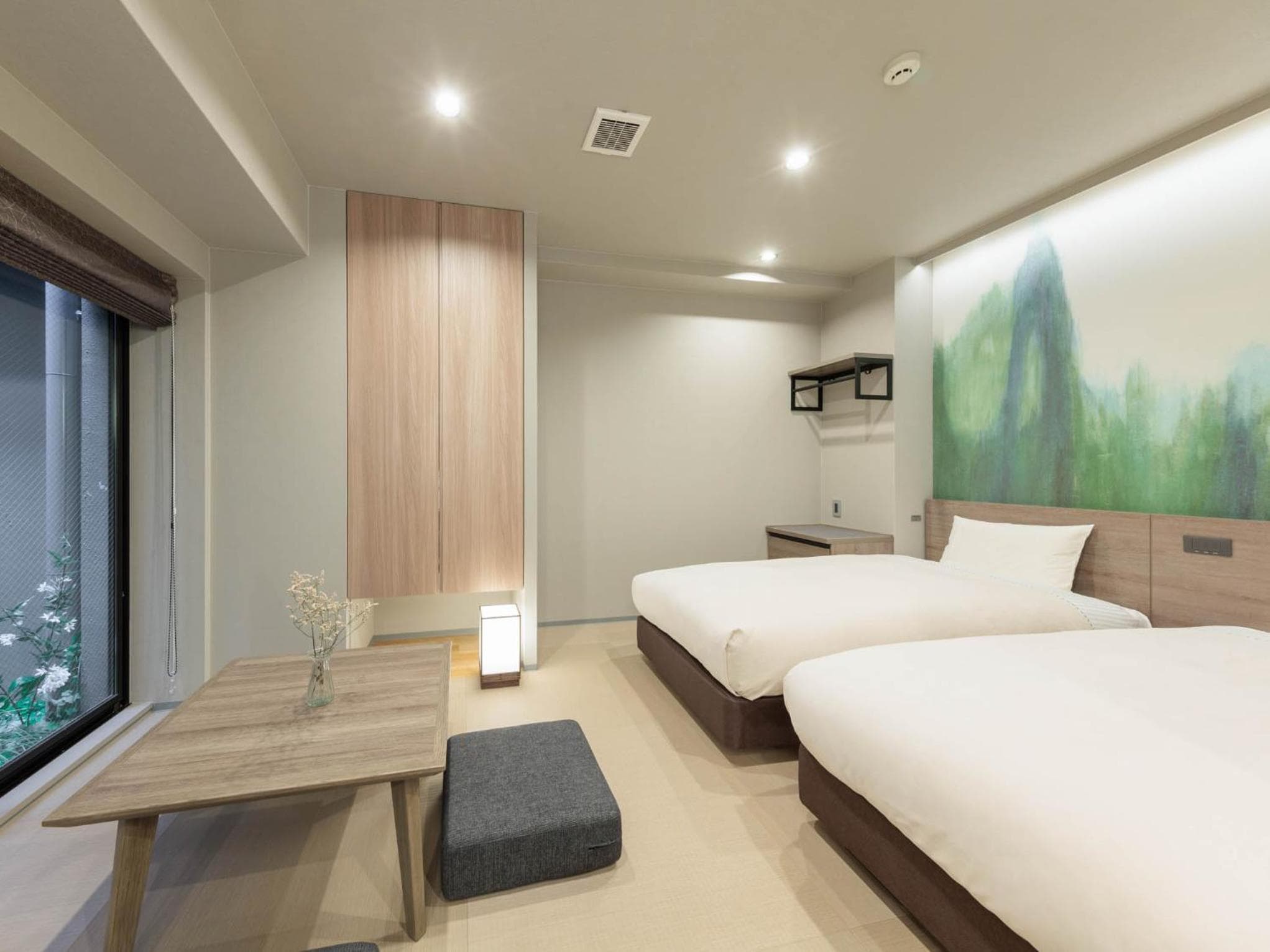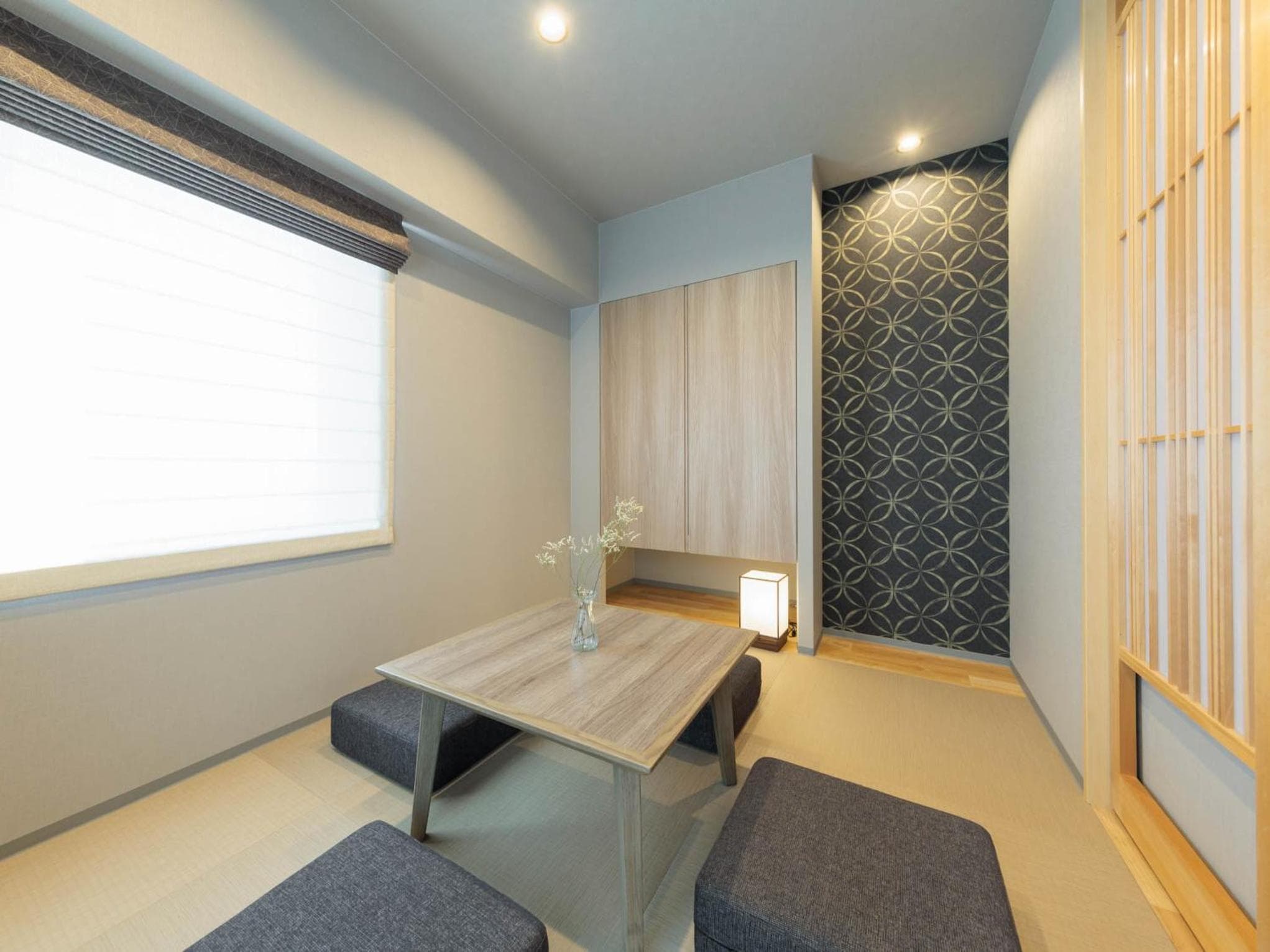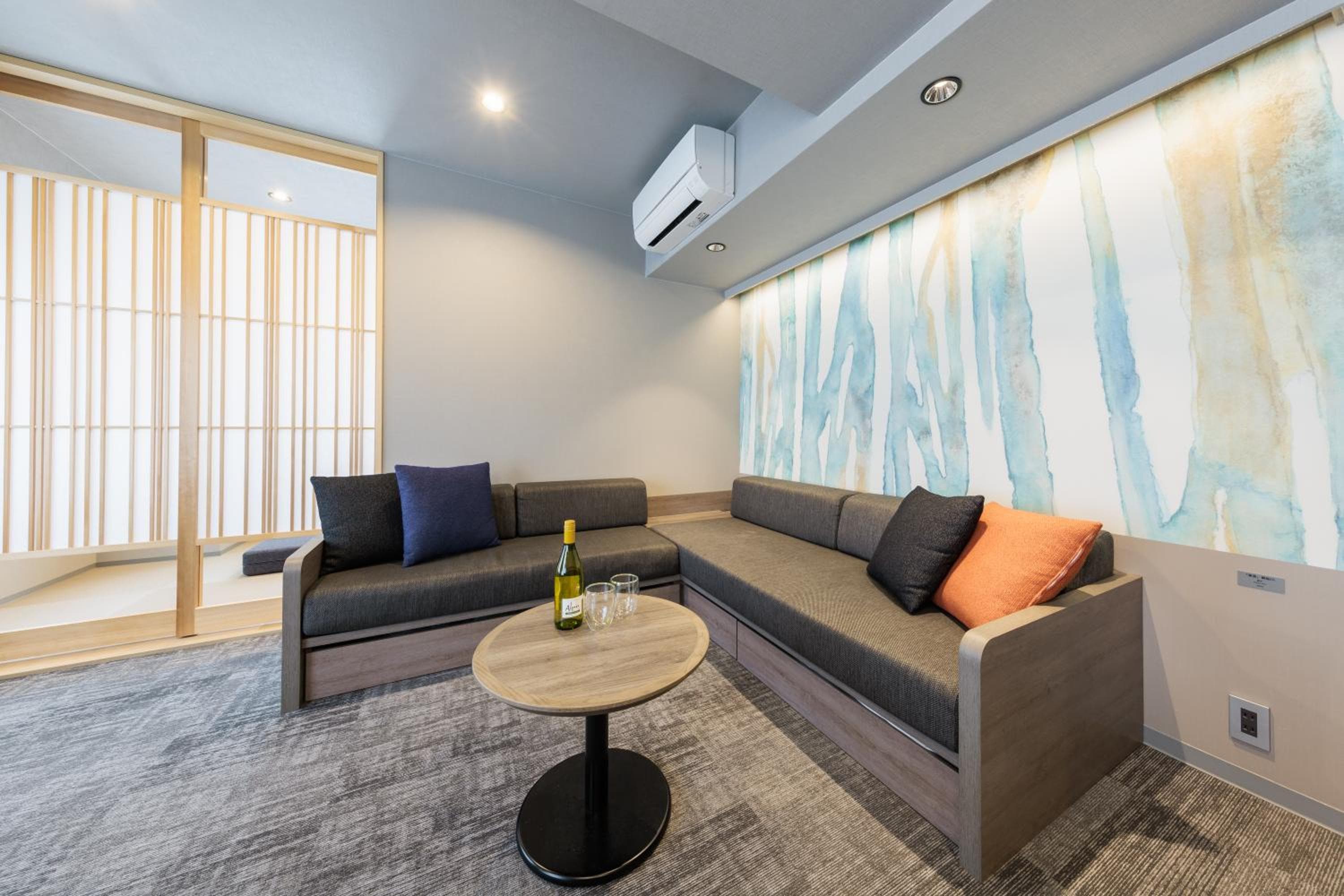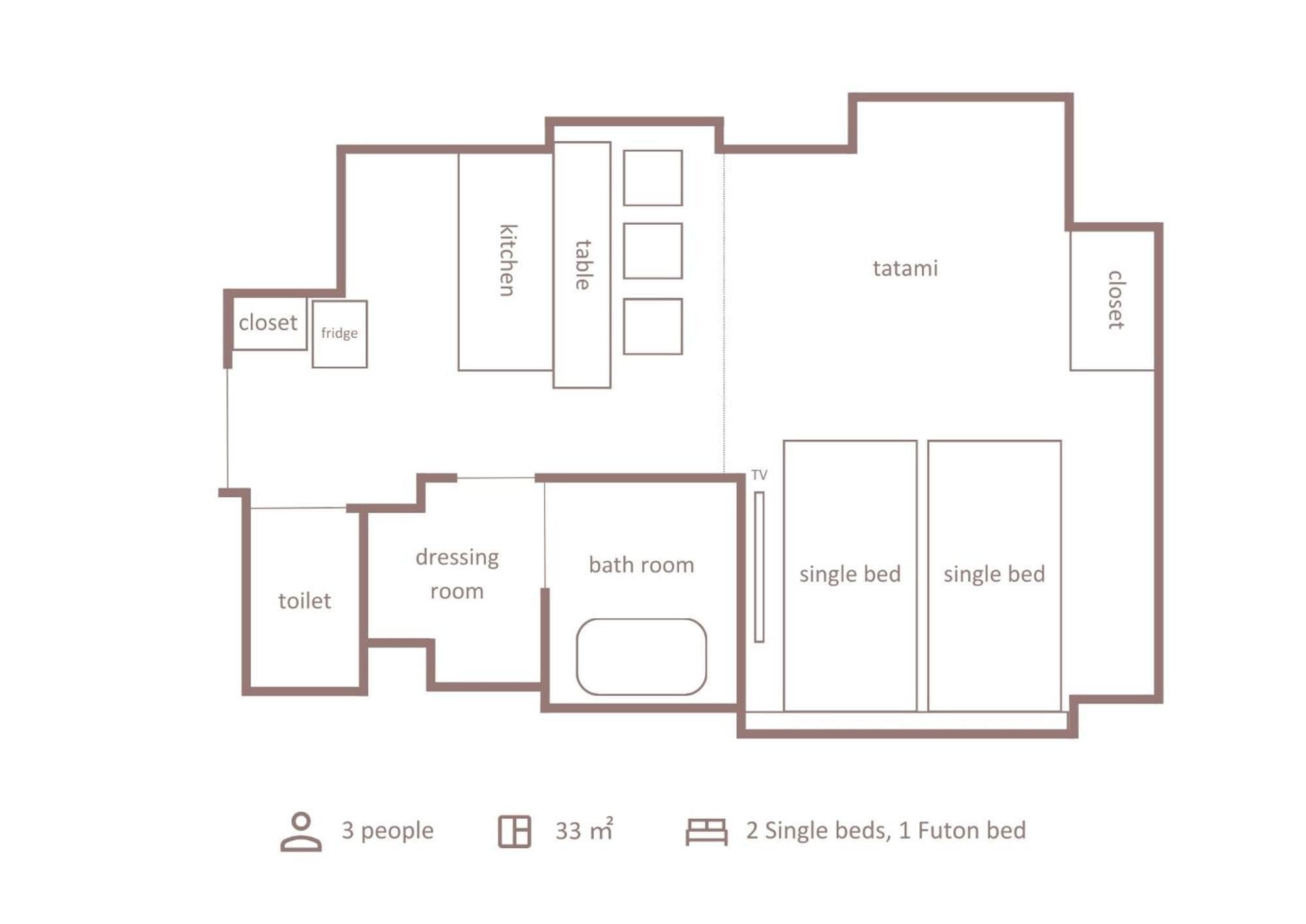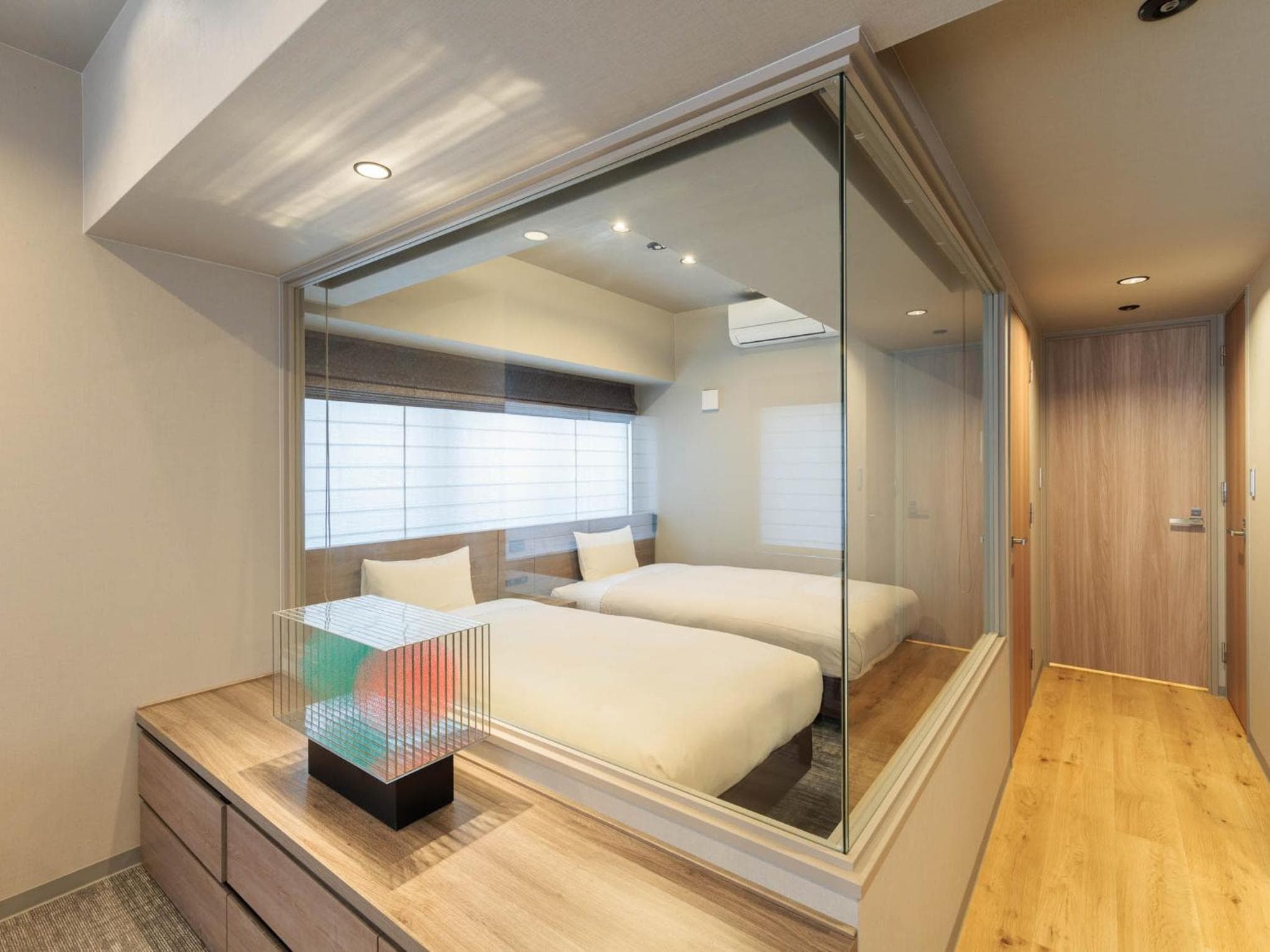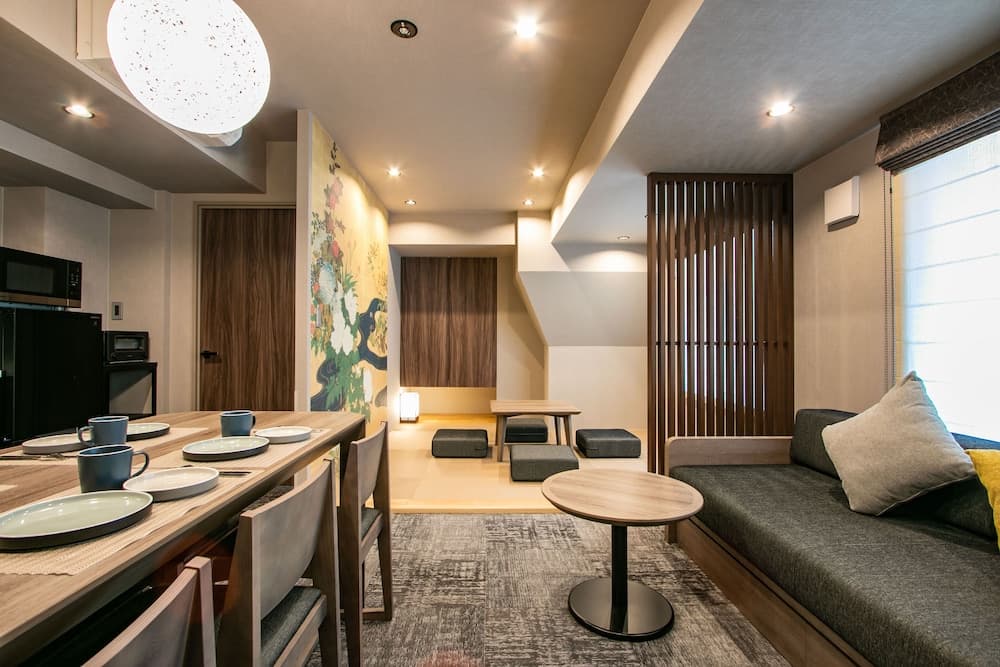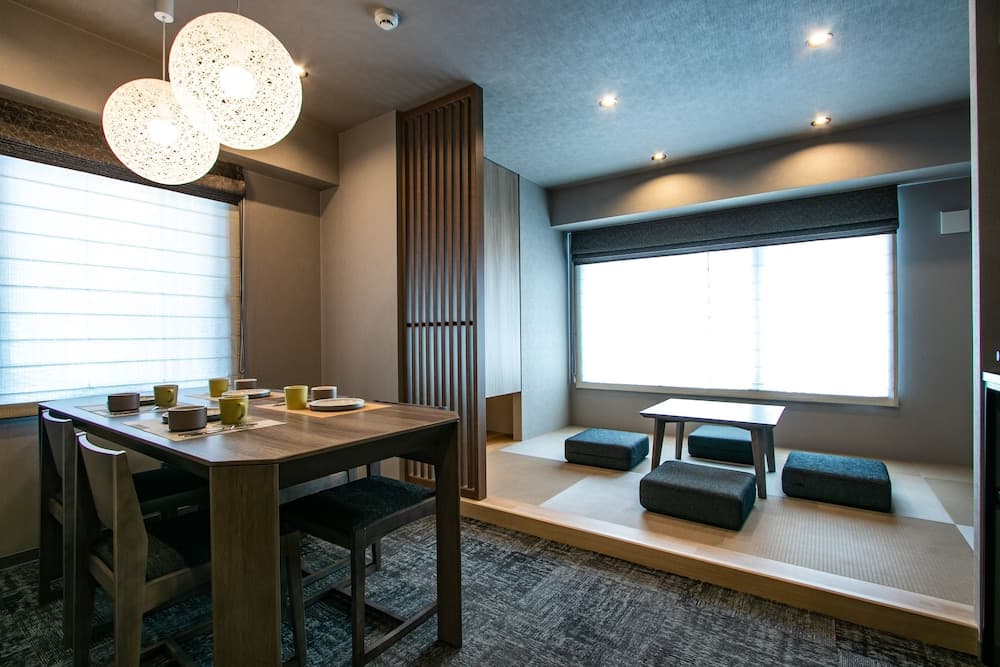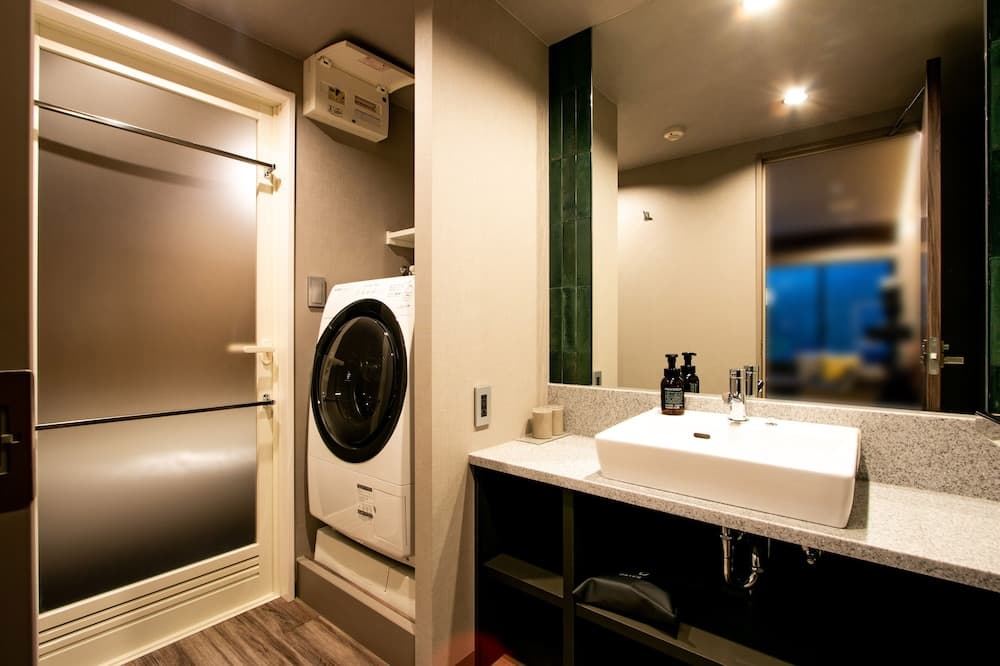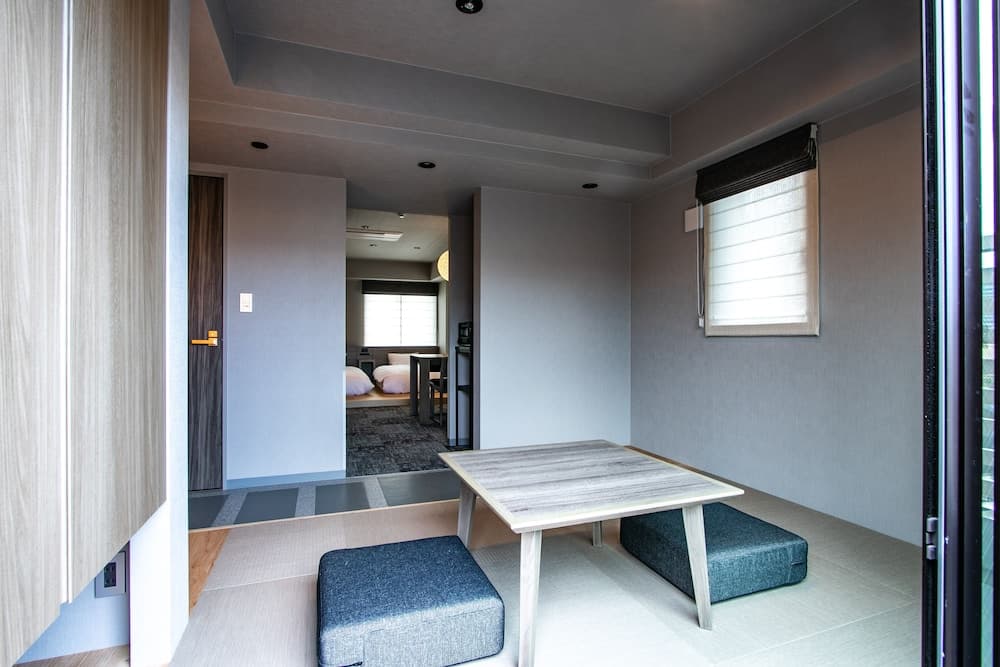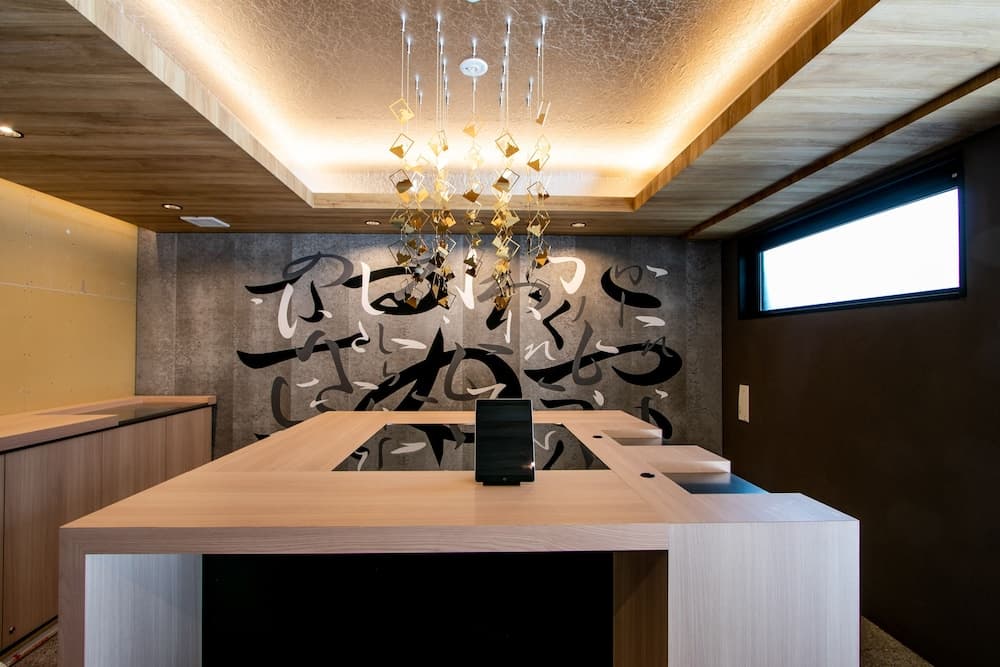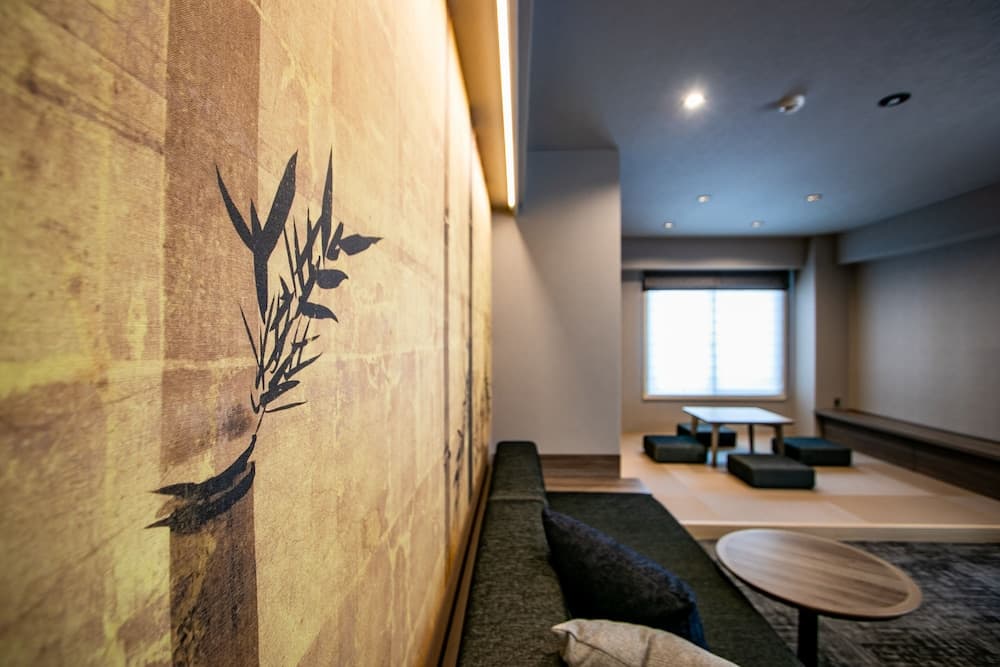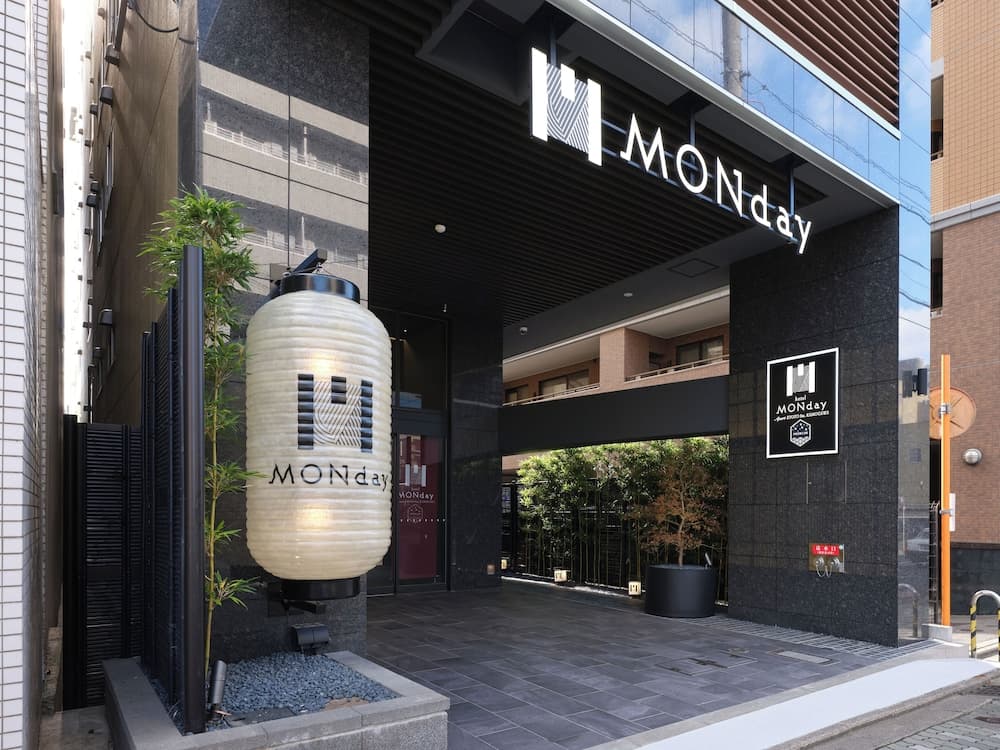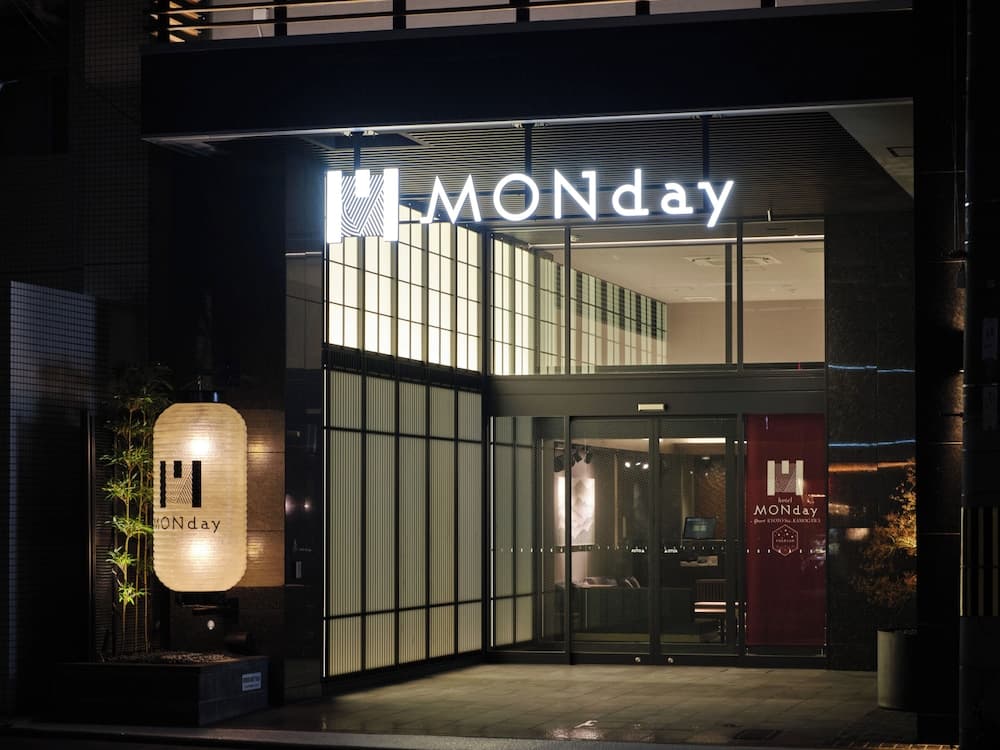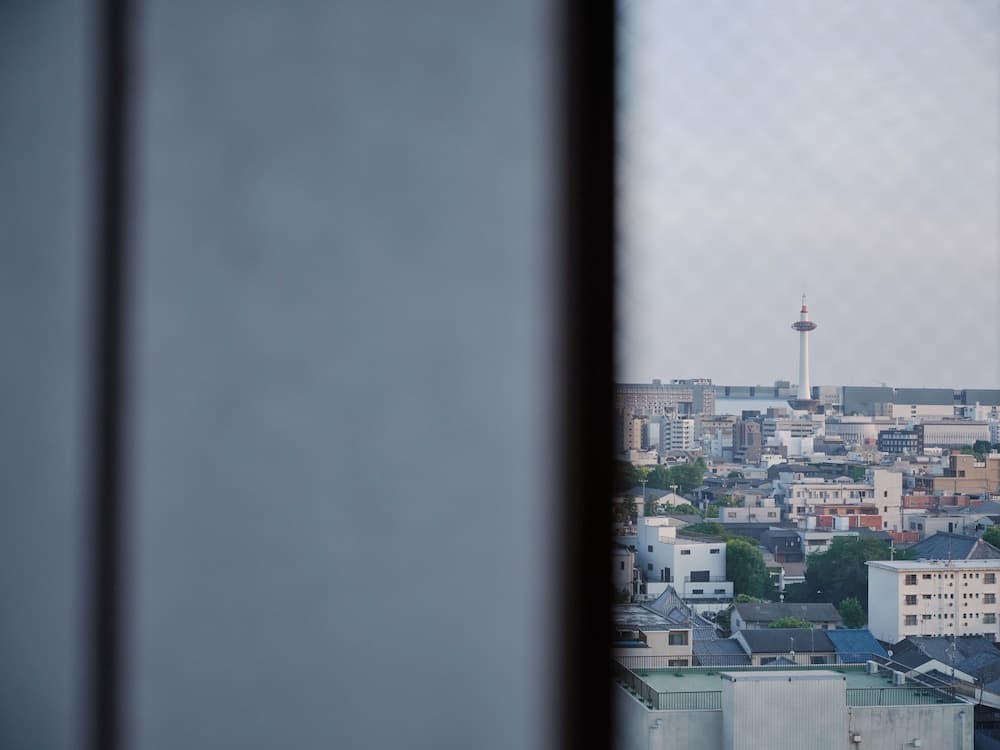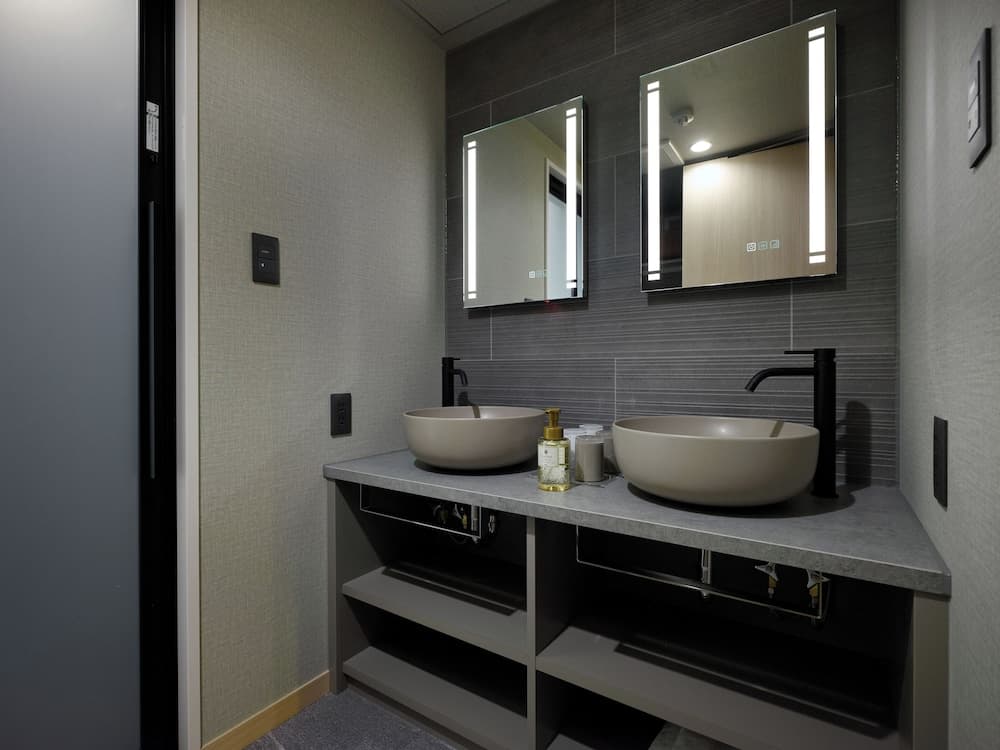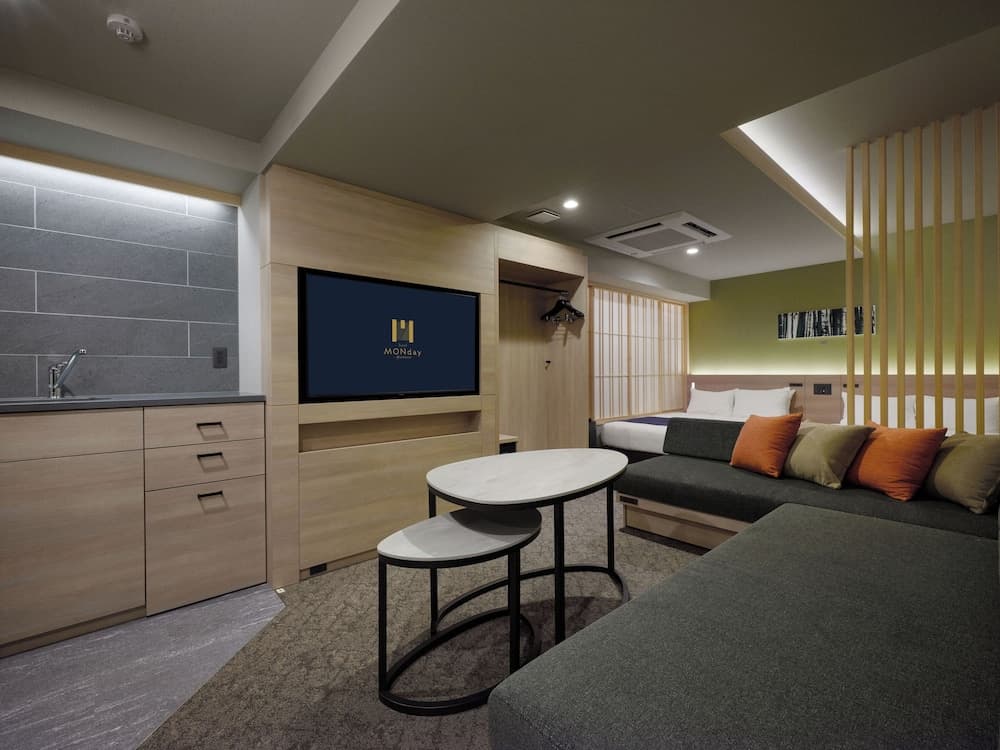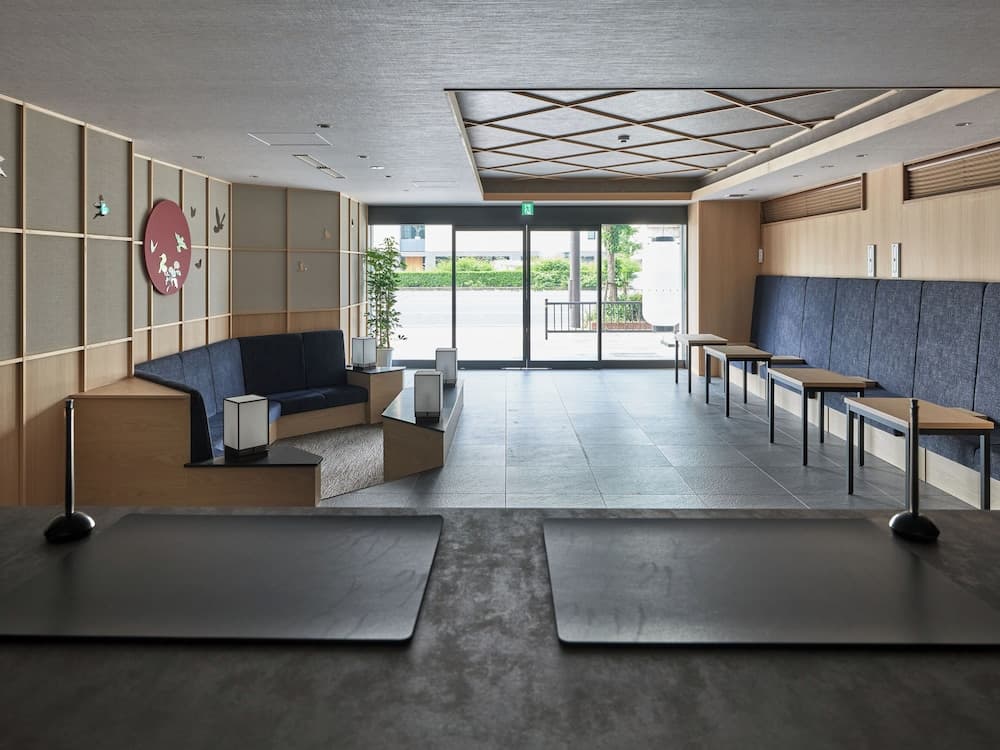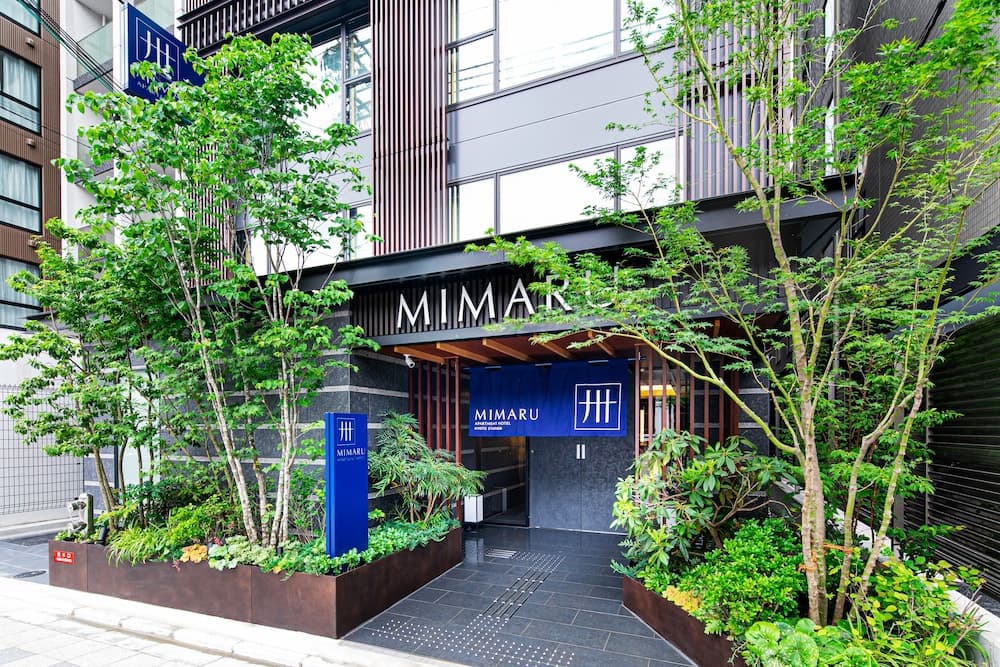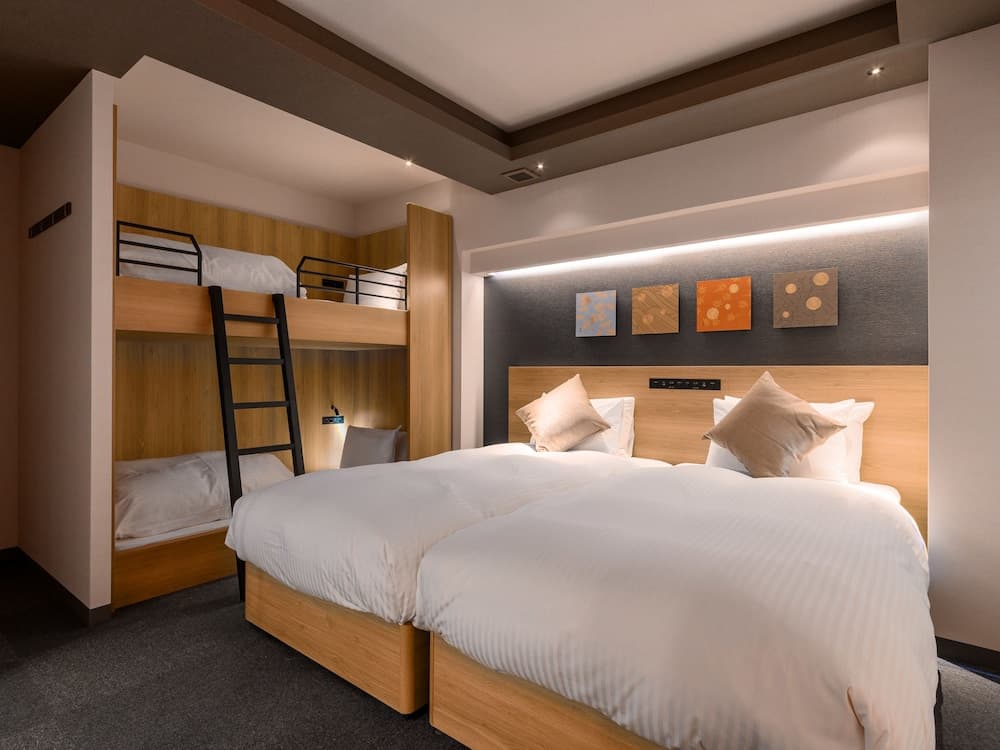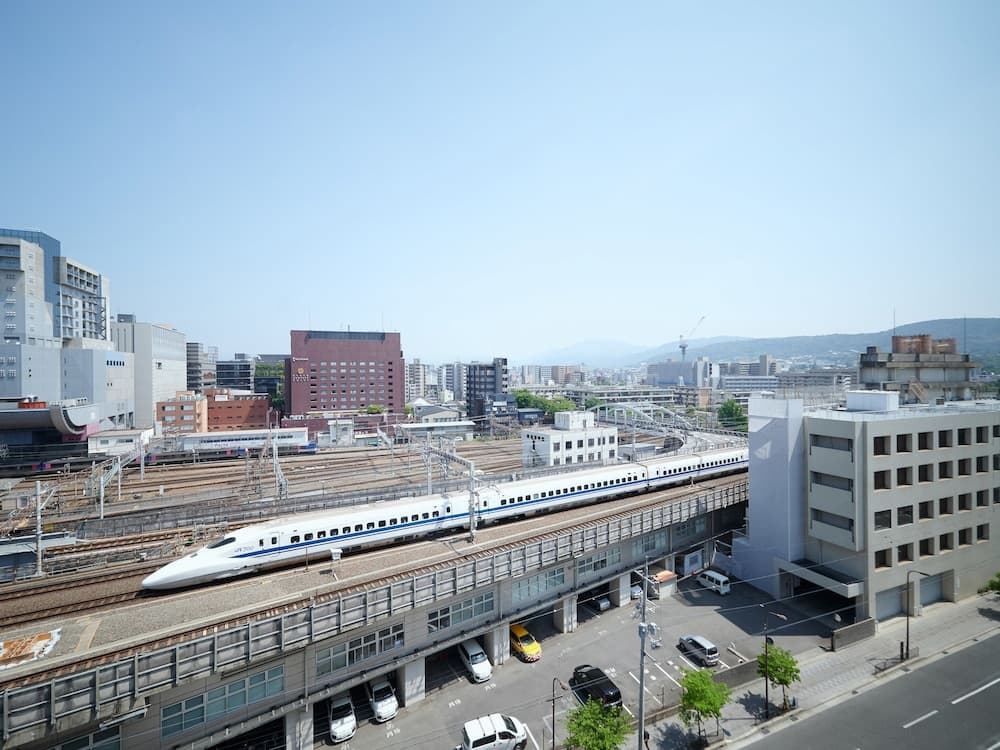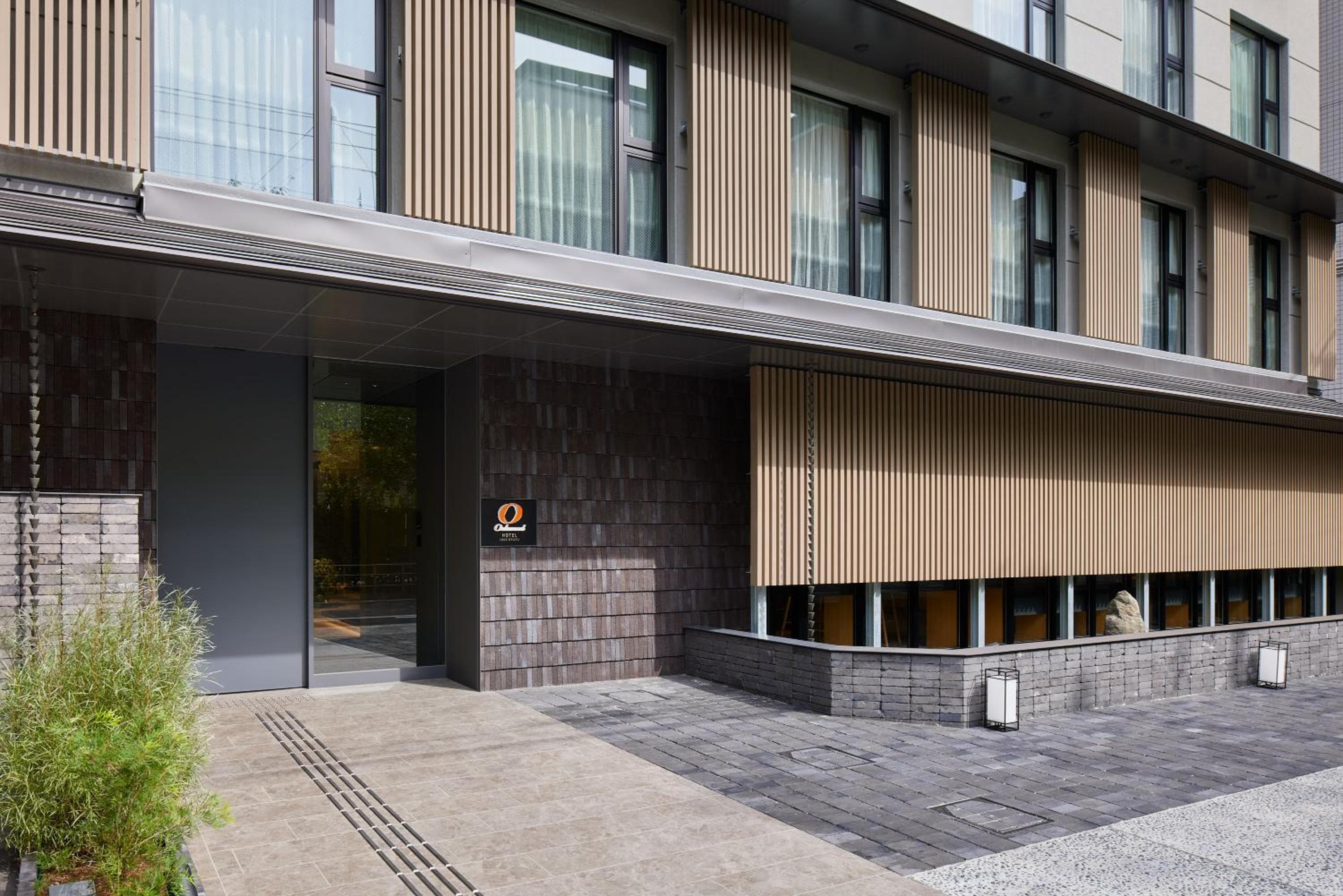
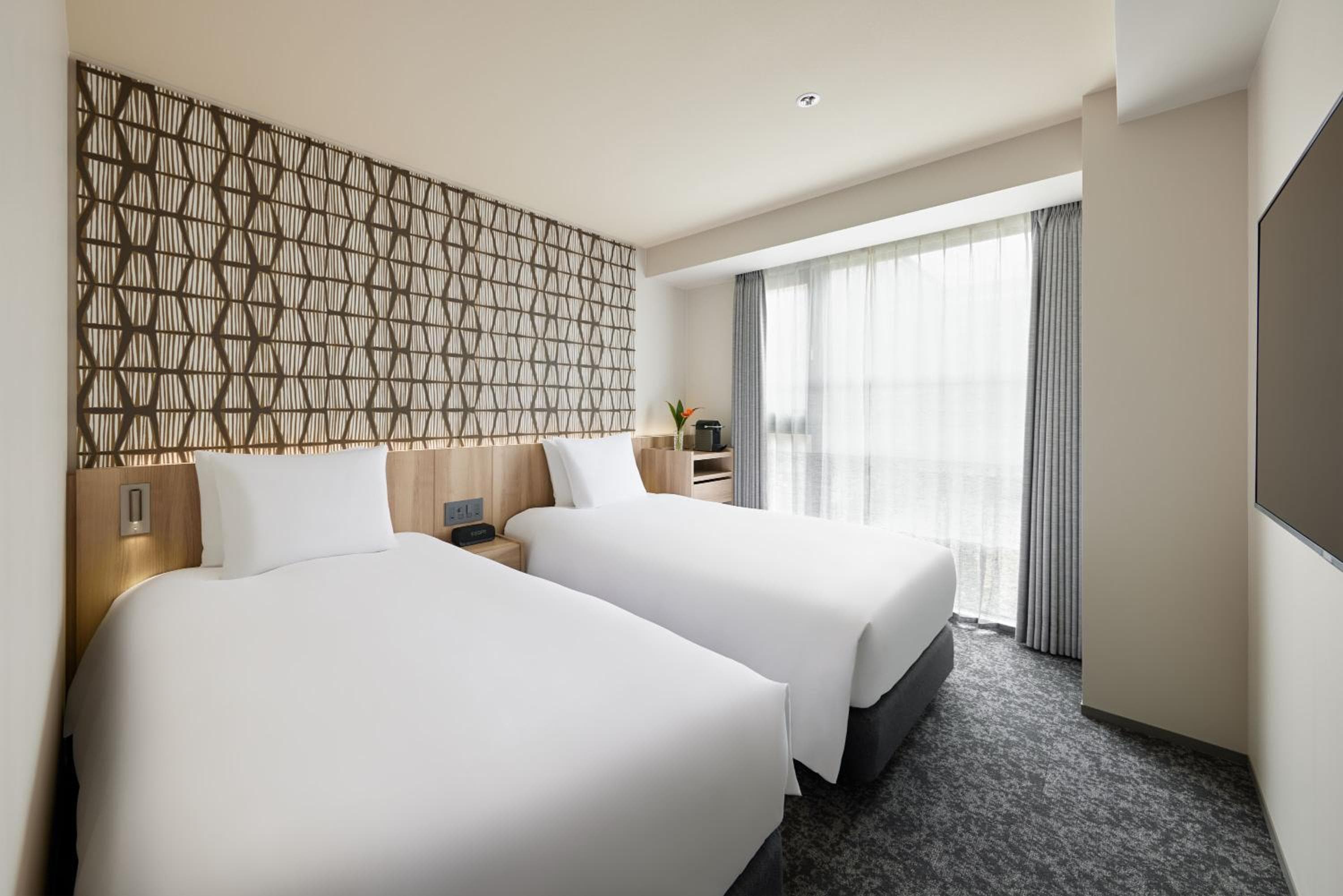
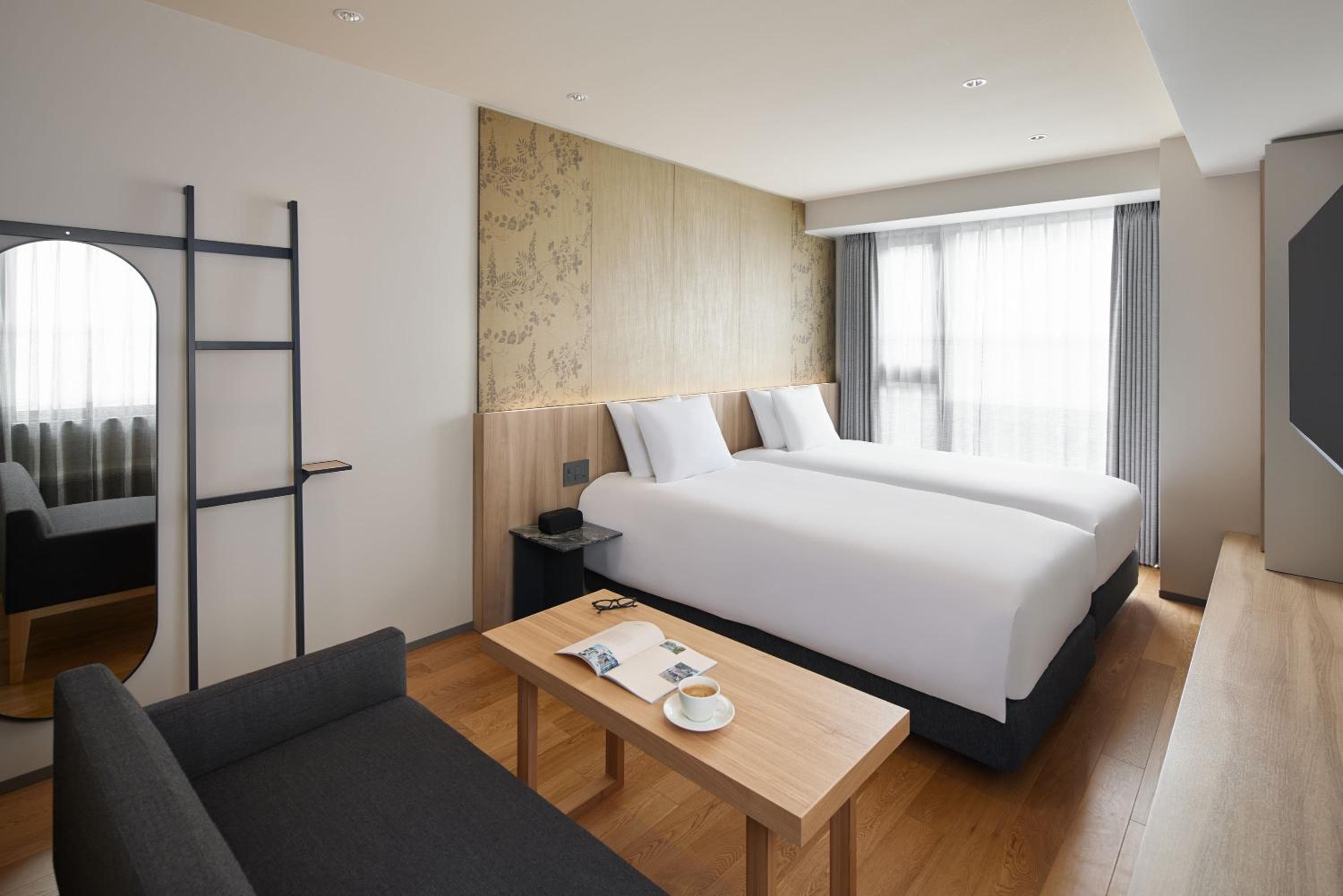

Oakwood Hotel Oike Kyoto
9.0 out of 10 from 2781 reviewsKyoto
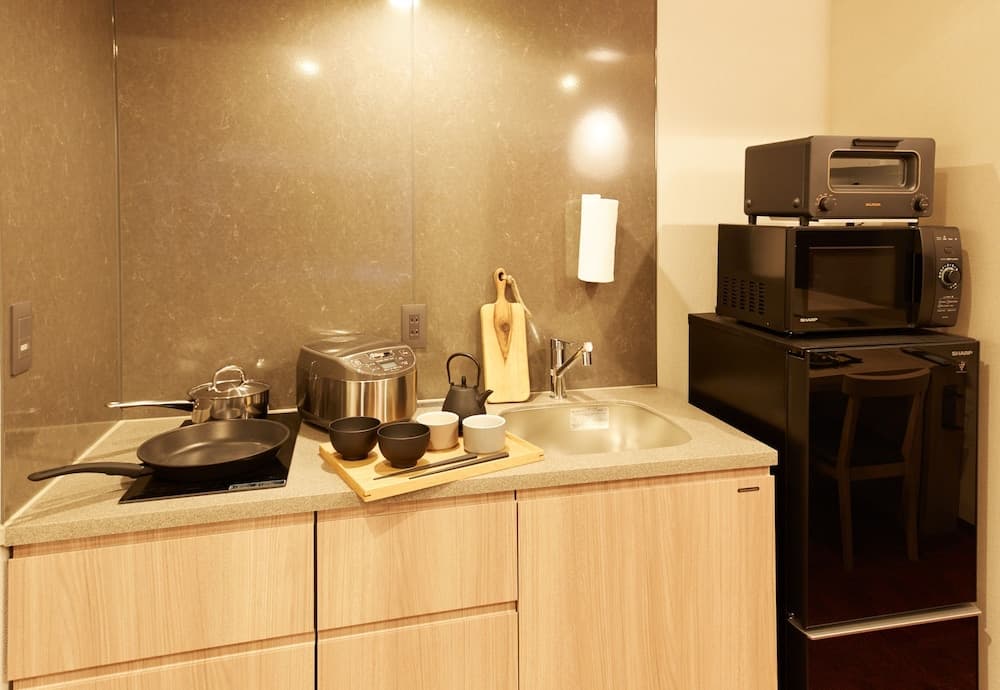
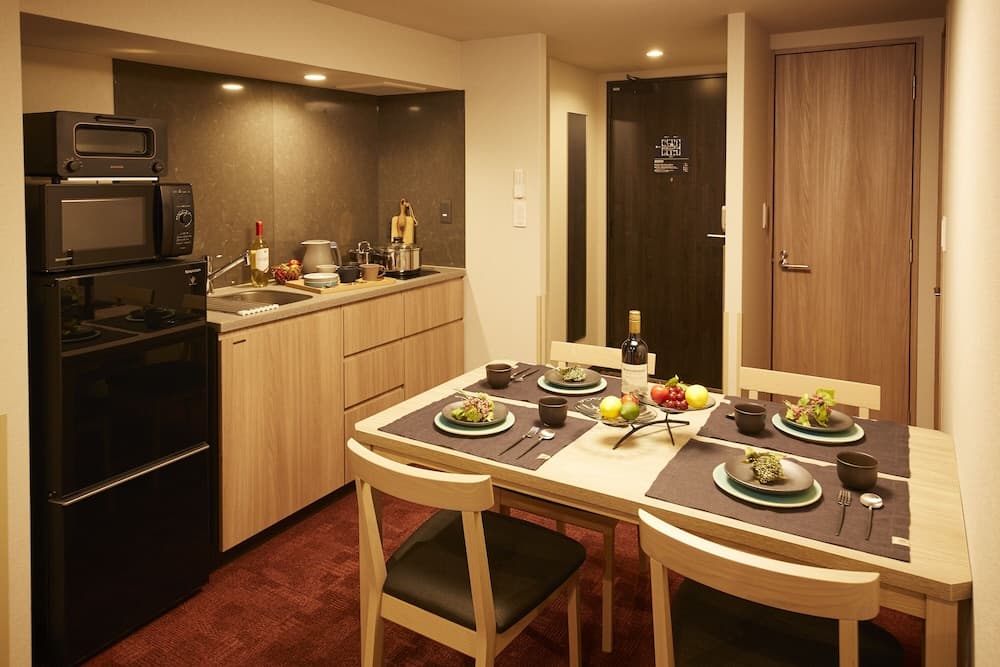
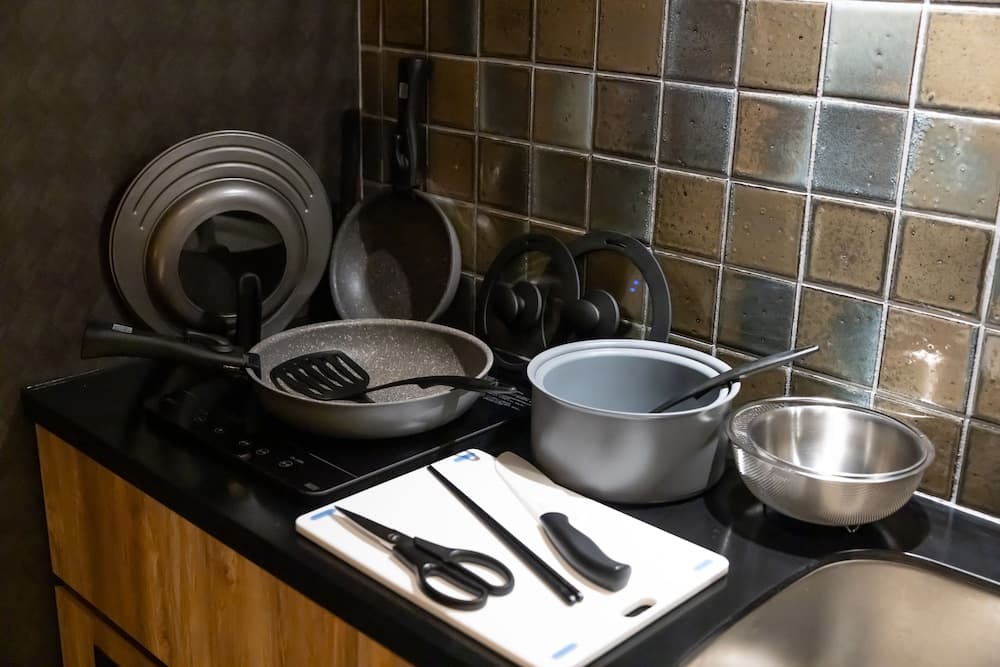
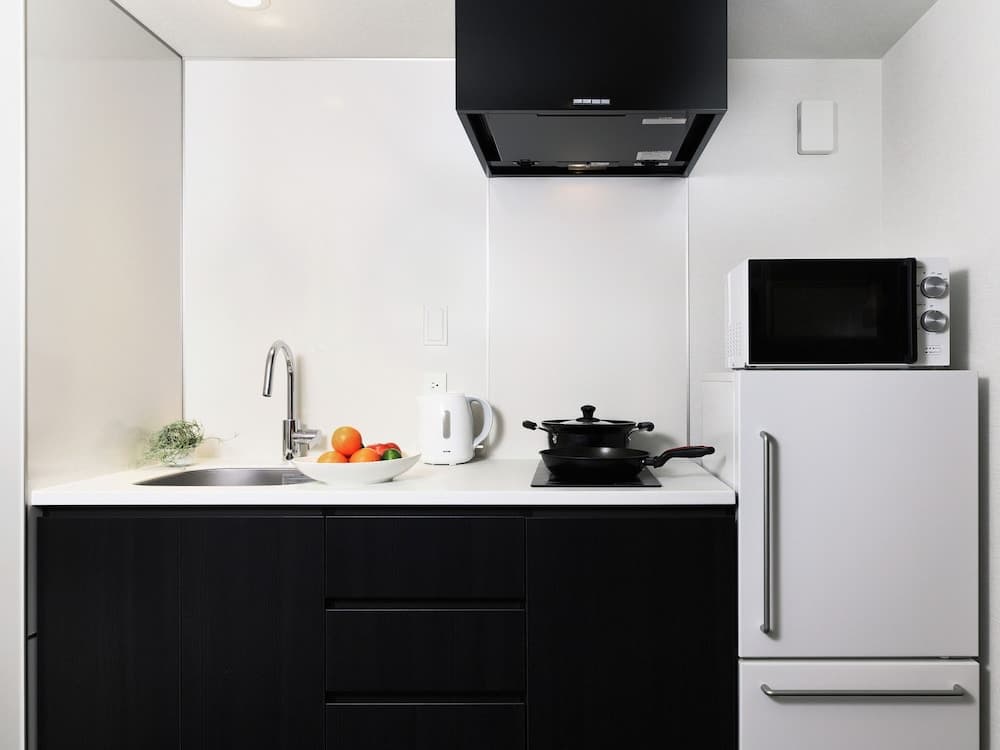
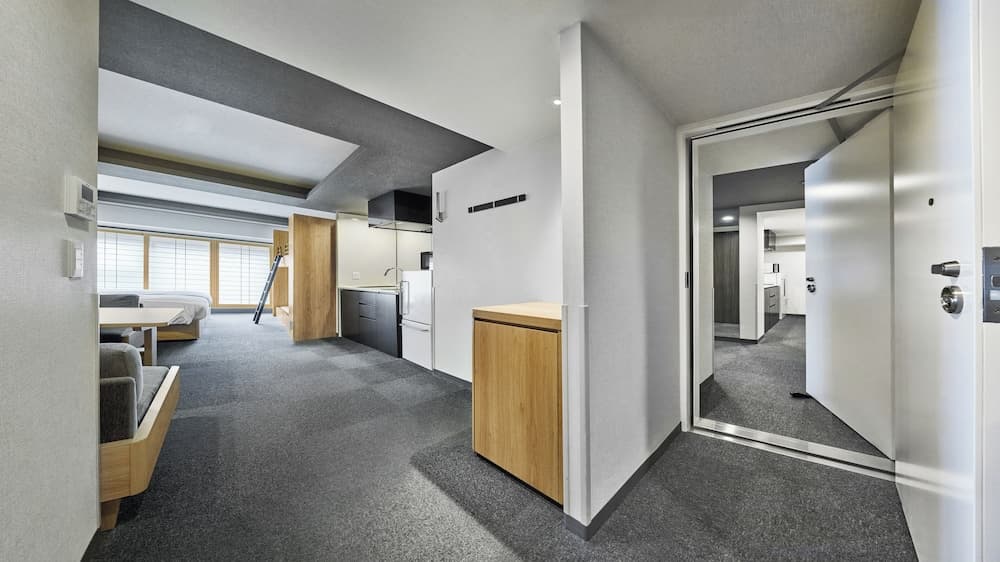
Full kitchen · 18–42 m² · Sleeps 3
from €433 night
71 stays · 51 aparthotels and 20 serviced apartments
Kyoto rewards slow travel. With 17 UNESCO-listed sites in and around the city, temples spread from Arashiyama in the west to the hills of Higashiyama in the east, and two peak seasons that fill central hotels, many visitors find that aparthotels and serviced apartments in Kyoto make more sense than a single hotel room. A kitchen, a washing machine and room to unpack help on a week-long stay, and families get space that standard Japanese hotel rooms rarely offer.
71 stays
Kyoto Station links the Tōkaidō Shinkansen with five JR West lines, a Kintetsu line and the Karasuma subway line, and the Haruka express to Kansai Airport leaves from here. It is the most practical base for day trips to Osaka, Nara and beyond. The streets around it are modern rather than historic, but buses fan out to almost every sight.
Stays in or near Kyoto Station
Central Kyoto between Karasuma and the Kamo River is the city's commercial core, with covered arcades such as Teramachi off Shijō-dori and Nishiki Market, a 400-metre food arcade known as Kyoto's kitchen. Both subway lines cross nearby, so you can reach most of the city without changing. It suits longer stays because shops and supermarkets are on the doorstep.
Stays in or near Downtown Shijō–Karasuma
East of the Kamo River, Gion is Kyoto's best-known geisha district, with Kiyomizu-dera and other temples up the slopes behind it. Lanes here are atmospheric but crowded at peak times, so staying close lets you walk them early or late. The Keihan line and the Tōzai subway line serve the area.
Stays in or near Gion and Higashiyama
Around Nanzen-ji the city meets the eastern hills, and the Philosopher's Path runs north from here to Ginkaku-ji under a line of cherry trees. It is calmer than Gion in the evenings yet still on the Tōzai subway line. A good choice if you want greenery and early-morning temple visits.
Western Kyoto's Arashiyama combines wooded hills, the Togetsukyō bridge over the river, Tenryū-ji with its Zen garden and the bamboo grove. The JR Sagano line, the Hankyū line and the Randen, Kyoto's last surviving tram line, all reach it. Evenings are quiet once day visitors leave, though you will commute 20 minutes or more into the centre.
Stays in or near Arashiyama
From Kansai International Airport the JR Haruka limited express reaches Kyoto Station in about 75 minutes, and airport limousine buses also run to the station. From Osaka Itami Airport a limousine bus takes roughly 50 minutes. The fastest Nozomi Shinkansen trains link Kyoto with Tokyo in about 2 hours 15 minutes.
Inside the city, the official tourism guide recommends combining trains and buses. The subway has two lines, the north–south Karasuma line and the east–west Tōzai line, while green-and-white city buses reach far more sights, including express sightseeing routes such as the EX100 and EX101. The Subway & Bus 1-Day Pass covers subways and city buses for a calendar day, not 24 hours. Rechargeable ICOCA cards work on trains, subway and buses across Kansai.
To avoid crowded buses at Kyoto Station, the tourism office suggests starting from smaller JR stations such as Nijō, Enmachi, Tōfukuji or Yamashina. The grid layout also makes cycling straightforward, and many visitors rent bikes for flat routes along the river.
Downtown arcades and Nishiki Market, with around 130 stalls selling vegetables, fish, pickles and kitchen knives, make self-catering easy. Areas near the Kamo River are pleasant for daily walks and runs.
Plan around the seasons: if you are staying in spring or autumn, book well ahead and do sightseeing early in the day, saving weekday afternoons for shopping and laundry. Business travellers relocating for a few months may find our guide to serviced apartments for relocation useful.
Kyoto has a humid subtropical climate. Summers are hot and sticky, with average August highs above 33°C and a rainy season from mid-June to late July; winters are cold, with January lows around 1.5°C and occasional snowfall. Cherry blossom in early April and autumn leaves in November are the busiest times.
Major festivals include the Aoi Matsuri on 15 May, the Gion Matsuri in July, with its main procession on 17 July, the Gozan Okuribi bonfires on 16 August and the Jidai Matsuri on 22 October. Expect fuller transport and accommodation on these dates.
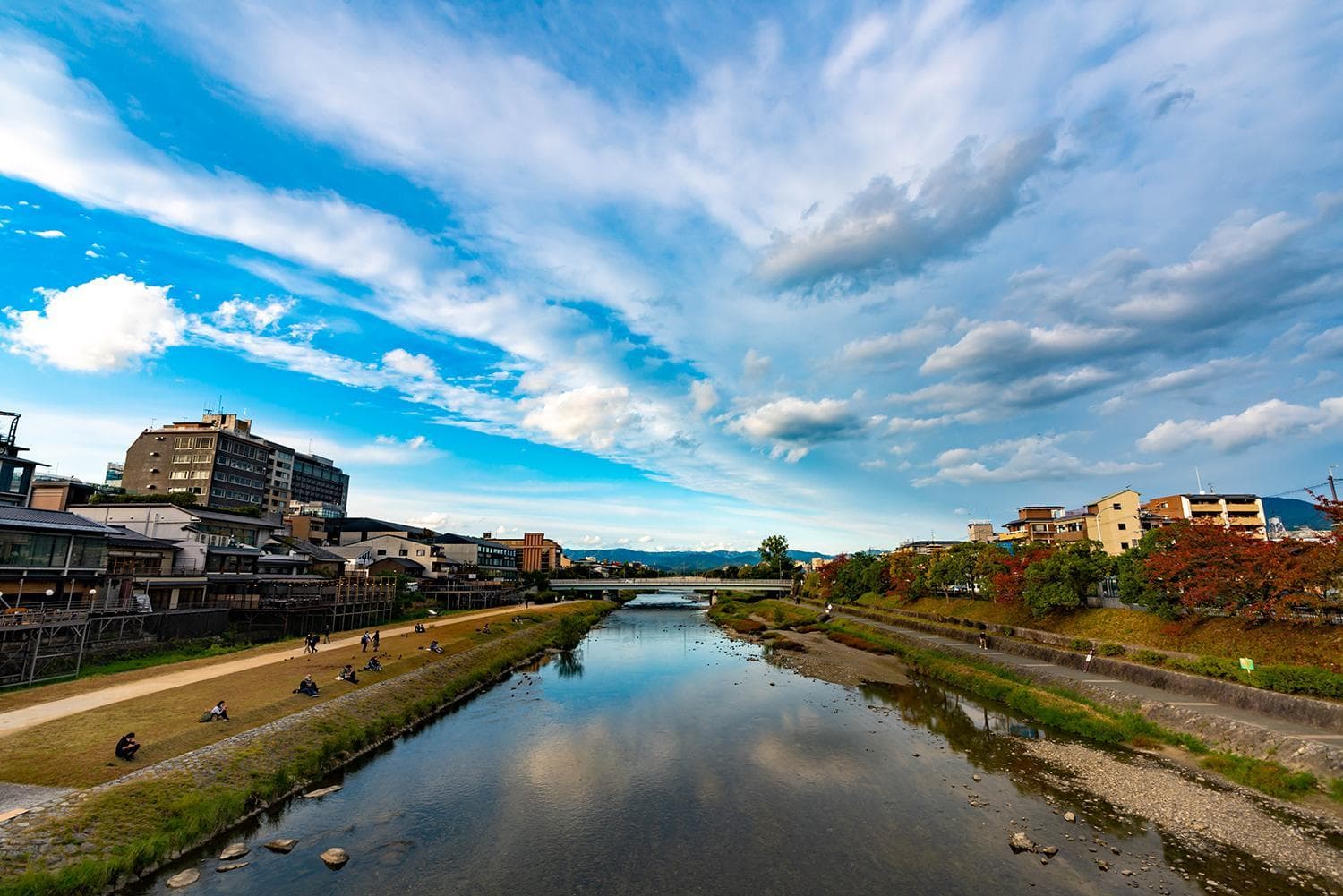
The city sits on a grid between the Kamo River and wooded hills, so it is easy to read on a map. Most visitors base themselves near Kyoto Station for rail connections or downtown around Shijō for food and shopping. If you are new to the format, our guide what is an aparthotel explains how these stays work.
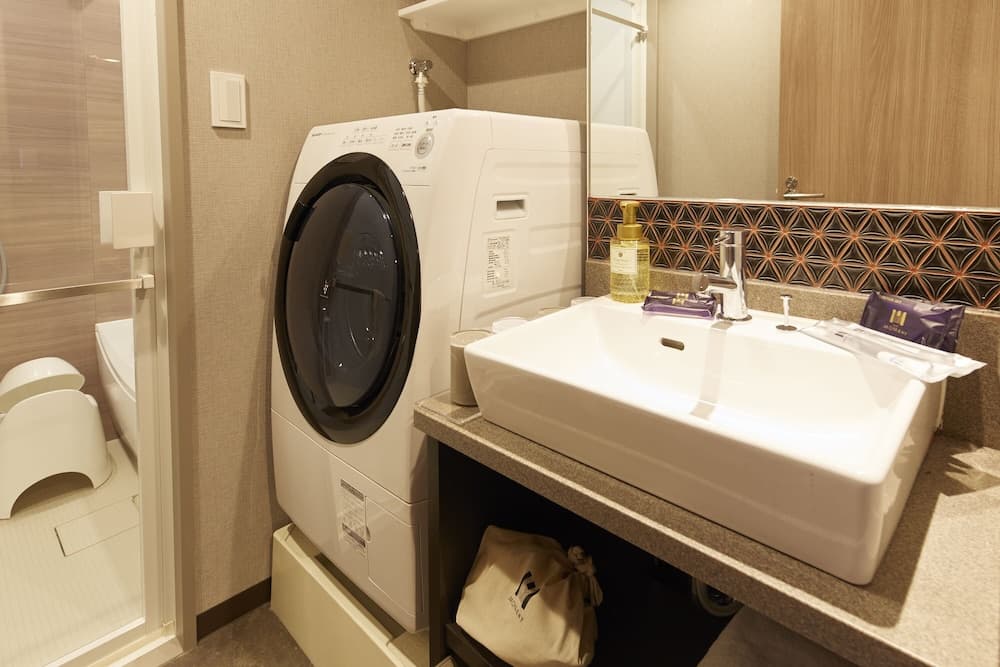
Of the 71 properties here, 38 offer an in-apartment washing machine, 13 list a laptop-friendly workspace, 22 include some form of housekeeping and 20 have a 24-hour front desk. For longer stays, the facts box on each property page shows exactly what the apartments include.
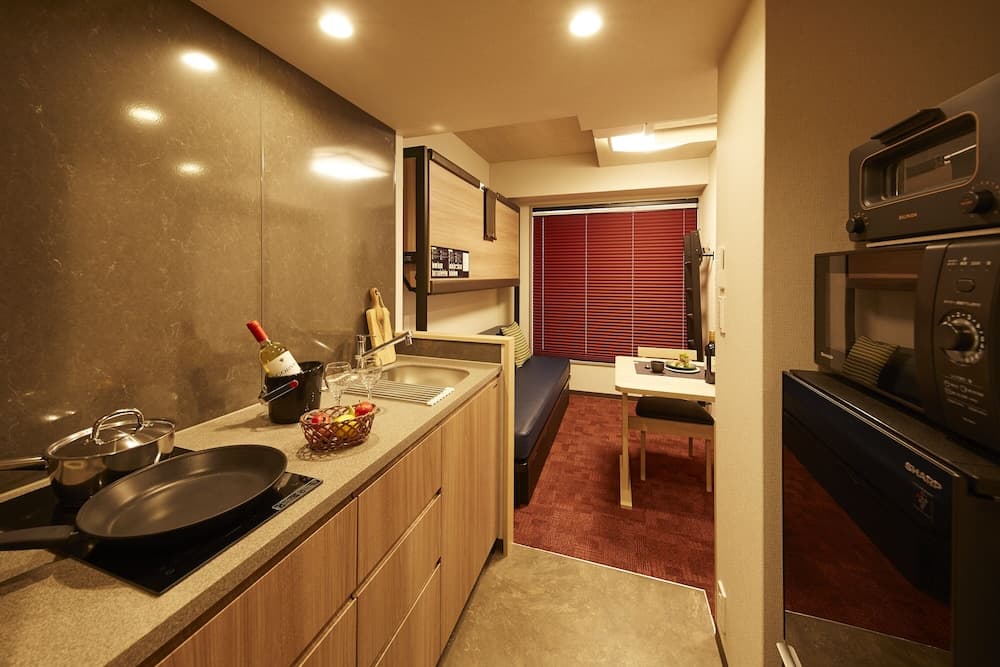
43 properties list a full kitchen and 27 only a kitchenette, so check the room type if you plan to cook more than simple meals.
Where room sizes are published, the median apartment here is 33 m².
Moving for work? Our guide to serviced apartments for relocation explains what to look for.
Several aparthotel brands operate here, including Oakwood (1) and Citadines (1).
Comparing destinations? See aparthotels in Tokyo, Osaka, Fukuoka, Naha, Kutchan, Hakuba, Nagasaki and Beppu.
First-time visitors usually choose Kyoto Station for rail links or downtown Shijō–Karasuma for shops and restaurants. Gion and northern Higashiyama put you closest to the temples on the east side.
The JR Haruka limited express runs direct to Kyoto Station in about 75 minutes. Airport limousine buses are an alternative if you have heavy luggage.
Use both. The two subway lines are fast and reliable, while city buses reach many temples the subway misses; the Subway & Bus 1-Day Pass covers both on the day you use it.
Cherry blossom season in early April and the autumn foliage season in November draw the largest crowds, along with festival dates such as the Gion Matsuri in July.
Yes. From Kyoto Station, JR, Kintetsu and Shinkansen services reach Osaka, Nara and other Kansai cities, and our Osaka page covers stays there.
We currently list 71 aparthotel and serviced apartment properties in Kyoto.
70 of the 71 properties we list have a kitchen or kitchenette in at least one apartment type.
38 properties list an in-apartment washing machine. Use the facts box on each property page to check.
Last updated