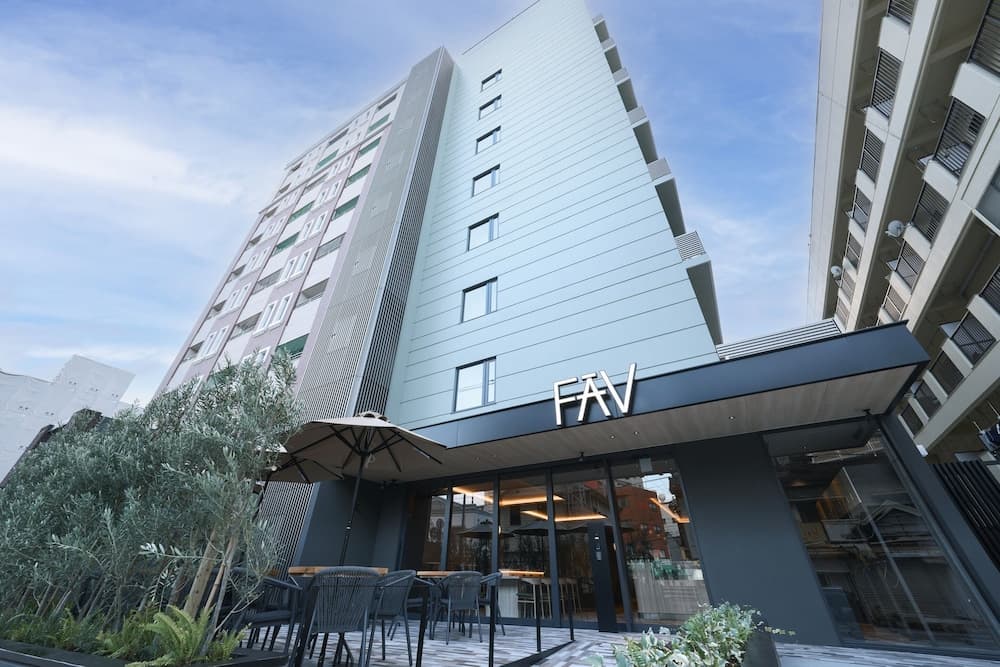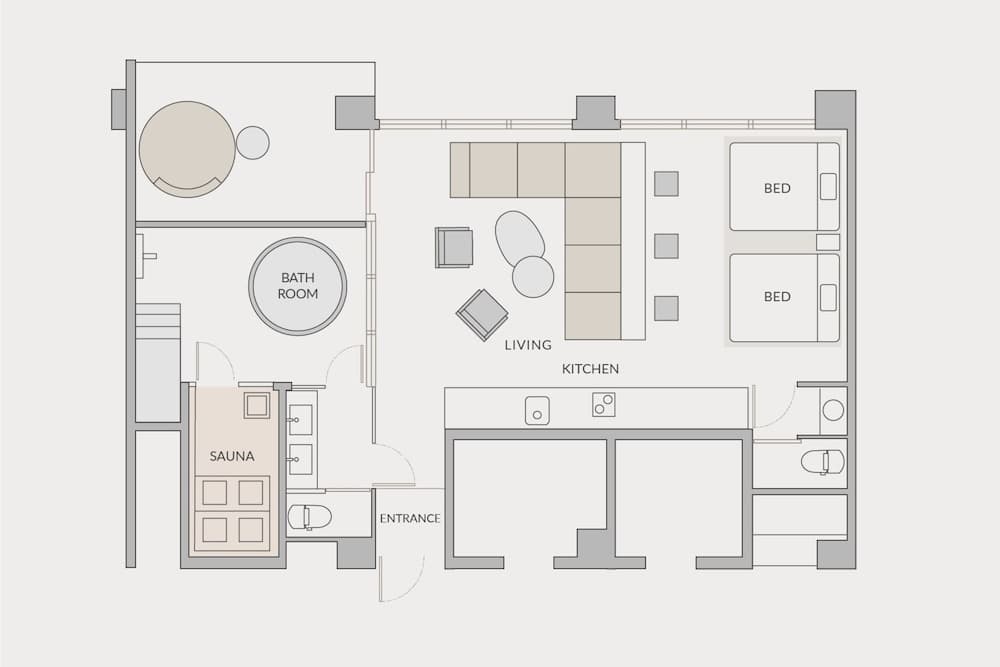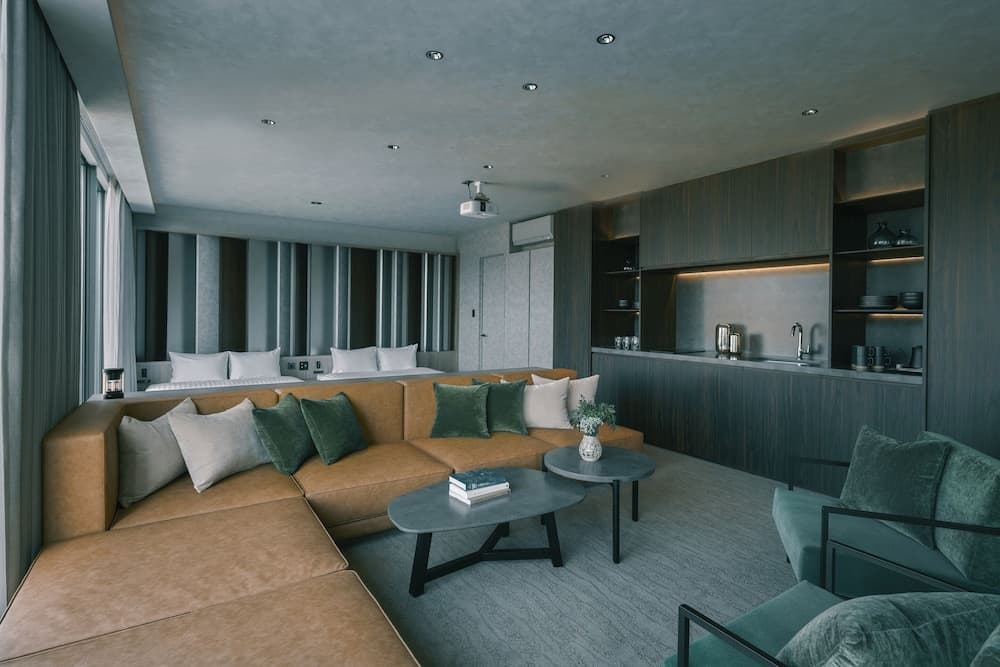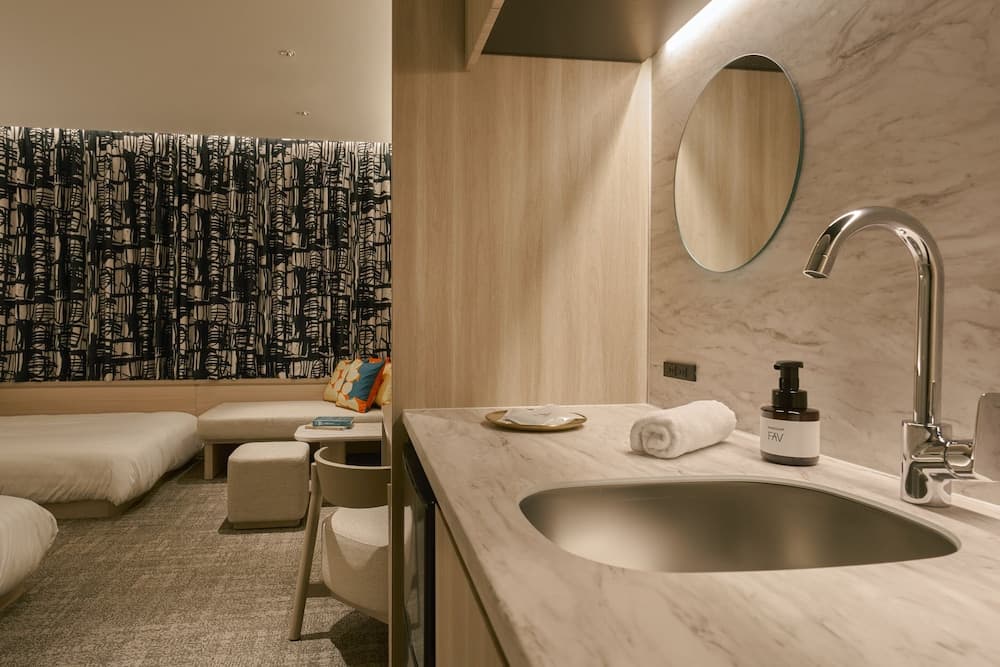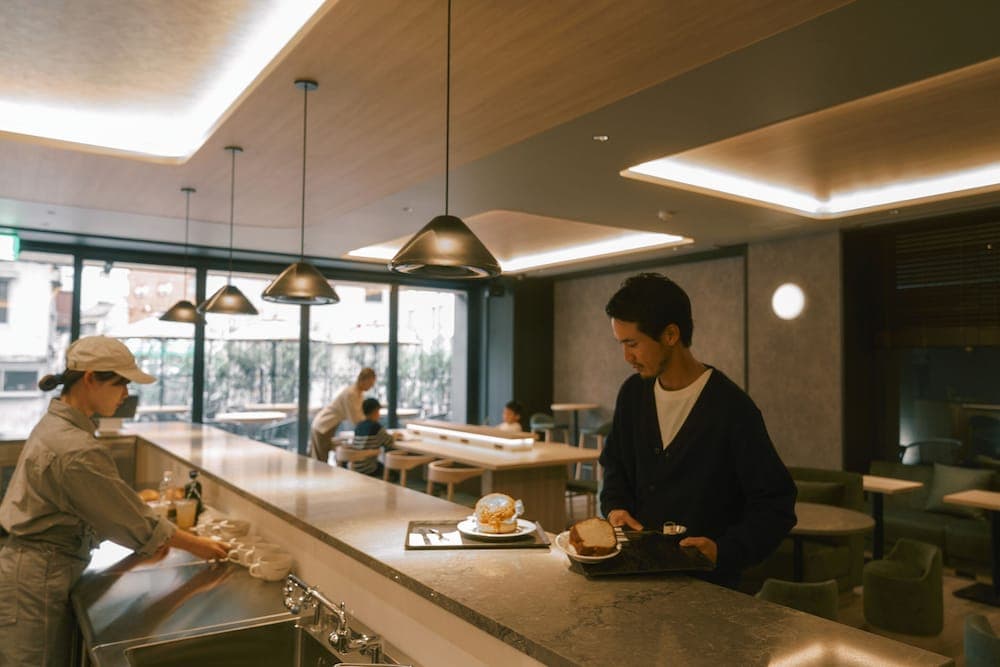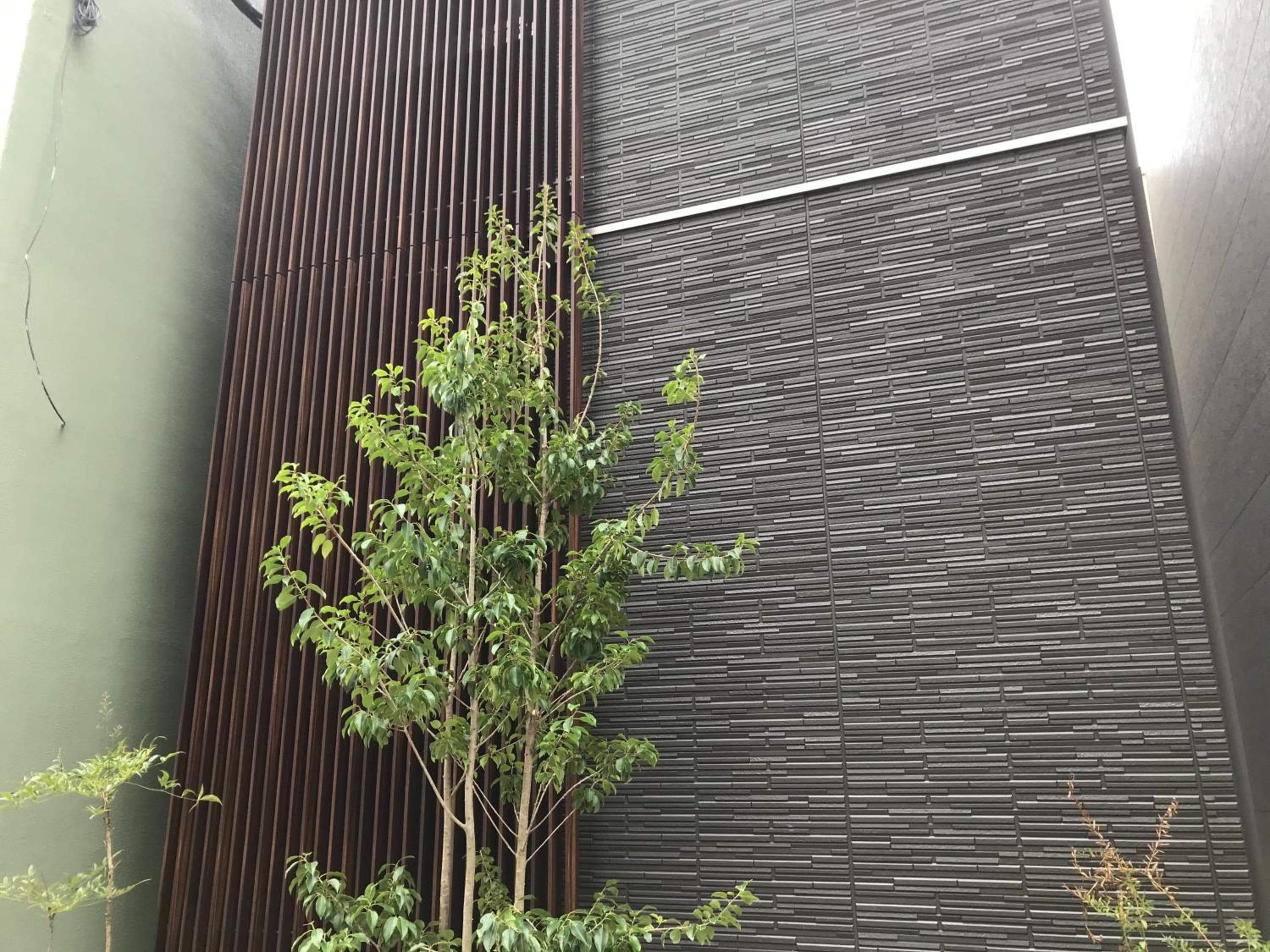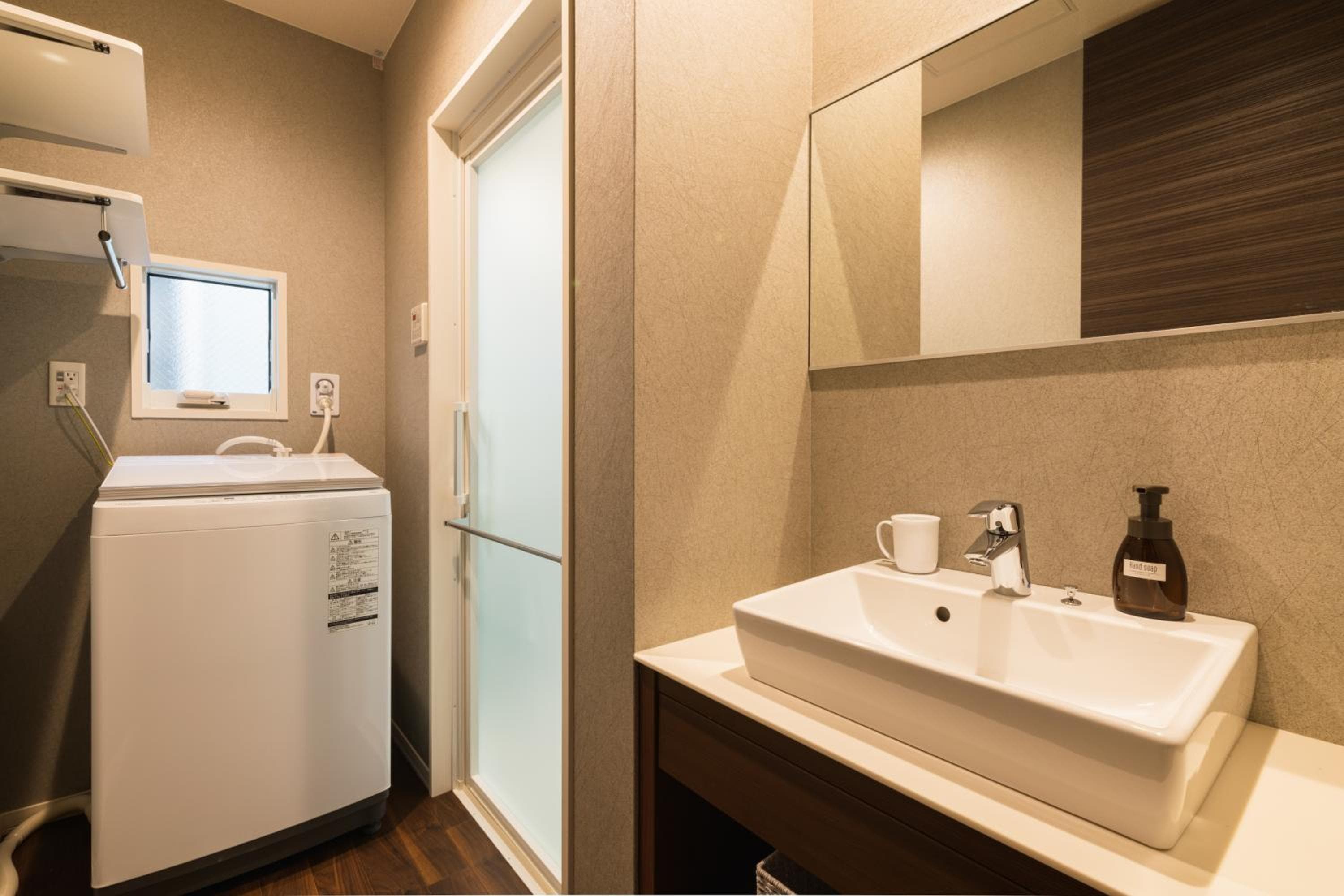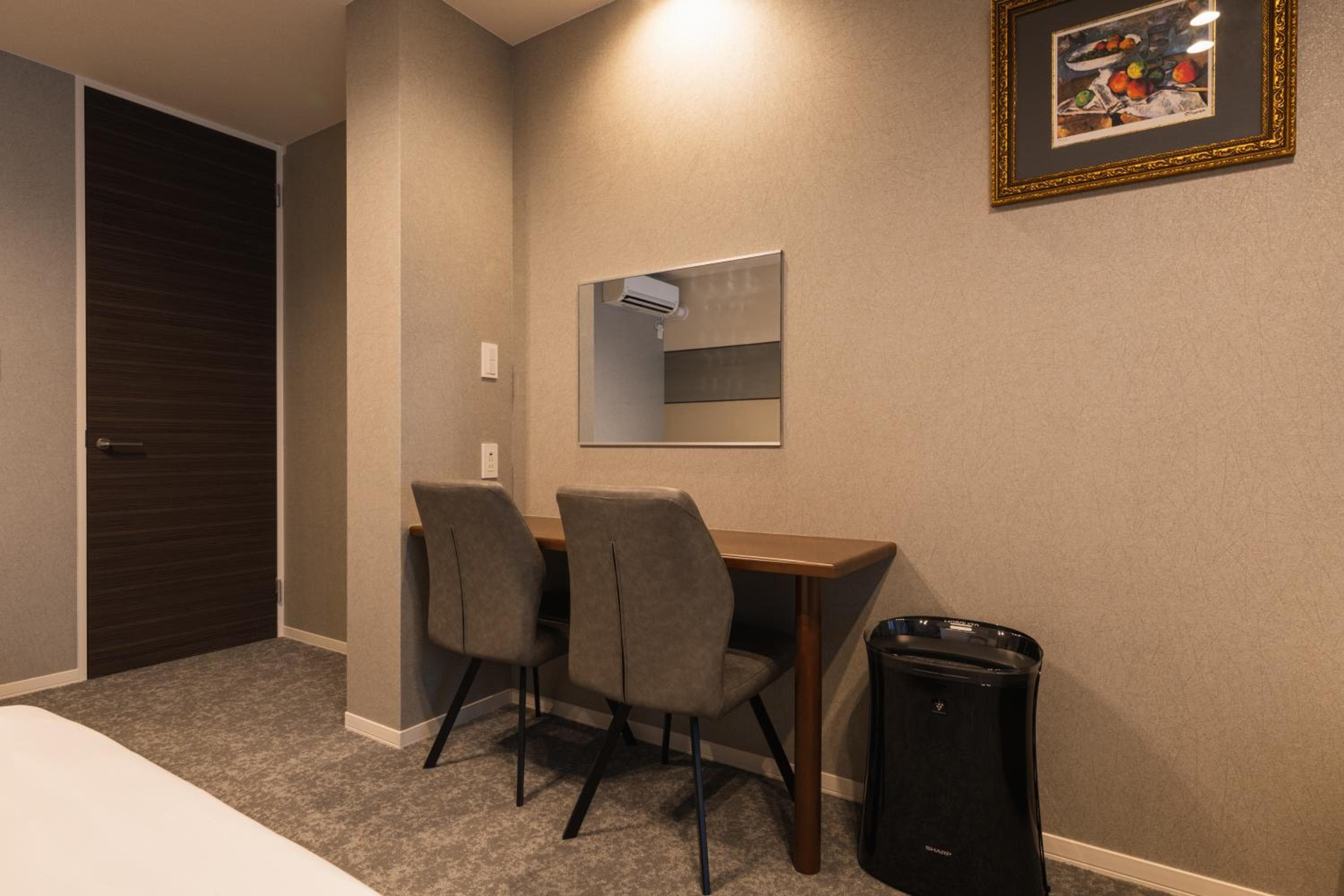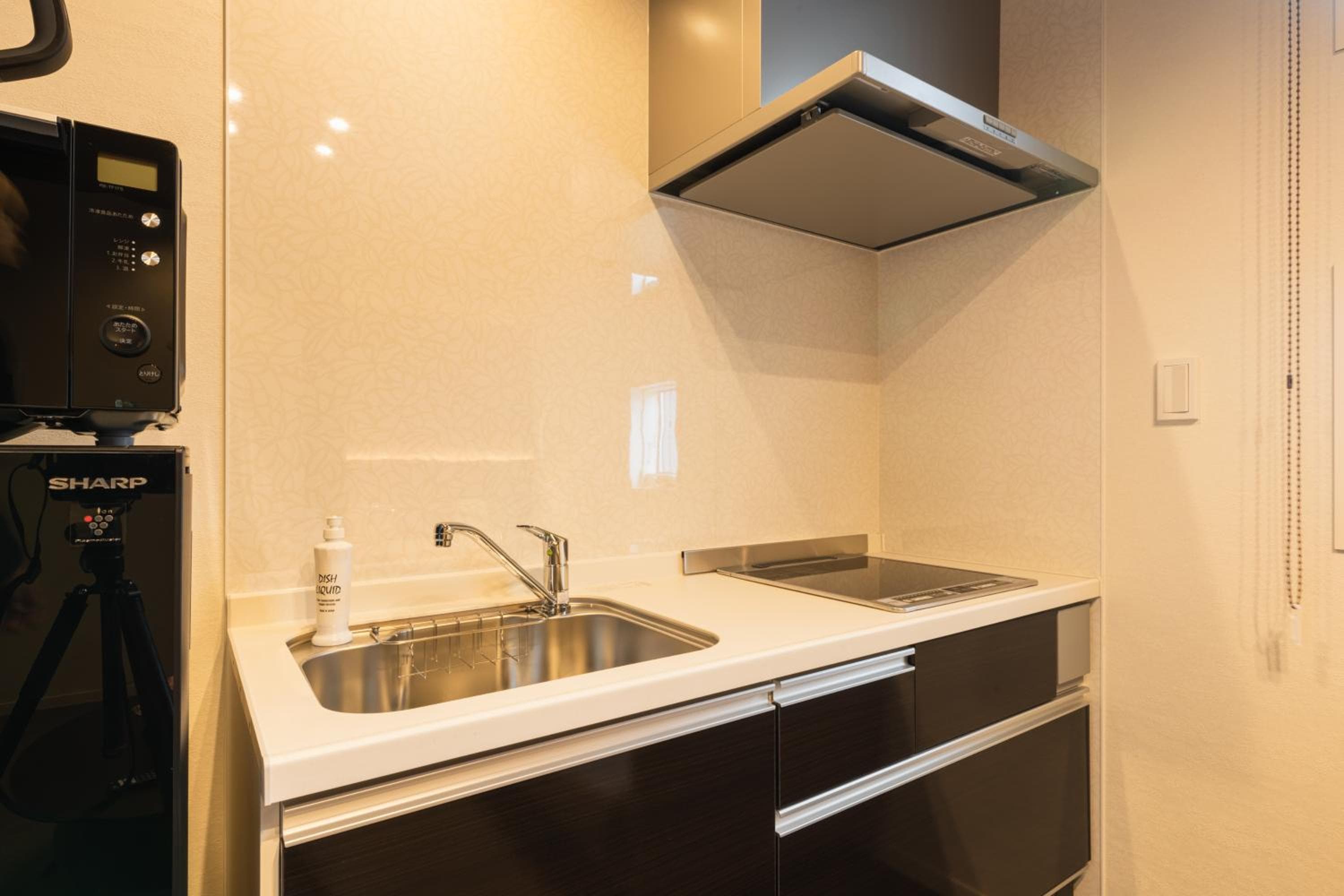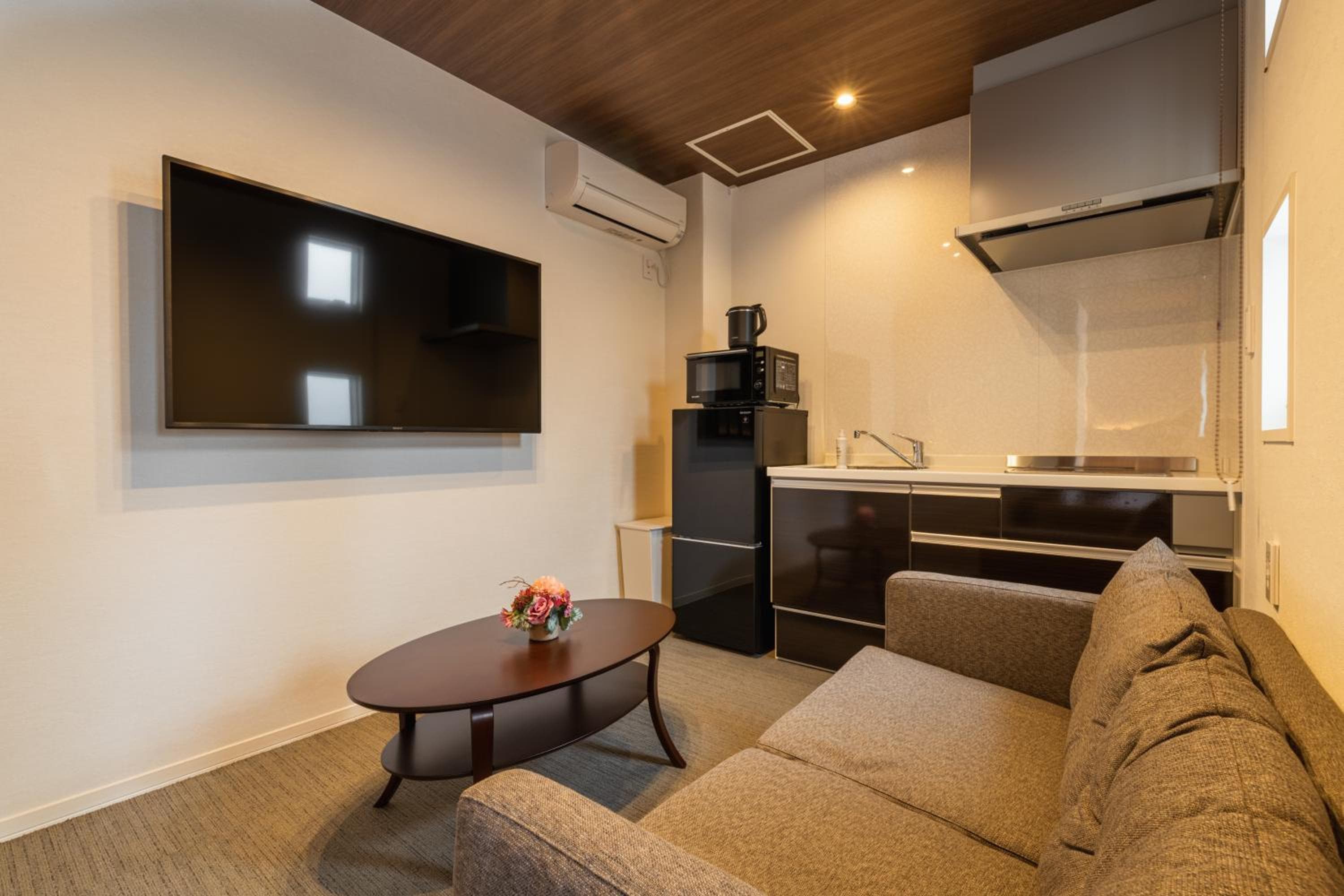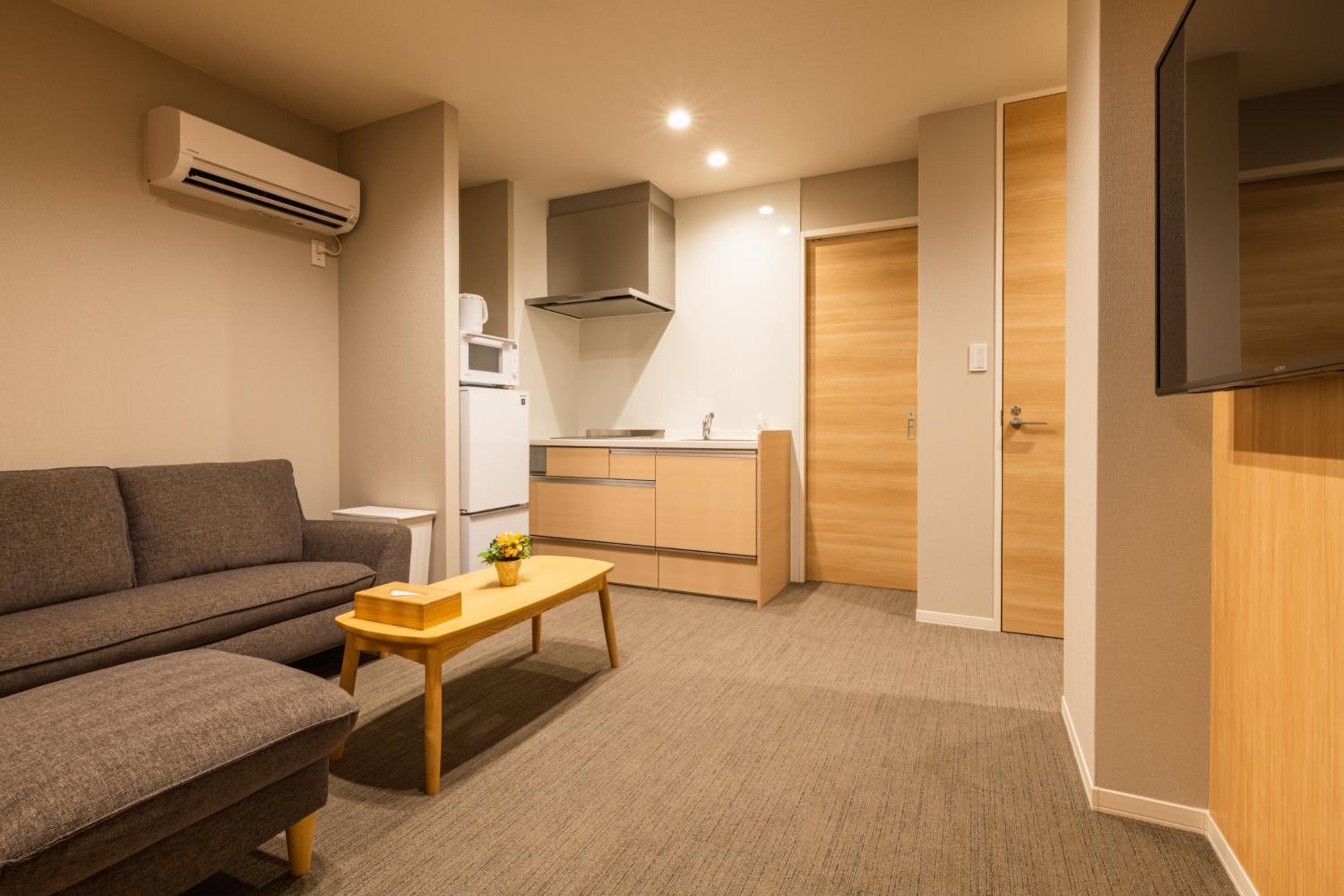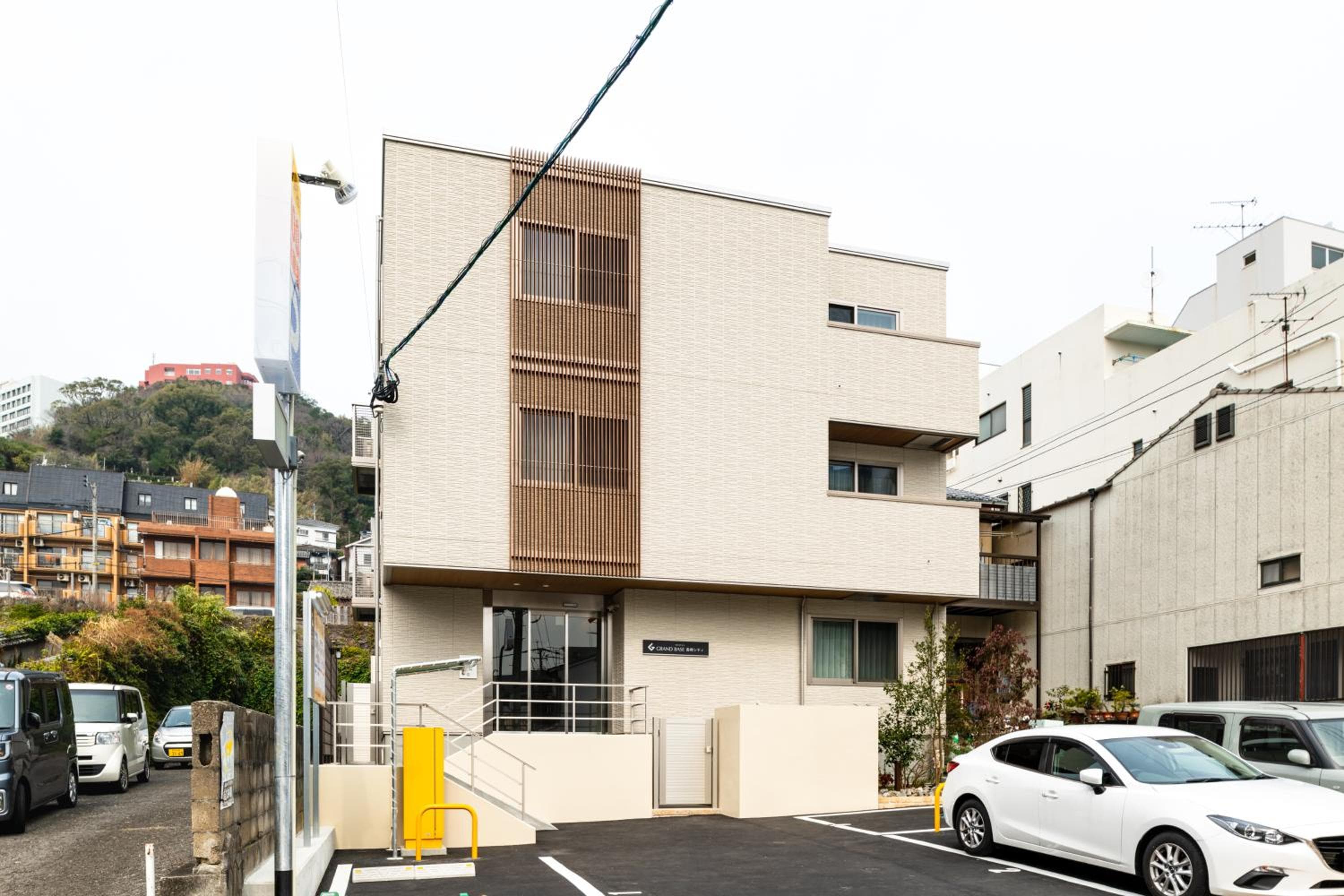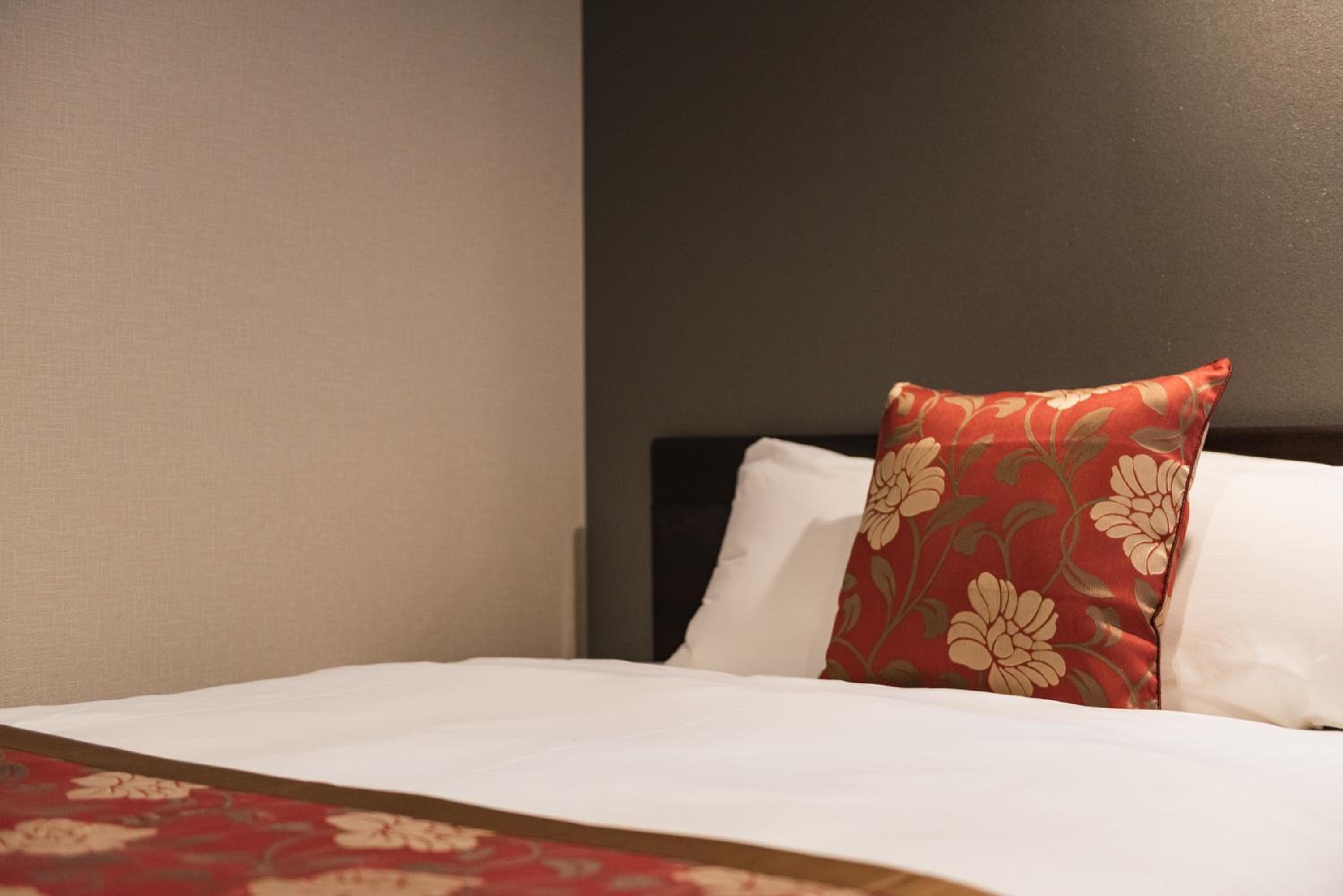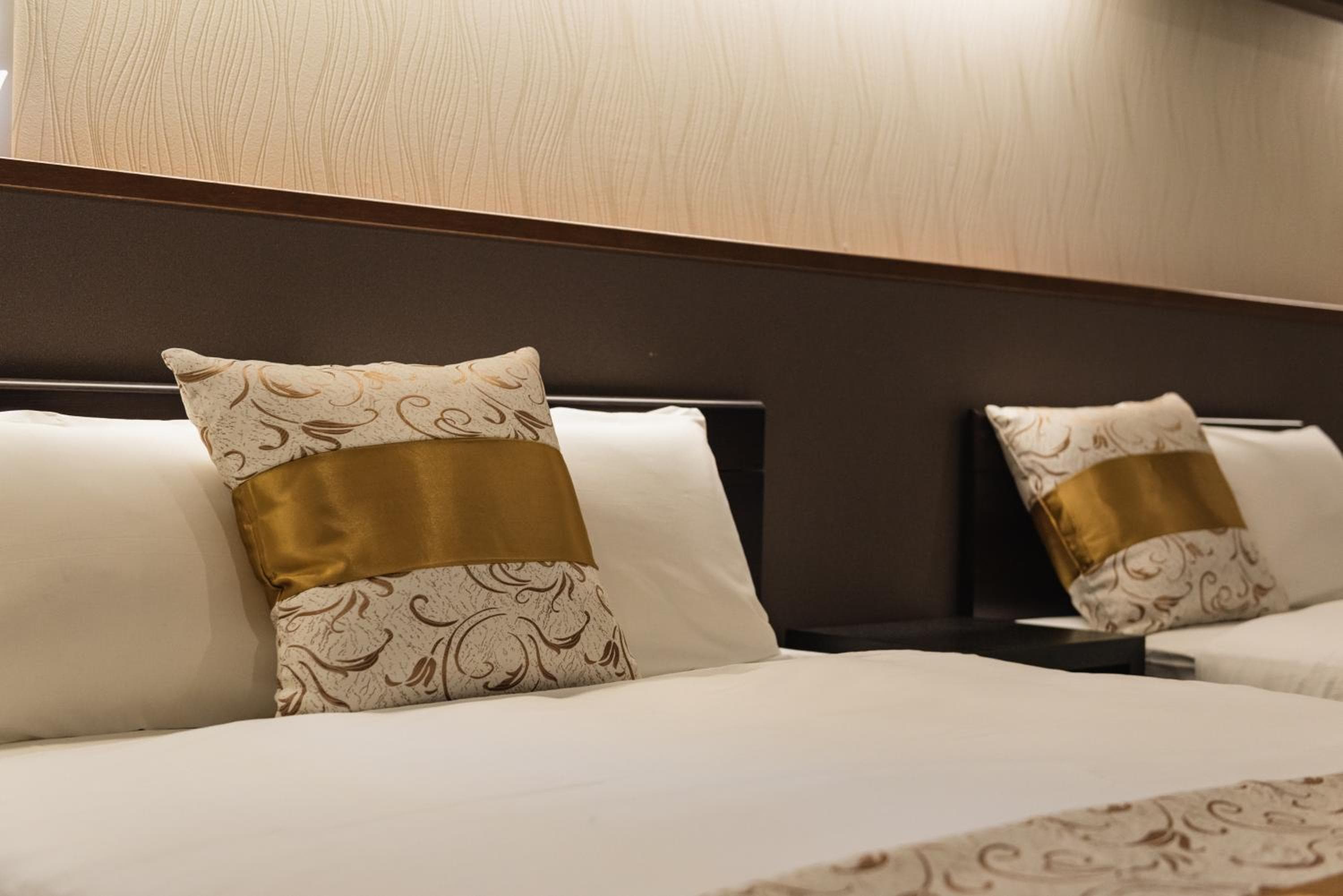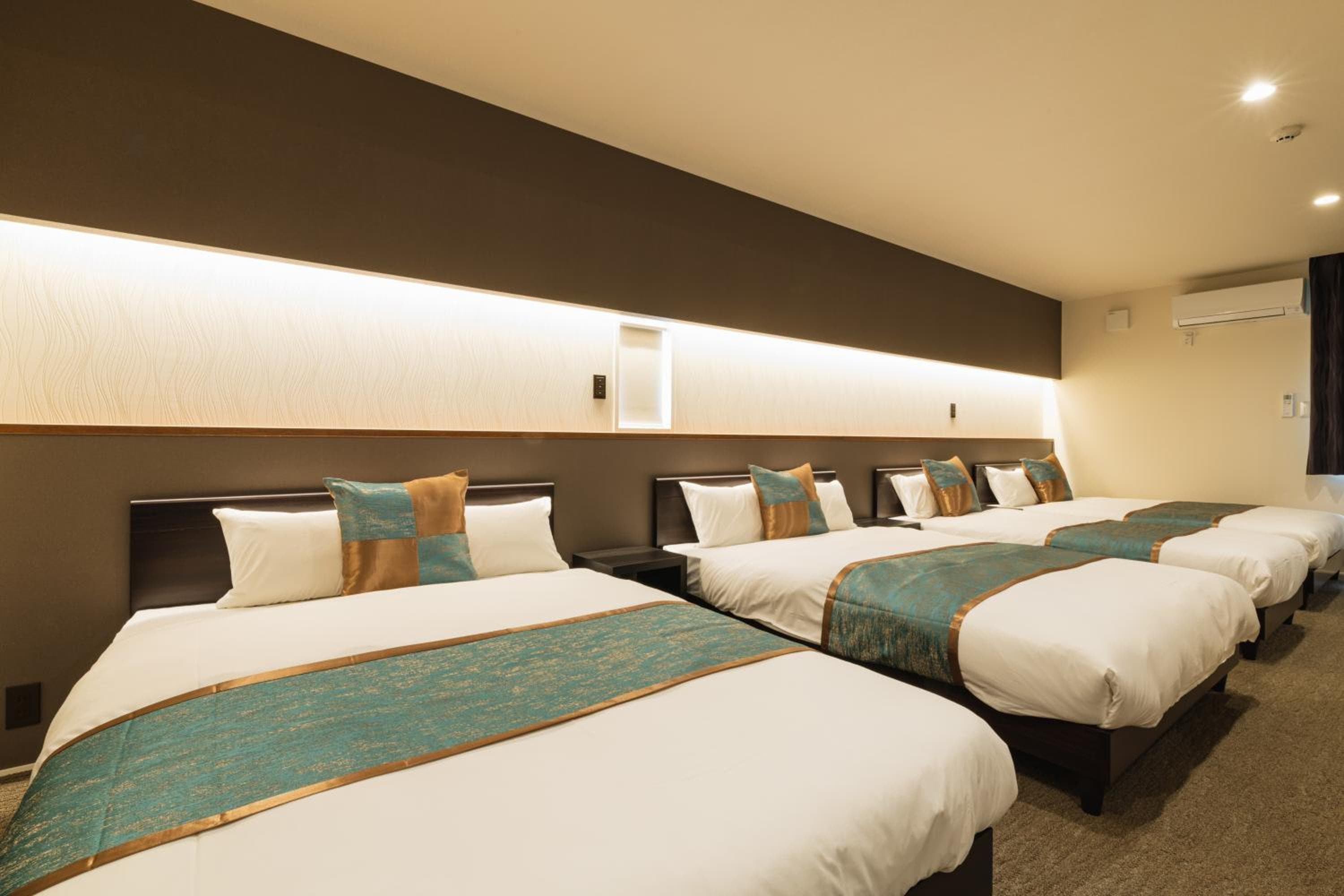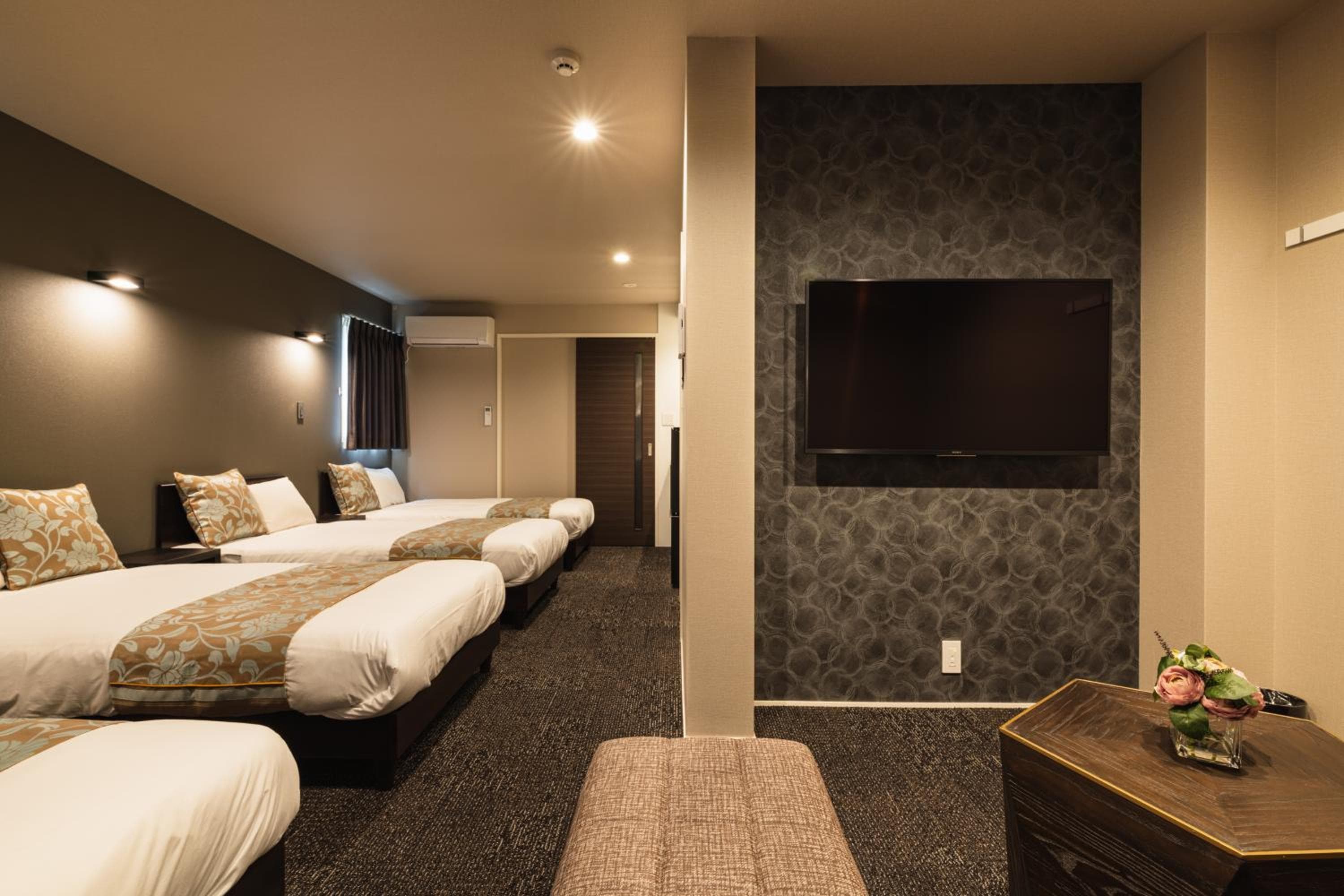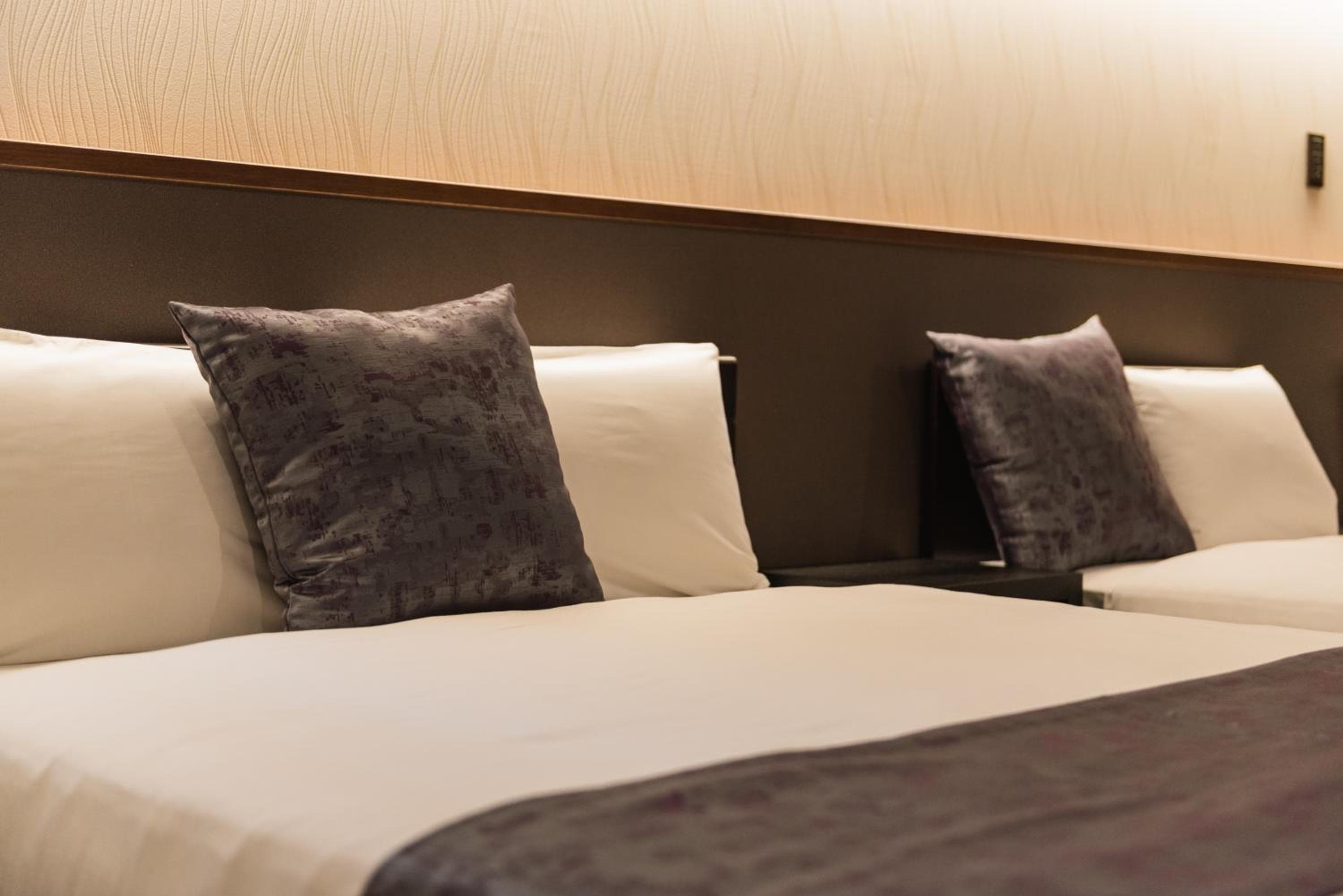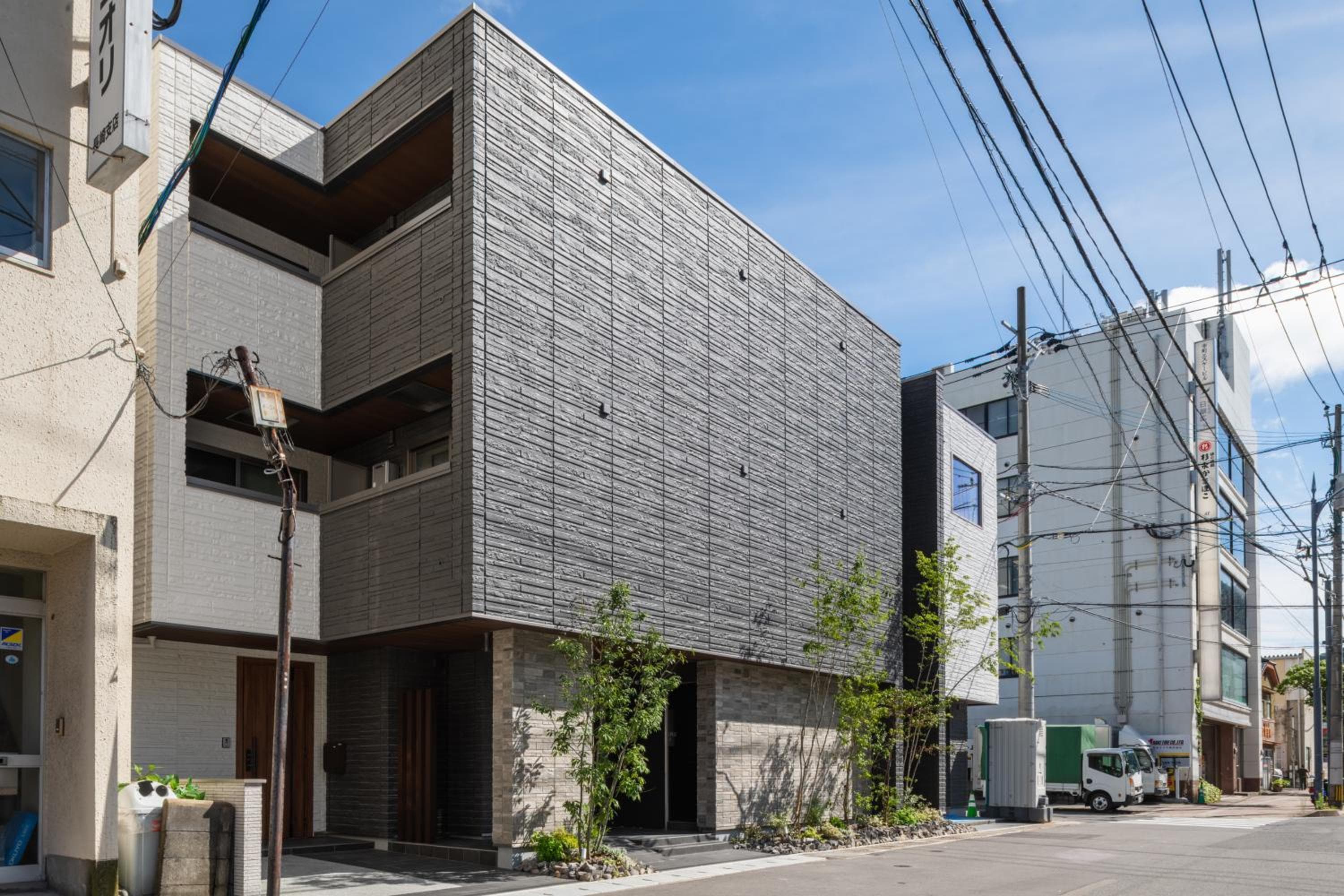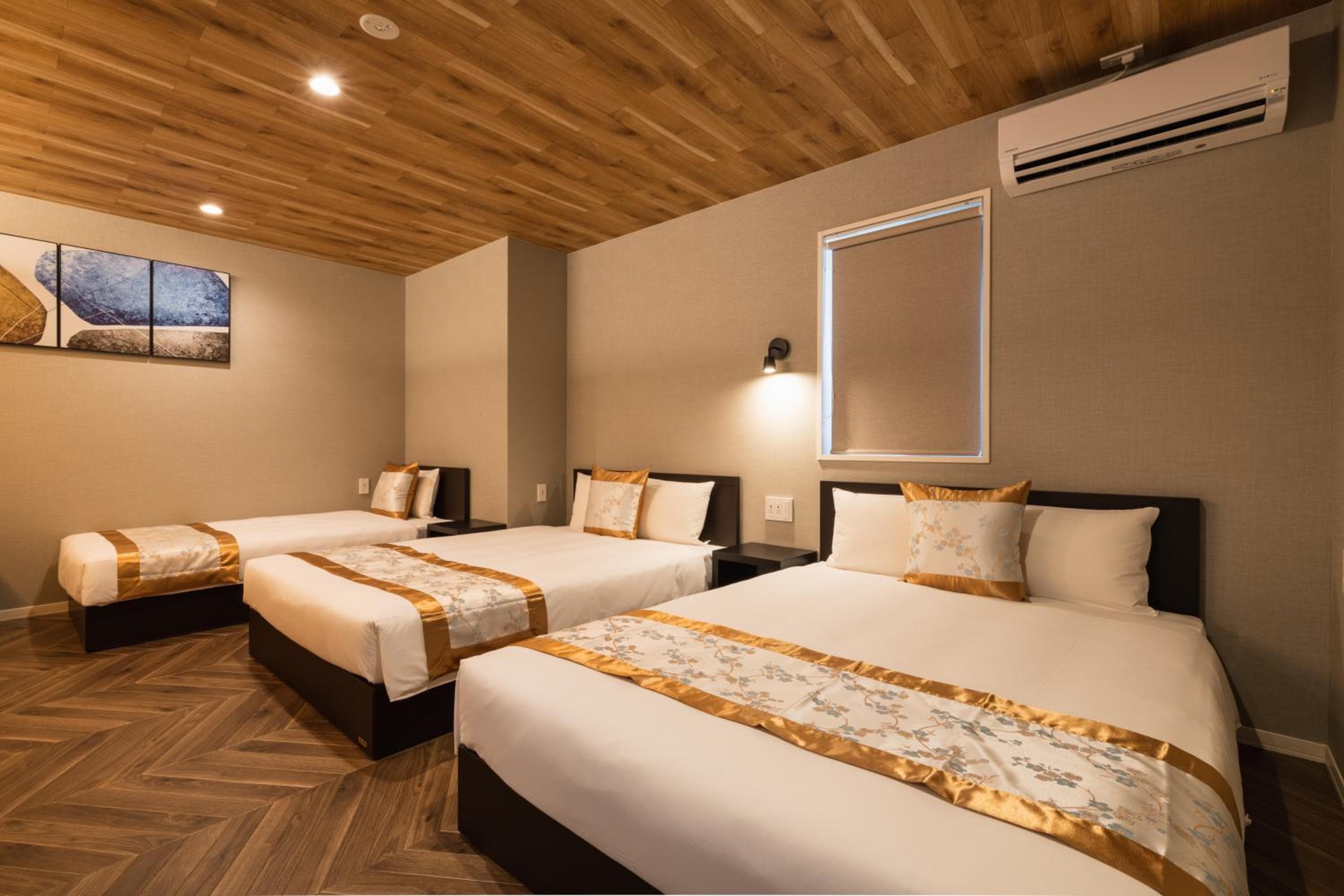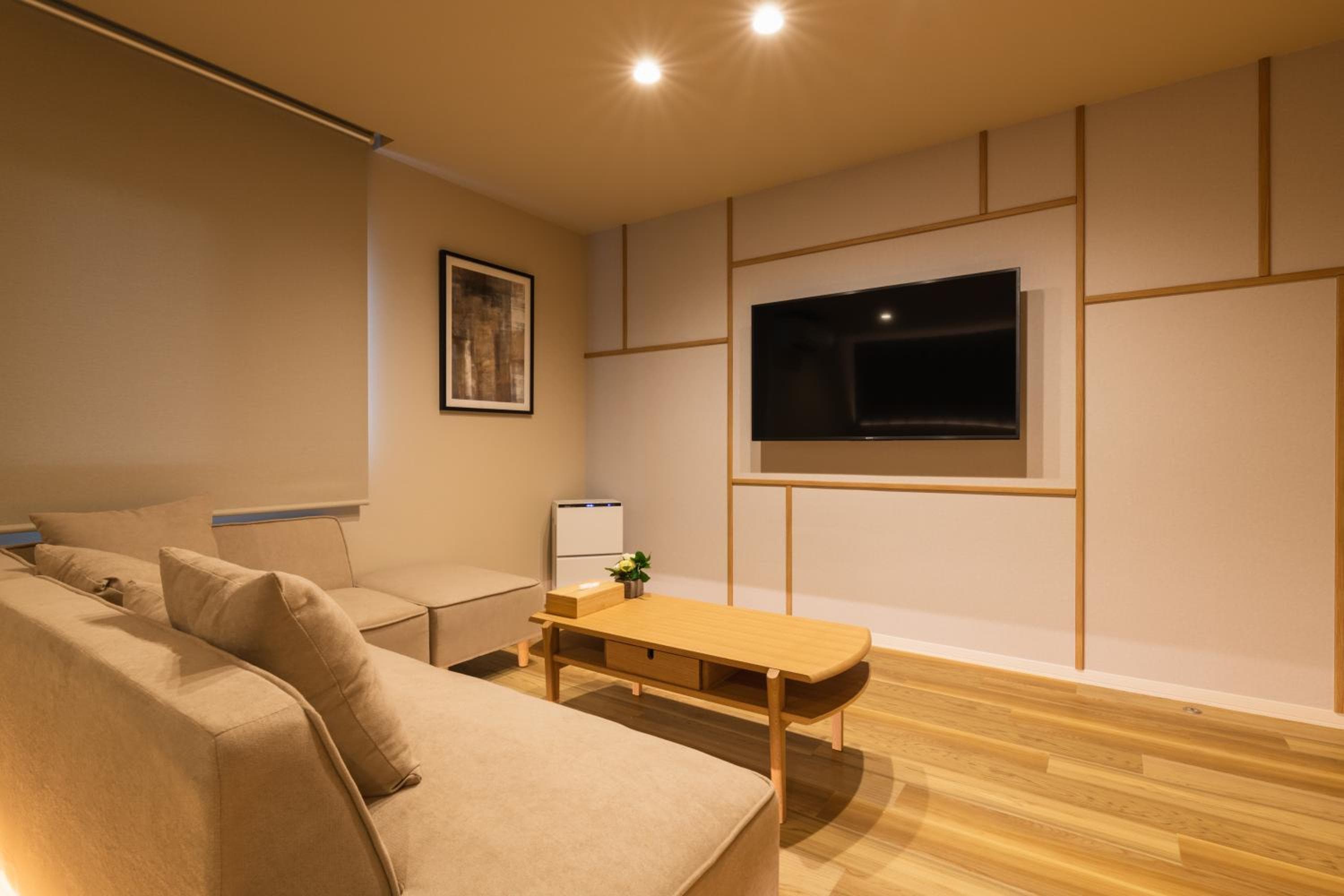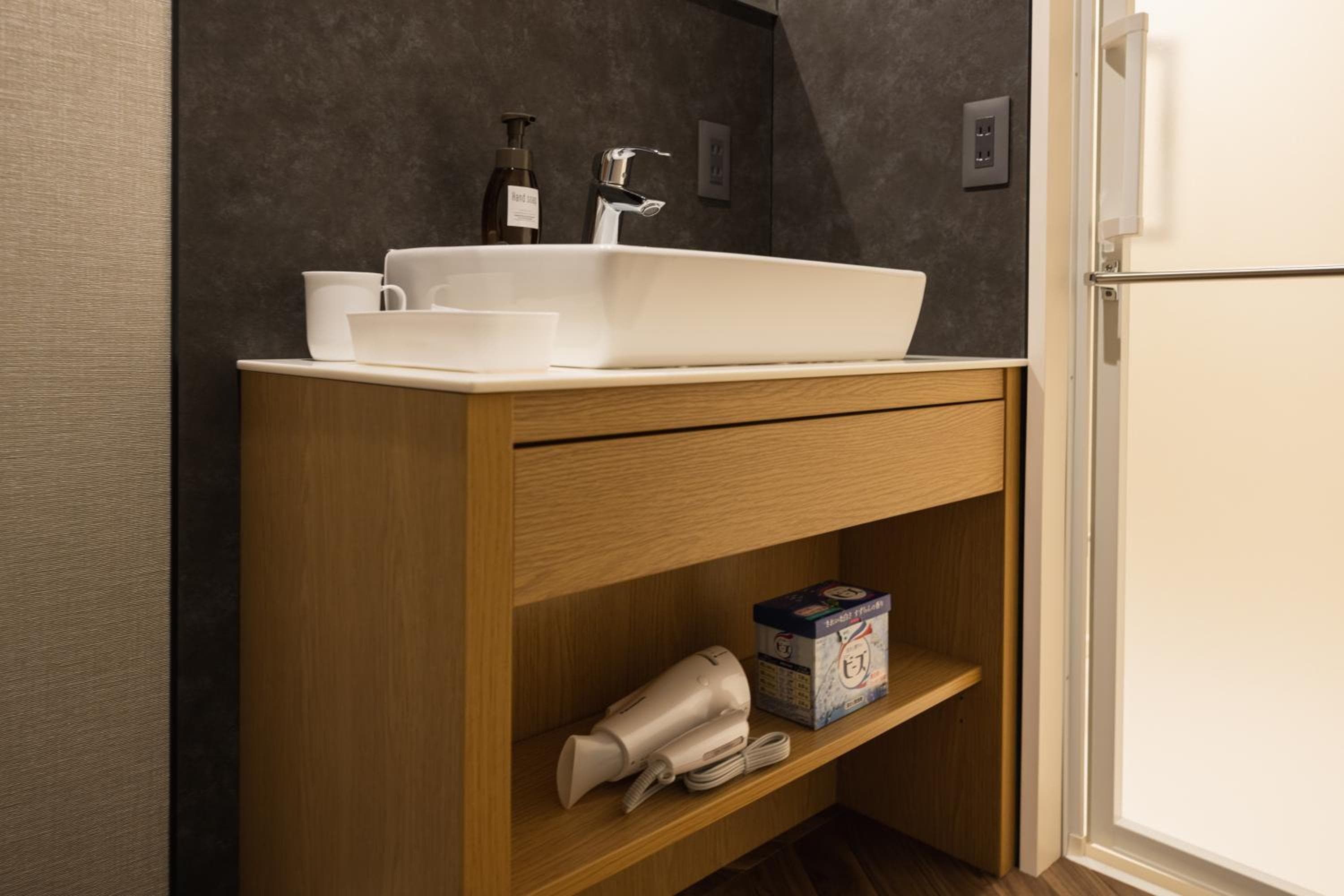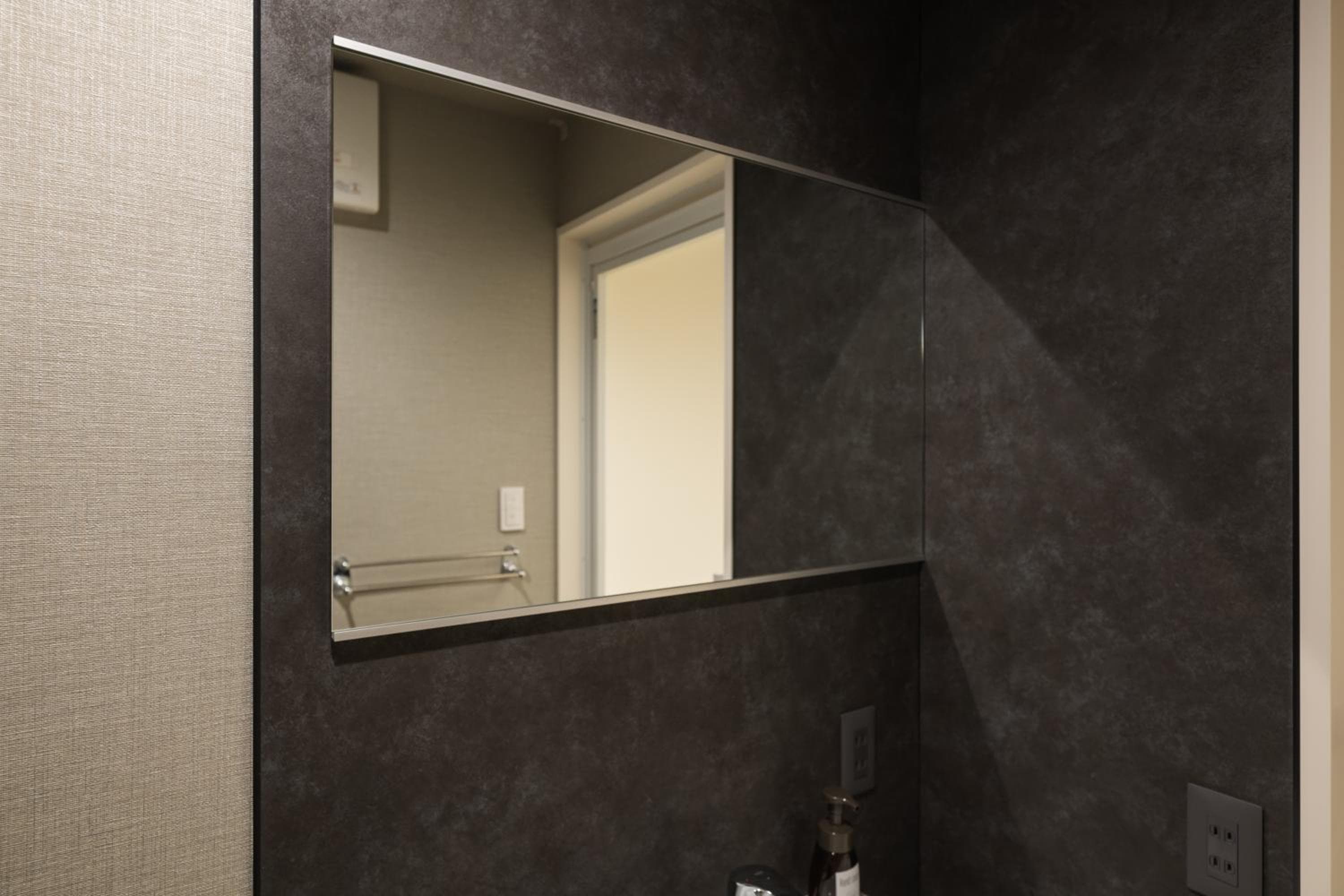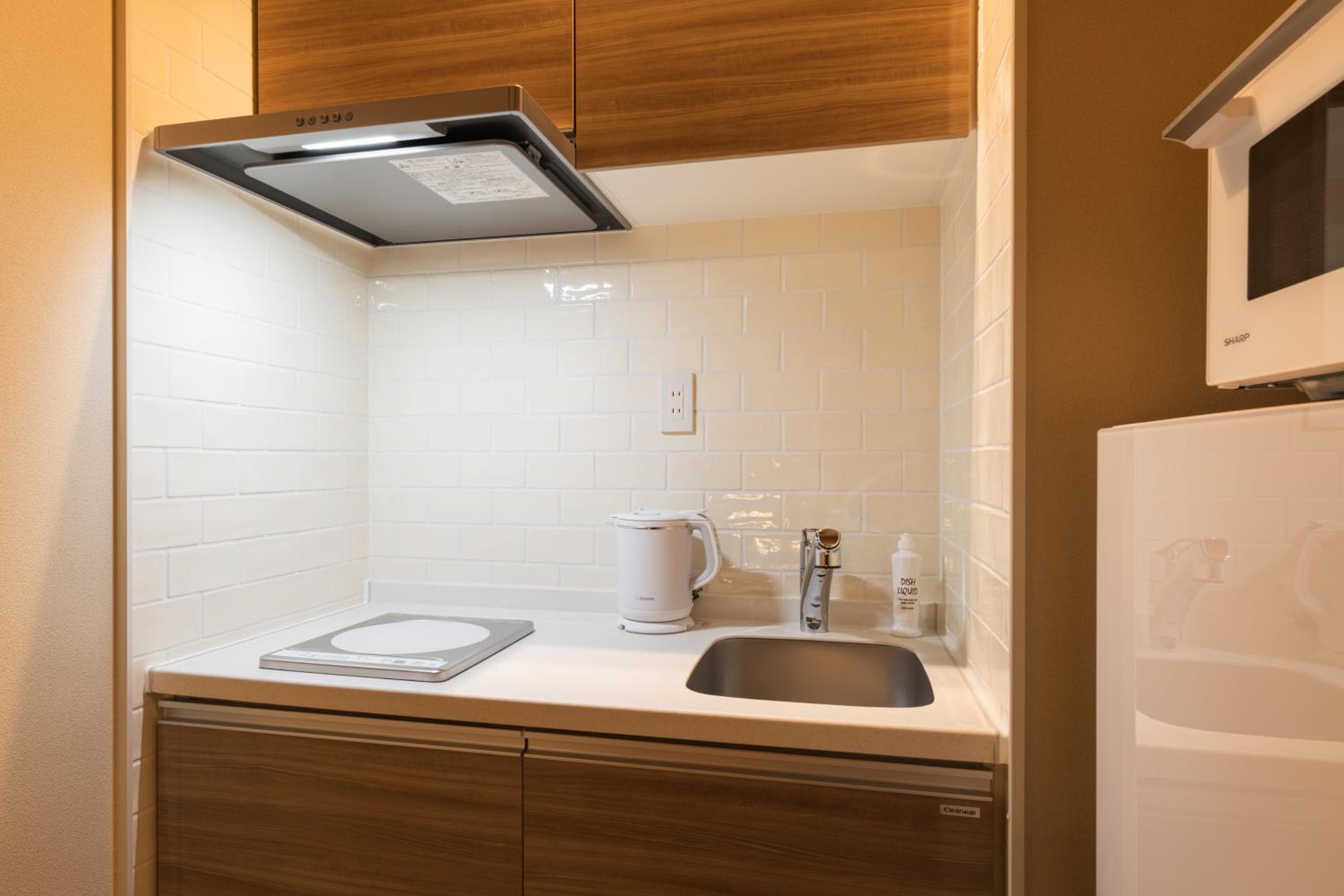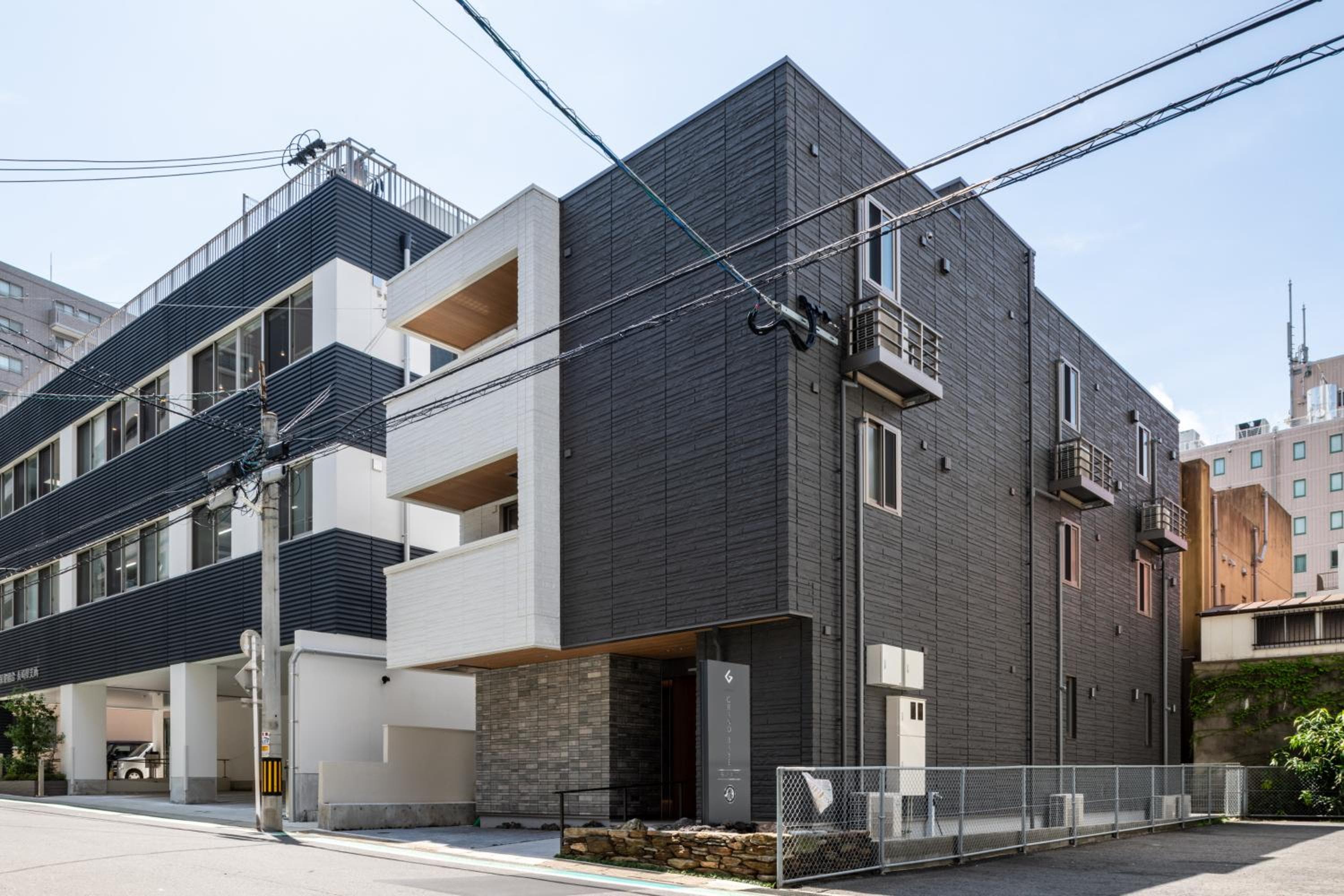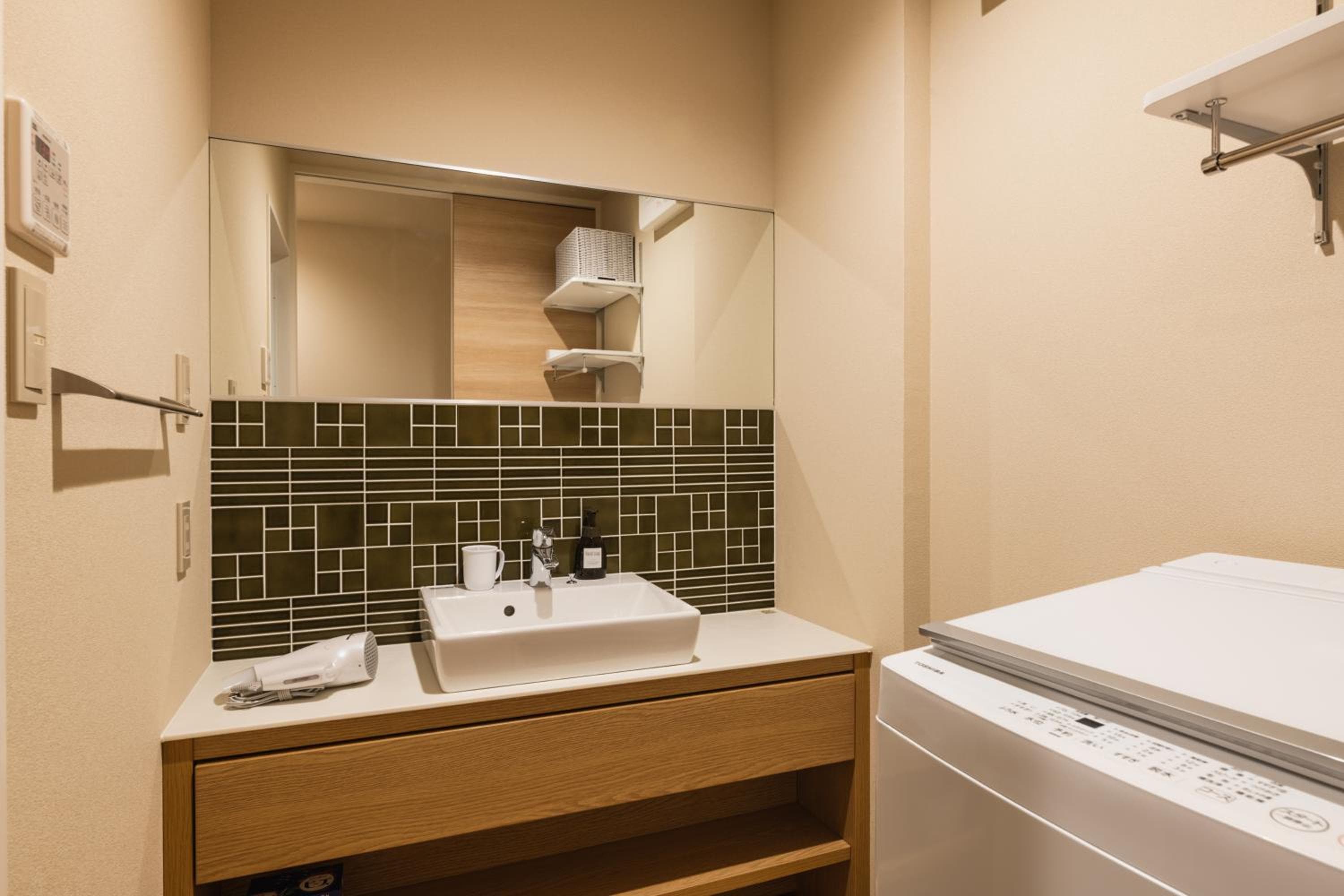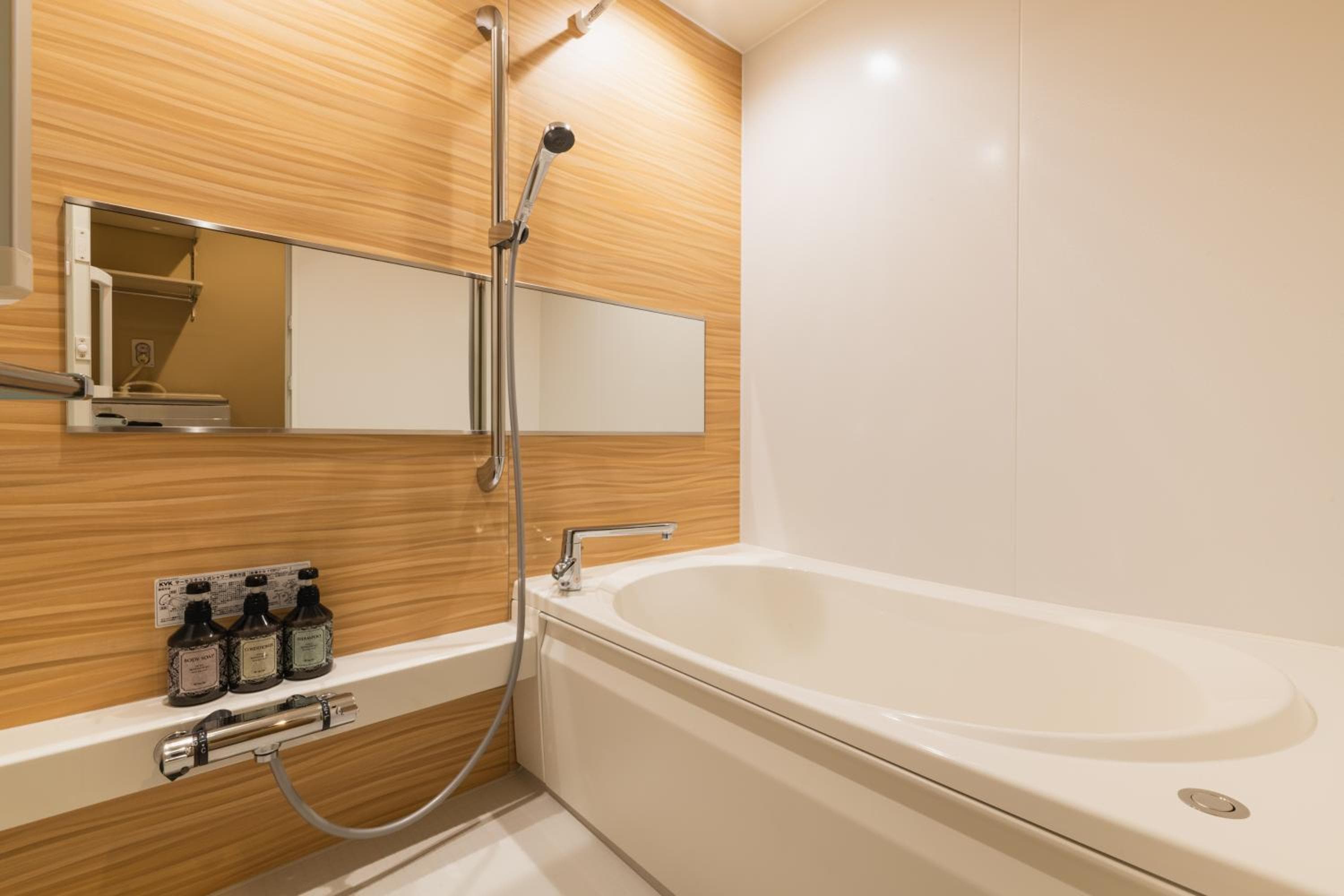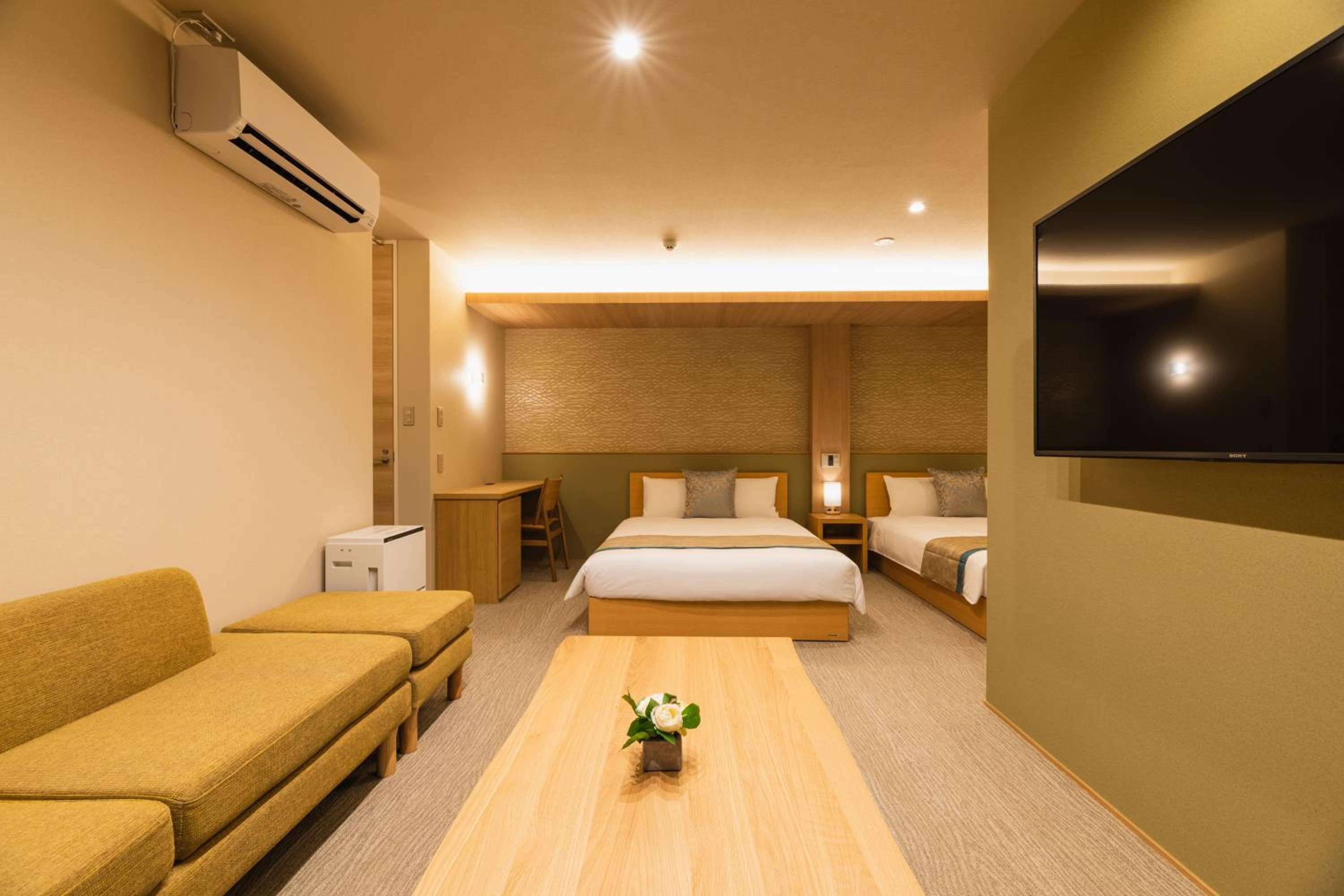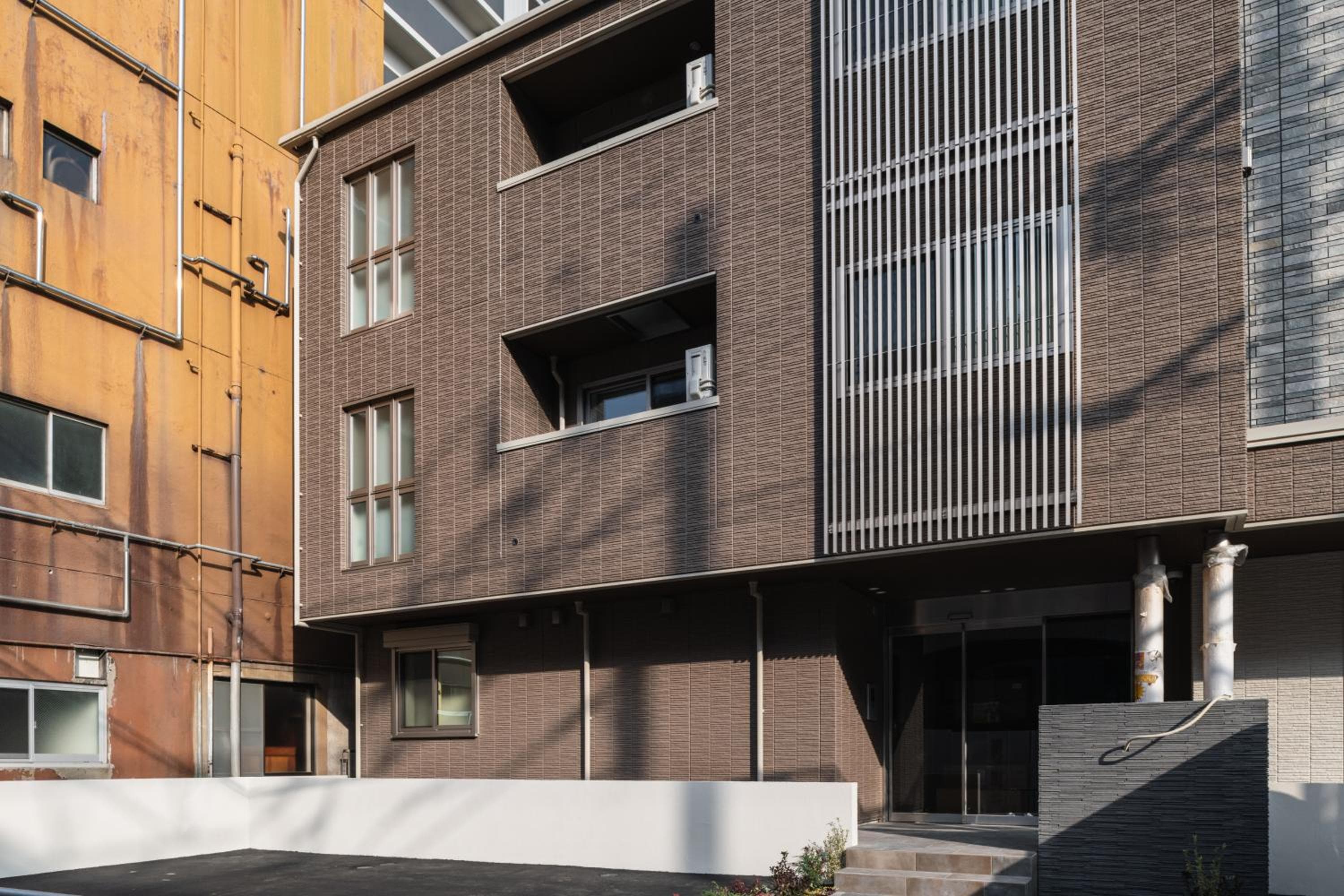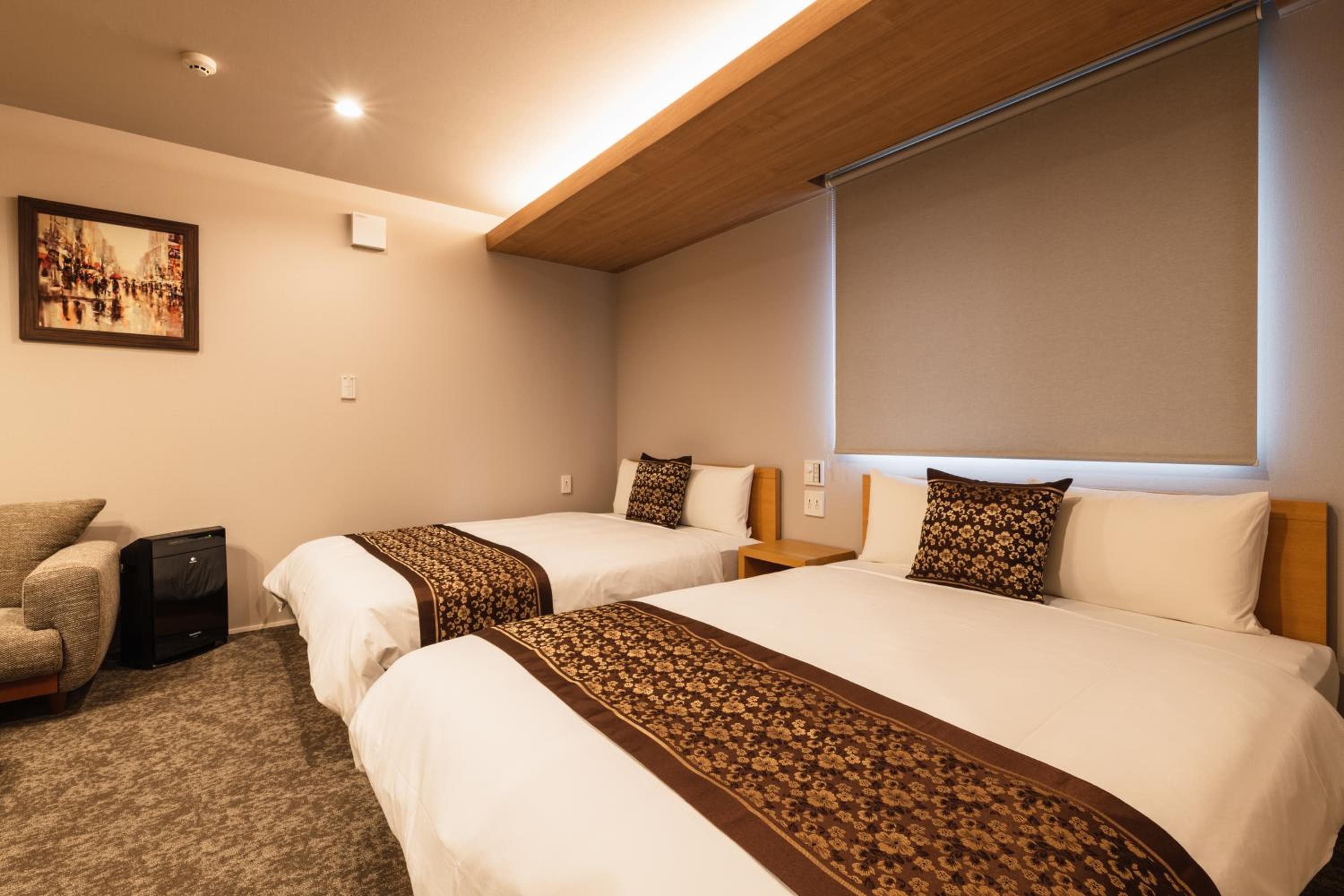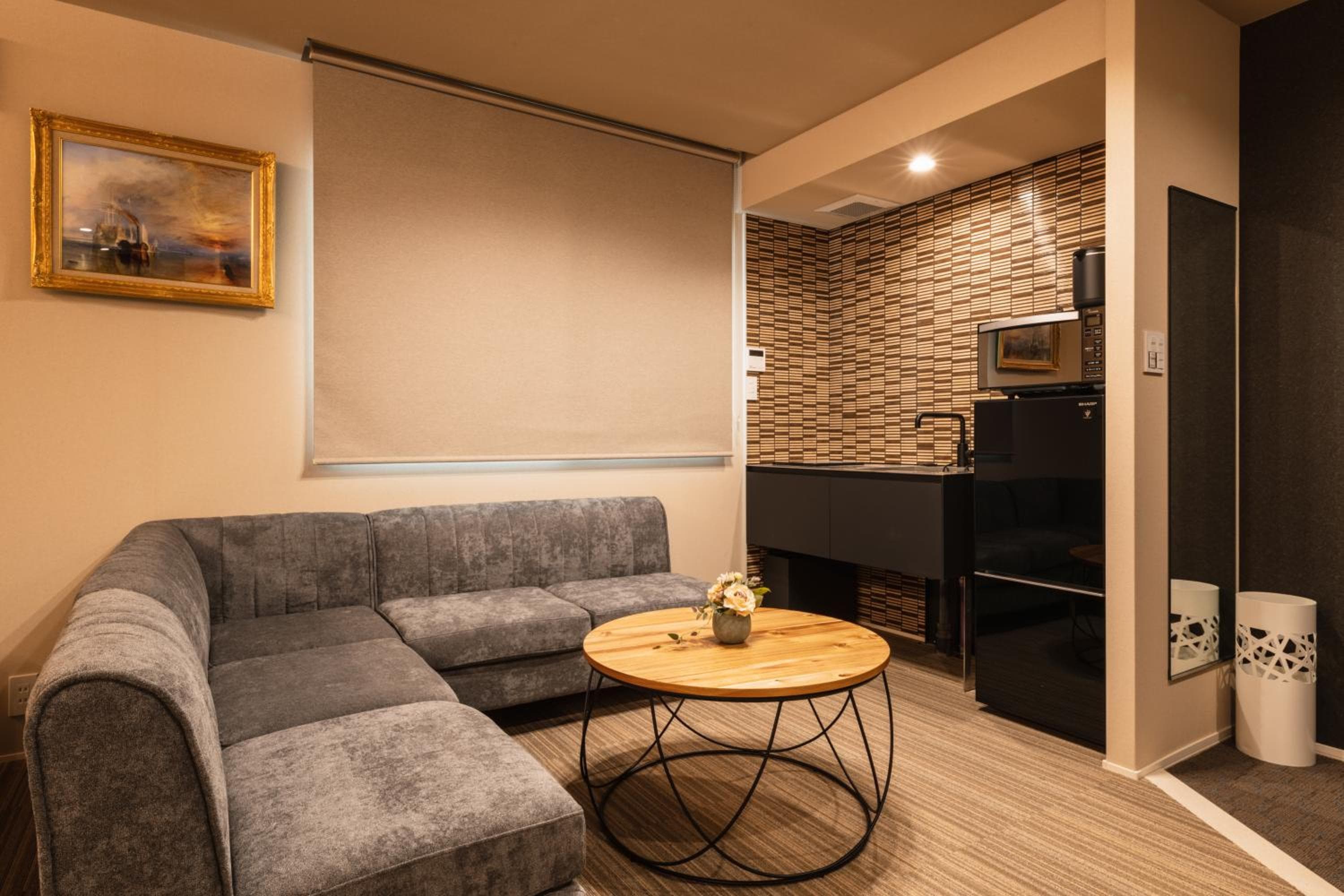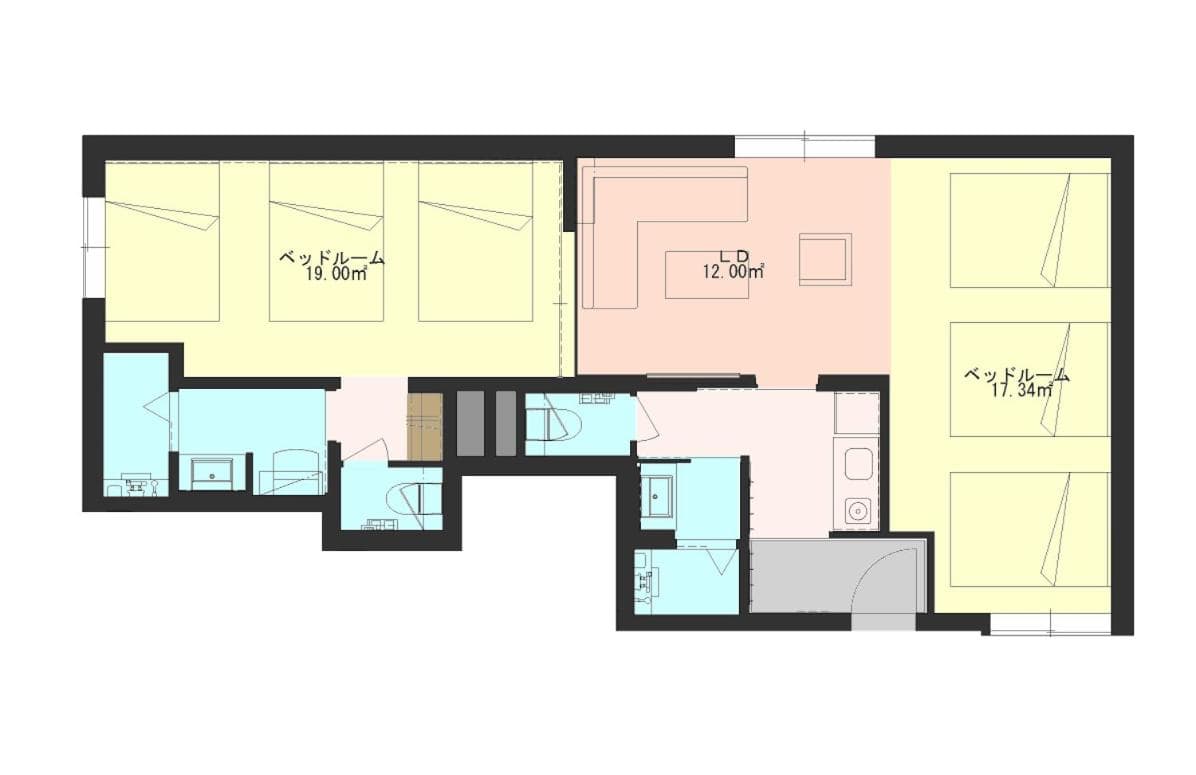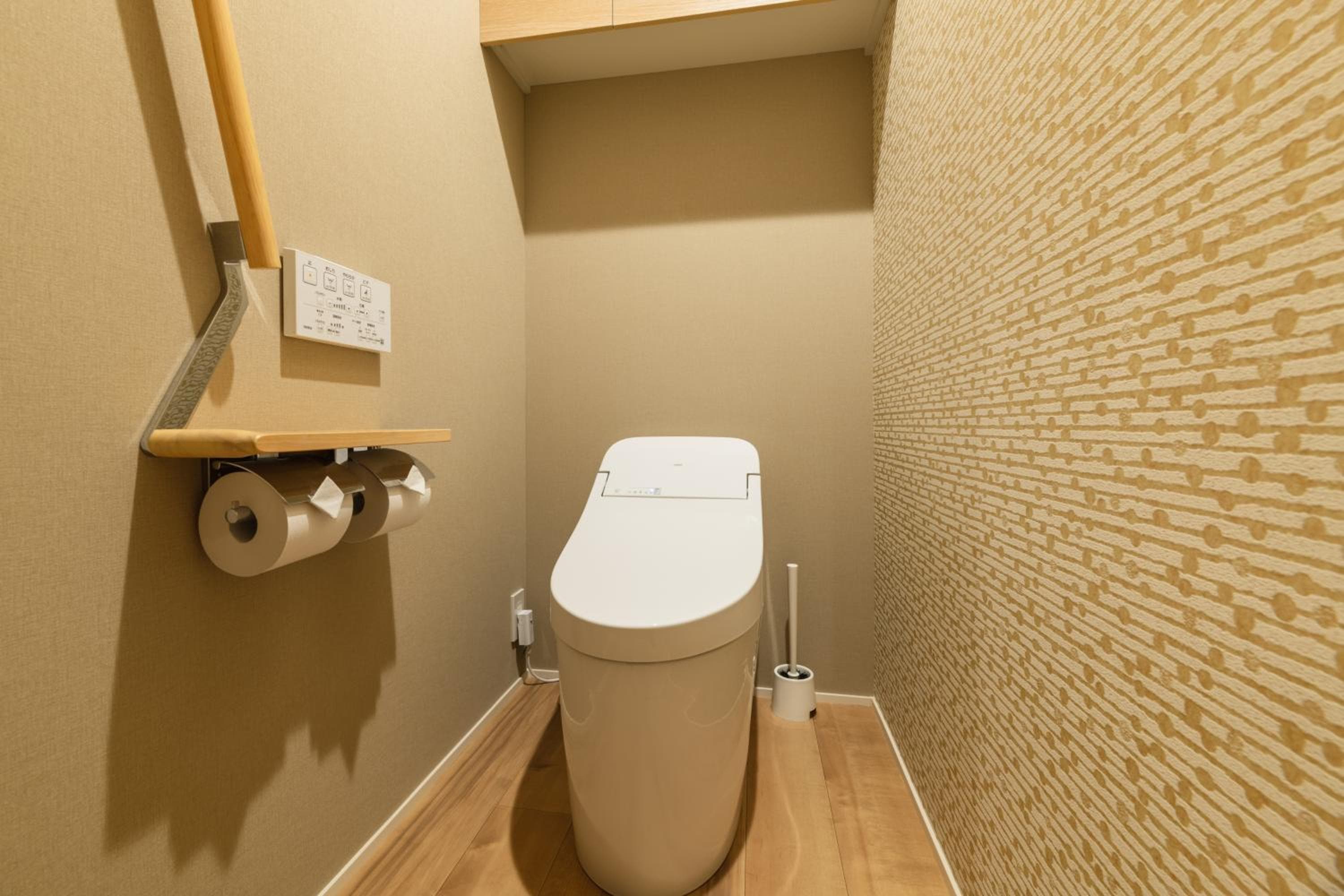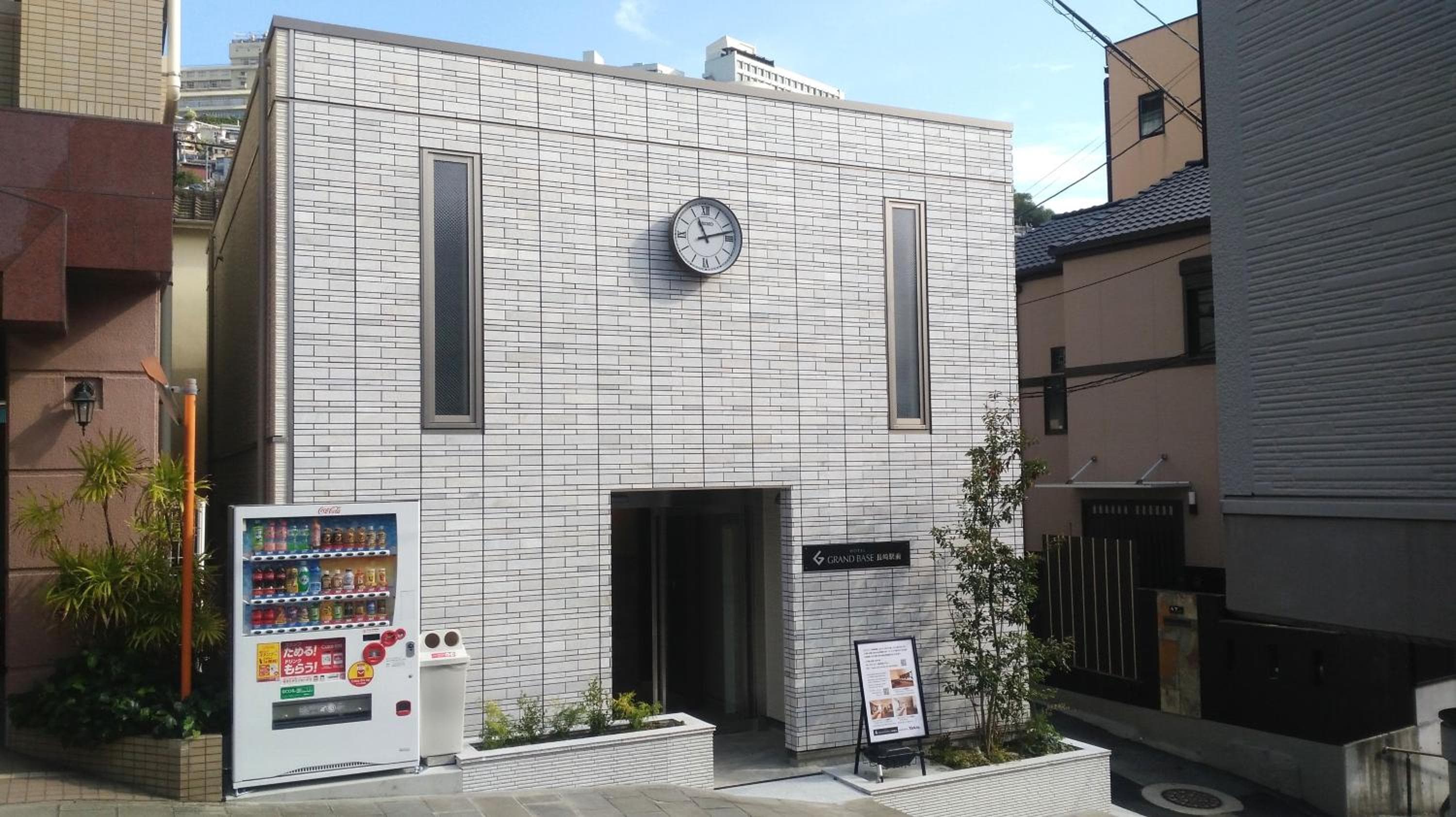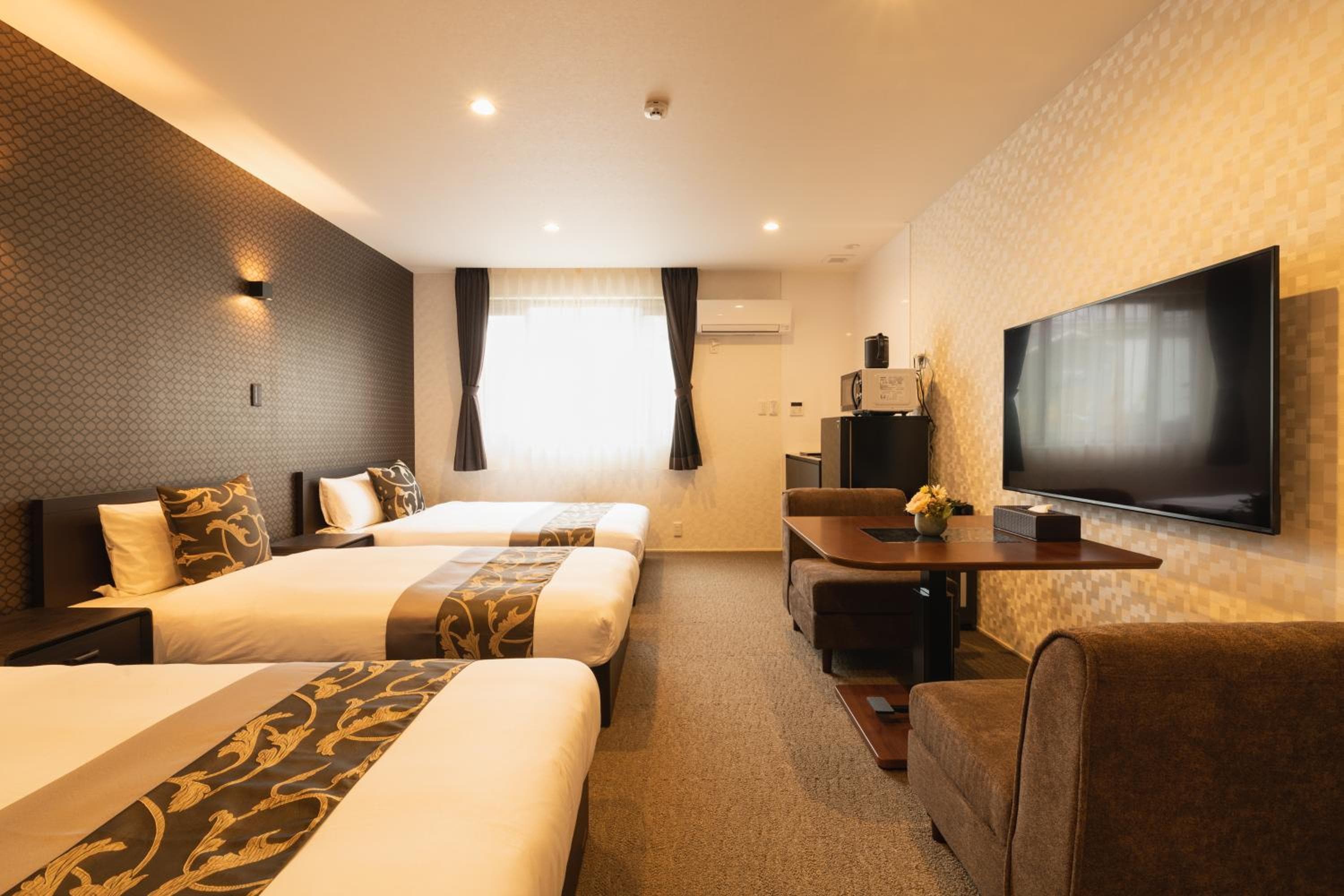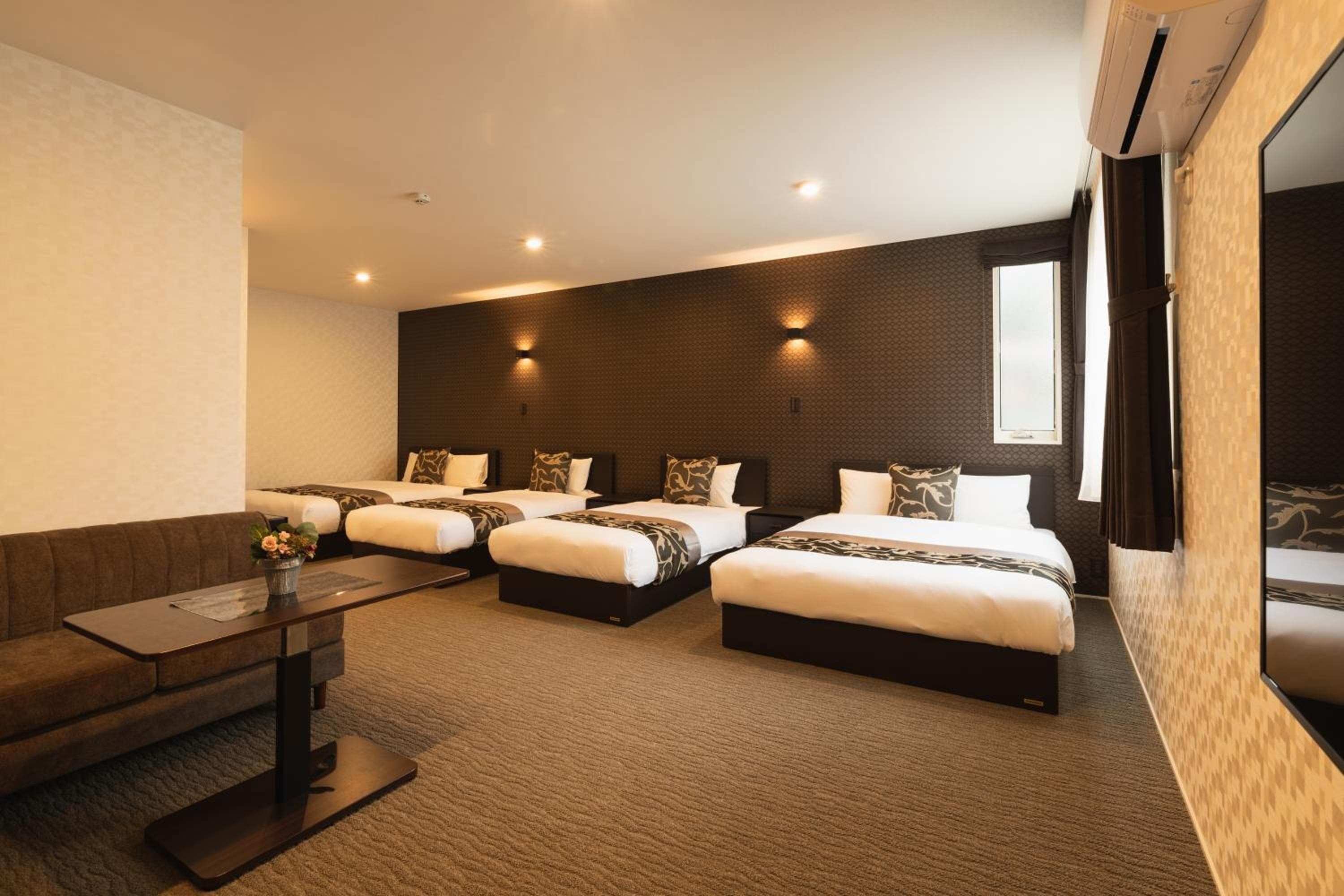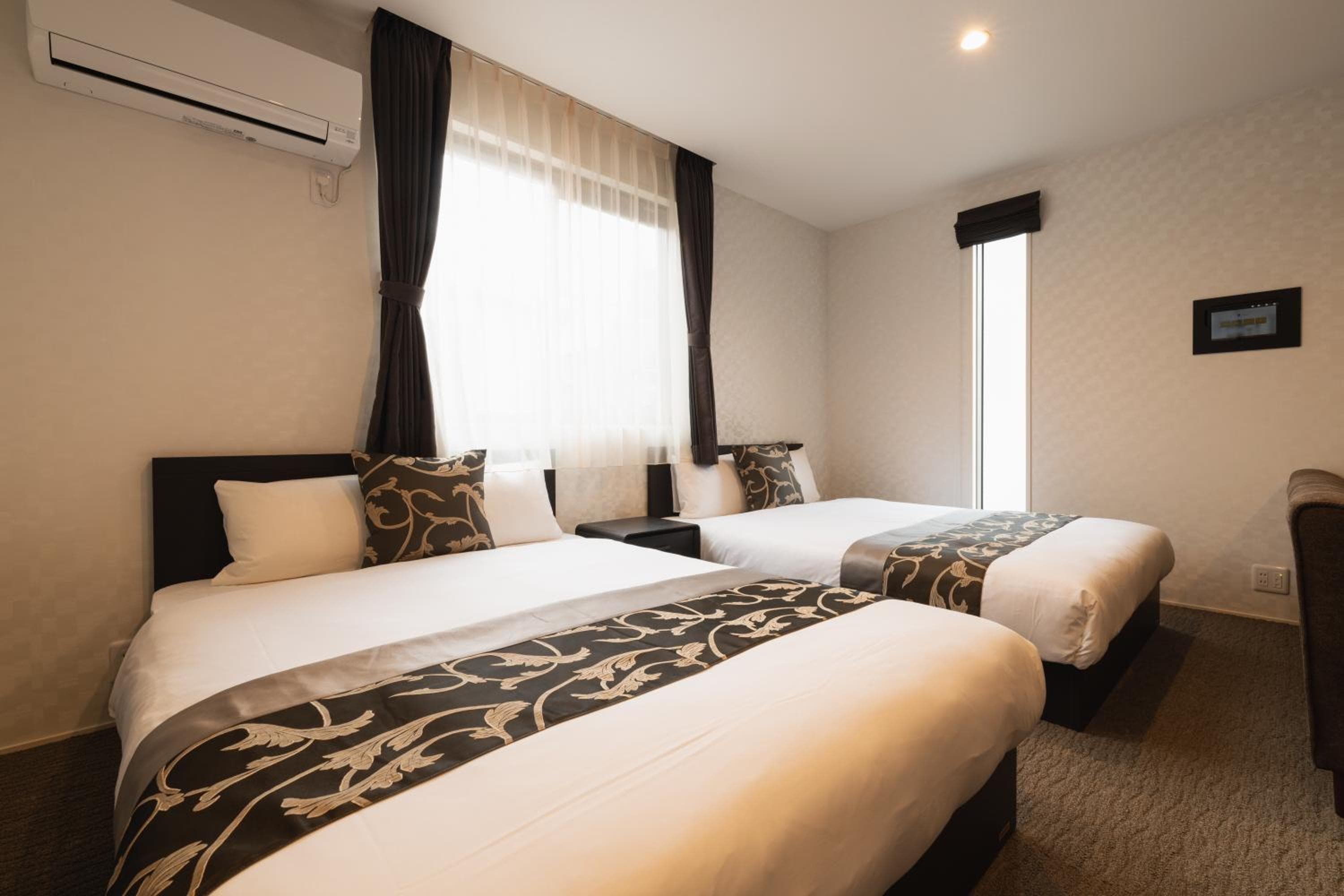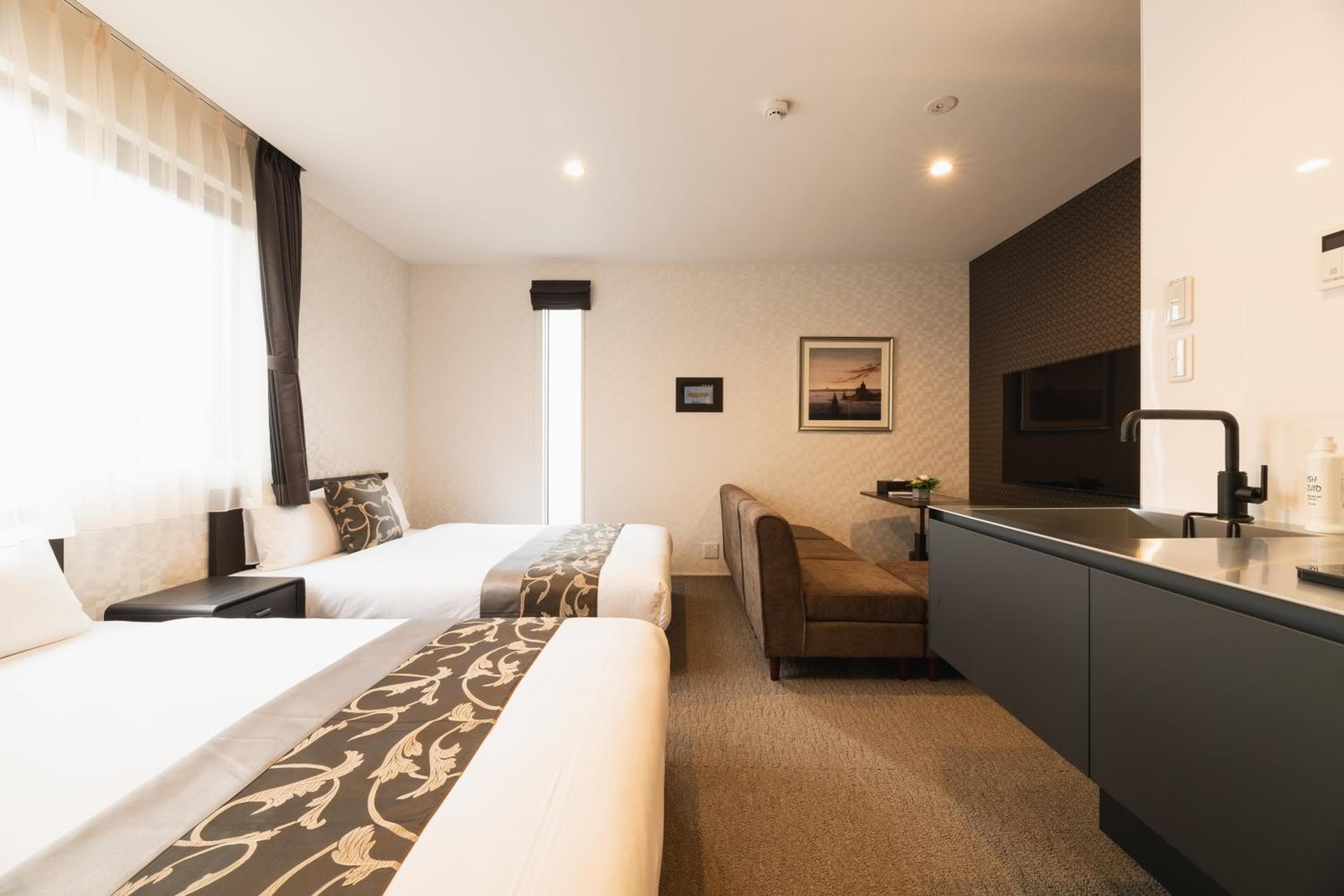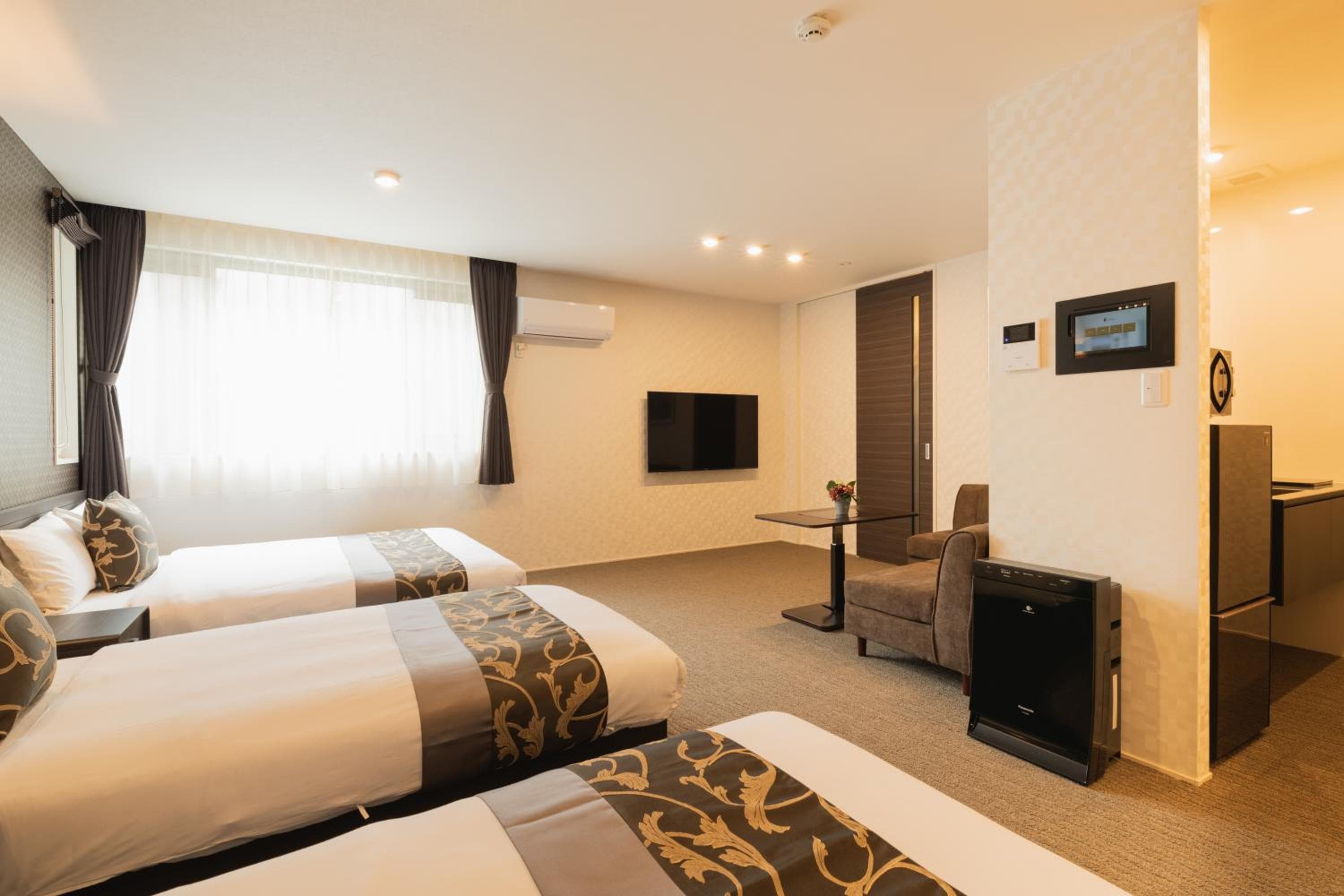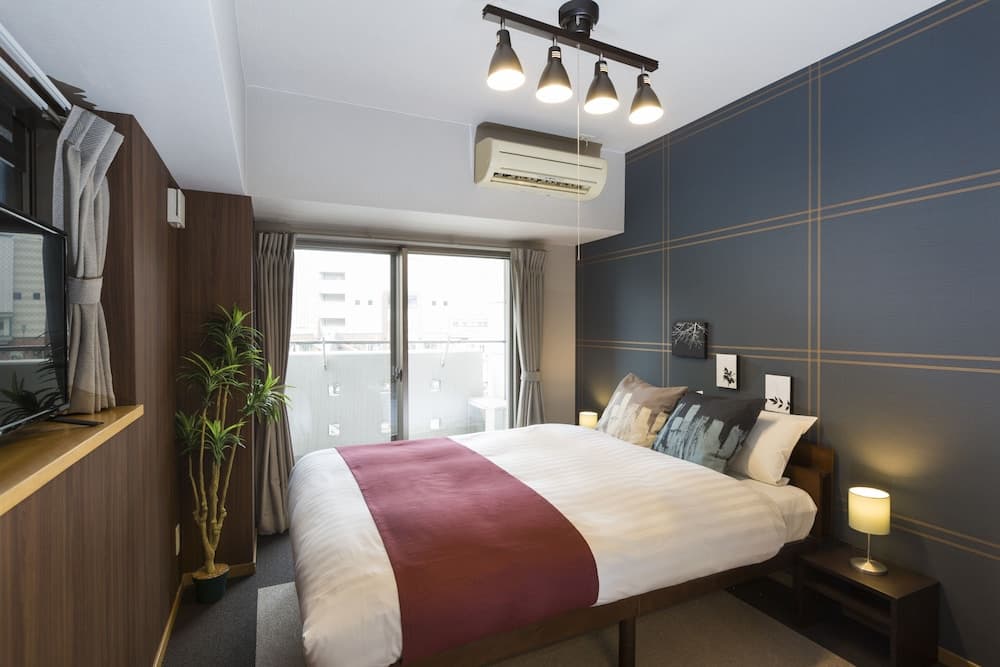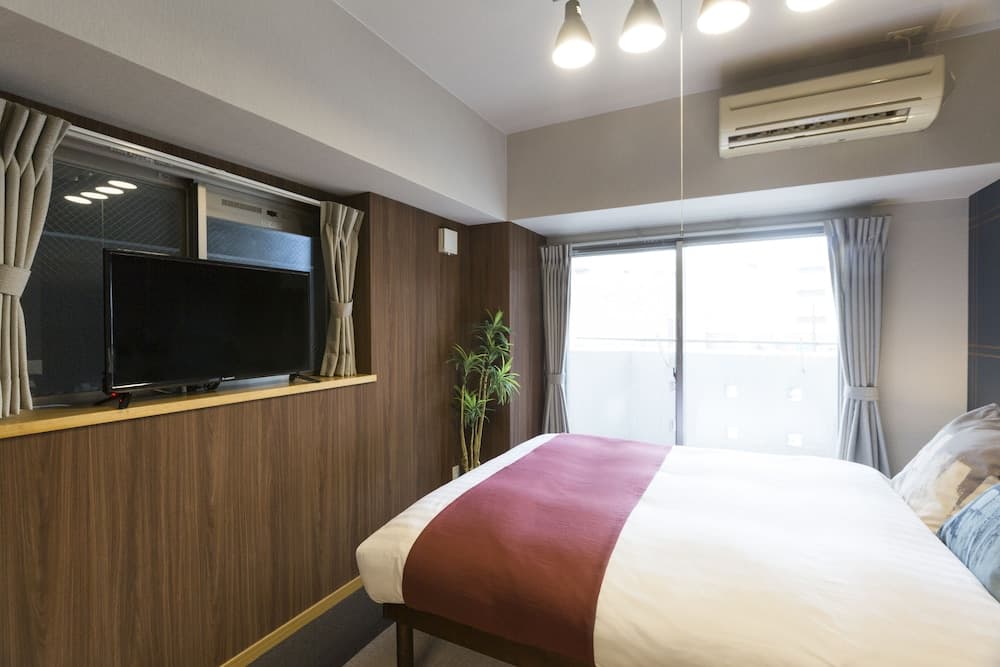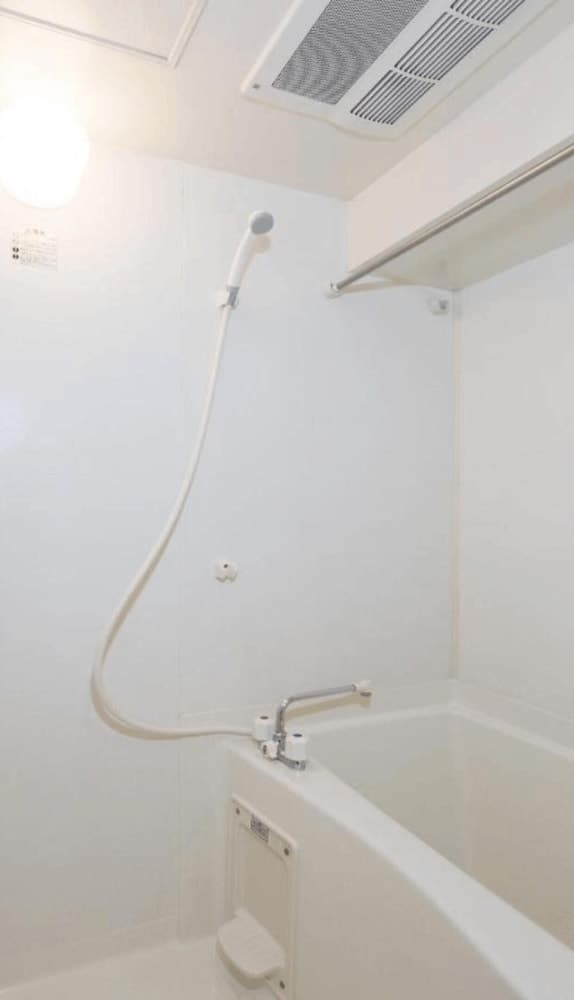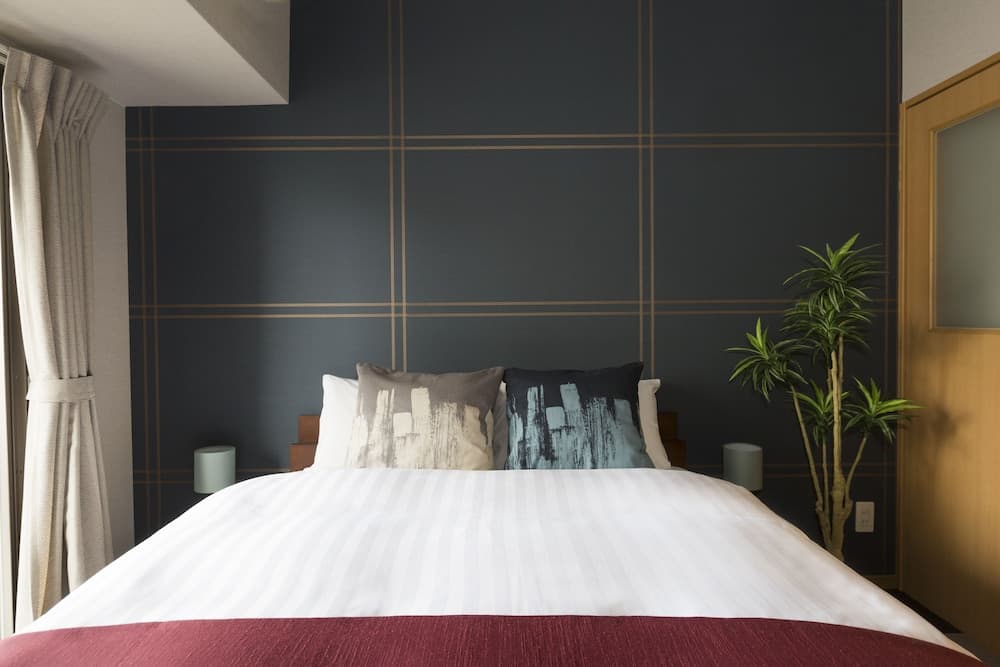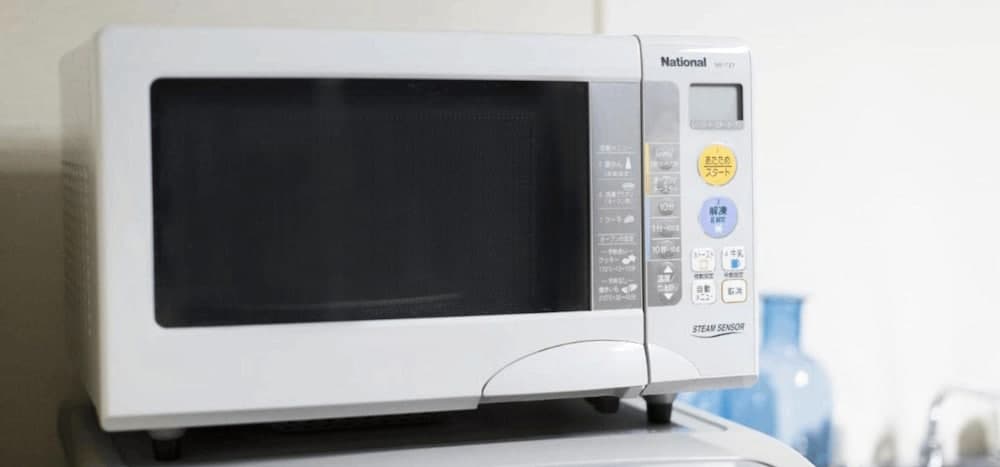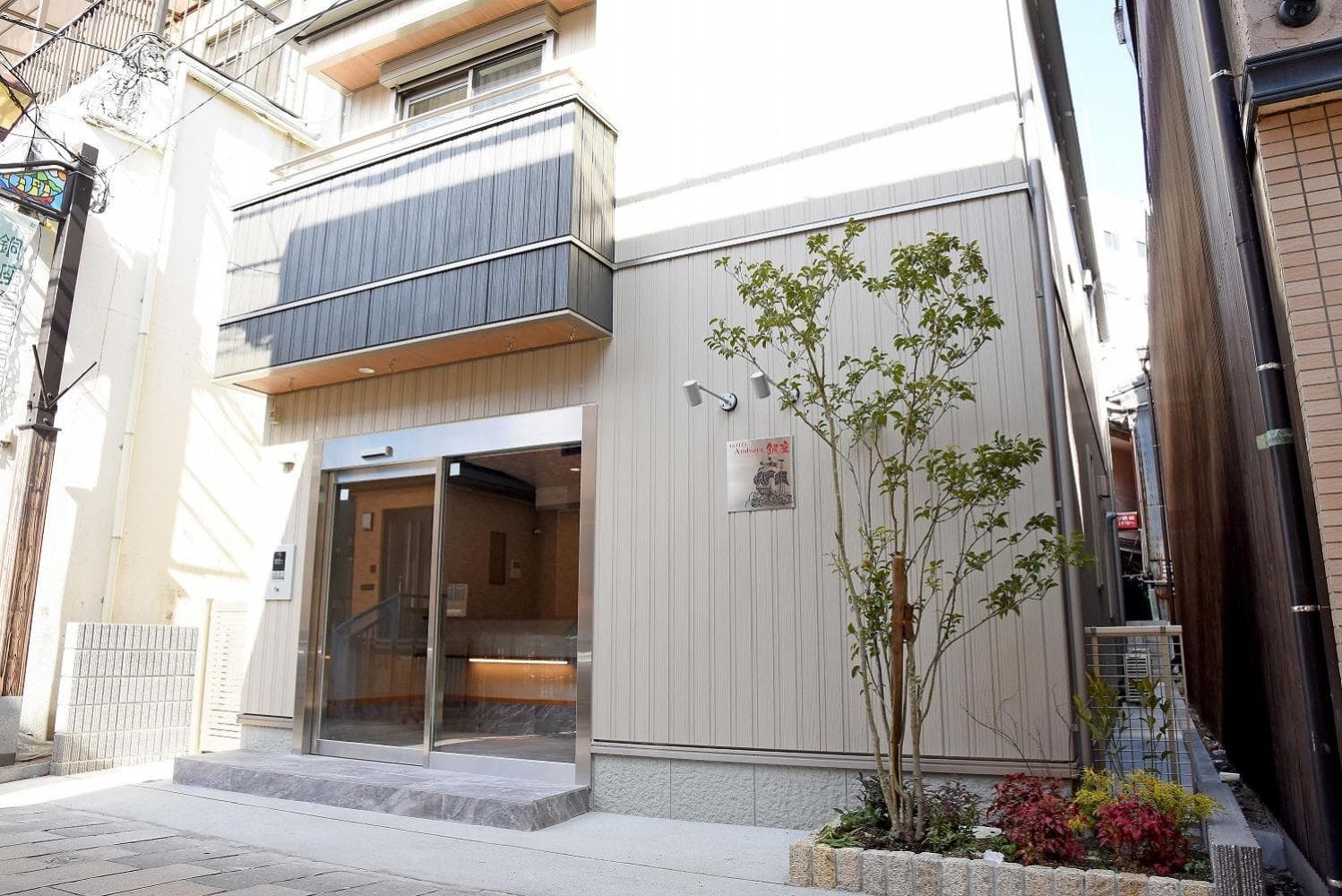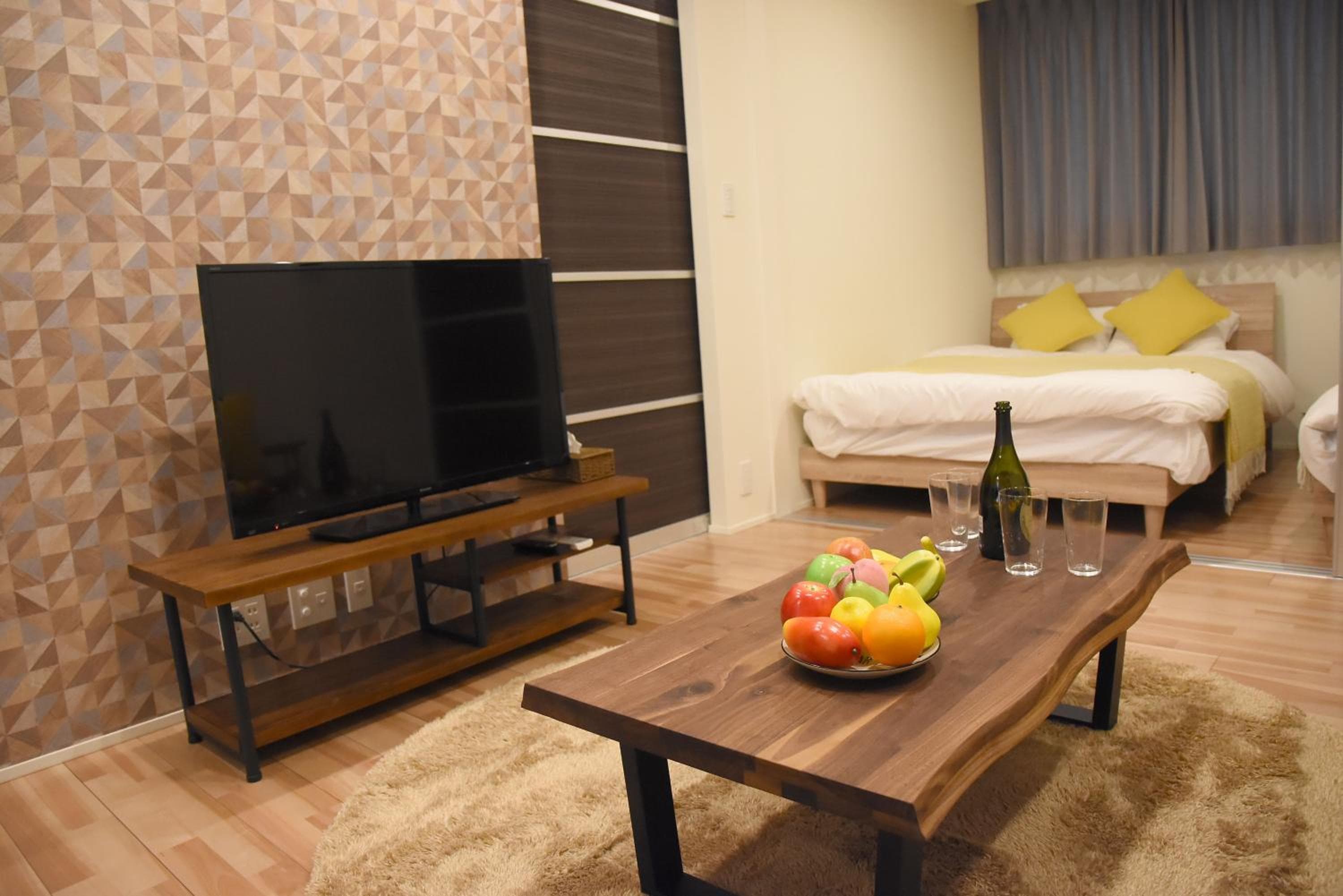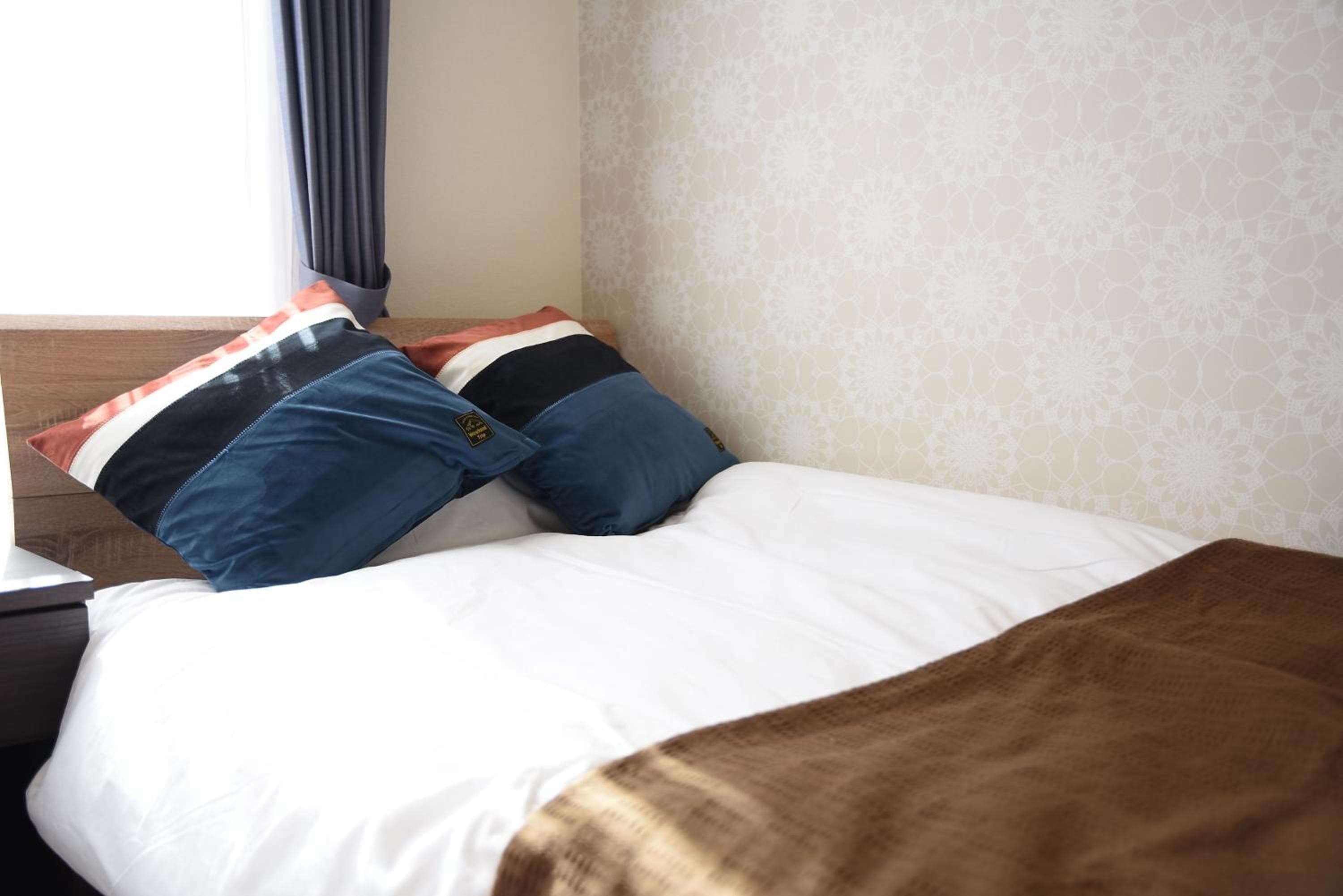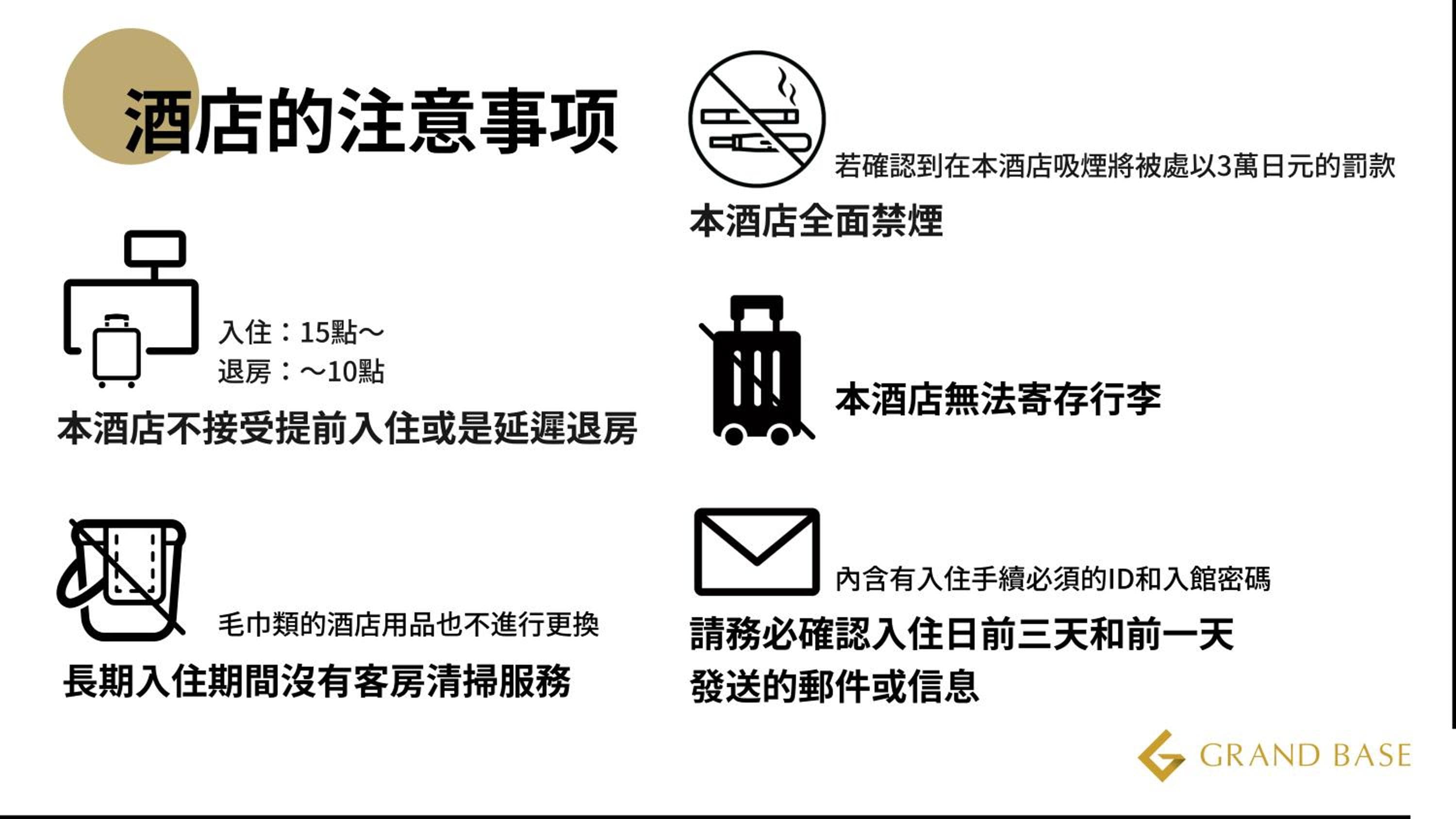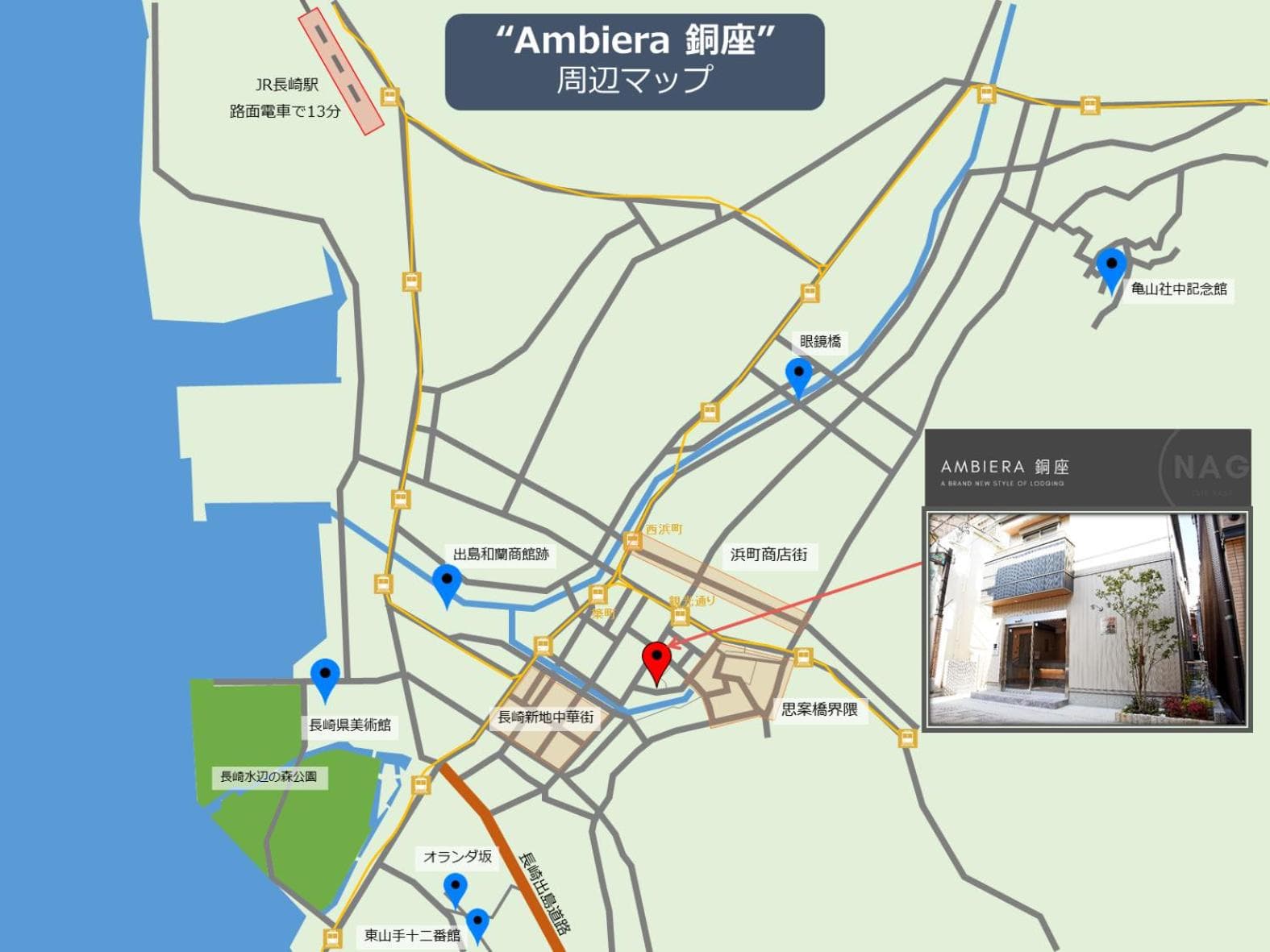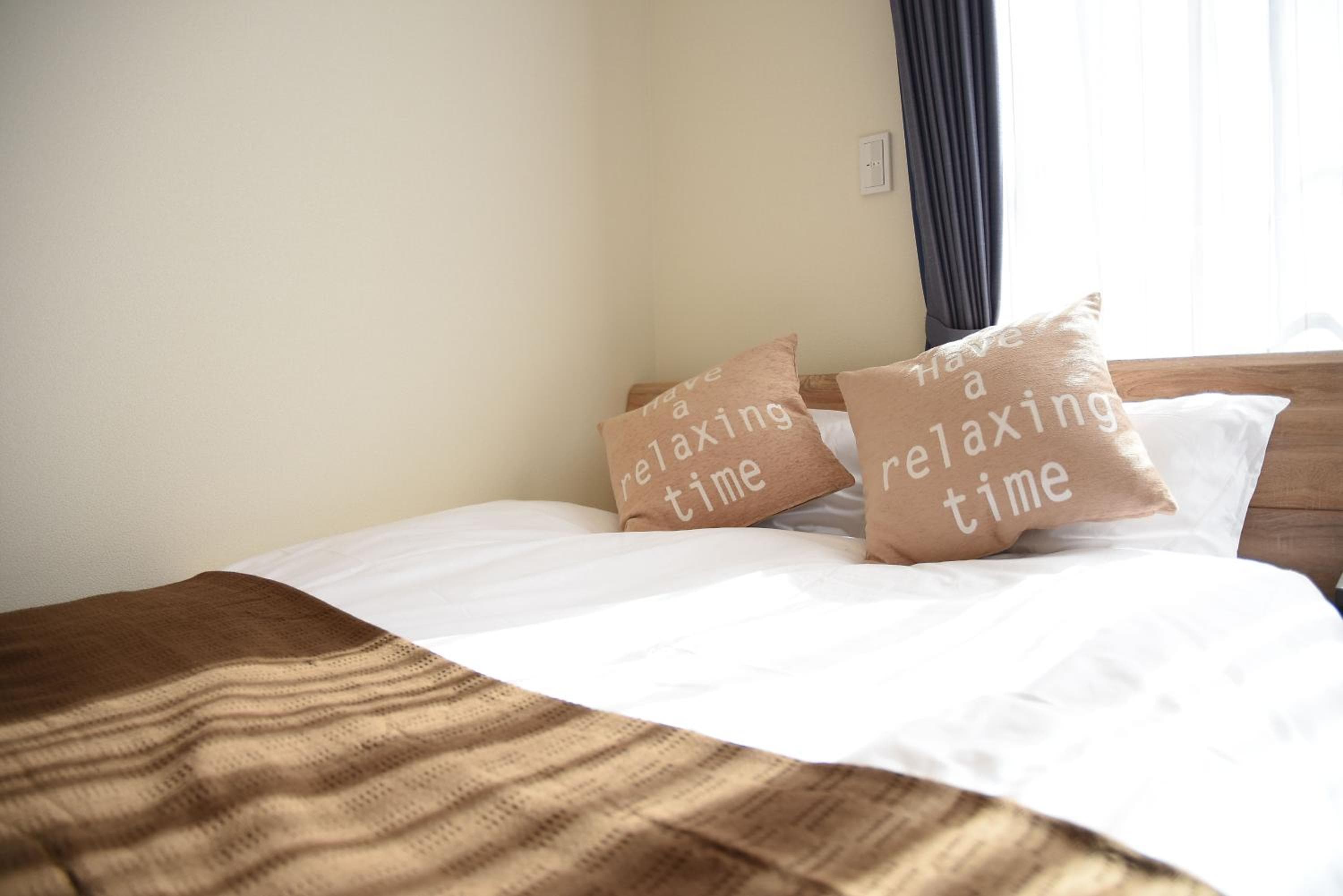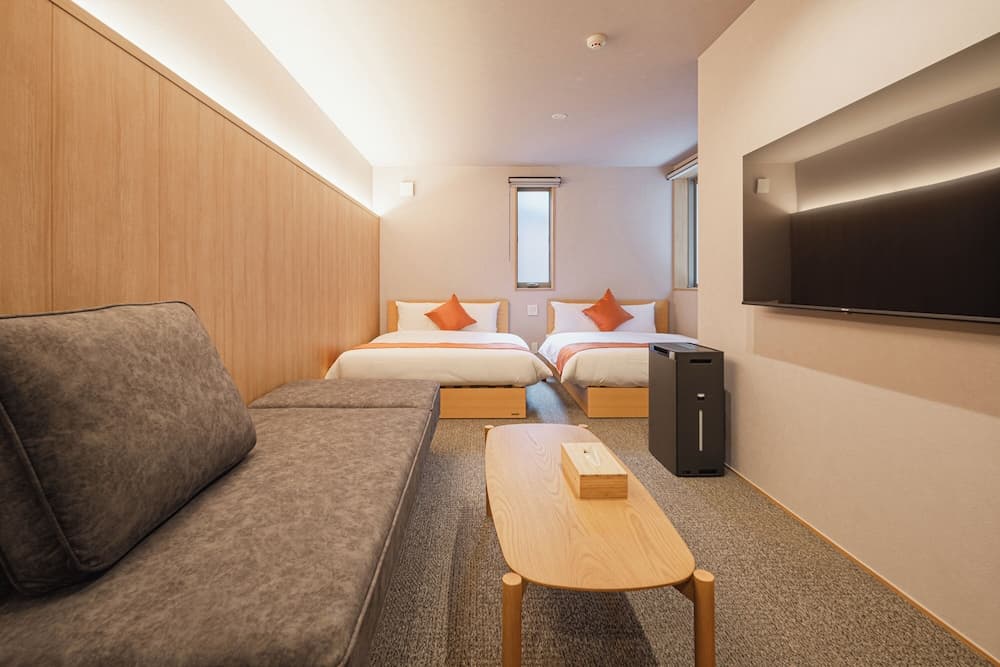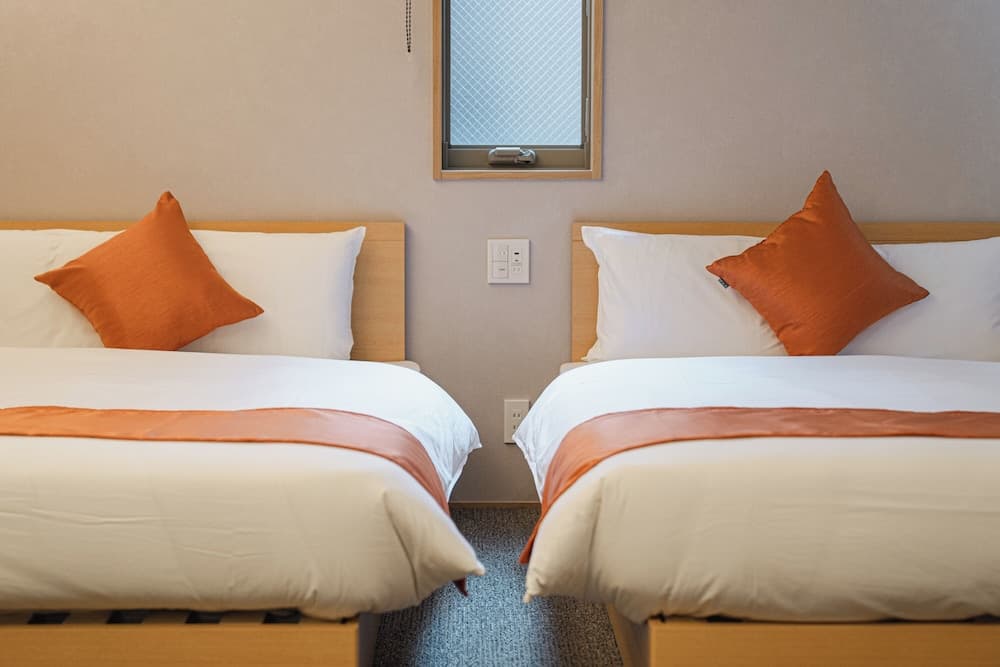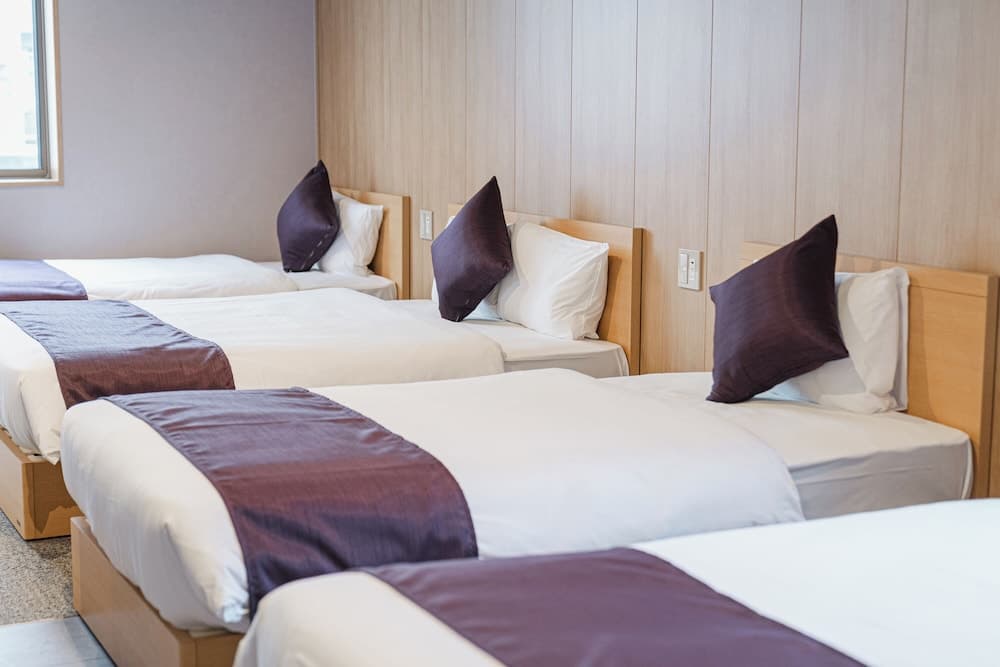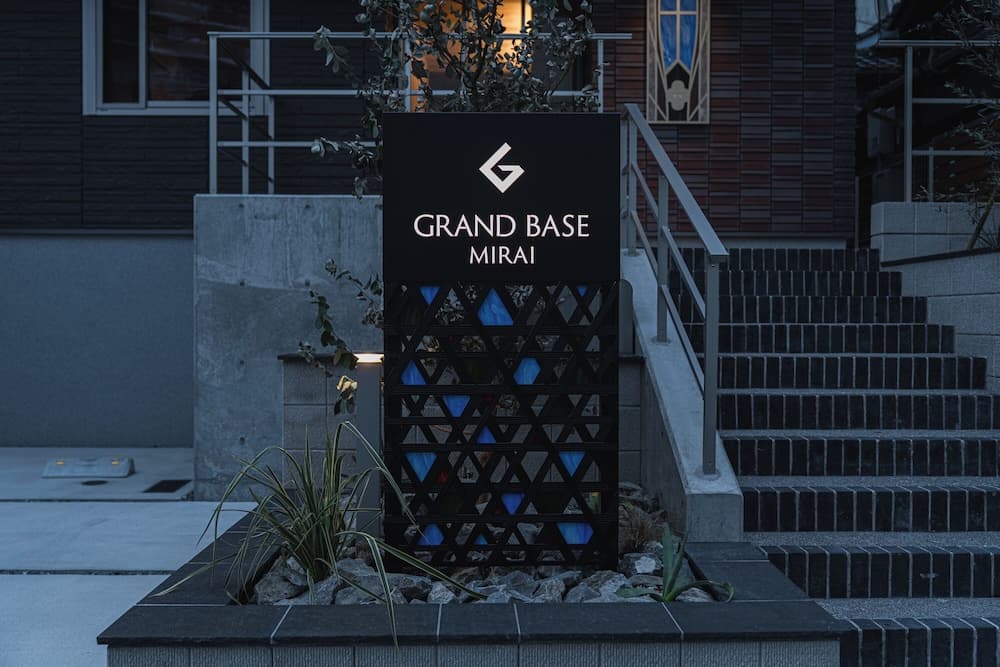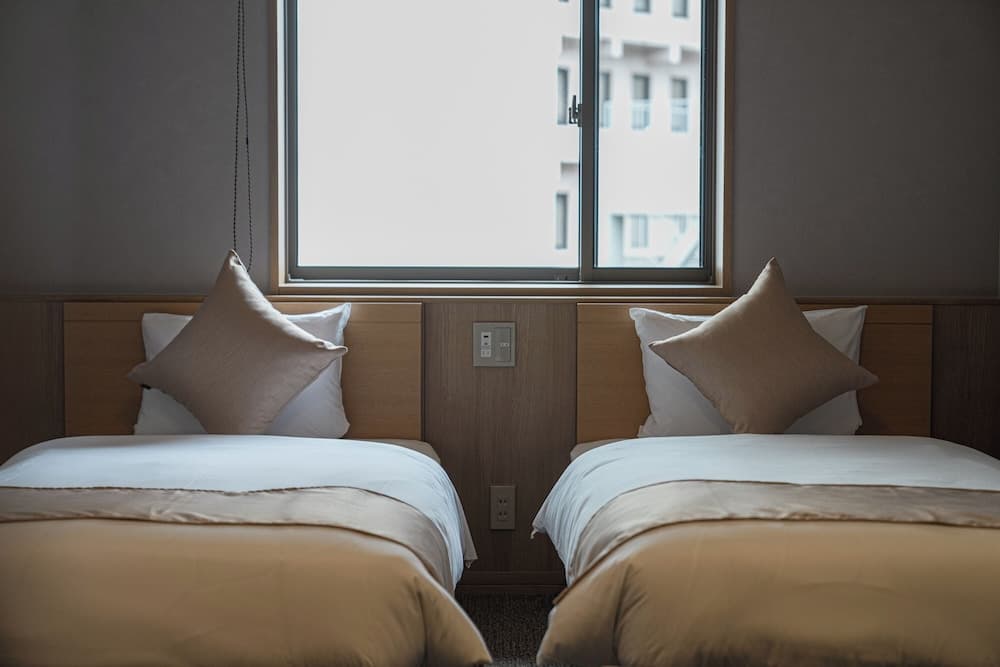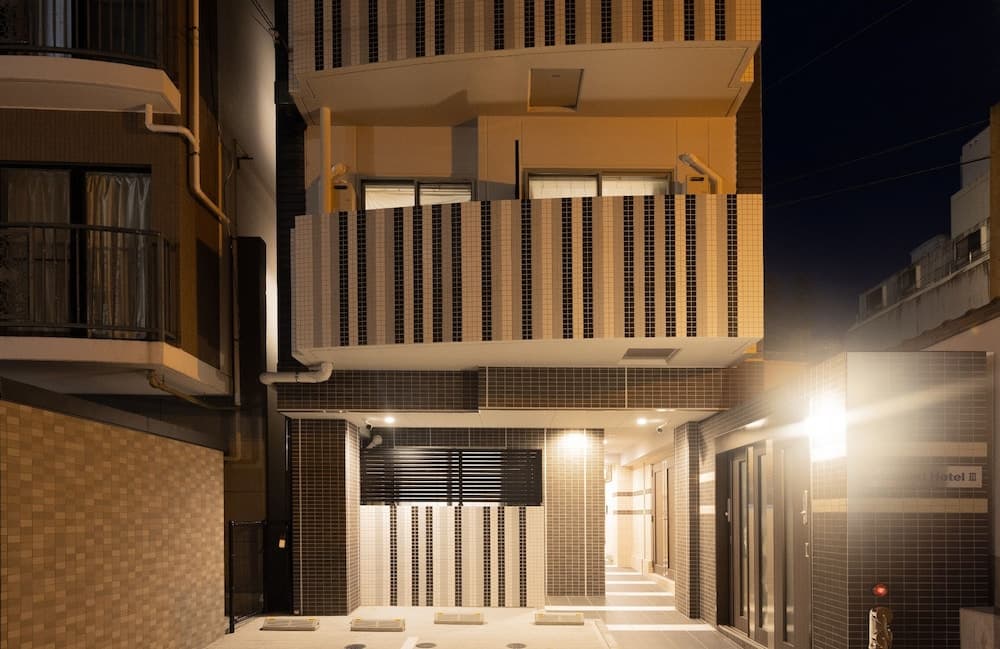

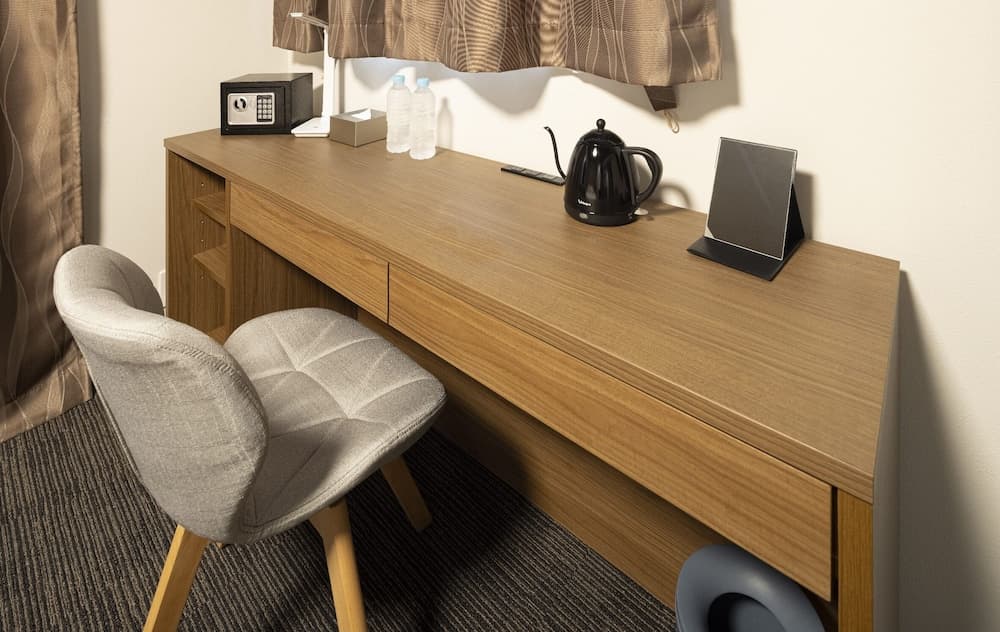
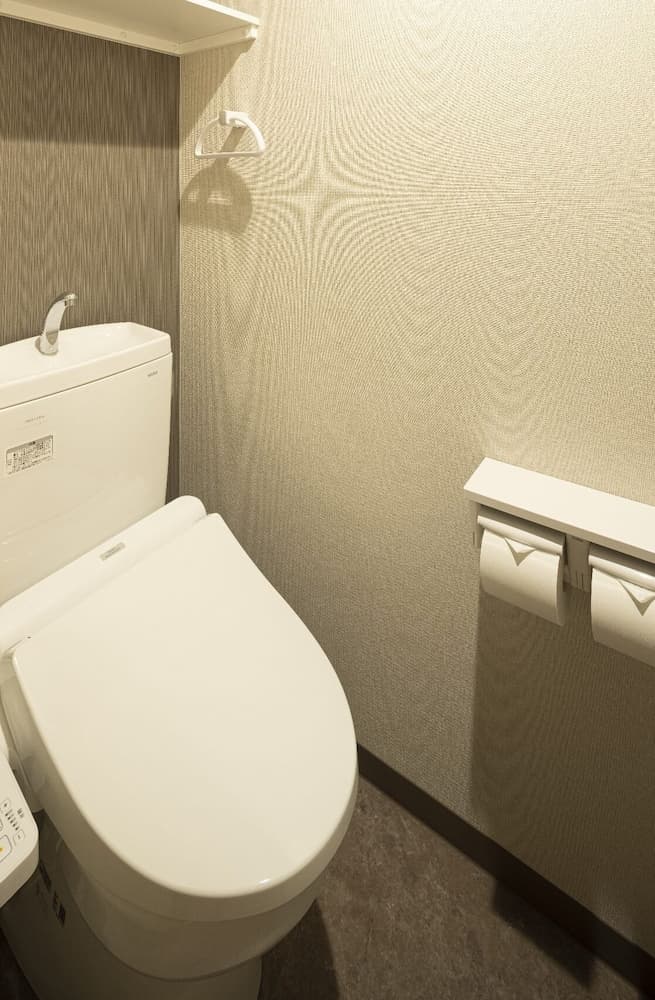
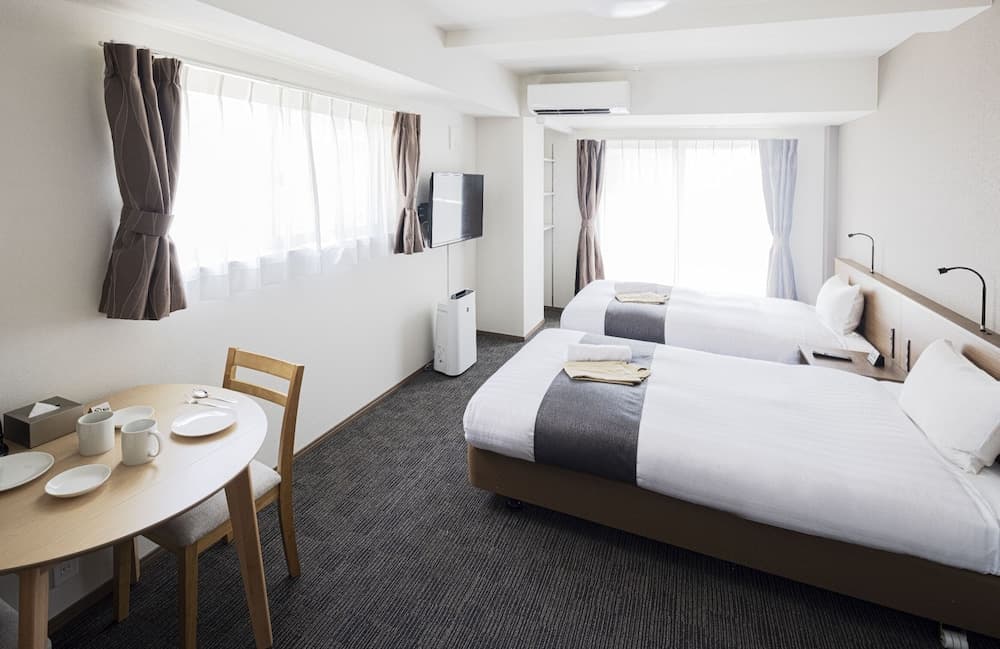
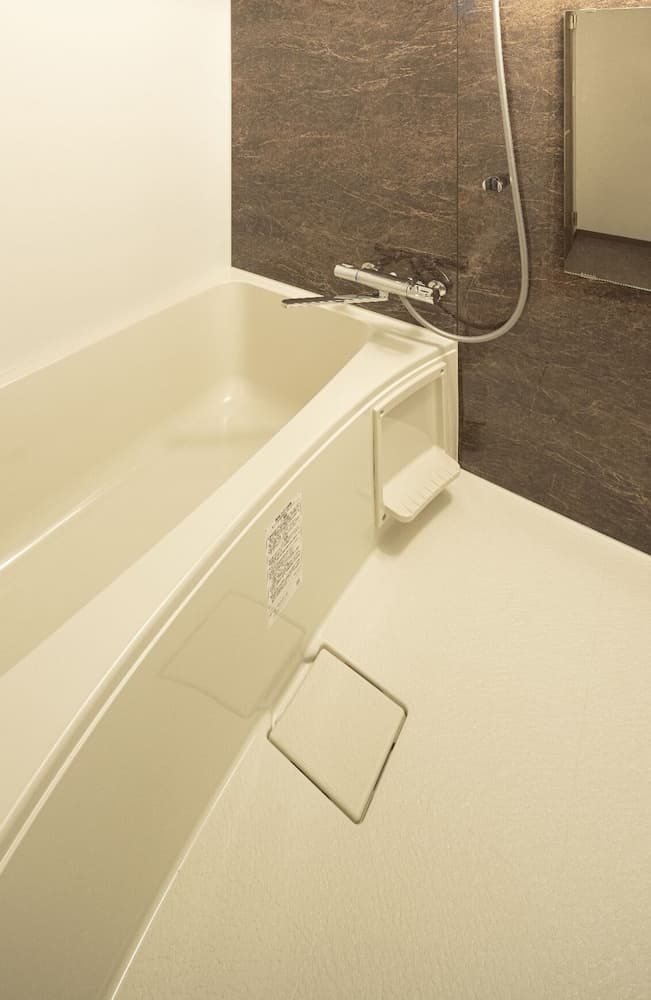
Coruscant Hotel Nagasaki Station 3
10.0 out of 10 from 5 reviewsNagasaki
Full kitchen · 27–32 m² · Sleeps 4
Add dates for prices
11 stays · 2 aparthotels and 9 serviced apartments
Nagasaki sits at the head of a natural harbour on the western side of Kyushu, with hills close behind the waterfront and the main commercial and residential area on a small plain near the end of the bay. Aparthotels and serviced apartments in Nagasaki suit visitors who want to give the city more than a night: its sights are spread across several districts joined by tram, so a kitchen and extra space make a few days of exploring easier, especially for families and small groups.
11 stays
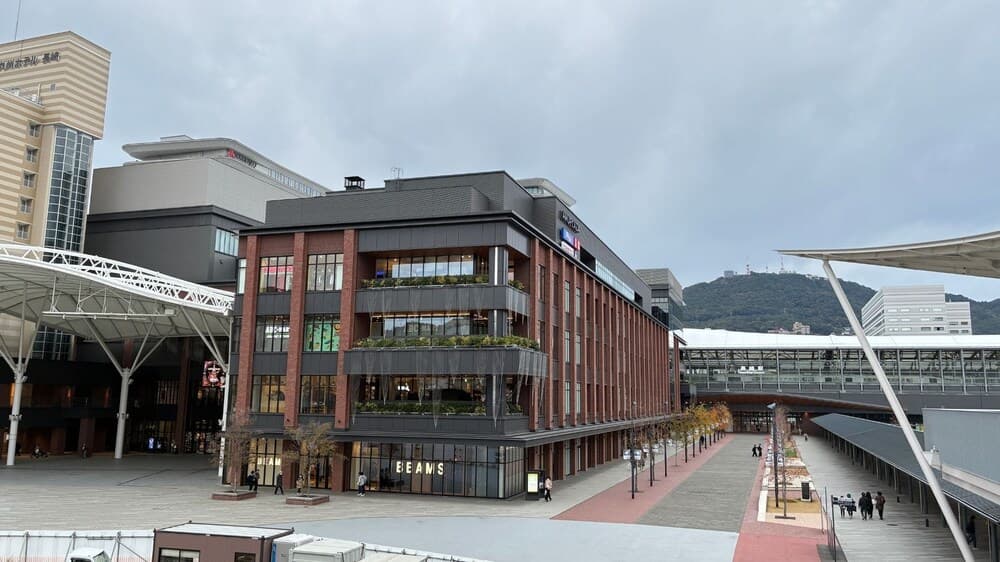
Nagasaki Station is the main transport hub, and trams run from outside it north to the Peace Park and south to Dejima and Shinchi Chinatown. According to Japan Guide, the city centre lies about one kilometre to the south-east of it. The station is where long-distance trains arrive, including the Nishi-Kyushu Shinkansen, so it suits arrivals by rail.
Stays in or near Nagasaki Station area
This is the central waterfront district. Dejima is a reconstructed trading post on an artificial island, and Wikivoyage describes it as Japan's sole port open to Western trade for over 200 years. Shinchi Chinatown is the main venue of the Lantern Festival and, according to Wikivoyage, the oldest Chinatown in Japan. Both are reached by tram.
Stays in or near Dejima and Shinchi Chinatown
Minamiyamate is the hillside district above the harbour. Glover Garden is a collection of relocated European-style homes built for foreign traders and diplomats after Japan opened to the world, with views over the harbour. Oura Catholic Church and the Dutch Slope are nearby, and all three are reached by tram.
Stays in or near Minamiyamate and Glover Garden
Urakami to the north is the area around the atomic bomb hypocentre, with the Nagasaki Peace Park, the Atomic Bomb Museum and Urakami Cathedral. Urakami station is also here, and the tram reaches the Peace Park, Atomic Bomb Museum and Urakami Cathedral. It is a quieter base away from the central waterfront.
Stays in or near Urakami and Peace Park
Nagasaki Airport is about 30 km north-east of the city centre, and the limousine bus to Nagasaki Station takes around 45 minutes according to Japan Guide and Wikivoyage. The Nishi-Kyushu Shinkansen opened in September 2022; from Fukuoka, the trip combines the Relay Kamome limited express with the Kamome Shinkansen and takes about 90 minutes. Wikivoyage also lists highway buses from Fukuoka.
The tram is the main way to get around. The Nagasaki Electric Tramway charges a flat fare for any single journey, accepts the main IC cards, and sells a one-day pass at major information centres, hotels and through a smartphone app. Trams reach the Peace Park, the Atomic Bomb Museum, Urakami Cathedral, Dejima, Shinchi Chinatown, Suwa Shrine, Spectacles Bridge, Dutch Slope, Glover Garden and Oura Catholic Church. Japan Guide notes that the city centre is walkable for most tourist attractions.
A kitchen suits longer stays in Nagasaki. Local dishes include champon noodle soup, saraudon with crispy noodles and castella sponge cake, and Wikivoyage notes that castella is a sponge cake originally brought by the Portuguese.
If you are staying for work or relocation, our guide to serviced apartments for relocation covers longer-term stays, and aparthotels versus hotels compares the formats.
Nagasaki has a humid subtropical climate with mild winters. The city's festival calendar gives reasons to visit through the year: the Lantern Festival lights about 15,000 Chinese lanterns across seven venues in January and February, the Nagasaki Port Festival with fireworks and the Peiron boat races take place in July, and the Shoro-nagashi spirit boat procession is held in August.
The Nagasaki Kunchi, the autumn festival of Suwa Shrine, runs from 7 to 9 October with dragon dances and floats, and the Maruyama Hana Festival takes place in November. Wikivoyage ranks the night view from Mount Inasa, which can be reached by bus, taxi or ropeway, among the best three city night views in Japan.
Trams run through the city, so you can base yourself along the main routes and reach many of the sights without a car. If you are building a wider Kyushu trip, see Fukuoka and the Japan hub, or compare with Hiroshima.
Of the 11 properties here, 8 offer an in-apartment washing machine, 2 include some form of housekeeping and 1 have a 24-hour front desk. Each property page has a facts box, so you can compare apartments before you book.
7 properties list a full kitchen and 4 only a kitchenette, so check the room type if you plan to cook more than simple meals.
Where room sizes are published, the median apartment here is 36 m².
Moving for work? Our guide to serviced apartments for relocation explains what to look for.
Comparing destinations? See aparthotels in Tokyo, Osaka, Kyoto, Fukuoka, Naha, Kutchan, Hakuba and Beppu.
The area around Dejima and Shinchi Chinatown is the most central, the station area is best for rail arrivals, and Minamiyamate offers harbour views near Glover Garden. Urakami is quieter and close to the Peace Park.
A limousine bus runs from the airport to Nagasaki Station in about 45 minutes. The airport is about 30 km north-east of the centre.
The Nagasaki Electric Tramway charges a flat fare per journey, accepts IC cards and sells a one-day pass at information centres, hotels and via a smartphone app.
The Nishi-Kyushu Shinkansen opened in September 2022. Wikivoyage gives about 90 minutes from Fukuoka, combining the Relay Kamome and the Kamome Shinkansen.
It is held every year from 7 to 9 October at Suwa Shrine, with dragon dances, floats and performances.
We currently list 11 aparthotel and serviced apartment properties in Nagasaki.
11 of the 11 properties we list have a kitchen or kitchenette in at least one apartment type.
8 properties list an in-apartment washing machine. Use the facts box on each property page to check.
Last updated