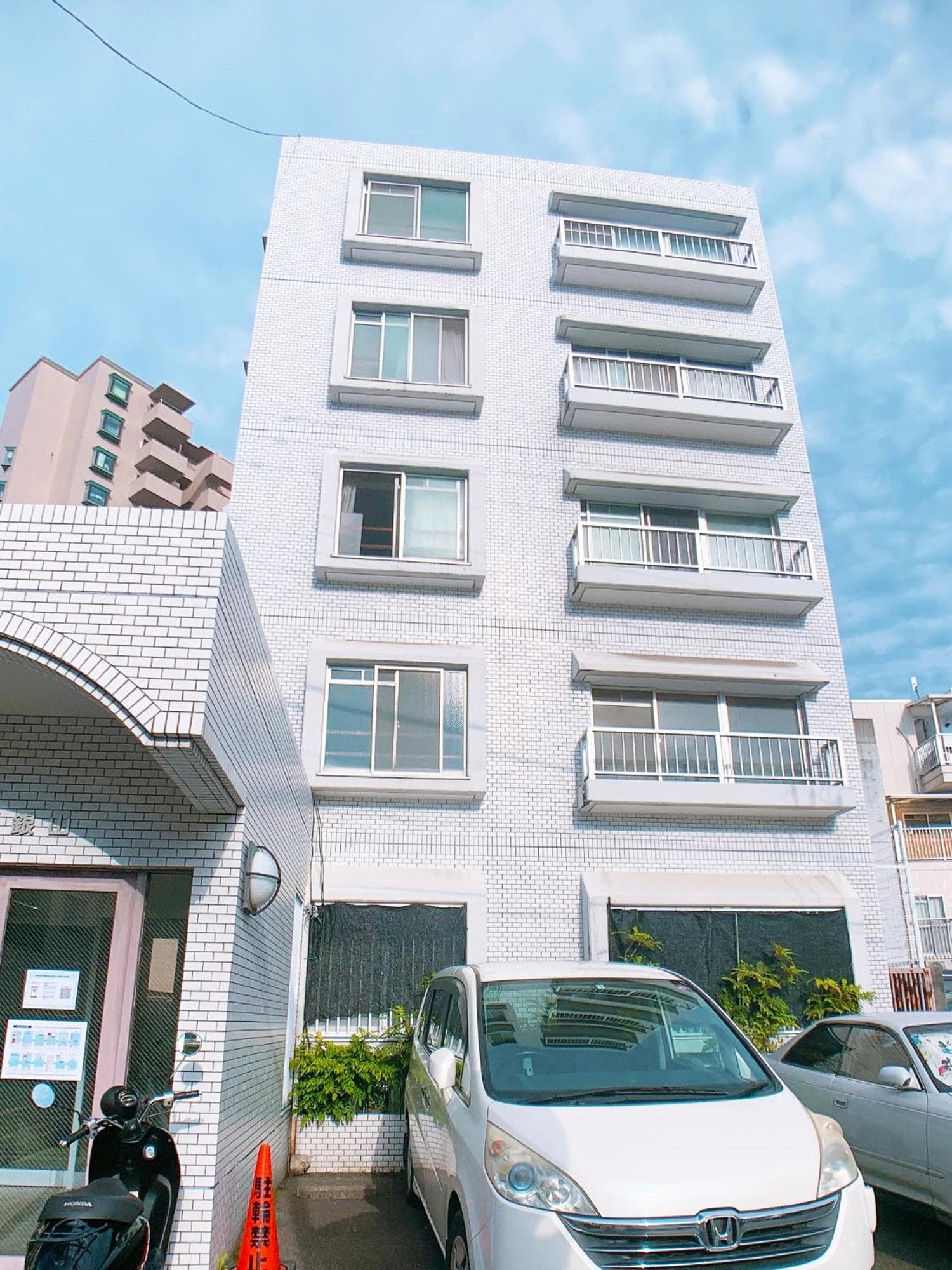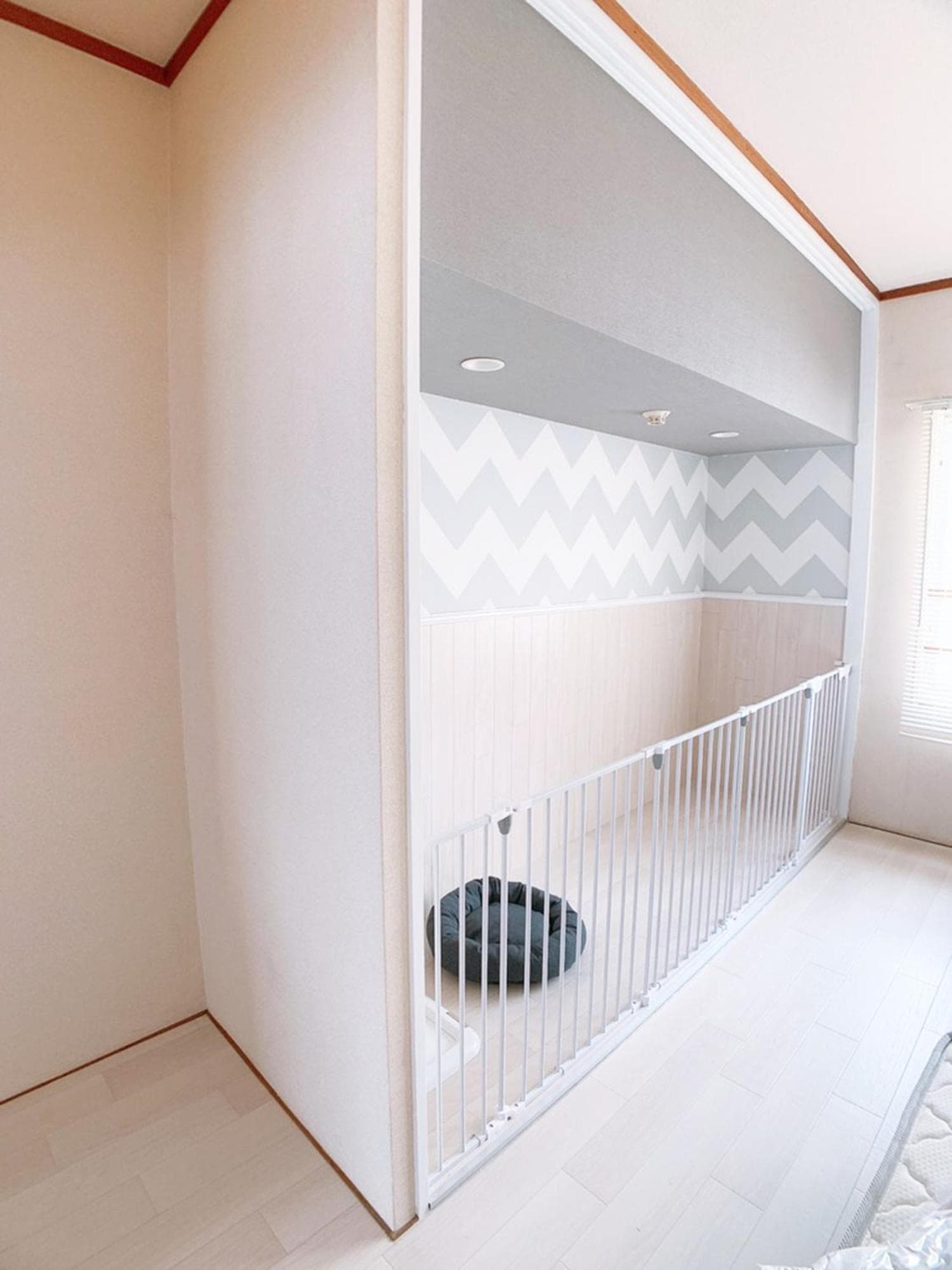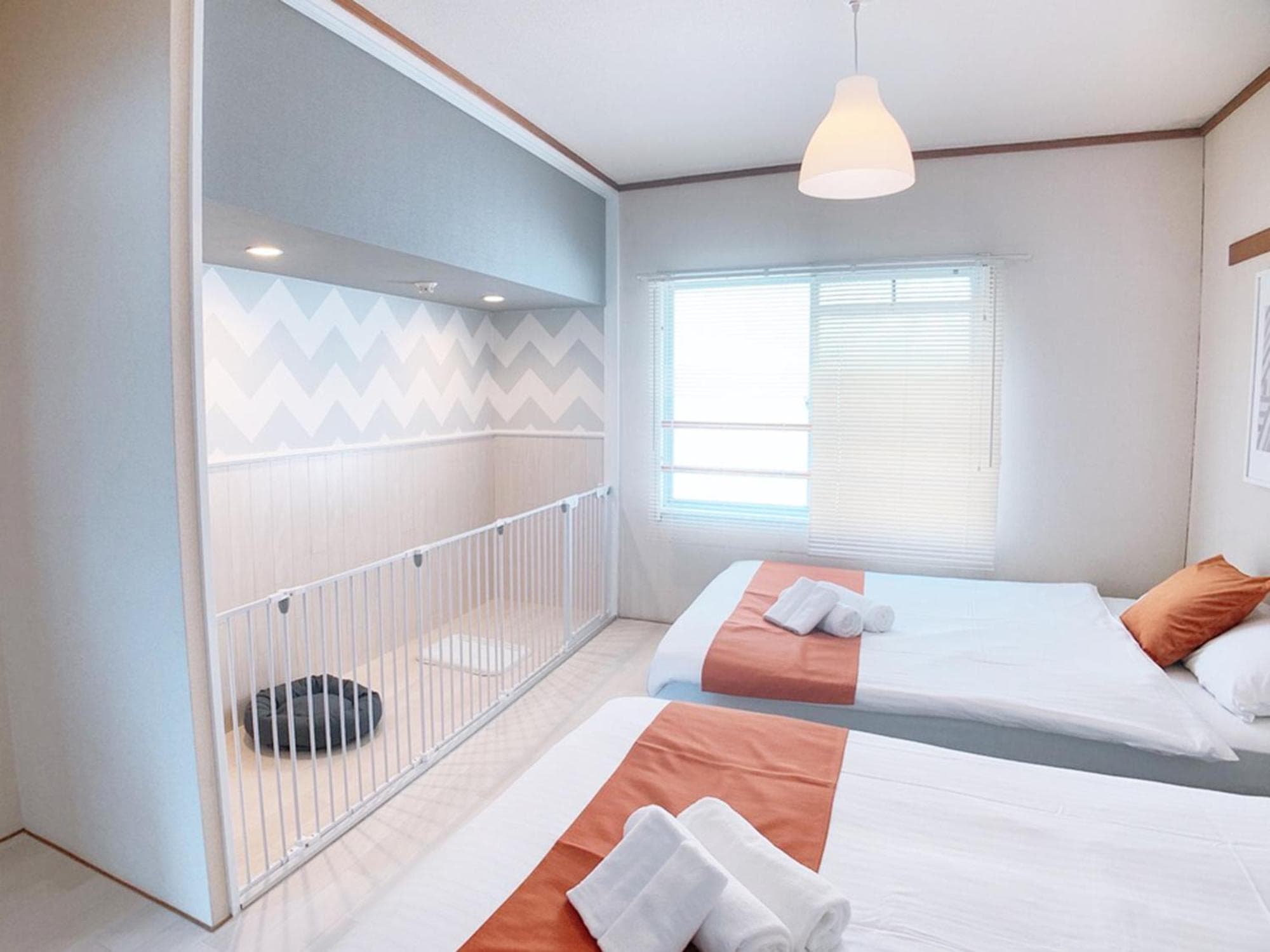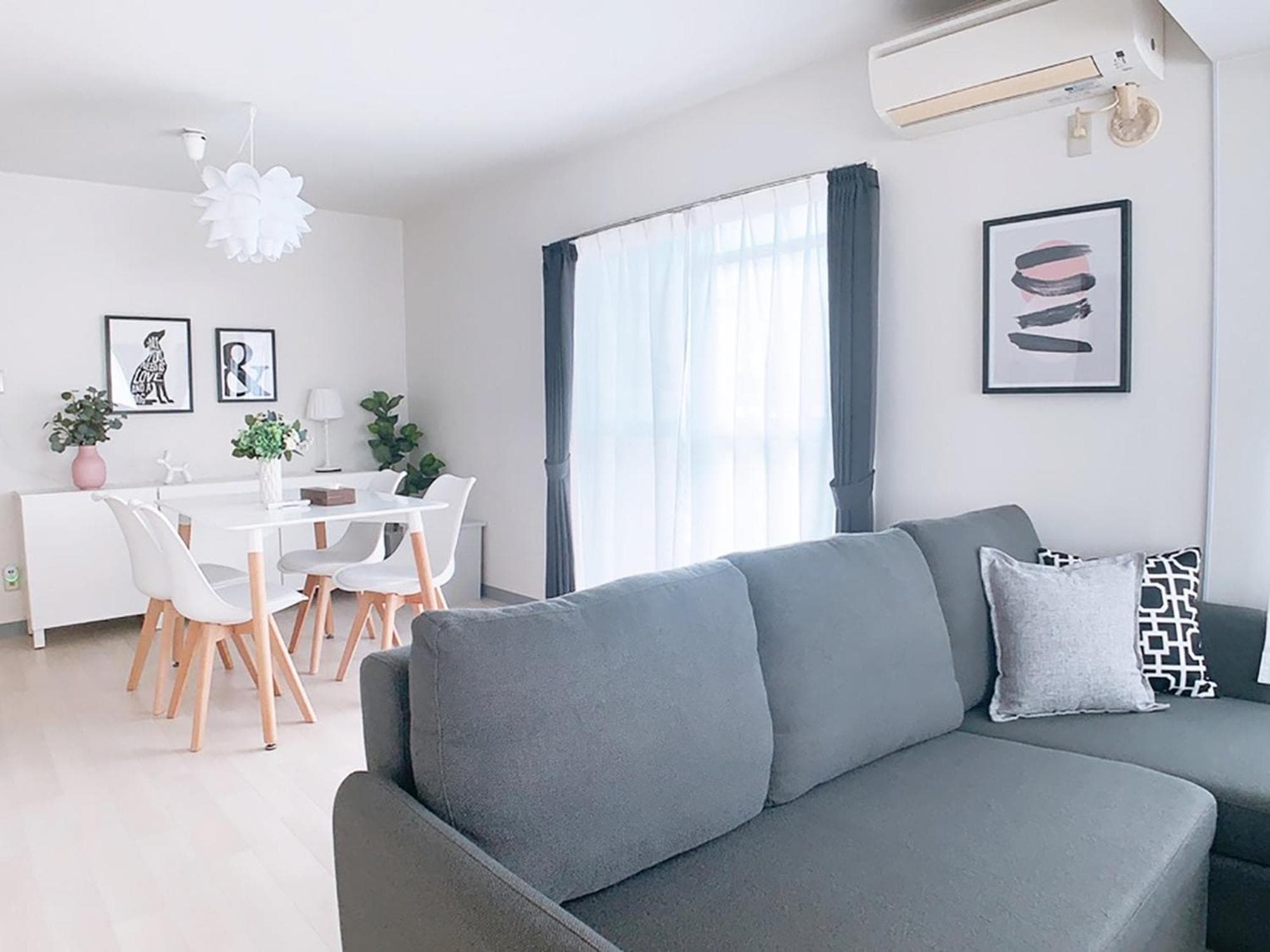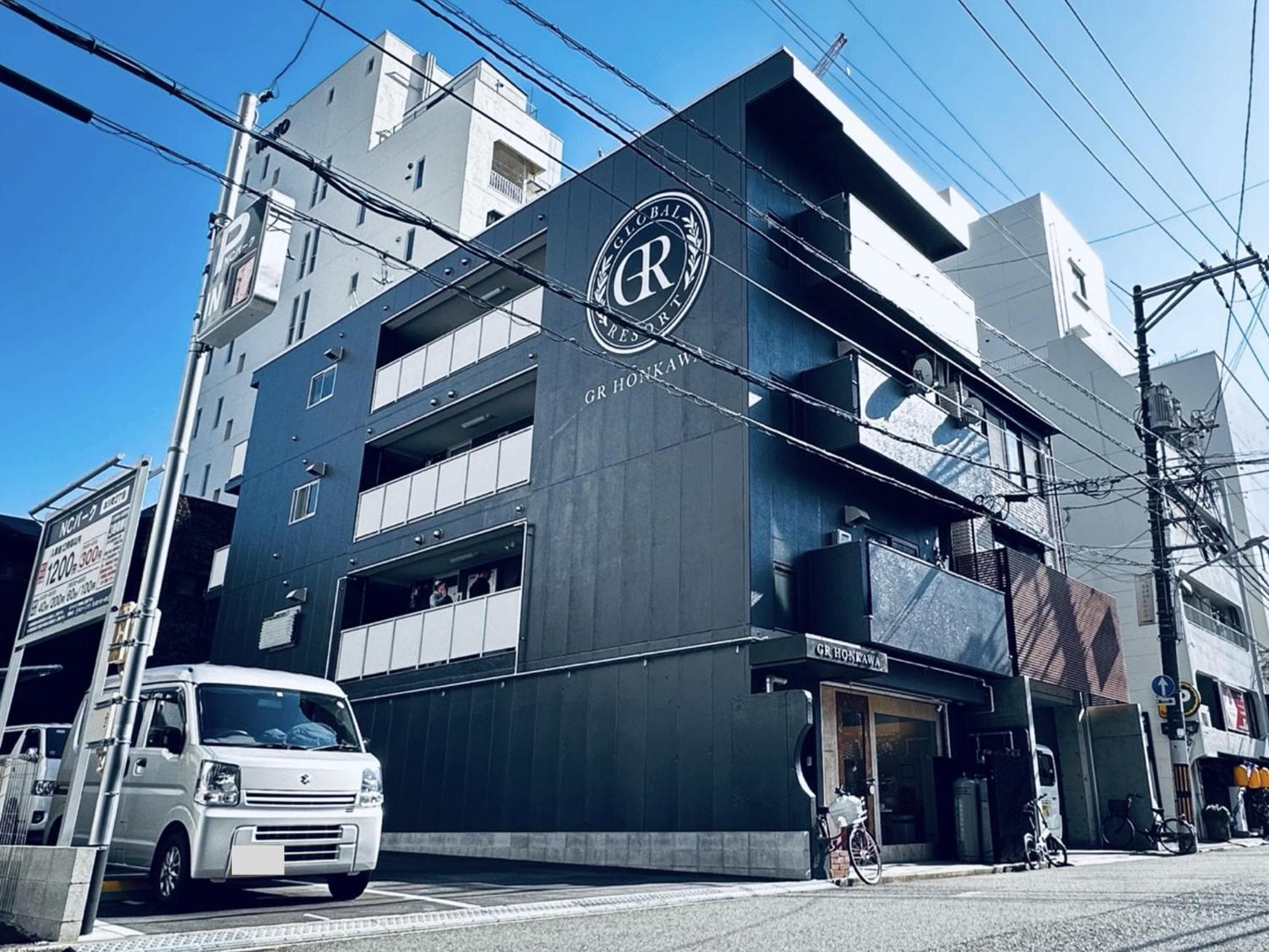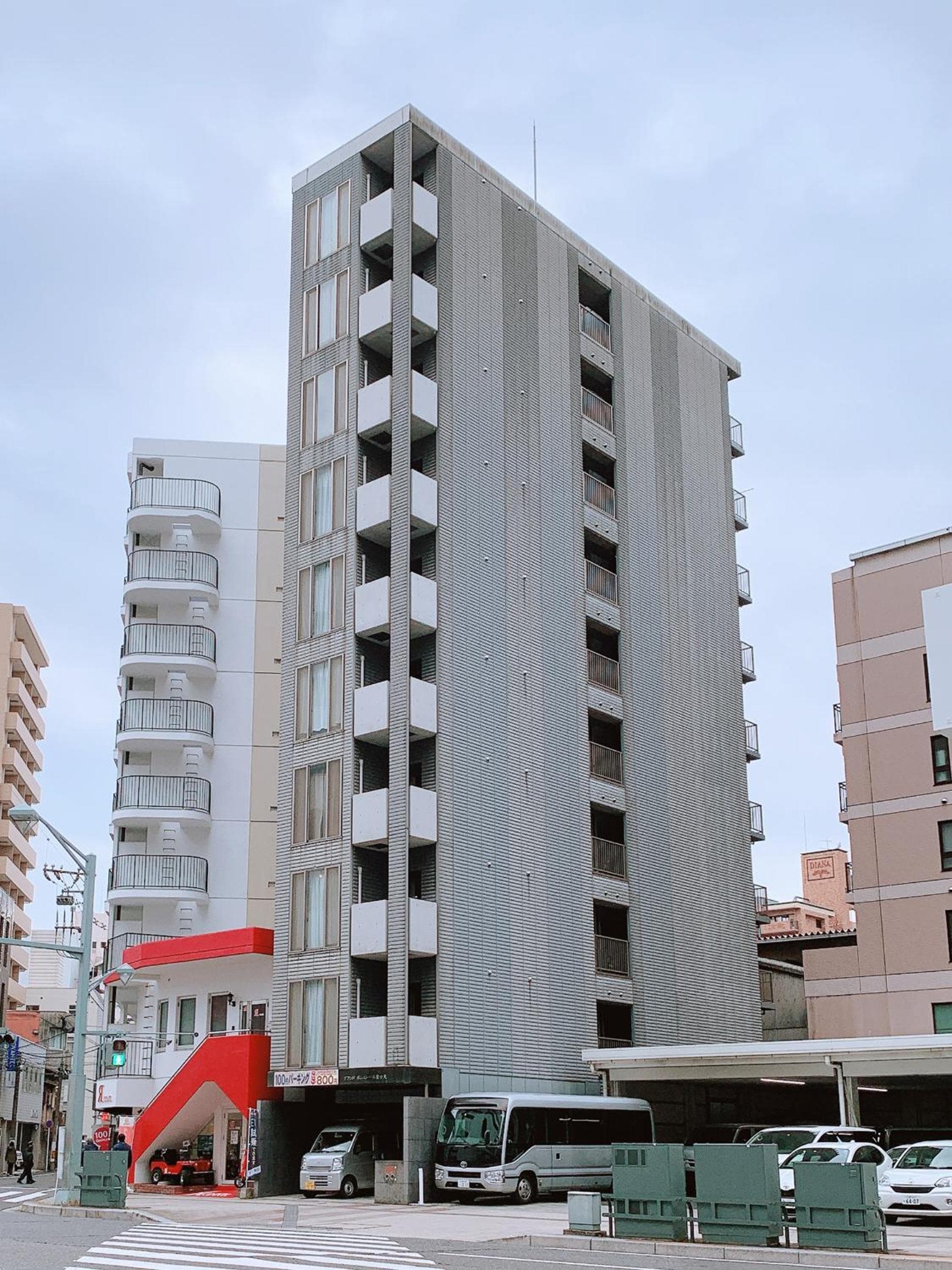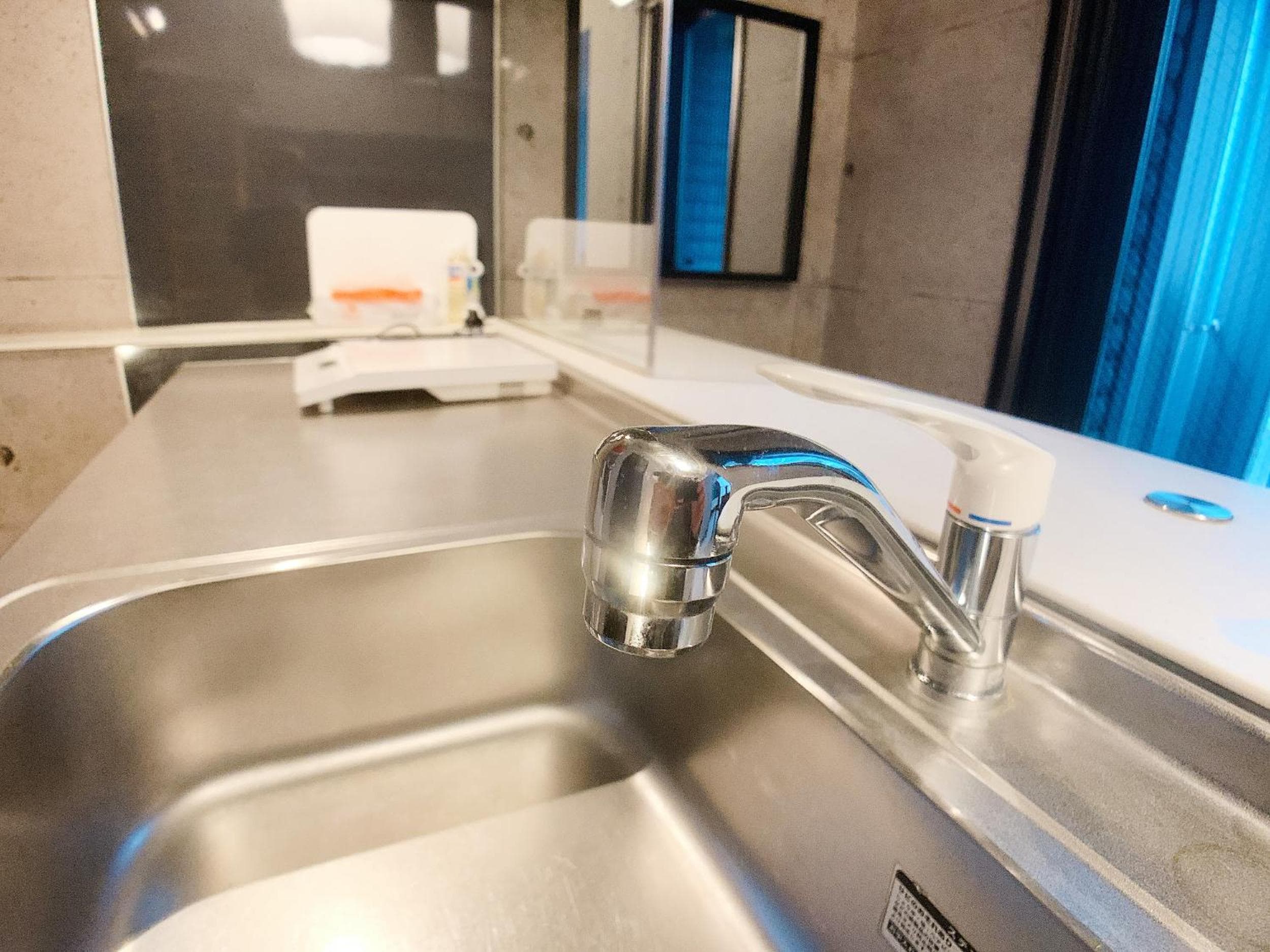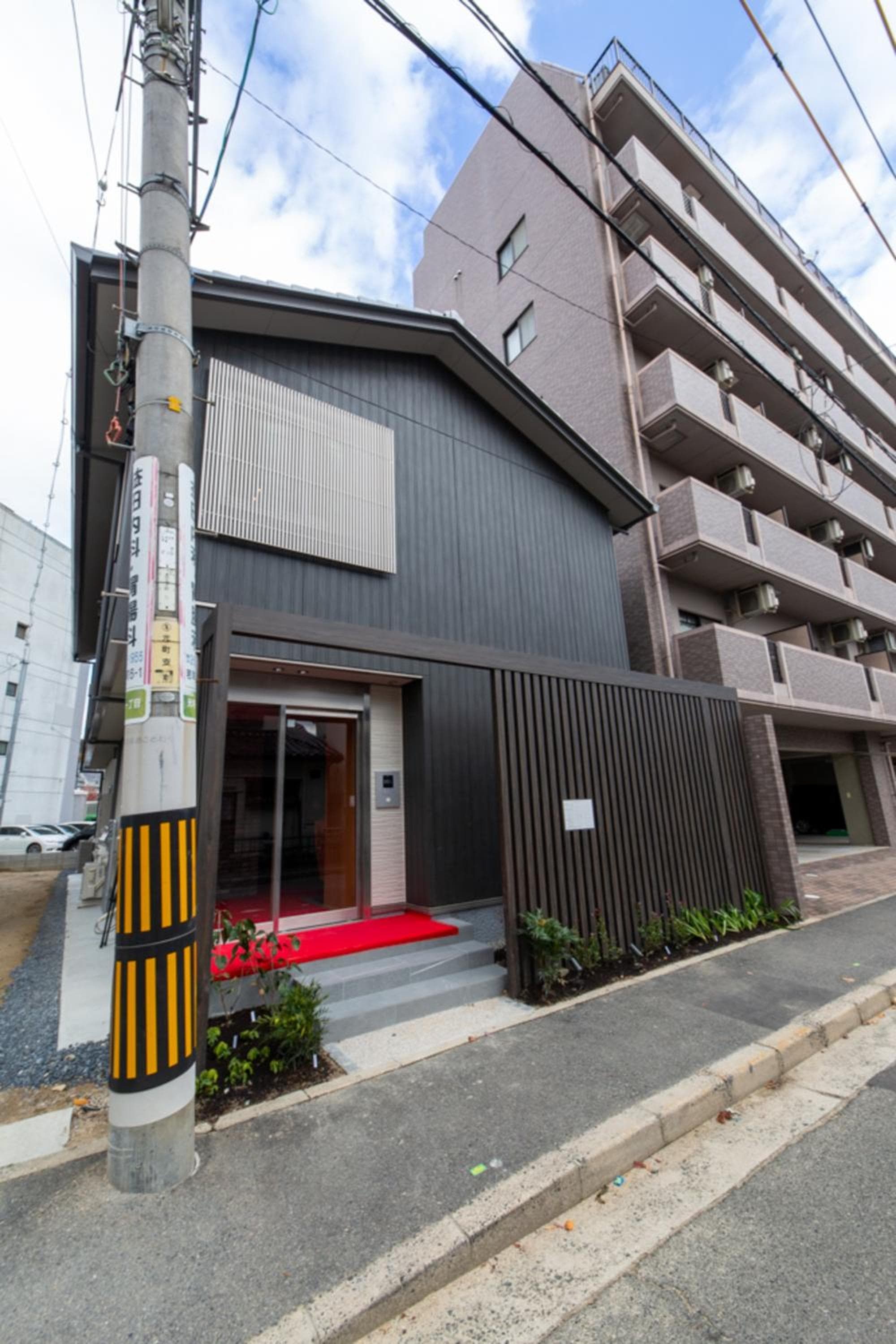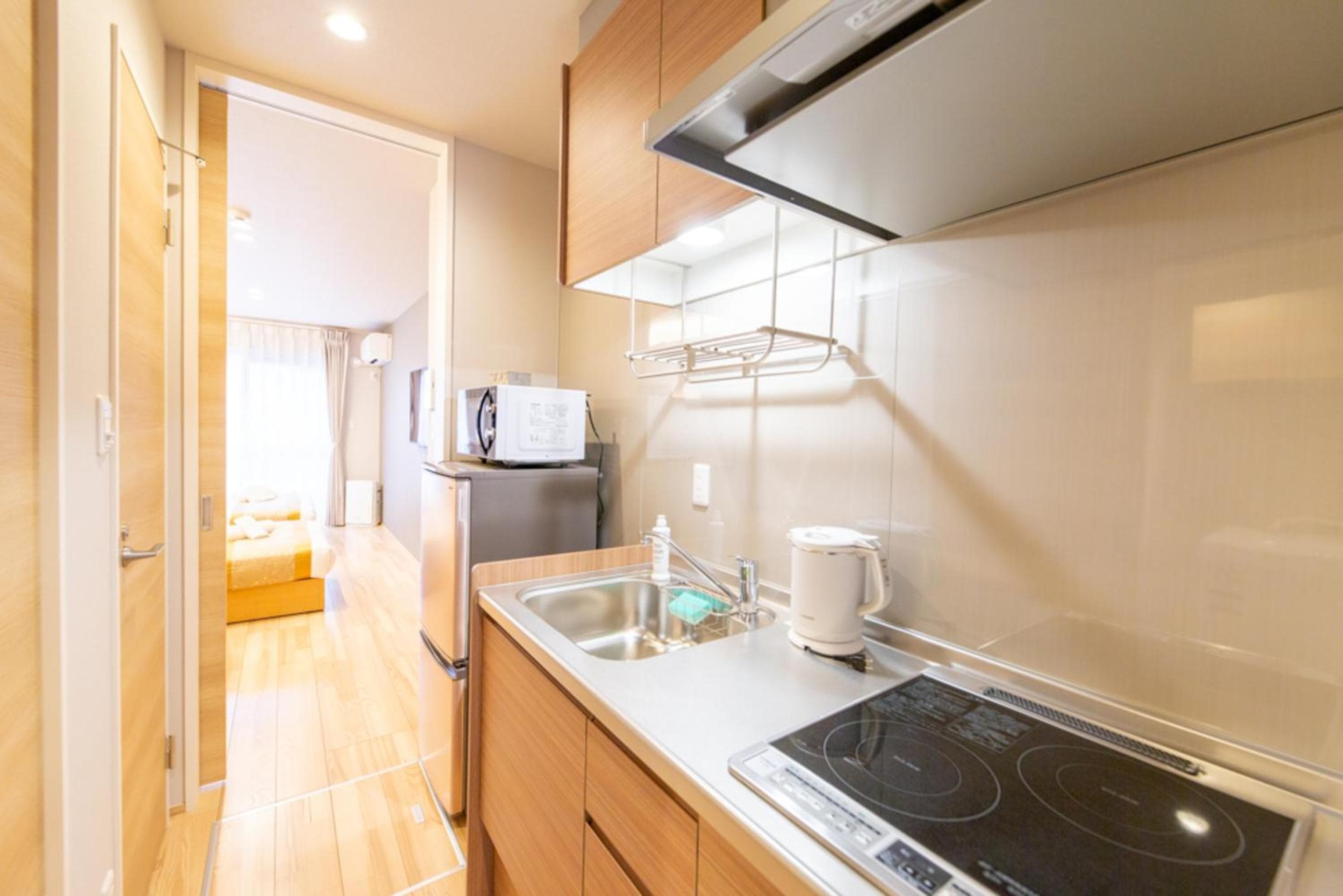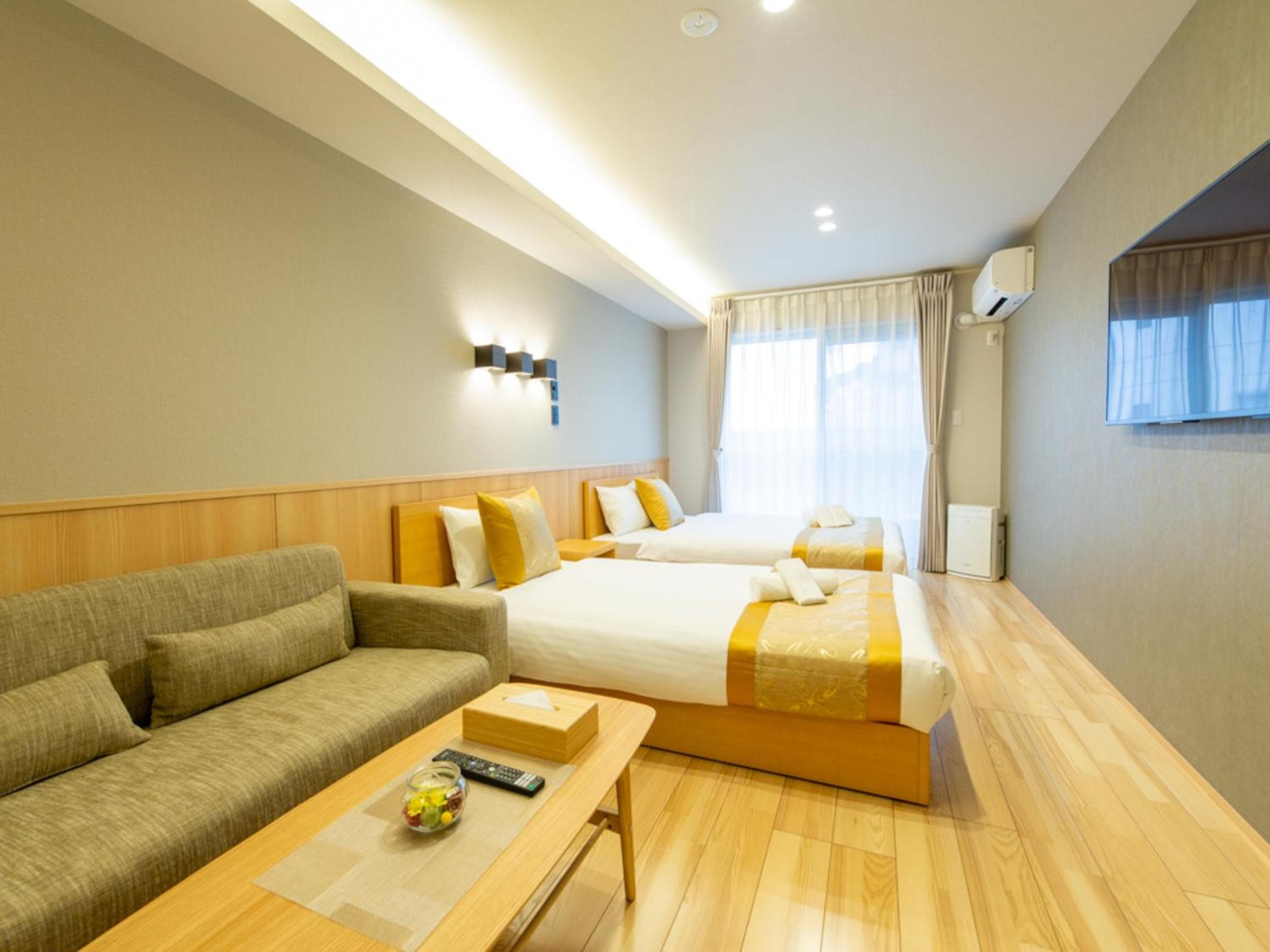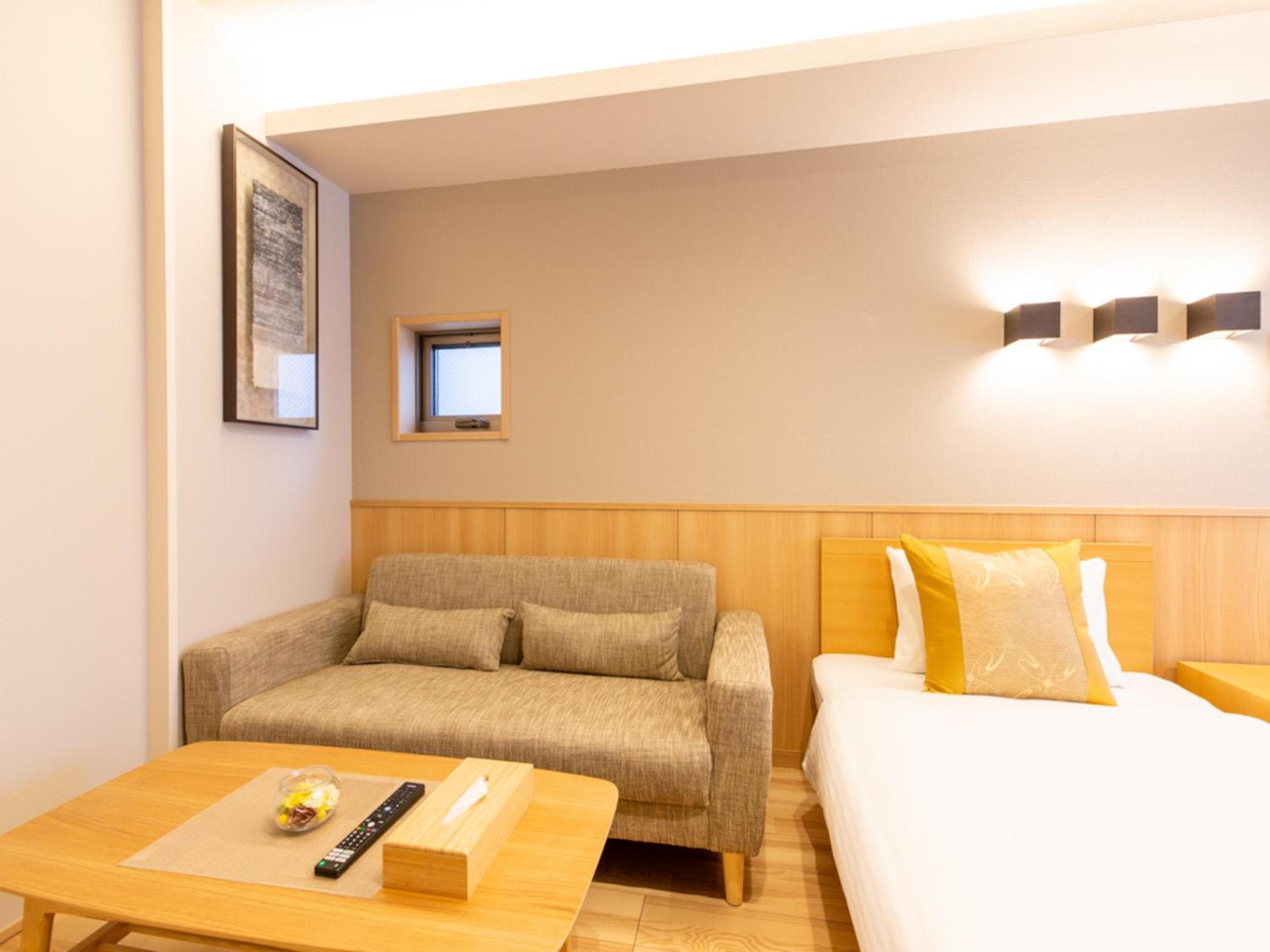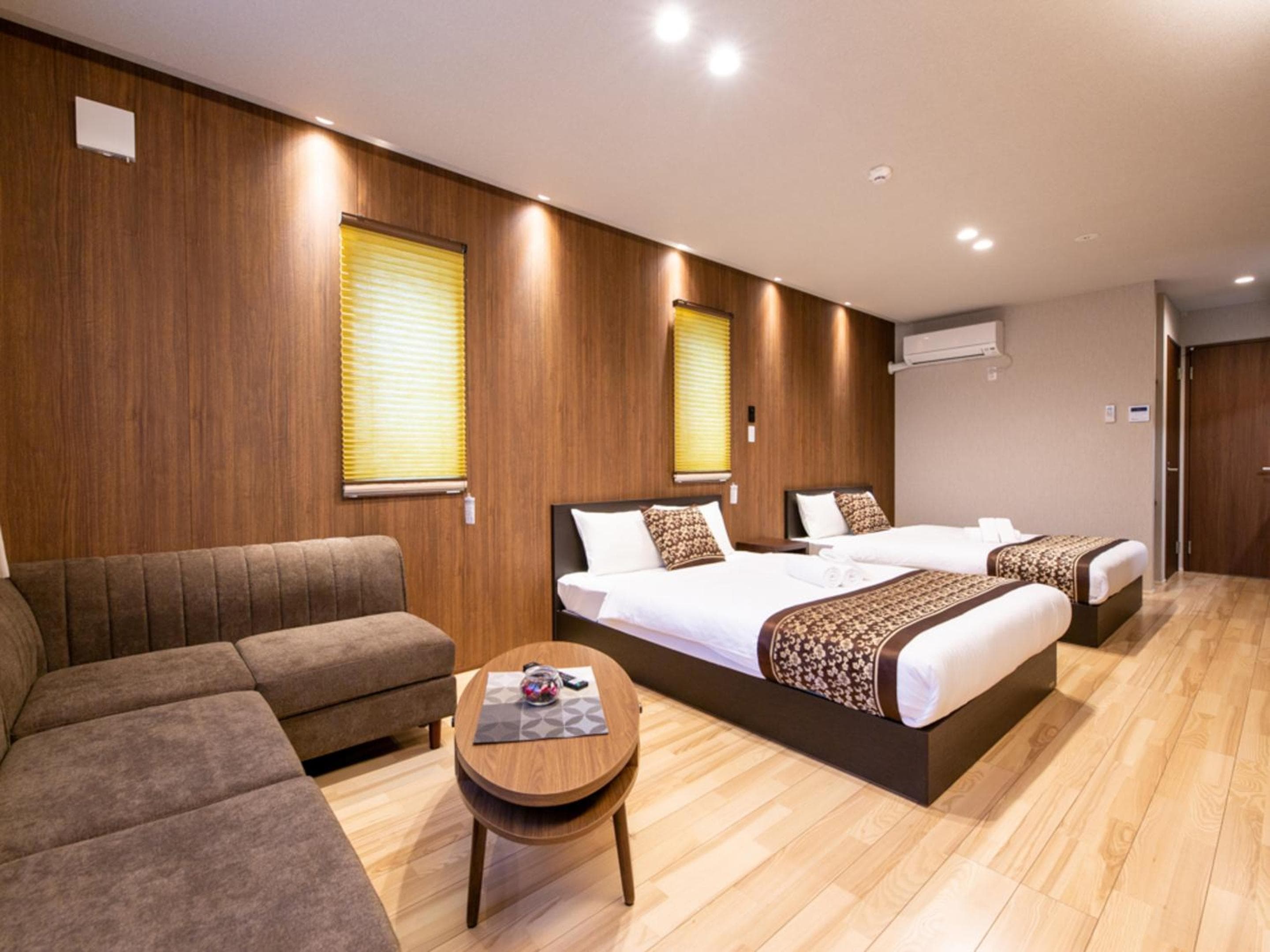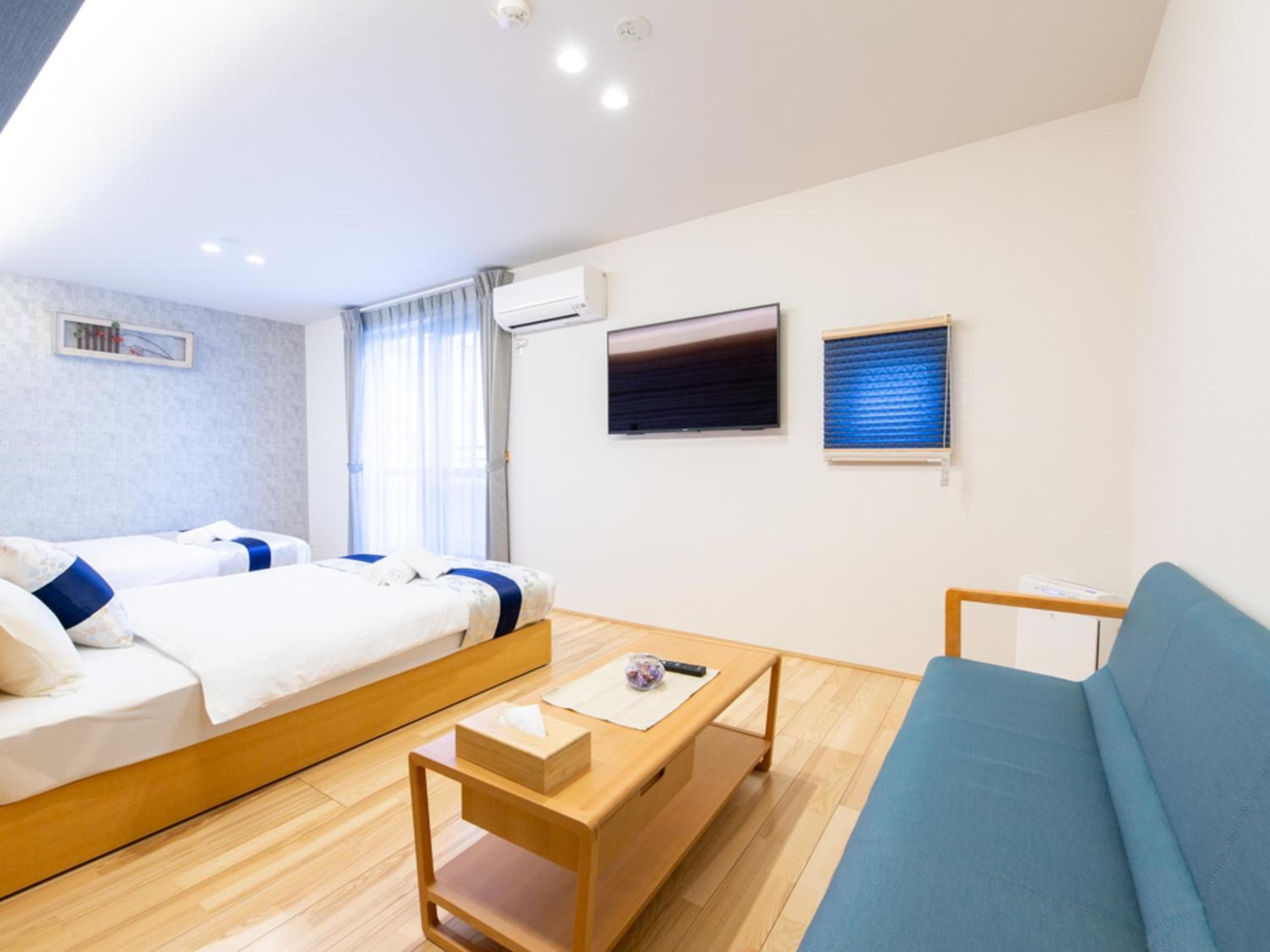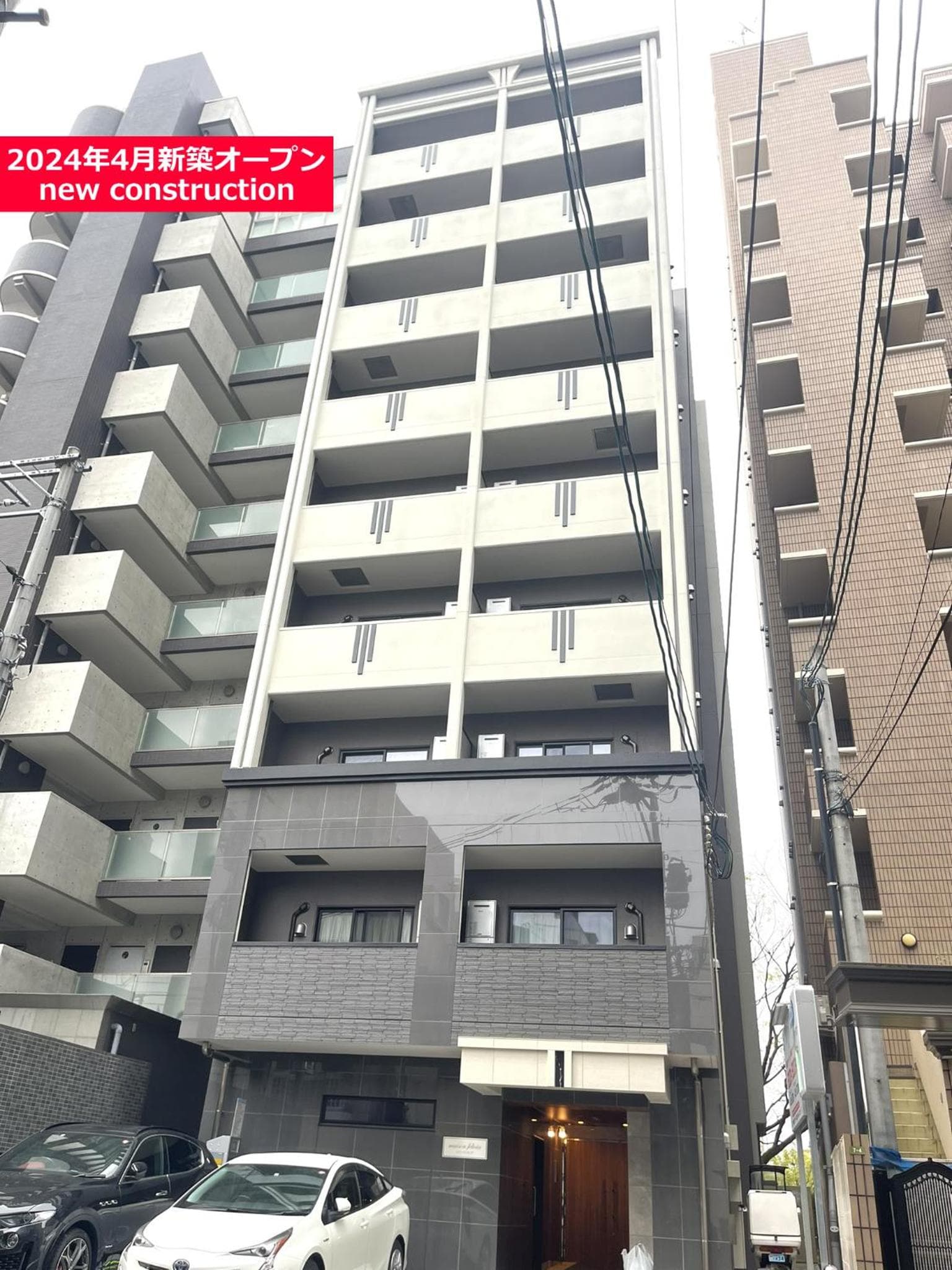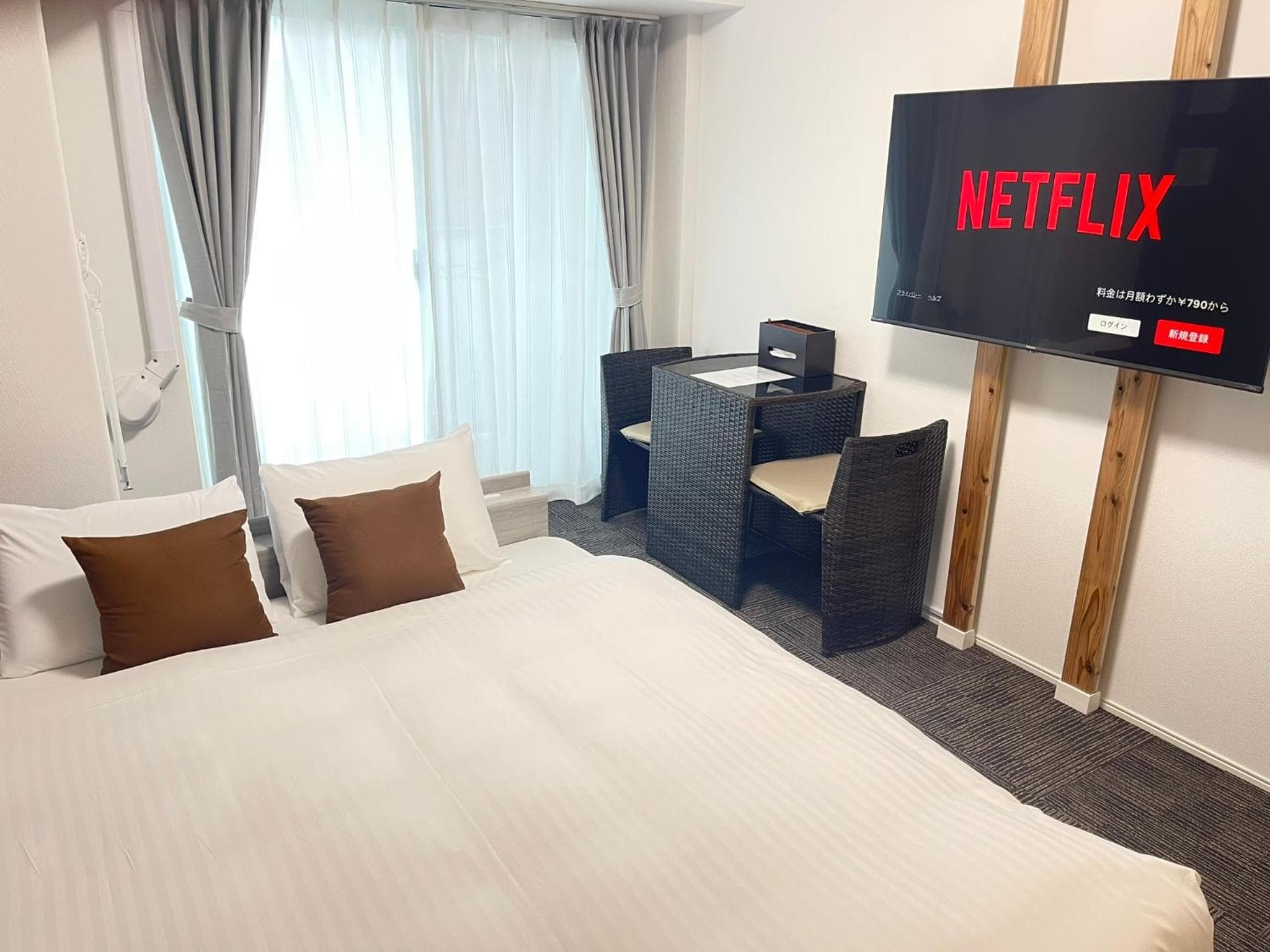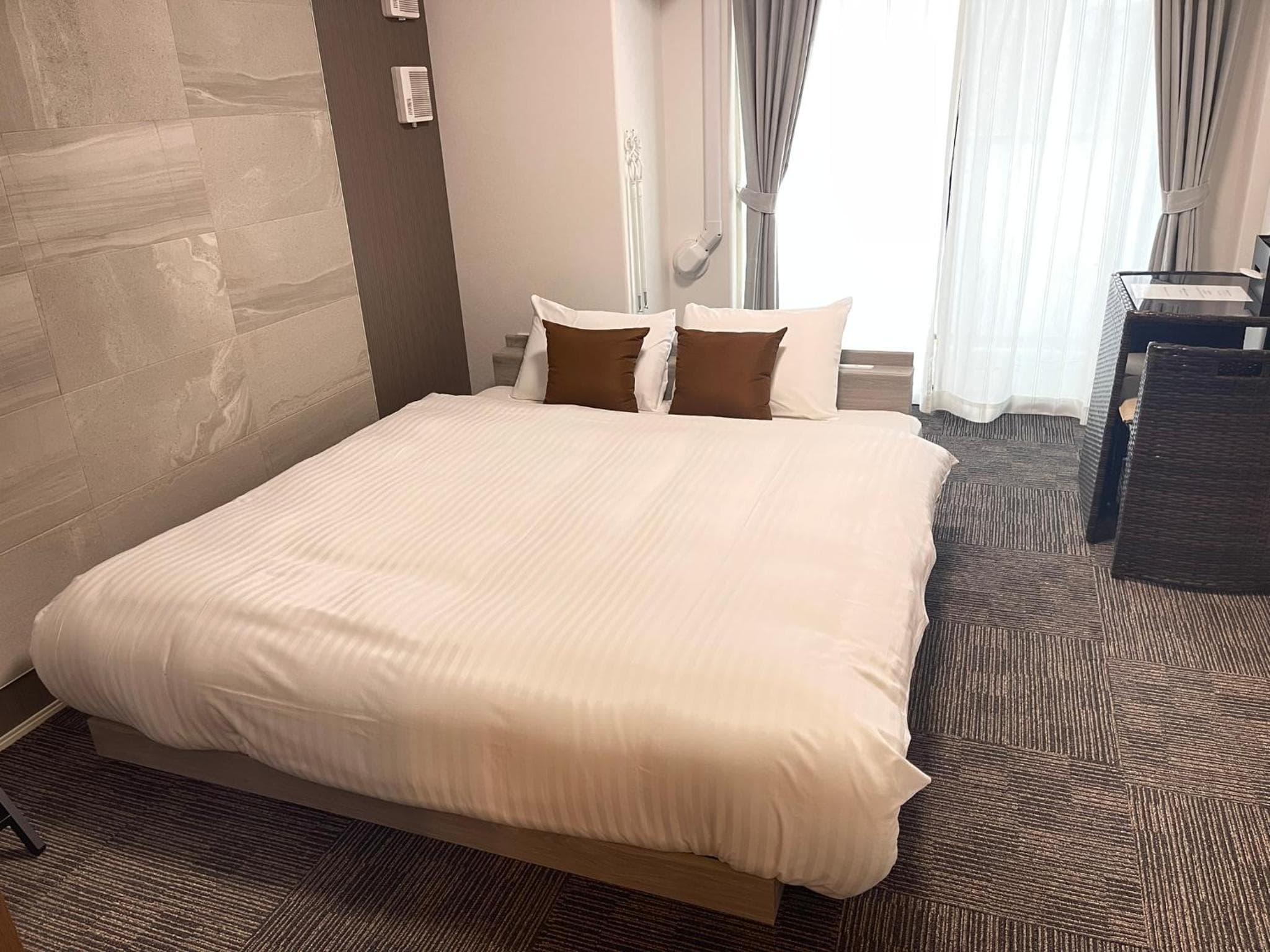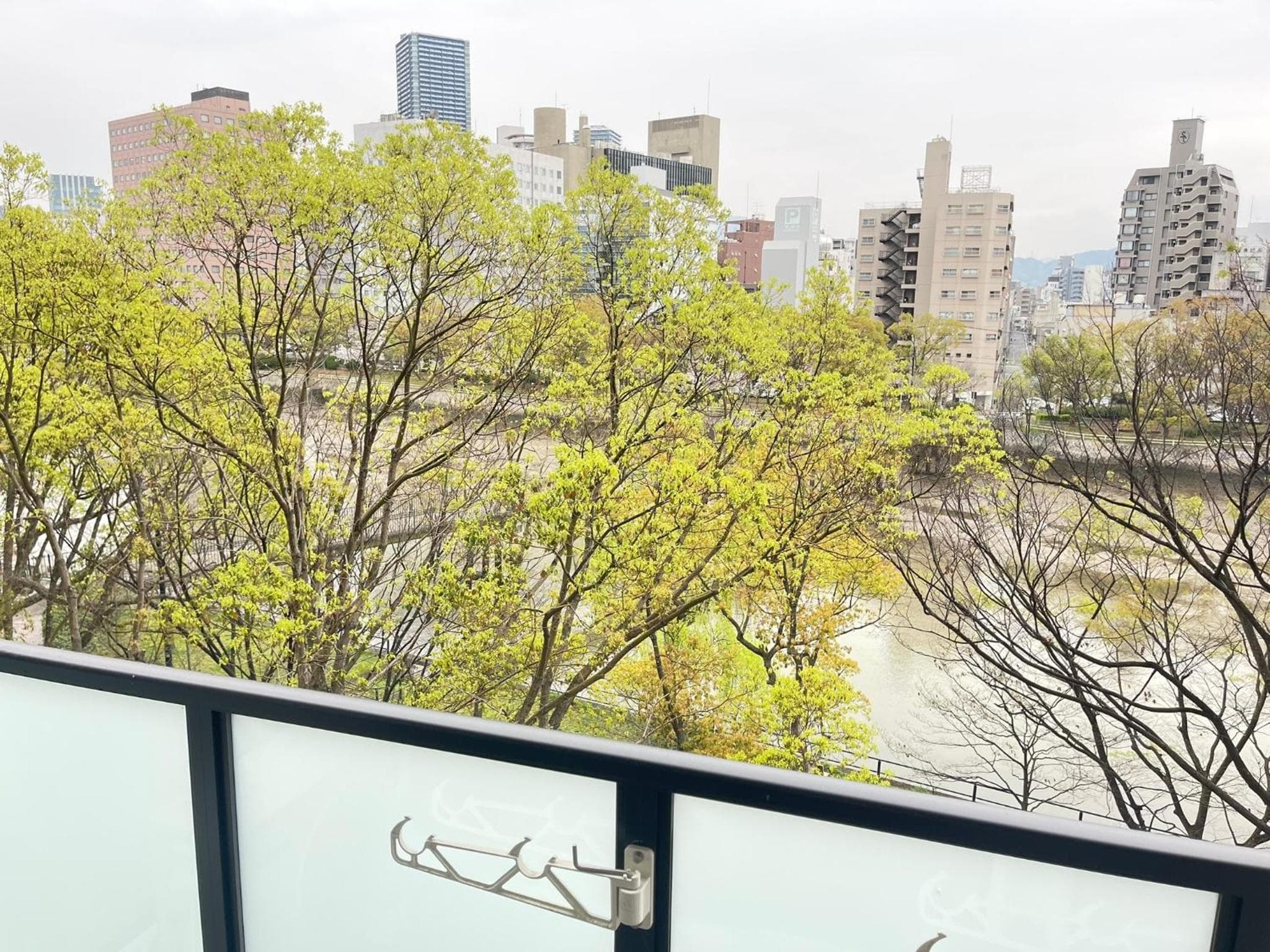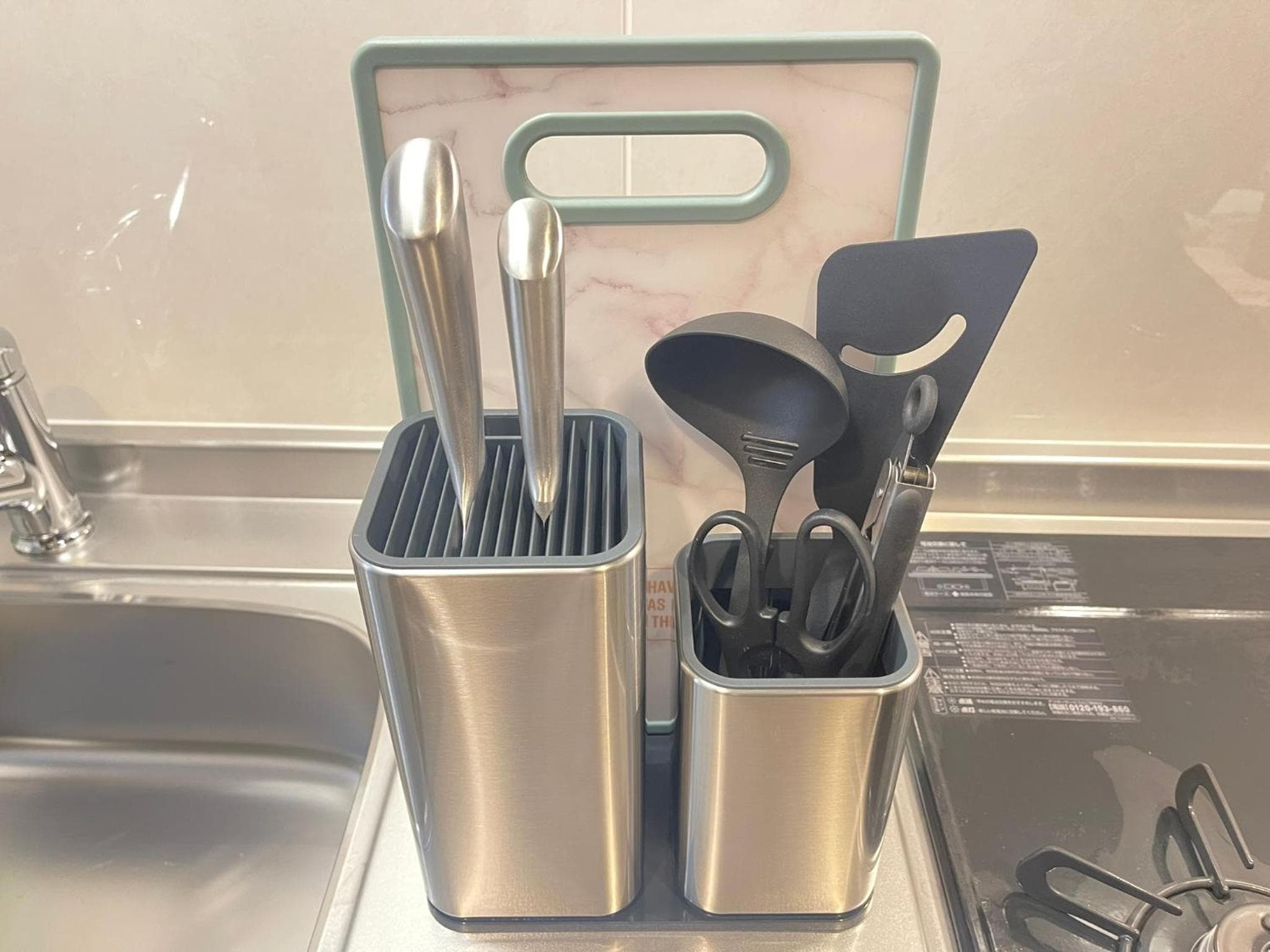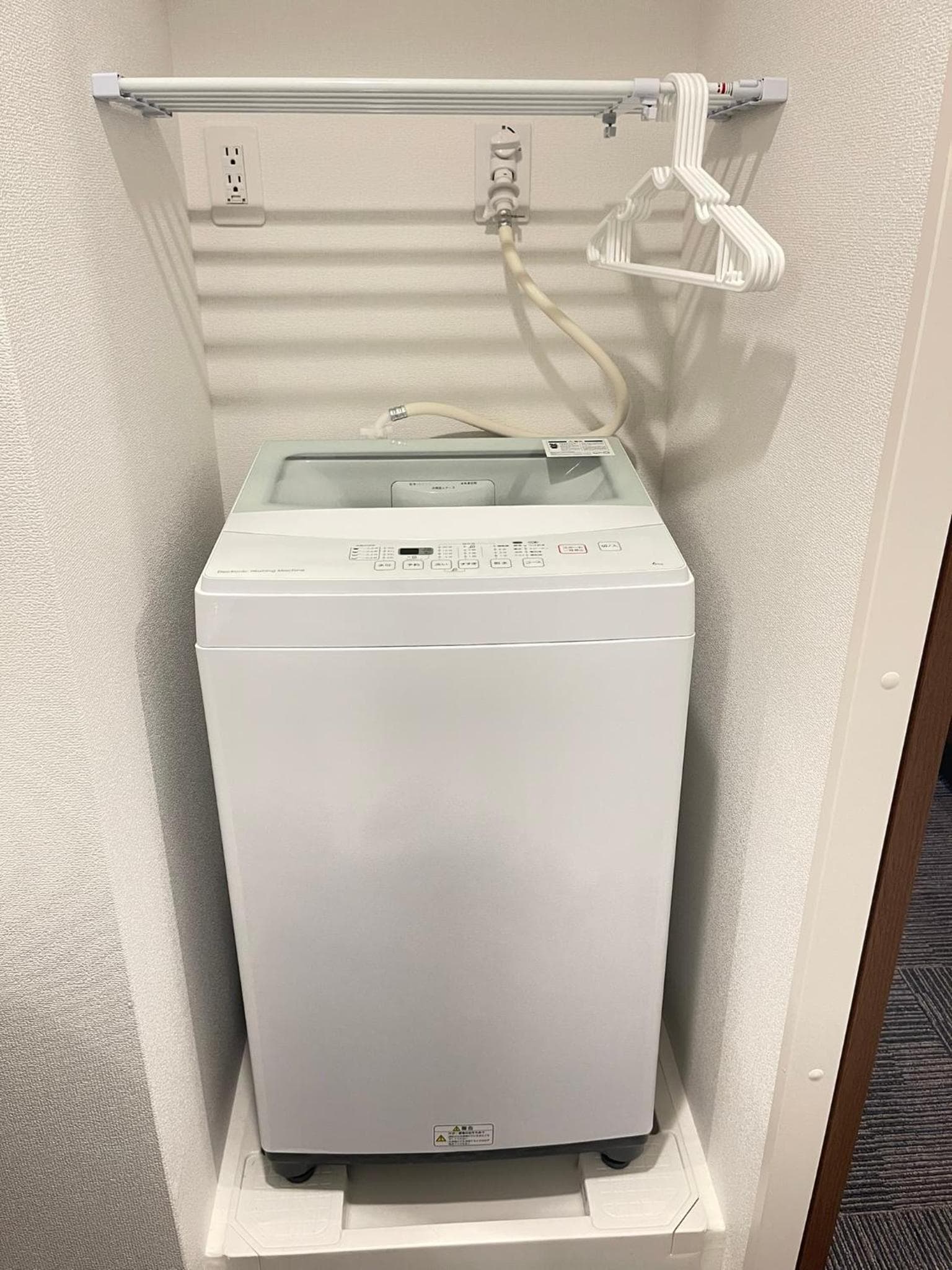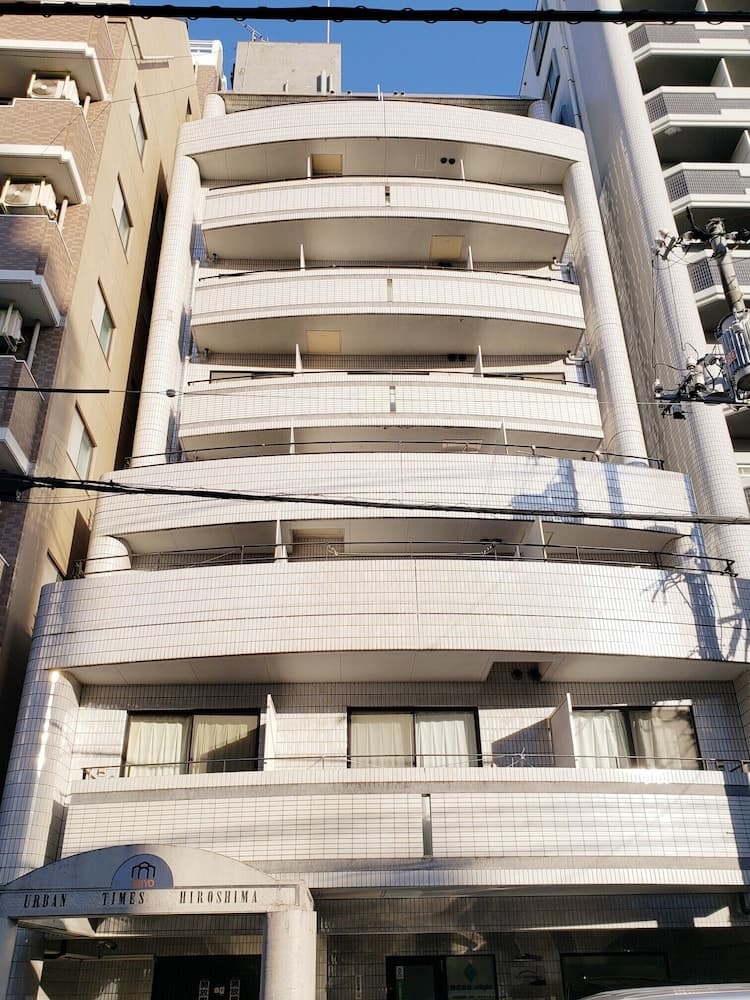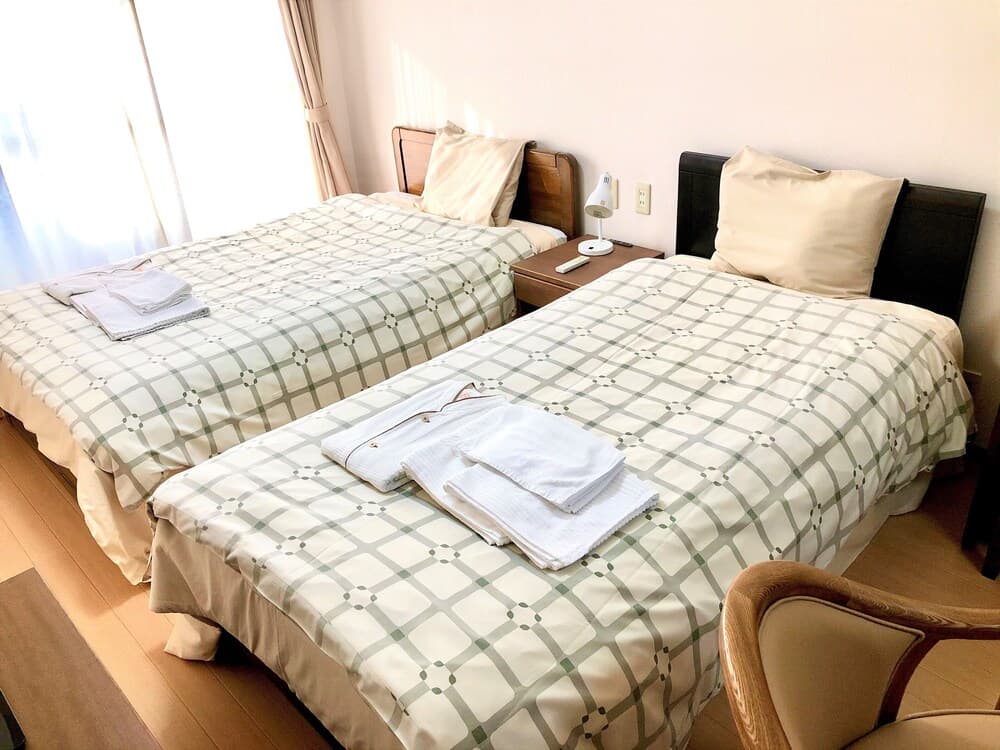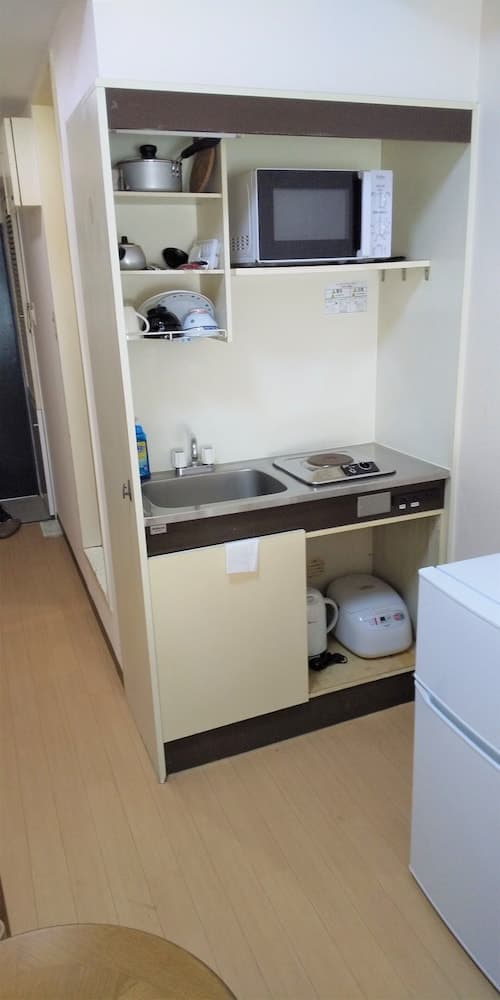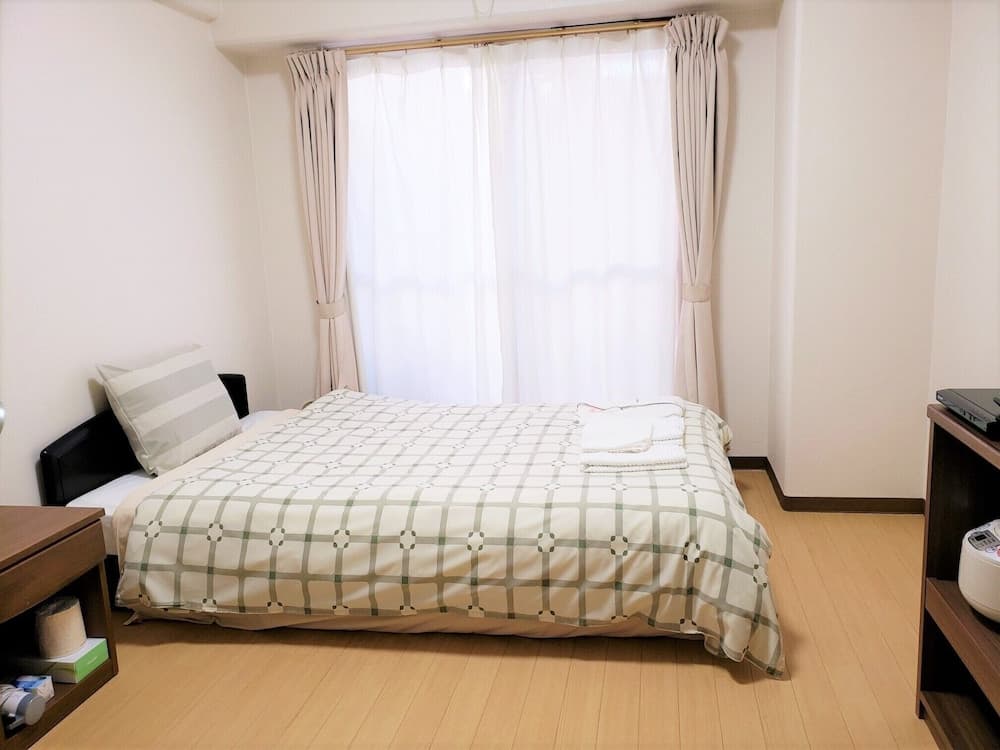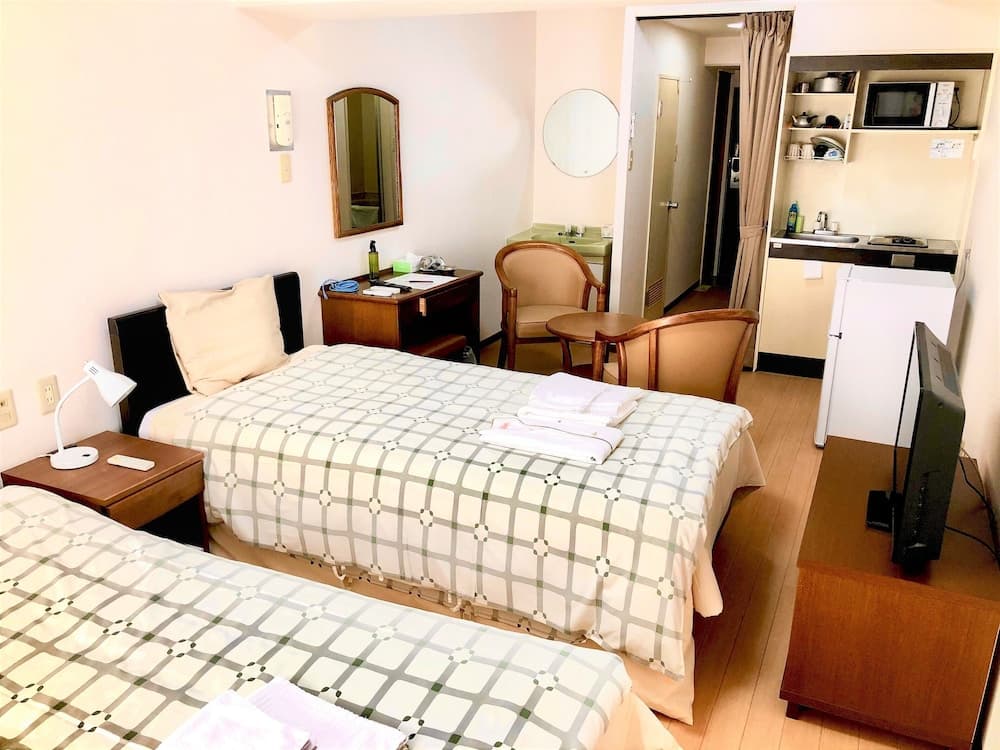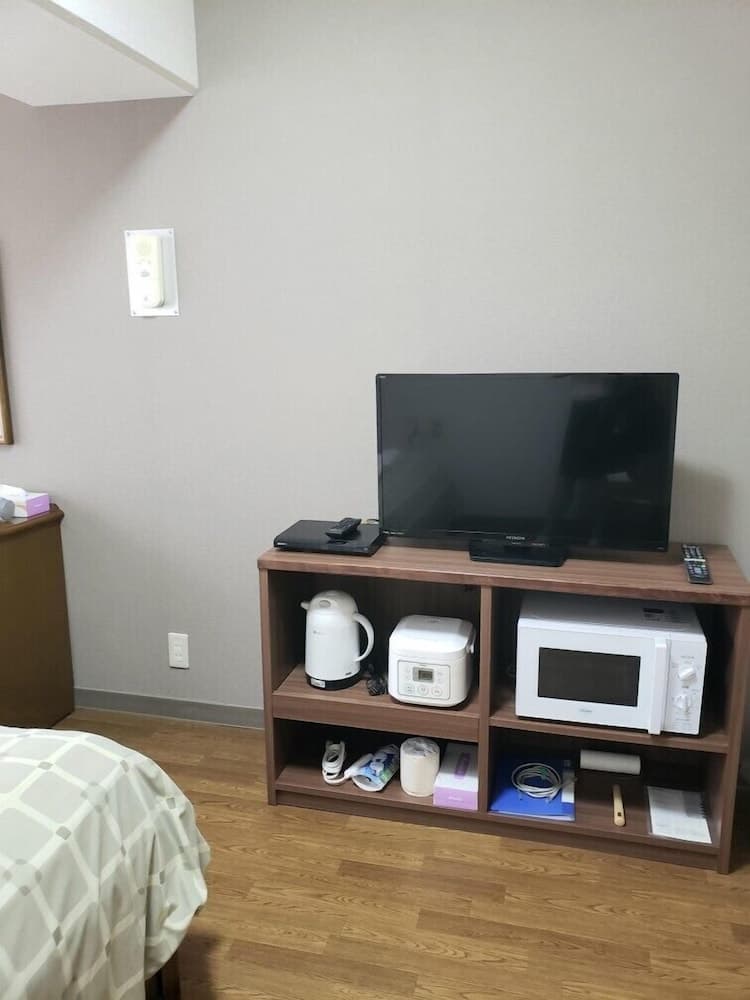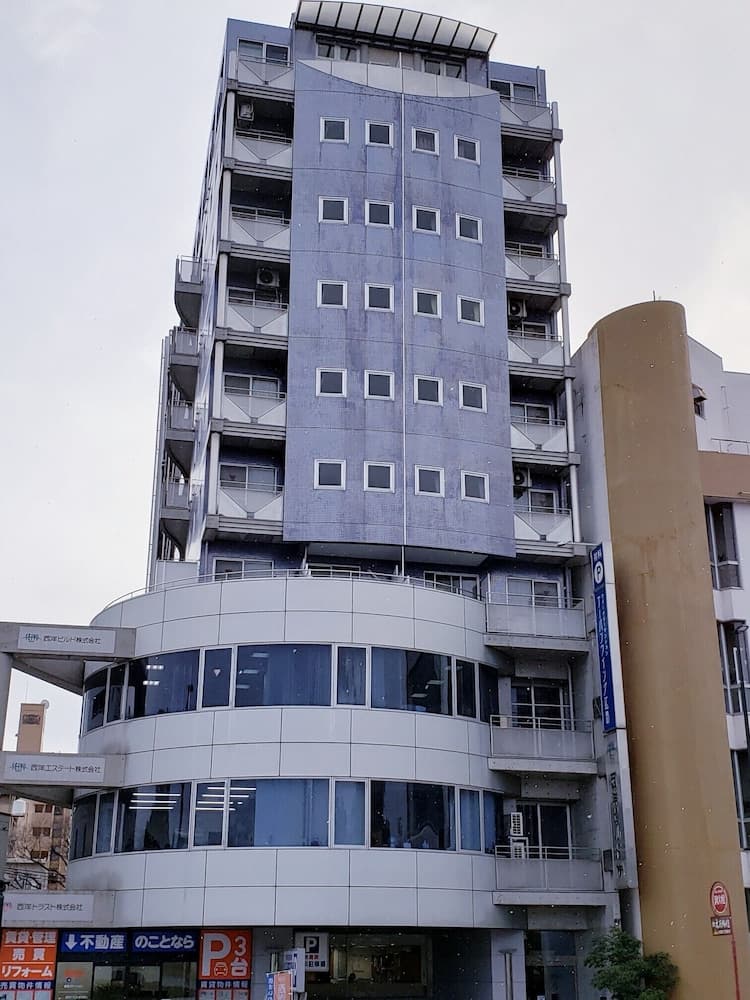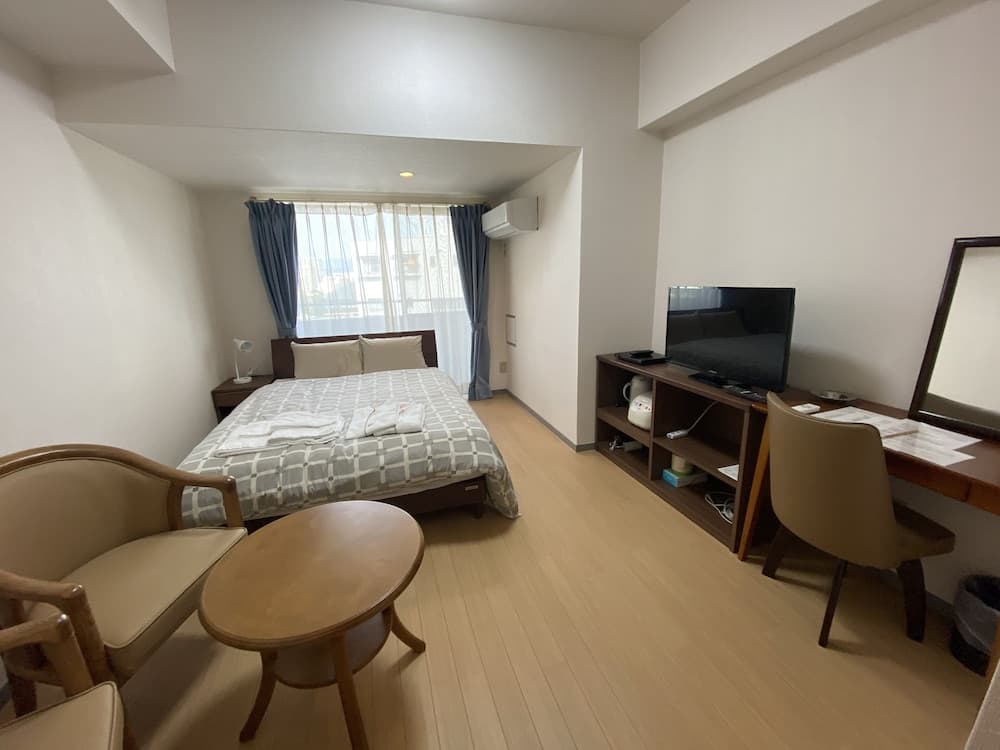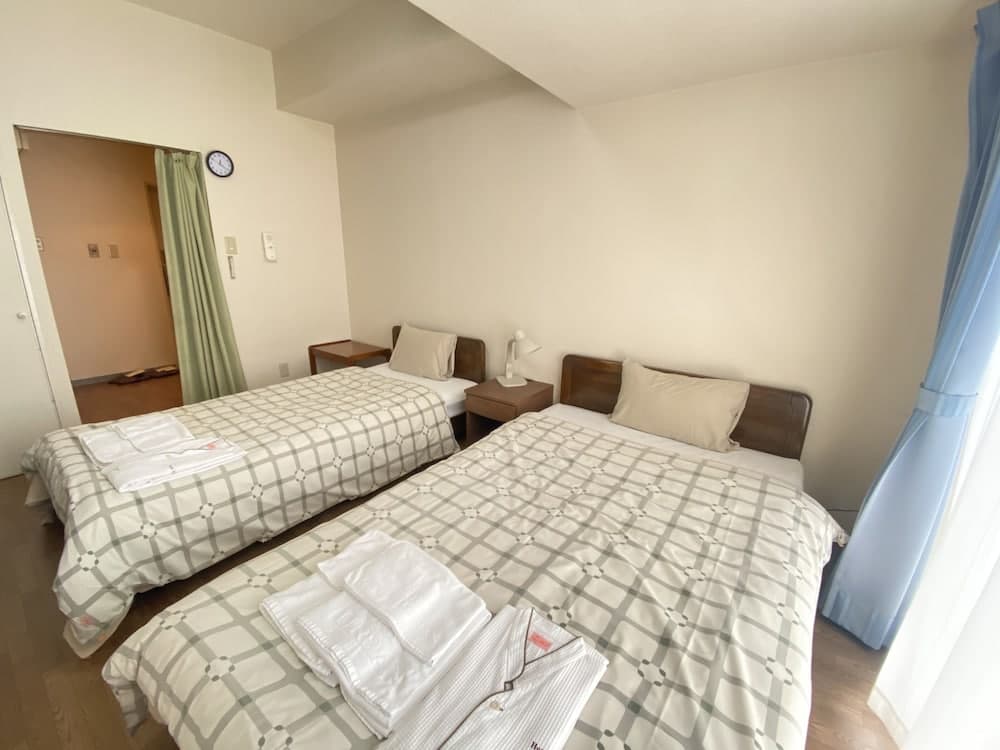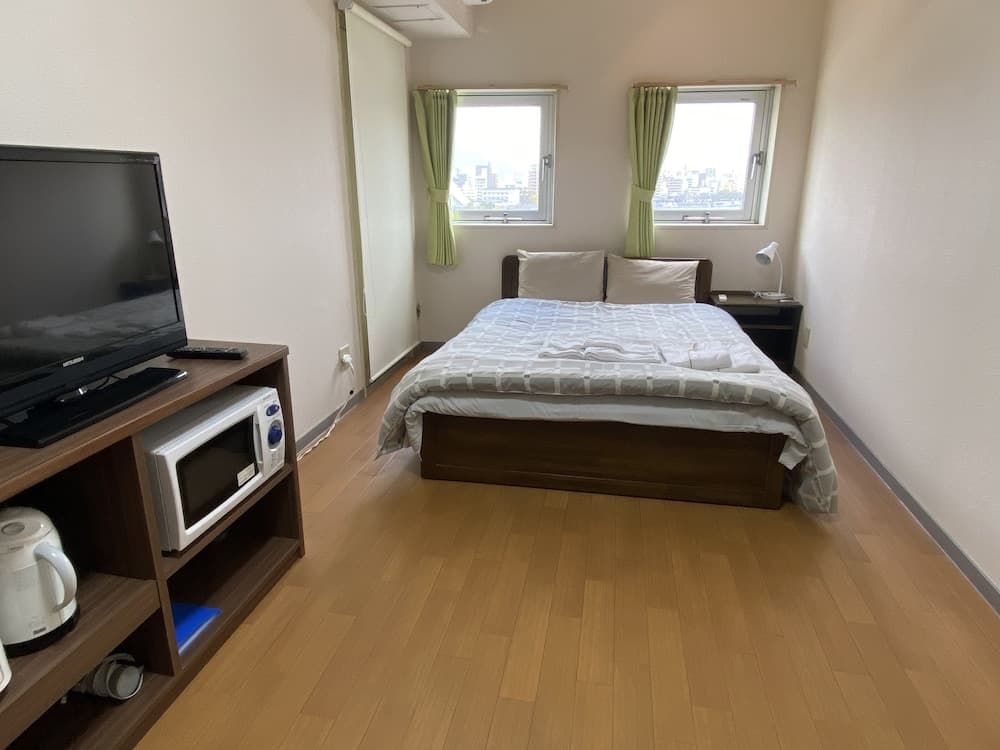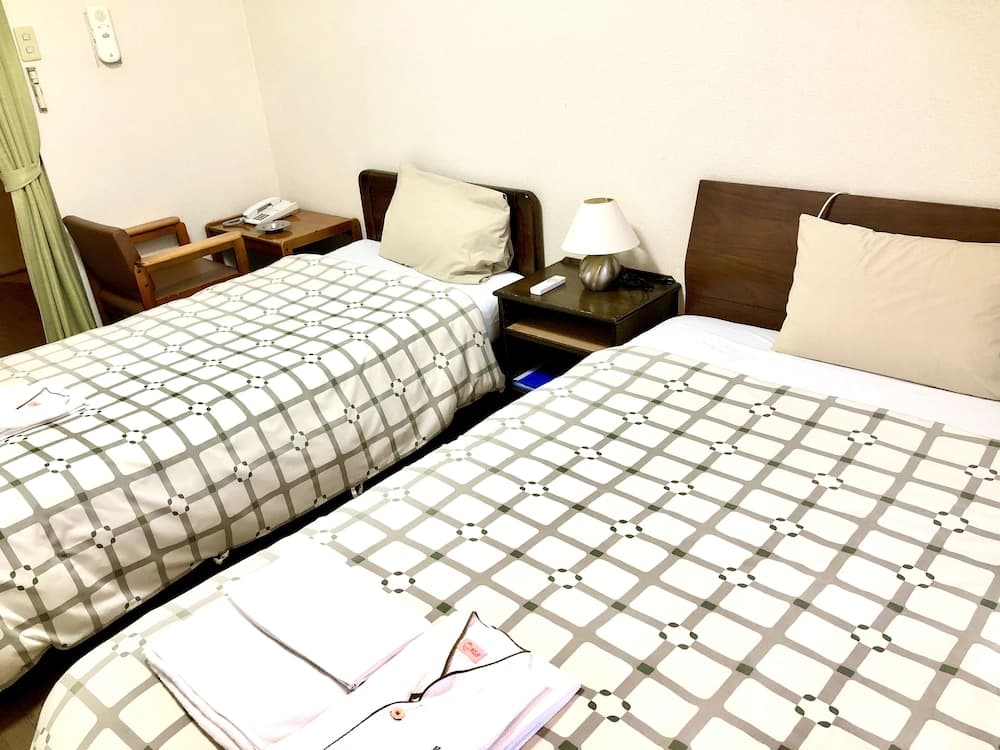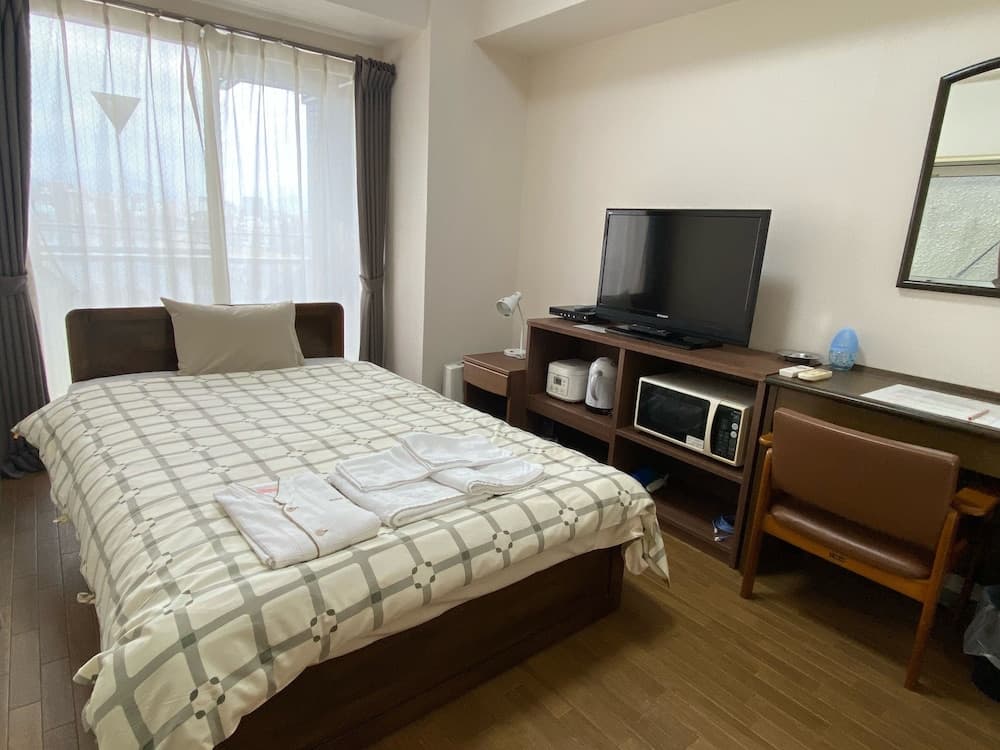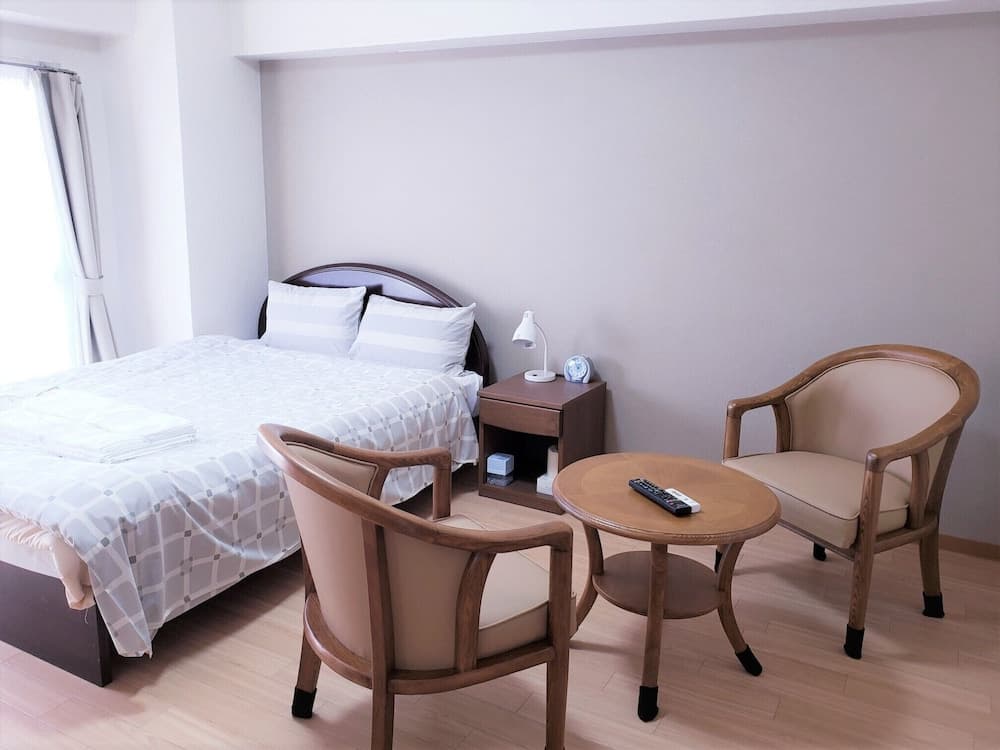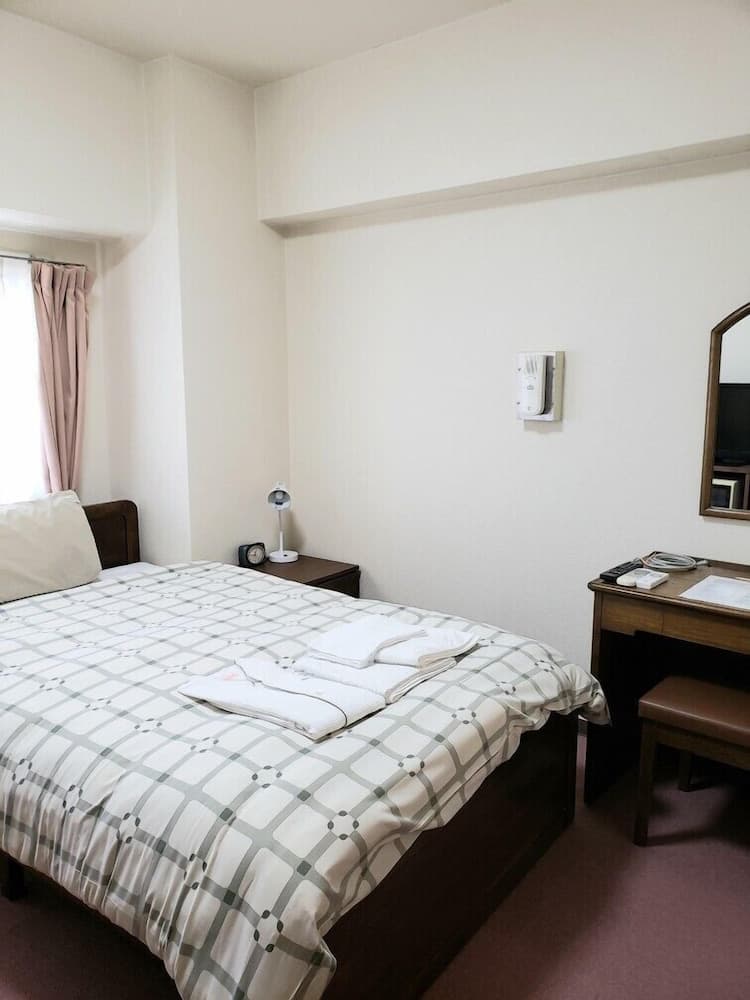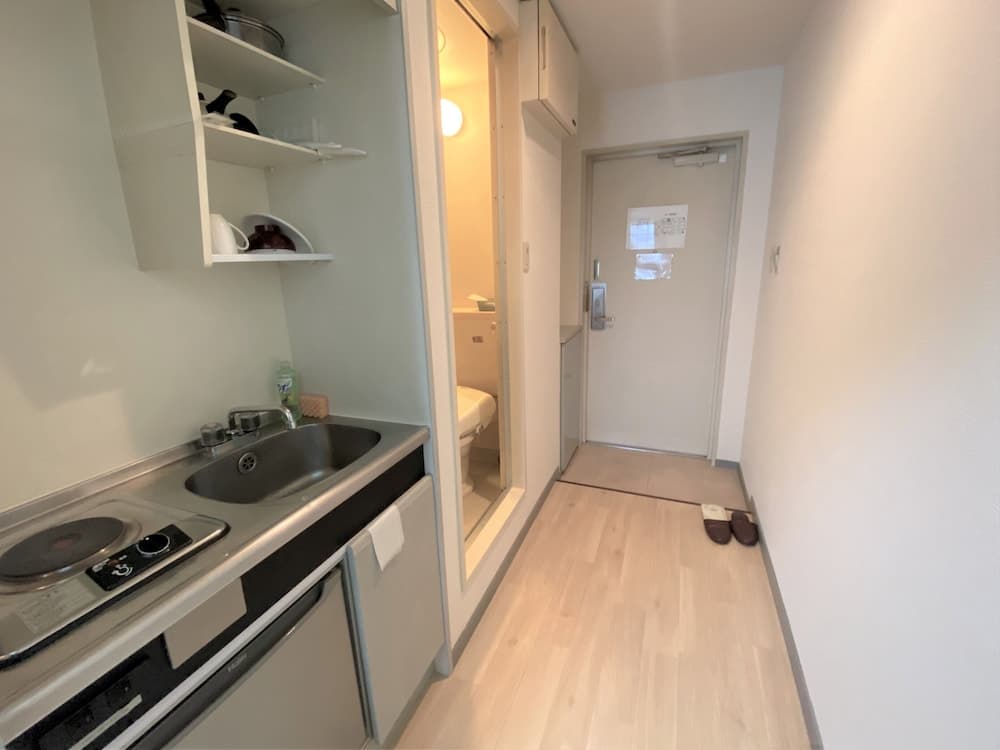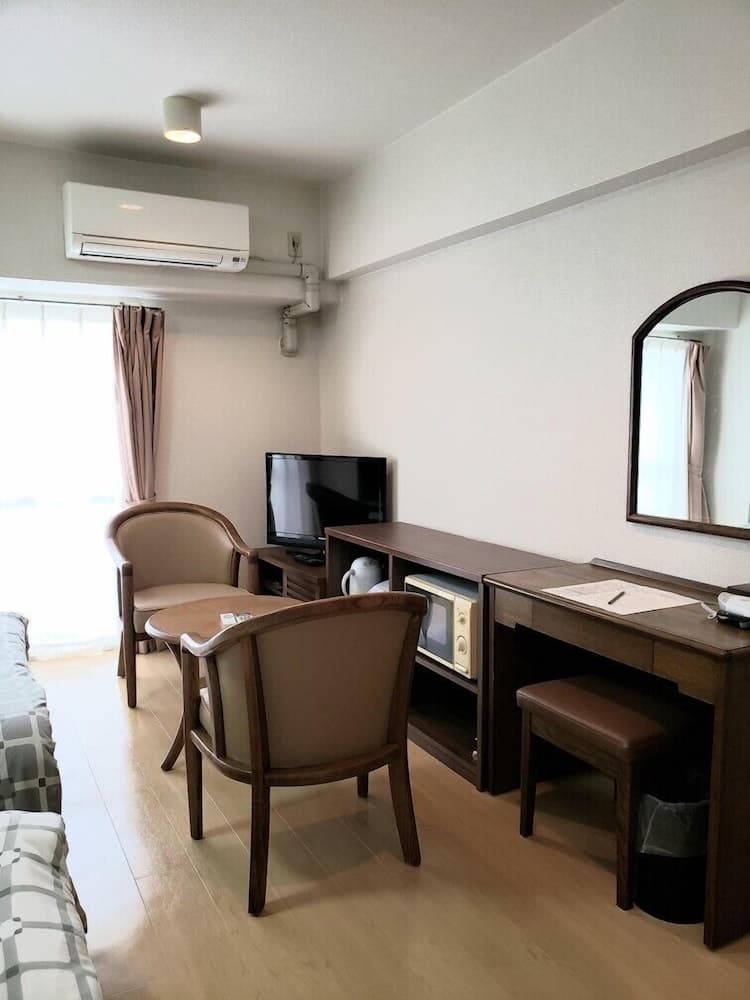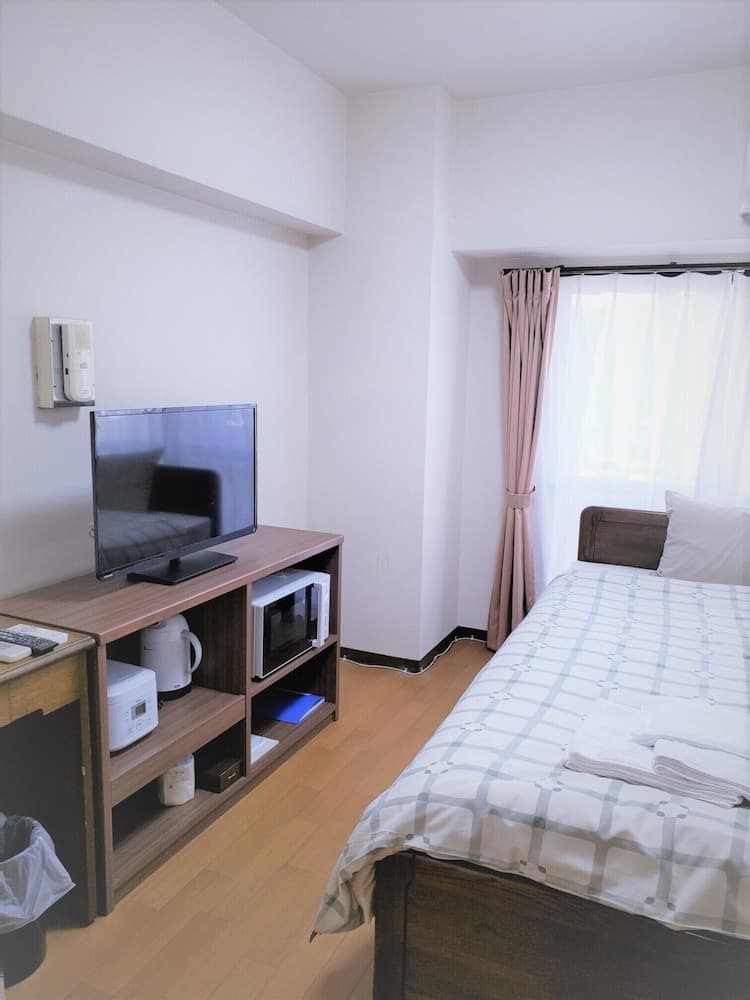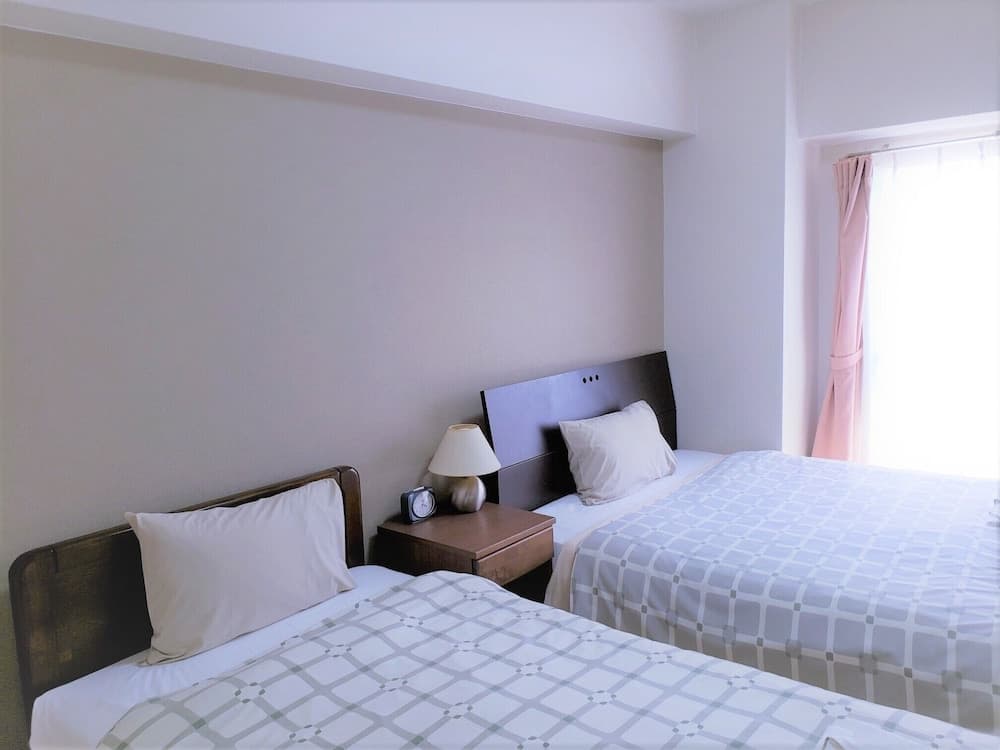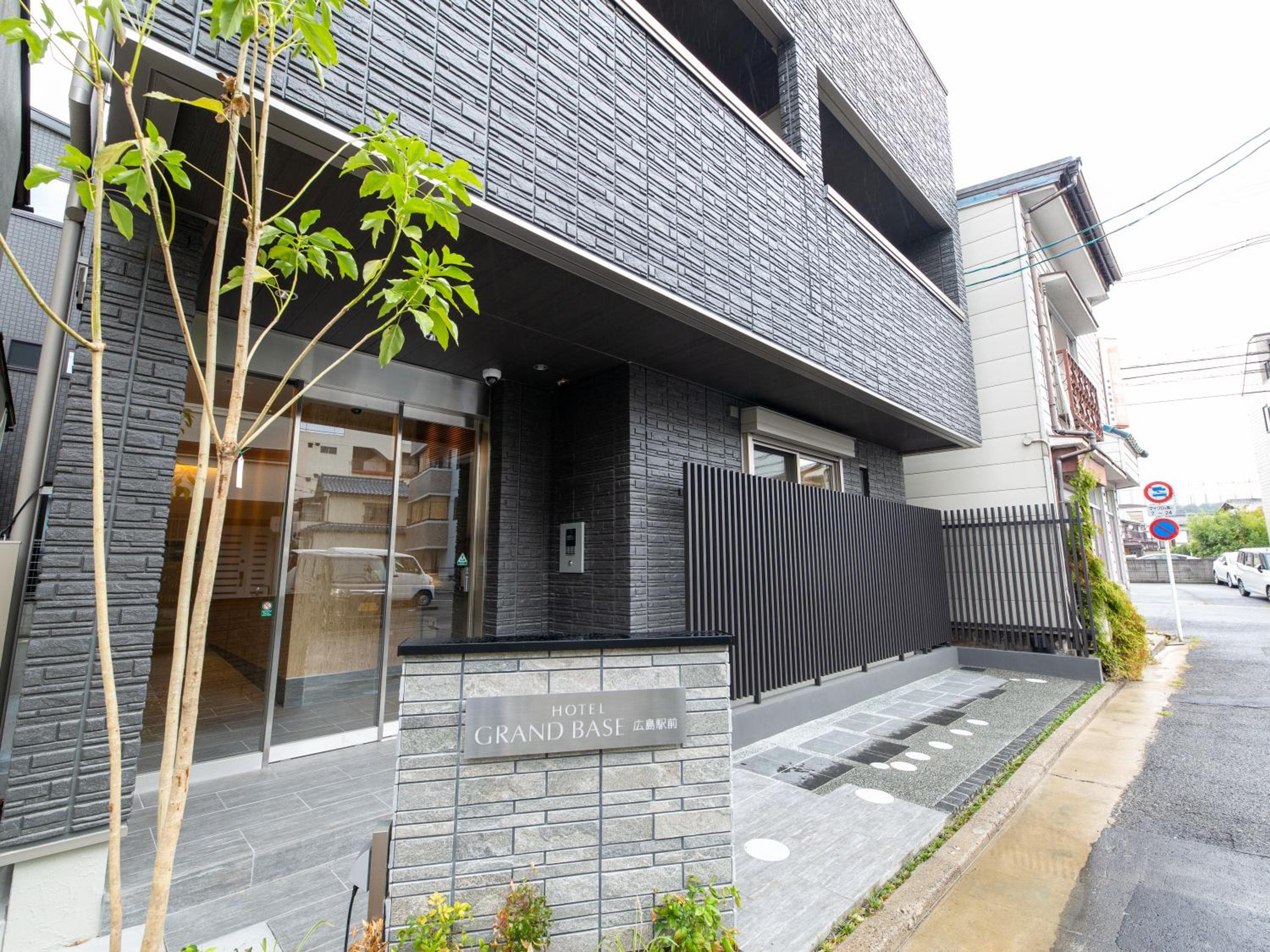
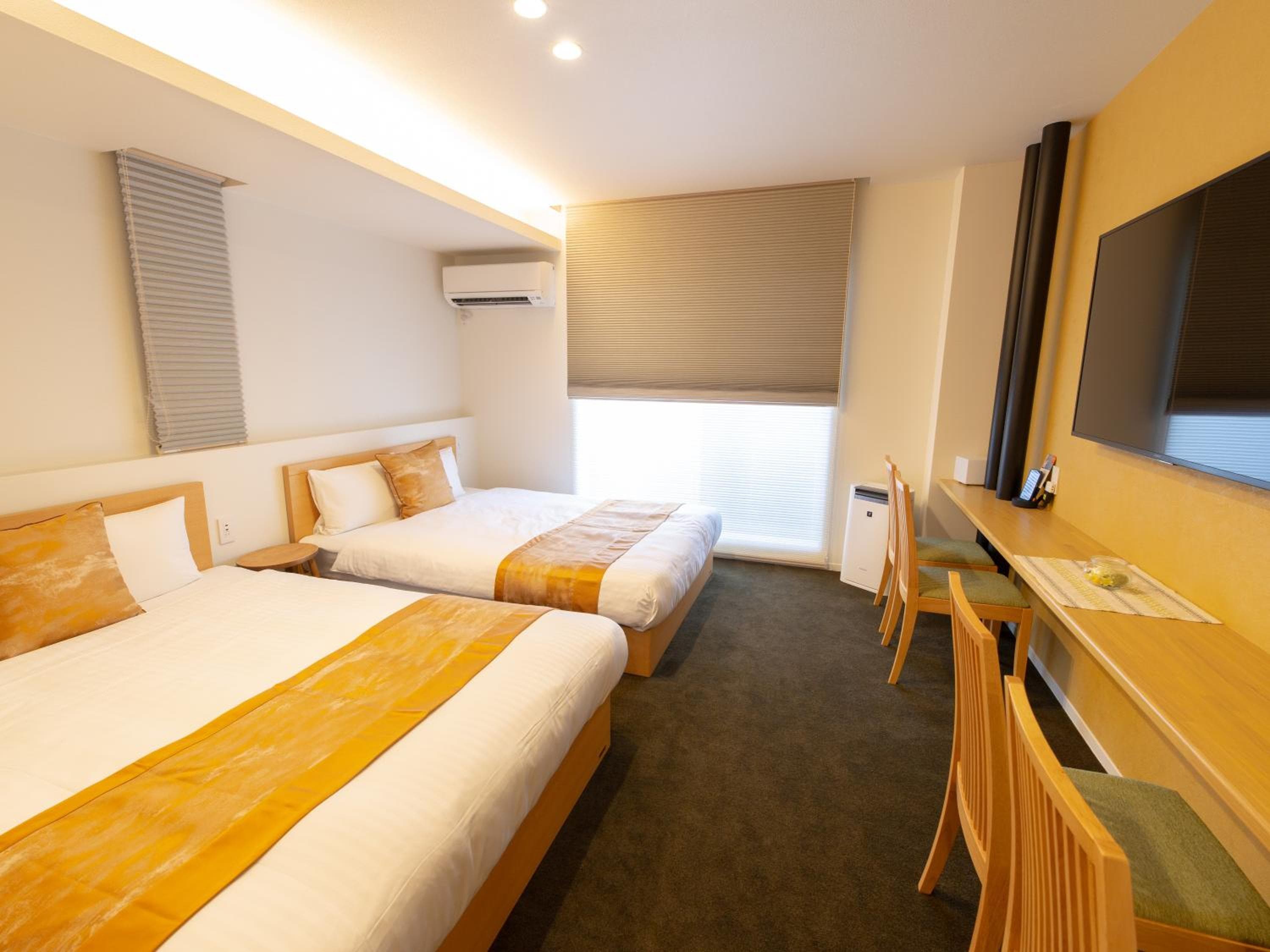
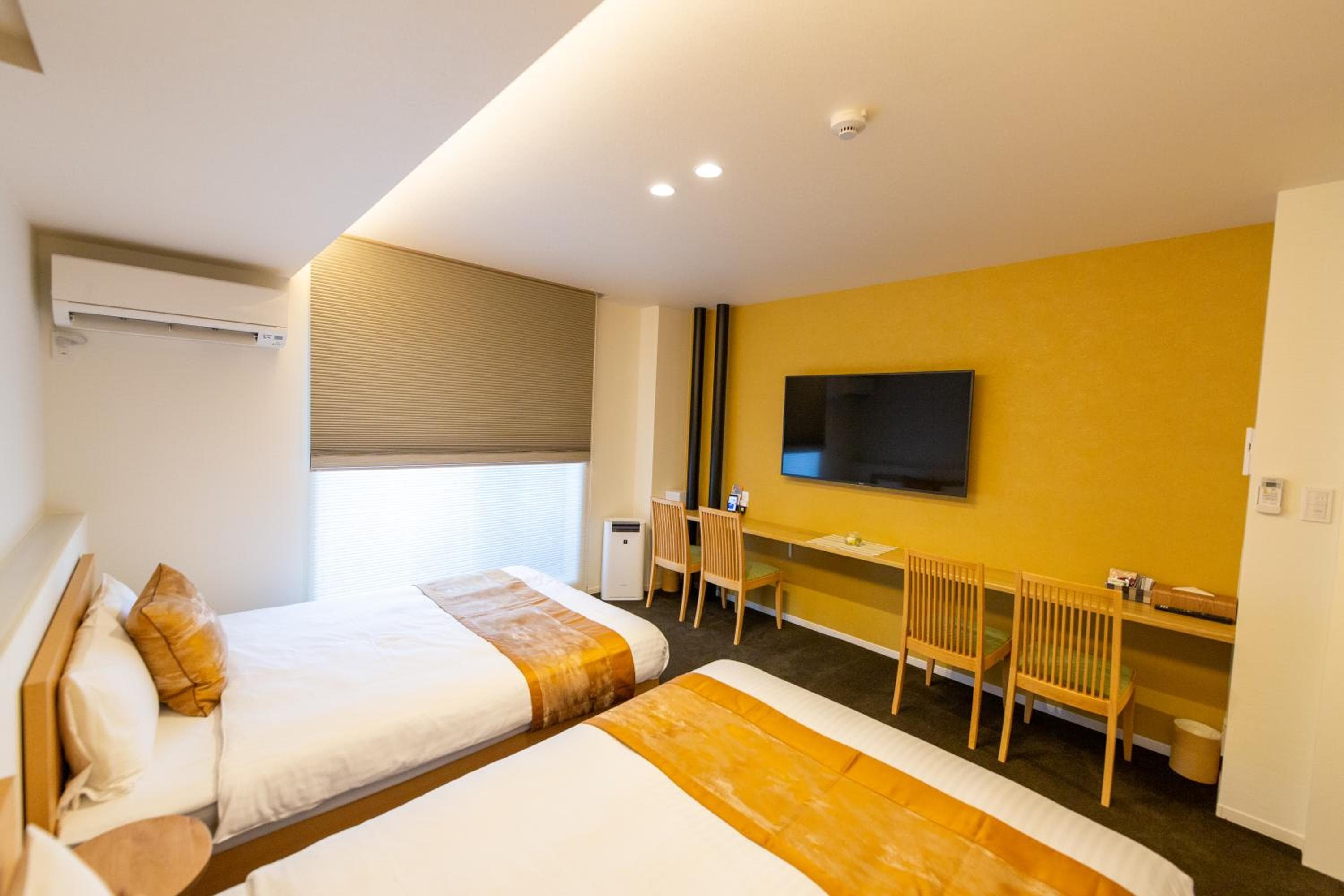
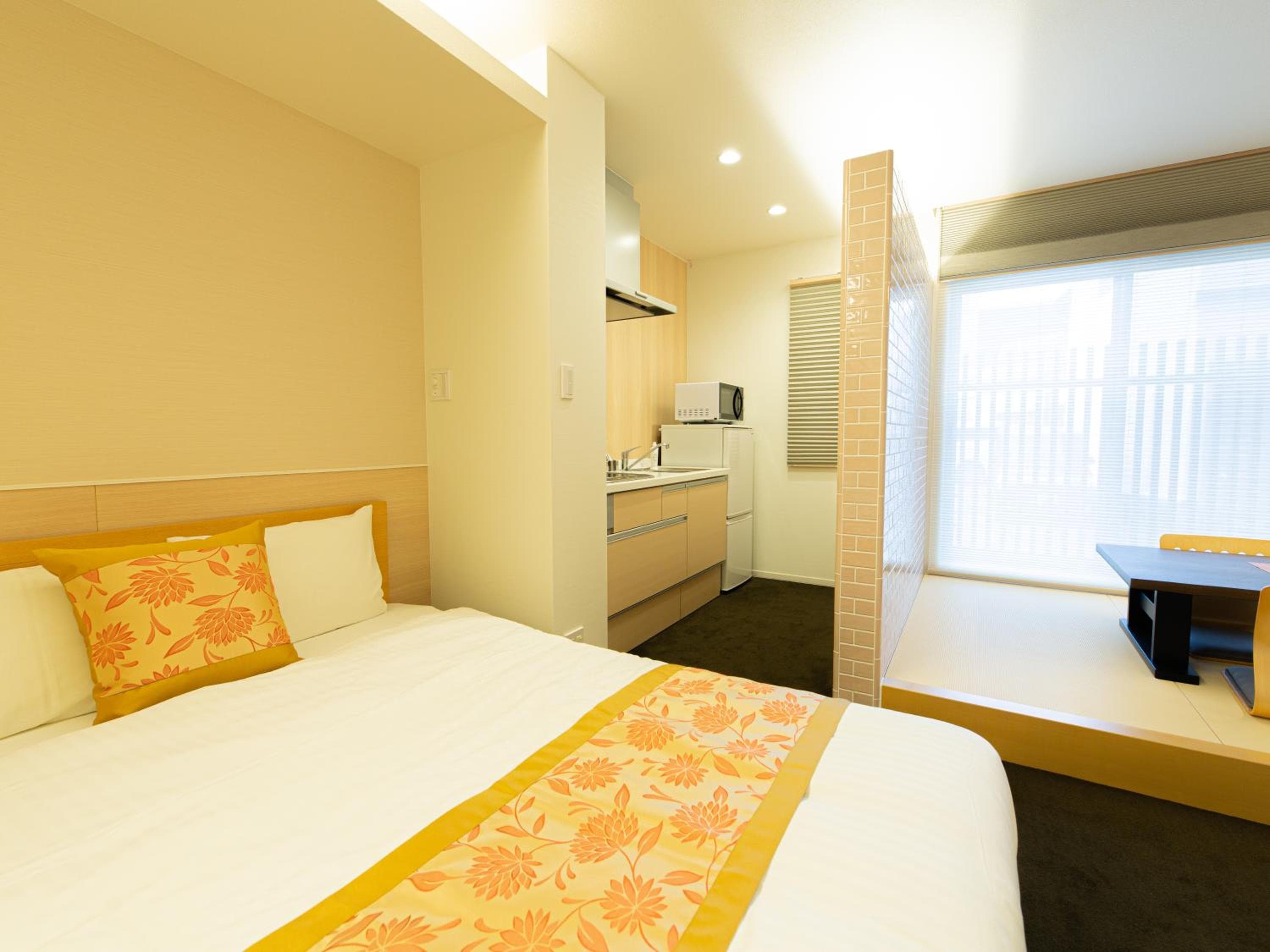
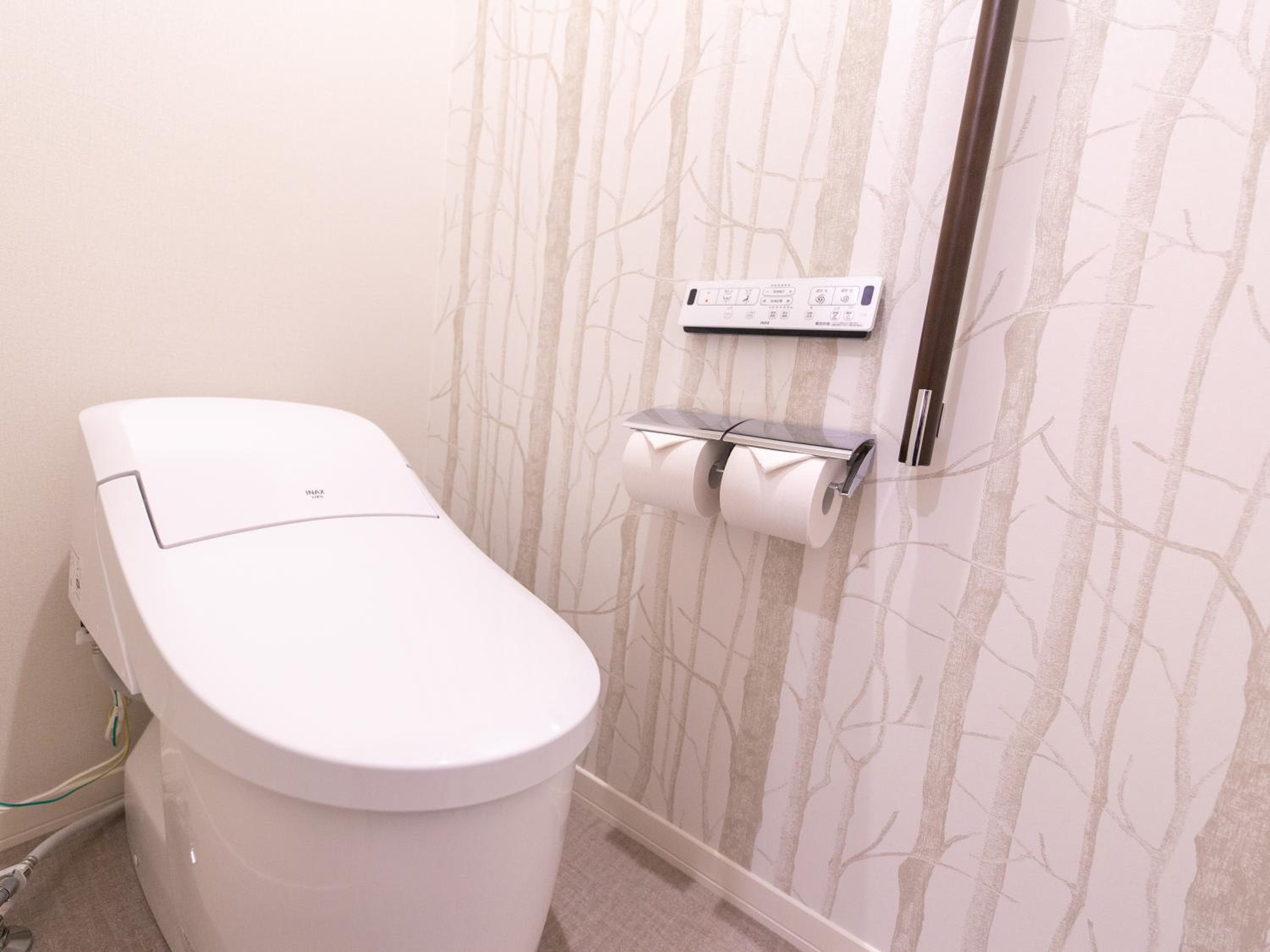
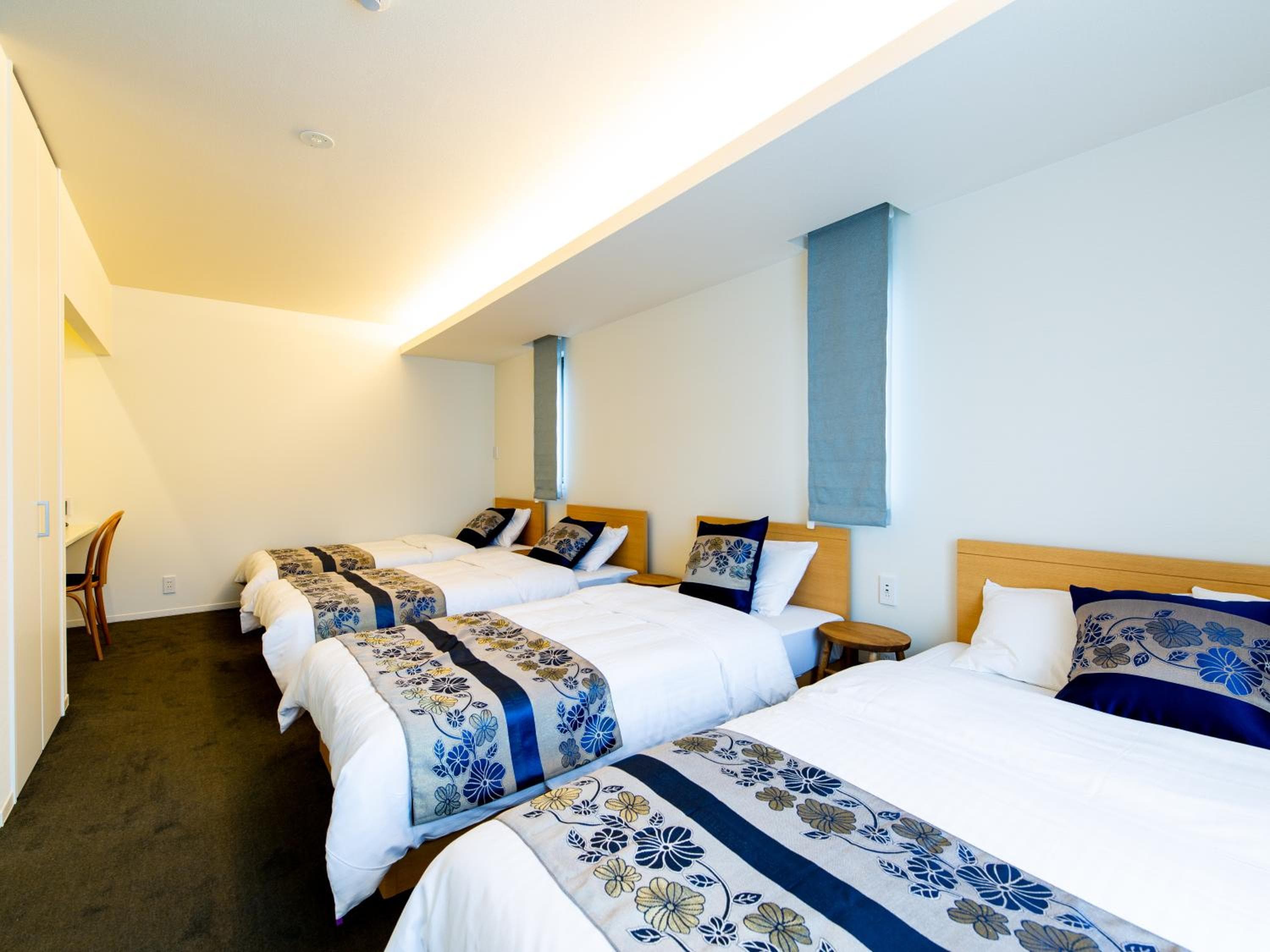
GRAND BASE Hiroshima Ekimae
10.0 out of 10 from 143 reviewsHiroshima
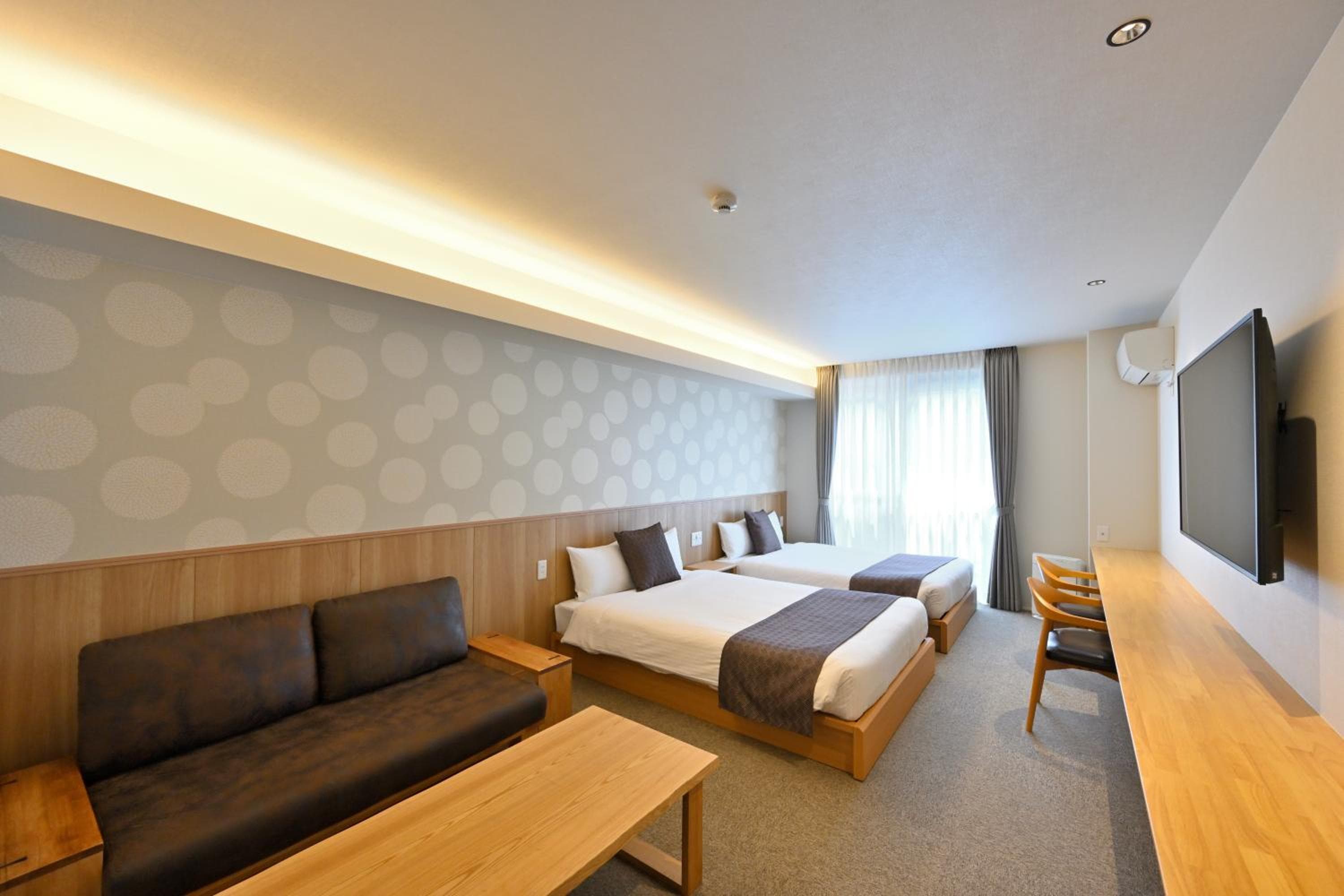
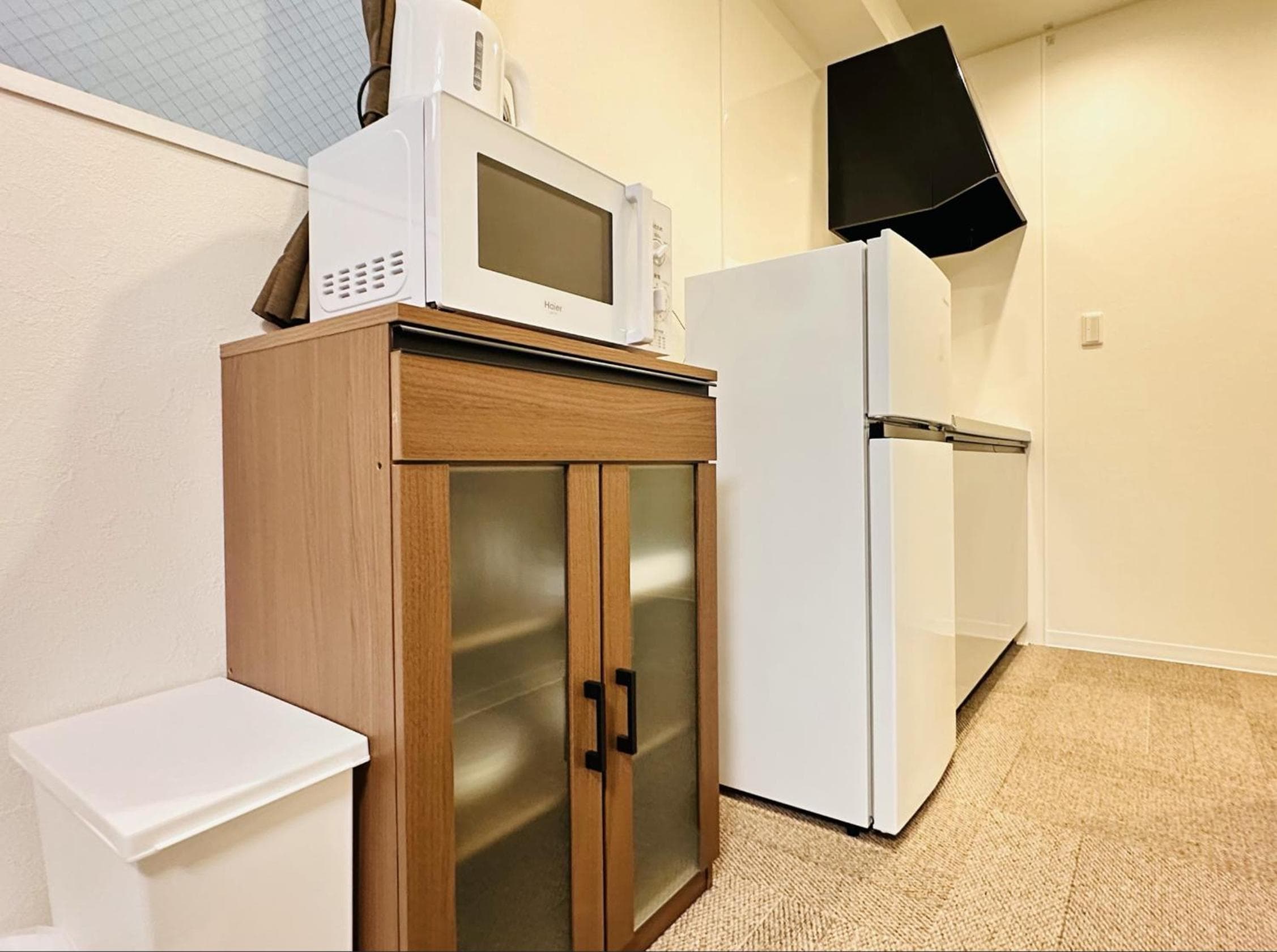
Kitchenette · 30–53 m² · Sleeps 9
Add dates for prices
10 stays · 0 aparthotels and 10 serviced apartments
Aparthotels and serviced apartments suit Hiroshima for visits that go beyond a single day: the Peace Memorial Park and museums deserve unhurried time, and Miyajima, Okunoshima and other sights make good excursions. A kitchen and a separate living area help families and longer-stay guests settle in. To compare formats, see aparthotel vs hotel.
10 stays
Wikivoyage places the area around JR Hiroshima Station in Minami-ku and says the Sanyo Shinkansen is the main way into the city. Staying here keeps rail arrivals and departures simple, and Wikipedia says the Hiroden trams run through the city. It suits guests who are passing through or travelling onward the next morning.
Stays in or near Hiroshima Station
Hatchobori and Hondori sit in Naka-ku, the central ward Wikivoyage associates with the Peace Park and the main attractions. This is the heart of the city, close to the Peace Memorial Park and Hiroshima Castle, and well served by Hiroden streetcars. It is a convenient base for eating out and sightseeing.
Stays in or near Hatchobori and Hondori
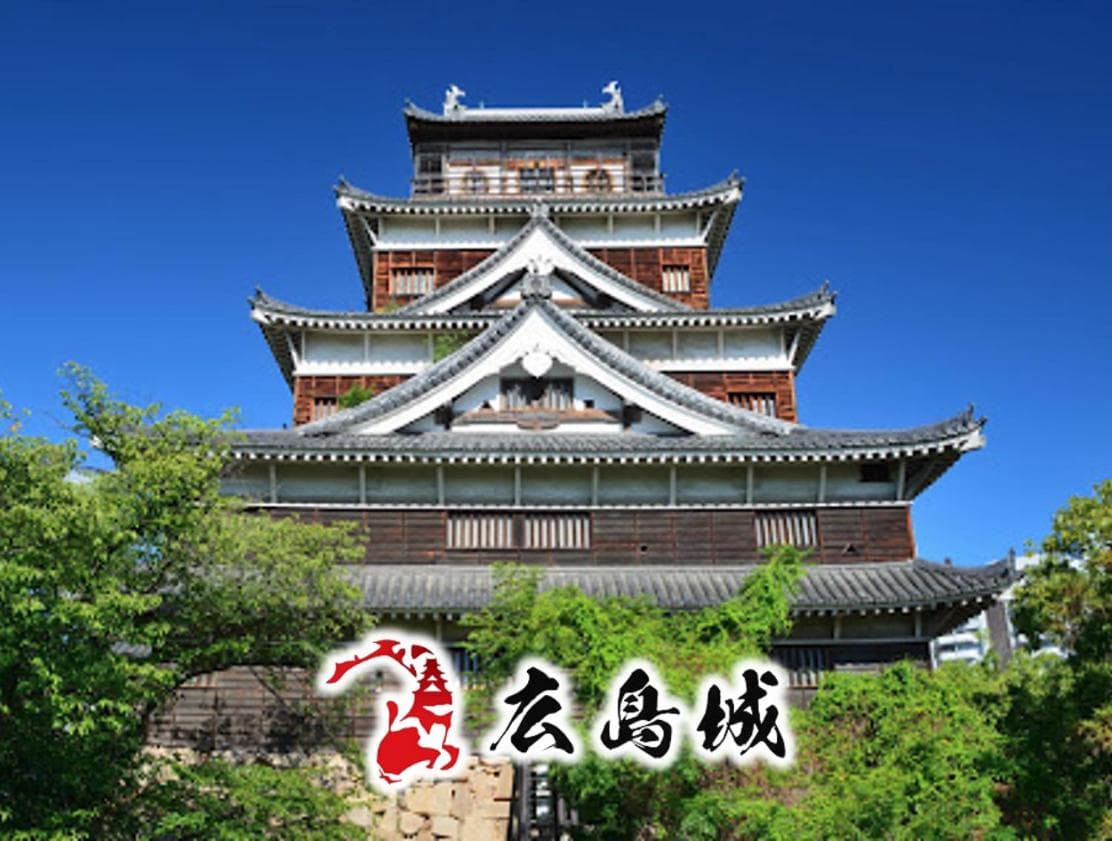
The Hiroshima visitor site highlights the Atomic Bomb Dome and Hiroshima Castle, and Wikipedia names the Shukkei-en garden among the city's major attractions. Staying near the Peace Memorial Park makes it easy to visit at quiet times of day.
Stays in or near Peace Memorial Park area
Miyajimaguchi is the mainland departure point for Itsukushima Shrine, which the Hiroshima visitor site calls a magnificent shrine built on the sea. It lies outside the city centre, so it suits guests who plan Miyajima as their main excursion and are happy to travel into Hiroshima for the rest.
Wikipedia says Hiroshima Airport is 50 km east of the city, and Wikivoyage says buses connect it to JR Hiroshima Station in 45 to 50 minutes. For rail, the Sanyo Shinkansen is the main route; Wikivoyage gives the fastest Nozomi services as roughly 80 to 85 minutes from Shin-Osaka and about 3 hours 45 minutes from Tokyo. Wikivoyage says long-distance buses use the north exit of JR Hiroshima Station, and ferries dock at Hiroshima Port Ujina Passenger Terminal.
Wikipedia says the Hiroden streetcar system has operated since 1912, and Wikivoyage calls it a slow but reliable way to get around. The Hiroden website lists a 1-Day Trip Card for streetcars and a Visit Hiroshima Tourist Pass covering streetcars, buses and ferries in Hiroshima Prefecture. Wikivoyage also mentions the Meipuru-pu loop bus around major attractions and the Astram line linking the centre with the northern suburbs.
Hiroshima is a manageable city for longer stays, with streetcars through the central districts. A kitchen is useful for self-catering between meals out, and the city is known for okonomiyaki, which Wikipedia describes as a layered pancake that uses much more cabbage than Osaka's version.
Our guide to serviced apartments for relocation covers what to check when you plan a month or more. If you stay near Hiroshima Station, onward trips by Shinkansen are easy; near Hatchobori, the streetcar and the dining streets are on your doorstep.
Wikipedia describes a humid subtropical climate. Wikivoyage says October and November offer ideal weather, that summer brings heat and humidity, and that typhoons in late September can disrupt plans. The Hiroshima visitor site also points to autumn leaves and cormorant fishing at Miyoshi from June to September.
Wikipedia lists two major annual events: the Hiroshima Flower Festival in May and the Peace Memorial Ceremony on 6 August. Expect busier streets around the Peace Park on those dates.
Wikipedia describes Hiroshima as the capital of Hiroshima Prefecture and the largest city in the Chūgoku region, and the official visitor site highlights the Atomic Bomb Dome. It also highlights Itsukushima Shrine, Hiroshima Castle and Okunoshima, the island where wild rabbits live. For the wider country, see Japan, and for another big Western Japan base, Osaka.
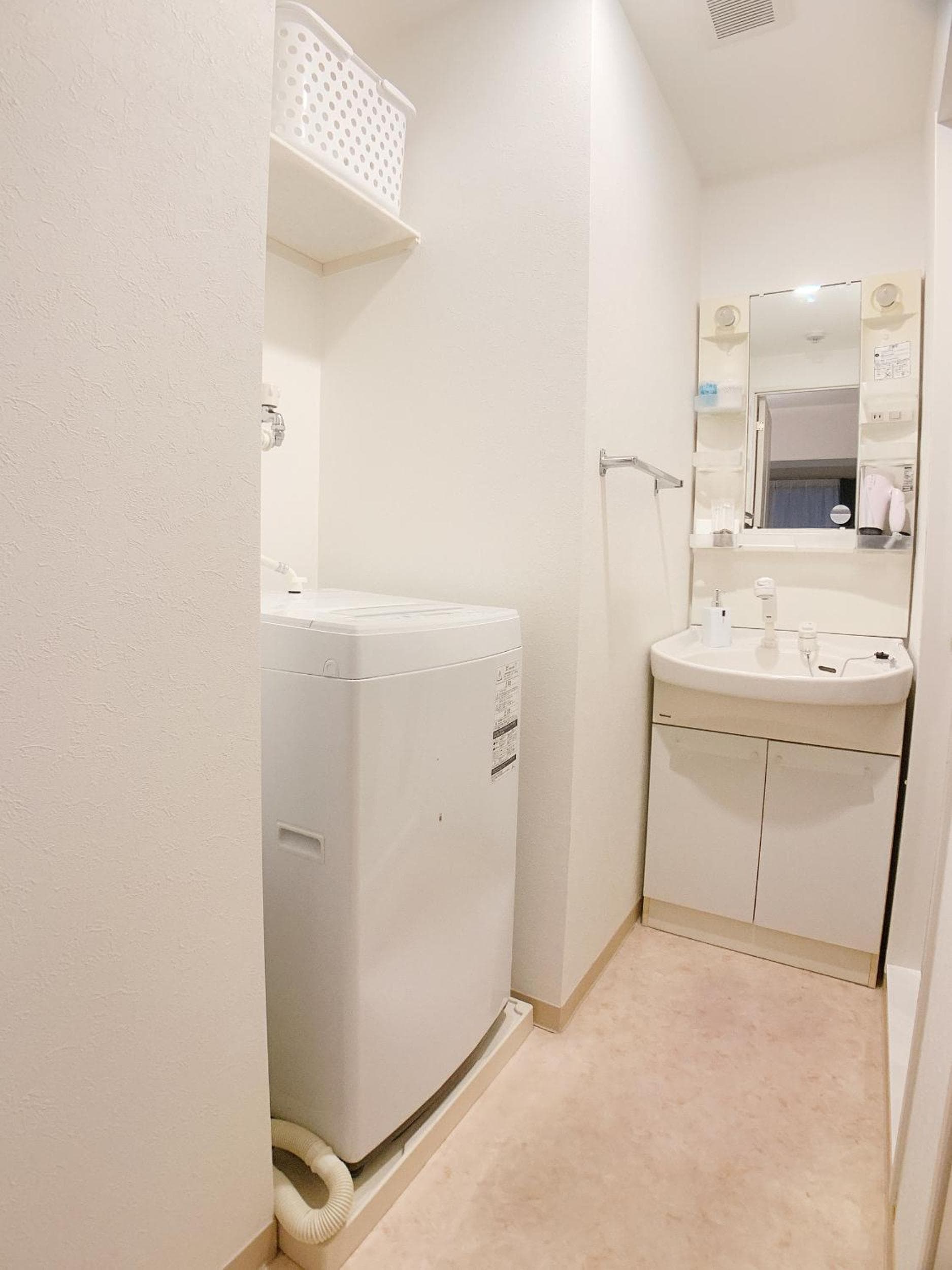
Of the 10 properties here, 7 offer an in-apartment washing machine, 1 list a laptop-friendly workspace and 3 include some form of housekeeping. If you are staying more than a few nights, compare the facts box on each property page first.
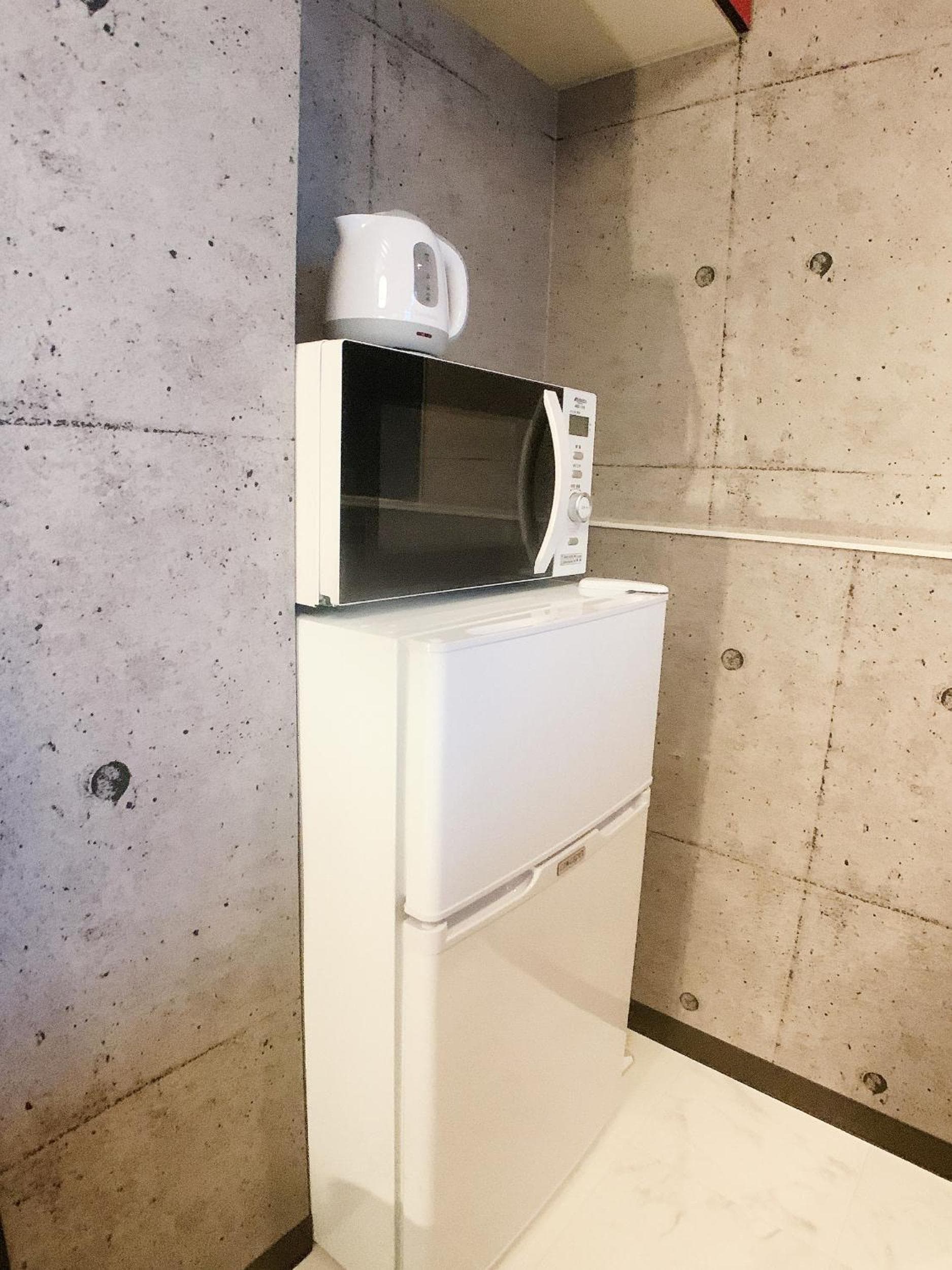
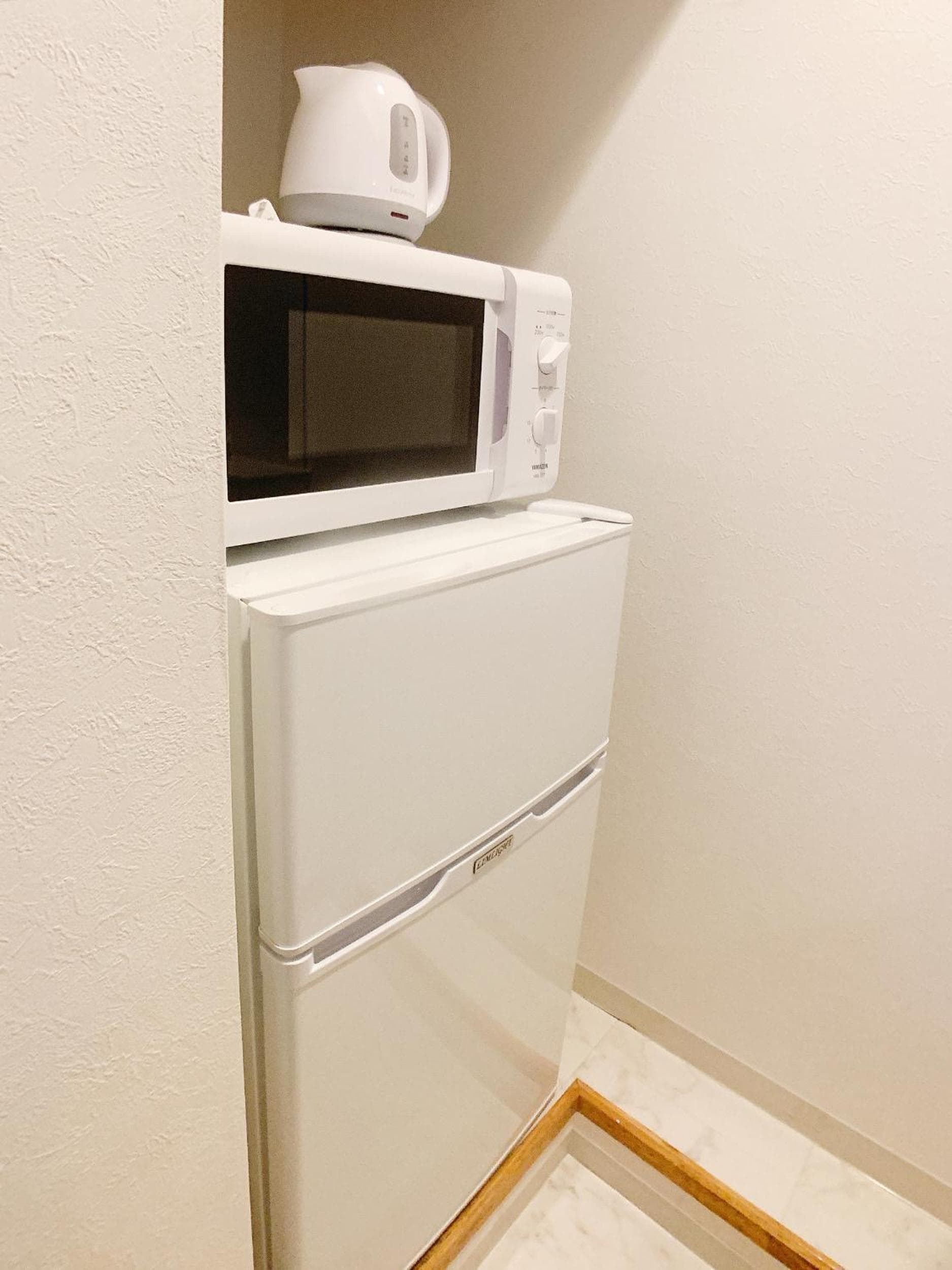
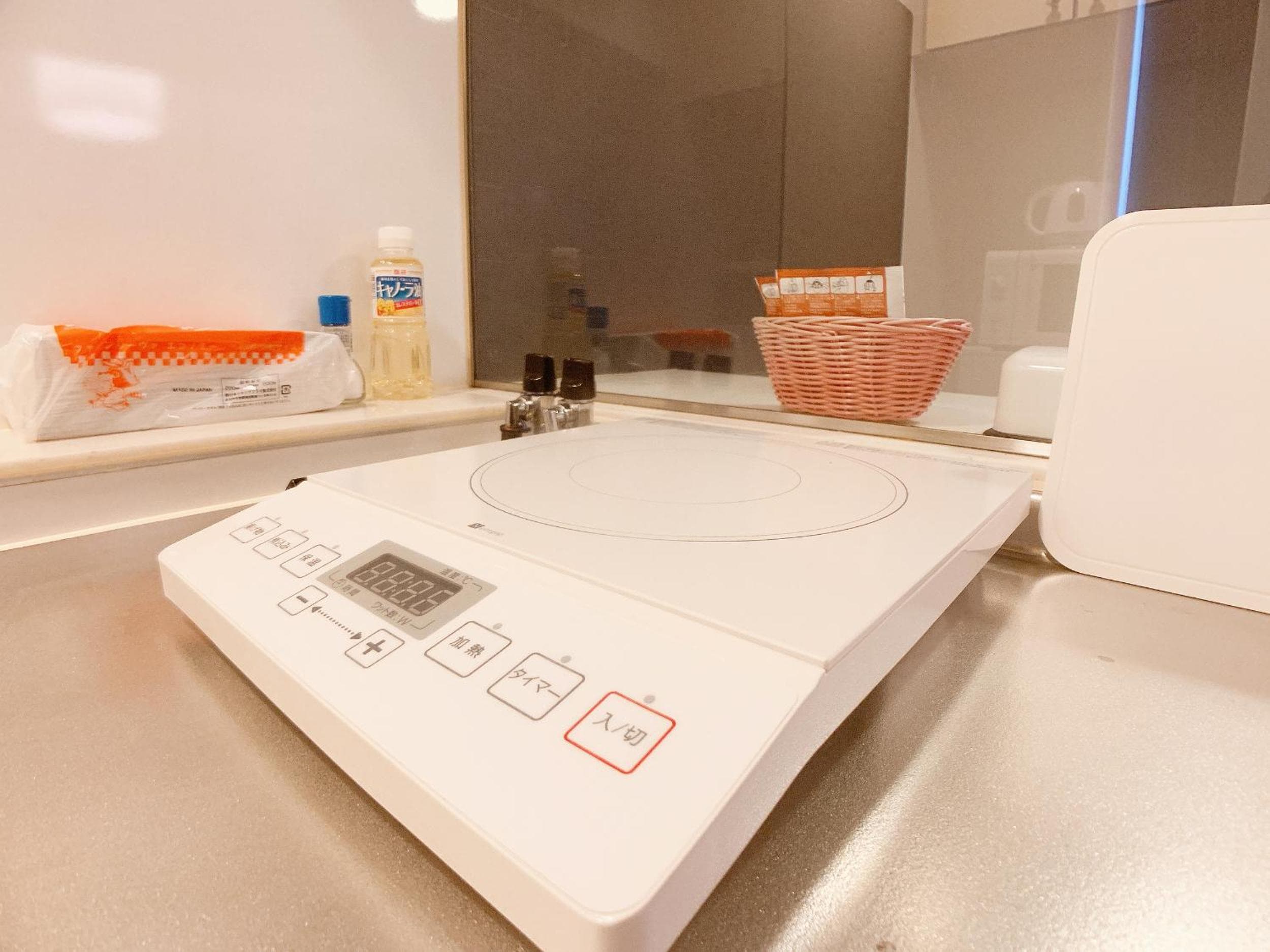
5 properties list a full kitchen and 5 only a kitchenette, so check the room type if you plan to cook more than simple meals.
Where room sizes are published, the median apartment here is 30 m².
Moving for work? Our guide to serviced apartments for relocation explains what to look for.
Planning a longer trip? See aparthotels in Tokyo, Osaka, Kyoto, Fukuoka, Naha, Kutchan, Hakuba and Nagasaki.
Hatchobori and Hondori suit first-time visitors who want restaurants and sights close by. The Hiroshima Station area suits Shinkansen travellers, and Miyajimaguchi suits those focused on Itsukushima Shrine.
Wikivoyage says the Sanyo Shinkansen is the main route, with the fastest Nozomi trains taking 80 to 85 minutes from Shin-Osaka and around 3 hours 45 minutes from Tokyo.
Wikipedia says Hiroshima Airport is 50 km east of the city, and Wikivoyage says buses connect it with JR Hiroshima Station in 45 to 50 minutes.
Wikivoyage calls the Hiroden streetcars a slow but reliable way of getting around. Hiroden also lists a 1-Day Trip Card for streetcars and a Visit Hiroshima Tourist Pass that covers streetcars, buses and ferries in the prefecture.
Wikivoyage names October and November as the ideal months, and warns that summer is hot and humid and late September can bring typhoons.
We currently list 10 aparthotel and serviced apartment properties in Hiroshima.
10 of the 10 properties we list have a kitchen or kitchenette in at least one apartment type.
7 properties list an in-apartment washing machine. Use the facts box on each property page to check.
Last updated