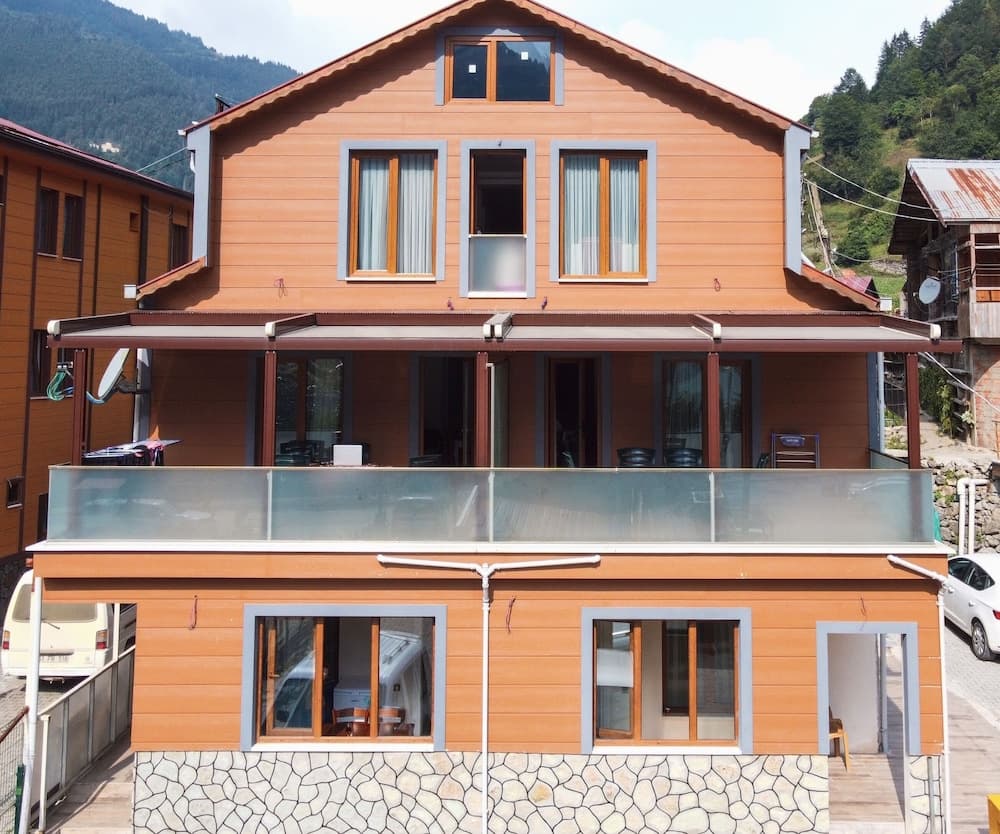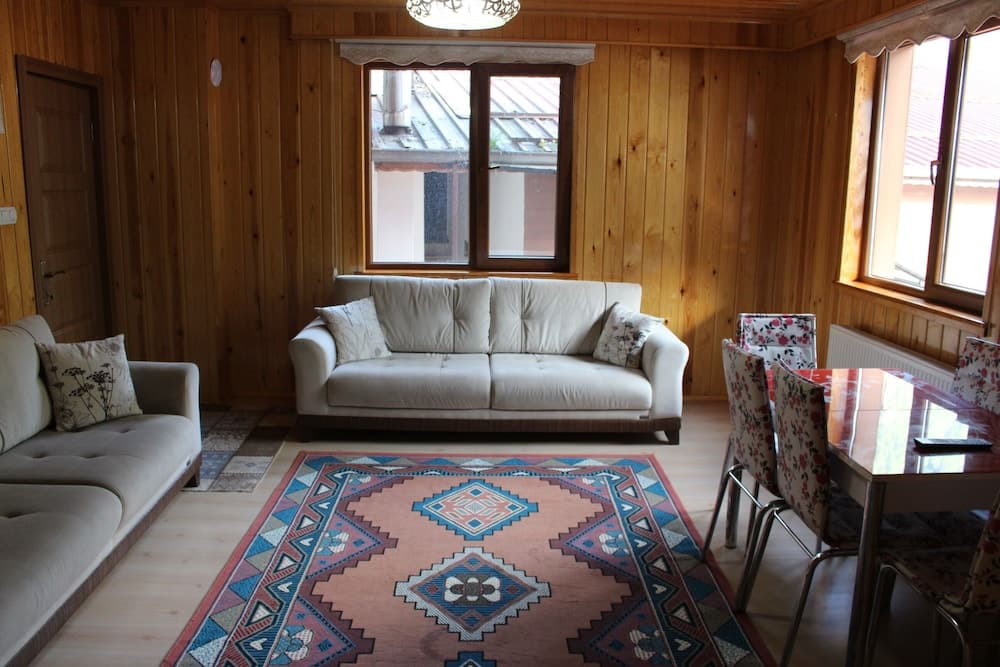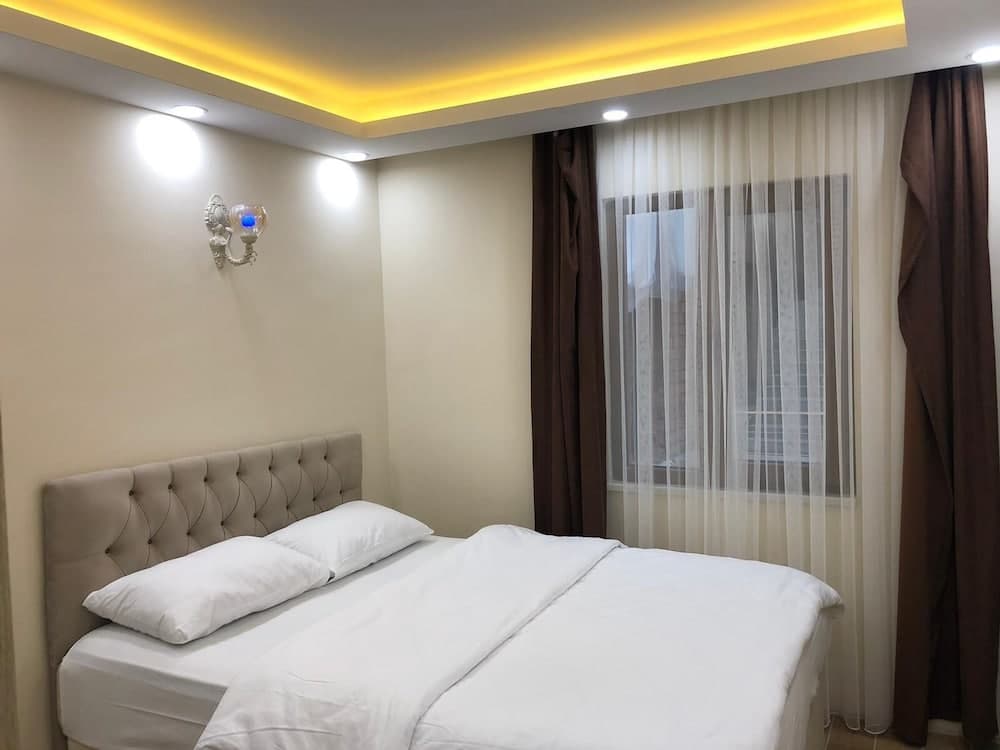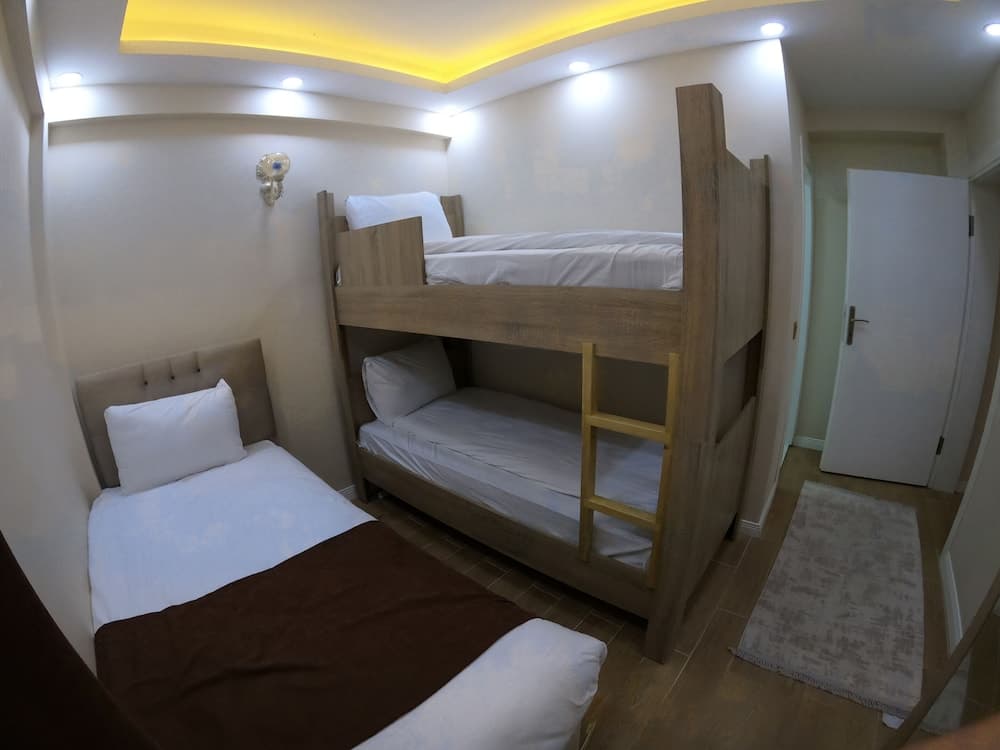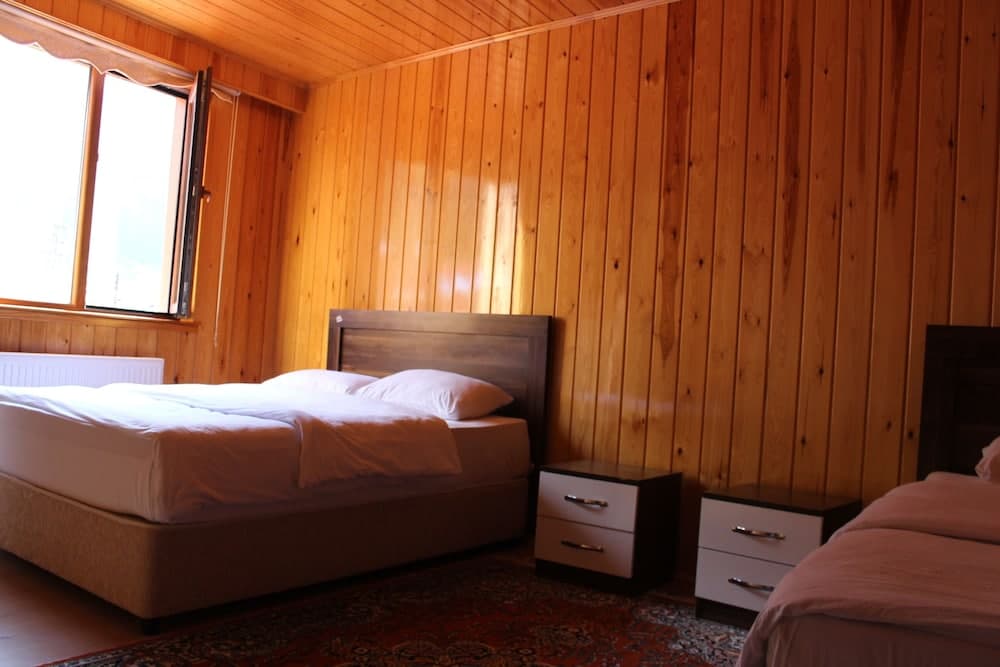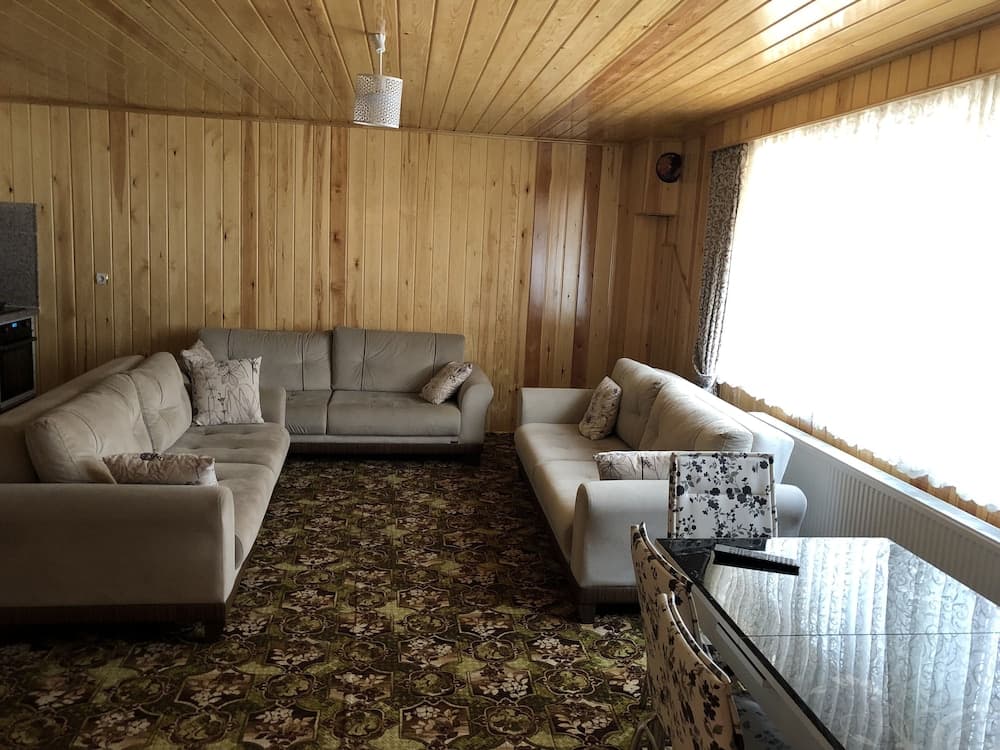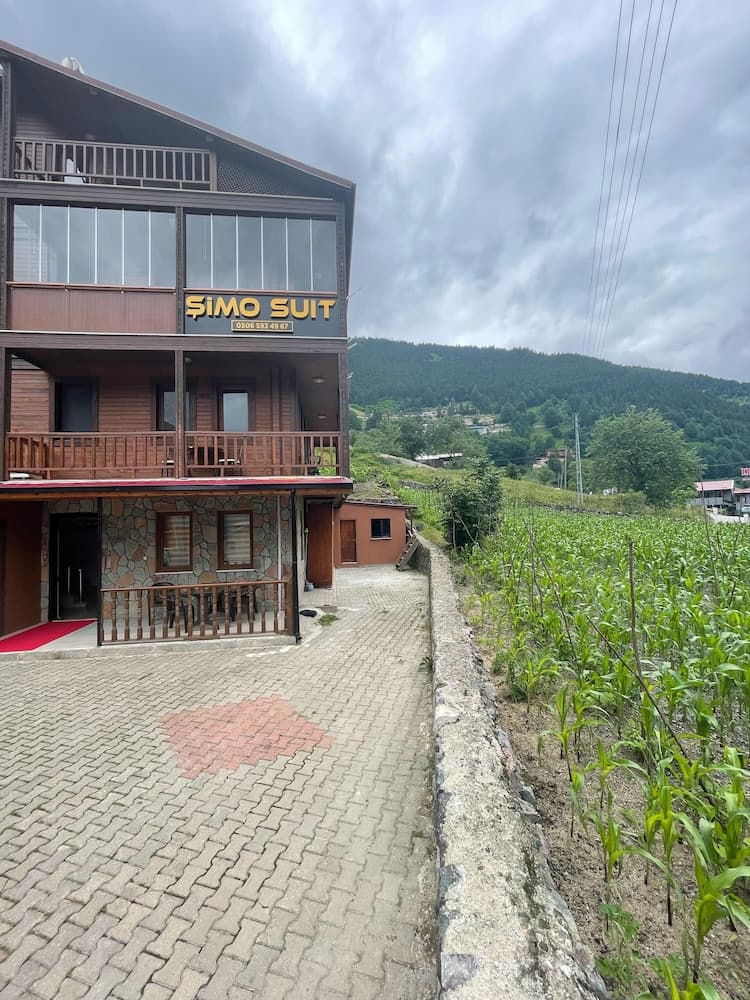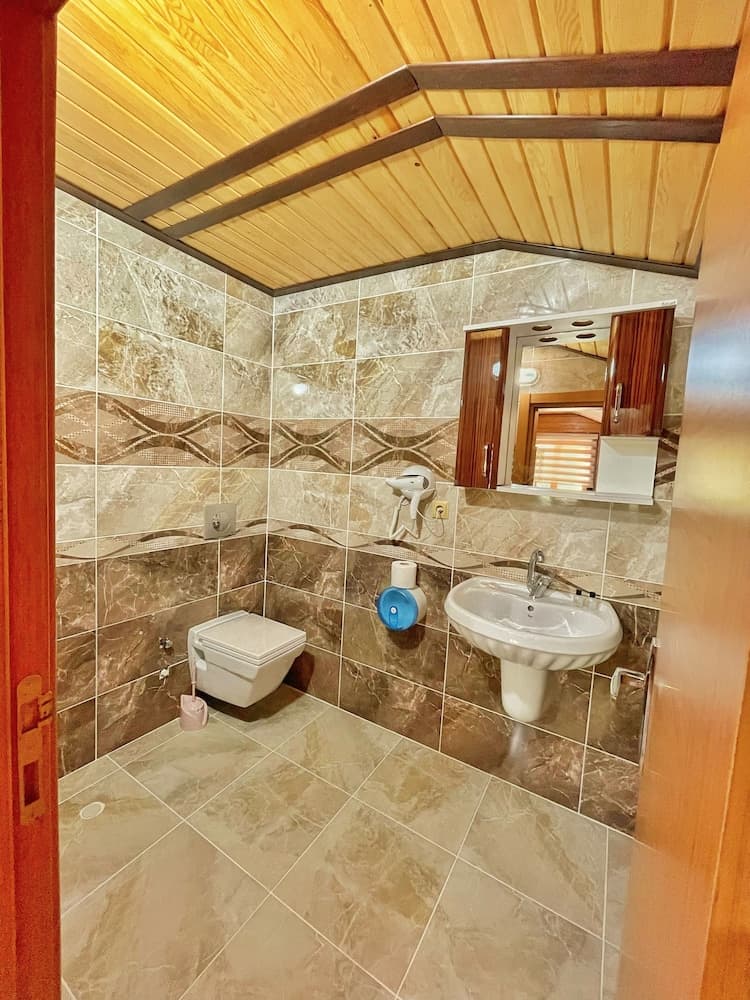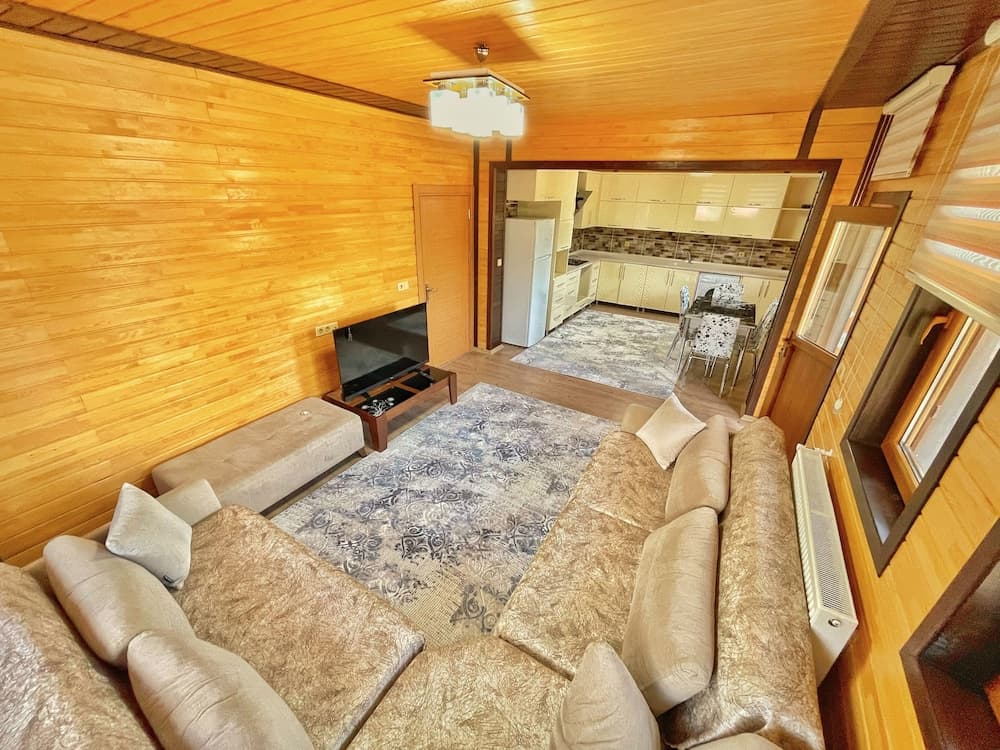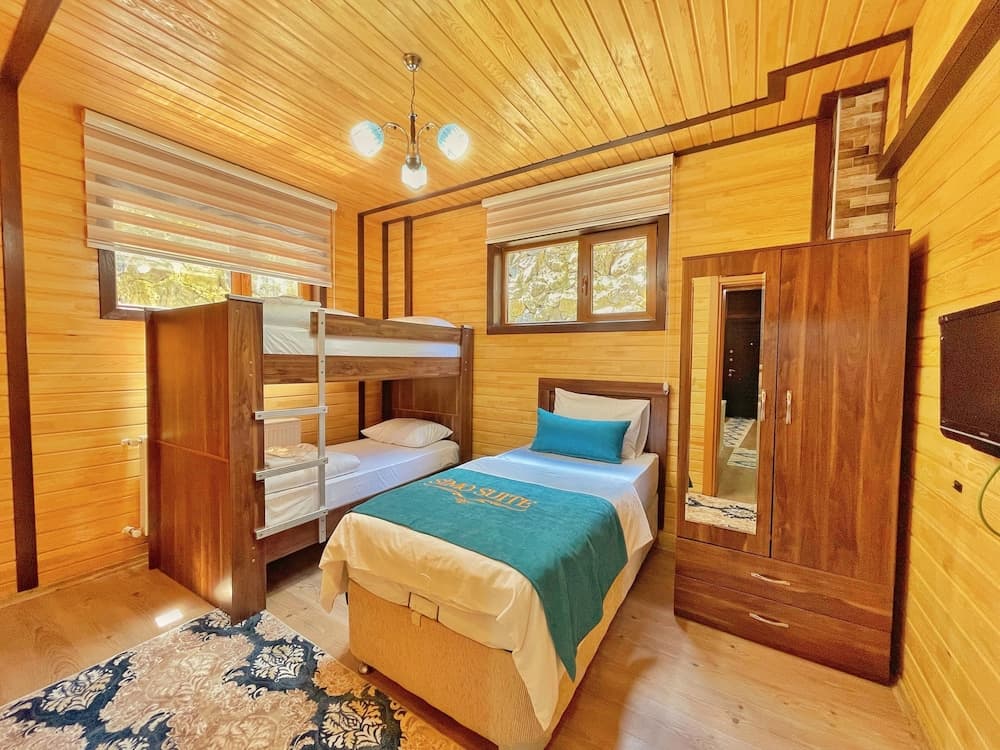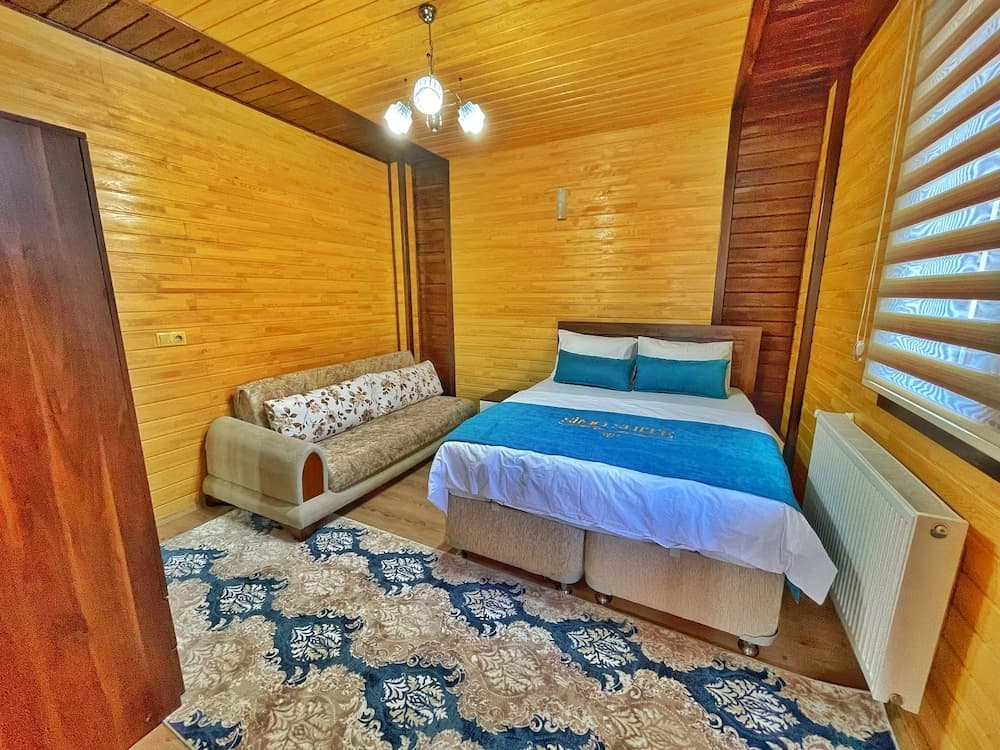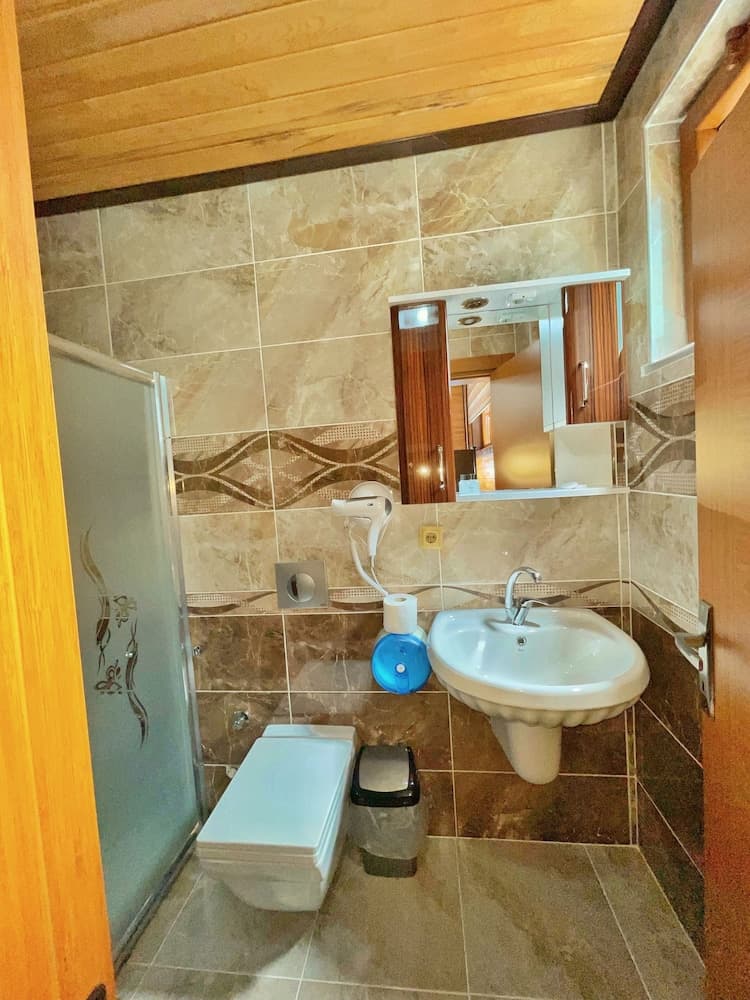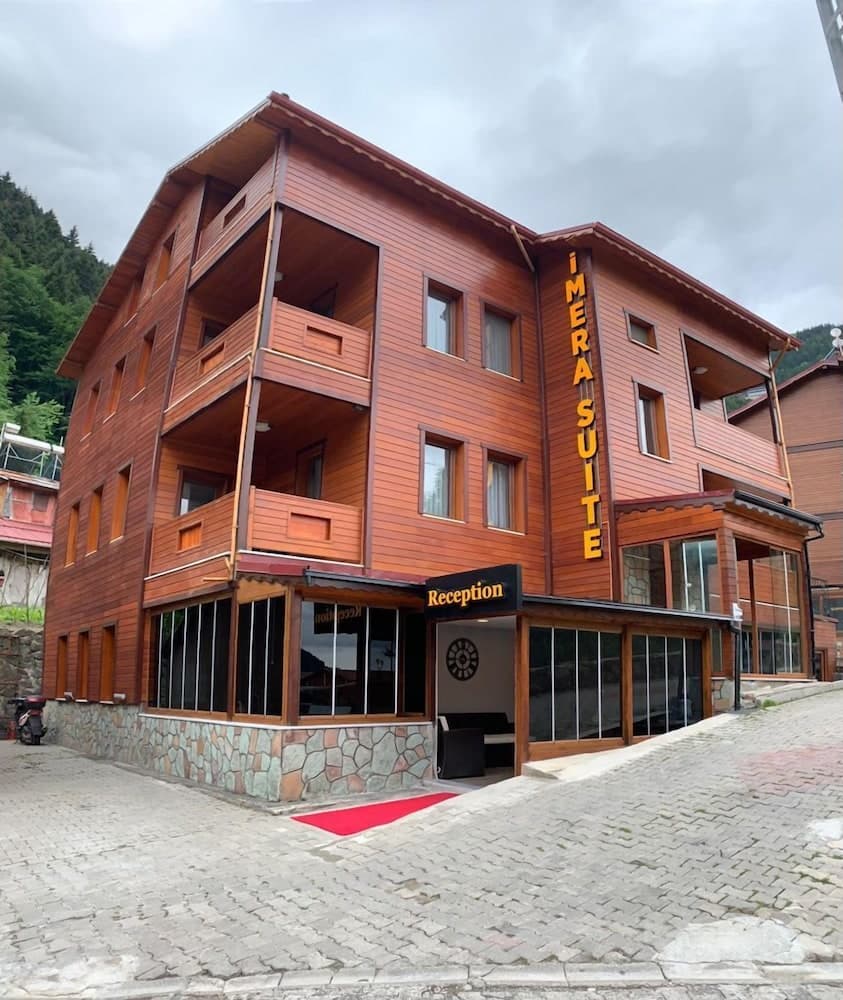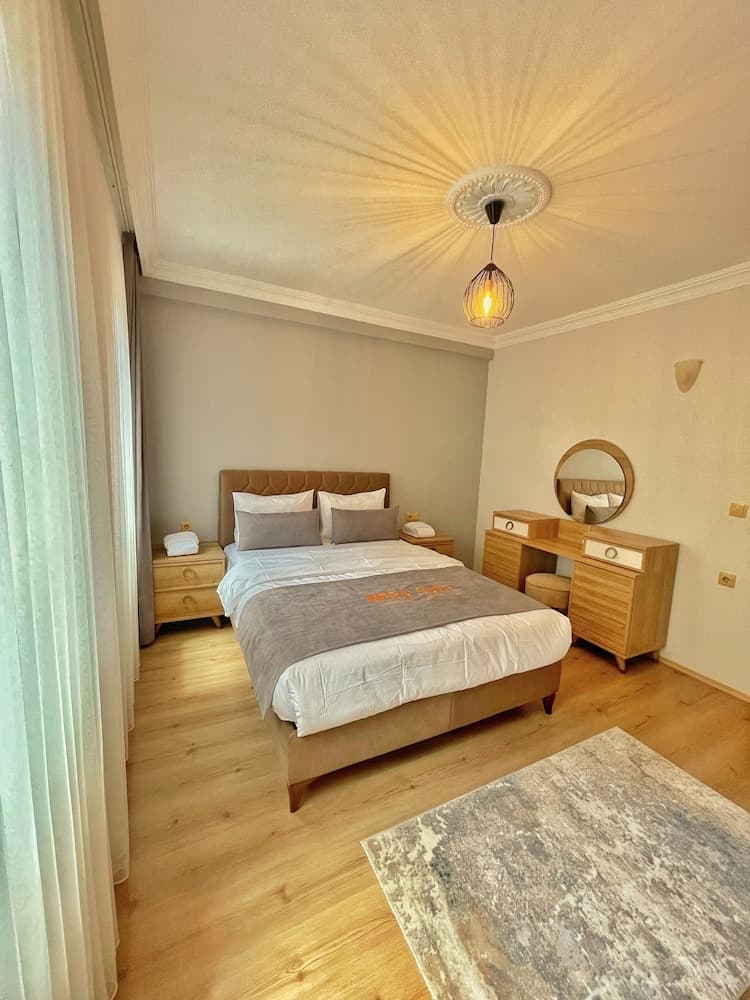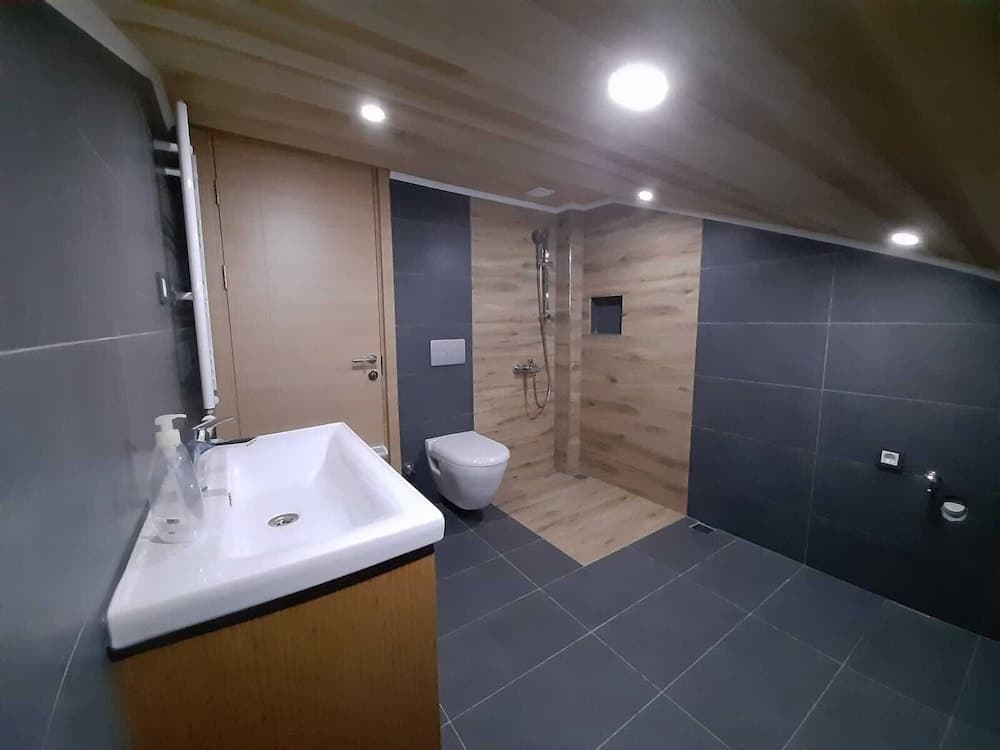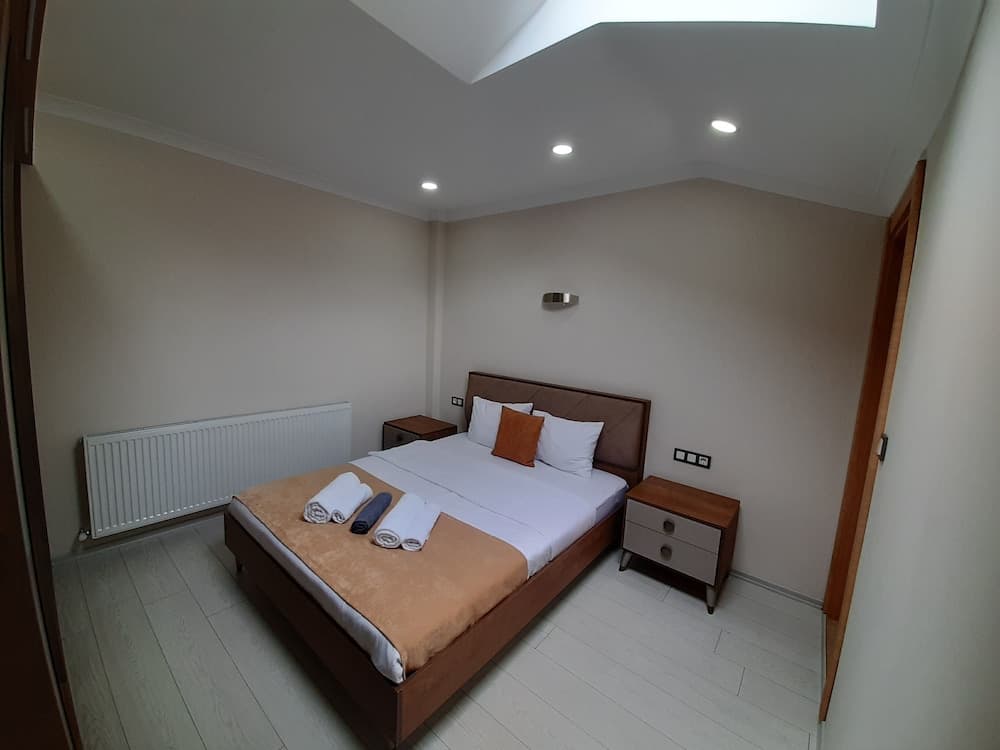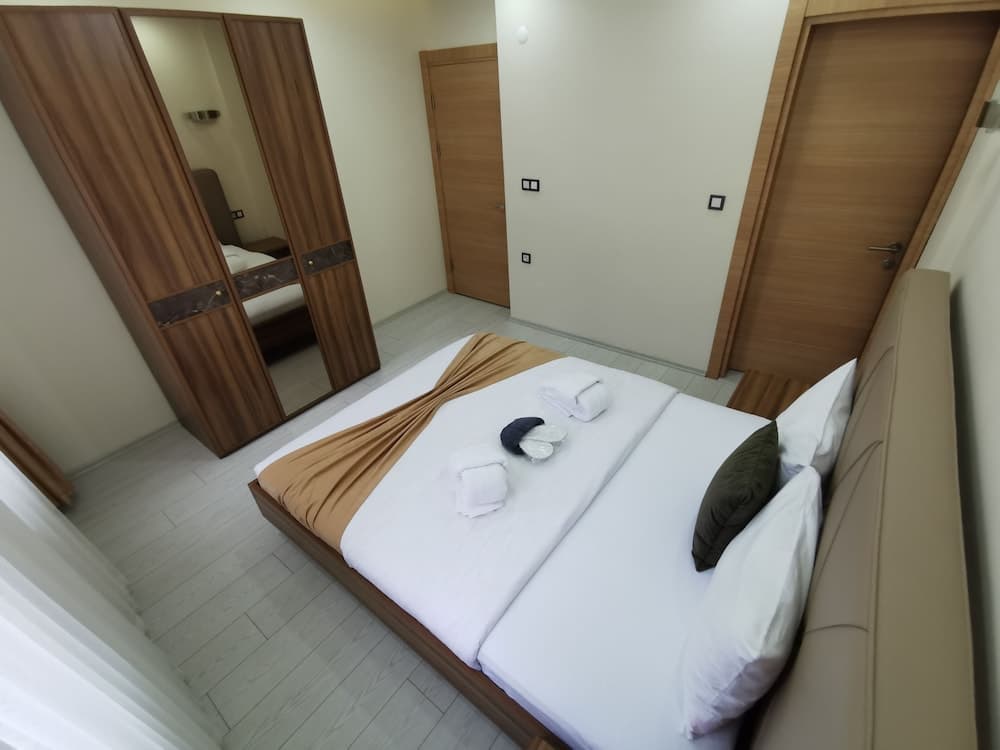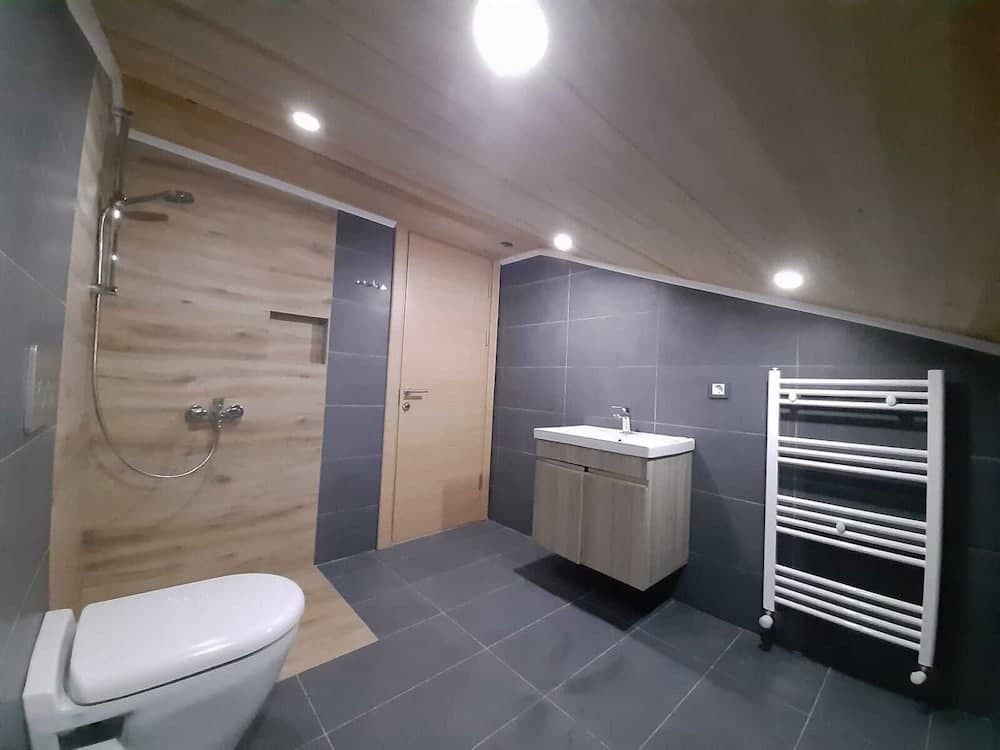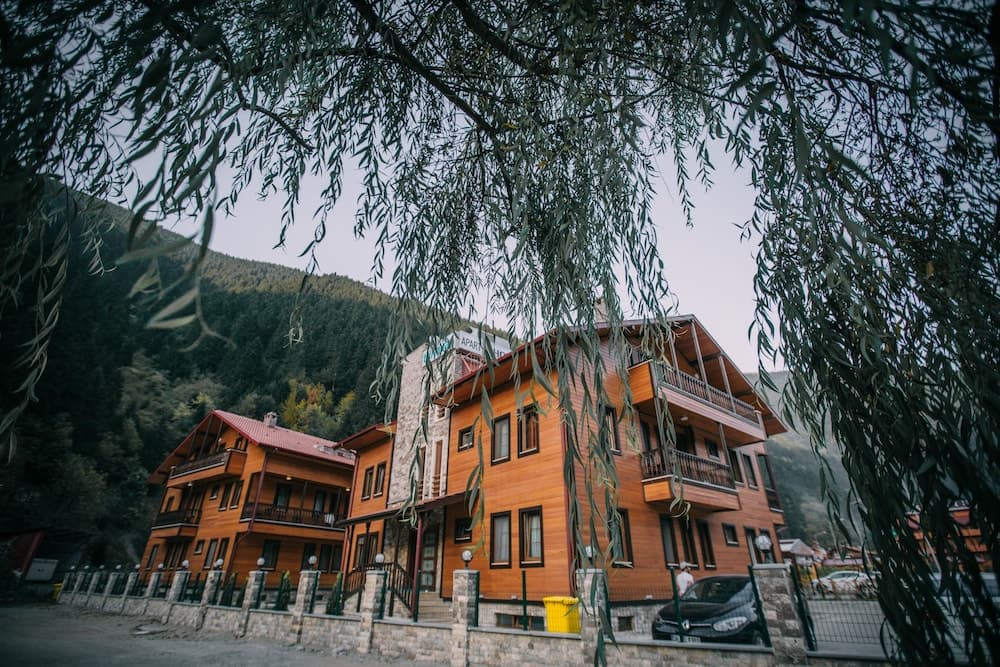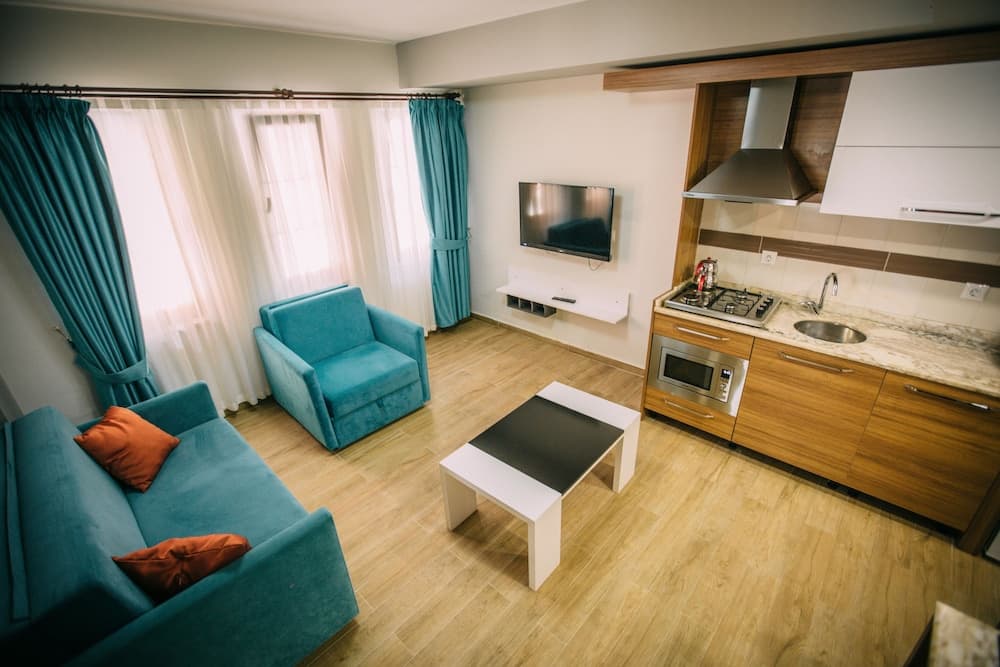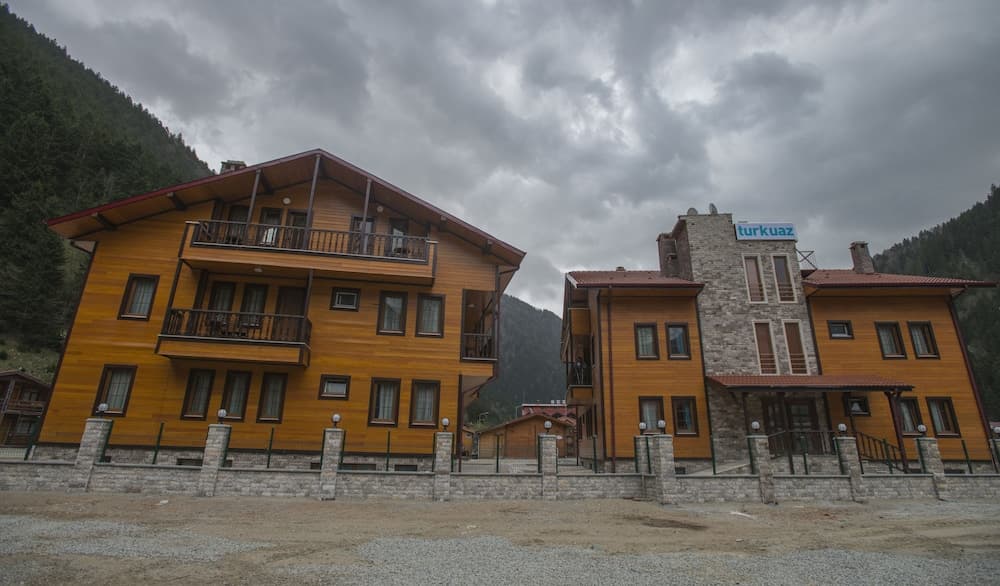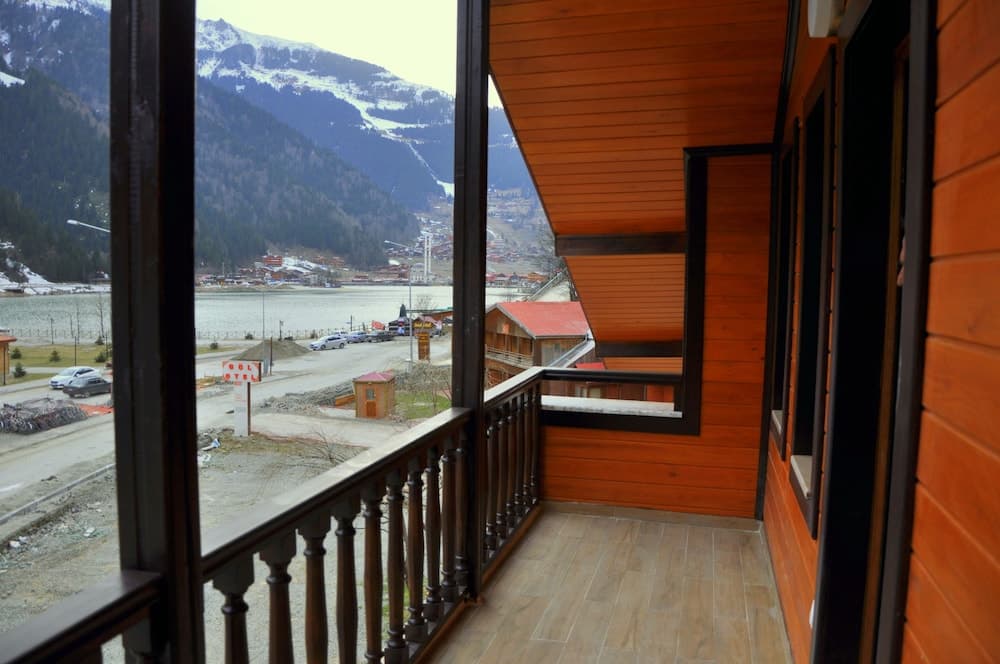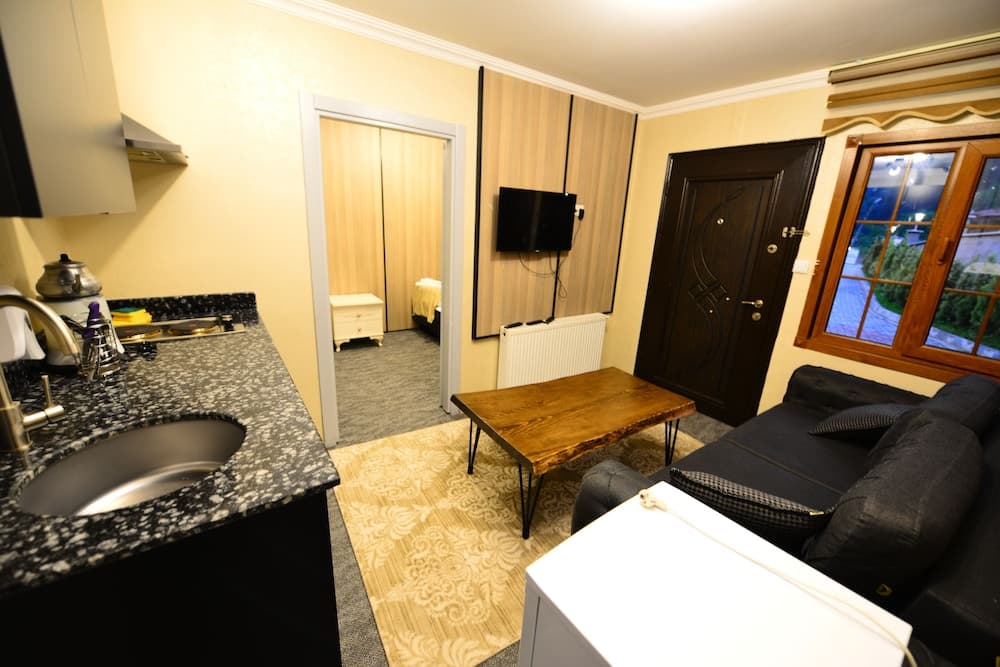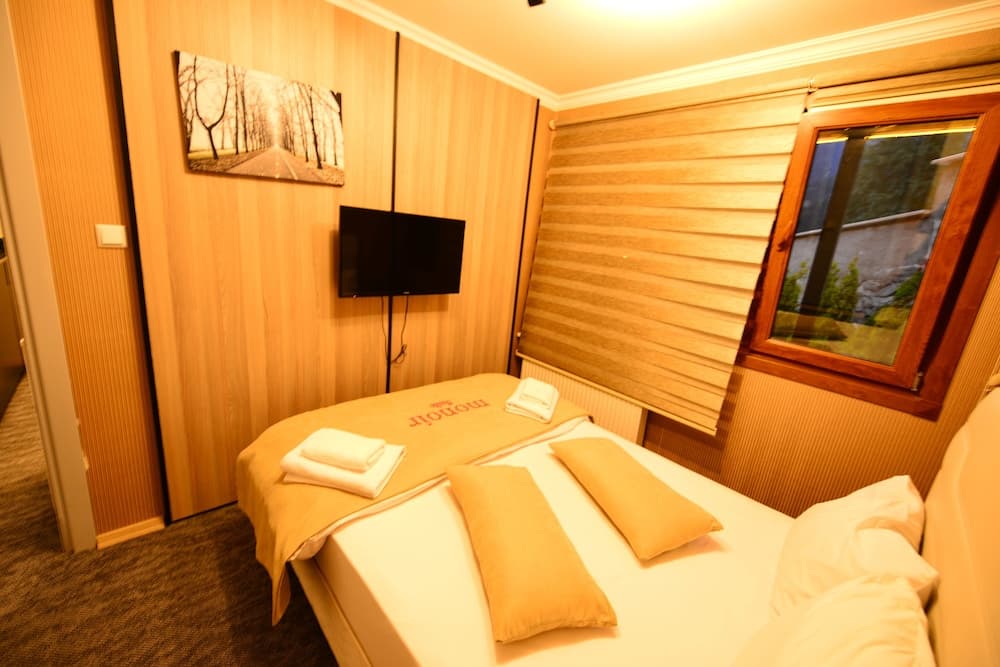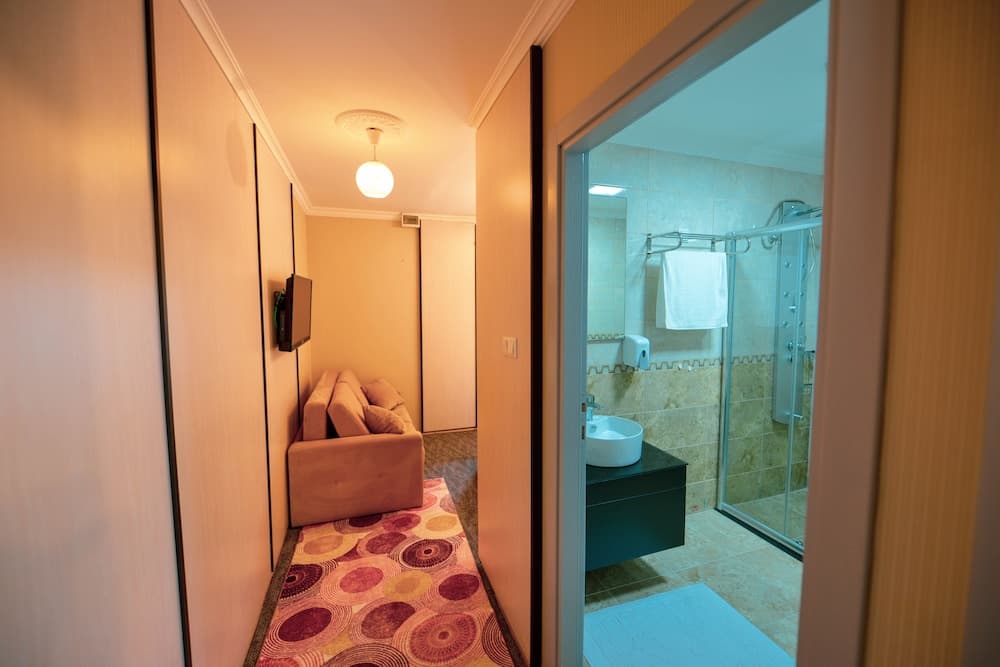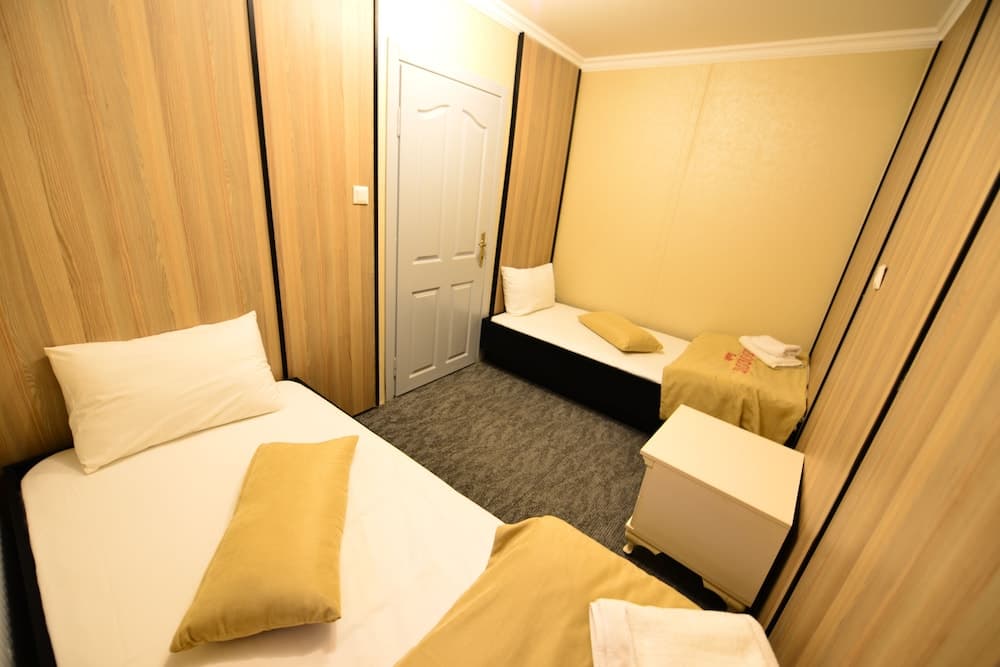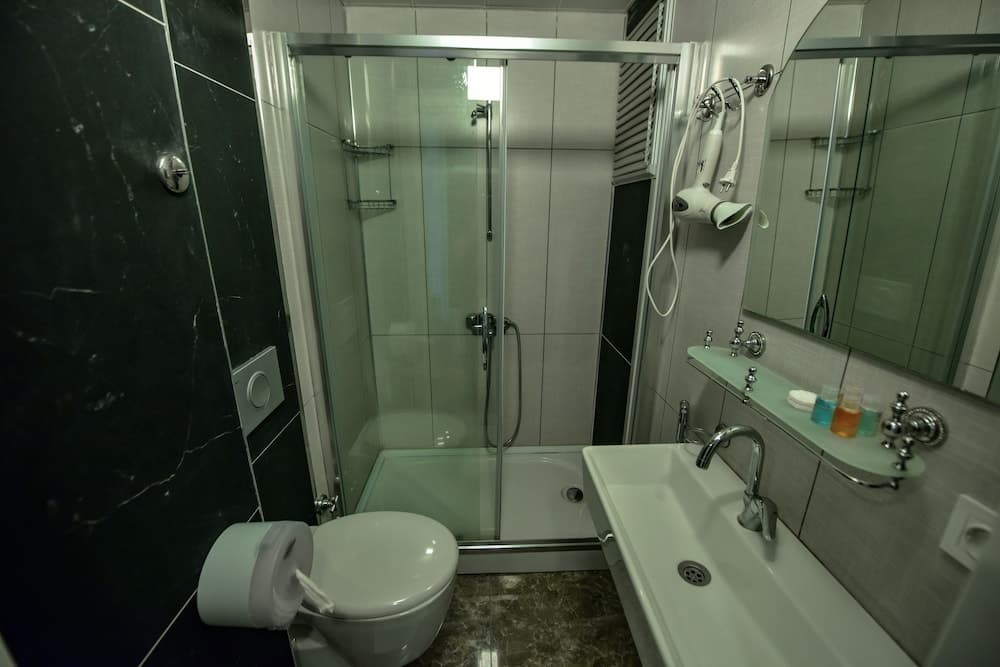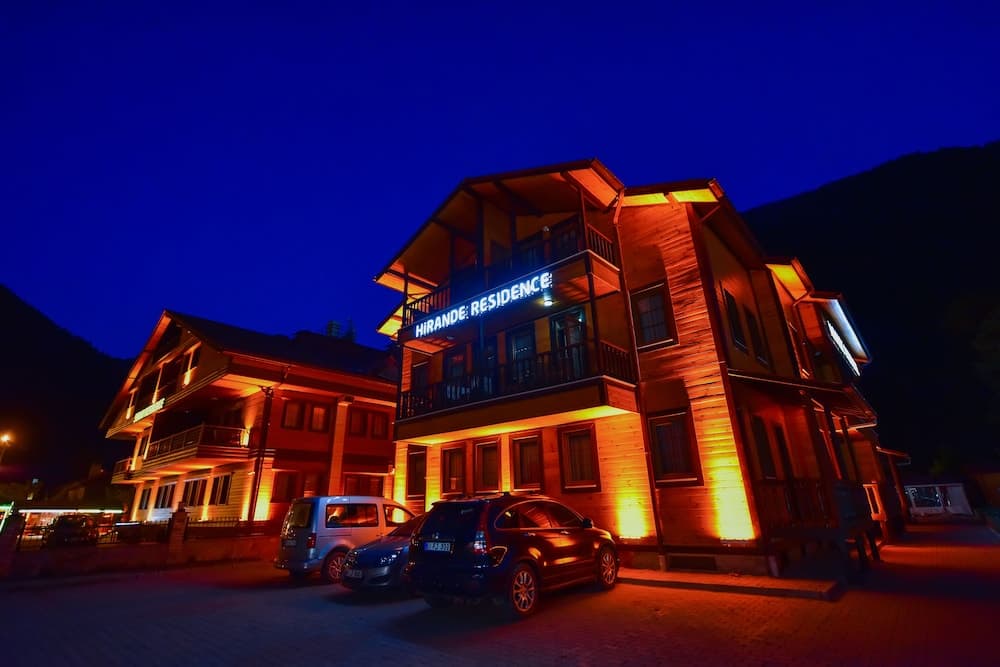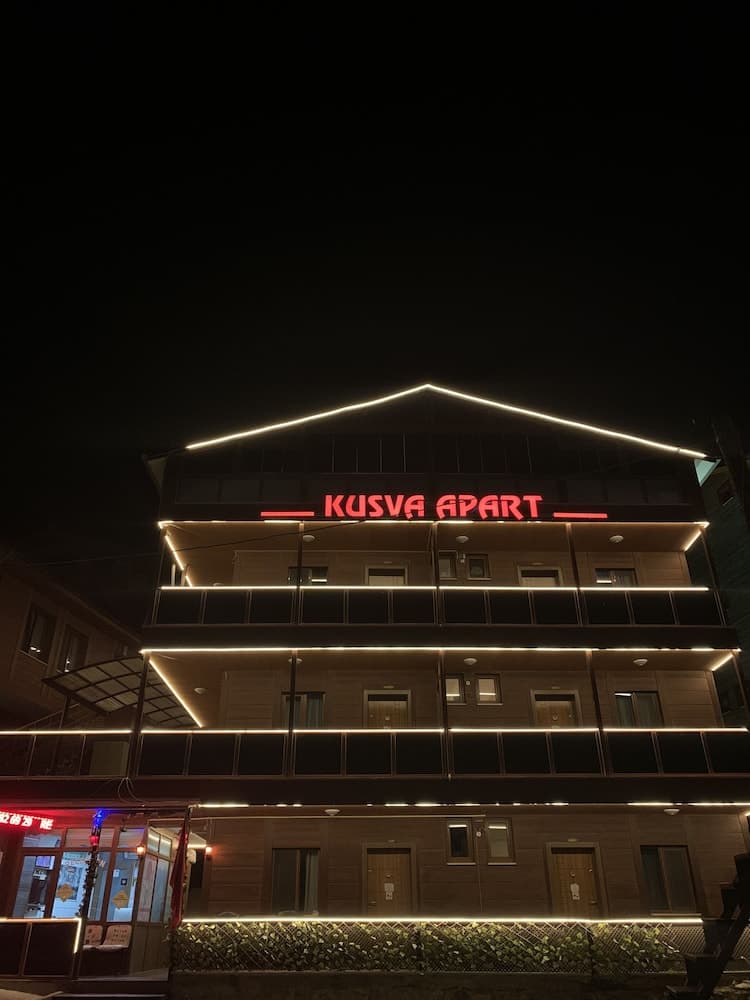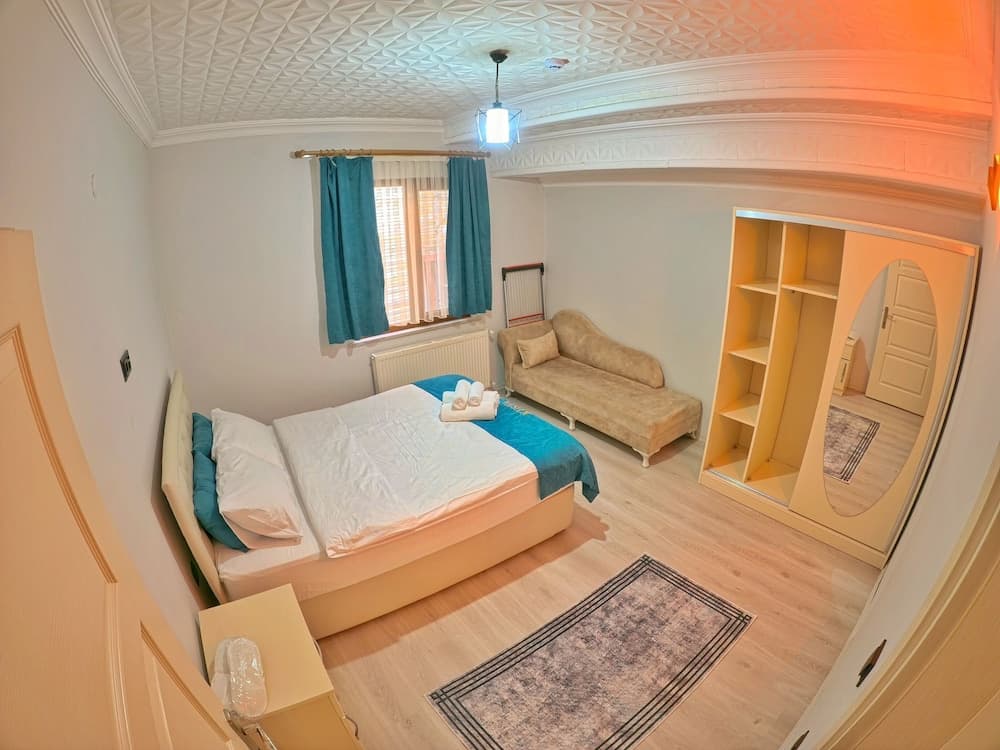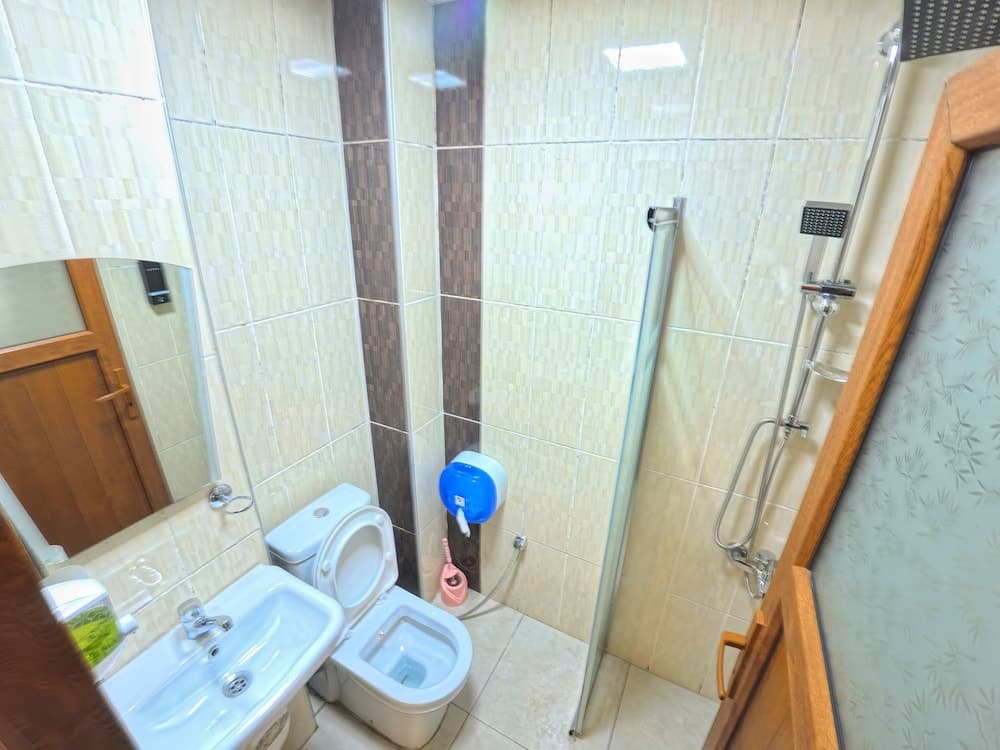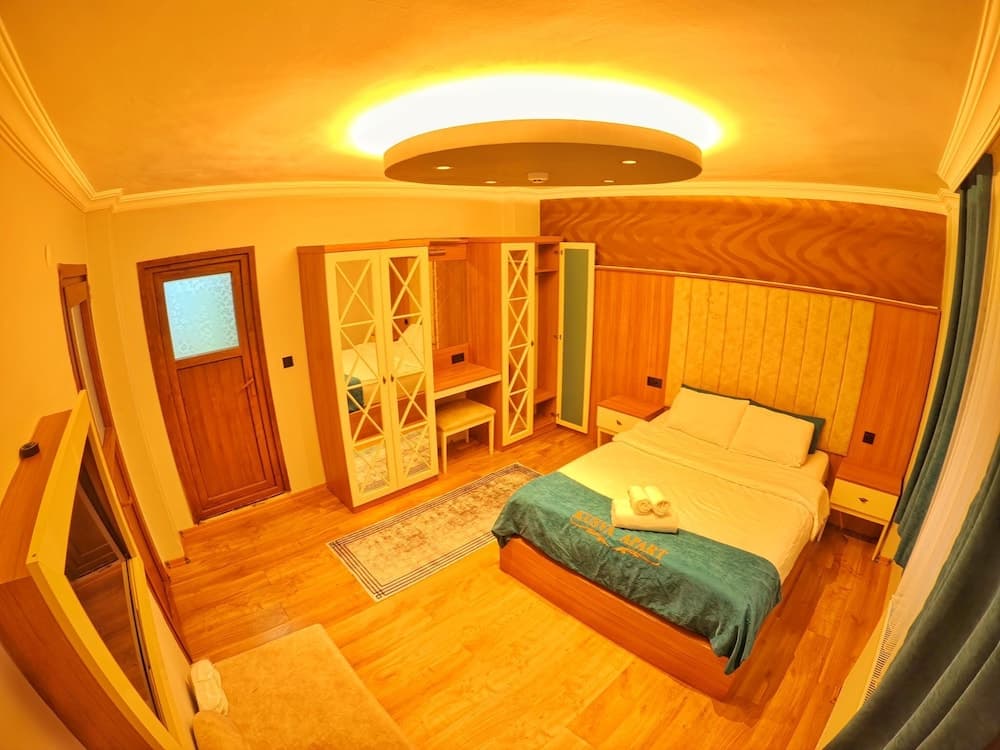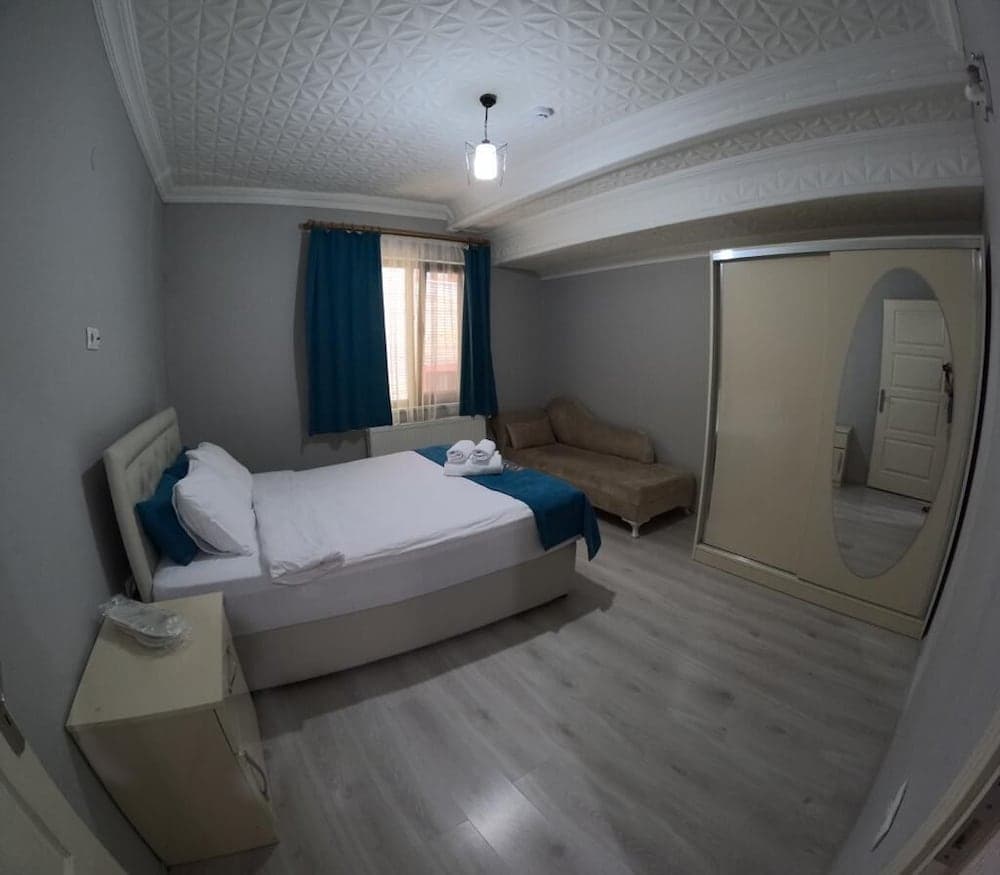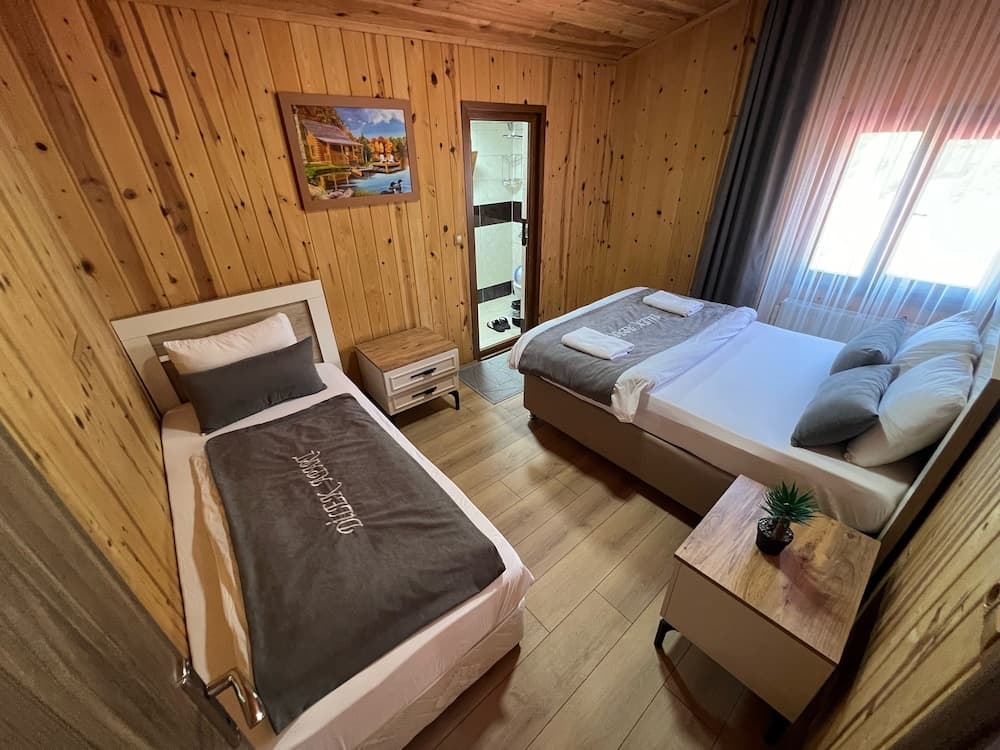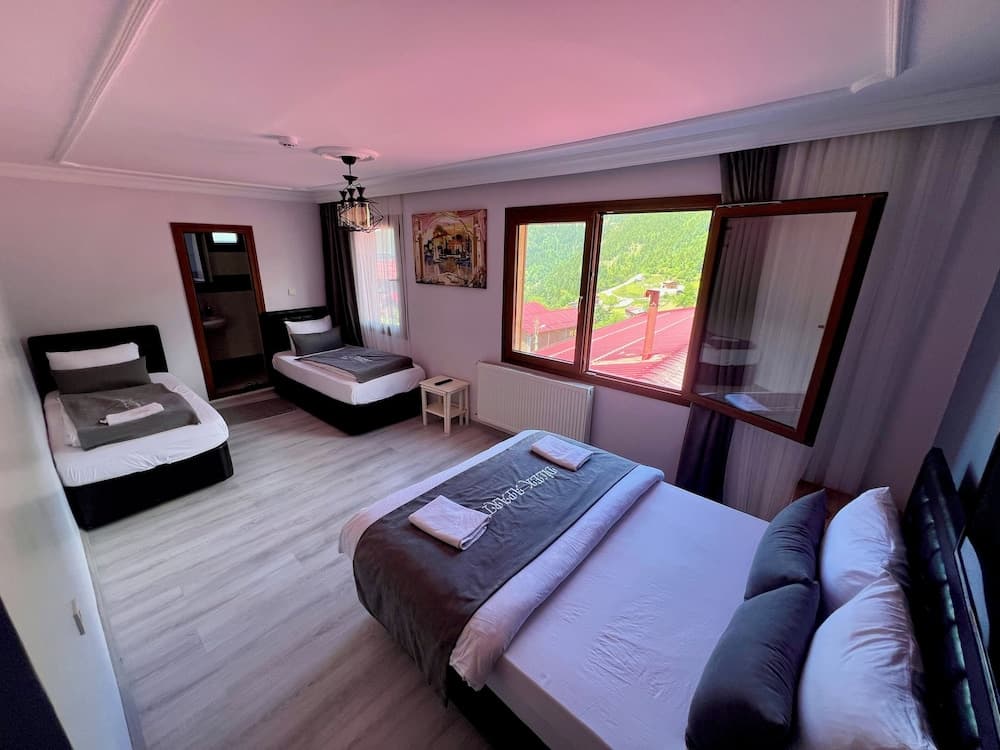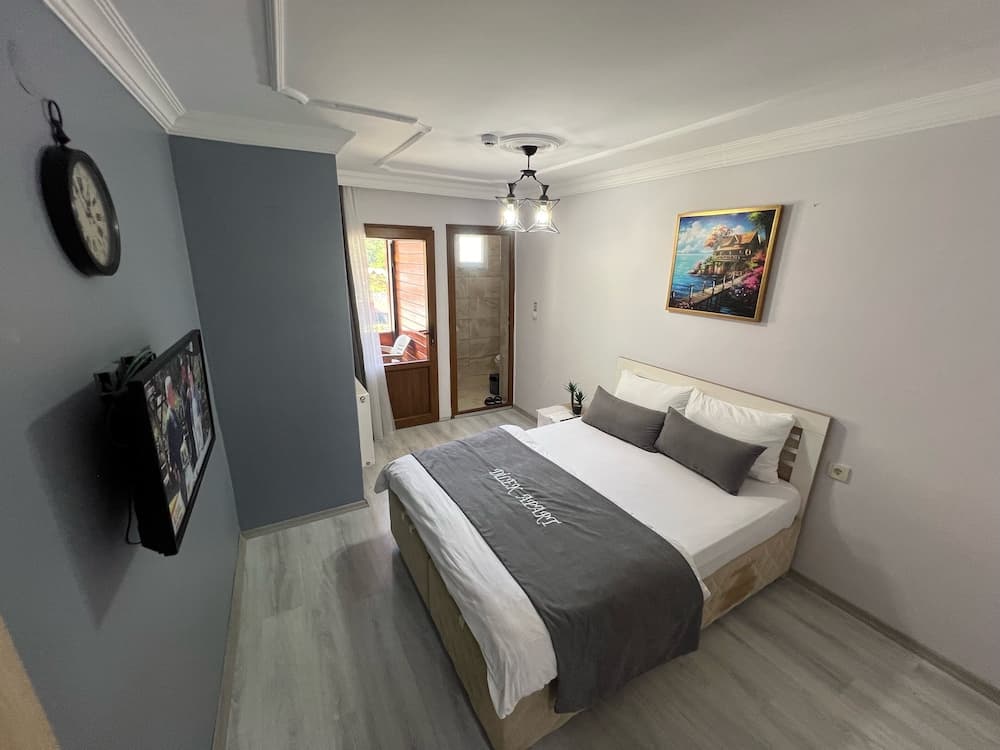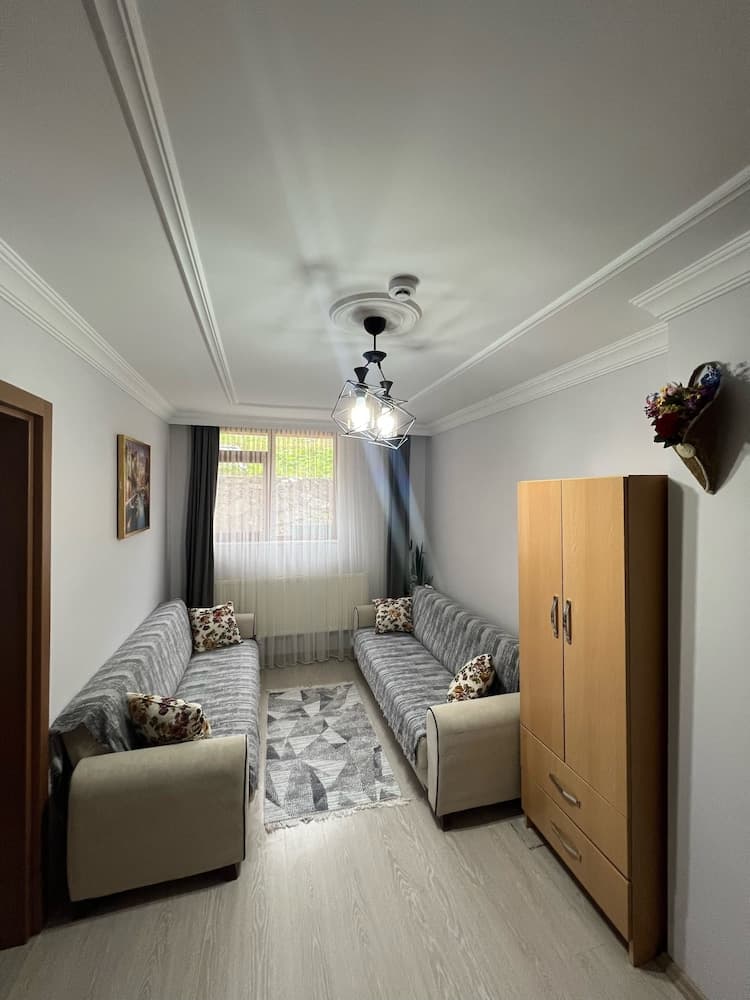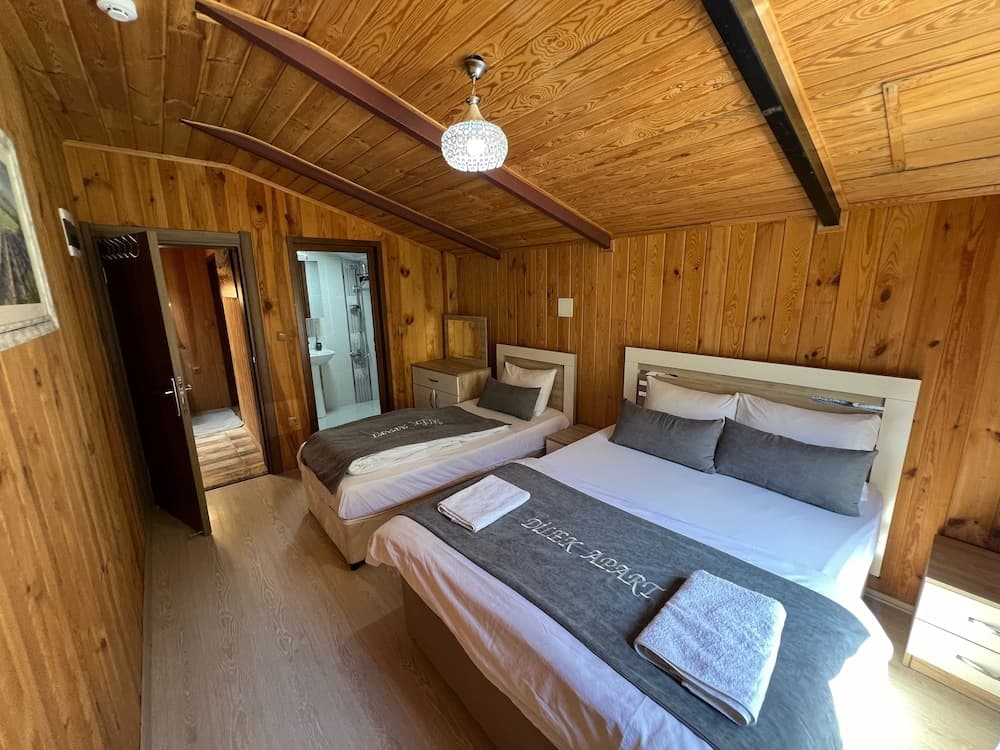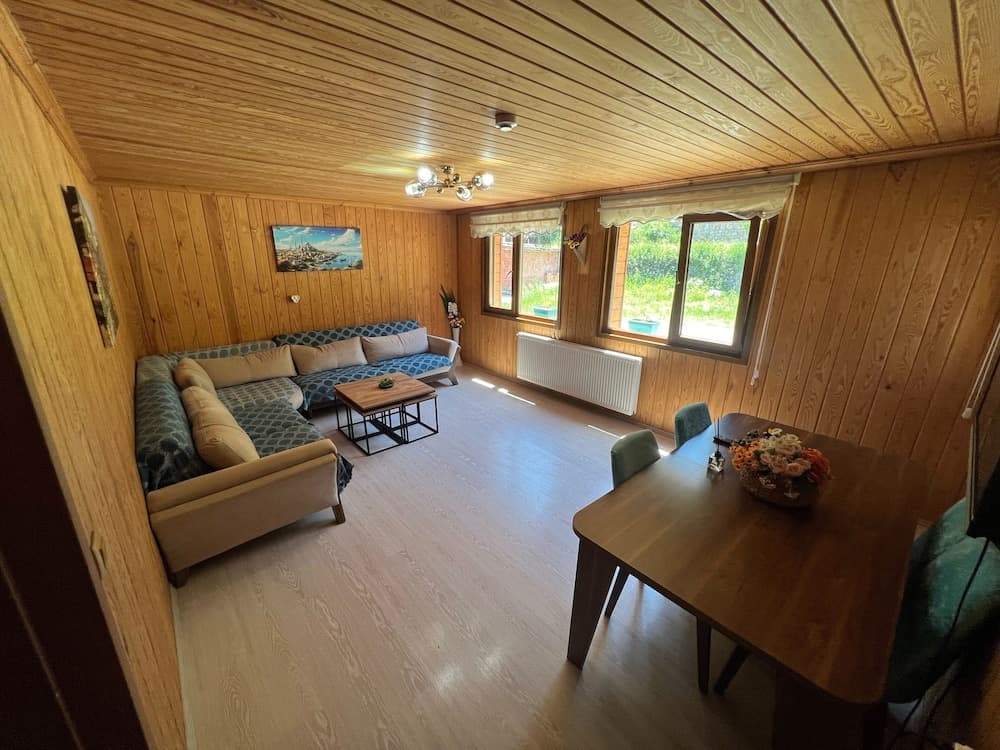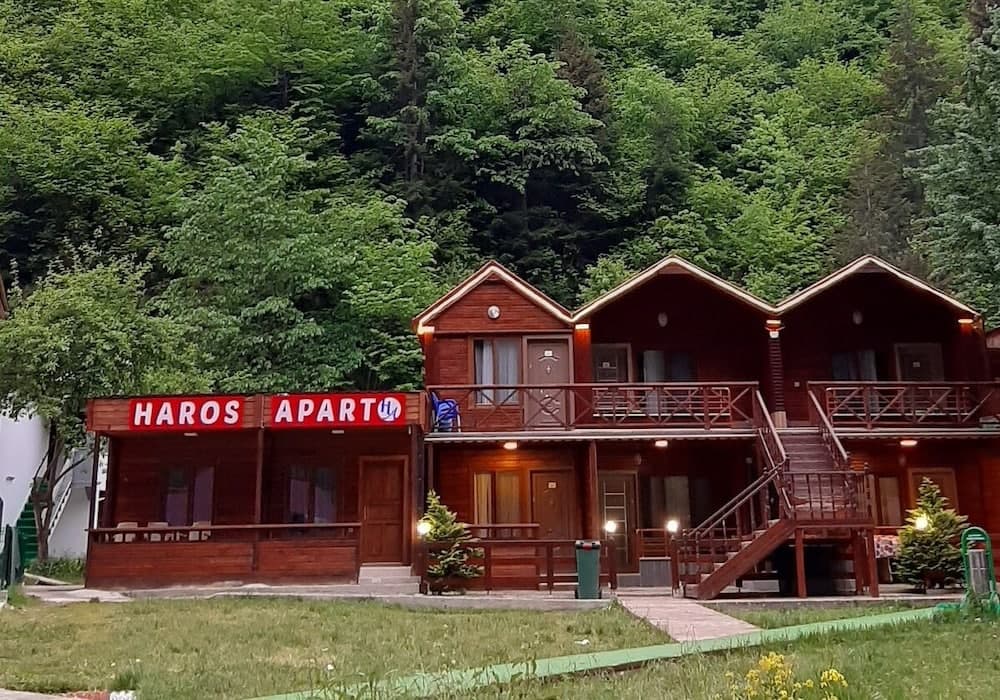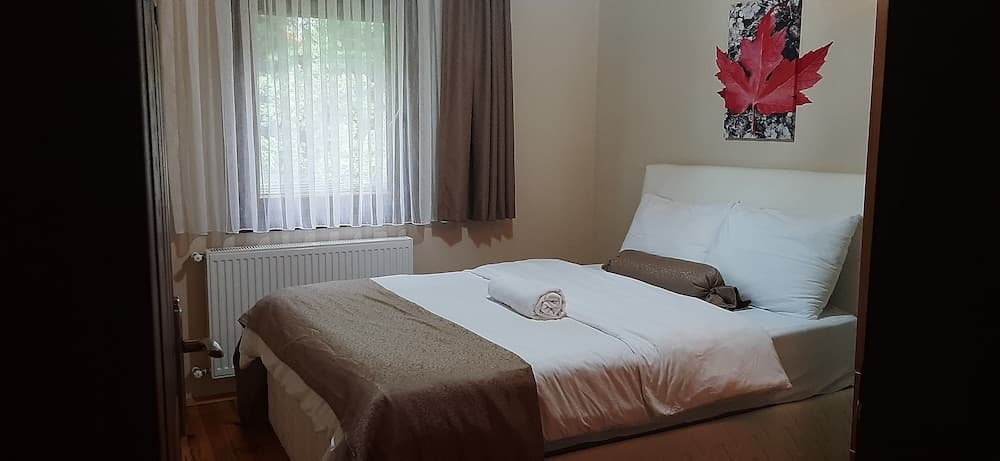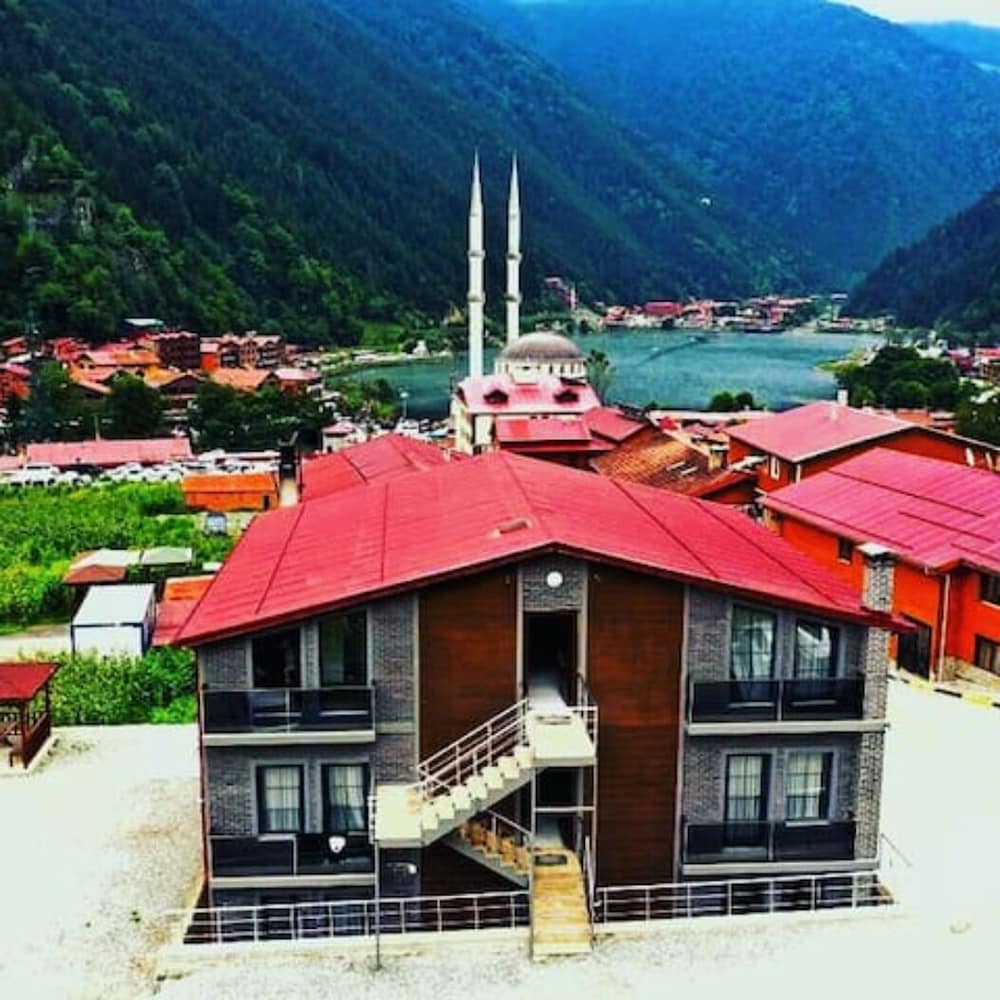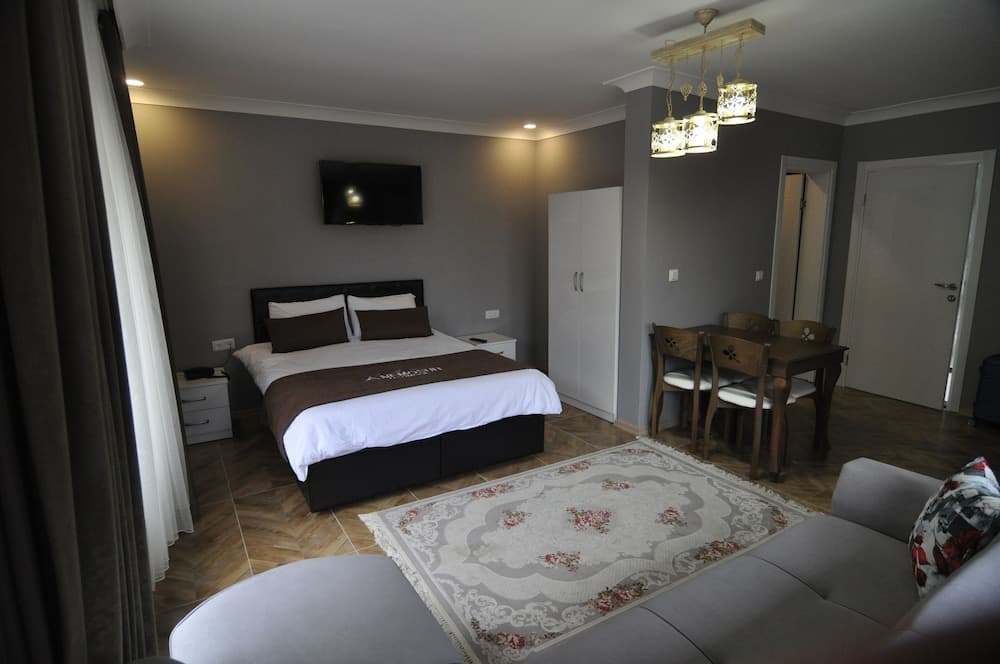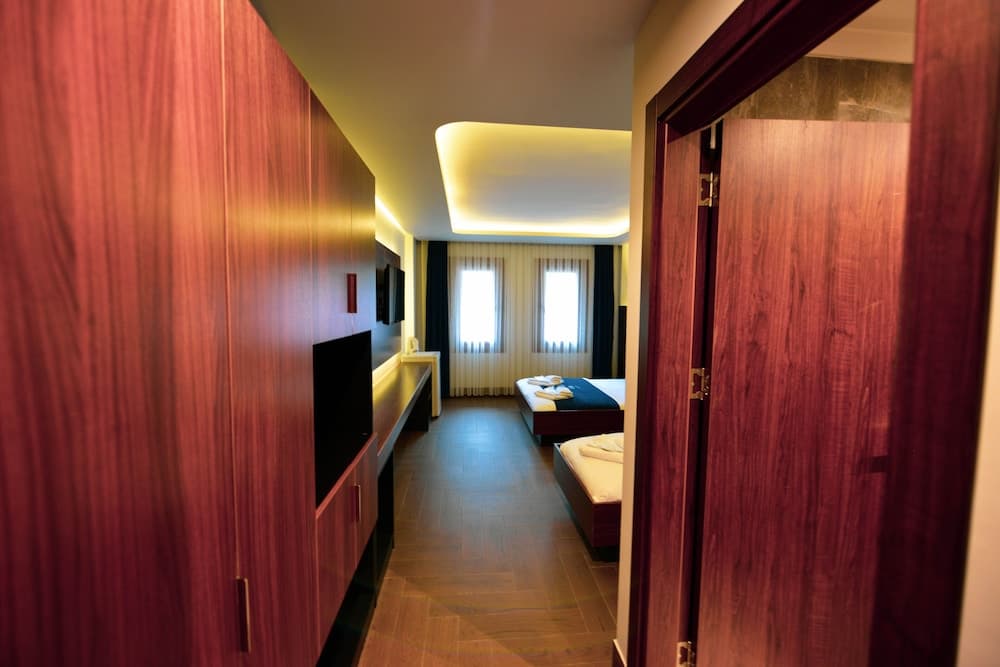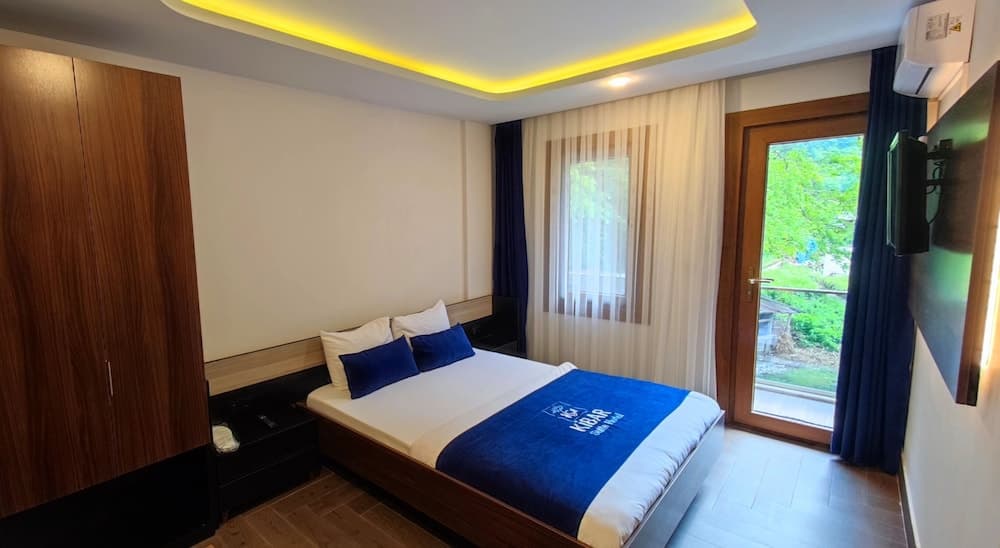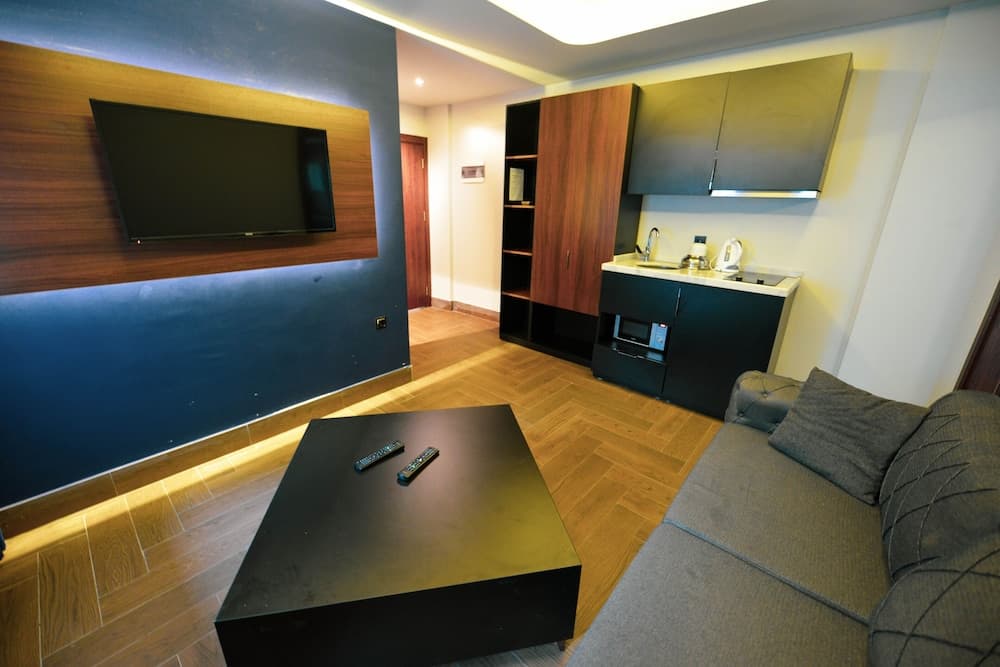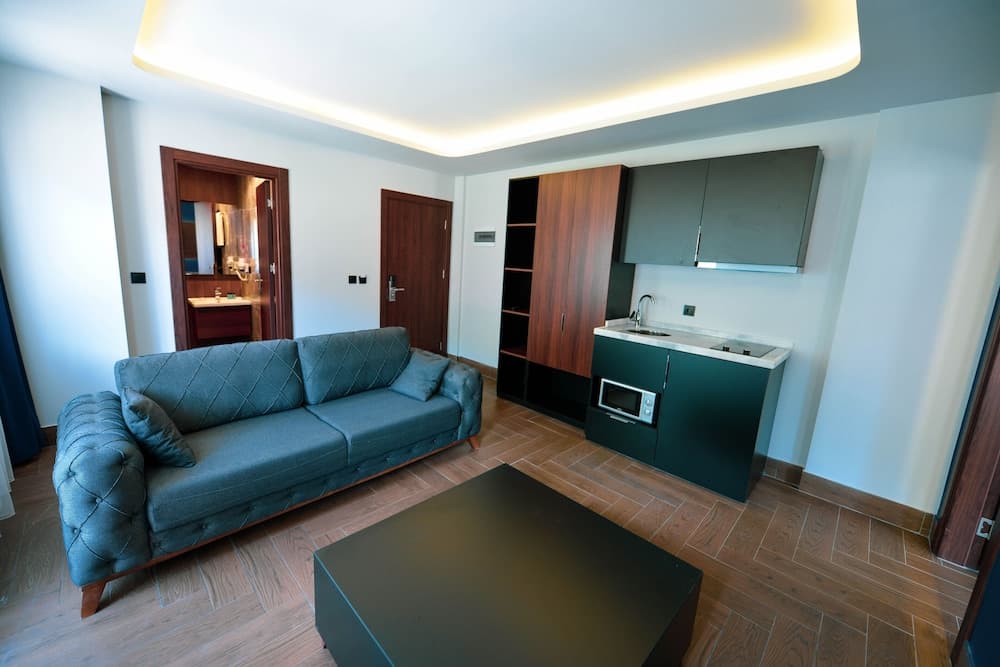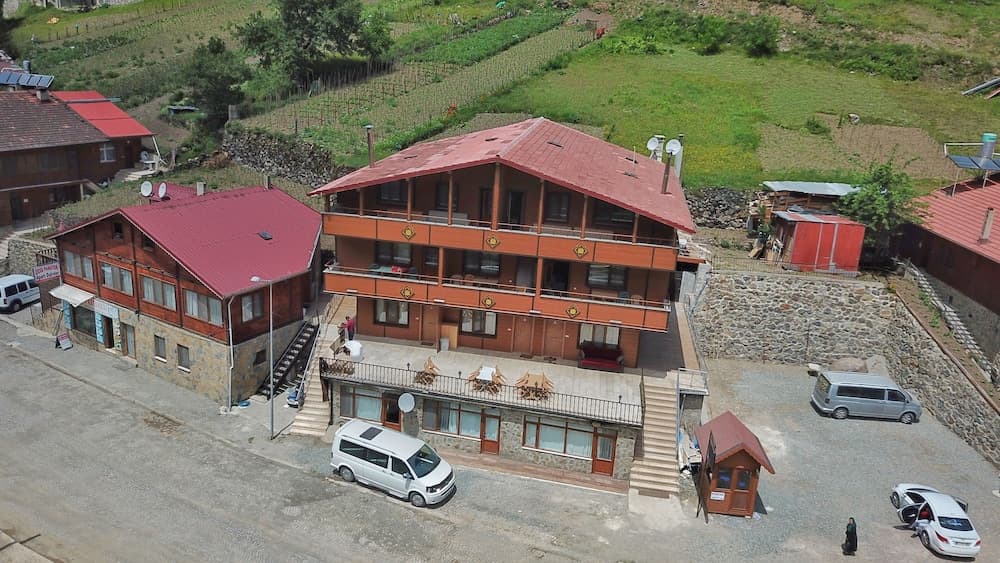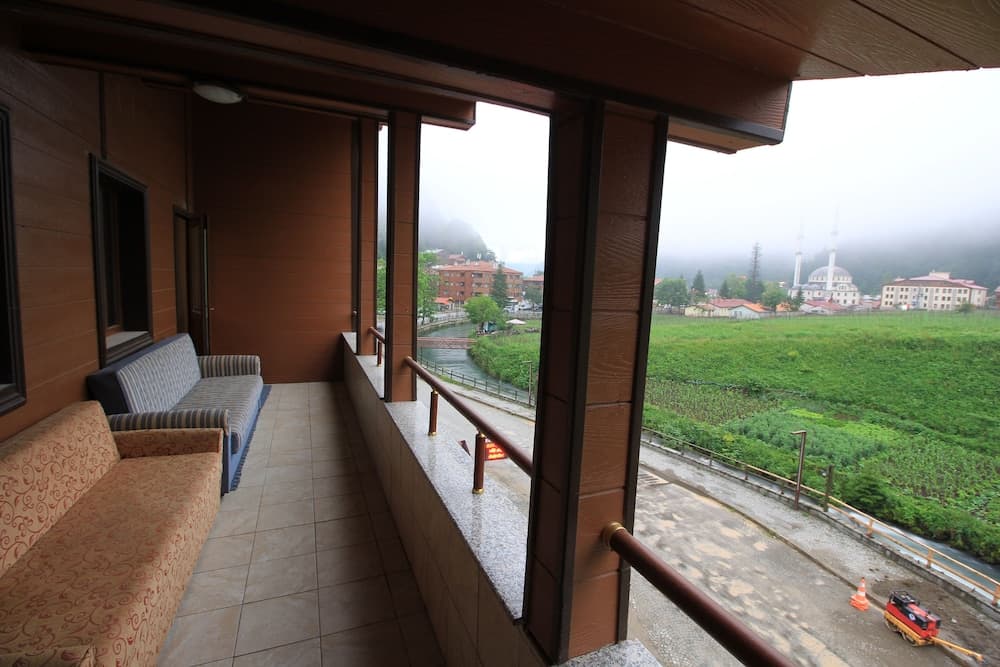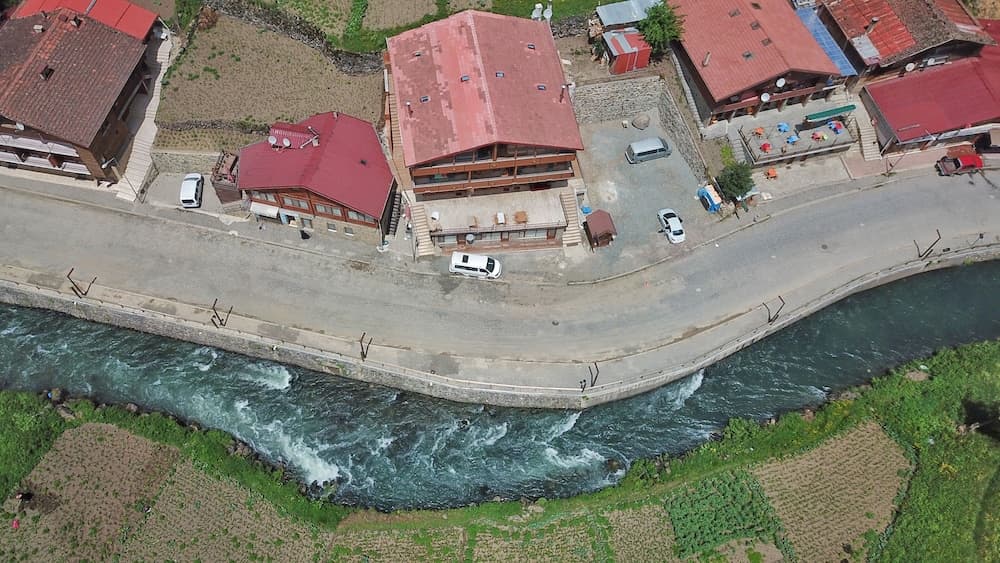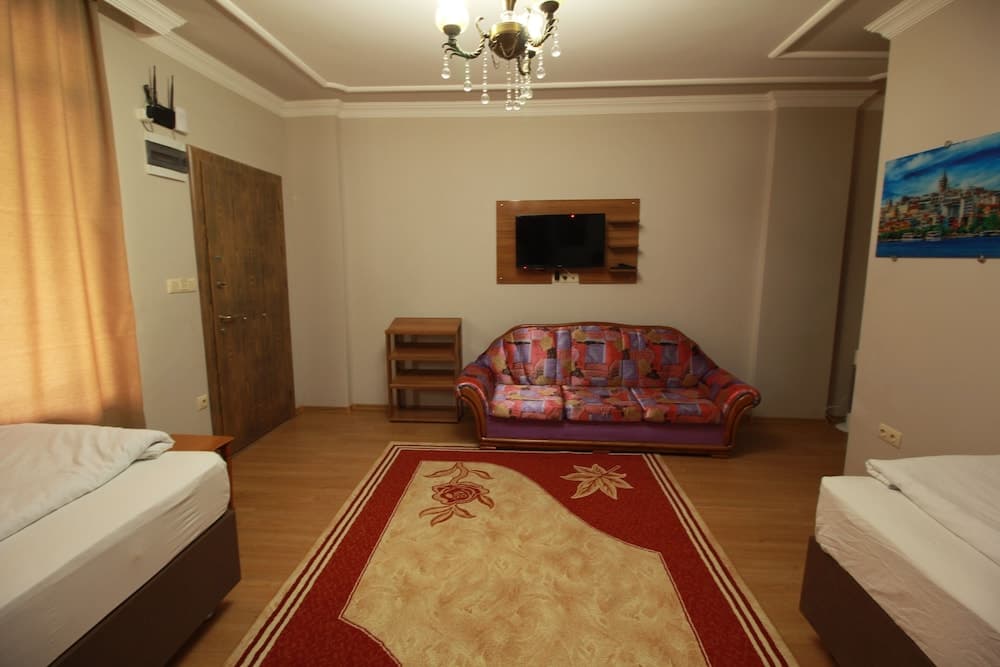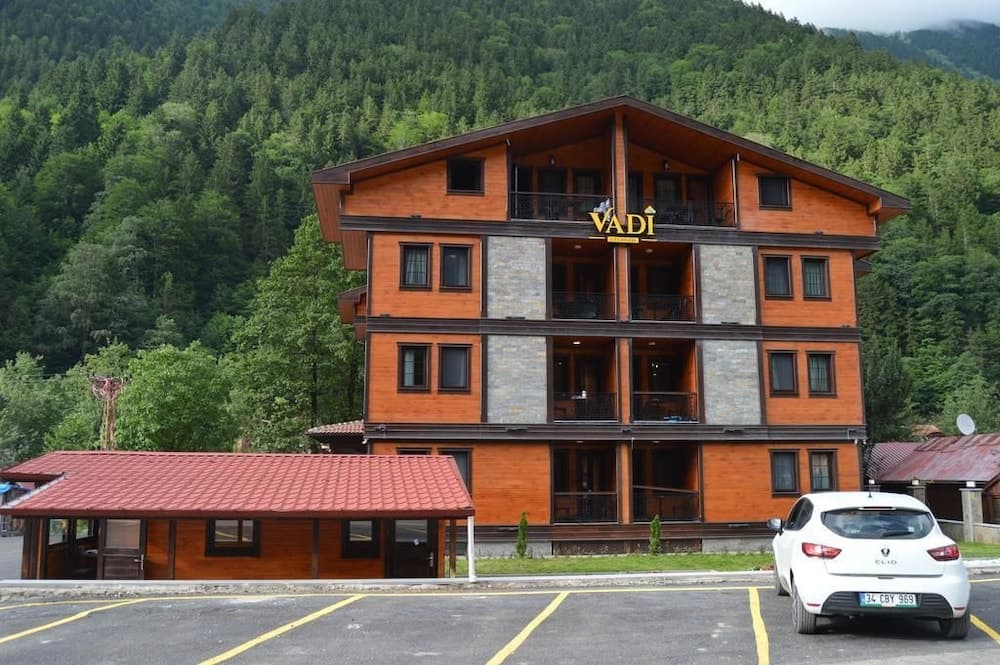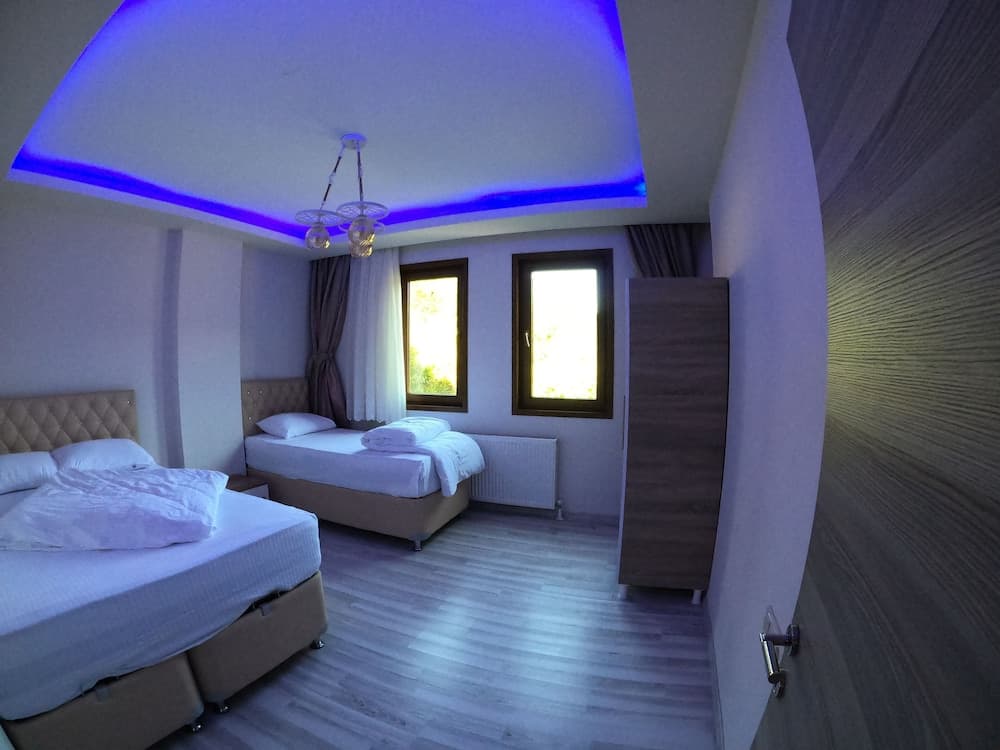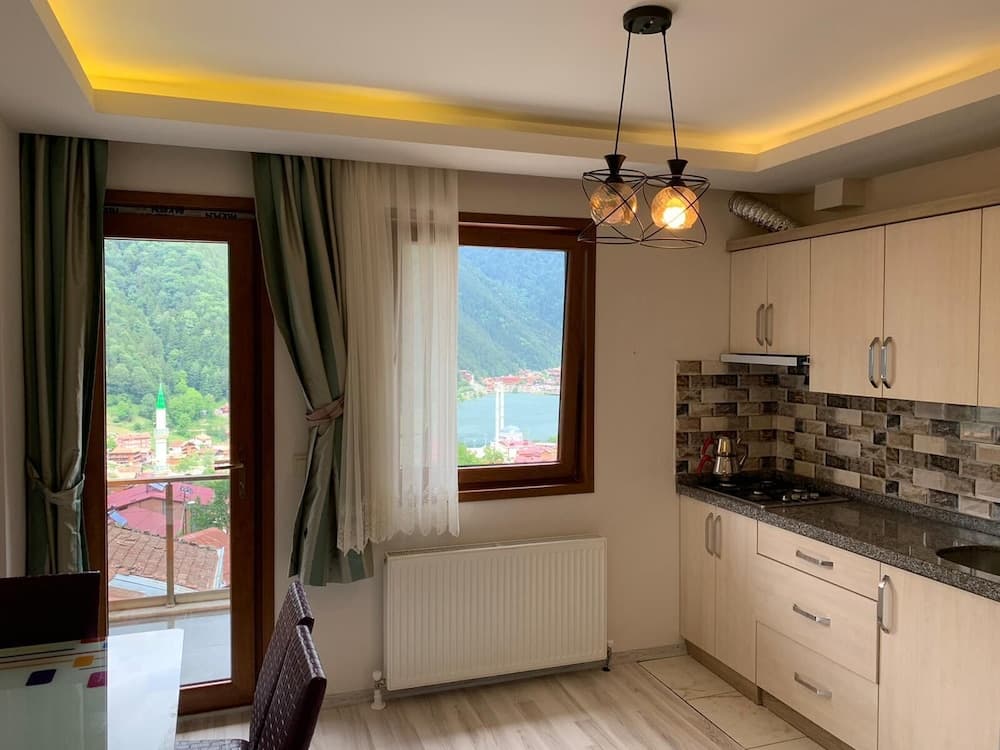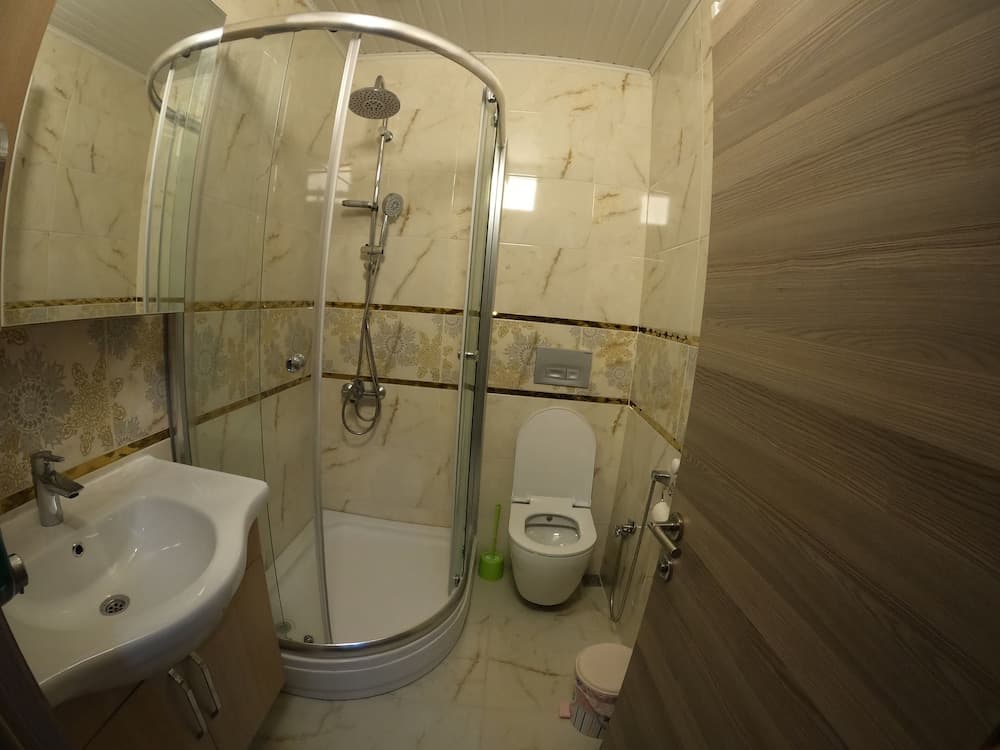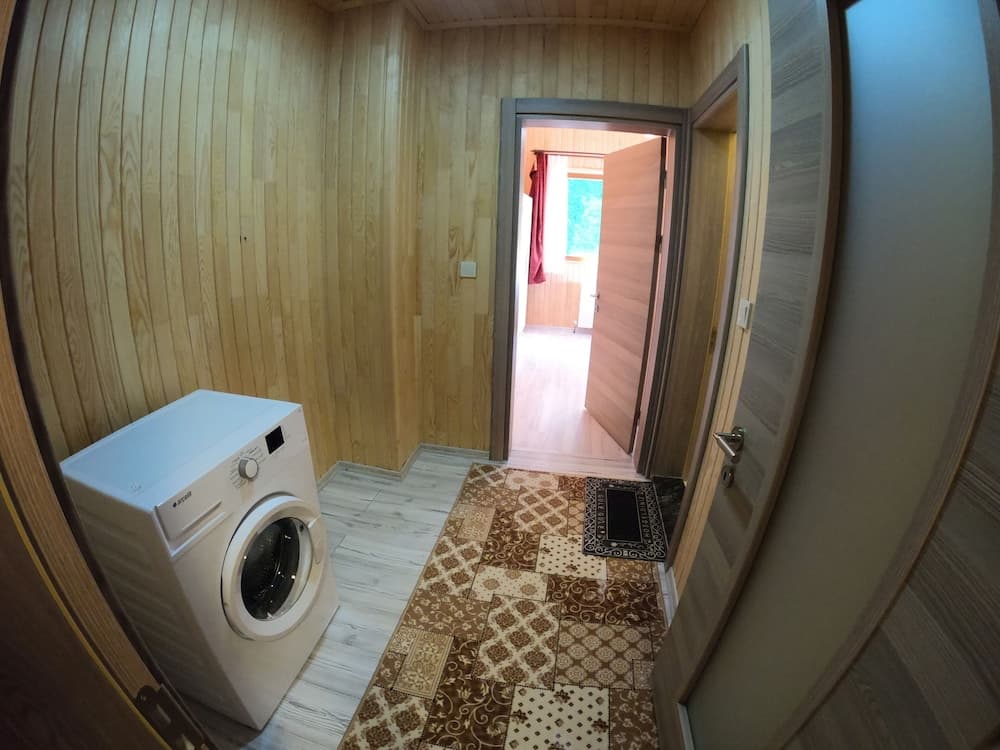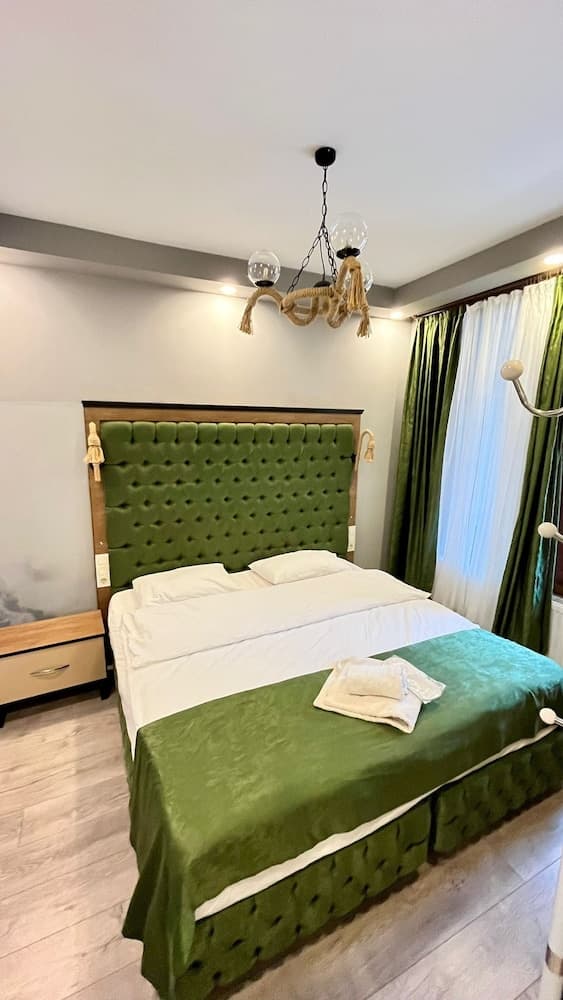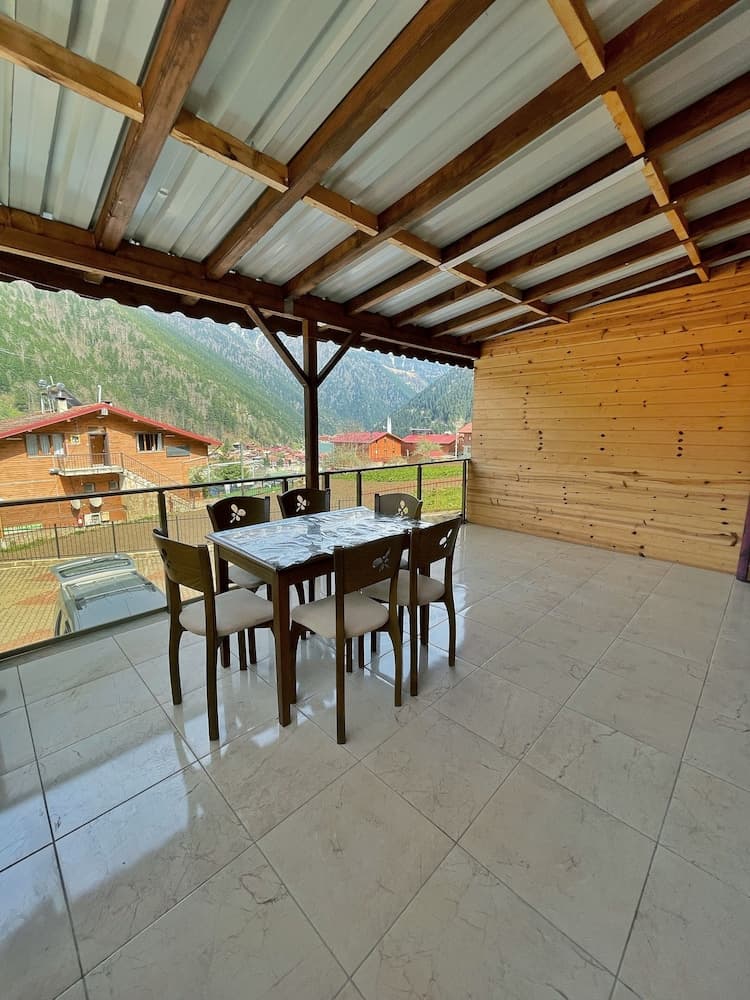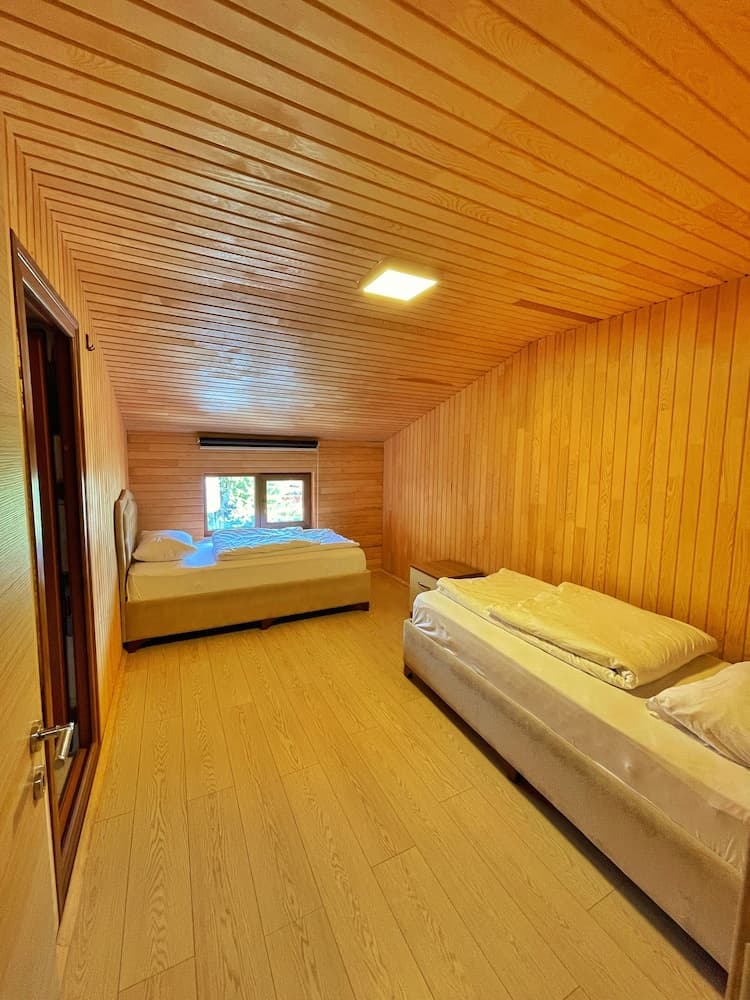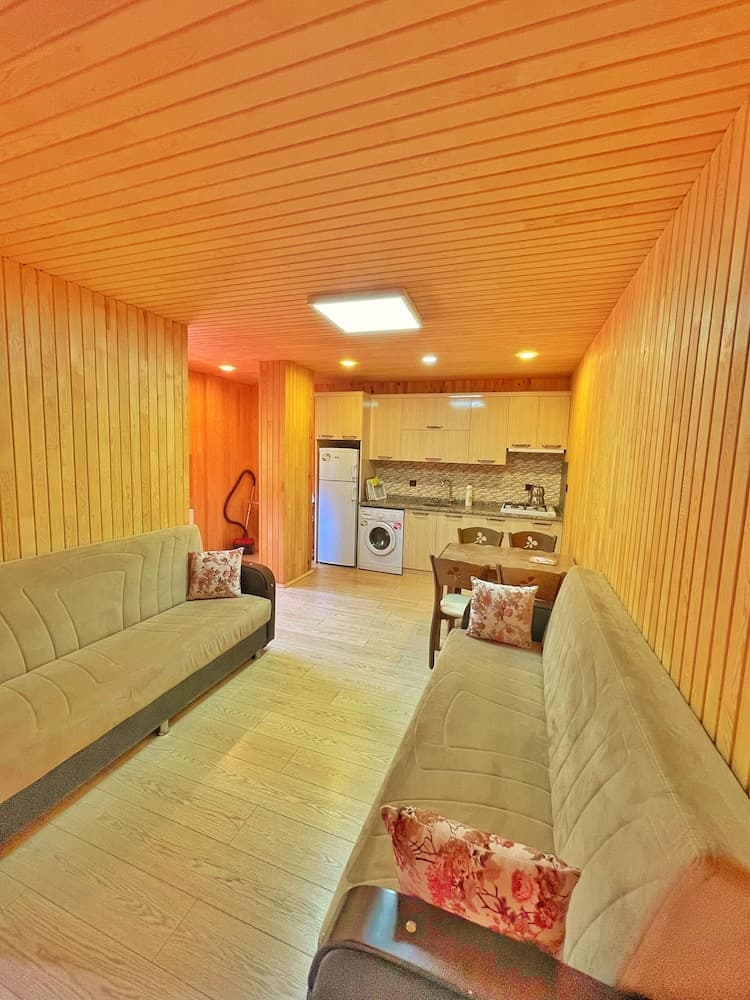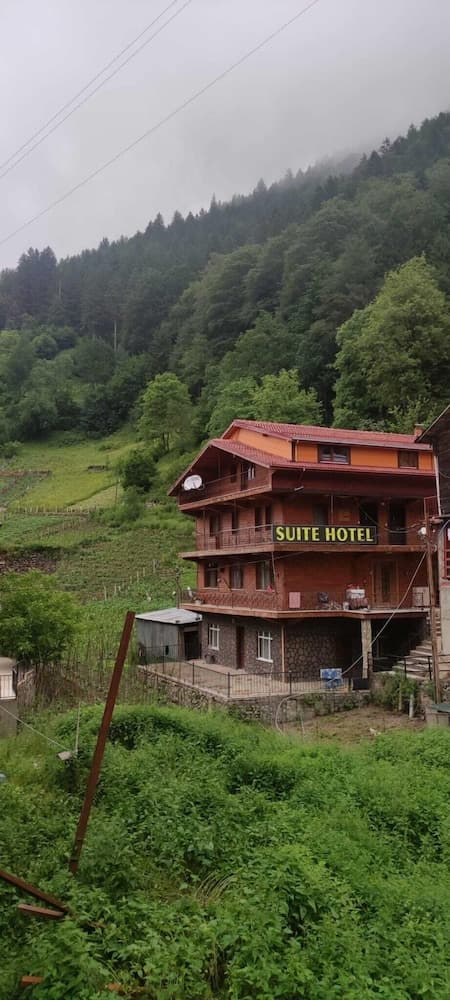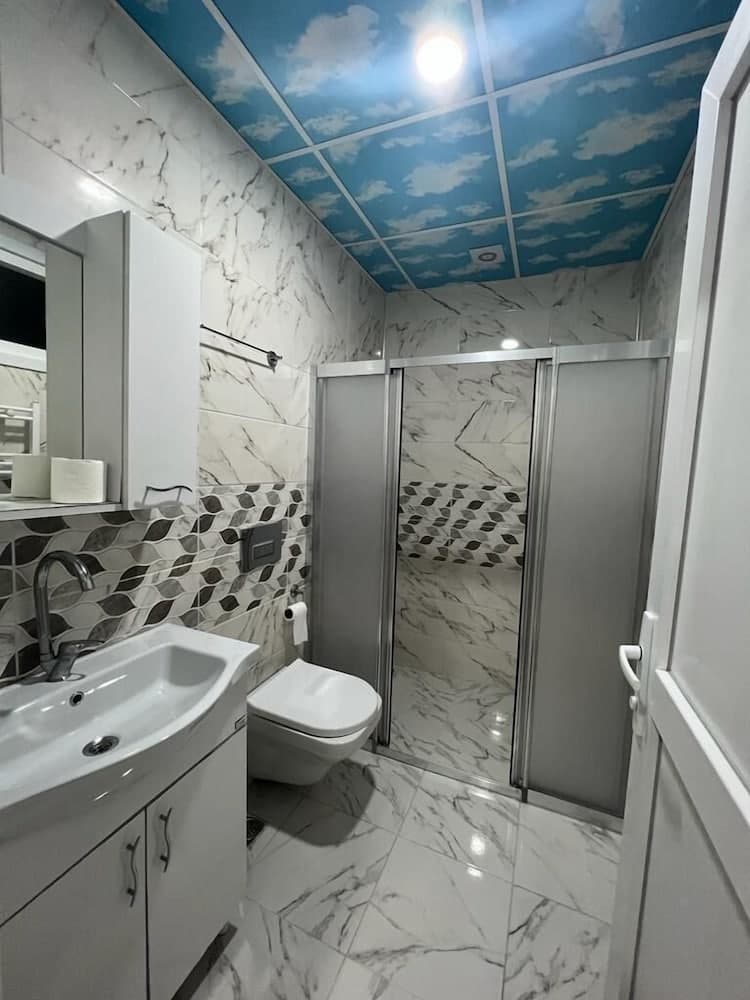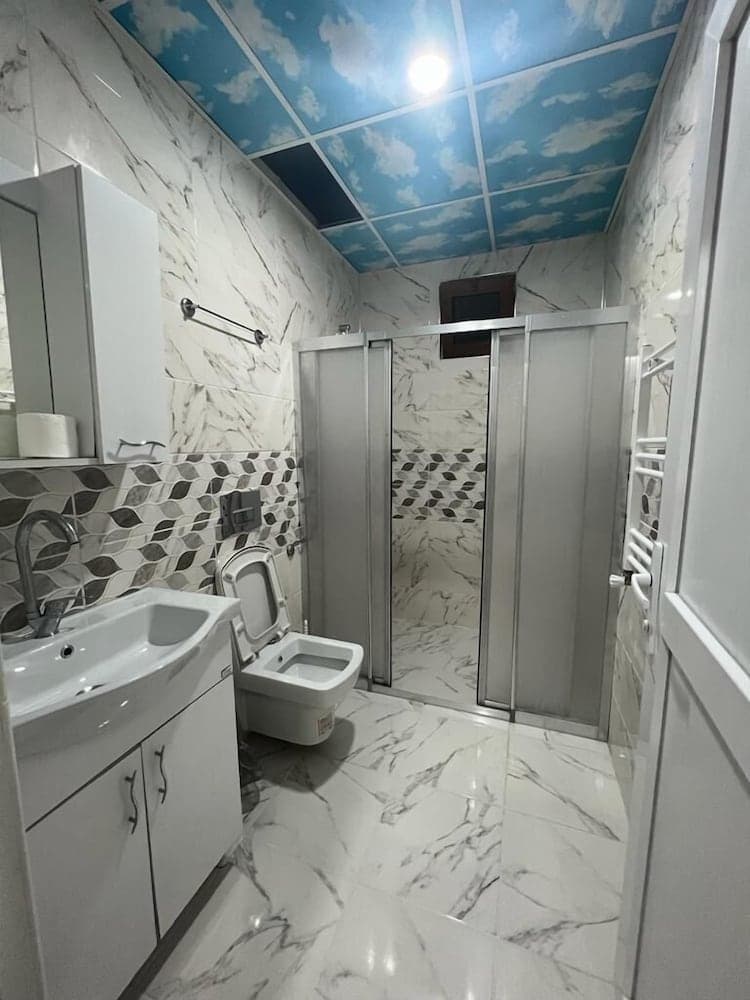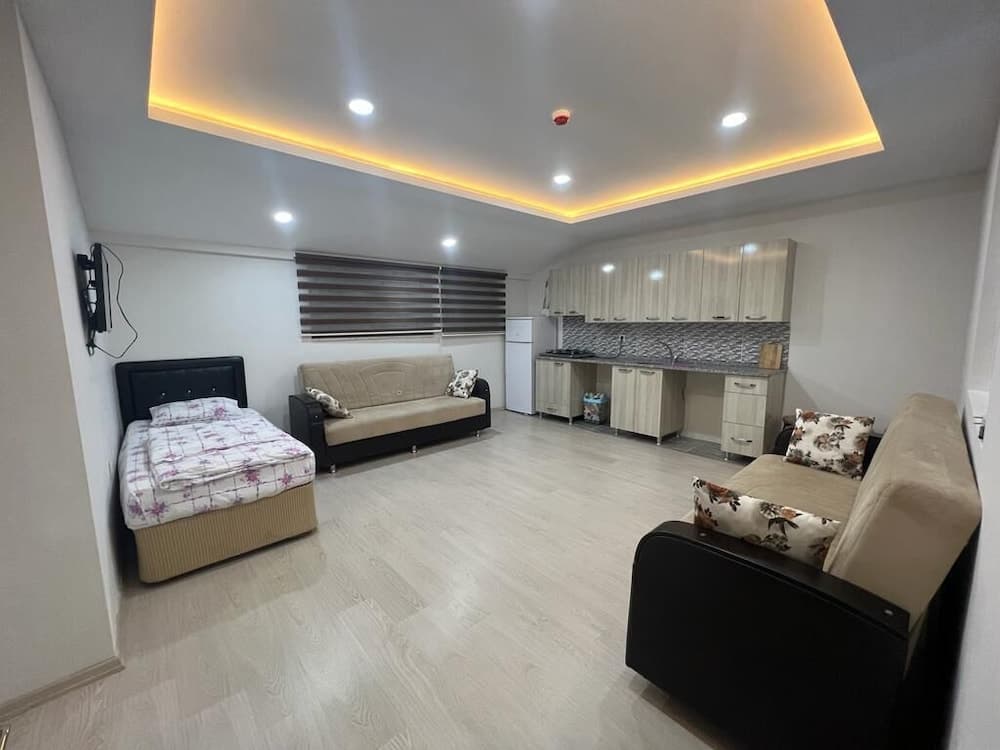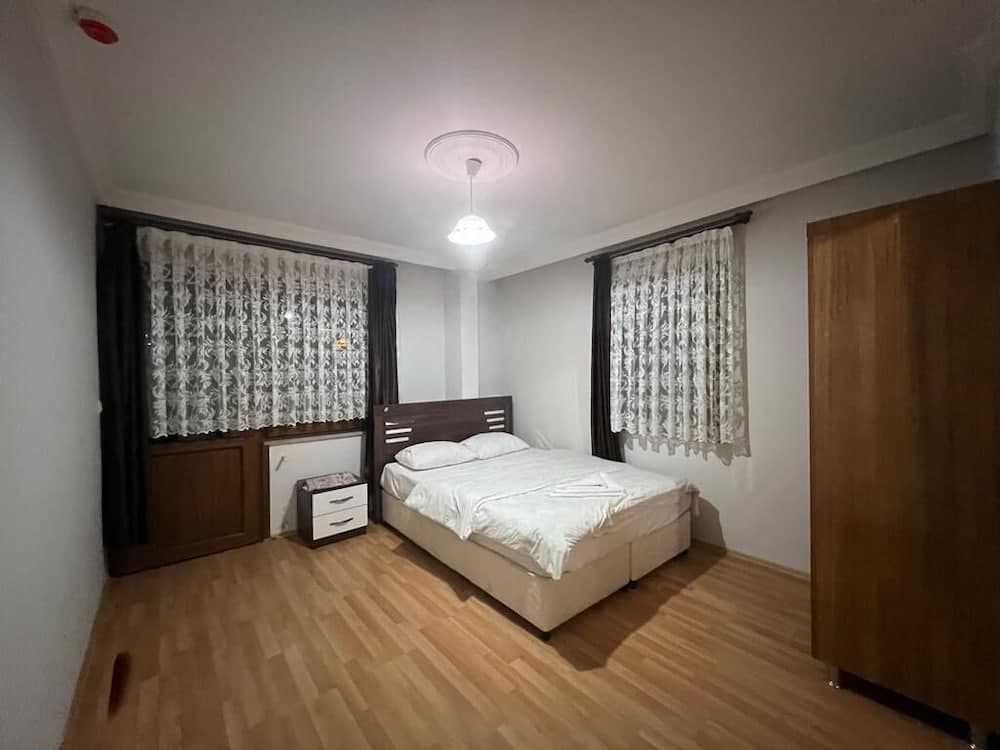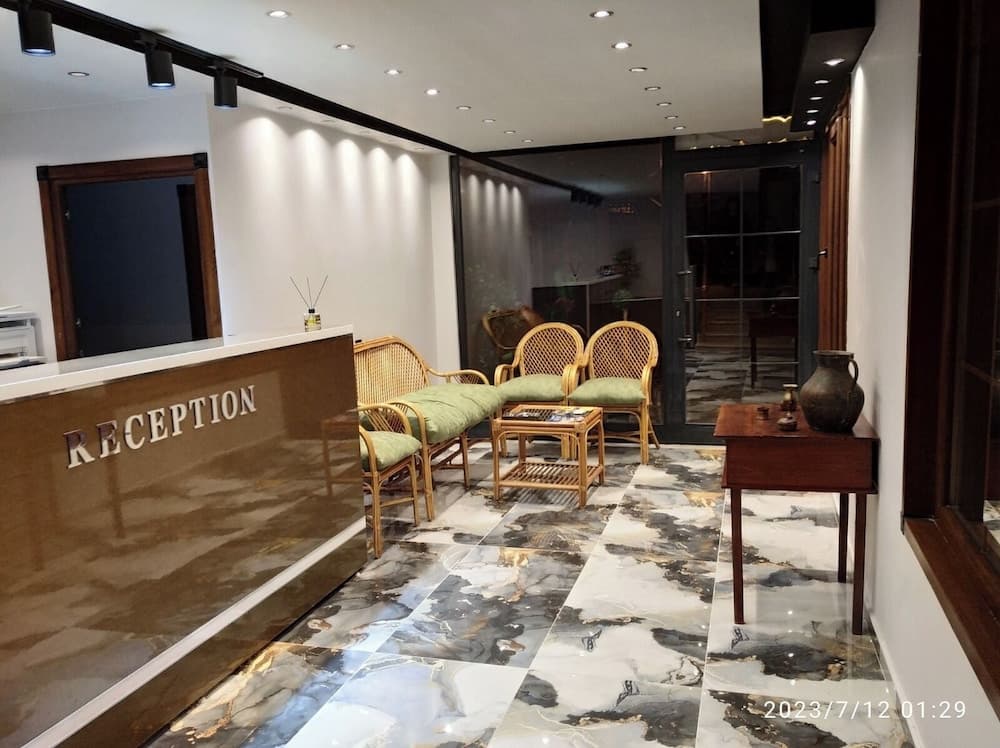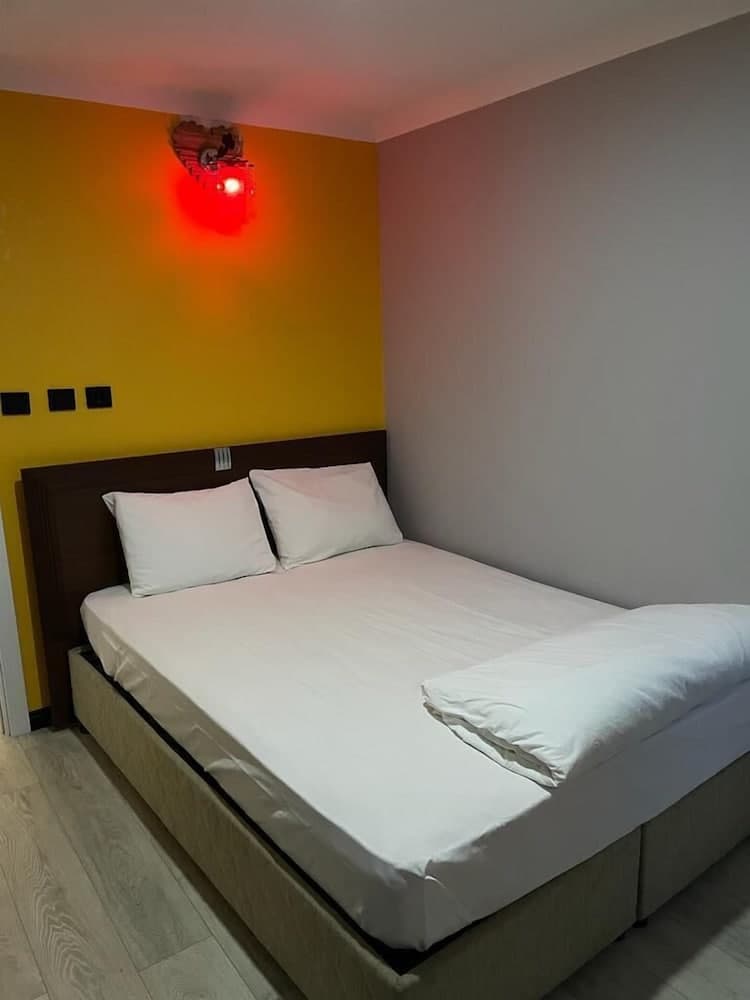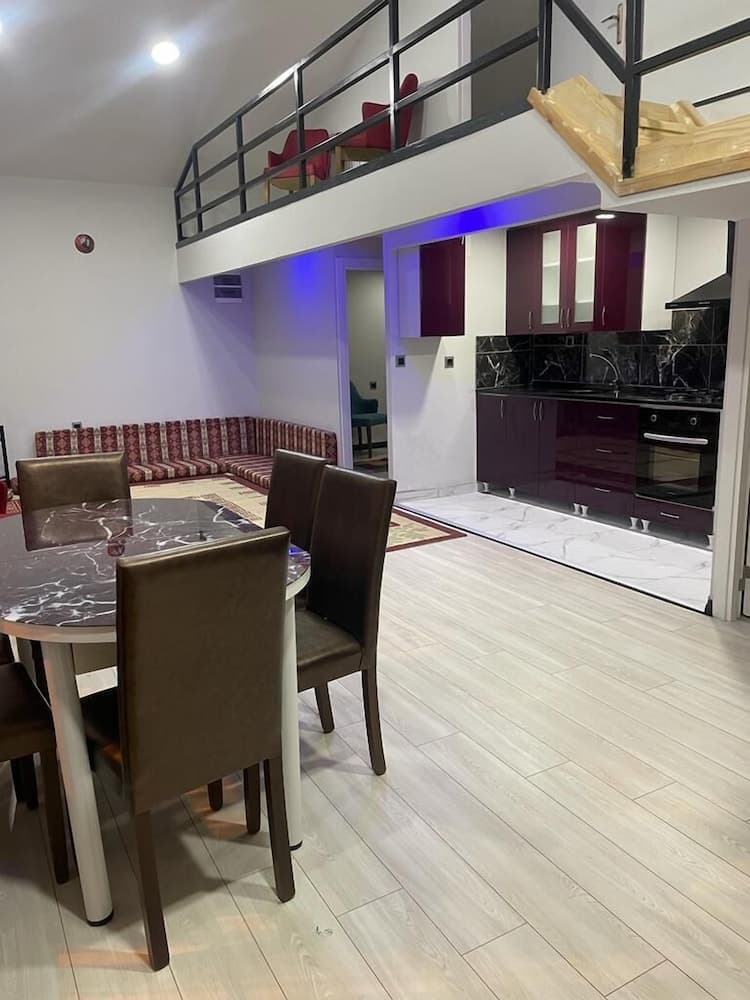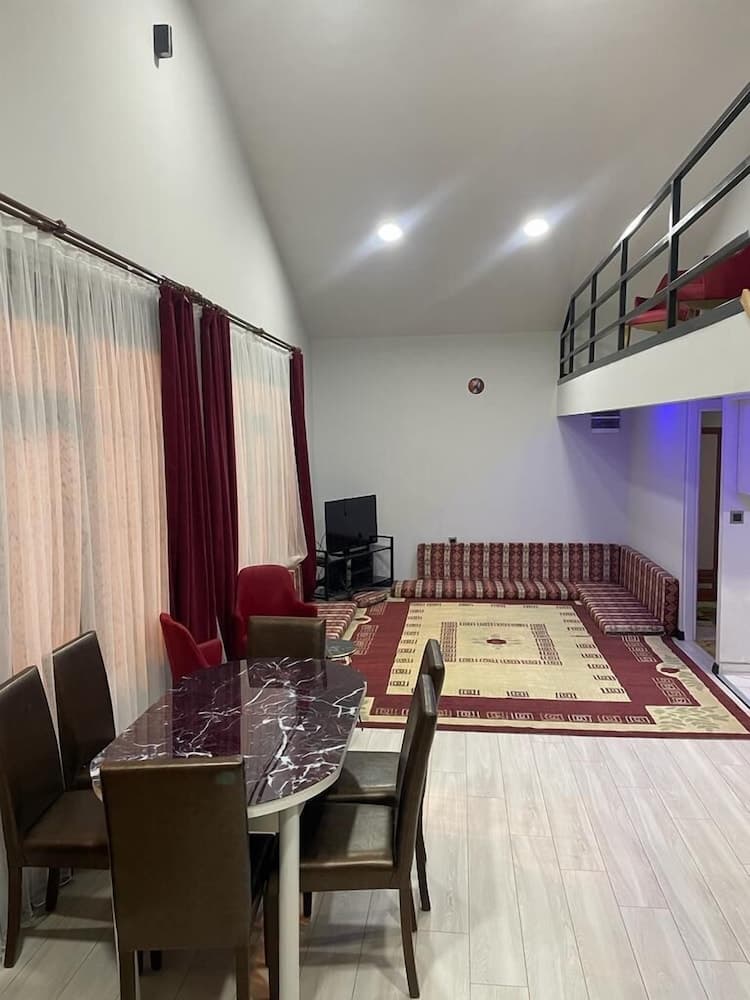
Han PANSİYON
7.8 out of 10 from 47 reviewsÇaykara
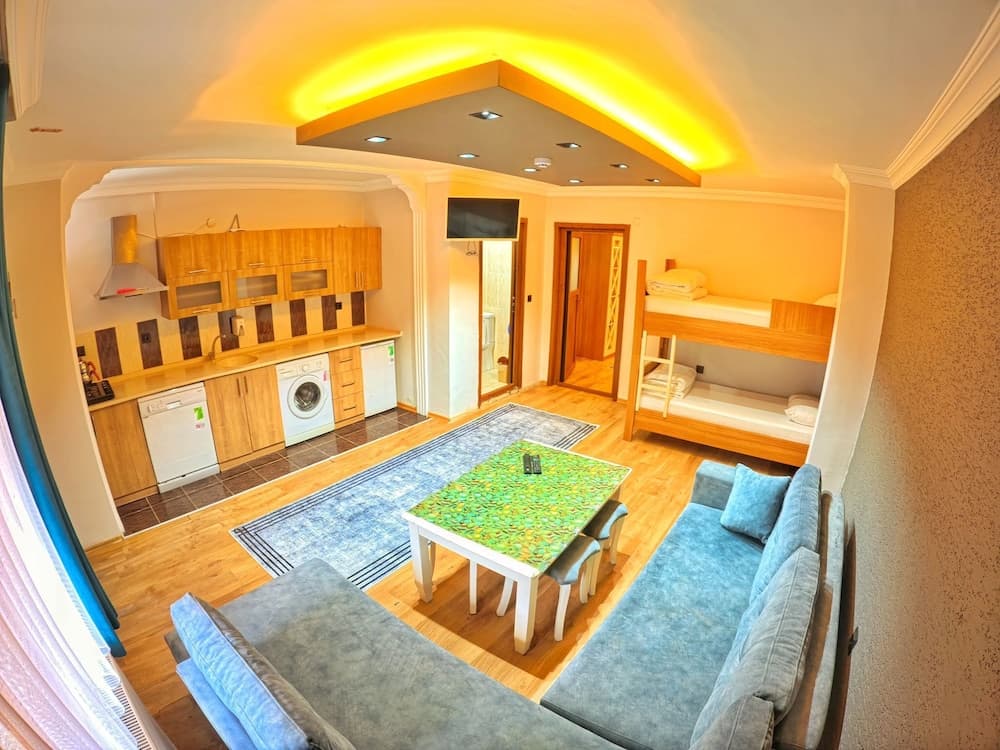
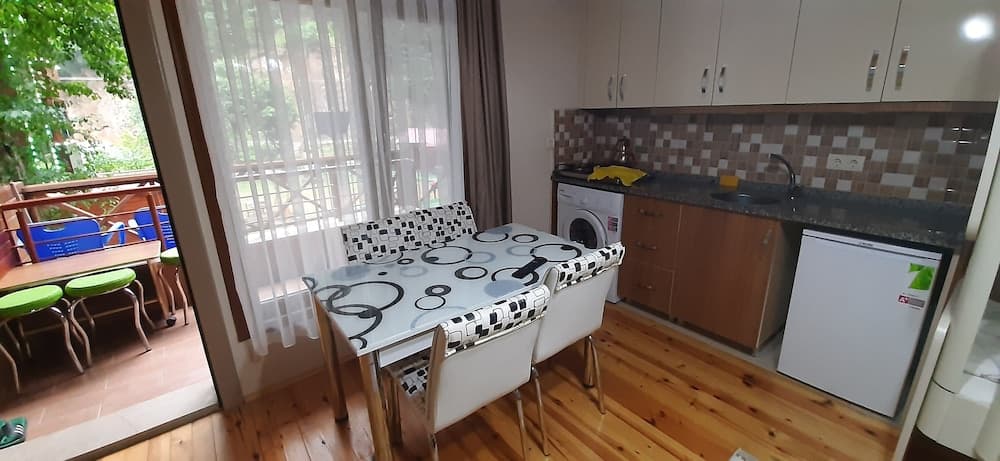
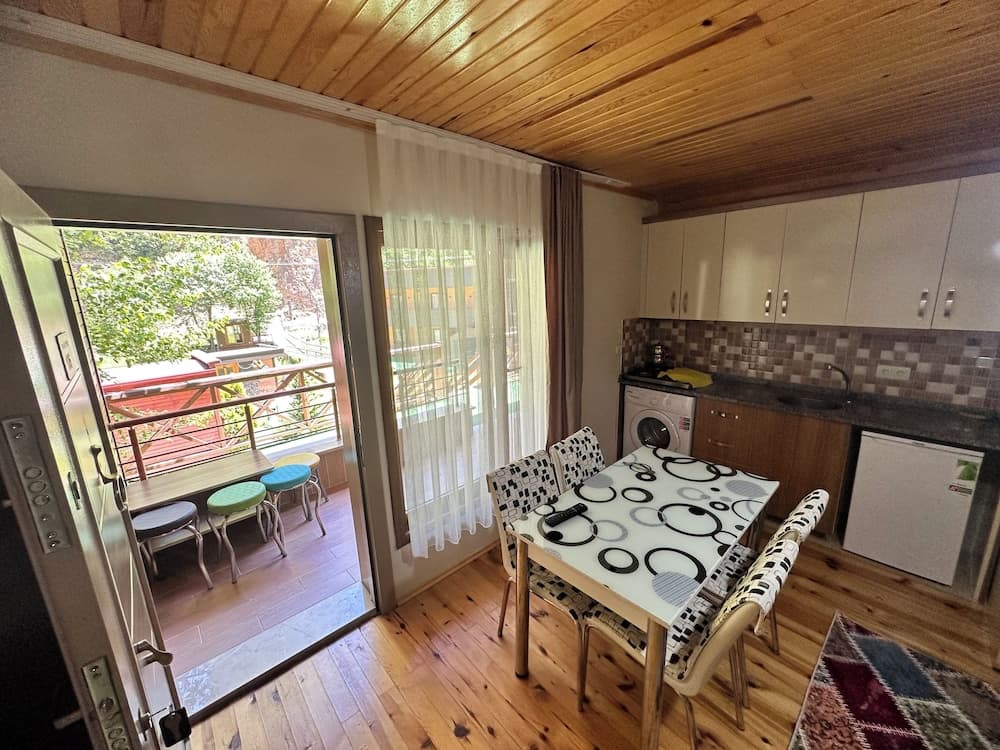
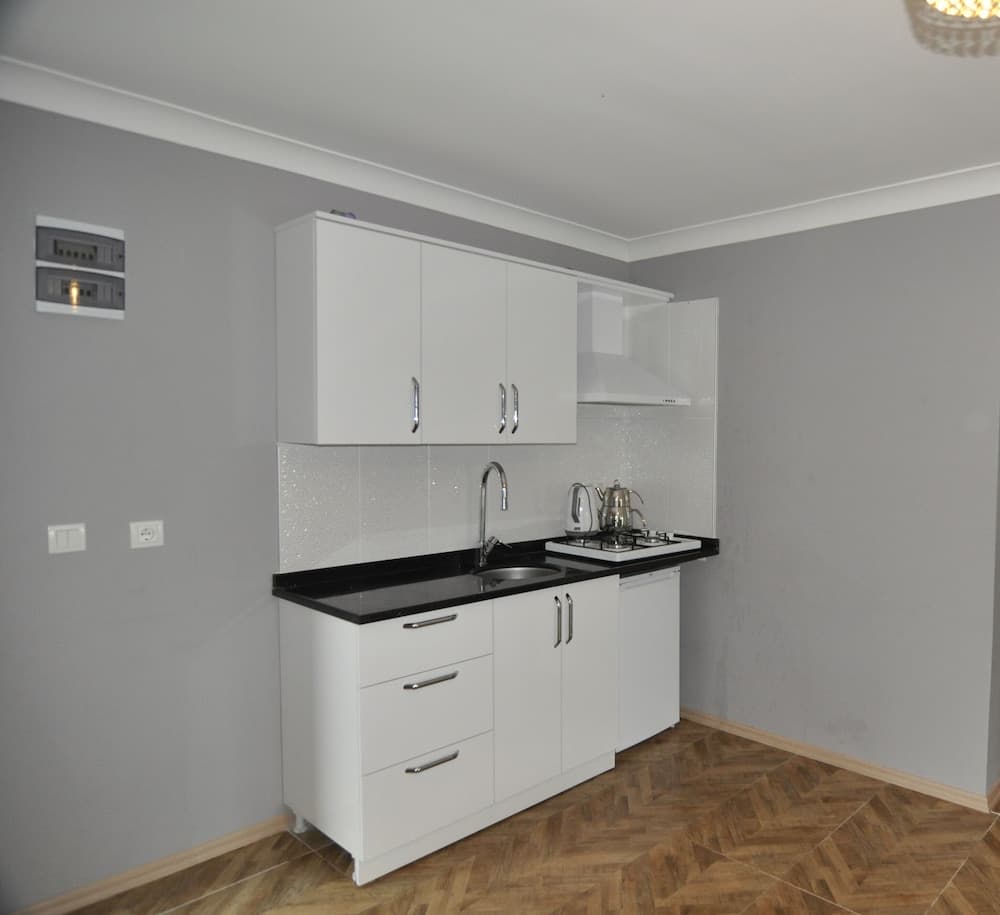
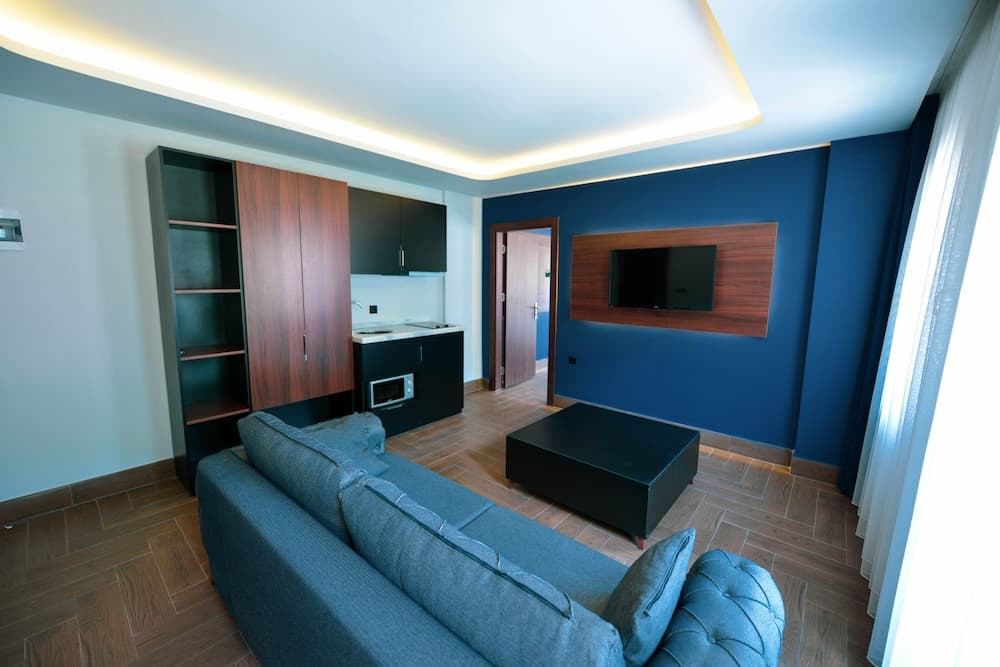
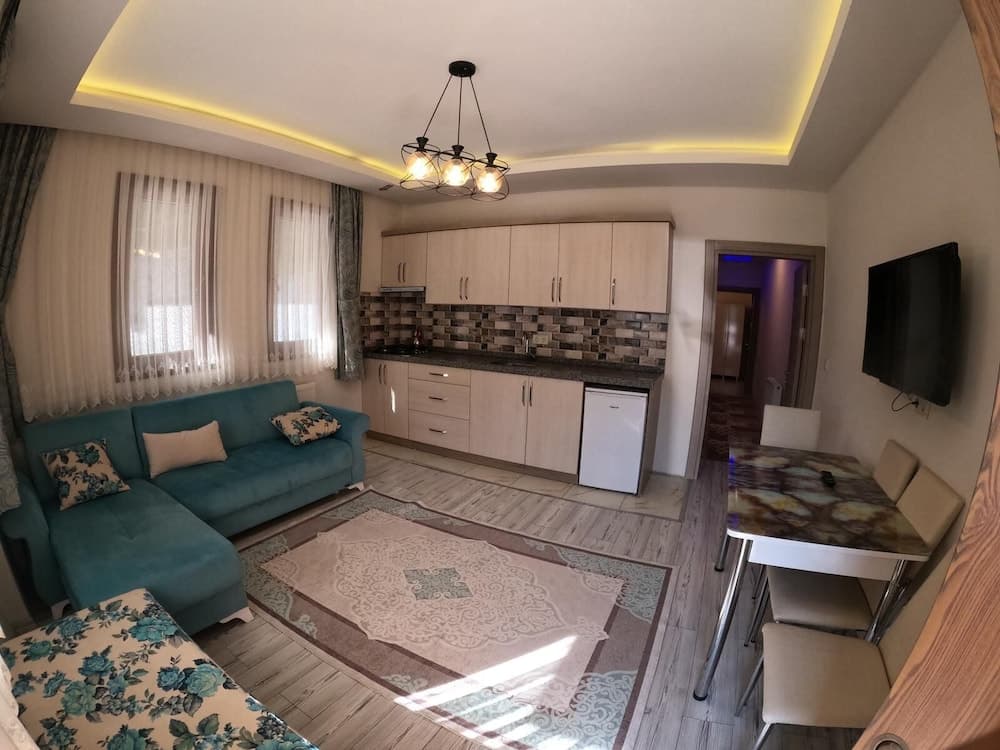
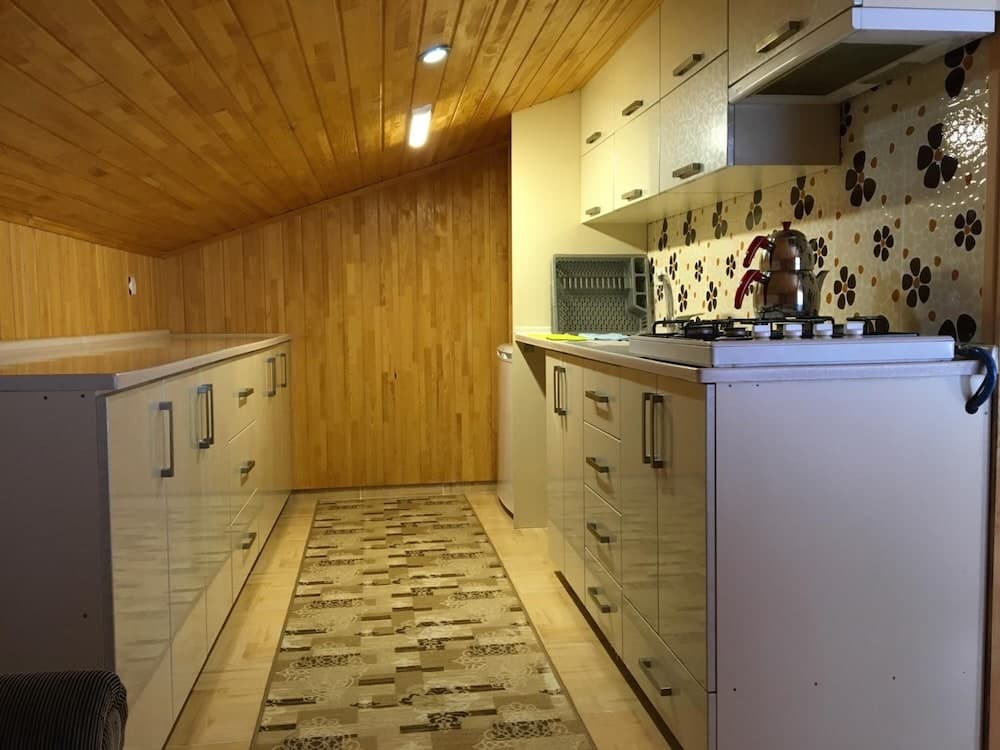
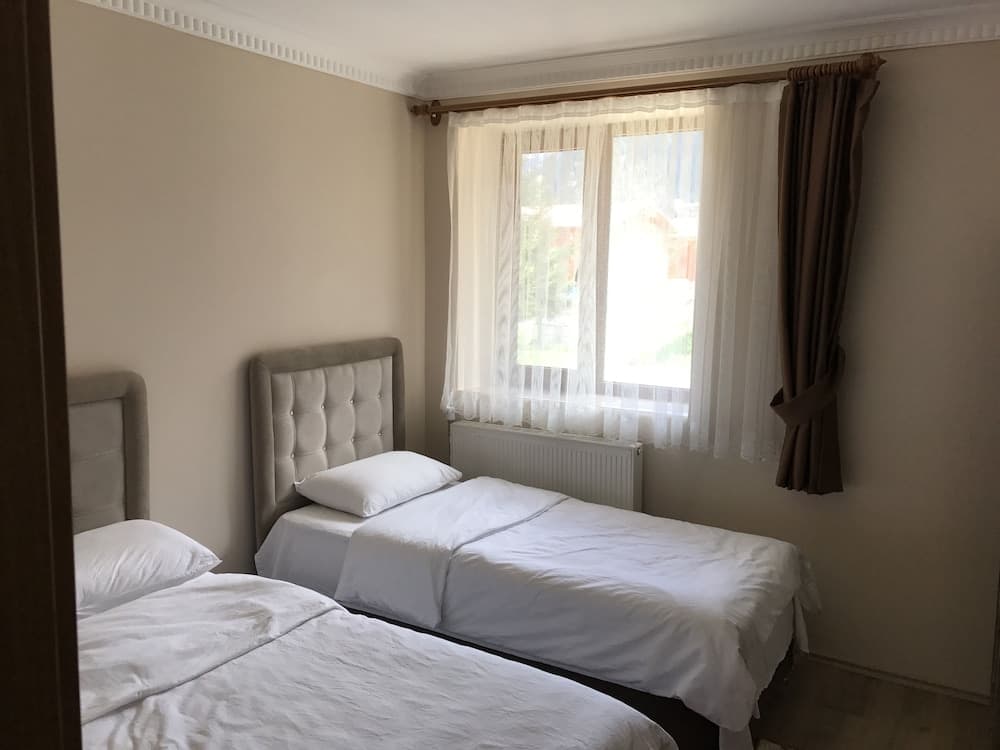
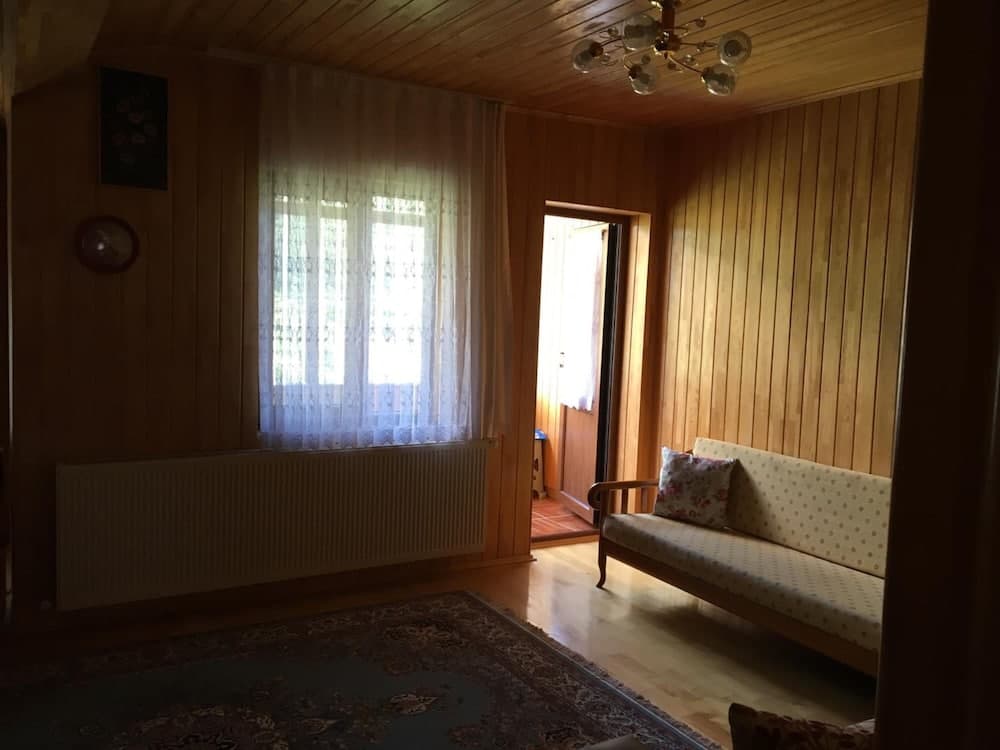
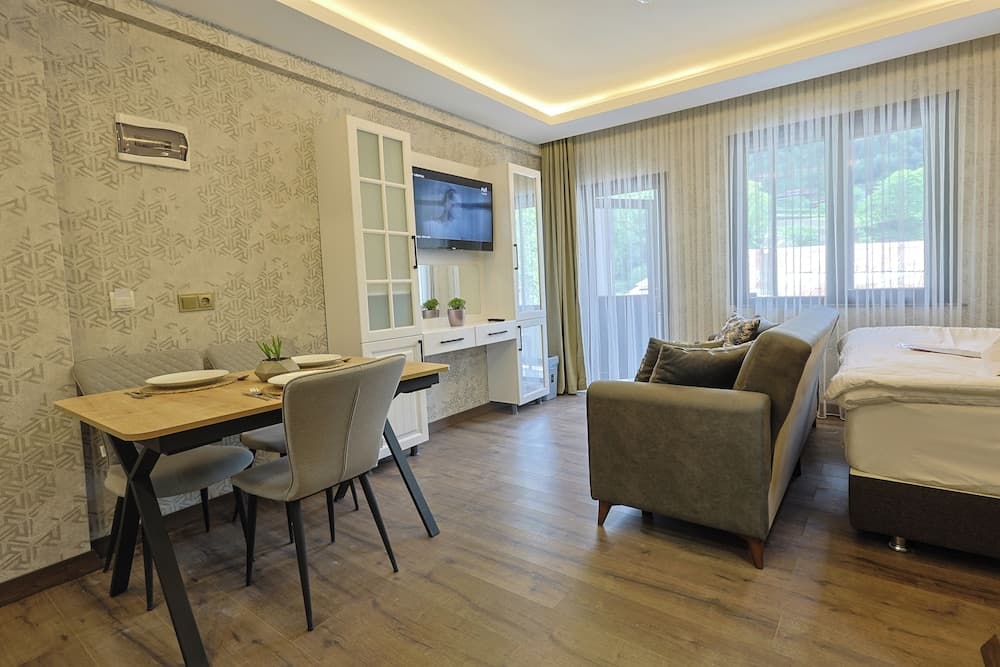
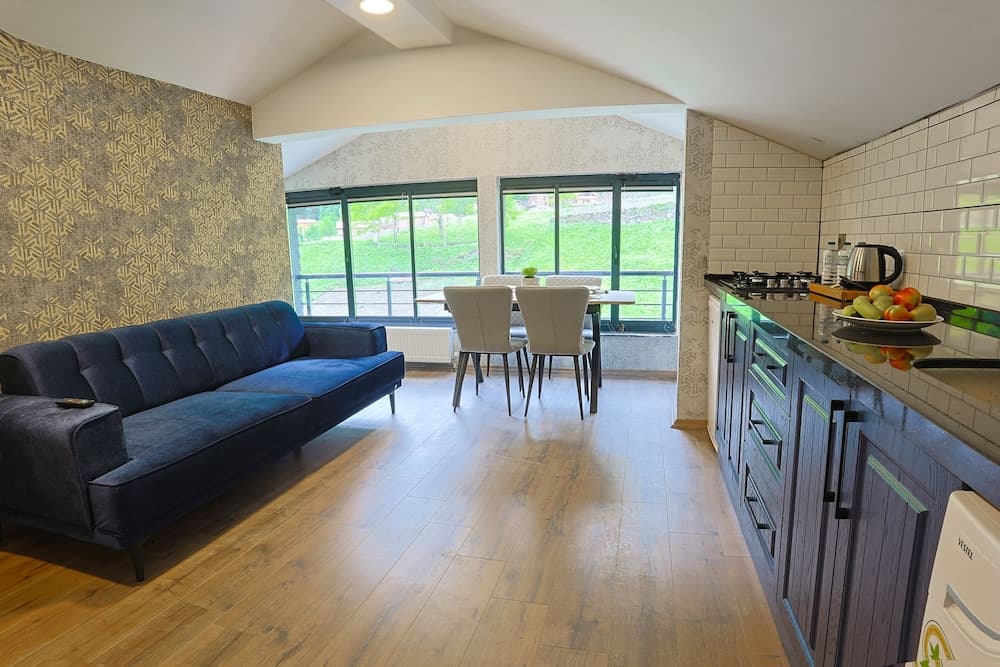
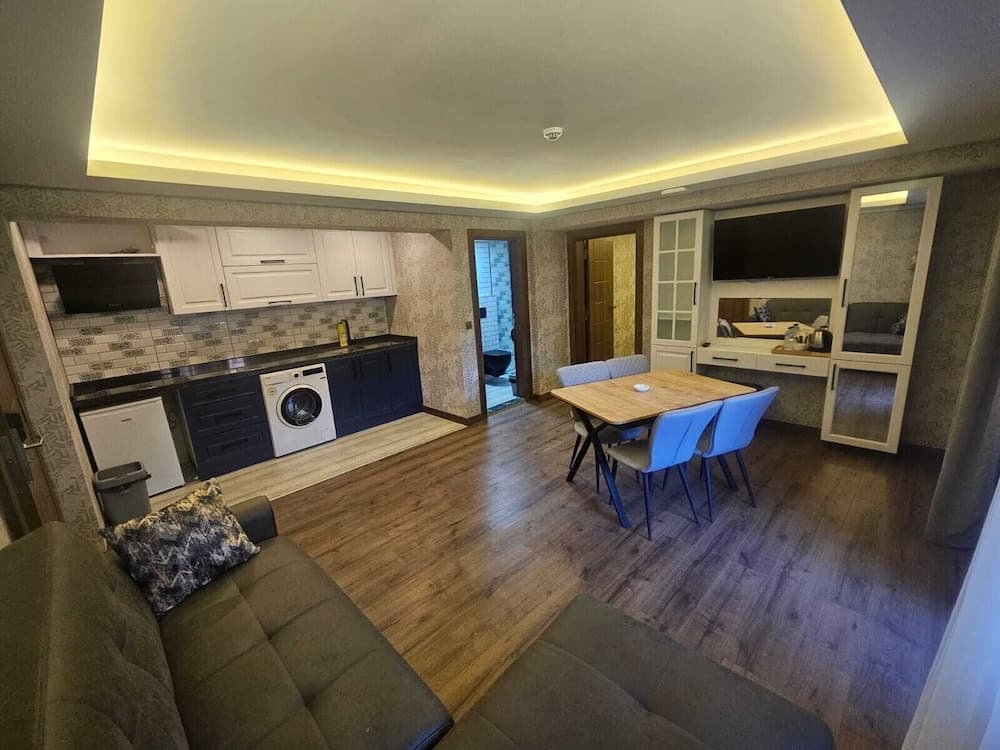
Full kitchen · 20–75 m² · Sleeps 5
Add dates for prices
29 stays · 29 aparthotels and 0 serviced apartments
Çaykara is a mountain district in Trabzon Province, best known for Uzungöl lake, and aparthotels and serviced apartments in Çaykara suit the way people use it: families and groups who want a kitchen and living space for a few days of walking and lake views, and visitors who use it as a quiet base for the Pontic Mountains rather than the Black Sea coast. Self-catering also helps in a valley where restaurants cluster around the lake.
29 stays
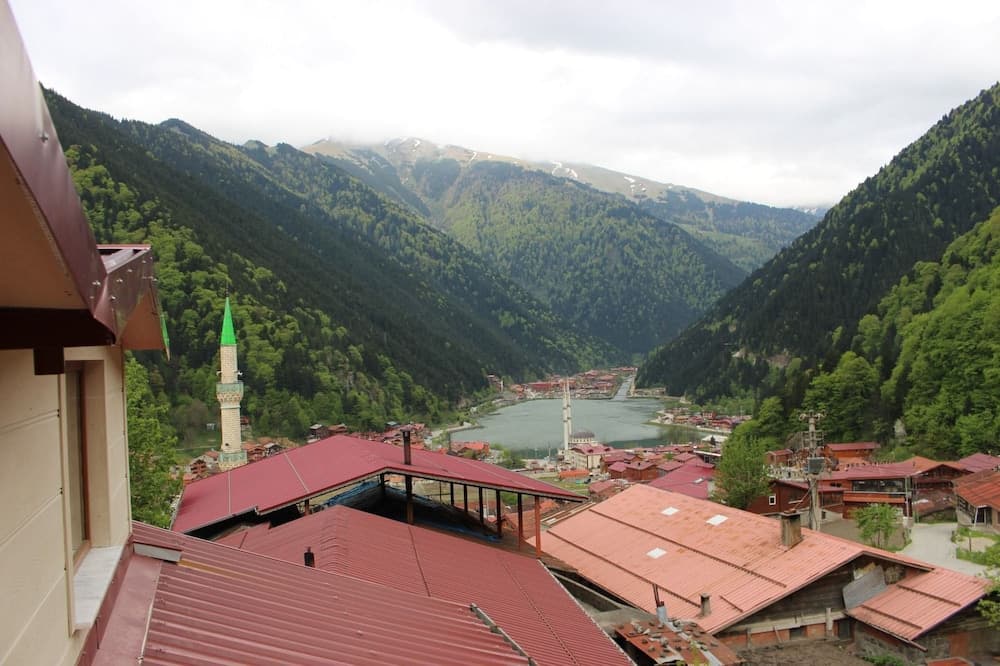
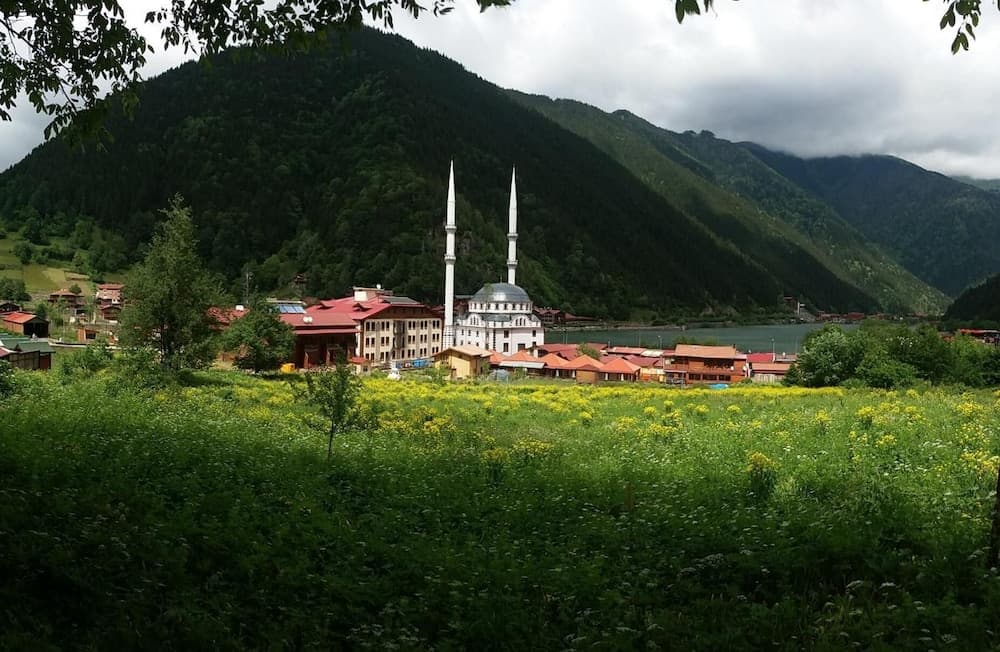
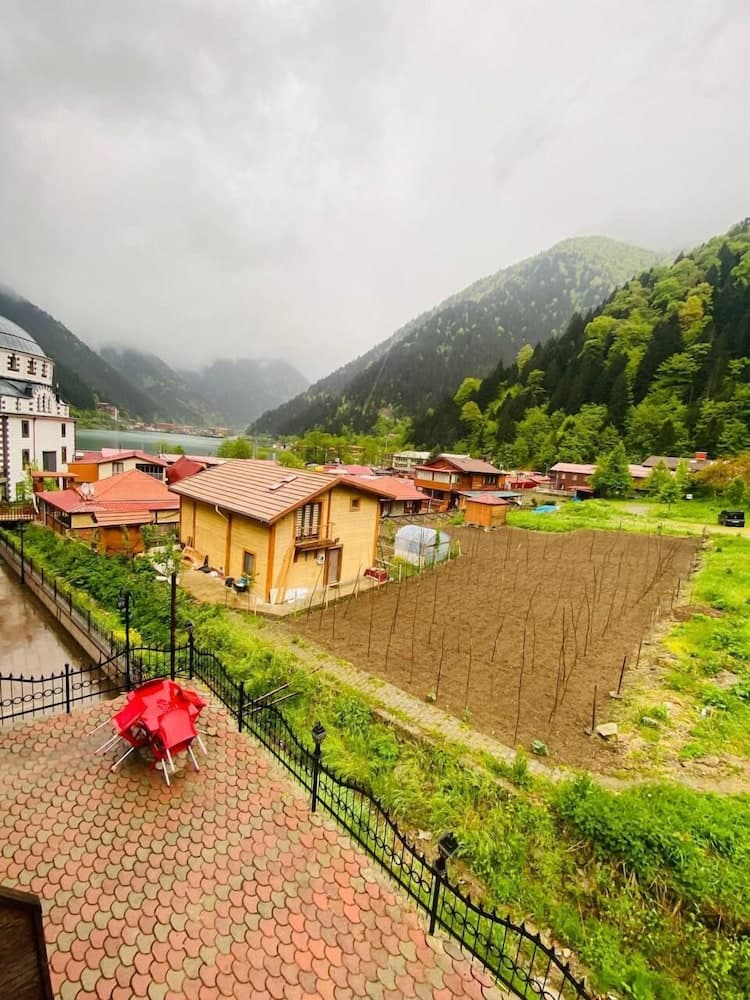
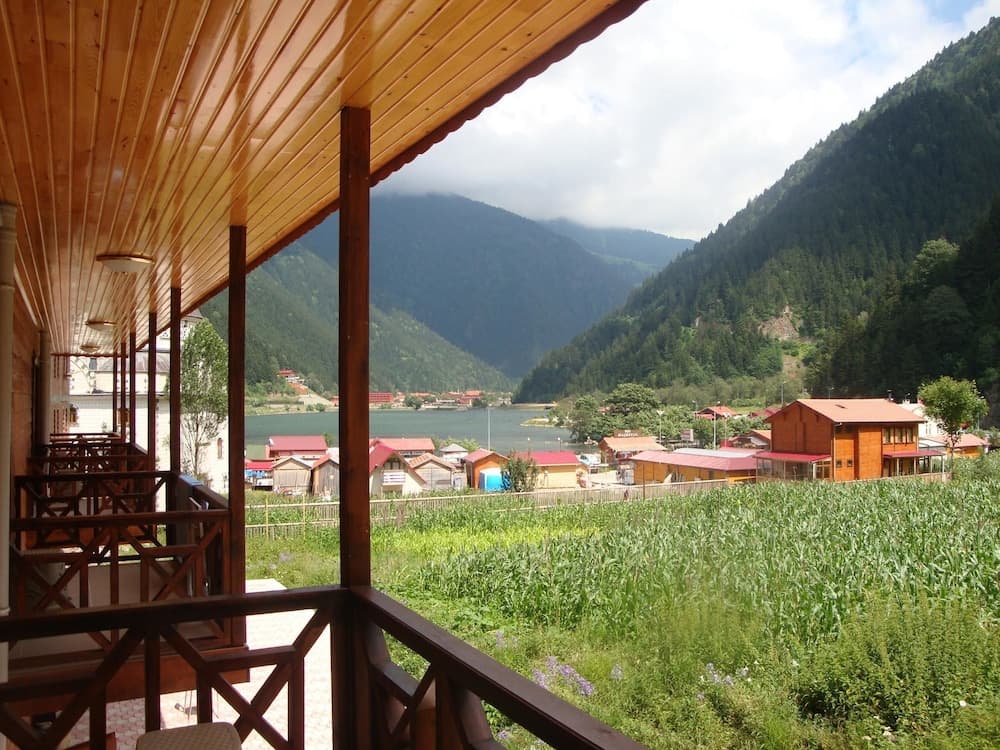
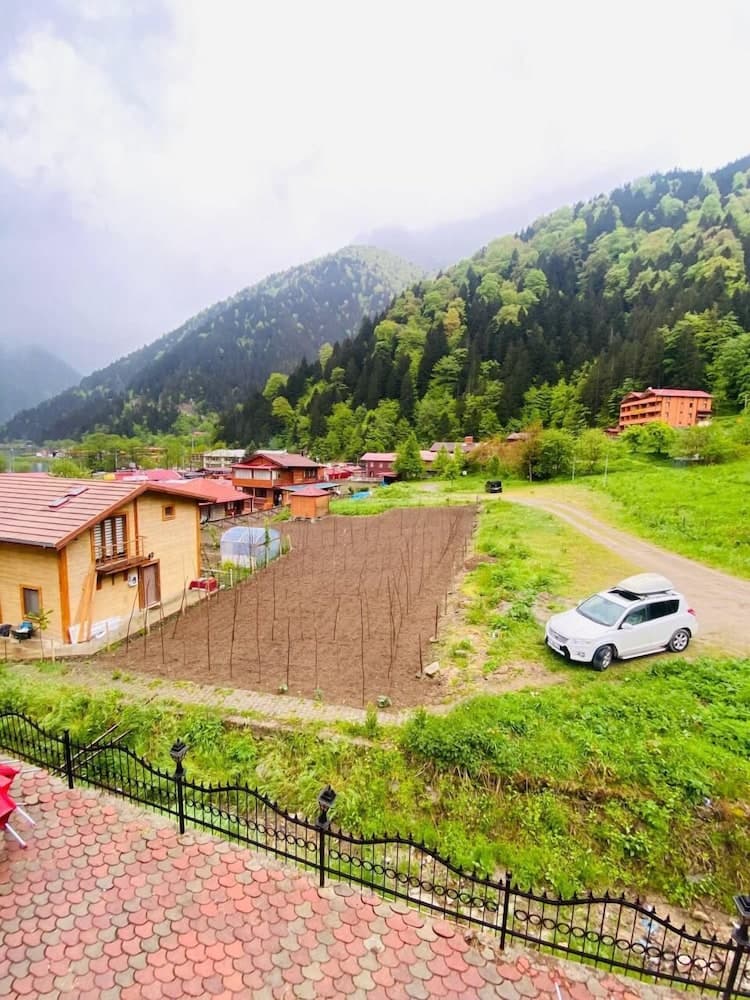
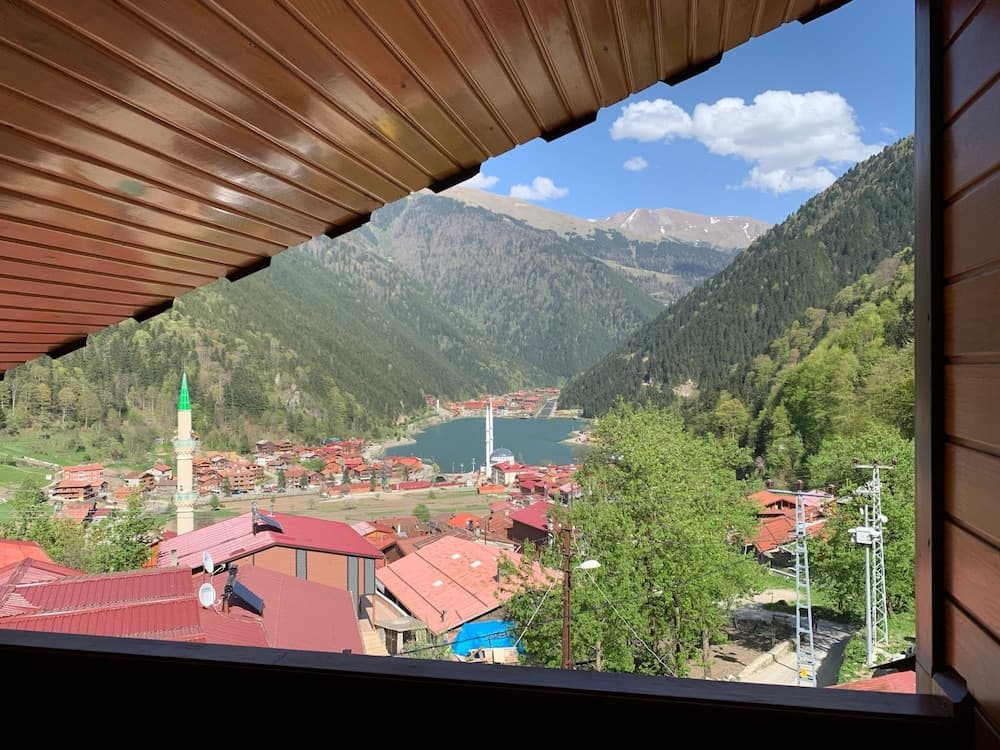
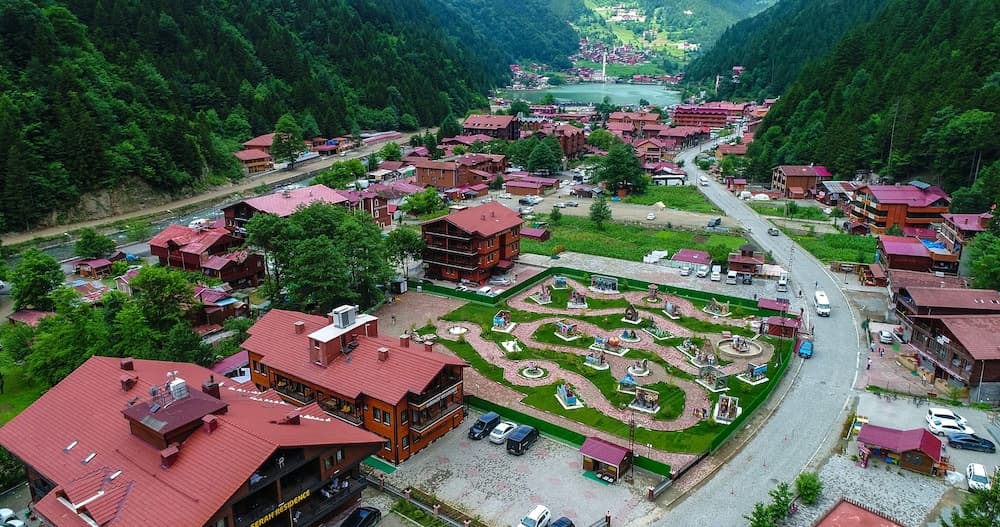
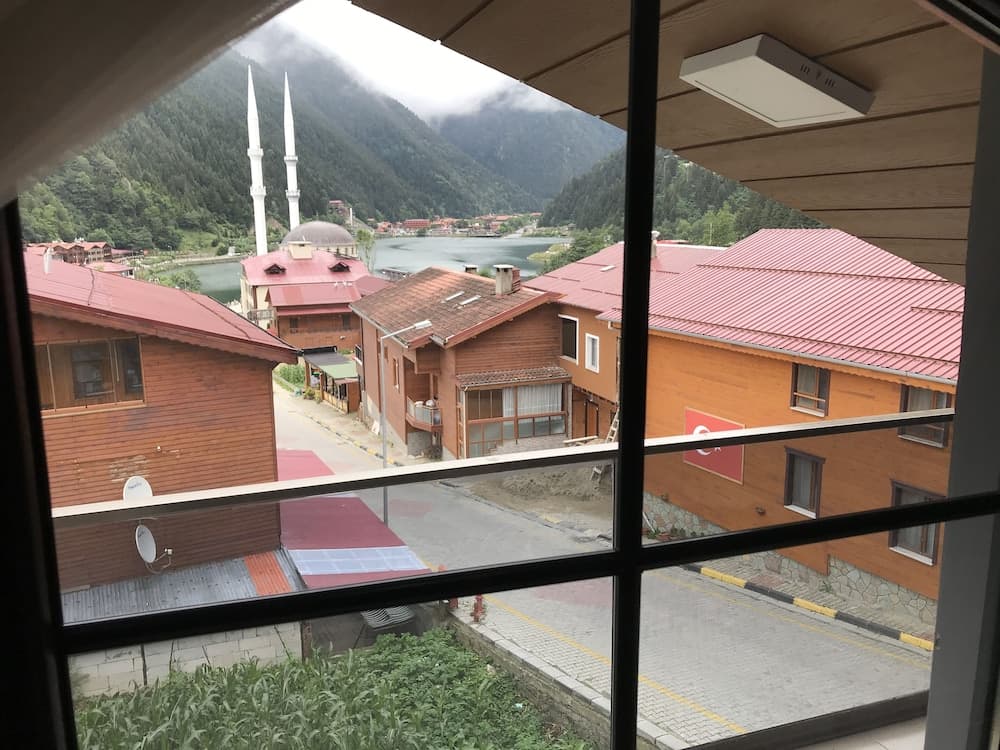
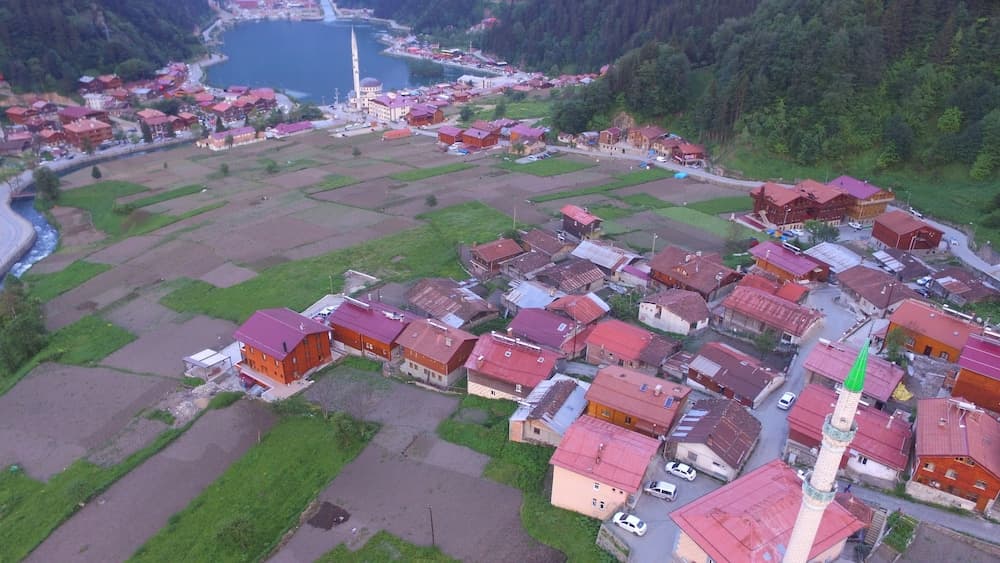
Uzungöl is both a lake and the village on its shore, 19 km from Çaykara's district centre and 95 km from Trabzon city centre according to Wikipedia. Wikivoyage gives the village an elevation of 1,090 metres and says it is touristy in summer. The lake formed when a landslide blocked the valley, and it is part of Uzungöl Nature Park.
Stays in or near Uzungöl
Çaykara town lies in a V-shaped valley along the Solakli River at roughly 300 metres, according to Wikipedia, and is the district centre. Wikipedia says villagers head down to the local market at Çaykara town on Tuesdays, and Wikivoyage describes the D915 from the coast towards Çaykara as the way to reach Uzungöl.
Stays in or near Çaykara town
Sultan Murat is the most famous of the district's six yaylas, or summer pastures, according to Wikipedia, and lies about 25 km south-west of Çaykara town. Wikivoyage says the Sultan Murat Festival takes place there at the end of August. It is a summer destination rather than a year-round base.
Most visitors fly into Trabzon Airport, which opened in 1957 and sits near the city, according to Wikipedia. Wikivoyage lists hourly connections from Istanbul and at least daily flights from Ankara, Izmir and Adana, and says a Havas shuttle bus runs downtown. Uzungöl is reached from the coast by the D915 towards Çaykara, and is 95 km from Trabzon city centre.
Wikivoyage notes that dolmuş minibuses ply out of Trabzon to the province's other towns, with the out-of-town dolmuş station on Çömlekçi Caddesi by the D010 coast highway. Check locally for the current service to Çaykara and Uzungöl, as timetables can change. Yaylas above Uzungöl, such as Karester and Lustra, are the closest bases for hiking, according to Wikivoyage.
Çaykara is a place for a slow week rather than a city stay. Wikipedia describes tourism as a major draw, with thousands of visitors to Uzungöl on summer days, and a small Dursun Ali İnan Museum east of the lake, opened in 2019, which Wikivoyage says shows local curios and artefacts.
A kitchen is useful for stocking up in Trabzon or Çaykara town before heading up to the lake. Wikivoyage points out that the Black Sea climate suits maize rather than wheat, so cornbread is common alongside Vakfıkebir bread. Wikivoyage also warns that remote mountain areas bring harsh weather and strain risks far from help, so allow extra time for plans in the upper valley.
Wikivoyage describes the climate of the Trabzon region as one where mountains draw clouds and rain. Summers are warm and humid with frequent light showers, which it calls generally a good time to visit. Autumn is the wettest time of the year, winters are near freezing, and spring is dry and mild.
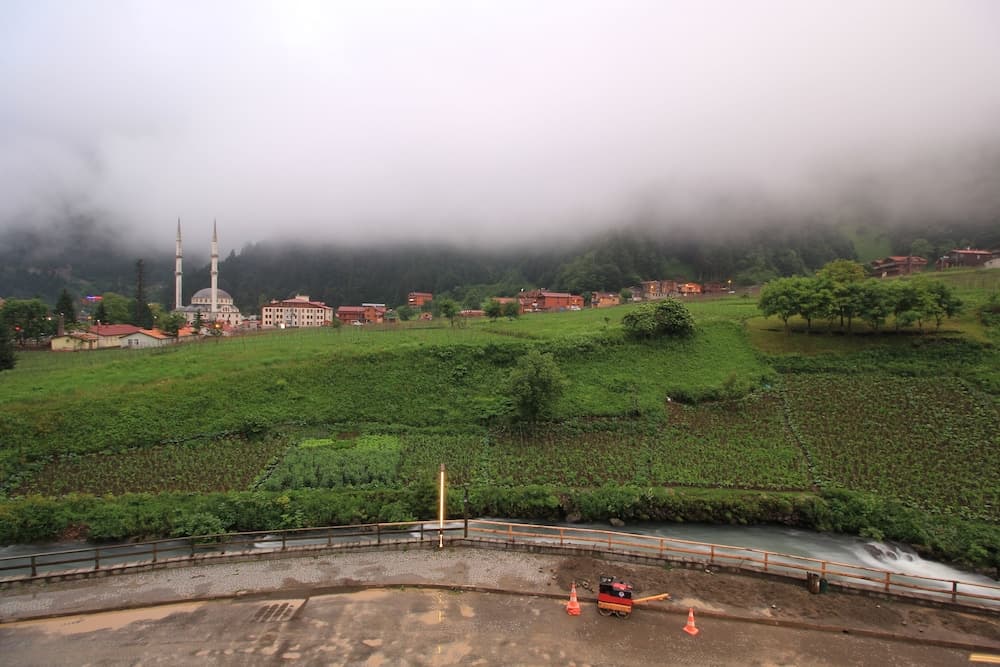
Çaykara's valley rises to high mountains, so conditions on the lake and plateaus can differ from the coast. Wikipedia notes fog occasionally enveloping Uzungöl at night. The end of August brings the Sultan Murat Festival, per Wikivoyage, and summer is when the lake draws its largest crowds.
Wikipedia describes the district as lying in the Pontic Mountains along the Solakli River, with peaks of more than 3,300 metres. Most visitors arrive via Trabzon, so see Trabzon for the city and airport side, Uzungöl for the lake itself, and the Turkey hub for the rest of the country.
Of the 29 properties here, 12 offer an in-apartment washing machine, 3 list a laptop-friendly workspace, 13 include some form of housekeeping and 20 have a 24-hour front desk. If you are staying more than a few nights, compare the facts box on each property page first.
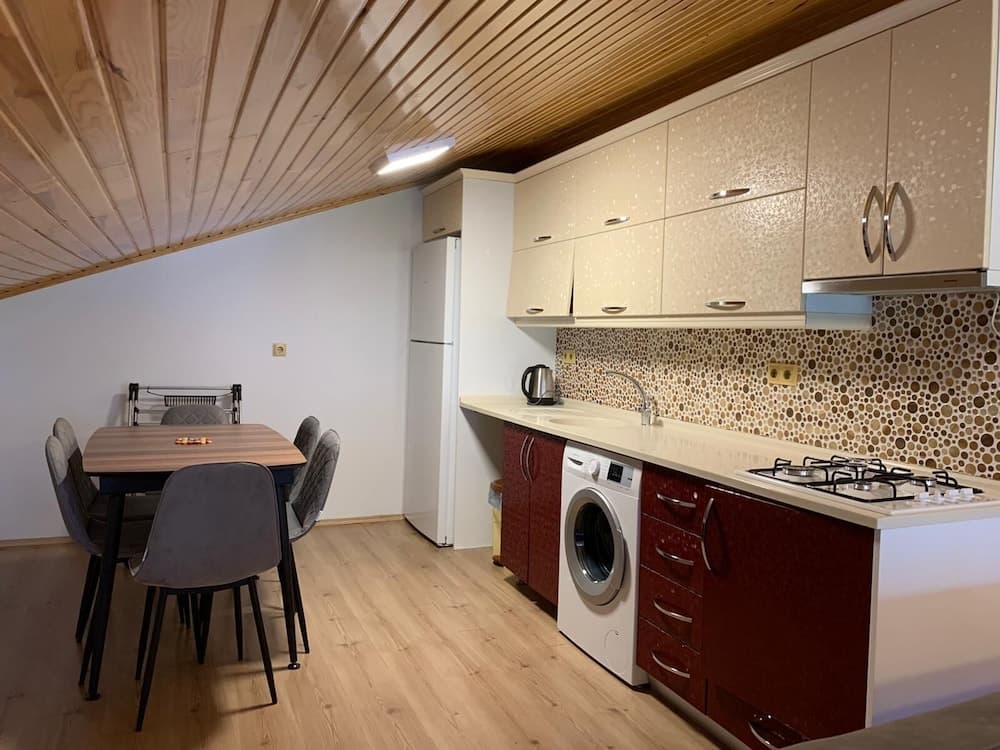
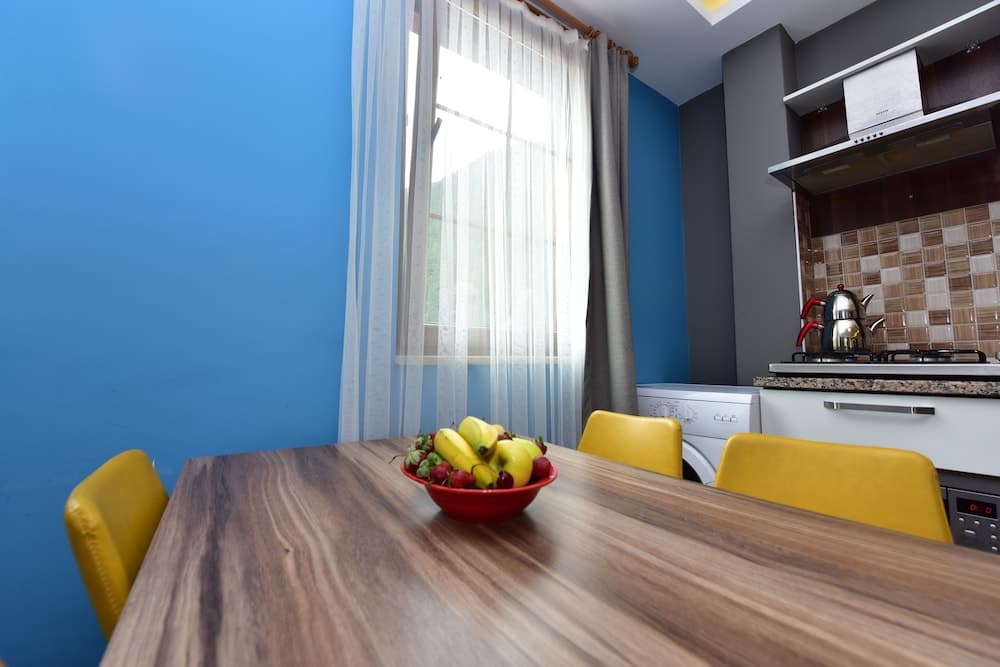
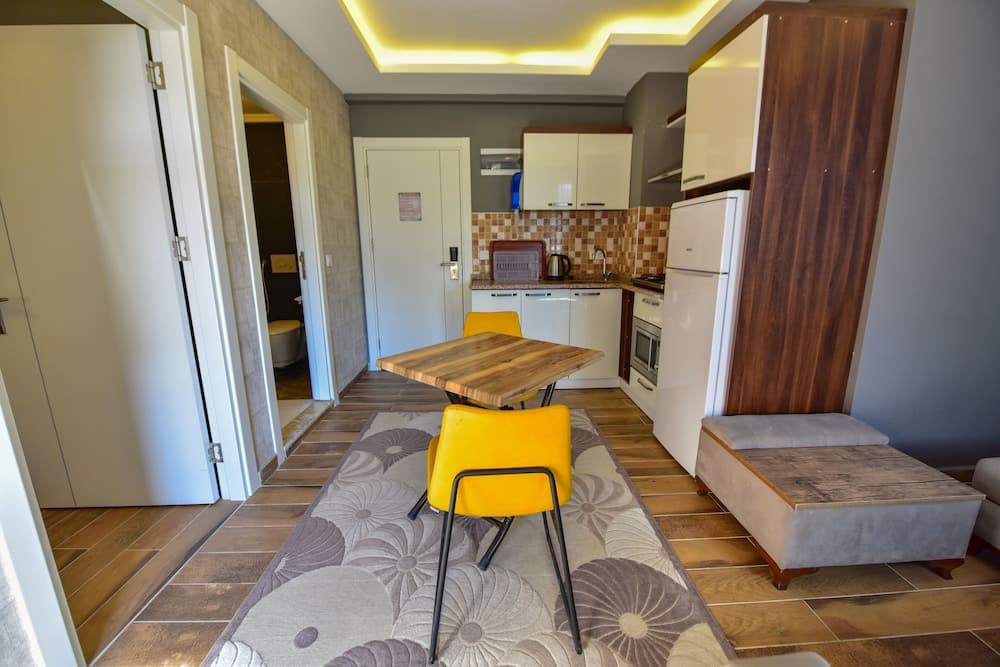
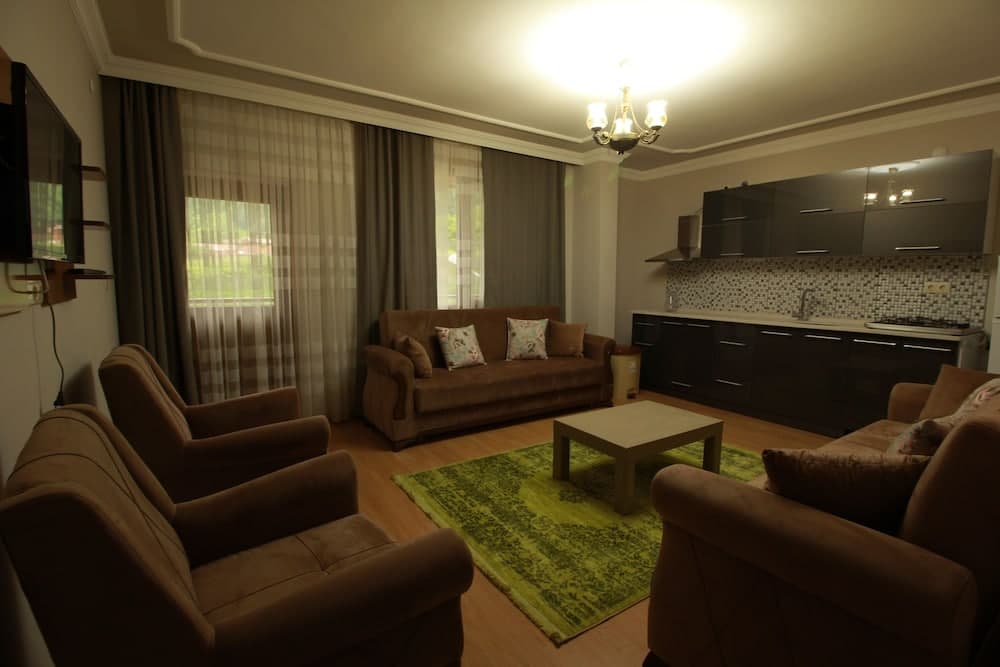
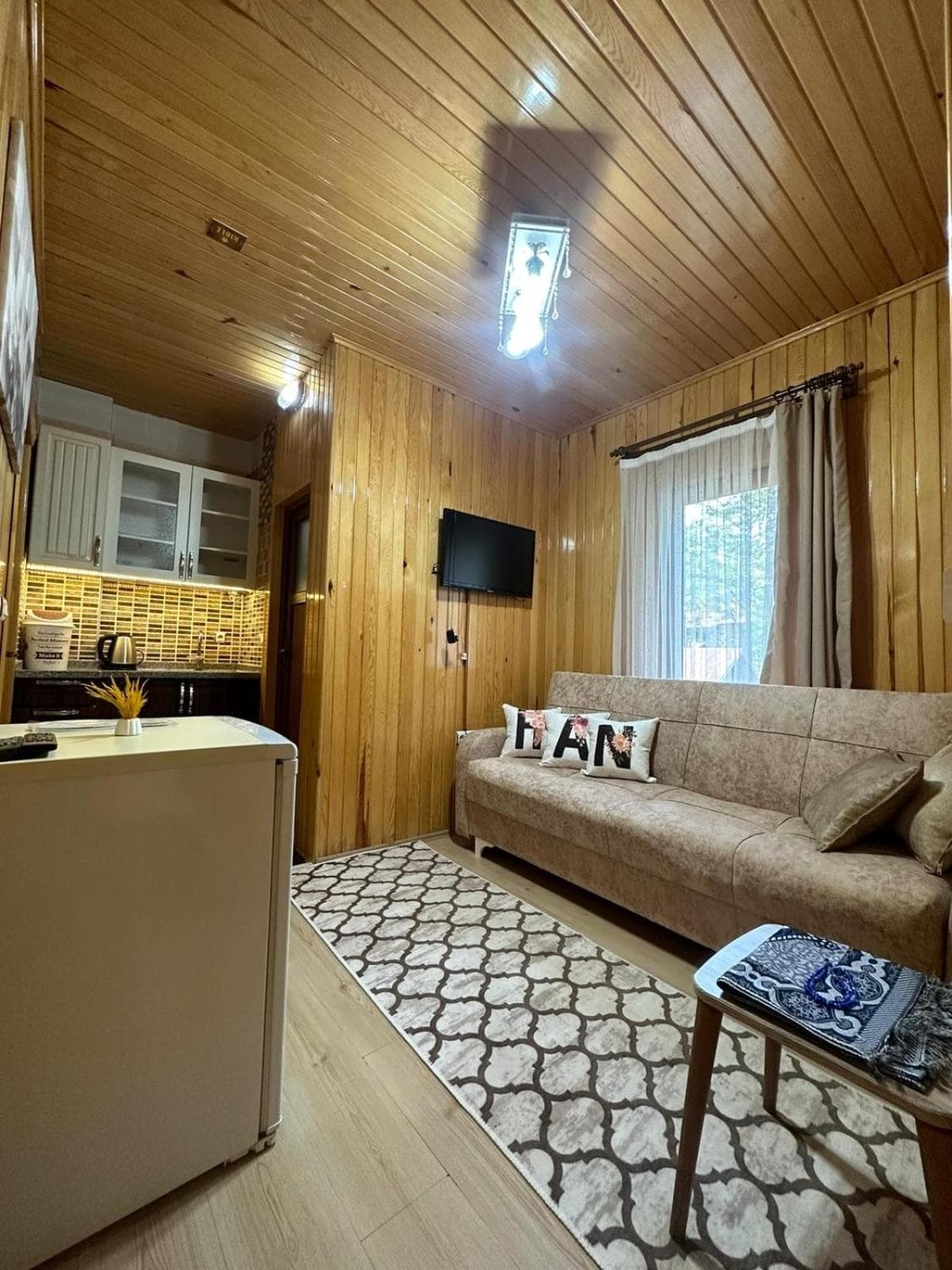
17 properties list a full kitchen and 12 only a kitchenette, so check the room type if you plan to cook more than simple meals.
Where room sizes are published, the median apartment here is 60 m².
Moving for work? Our guide to serviced apartments for relocation explains what to look for.
Comparing destinations? See aparthotels in Istanbul, Antalya, Alanya, Trabzon, Fethiye, Marmaris, Kas and Bodrum.
Wikipedia gives the distance as 95 km from Trabzon city centre and 19 km from Çaykara's district centre. Wikivoyage says to take the D915 from the coast towards Çaykara.
Uzungöl is the scenic base and the most visited place, Çaykara town is quieter and more local, and the Sultan Murat Plateau is a summer-only option for hikers.
Trabzon Airport is the nearest main airport. Wikivoyage lists a Havas shuttle bus to the city and dolmuş services to the province's other towns, so plan to continue from Trabzon.
Wikivoyage calls summer generally a good time to visit despite frequent light showers, and says spring is dry and mild. Autumn is the wettest season.
We currently list 29 aparthotel and serviced apartment properties in Çaykara.
29 of the 29 properties we list have a kitchen or kitchenette in at least one apartment type.
12 properties list an in-apartment washing machine. Use the facts box on each property page to check.
Last updated